Portrait Prompts
A portrait is won or lost outside the face: the light, the lens, the shoulders, and where the eyes go.
About Portrait prompts
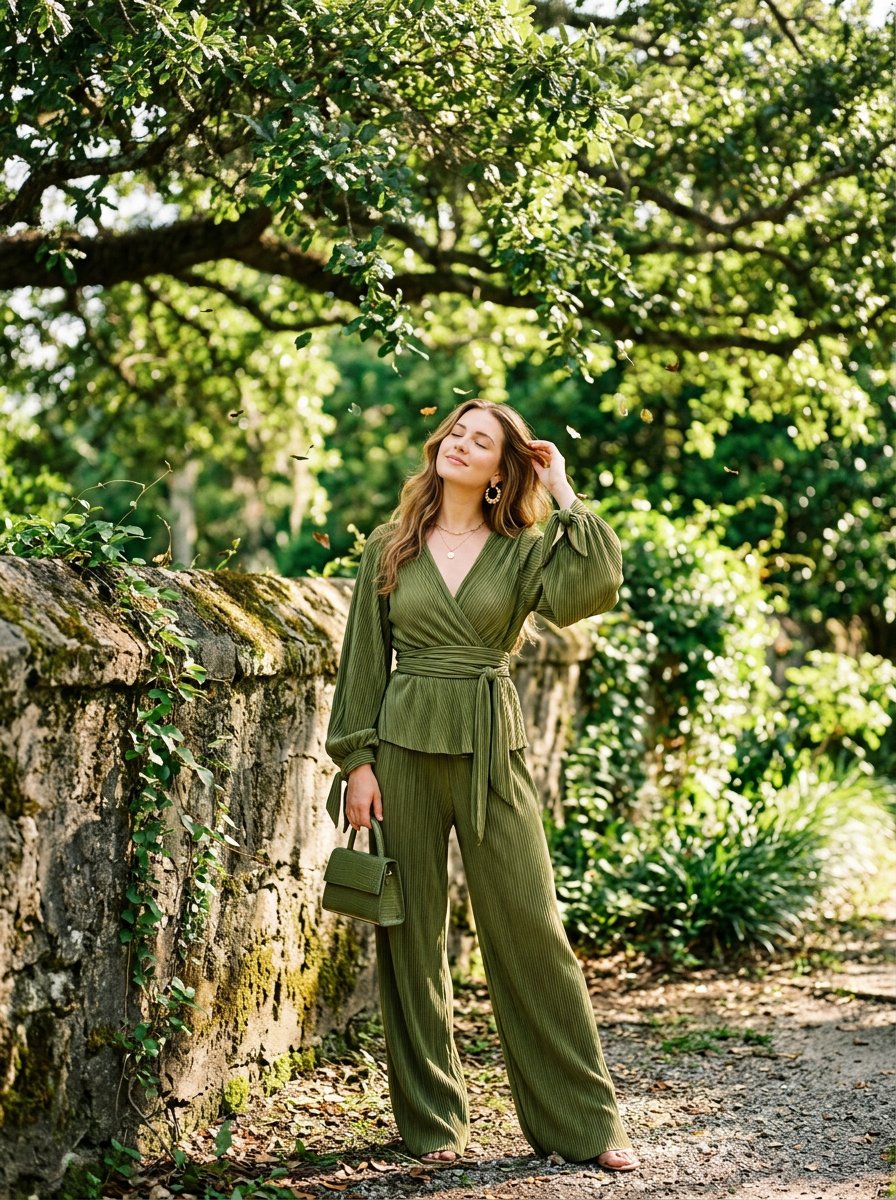
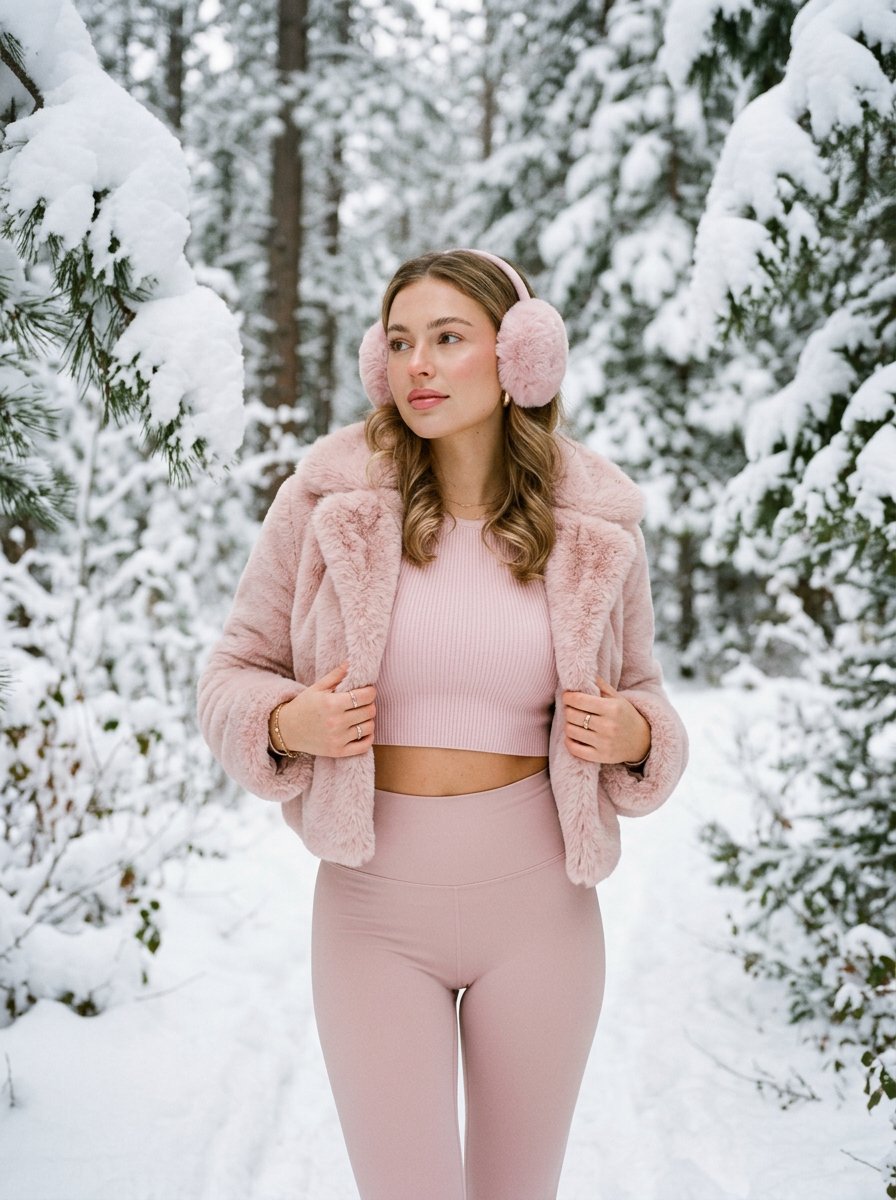
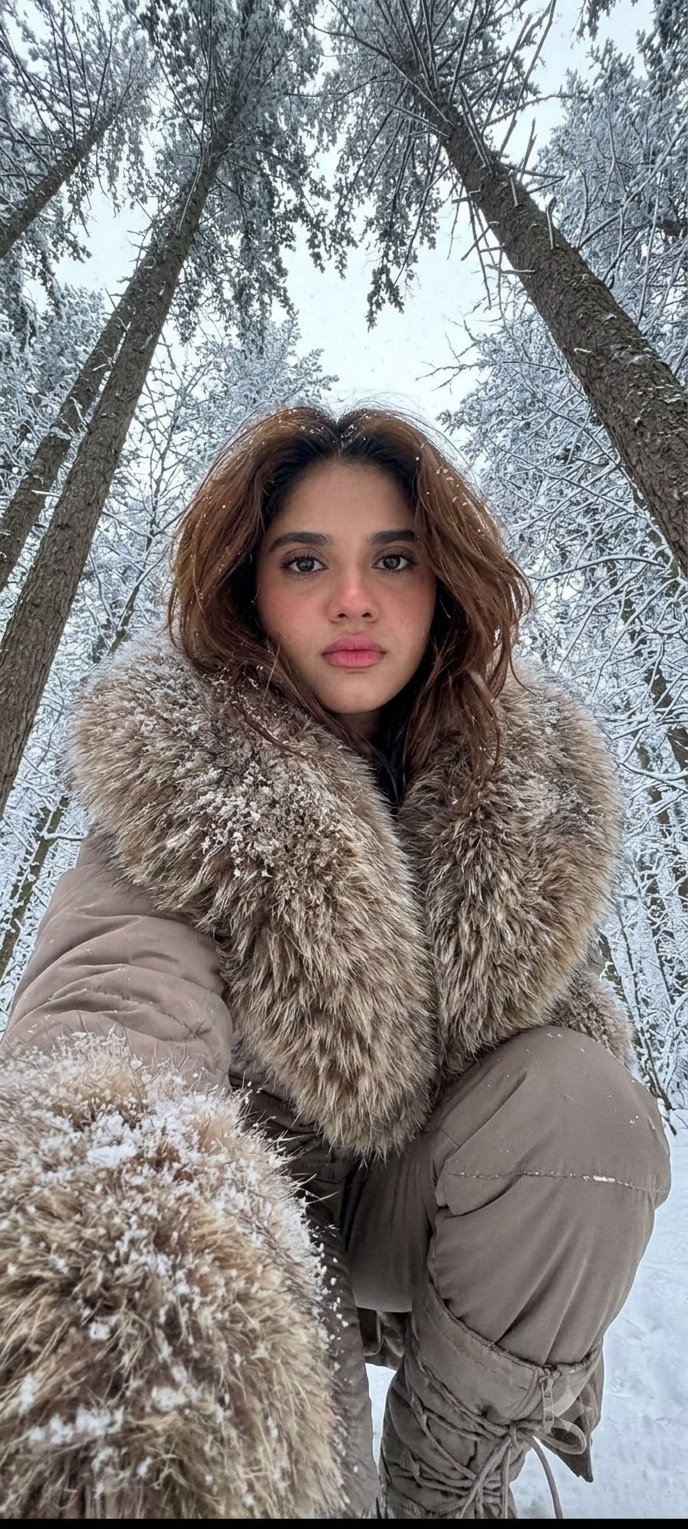
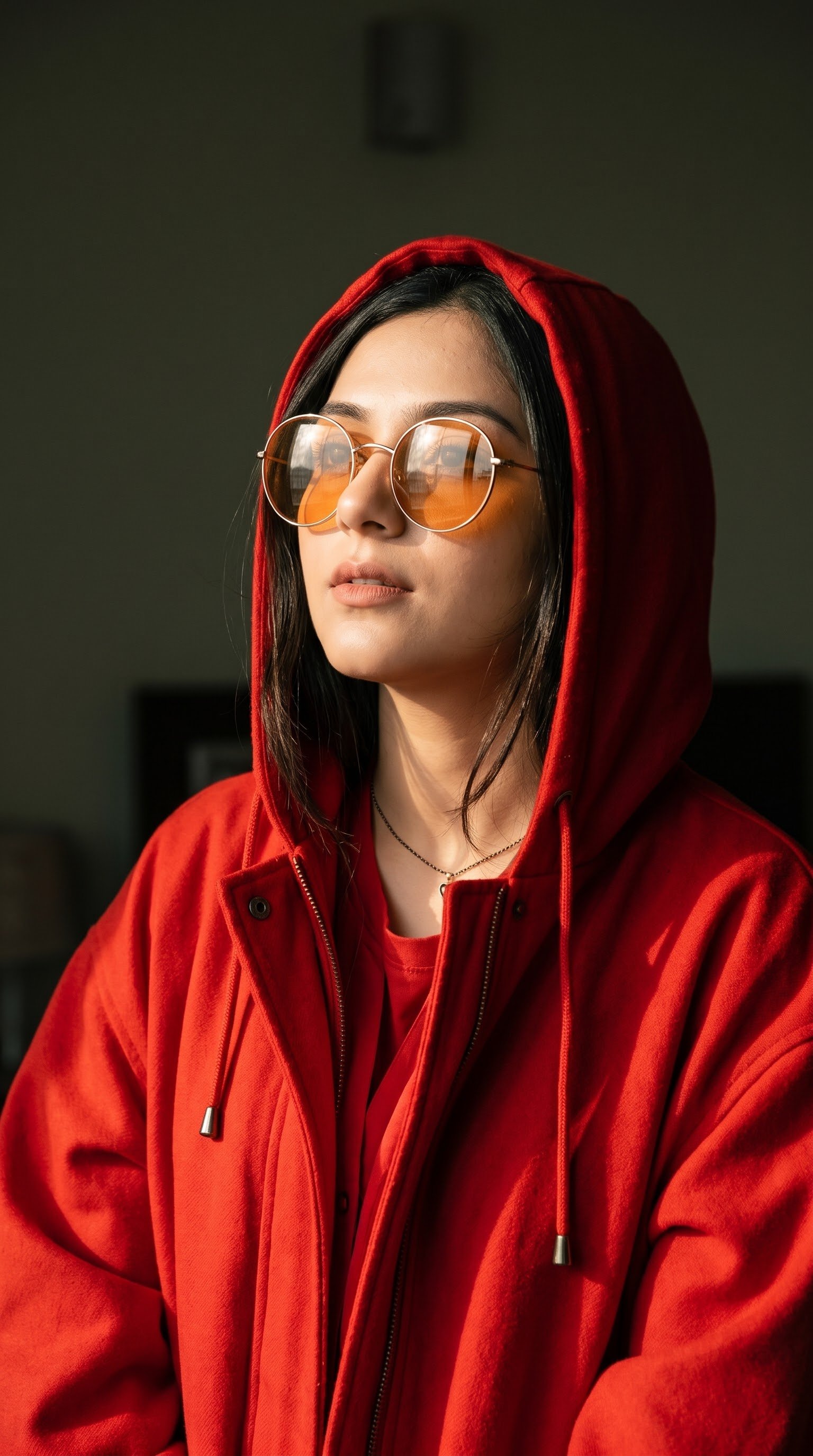
Ask a model for "a beautiful portrait" and it will give you the average of every portrait it has seen: front-facing, evenly lit, skin like polished plastic. The output isn't wrong, it's just nobody. Real portrait photography is a chain of specific decisions — where the light stands, what the lens does to the face, what the subject does with their hands — and a prompt has to make those decisions explicitly.
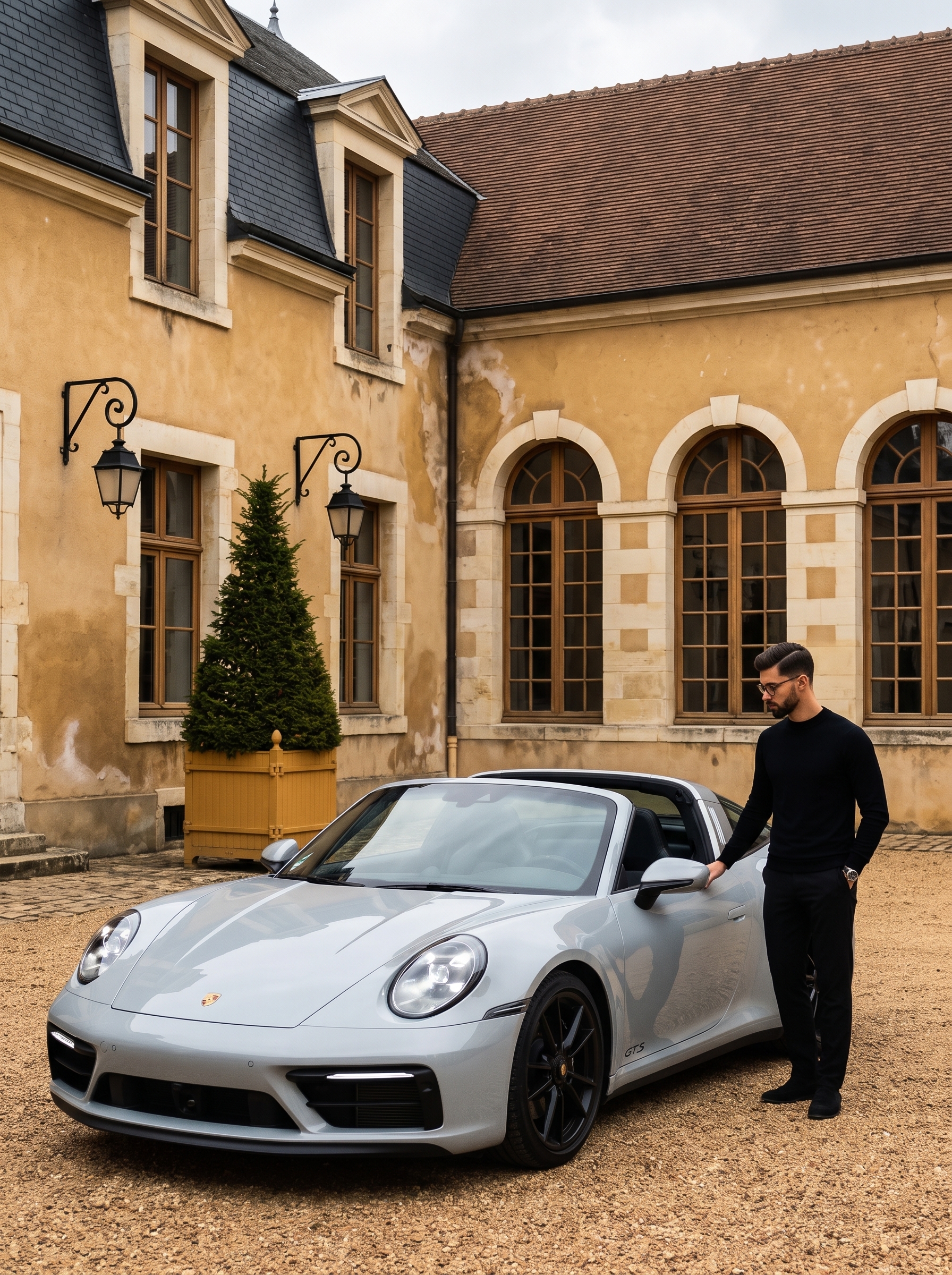
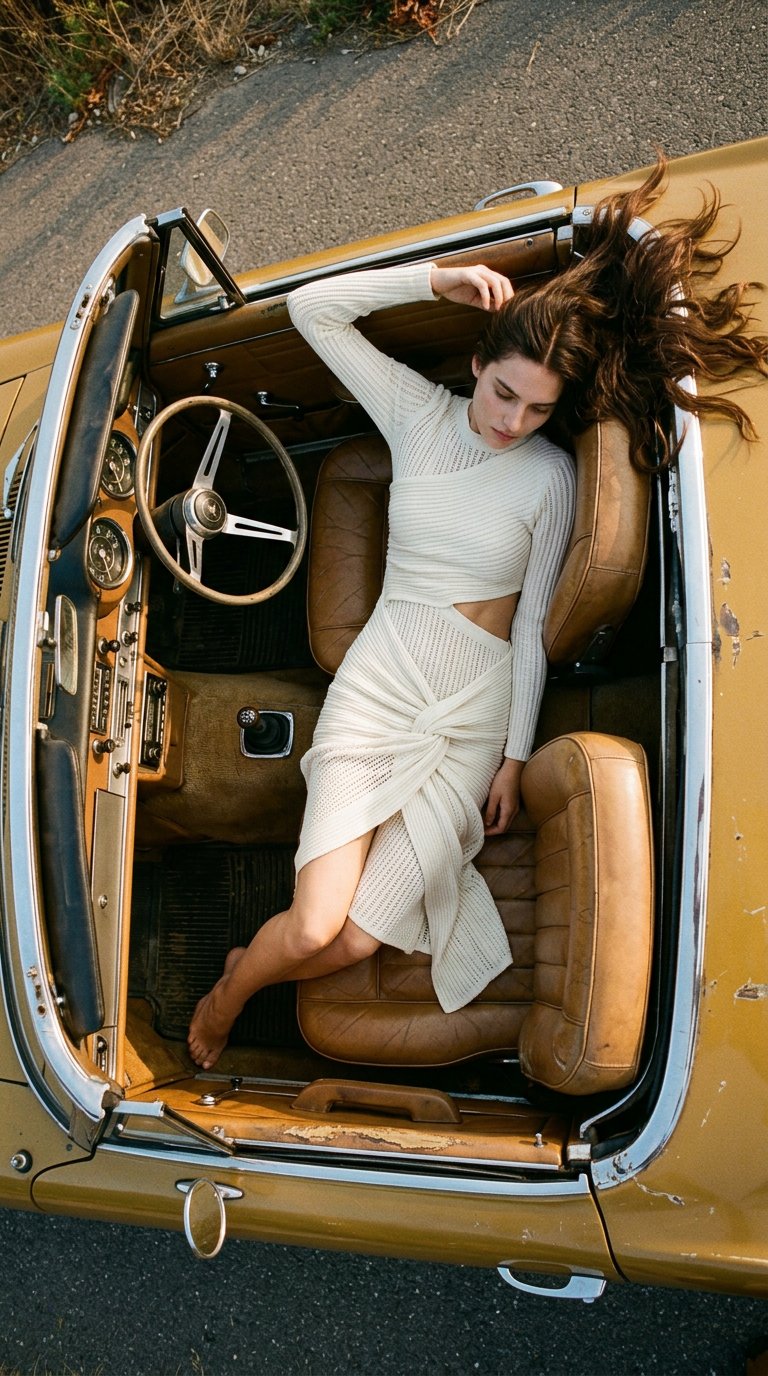
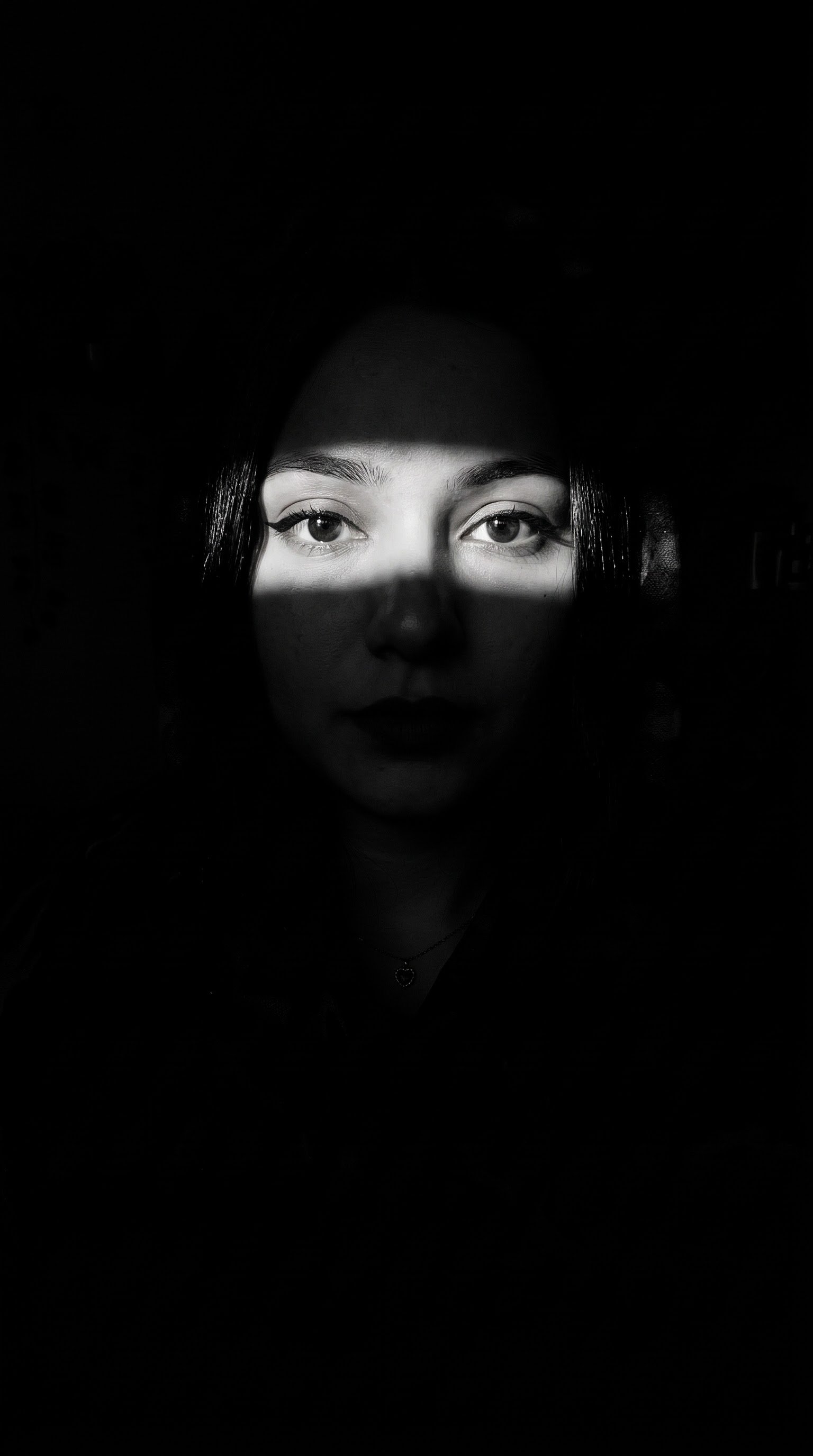
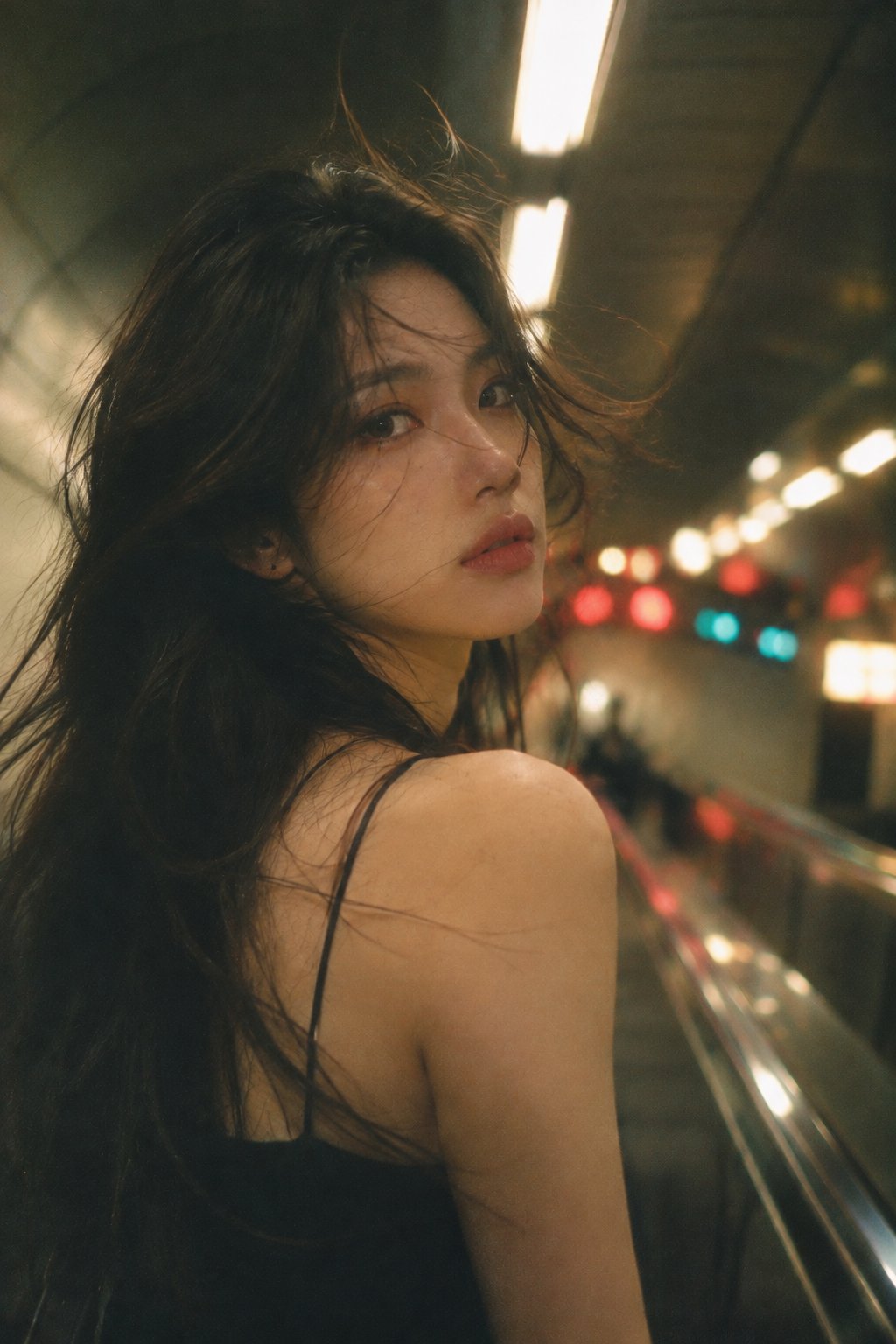
The strongest lever is lighting position. "Rembrandt lighting", "window light from the left", "hard noon sun with deep eye sockets" — each phrase moves the virtual lamp, and the lamp is what sculpts a face out of flat color. Second is focal-length language: an 85mm portrait compresses and flatters, a 35mm environmental portrait keeps the room in the story.
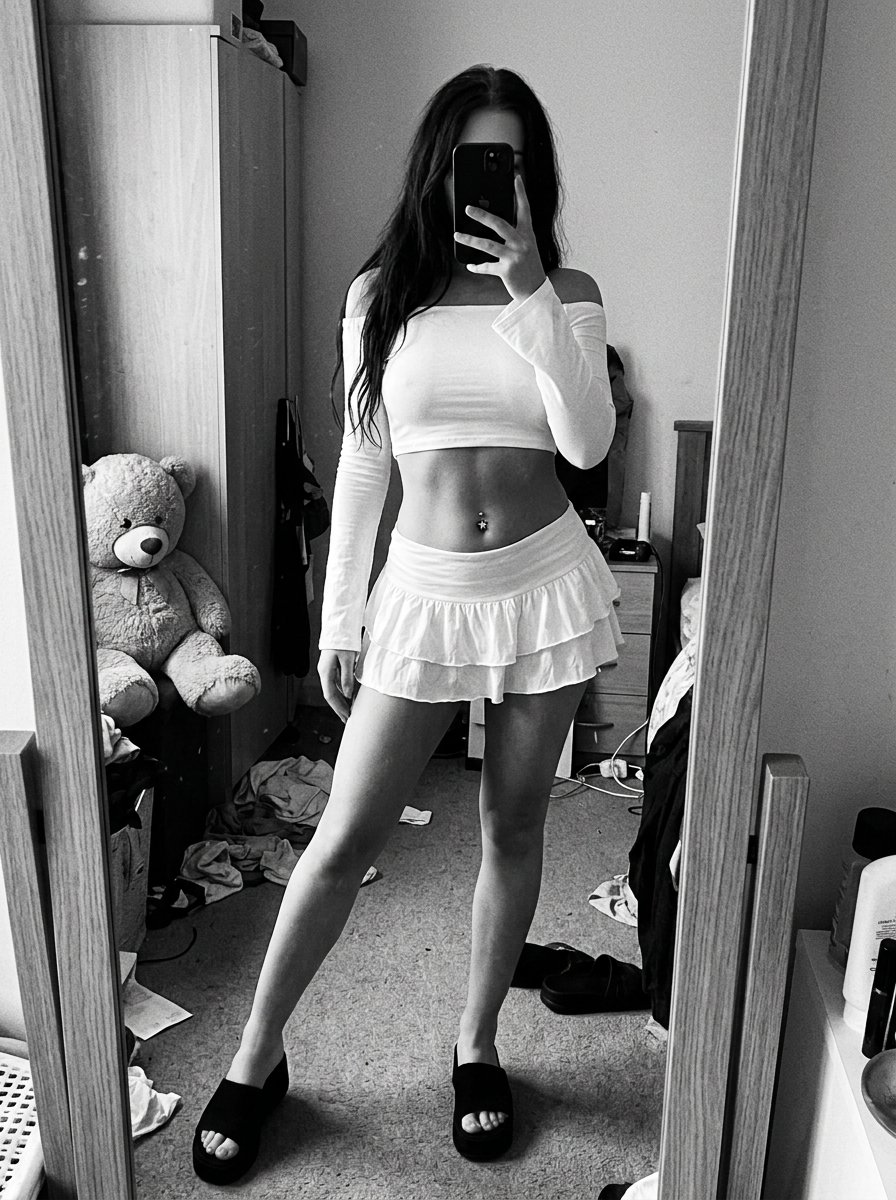
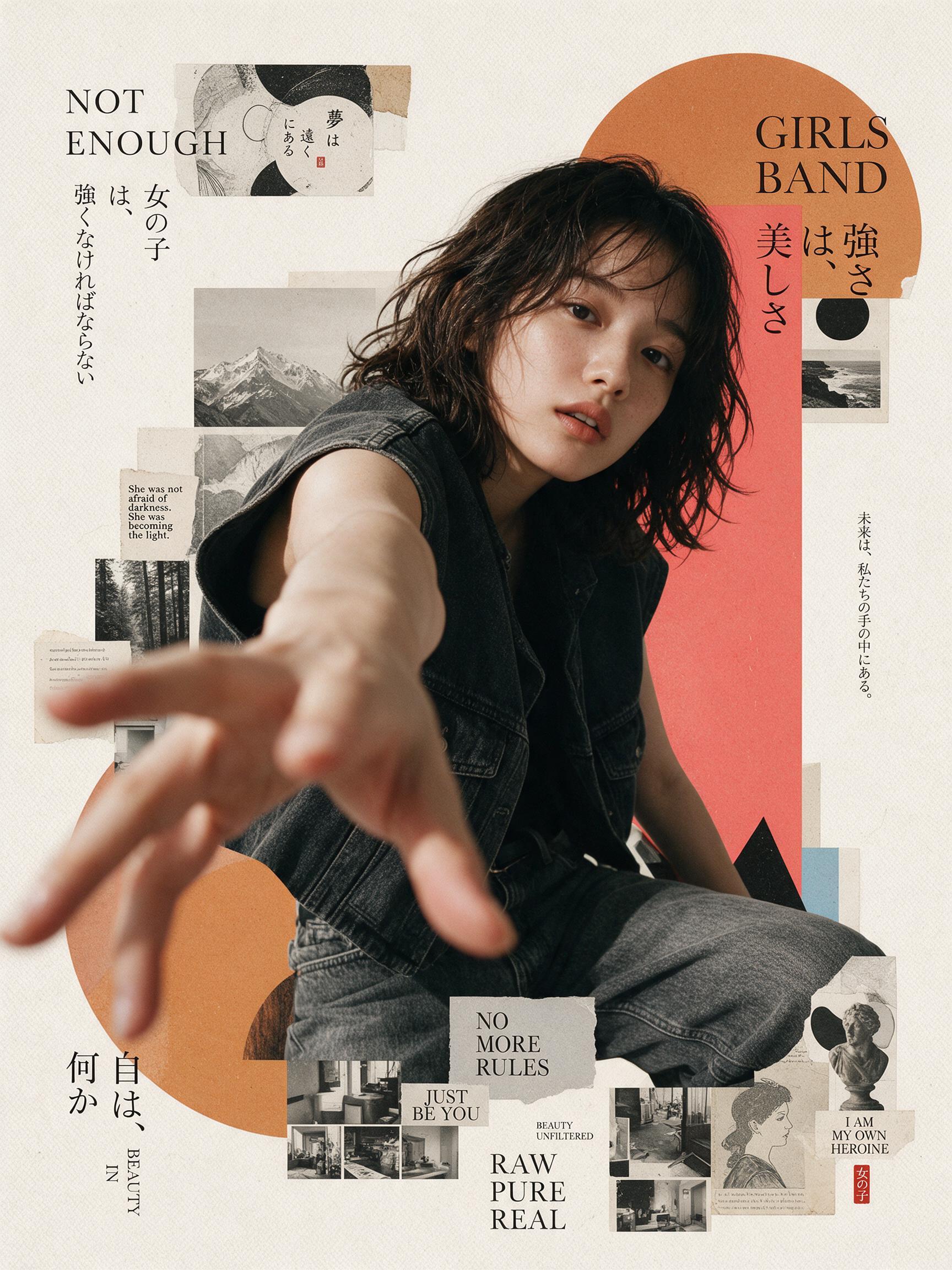
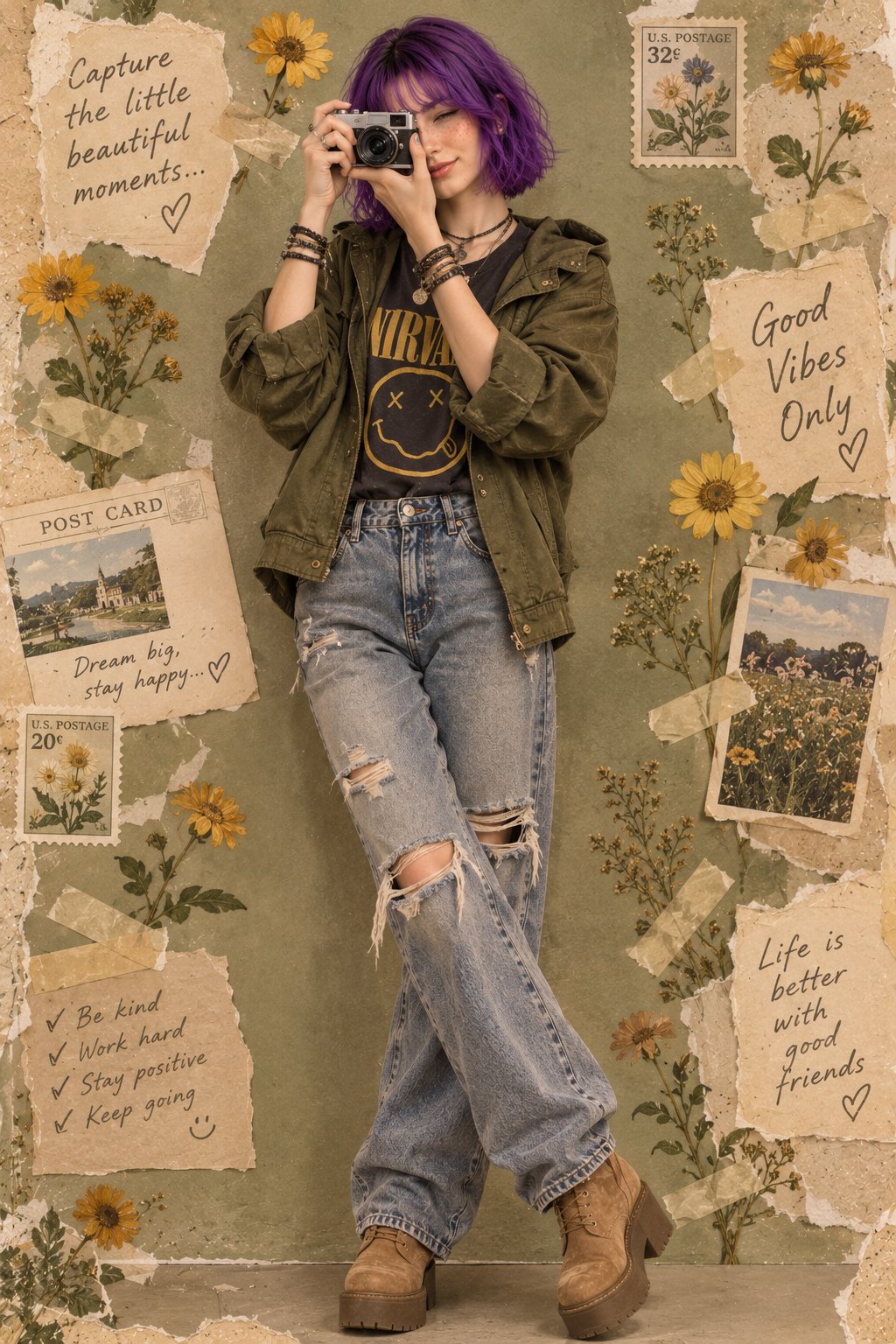
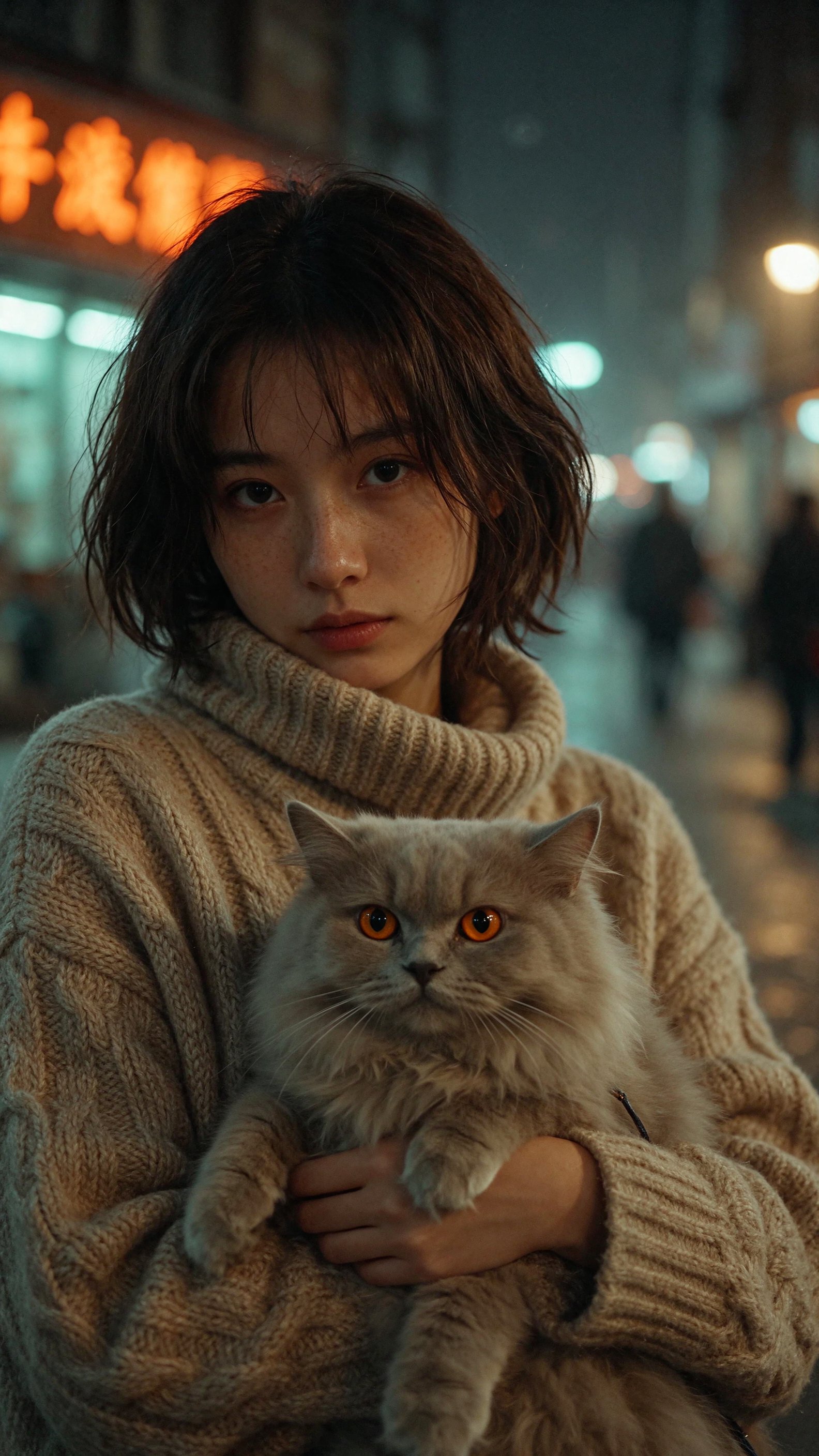
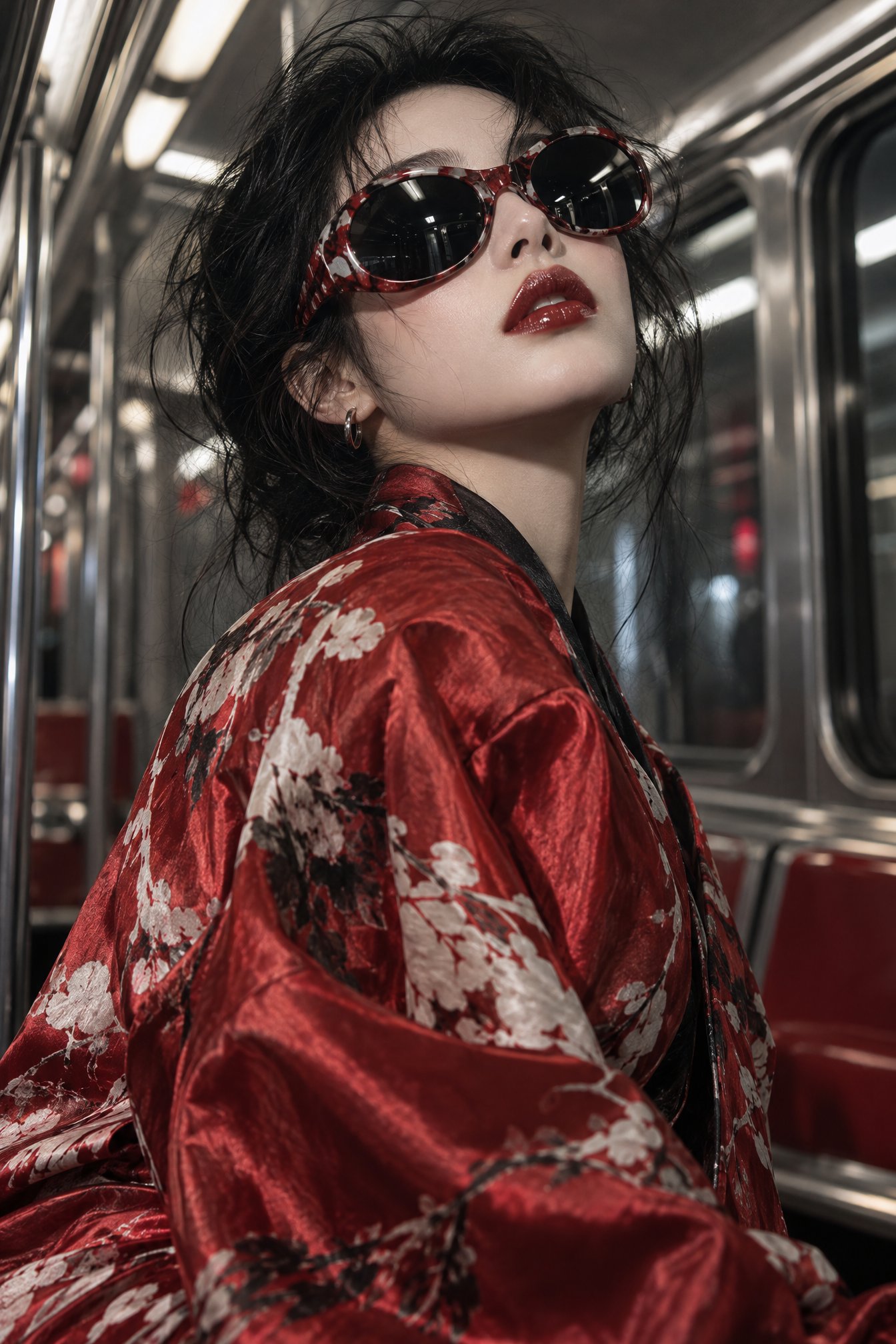
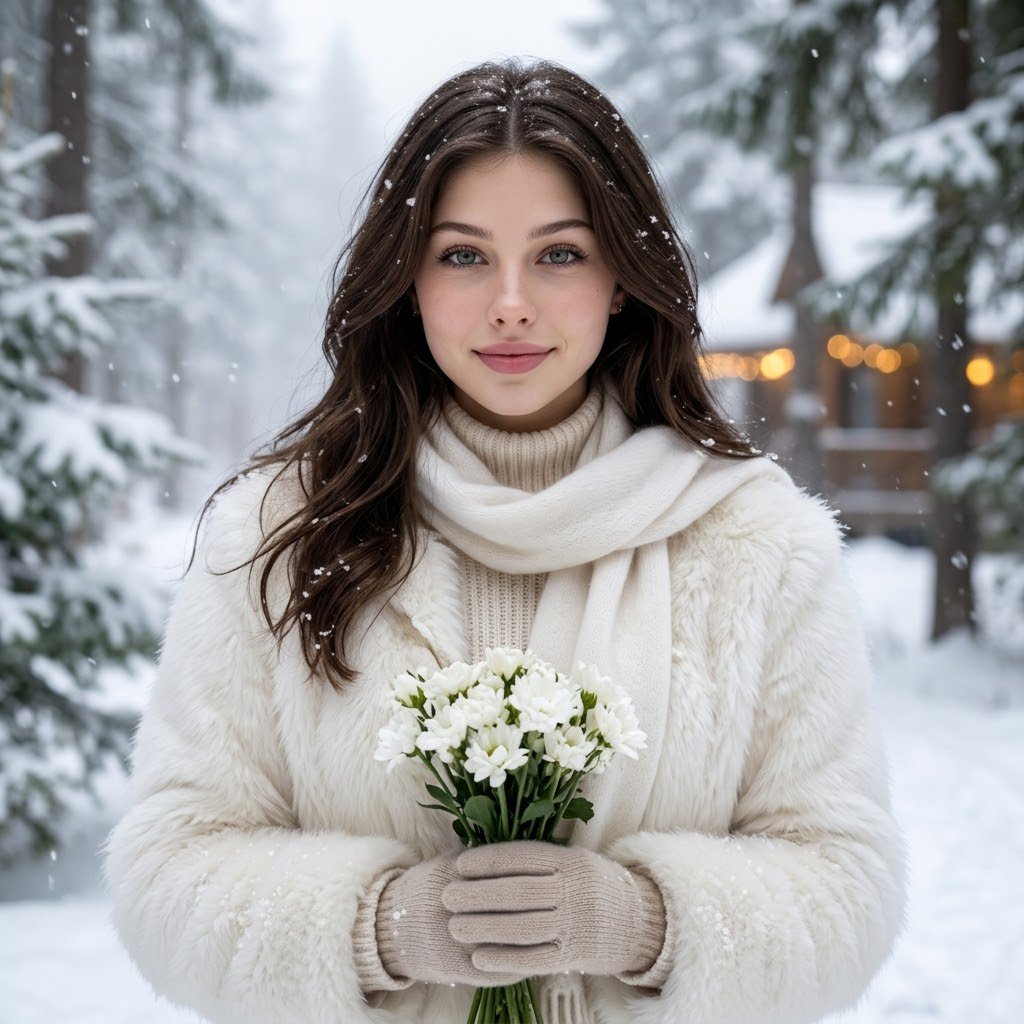
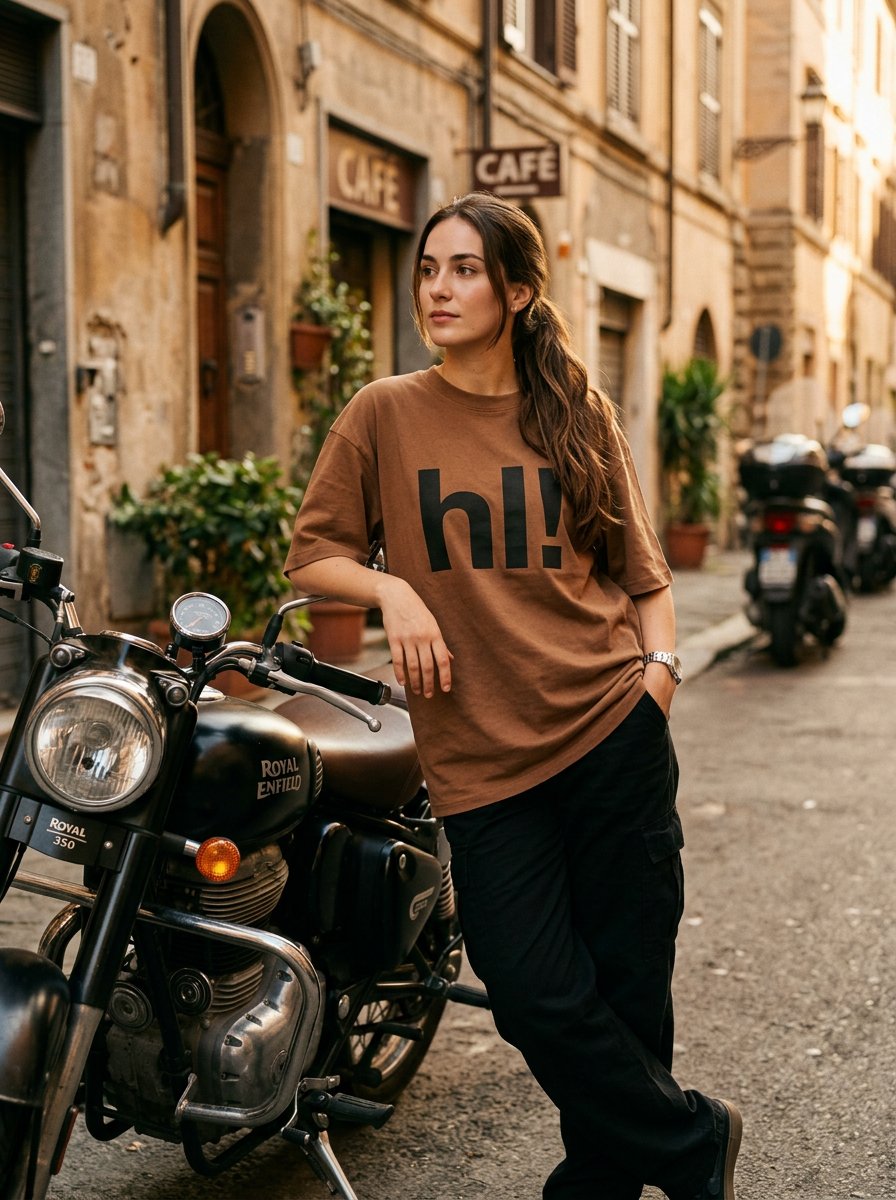
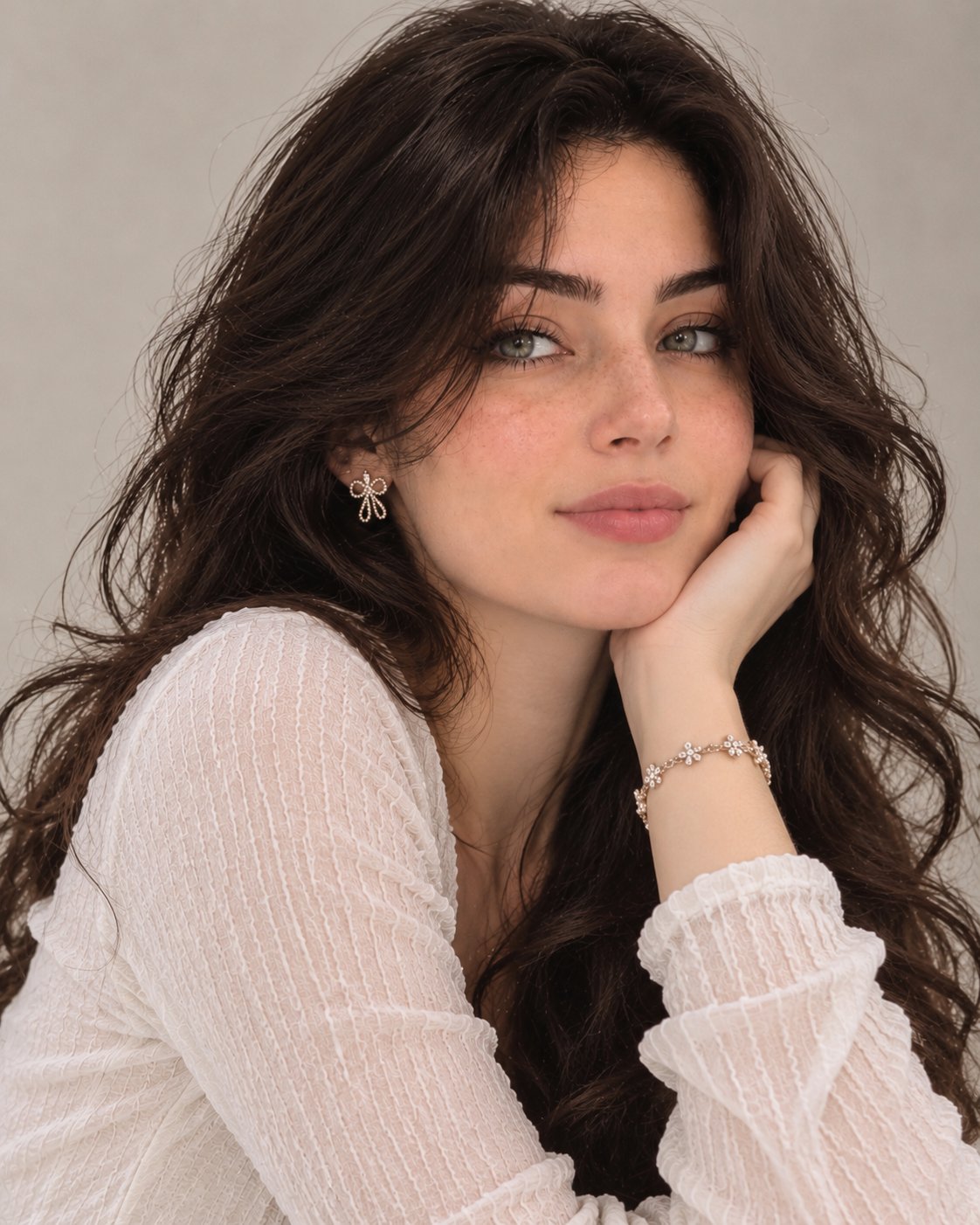
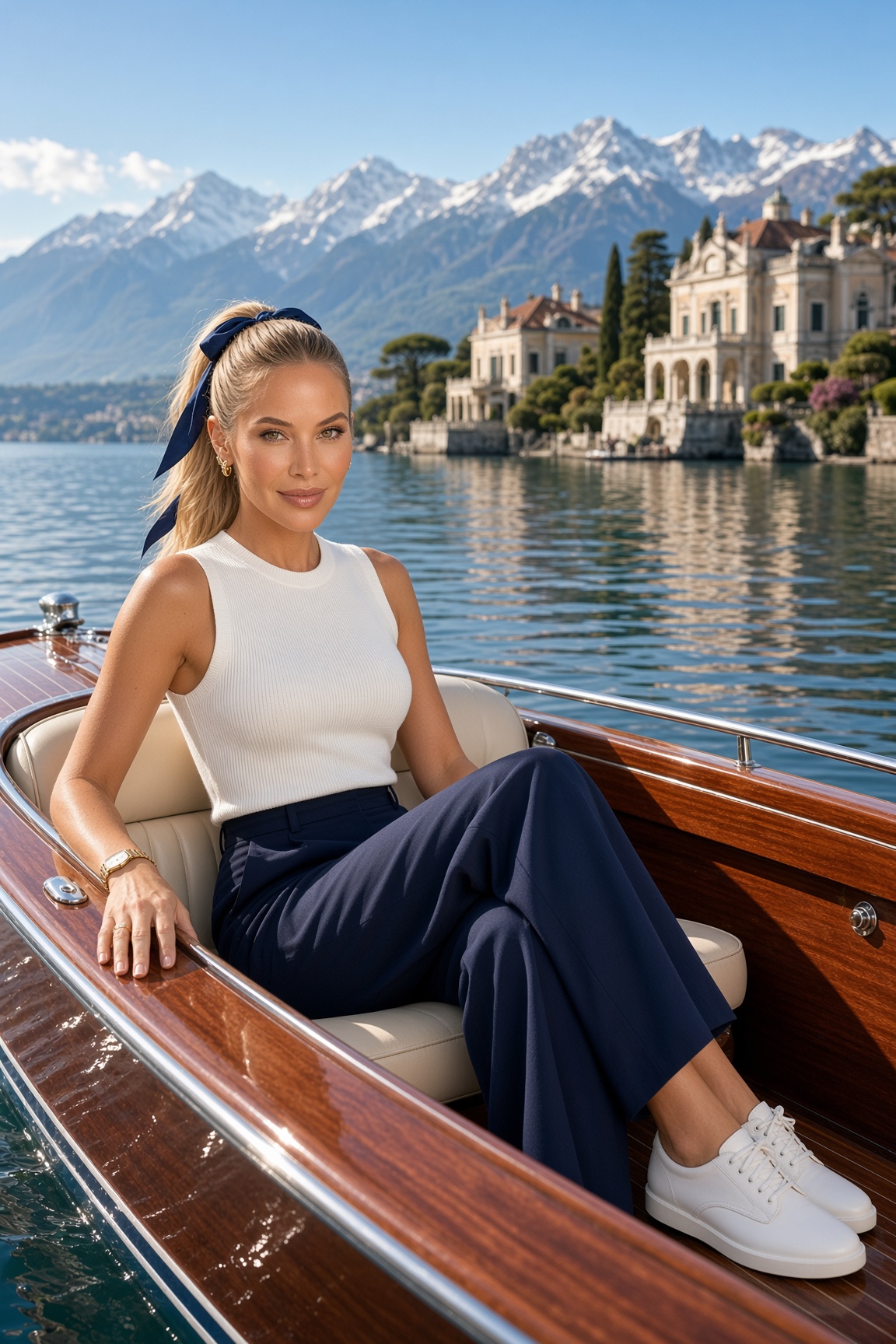
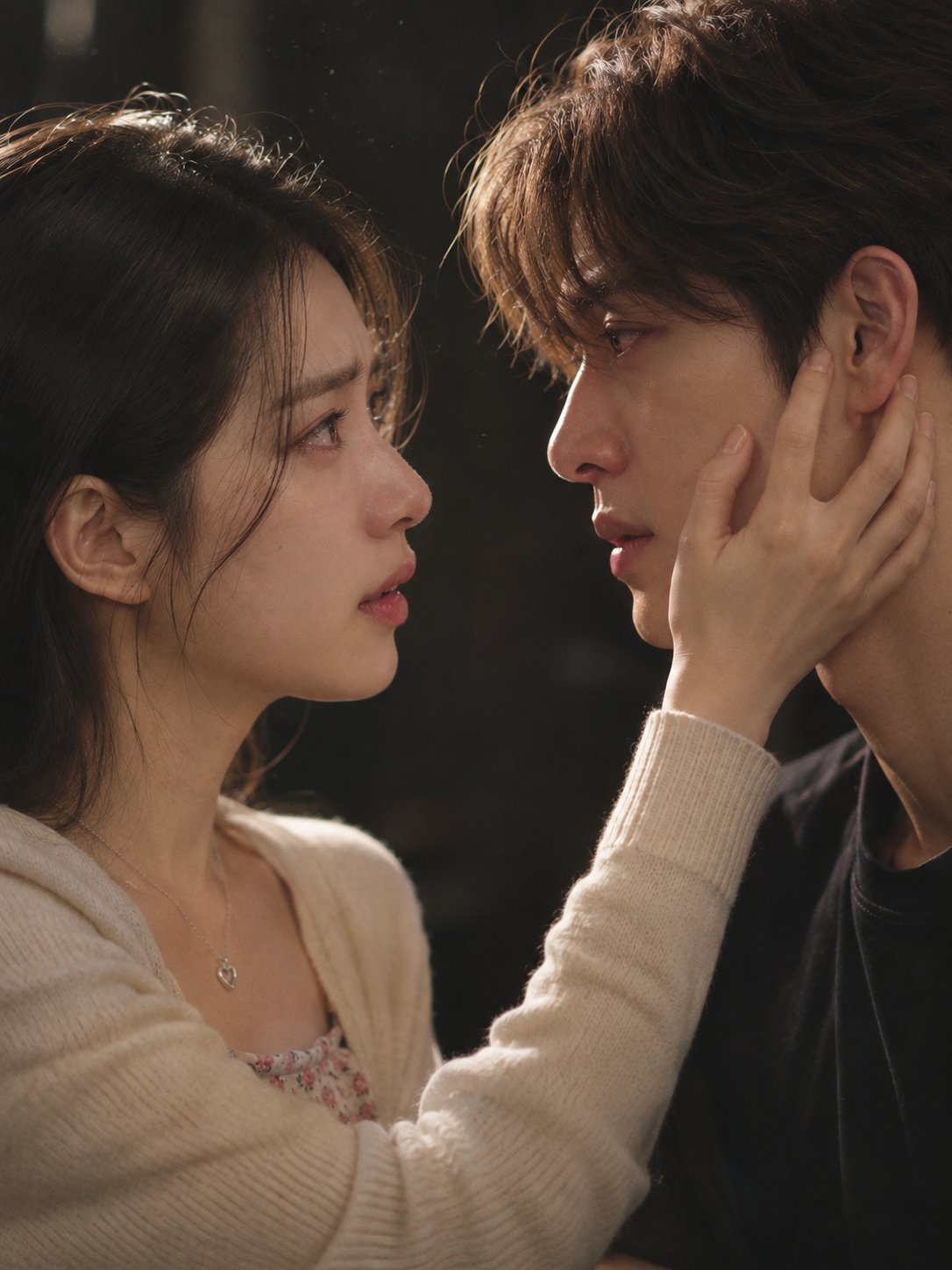
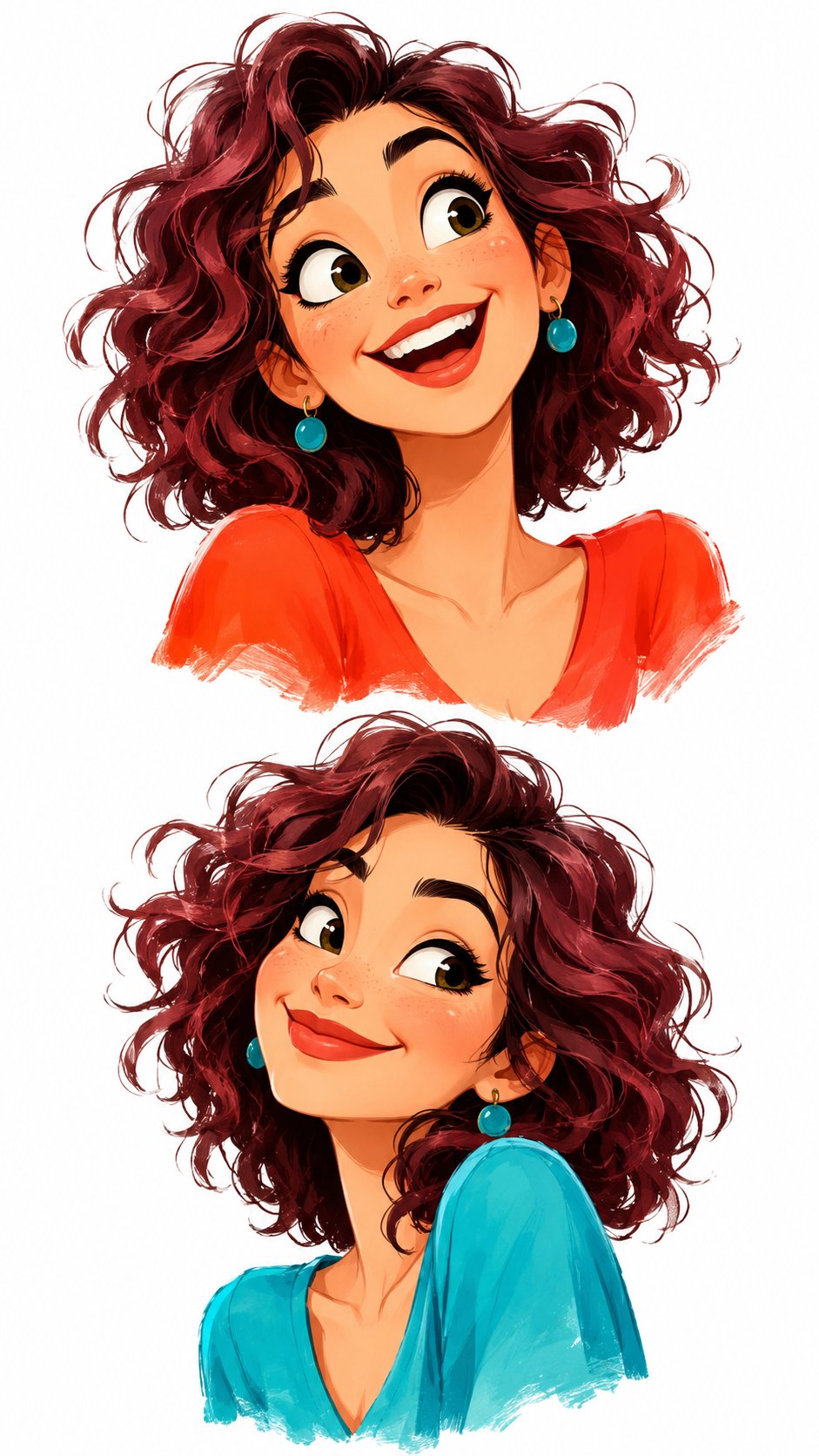
Finally, texture honesty. Models default to retouched skin because their training data is retouched. Naming pores, freckles, flyaway hairs, and fabric weave gives the output a subject instead of a mannequin. The prompts below are tested with their real outputs — notice how few words they spend on the face itself.
How to write Portrait prompts
- 1Name the light's position, not its mood: "window light from the left", "single overhead source", "golden hour backlight with rim on the hair". "Dramatic lighting" leaves the lamp unplaced.
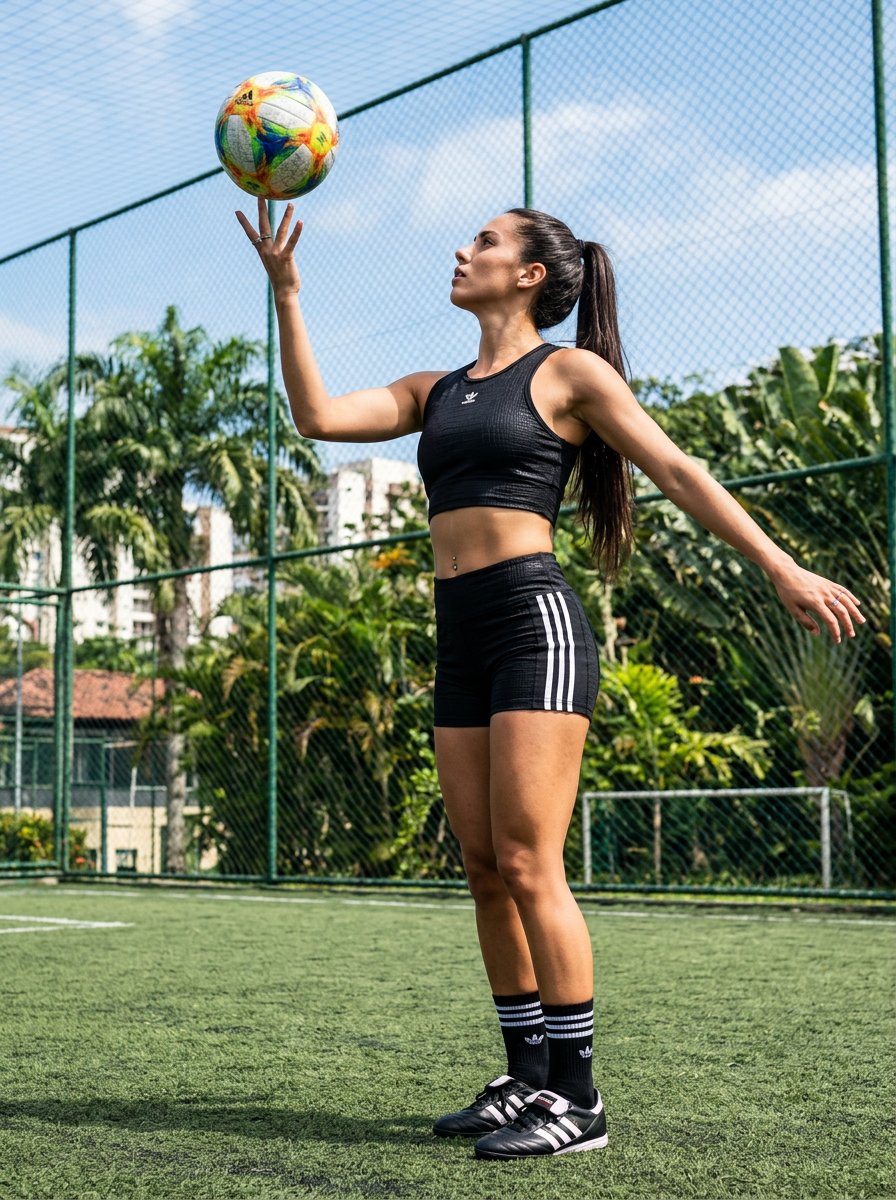
- 2Borrow focal-length language from photography: "85mm portrait lens, shallow depth of field" for compression and creamy background, "35mm environmental" when the setting matters. The lens term quietly sets framing and distortion.
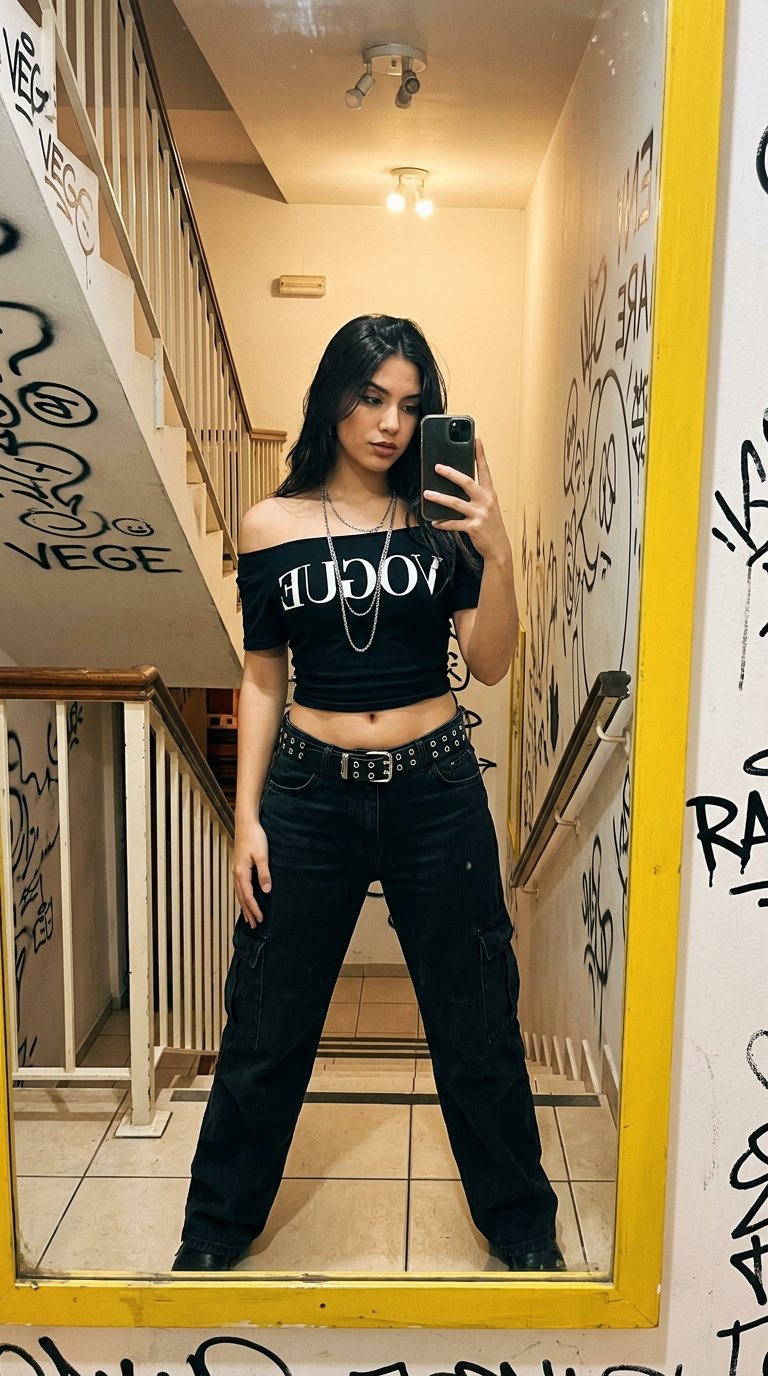
- 3Direct the gaze and the shoulders: "looking past the camera", "three-quarter view, chin slightly down". A portrait with no posture direction defaults to passport-photo symmetry.
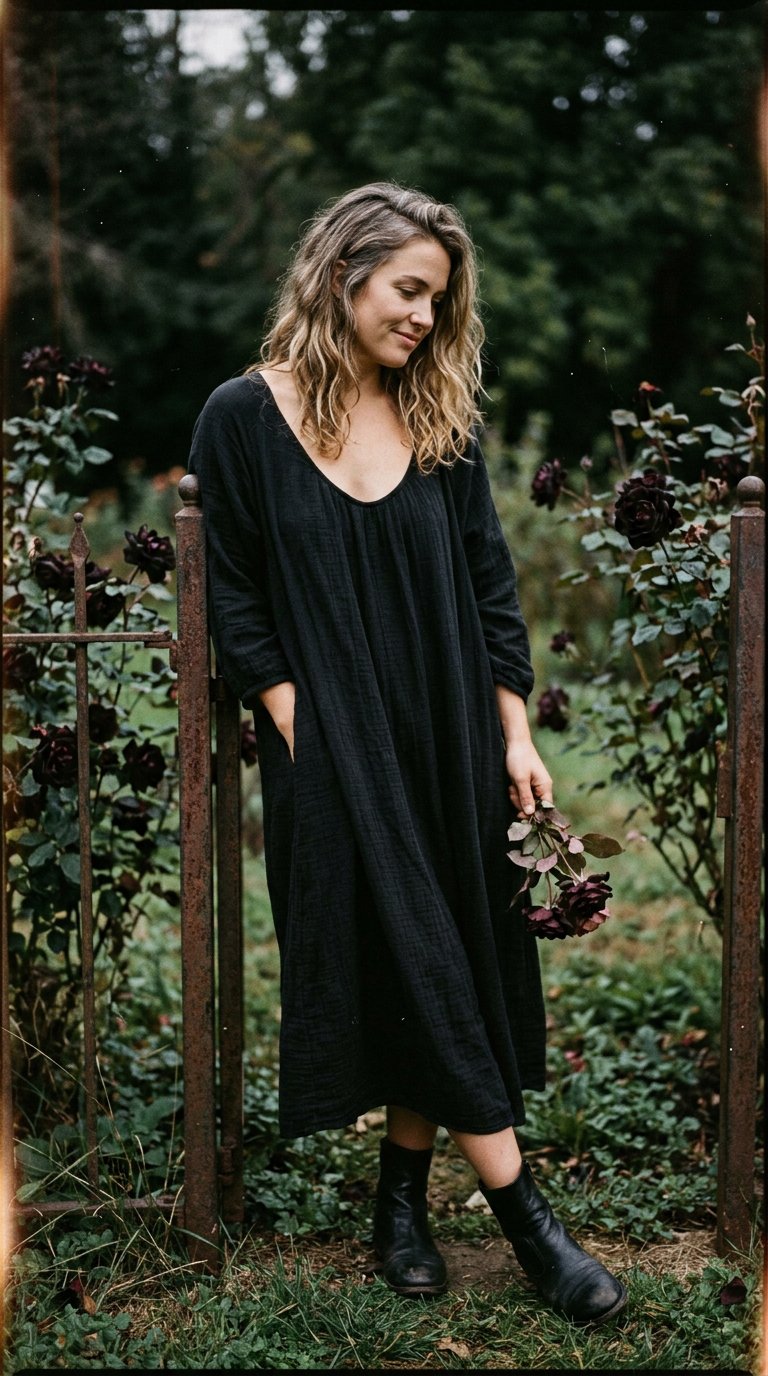
- 4Write skin honestly: "visible pores", "freckles across the nose", "fine flyaway hairs". Texture words are the difference between a person and a rendered doll.
- 5Give the hands a job — "holding a coffee cup", "thumb hooked in a collar". Unguided hands are the most common tell of a generated portrait.
Frequently asked questions
Why does my AI portrait have plastic skin?
Because nothing in the prompt contradicted the model's retouched-magazine default. Add texture vocabulary — pores, freckles, fine hairs, matte skin — and a real light position. Plastic skin is what you get when the prompt describes beauty instead of physics.
How do I keep the same face consistent across portraits?
Fix the variables that drift: keep the focal length, lighting setup, and description of the face word-for-word identical, and change only pose or setting. Consistency comes from repeating the boring technical sentence, not from describing the person harder.
What makes an AI portrait look like a real photograph?
Three things: a specific light position, a lens term that implies real camera physics, and one honest imperfection. Studio-perfect symmetry and lighting reads as CGI; a slightly turned shoulder under window light reads as Tuesday afternoon.