Fashion Prompts
In fashion imagery the garment is the subject. Fabric behavior and light do the work the face gets credit for.
About Fashion prompts
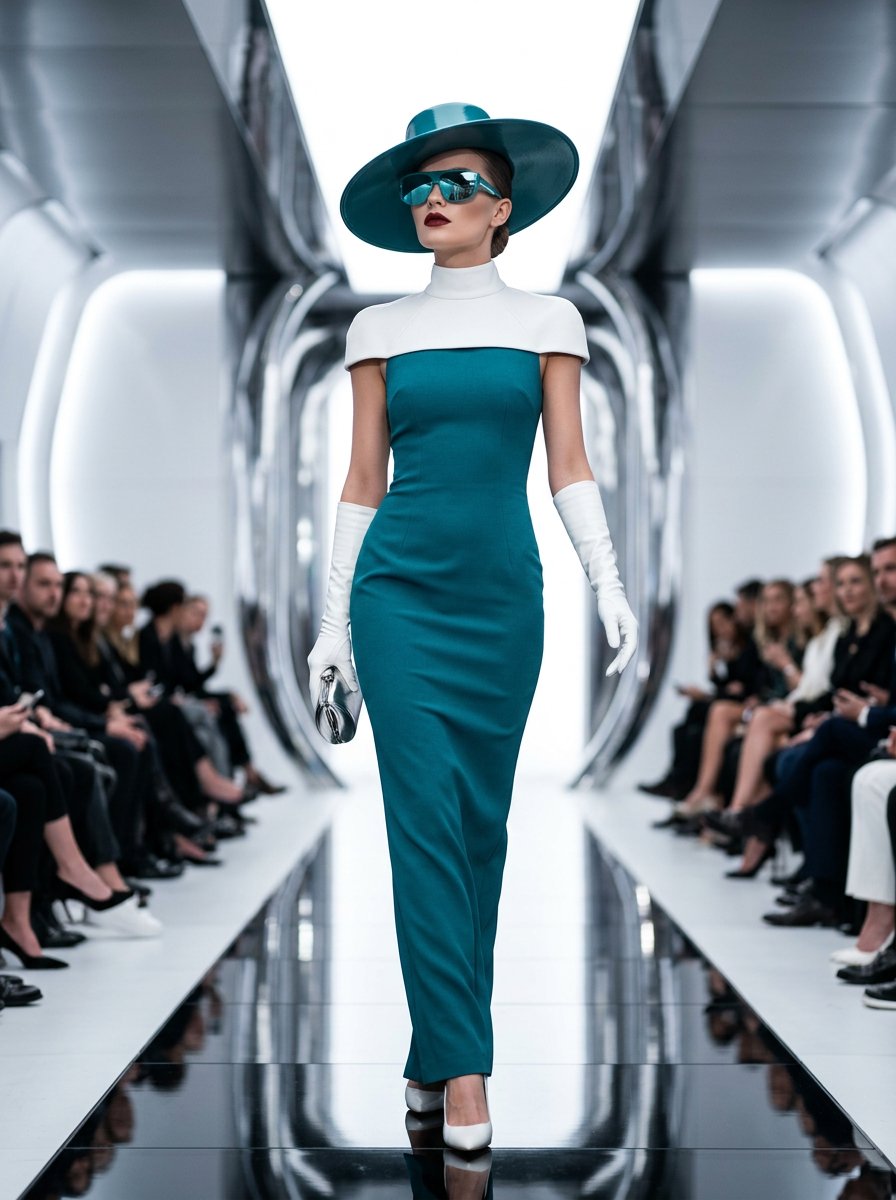
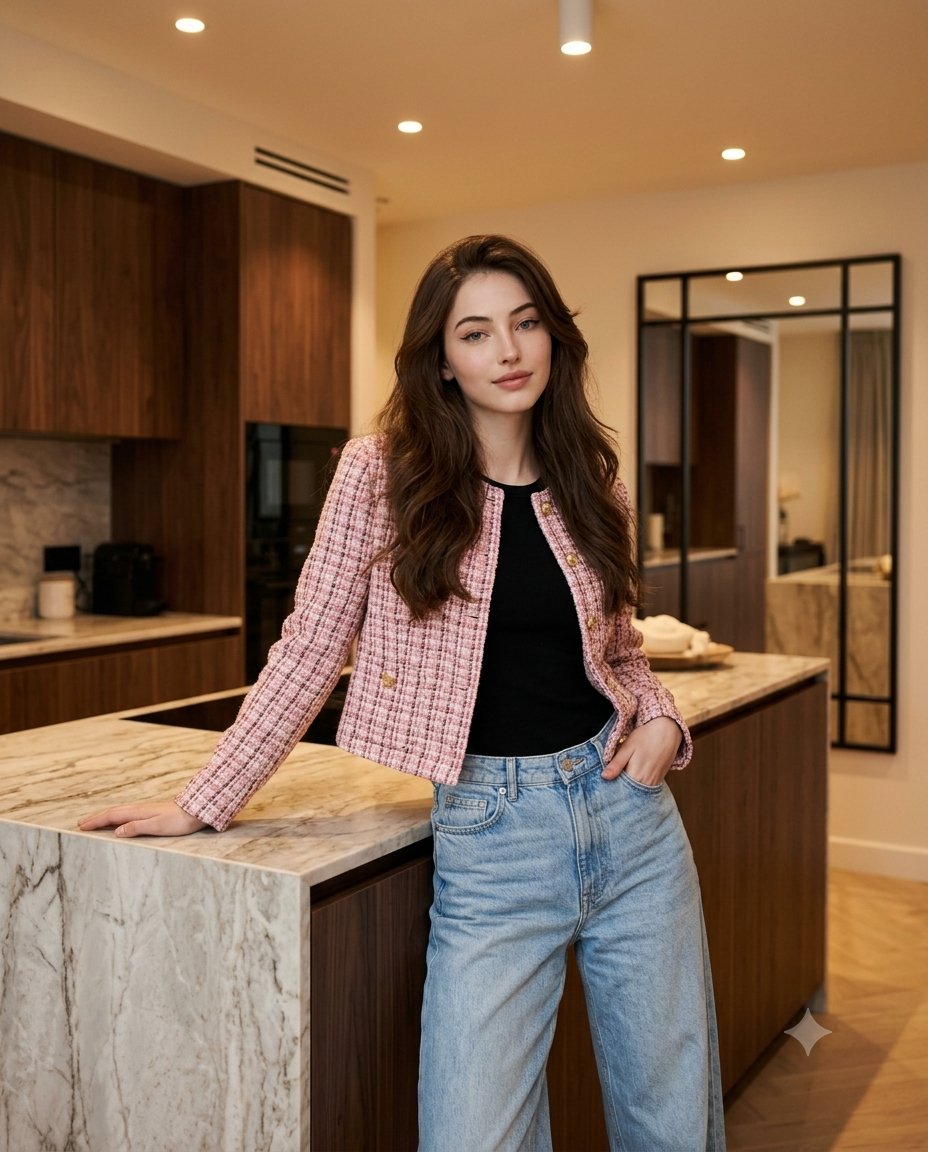
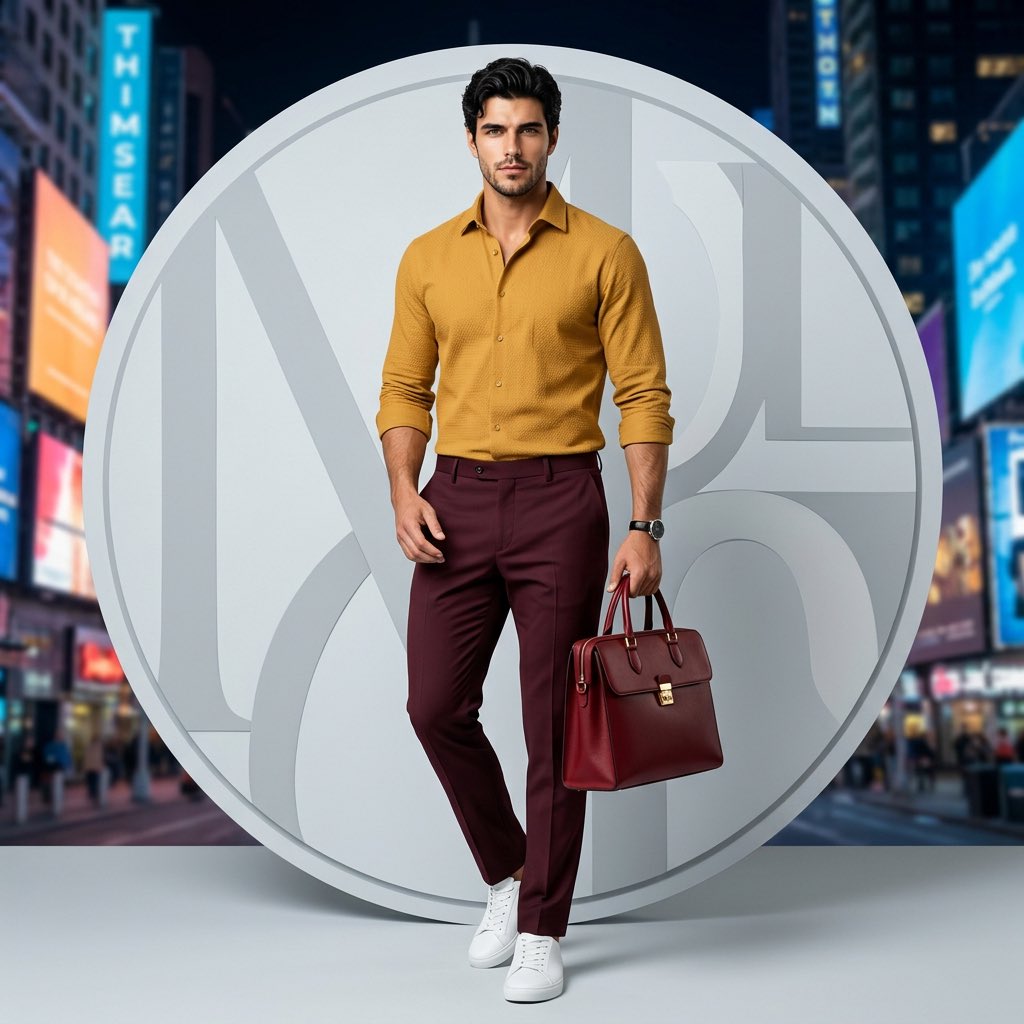
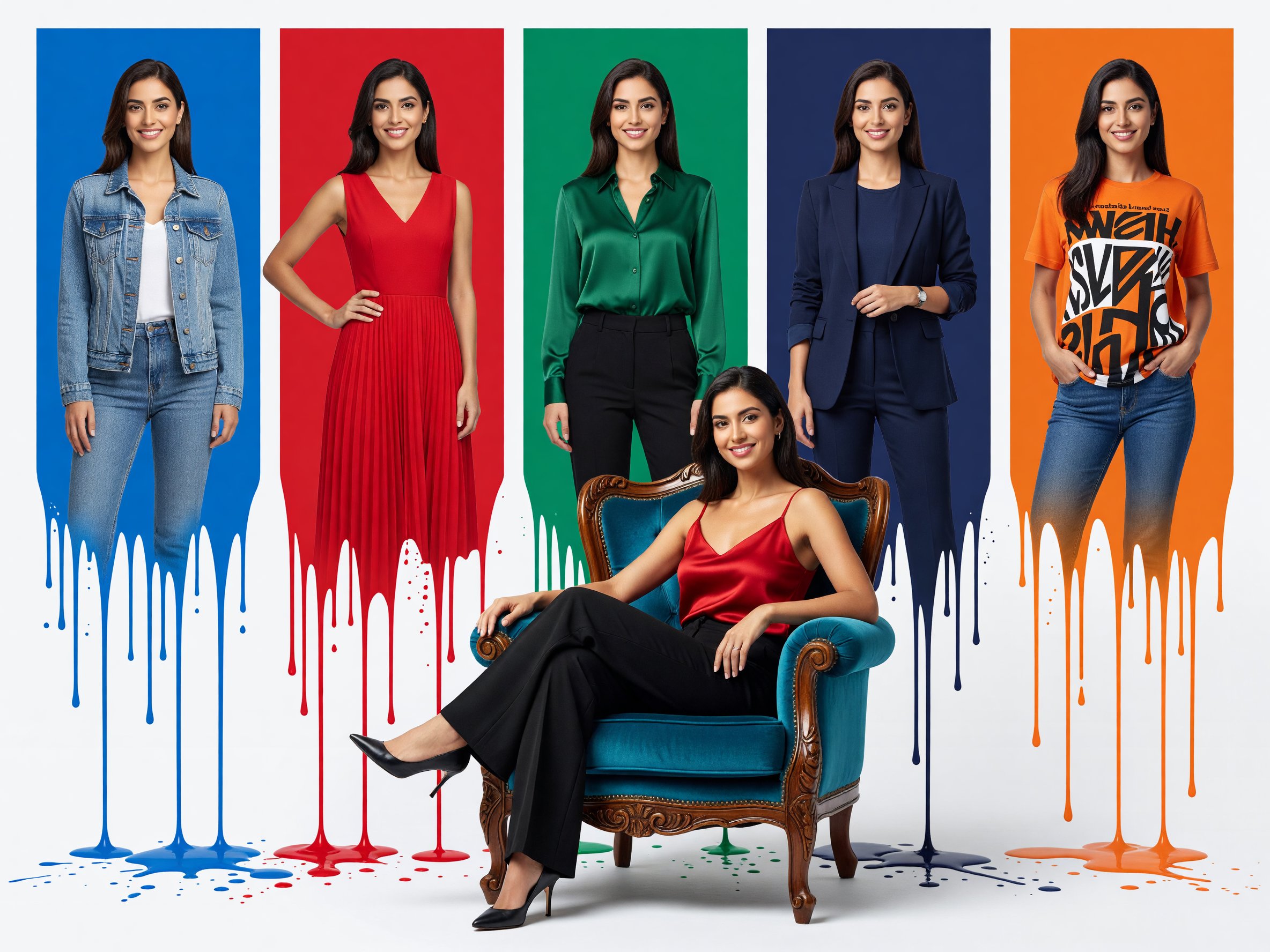
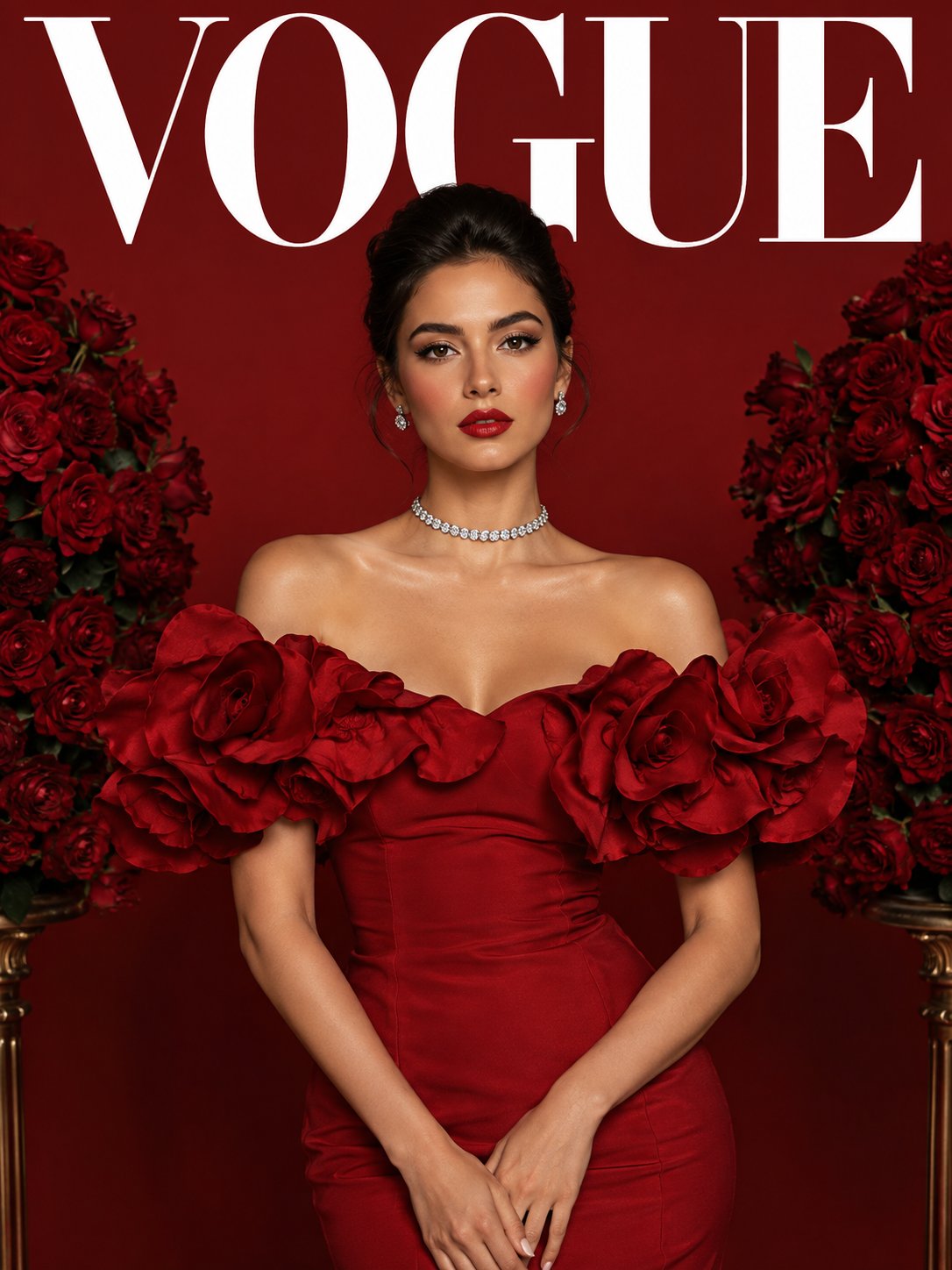
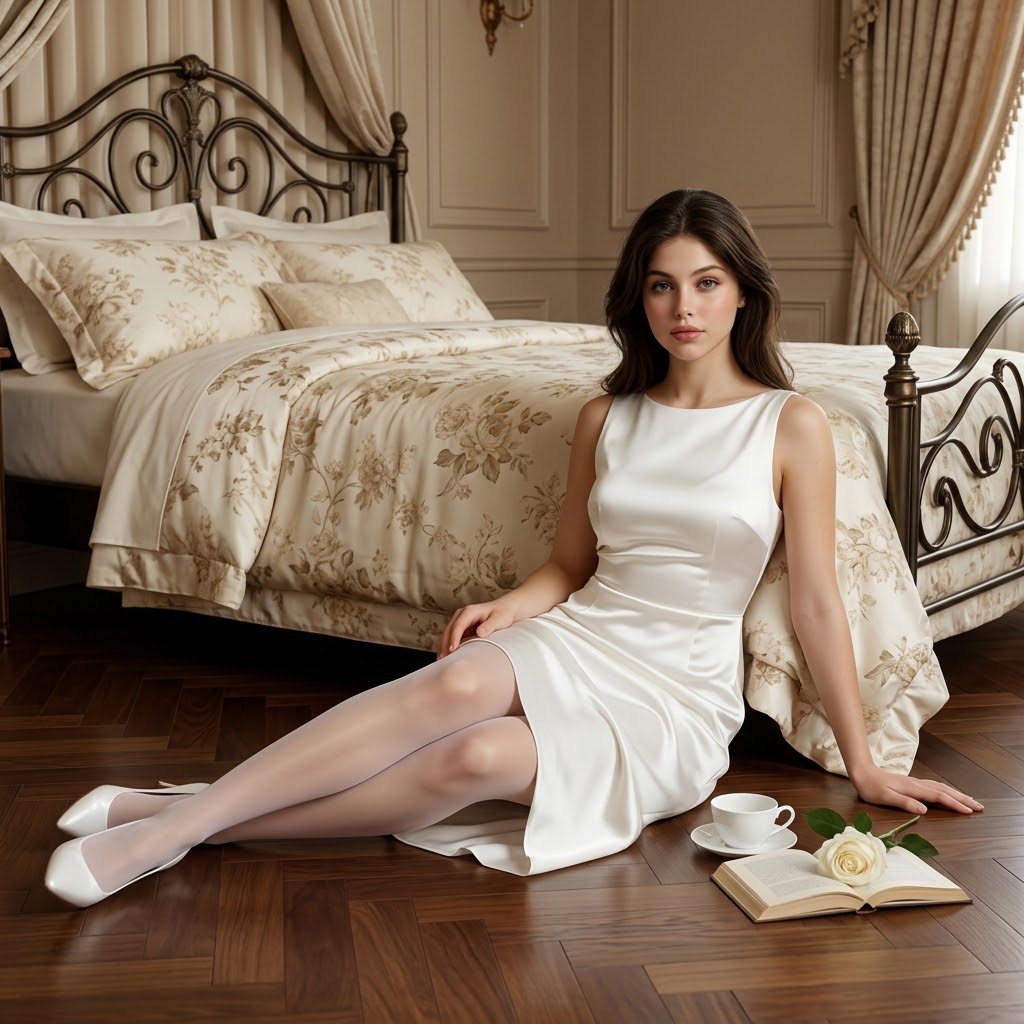
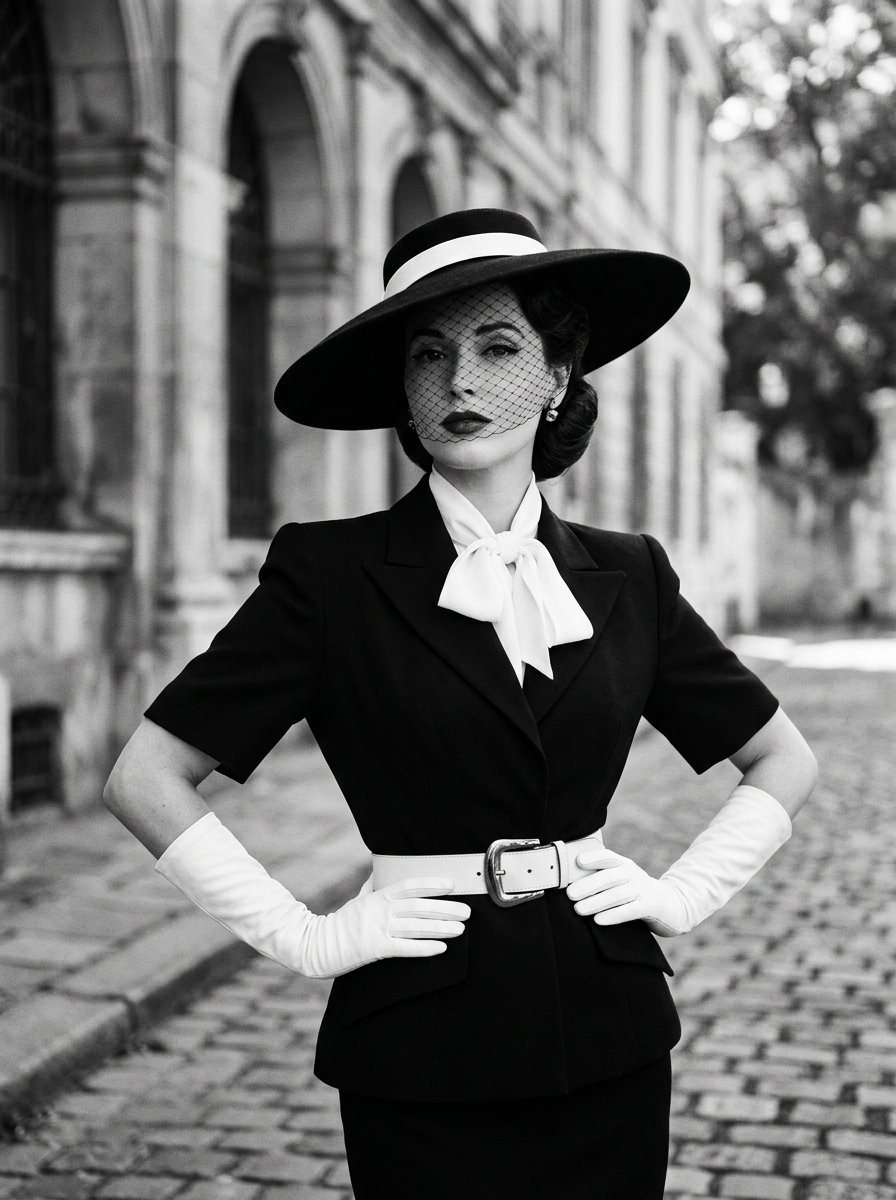
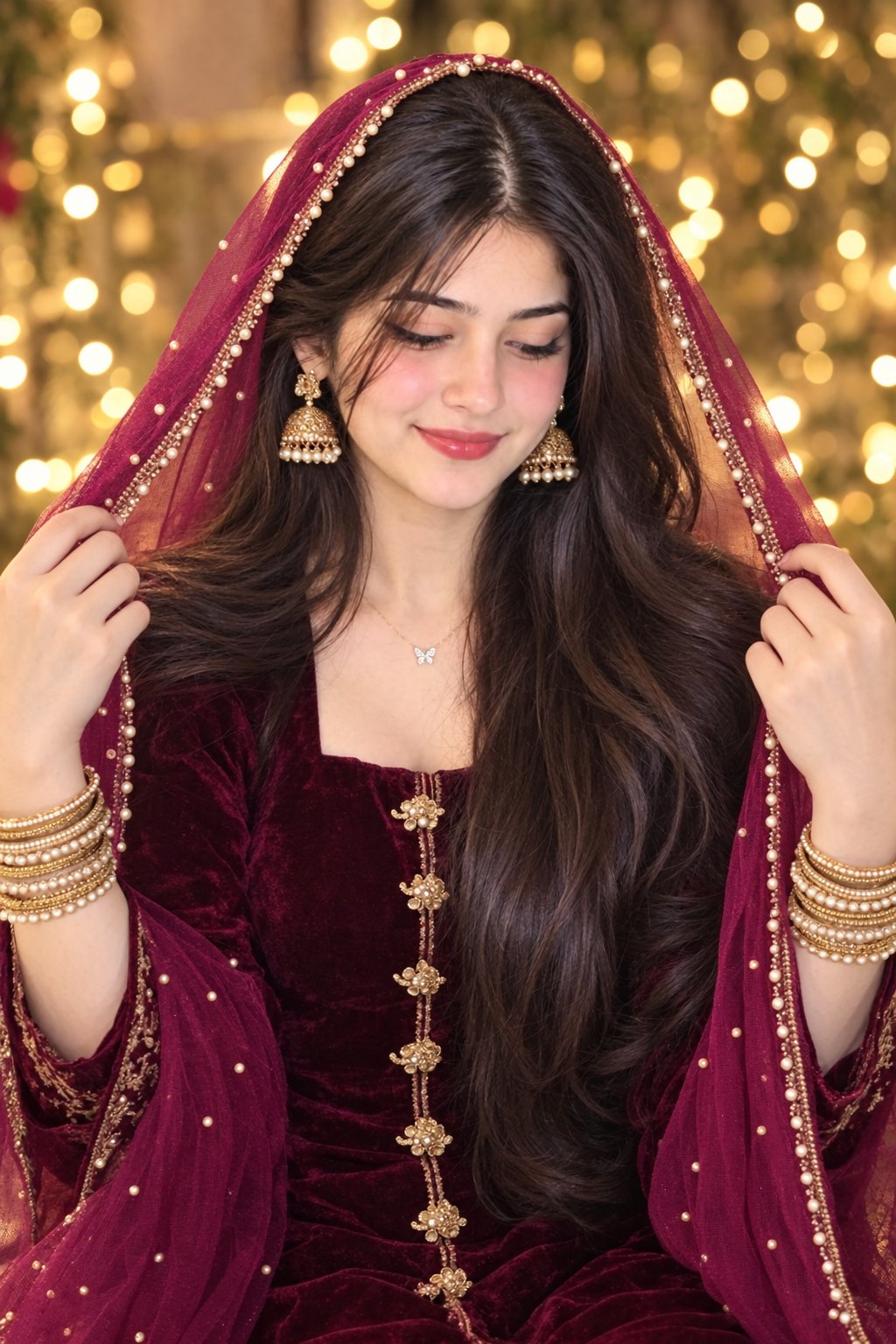
The most common mistake in fashion prompts is describing the person and leaving the clothes as a category — "a model in a red dress". Editorial imagery works the other way around: the garment is the subject, the body is a structure to hang it on, and the fabric is what the light is there to reveal.
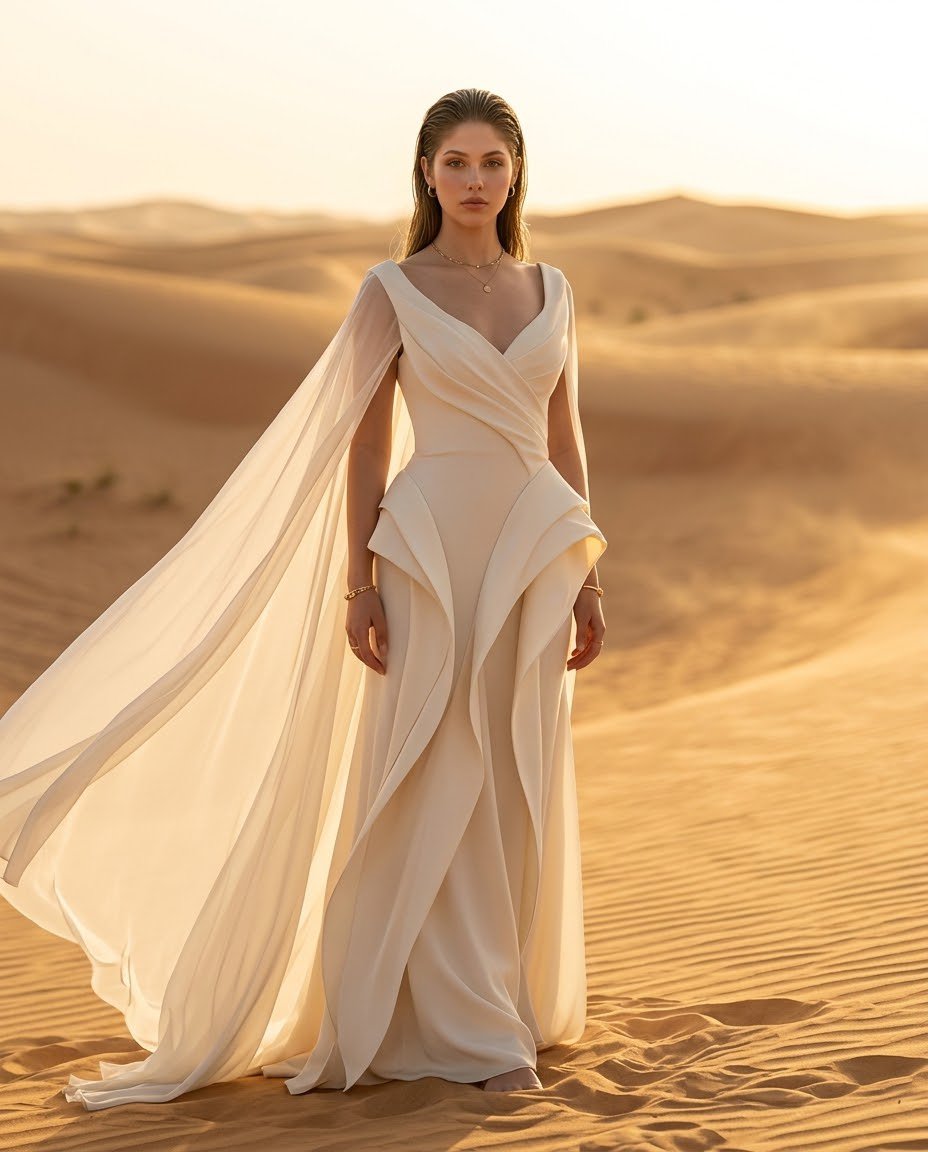
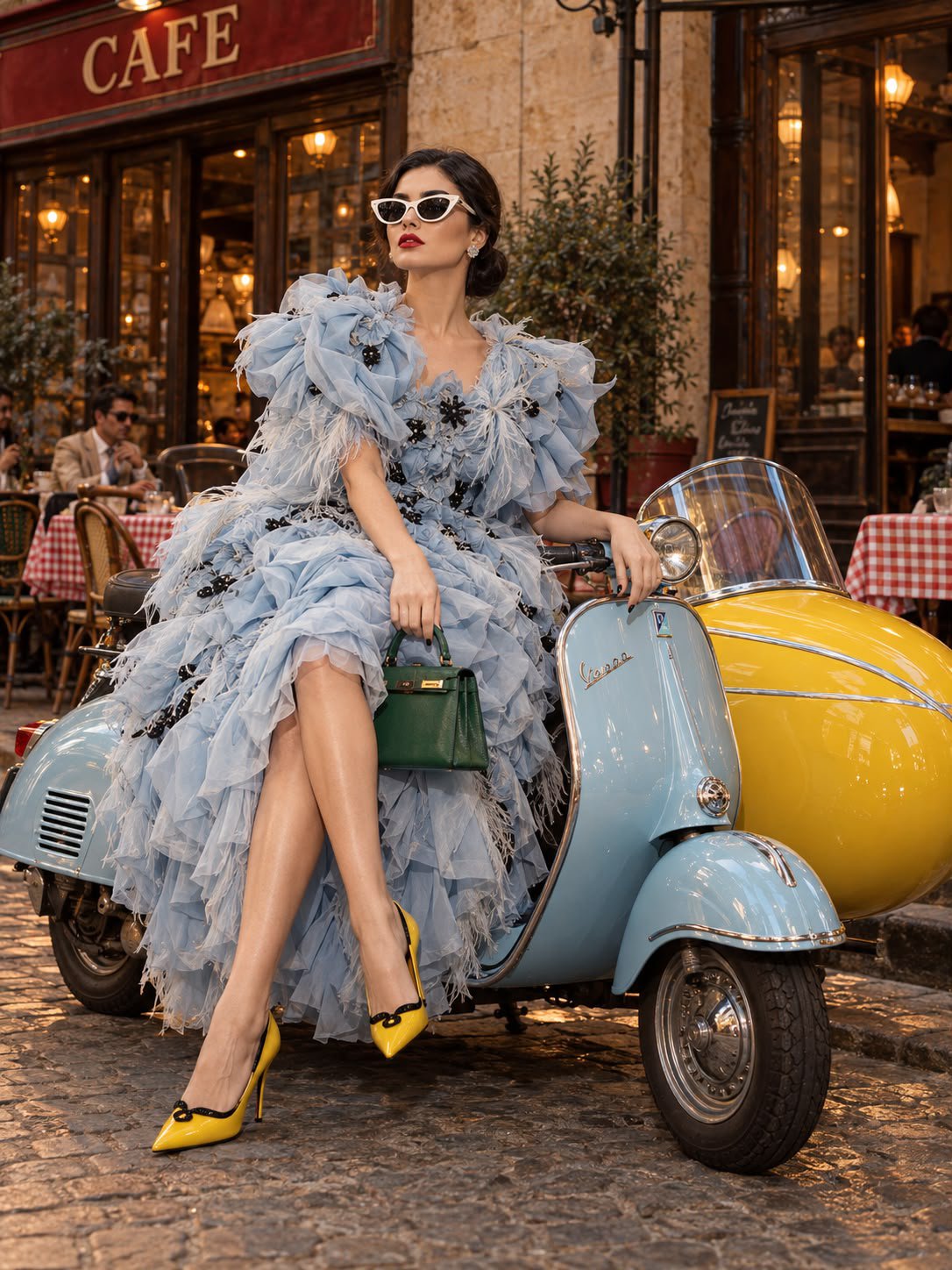
Fabric behavior is the vocabulary that unlocks this. Silk falls, wool holds, leather creases, tulle floats. Naming the material and how it moves gives the model far more to work with than any adjective about style, and it is what separates a lookbook frame from a snapshot of someone dressed up.
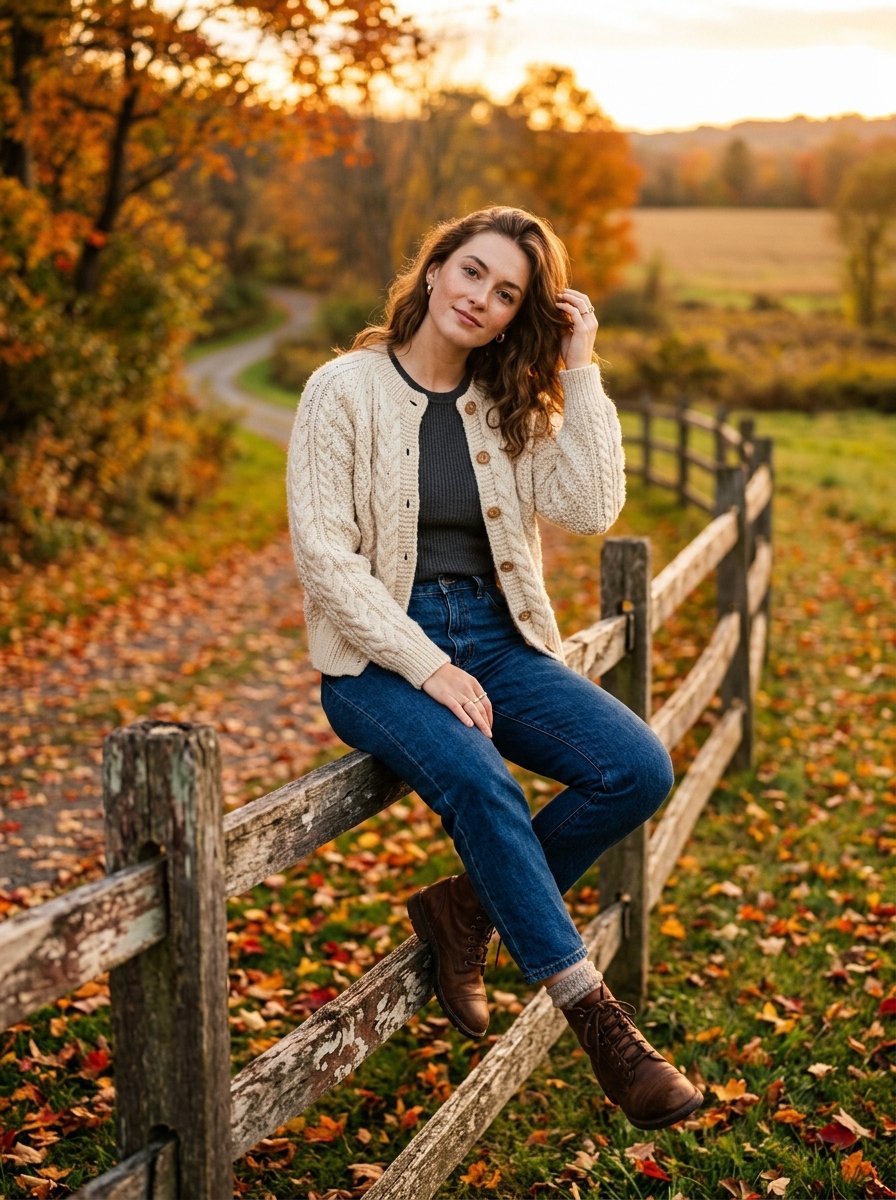
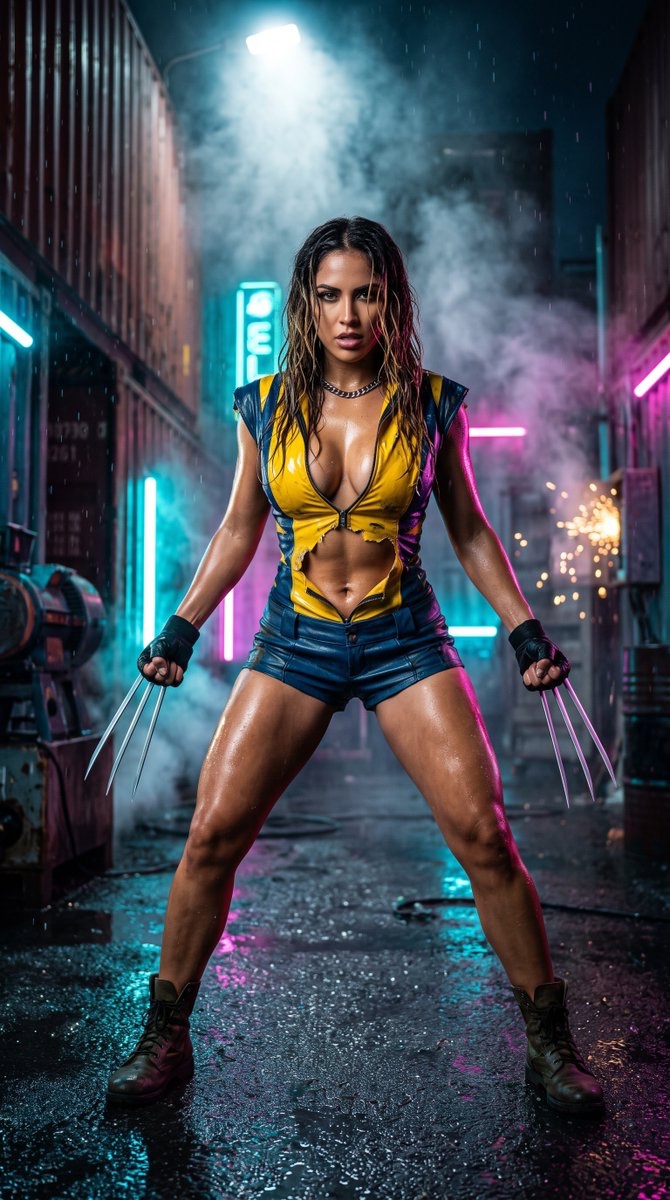
The prompts collected here are tested with their real outputs. Look at how they handle light — hard directional light for structure and texture, soft light for skin and drape, and how rarely they use both at once.
How to write Fashion prompts
- 1Name the fabric and its behavior: "heavy silk falling in vertical folds", "stiff wool holding a sharp shoulder", "tulle floating on movement". Material behavior is the core of fashion imagery.
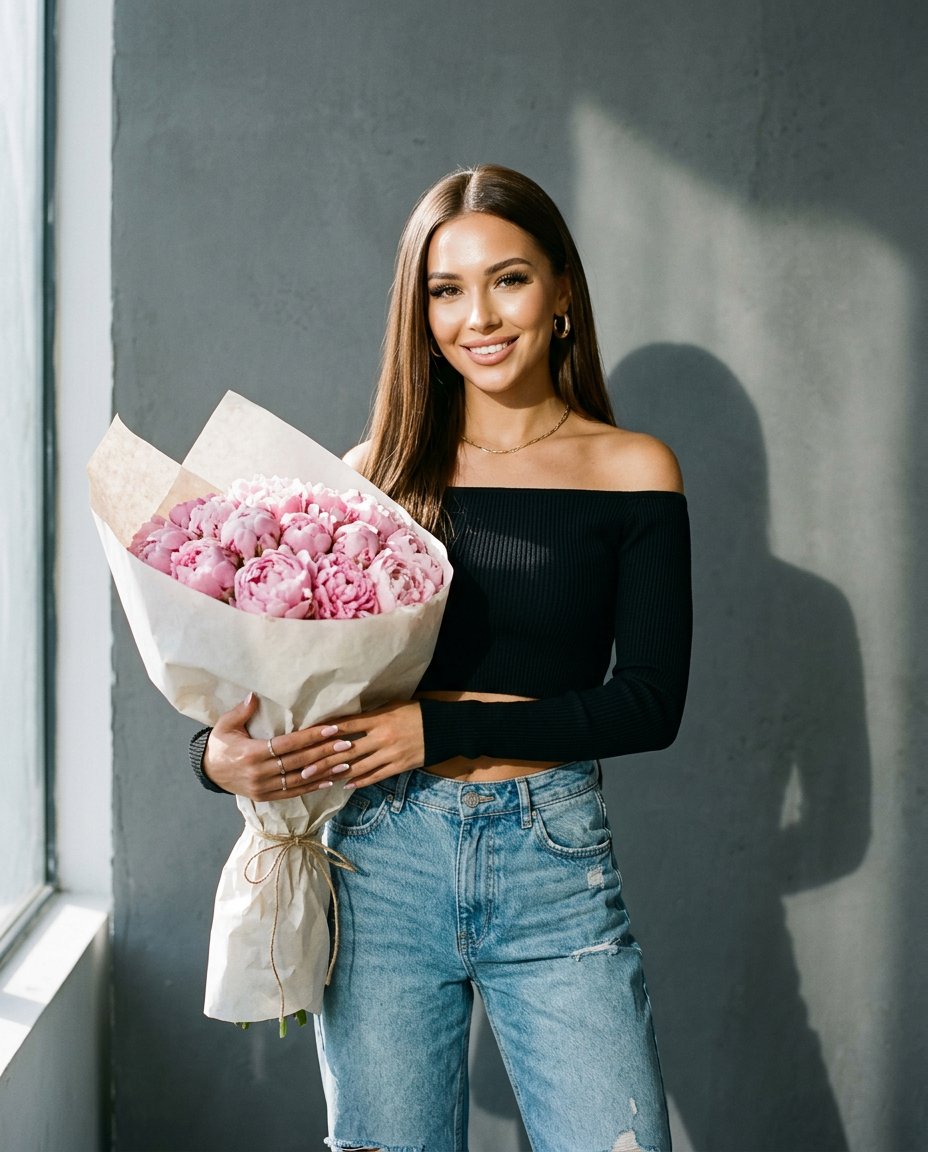
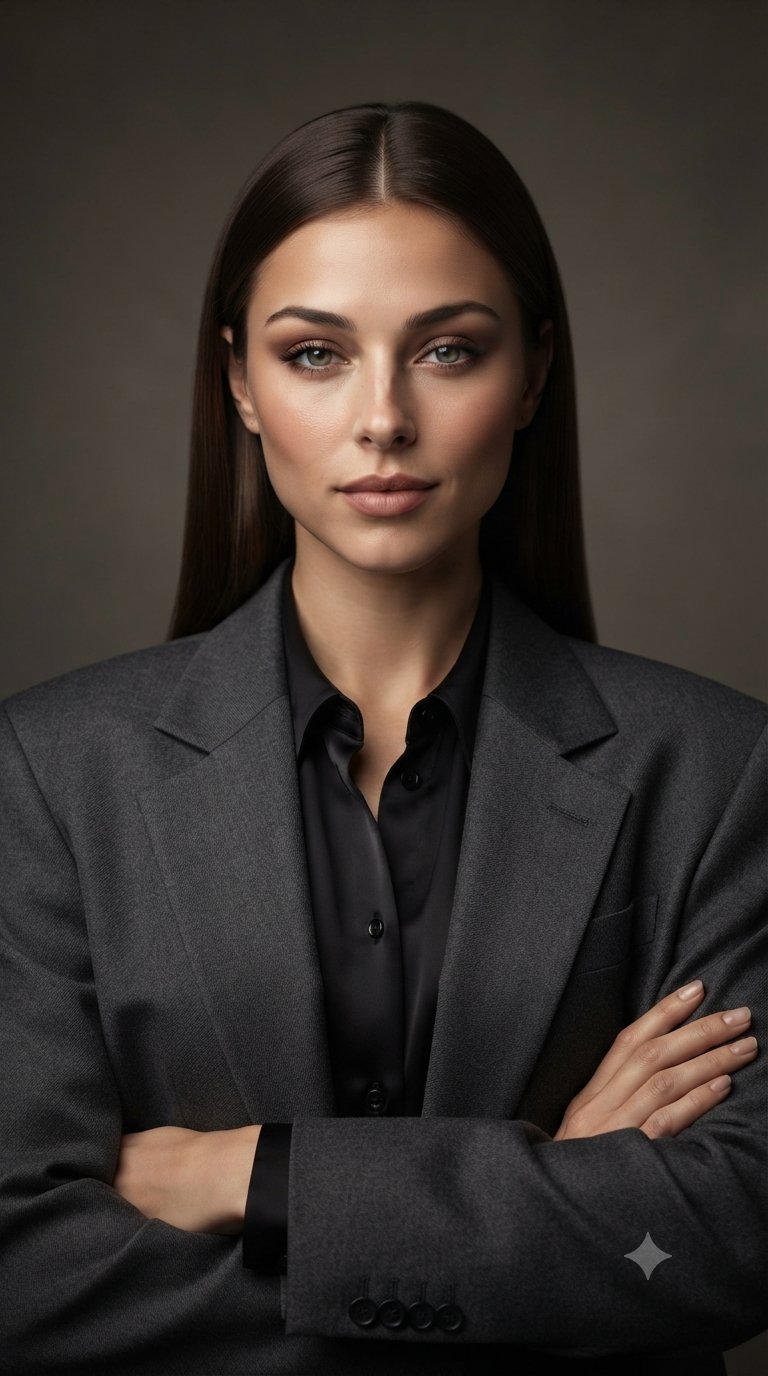
- 2Pick the light for what you want revealed. Hard directional light carves structure and texture; soft diffusion flatters skin and gradient drape. Choosing one is better than asking for both.
- 3Describe the pose as a shape rather than an emotion — "arm raised, fabric pulling diagonally across the torso". Fashion poses exist to show what the garment does, not how the model feels.
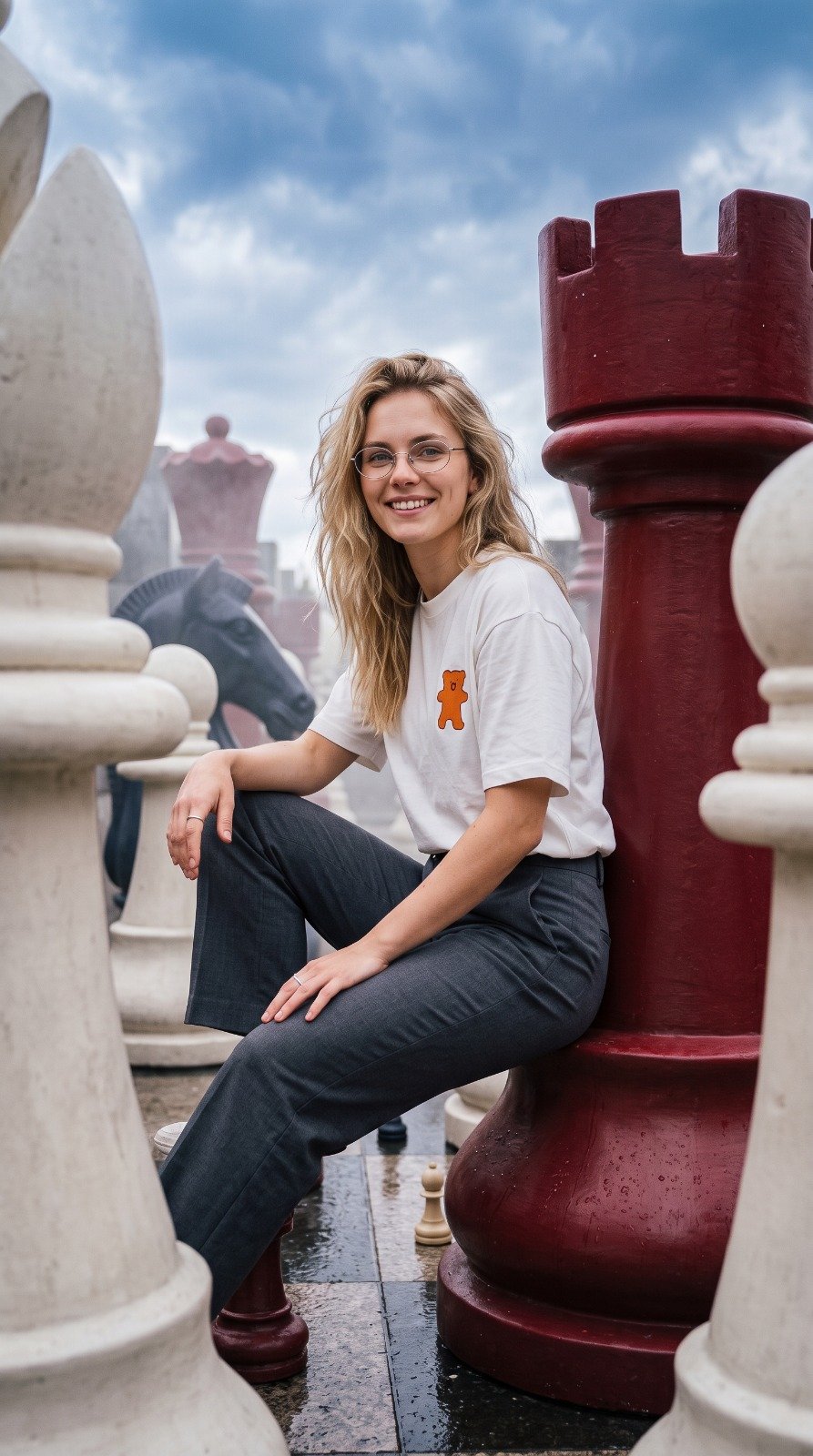
- 4State the background as a decision: seamless studio paper, a concrete wall, an overexposed window. Editorial images almost always have deliberately simple backgrounds so the silhouette stays readable.
- 5For video, animate the fabric rather than the person — "slow turn, hem lifting and settling". Cloth simulation is where fashion video earns its keep, and it needs a movement to react to.
Frequently asked questions
How do I write fashion prompts that look editorial?
Make the garment the subject. Name the fabric and how it behaves, choose one lighting quality rather than mixing, and keep the background deliberately simple so the silhouette reads. Descriptions of the model's appearance should come last, not first.
Why do generated clothes look flat or plastic?
Because the prompt named a garment type but not a material. "Red dress" gives the model no physical properties to render, so it produces a generic surface. "Heavy crepe with soft vertical folds" gives it weight, fall, and a way to catch light.
What works for fashion video prompts?
Motion that makes fabric perform: a slow turn, walking toward camera, a sleeve lifted by wind. Keep the camera steady and the movement single — the value of fashion video is in how the cloth reacts, which requires one clear cause.