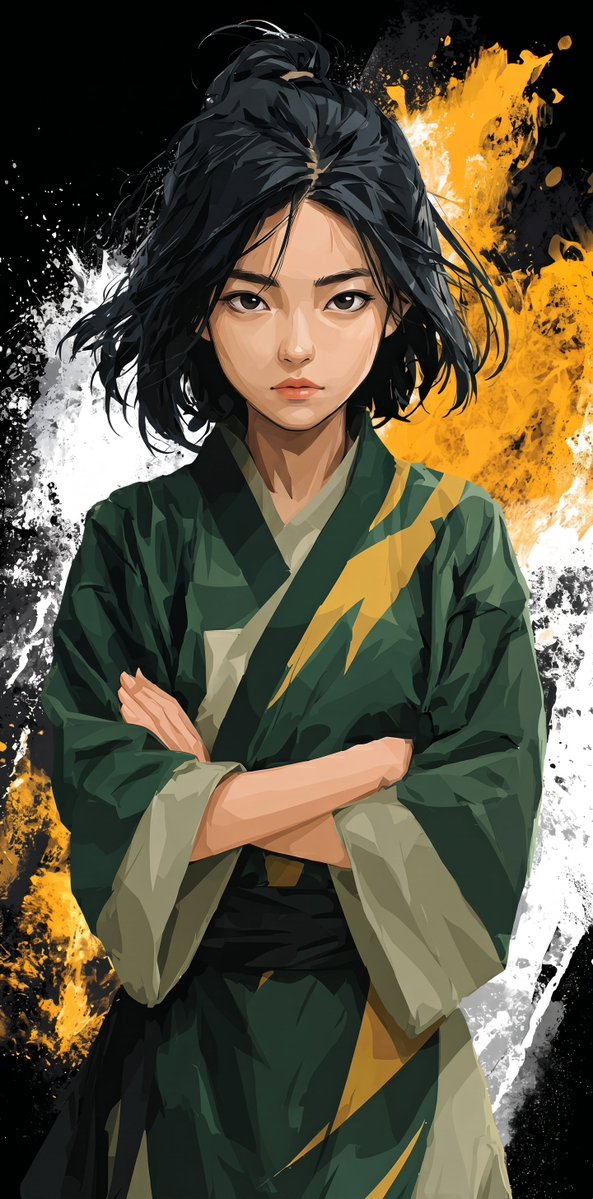
Anime Prompts
"Anime style" is not one style. Name the coloring tradition, the linework, and the key poses, and the model knows which one you mean.
About Anime prompts
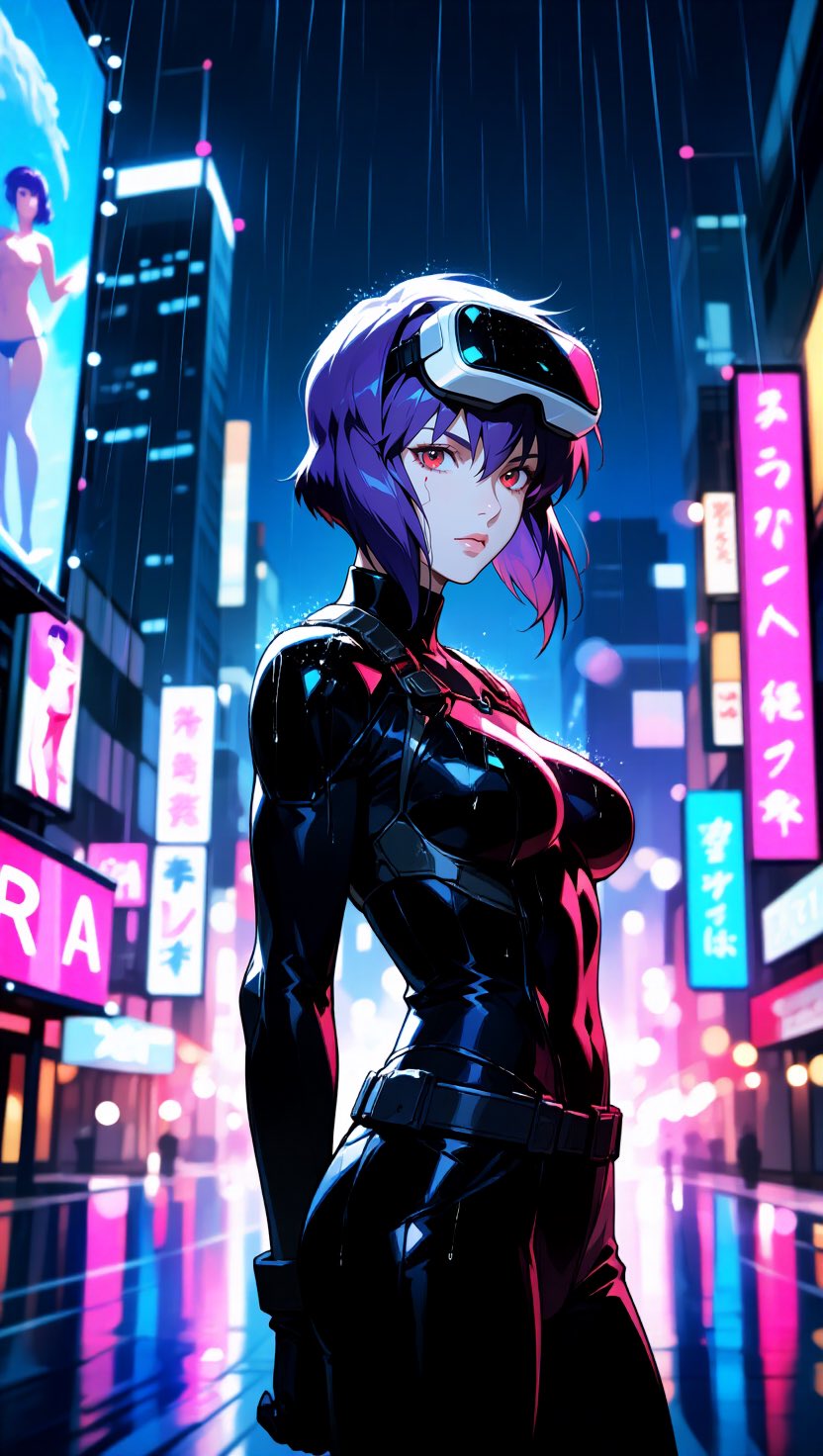
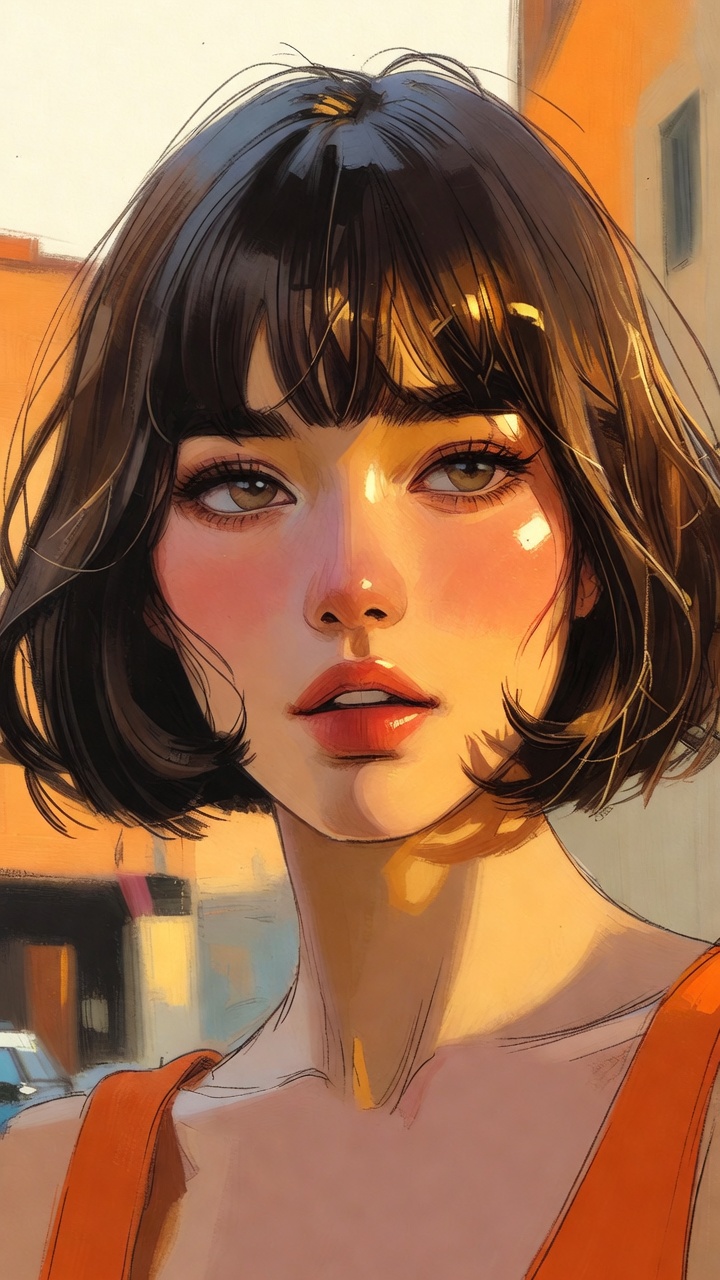
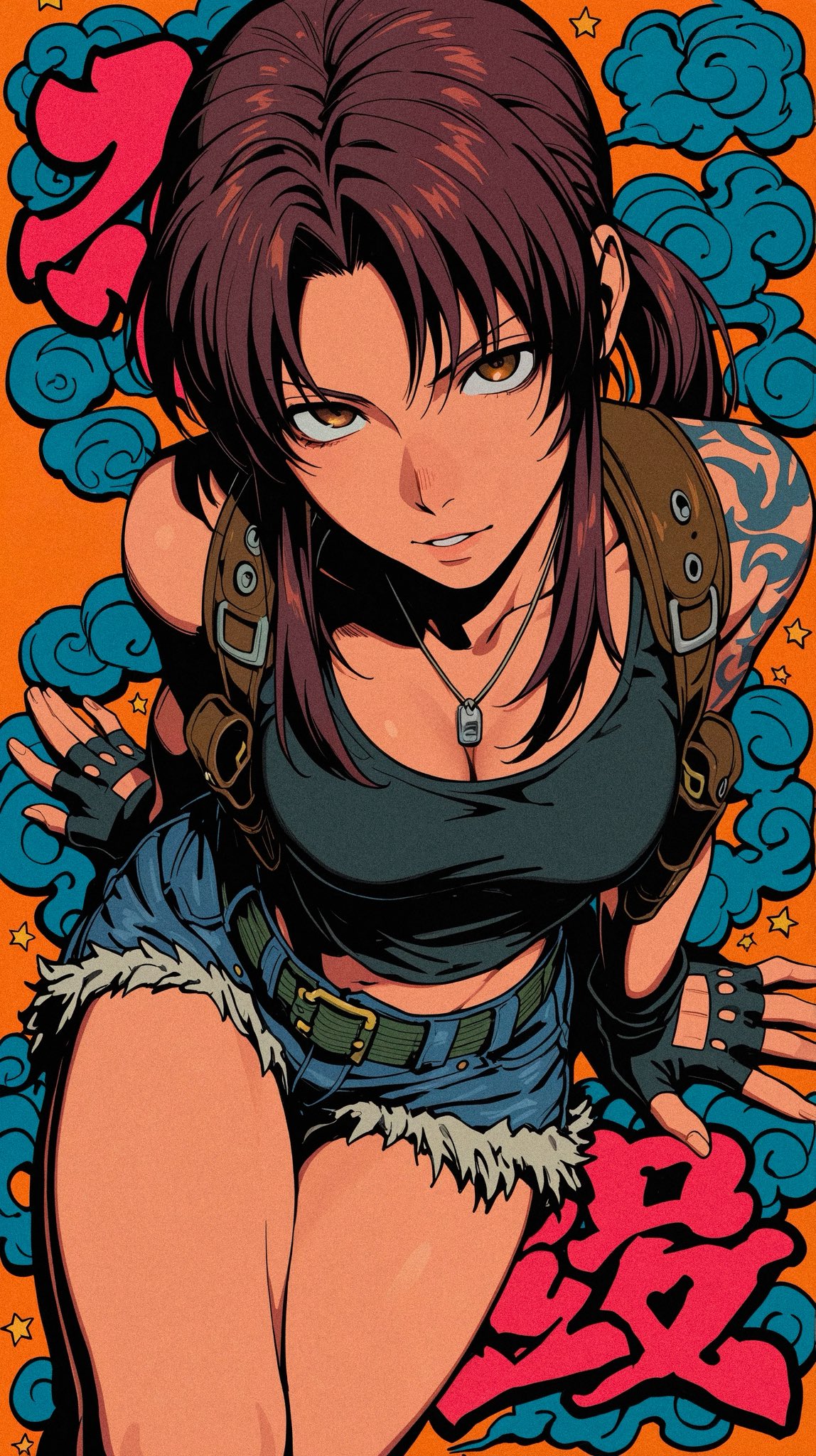
Anime is a family of production traditions, not a single look. Flat cel shading with hard two-tone shadows is one tradition; painterly, semi-realistic rendering is another; the grainy film look of older hand-drawn animation is a third. Write "anime style" alone and the model averages them into something generic. Name the tradition — the shading method, the line treatment, the era — and the frame snaps into a specific school.
The second lever is physics. Animation moves on its own rules: poses held a beat longer than life, action that snaps between key positions, hair and capes that follow their own schedule. This is pose-to-pose thinking — describe the important positions and the cut between them, not a continuous trajectory. Ask for realistic motion and you un-animate the shot; the result is footage wearing a costume.
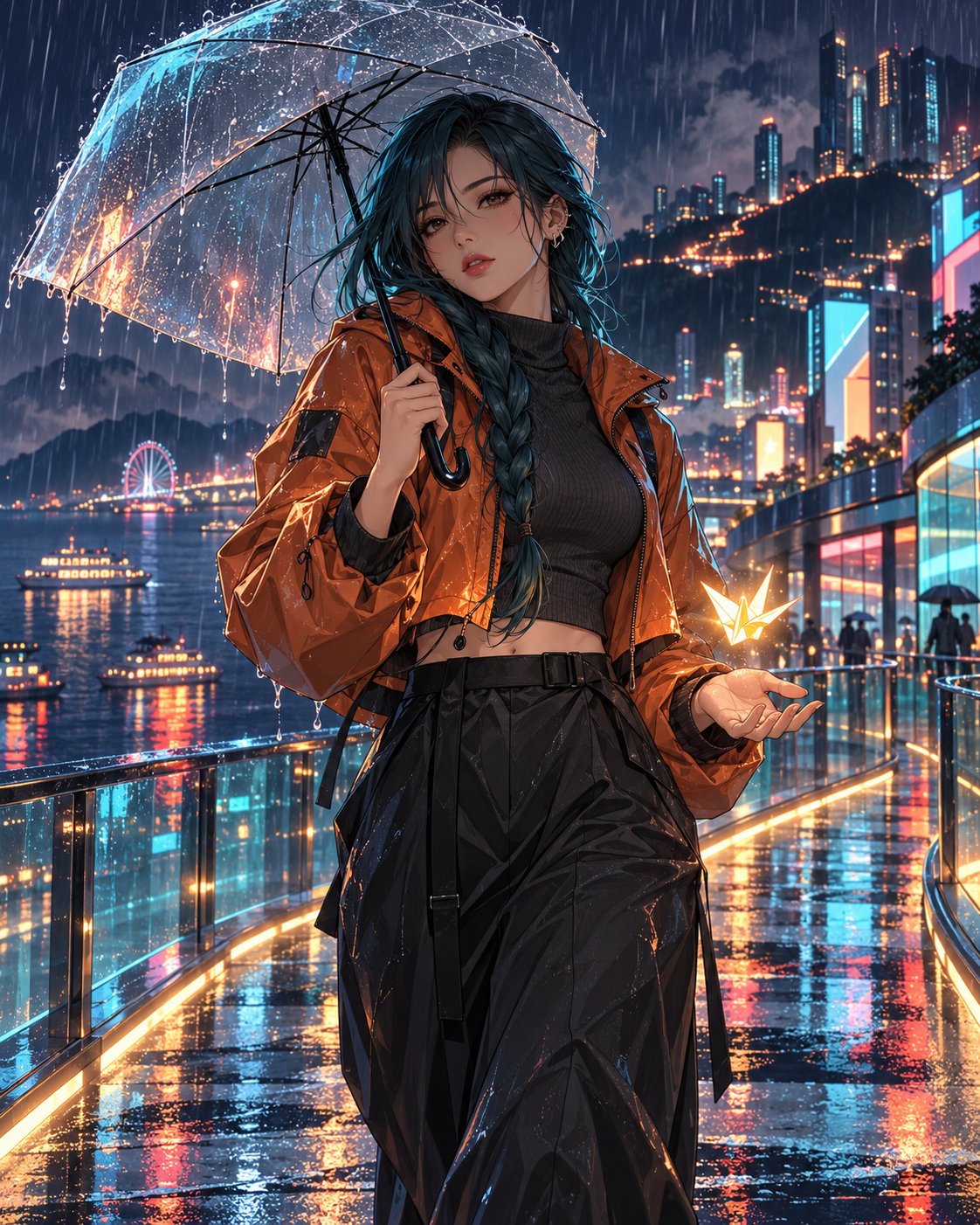
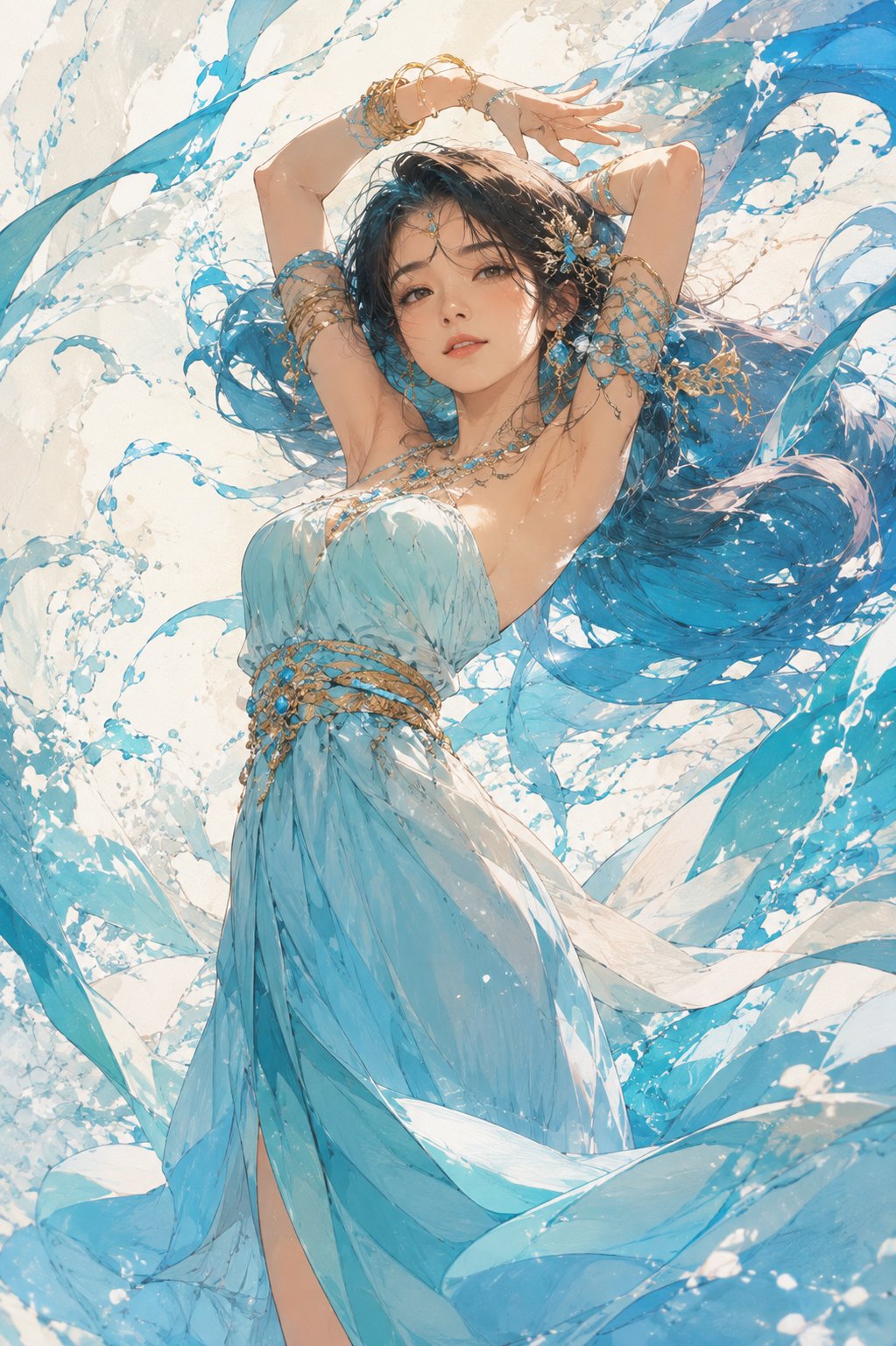
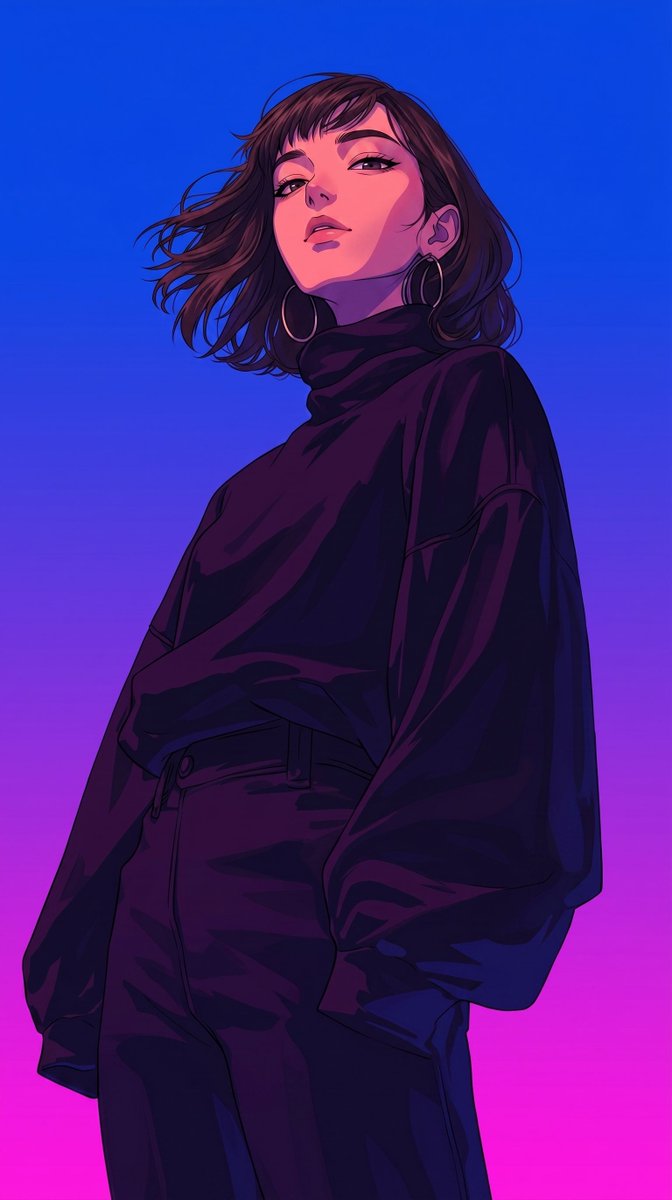
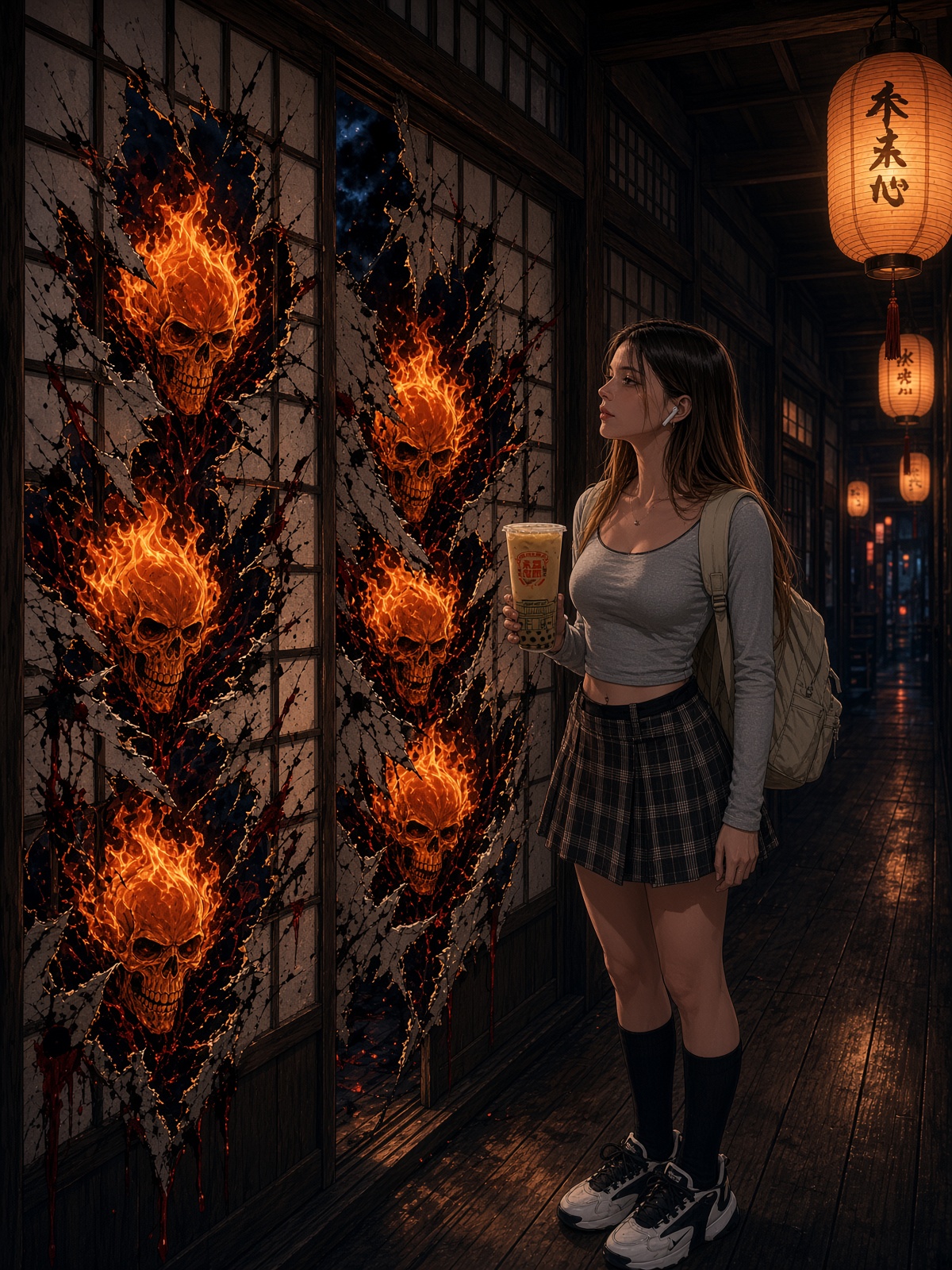
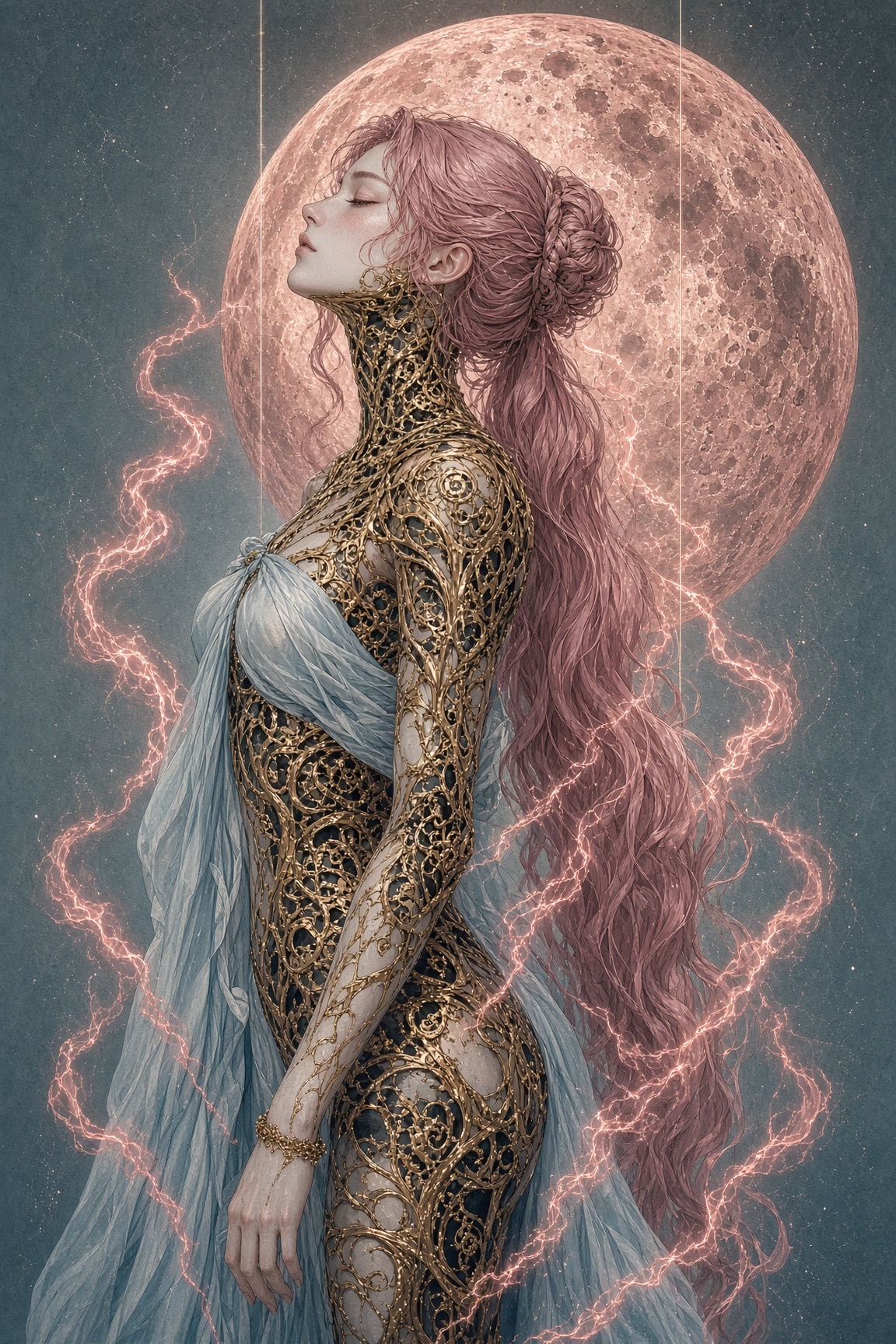
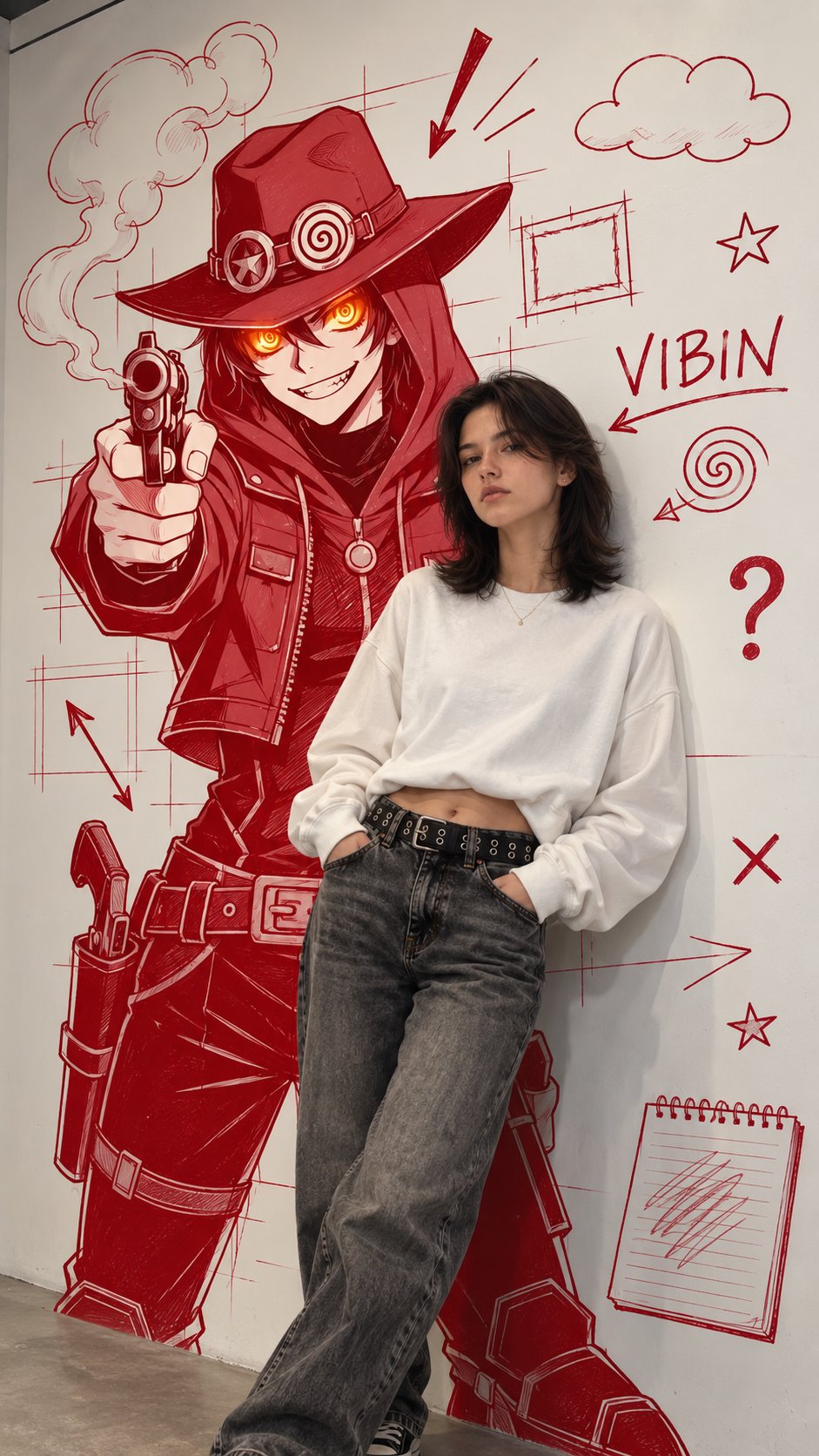
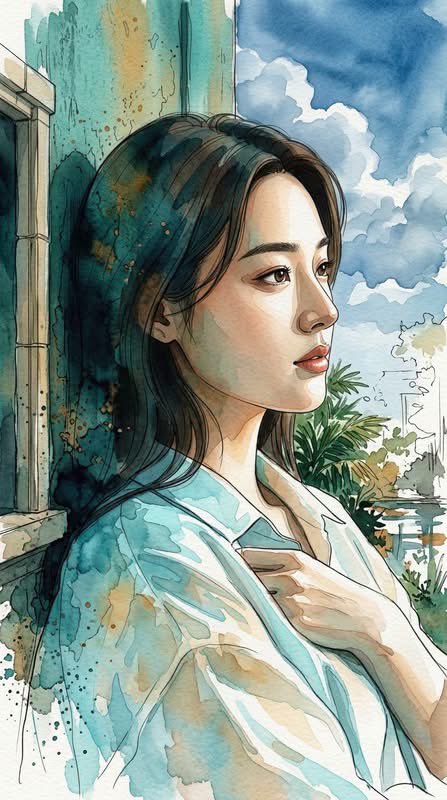
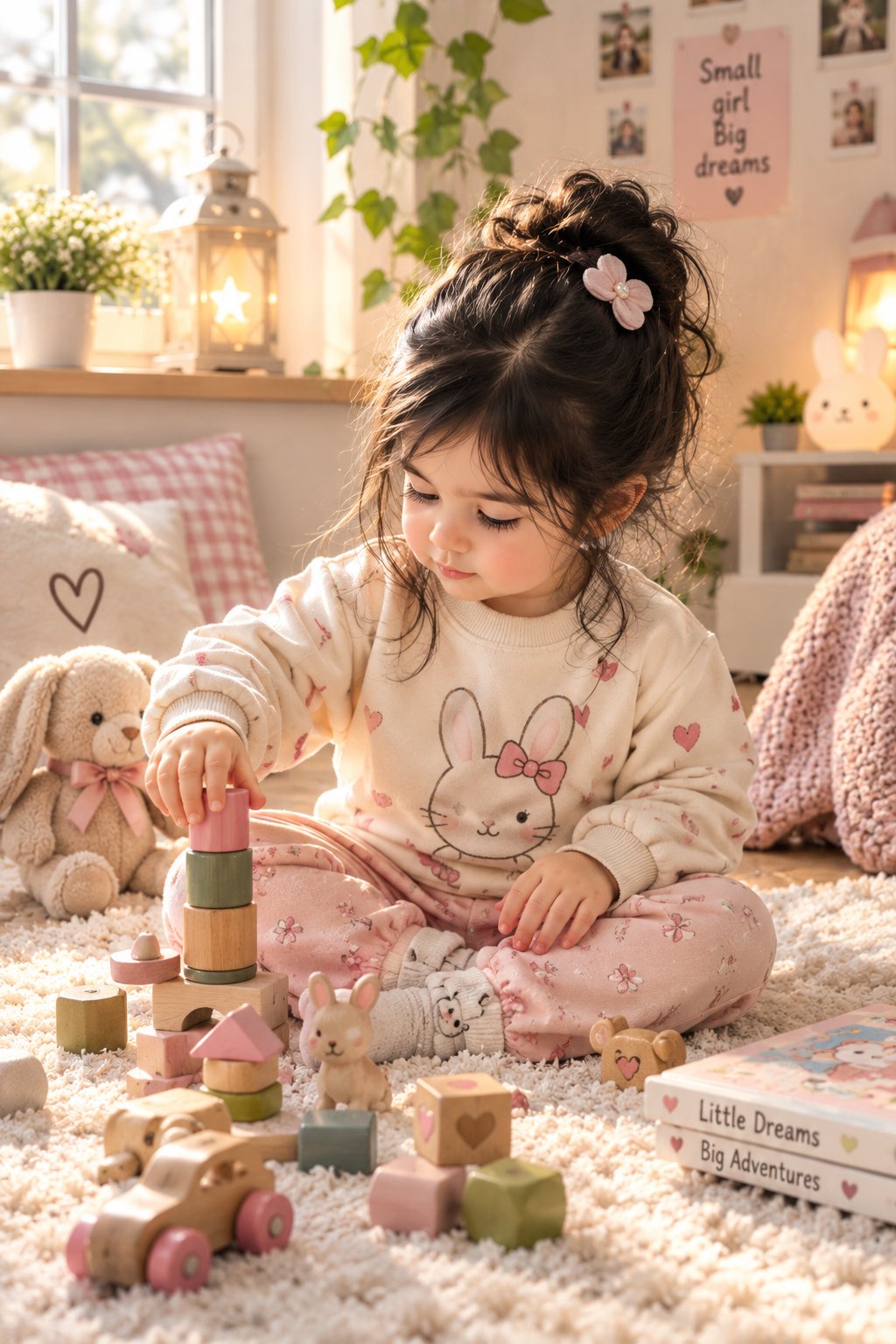
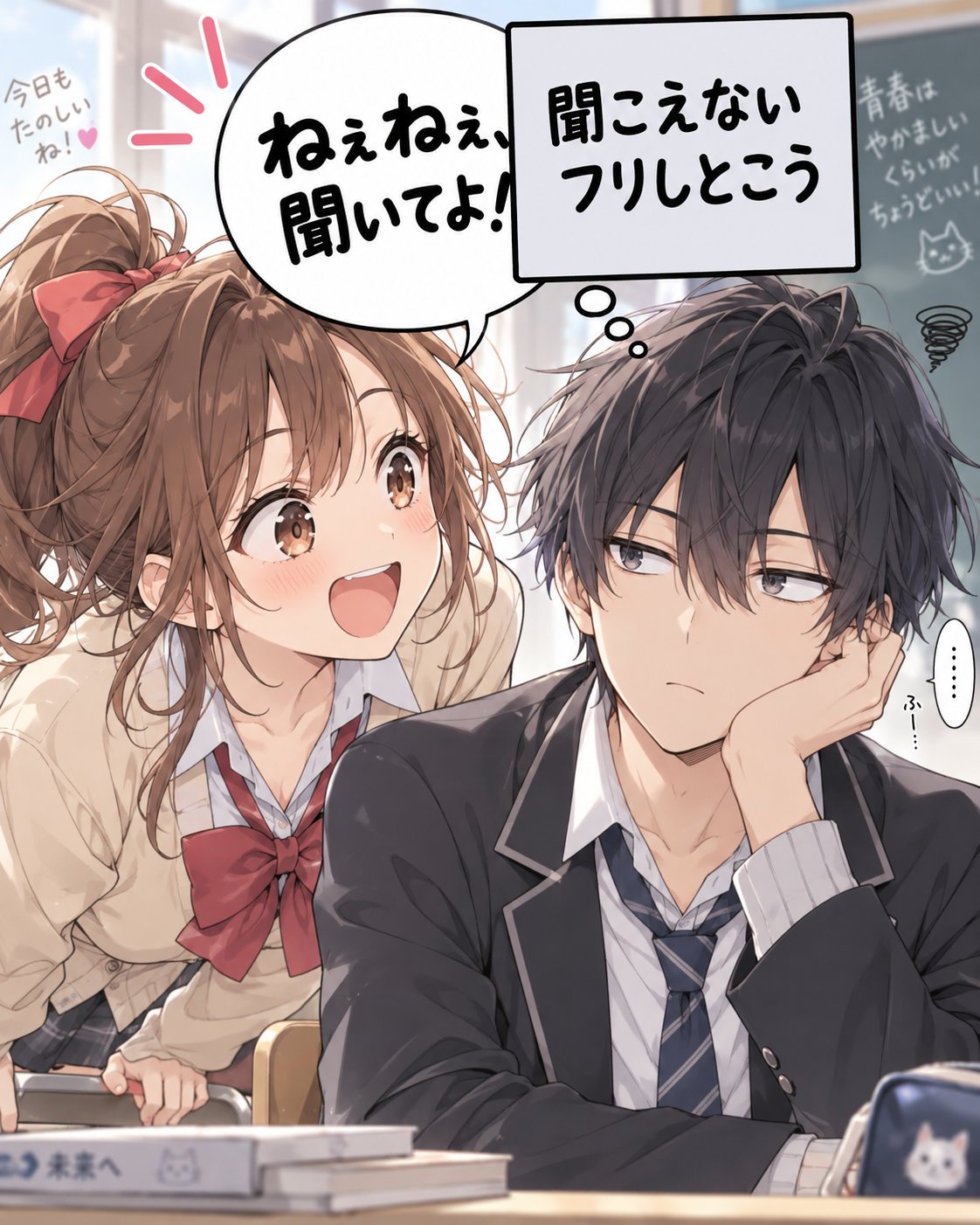
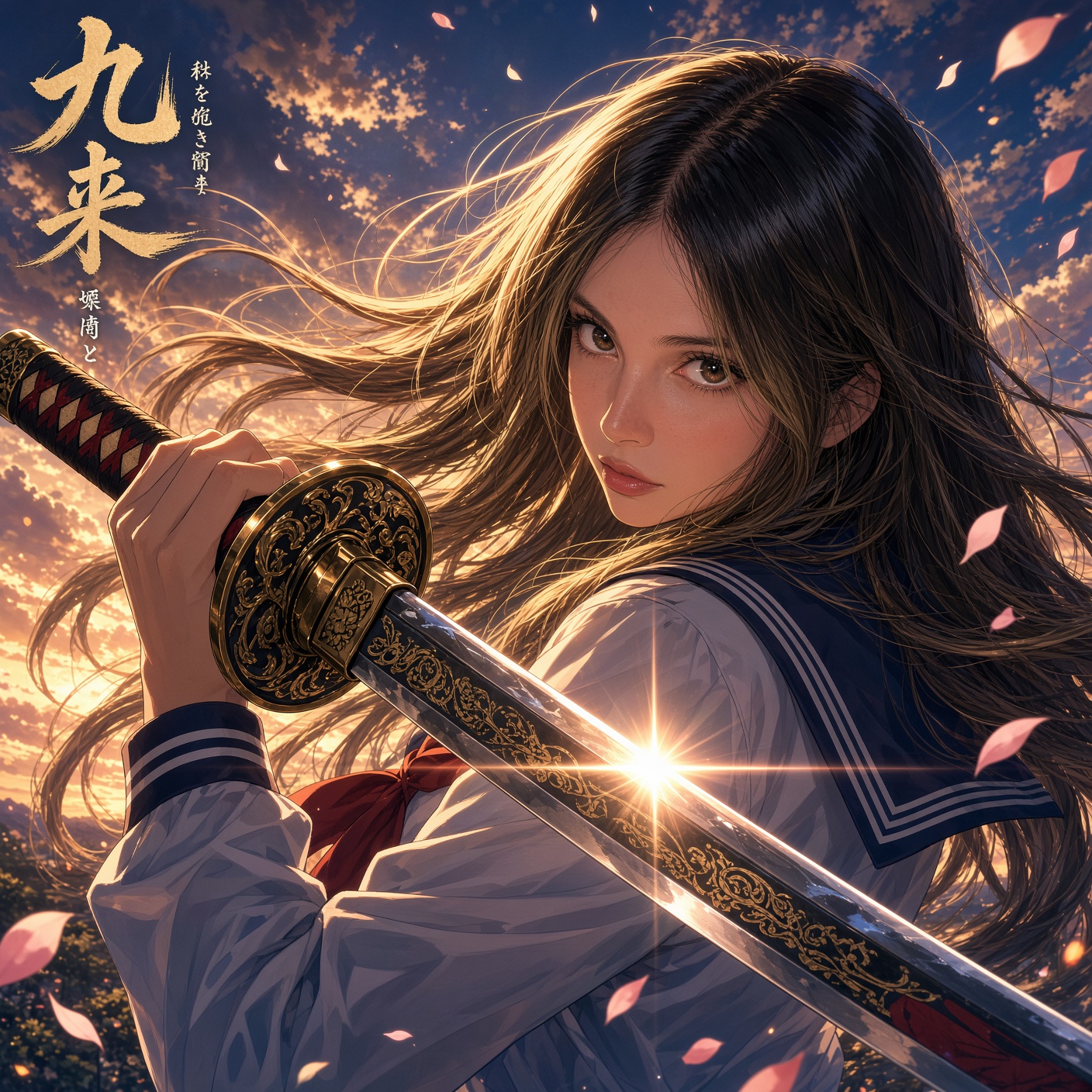
The prompts below are tested with their real outputs — duels, neon streets, music-video openings, runway walks. Notice how many specify a shadow style and a key pose, and how few say "high quality anime".
How to write Anime prompts
- 1Name the coloring tradition, not the medium: "flat cel shading, hard two-tone shadows" and "painterly shading with soft gradients" are different pipelines, and models separate them reliably.
- 2Specify the linework: clean uniform outlines, sketchy rough lines, or lineless color blocks. Line weight is what decides how "drawn" the frame feels — leaving it unstated is leaving the style to chance.
- 3Write action as key poses, not as motion: "holds the stance — cut — blade fully extended, speed lines behind". Held poses, smears, and impact frames are the grammar of animated action; a described trajectory just produces drift.
- 4Date the look when you want an era: muted palette and film grain on one end, crisp digital color and glow effects on the other. An era is a compact bundle of palette, line, and lighting decisions.
- 5Keep the physics stylized: hair that hangs in the air a beat too long, cloth that settles on its own schedule, speed lines instead of motion blur. The moment everything obeys real gravity, the anime feel is gone.
Frequently asked questions
How do I get a real anime look instead of a semi-realistic render?
Commit to drawing language and refuse rendering language. Flat color regions, hard-edged shadow shapes, visible outlines, and a named shading tradition pull toward animation; words like "realistic lighting", "detailed skin texture", or photographic lens talk pull straight back toward the render. You cannot have both in one prompt.
What makes anime action scenes work in a prompt?
Describe moments, not trajectories. Name two or three key poses, the cut or smear between them, and one exaggeration — an impact frame, a burst of speed lines, a held silhouette. Animated action reads as powerful because of what is skipped between poses, so give the model the poses and let it skip.
How do I keep one character consistent across an anime video?
Write the character the way a production would: a short model-sheet description — hair shape and color, eye color, costume, one signature accessory — repeated verbatim in every prompt. Change only the pose, expression, and scene around it. Paraphrasing the character description is how consistency dies.

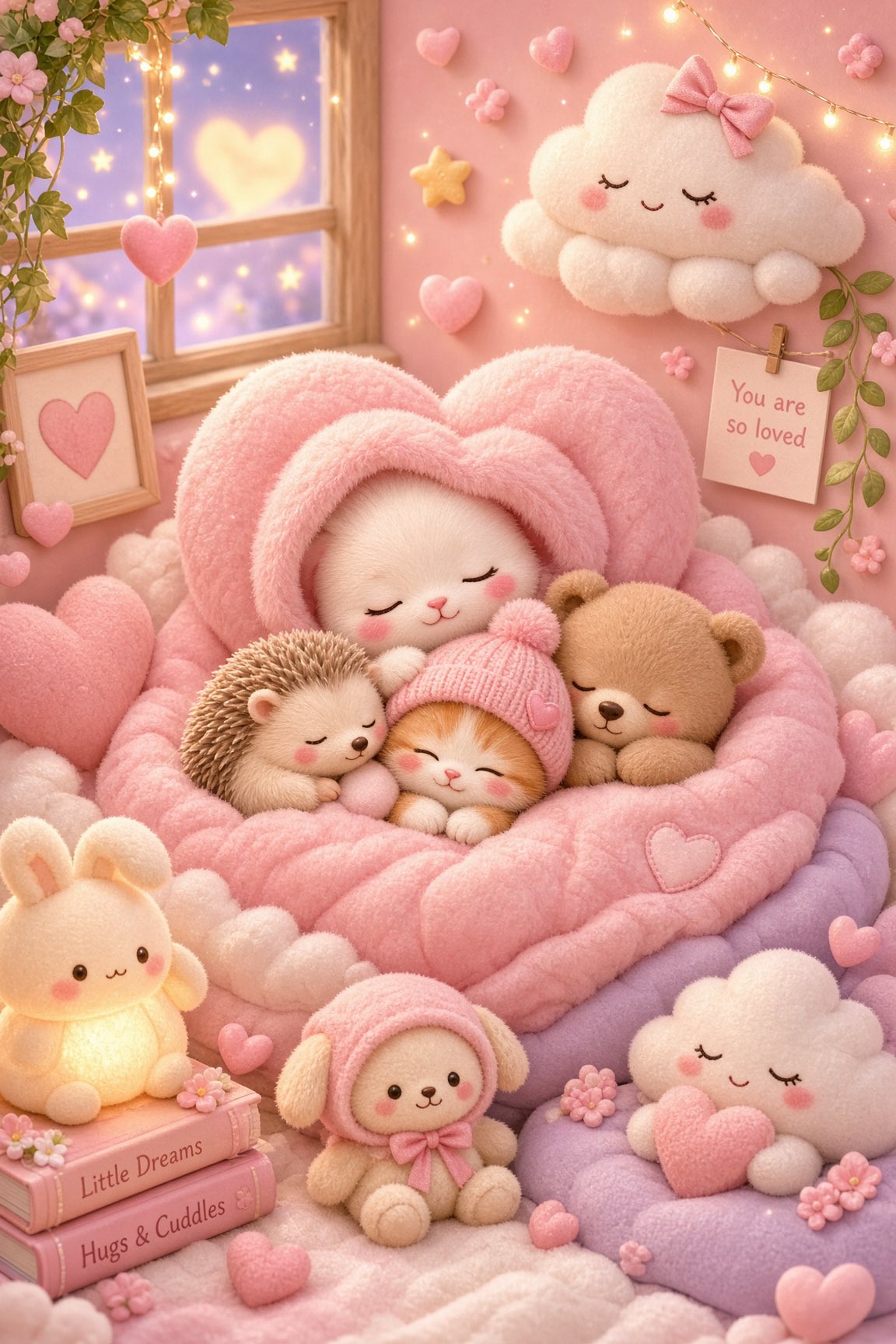

![[Cloud Post Office]
Giant soft clouds turn into a post office, small animals in mini uniforms carefu — AI image prompt — GPT Image 2.5](https://cdn.ahaprompt.app/harvest-media/import-1789139826834-g2c7rs.jpg)