Advertising Prompts
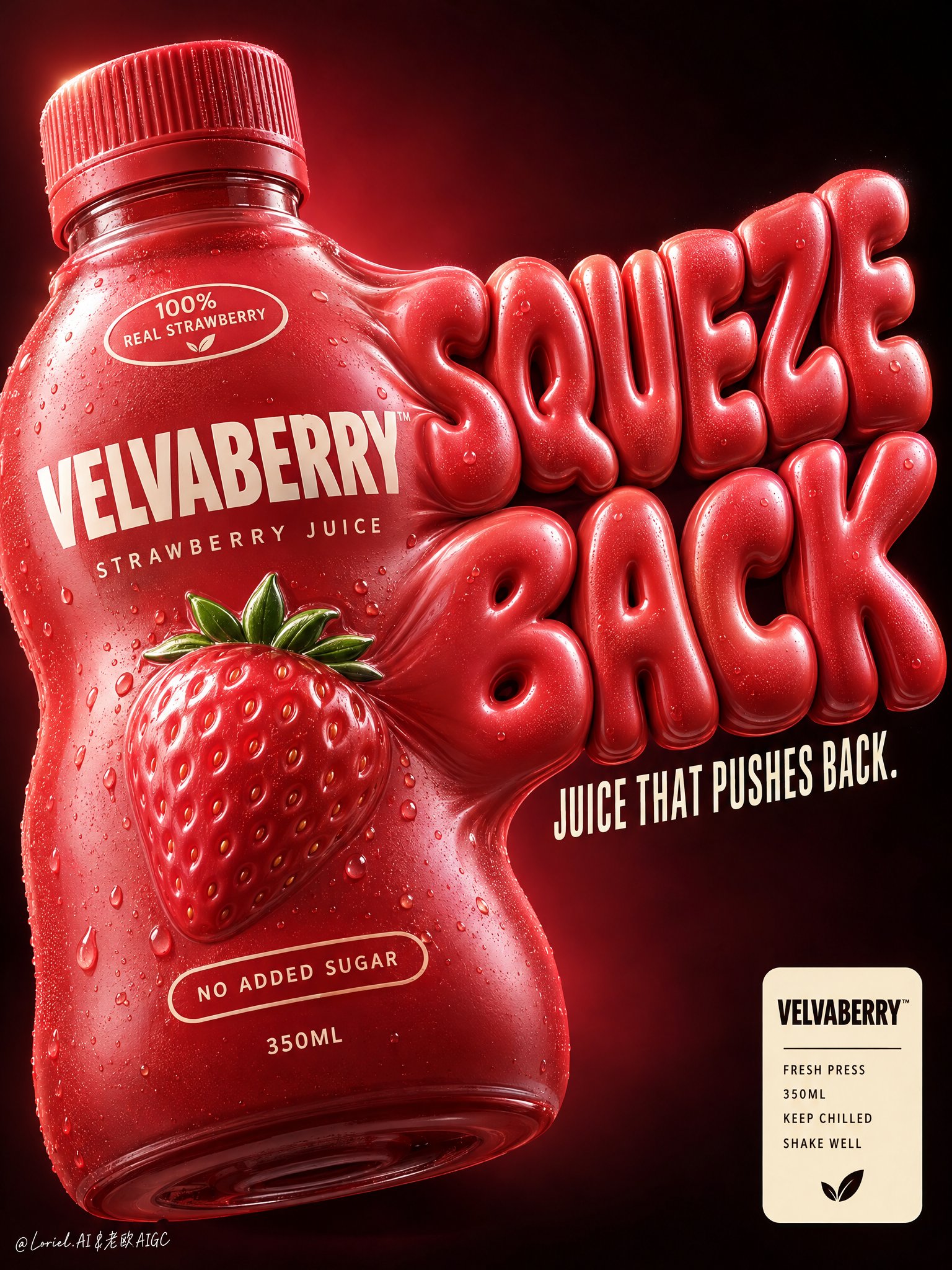
One product, one promise, one frame — commercial polish is lighting discipline, not adjectives.
About Advertising prompts
Advertising is the most disciplined genre in generation, because a real ad is ruthlessly reductive: one product, one promise, one image that carries it. Generated ads fail when the prompt tries to say everything — a product, a lifestyle, a mood, and a slogan all fighting for the same frame. The fix is to decide what the single promise is, then build the frame around only that.
Commercial polish comes from lighting discipline, not vocabulary. "Luxurious premium cinematic ad" produces nothing specific; "single softbox from the upper left, black seamless background, one rim light tracing the bottle" produces a frame that looks paid for. Add a macro texture beat — gel folding onto itself, bubbles rising through liquid, chocolate breaking — and the product earns the close-up.
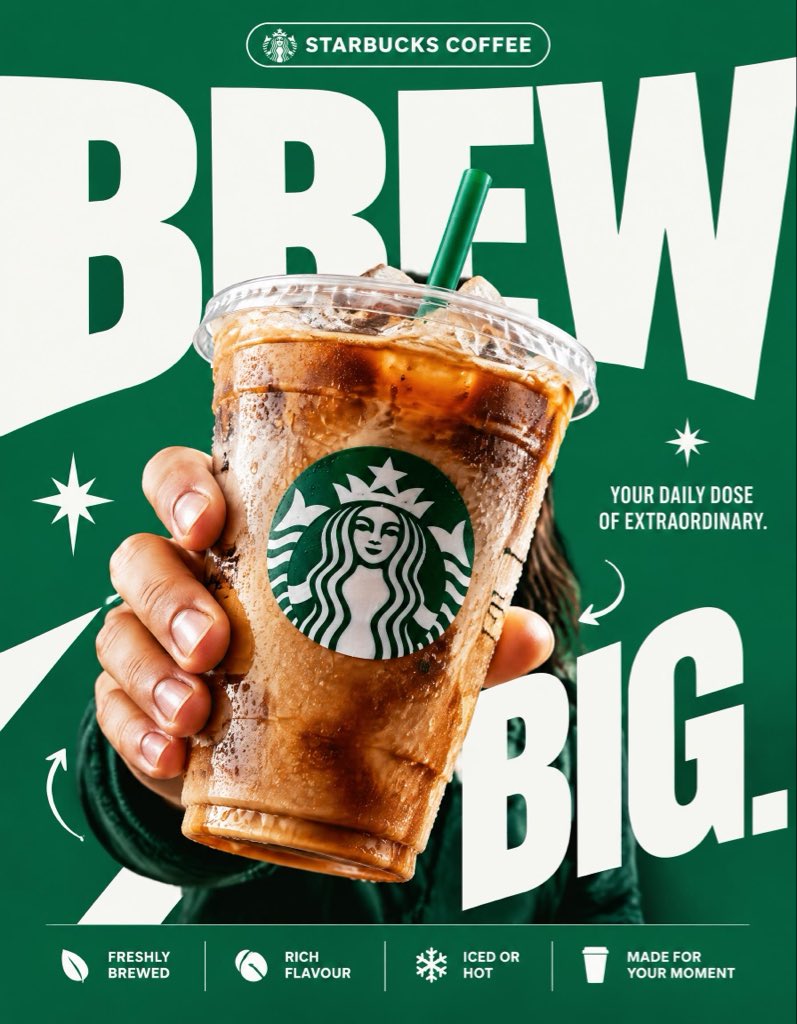
For video, think in storyboard beats rather than a scene: establish, texture close-up, hero shot. The prompts below are tested with their real outputs; notice how the strongest leave deliberate negative space in a brand color, because a real ad always reserves room for the logo and the line.
How to write Advertising prompts
- 1Give the product a hero camera: "low angle, product centered, shot from slightly below on a seamless background". The hero shot is a strong, well-referenced convention — name it and the model composes like a product photographer.
- 2Write one macro texture beat: gel folding in slow motion, condensation sliding down glass, a clean break through chocolate. Texture close-ups are what make a product feel worth the price.
- 3Reserve negative space on purpose: "upper third empty, solid brand-color backdrop". Ads are designed for type — a frame with room for a logo reads as commercial before any logo exists.
- 4For video, prompt in storyboard beats, not a scene: "open on macro texture, pull back to reveal the bottle, hold on the hero shot". Three beats is a commercial; one continuous scene is a screensaver.
- 5Pick one lighting scheme and commit: hard single-source with deep shadows for drama, or soft wraparound light for skincare. Mixed lighting intentions are the fastest way to lose the commercial look.
Frequently asked questions
Why do my AI ad images look generic instead of premium?
Usually because the prompt describes a mood instead of a lighting setup. Replace adjectives with a scheme: one named key light, a controlled background, one rim or accent light on the product. Premium is a lighting decision executed consistently, and models follow lighting instructions far better than mood words.
How do I write a prompt for a product video ad?
Think storyboard, not scene. Write two or three beats in order — a macro texture opening, a reveal move, a locked hero shot — and give each beat one job. Also state what stays constant across beats: the background, the palette, the product itself.
Should I put the brand name or logo in the prompt?
No — generated logos and type are unreliable and usually distorted. Instead, prompt for clean negative space in a solid brand color and add the logo and copy in post. A frame designed to receive type looks more commercial than a frame with broken type in it.