Food Prompts
Appetite comes from texture and temperature, and both are lighting problems before they are subject problems.
About Food prompts
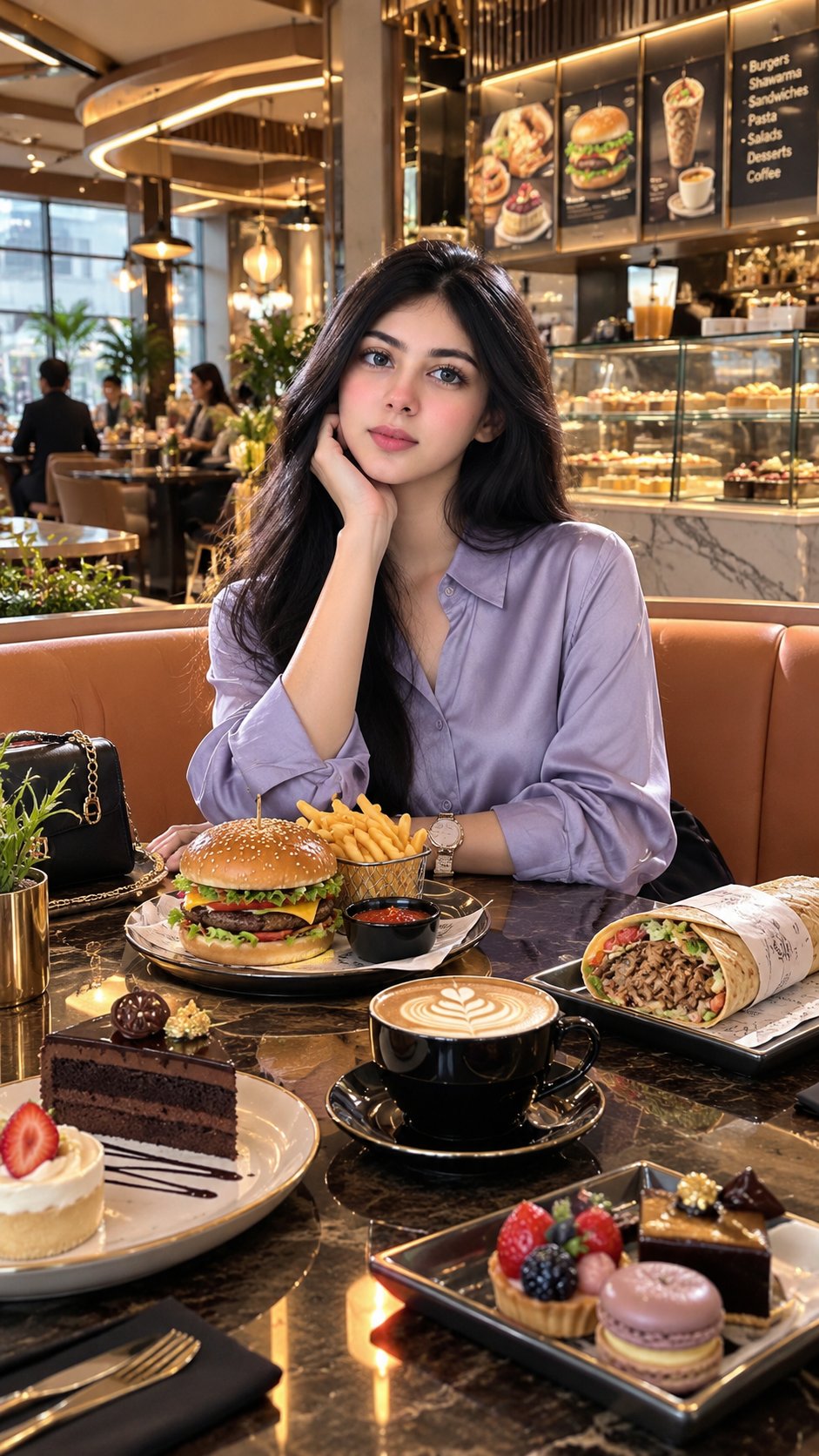
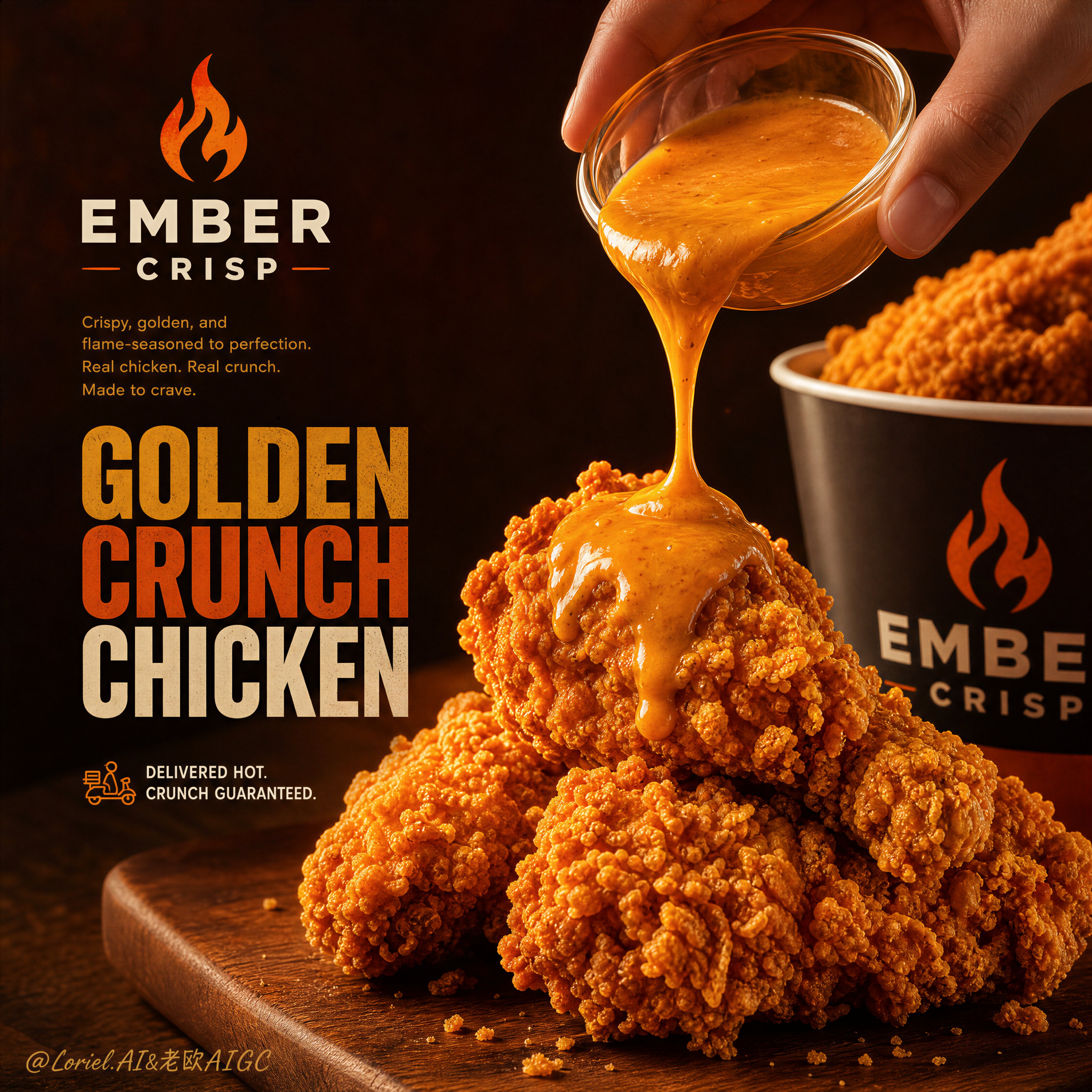
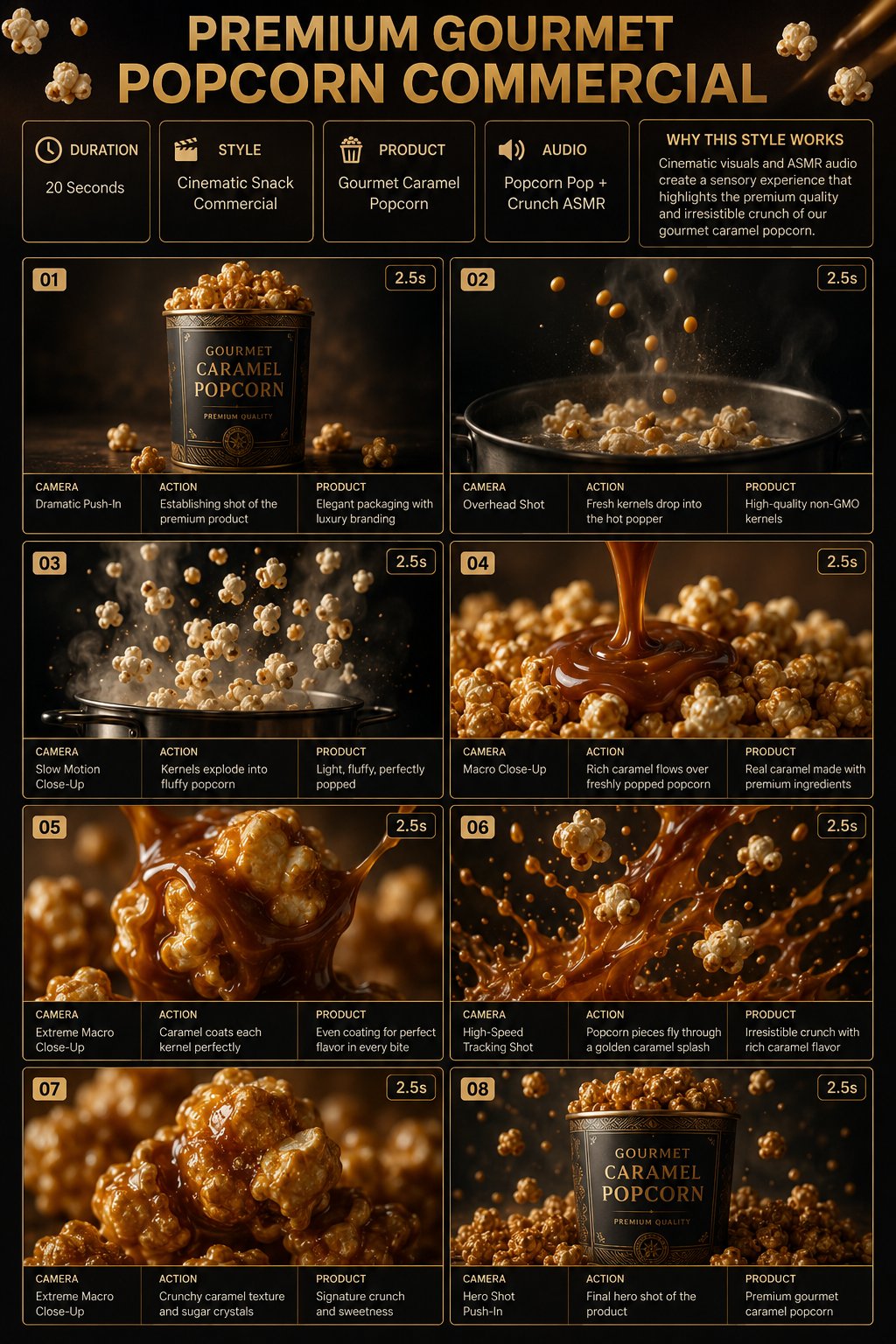
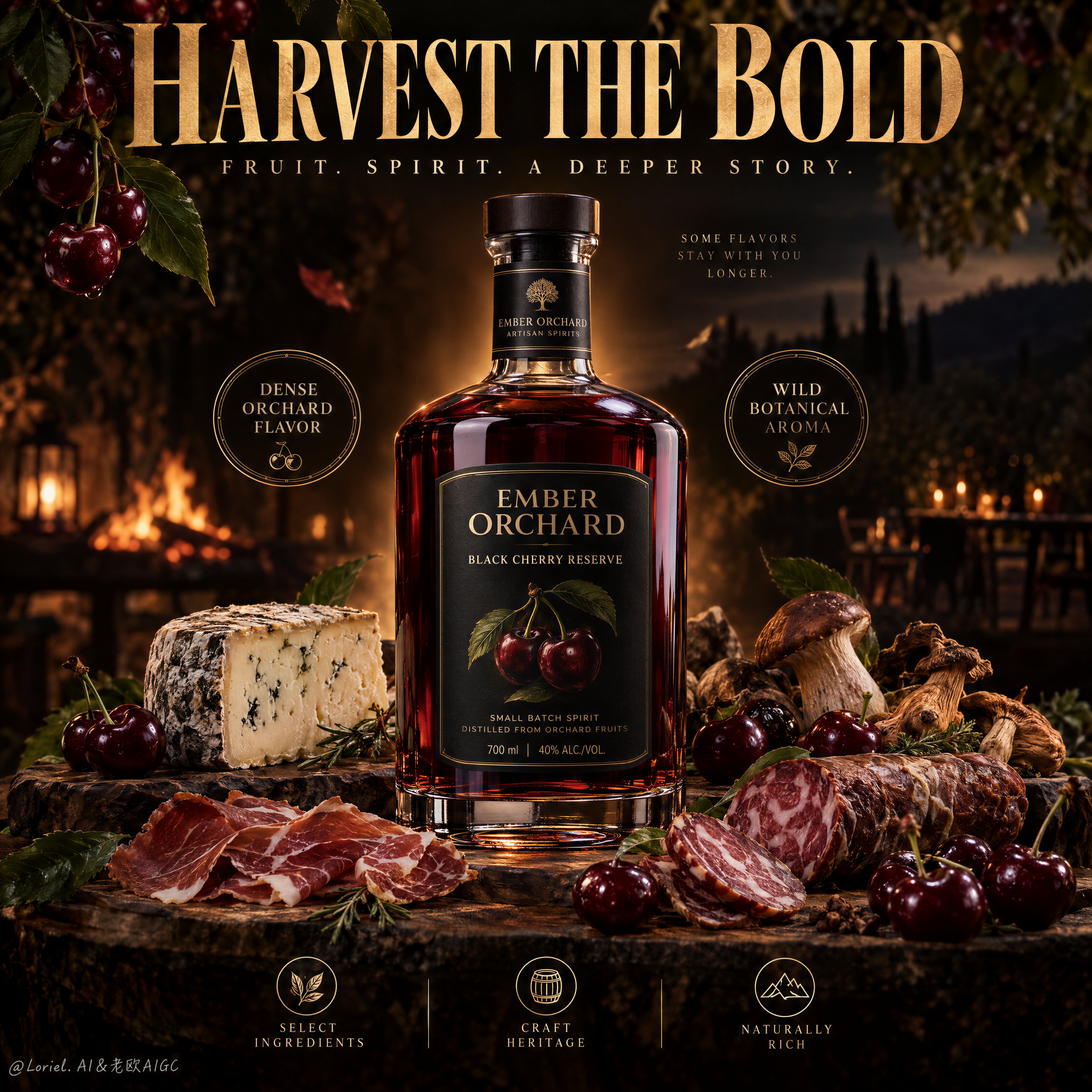
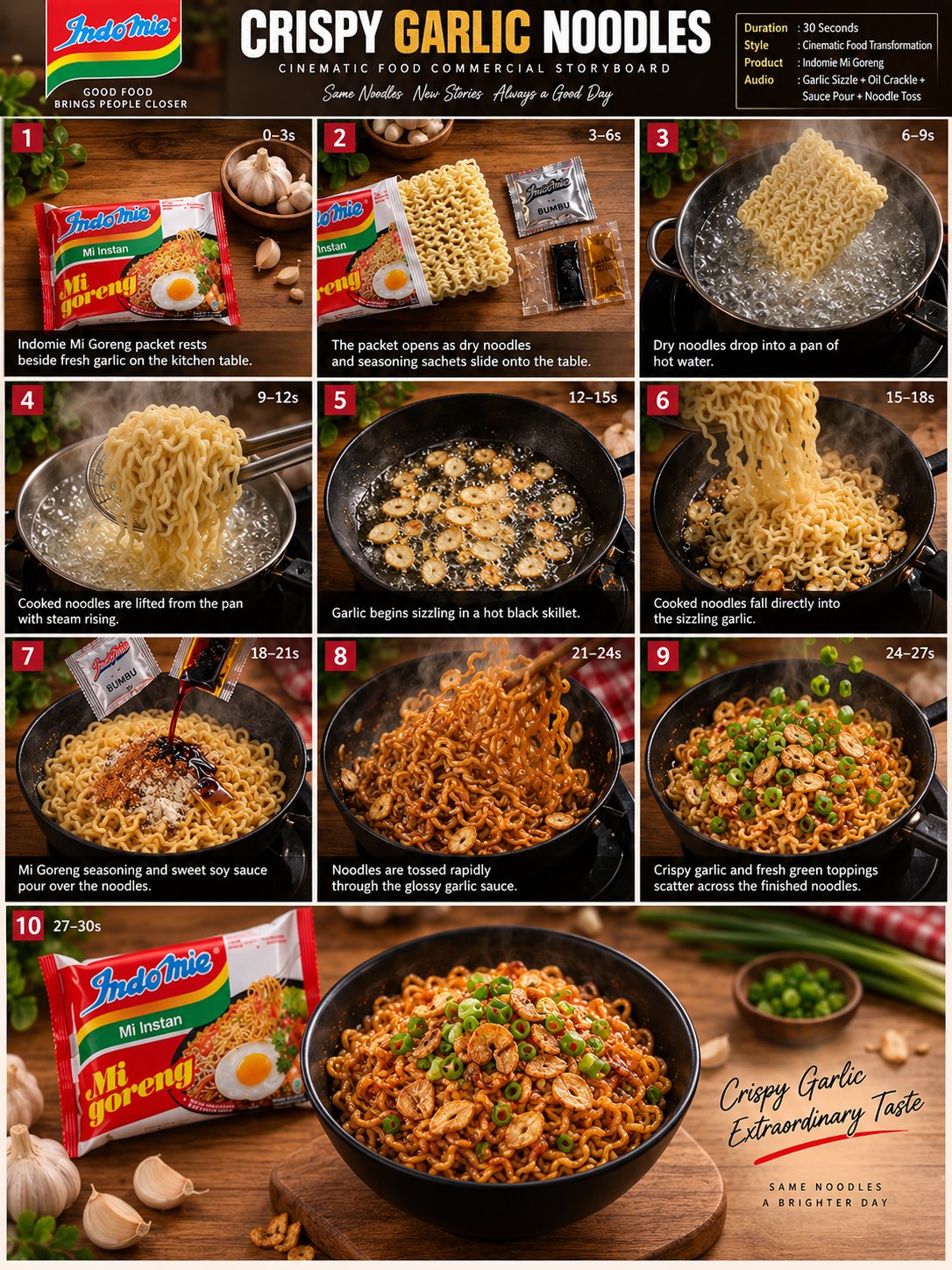
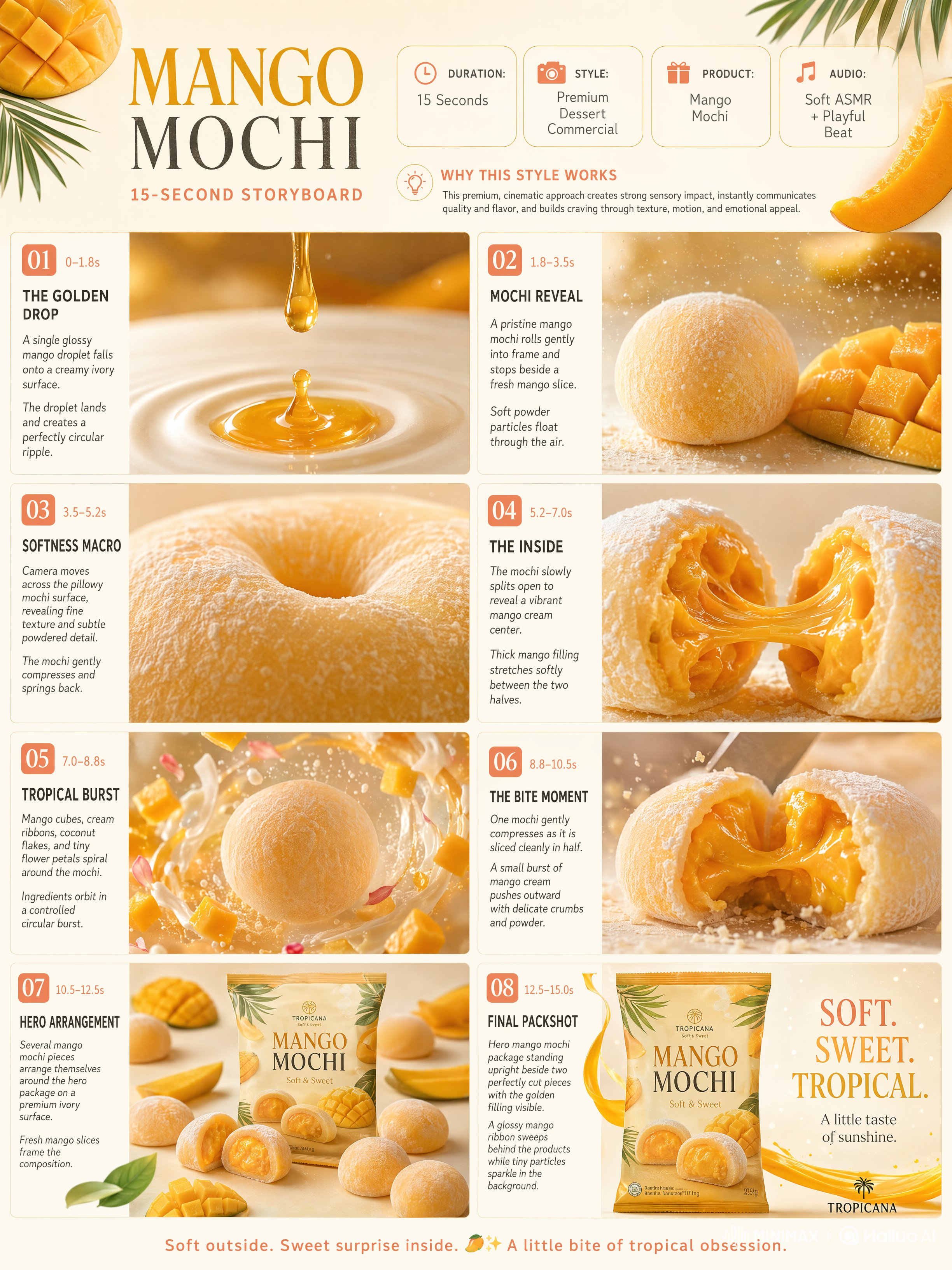
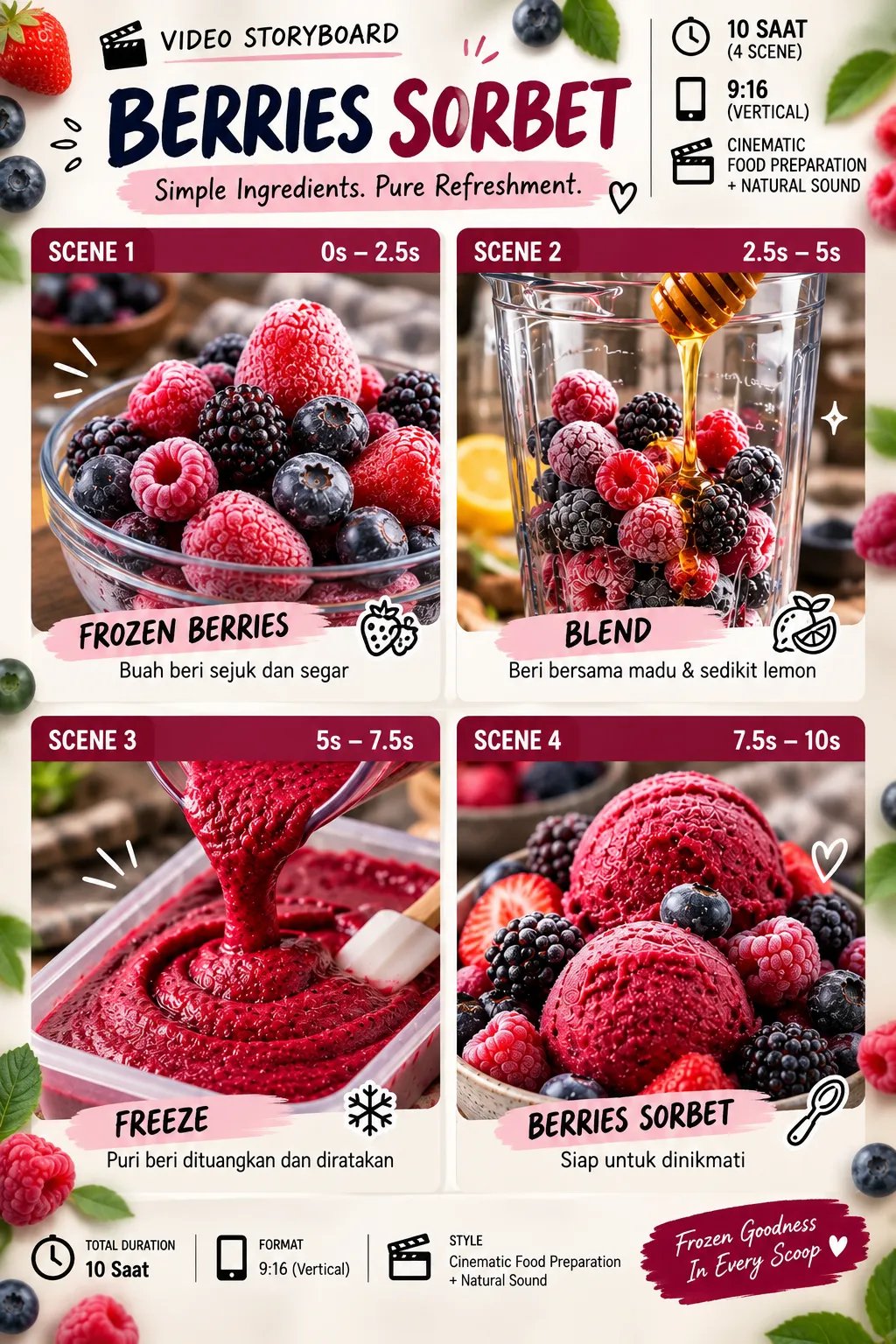
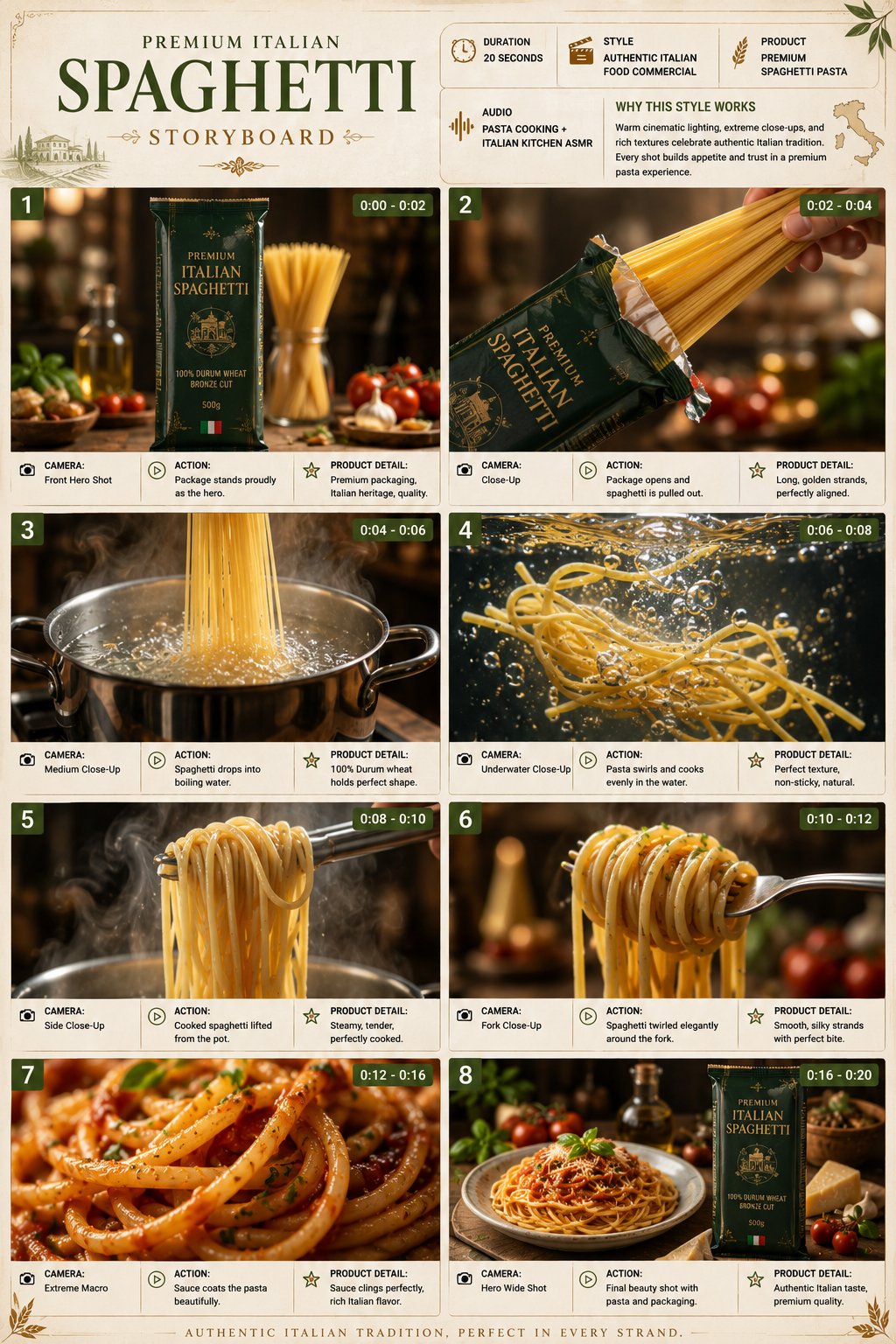
Generated food fails in one specific way: it looks like a display model. Every surface is uniformly glossy, nothing is melting or steaming, and the whole plate has the dead perfection of window display sushi. The cause is almost always flat frontal lighting, which flattens exactly the texture that makes food read as edible.
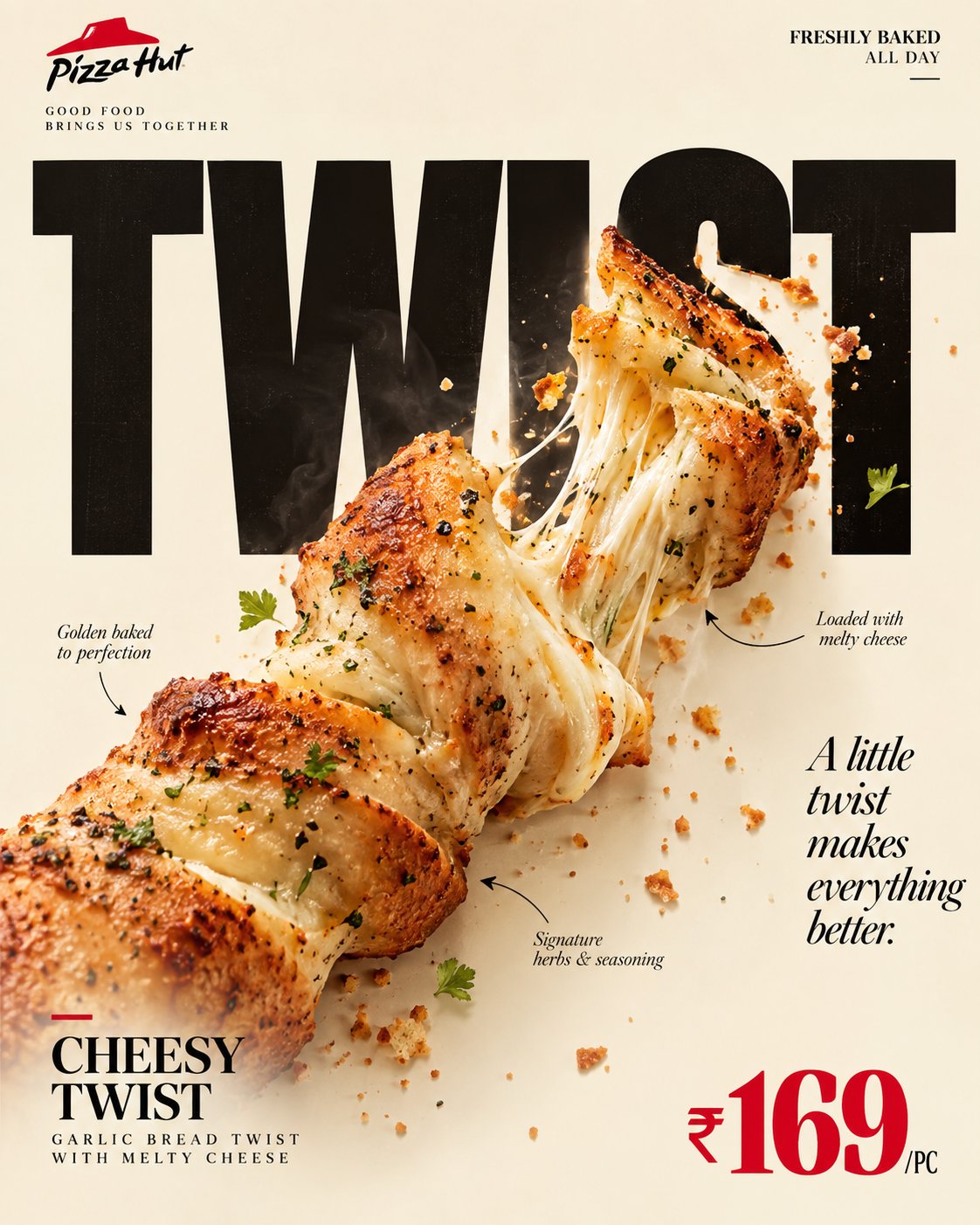
The fix is side or back lighting. Light raking across a surface reveals crumb, grain, char, and glaze; light from behind turns steam and liquid into something visible. Add one temperature cue — condensation, a melting edge, rising steam, oil still moving — and the dish stops being an object and starts being a moment.
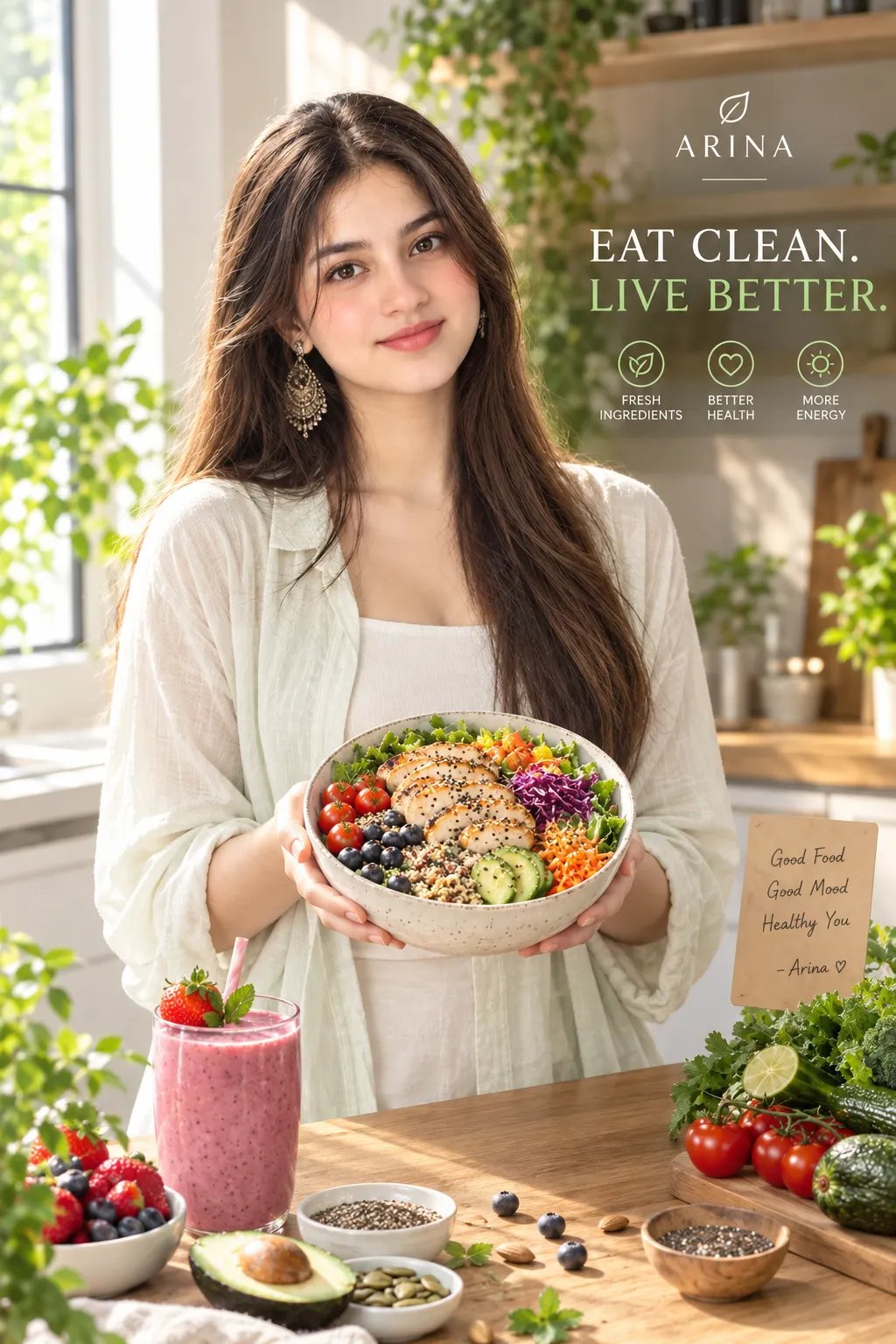
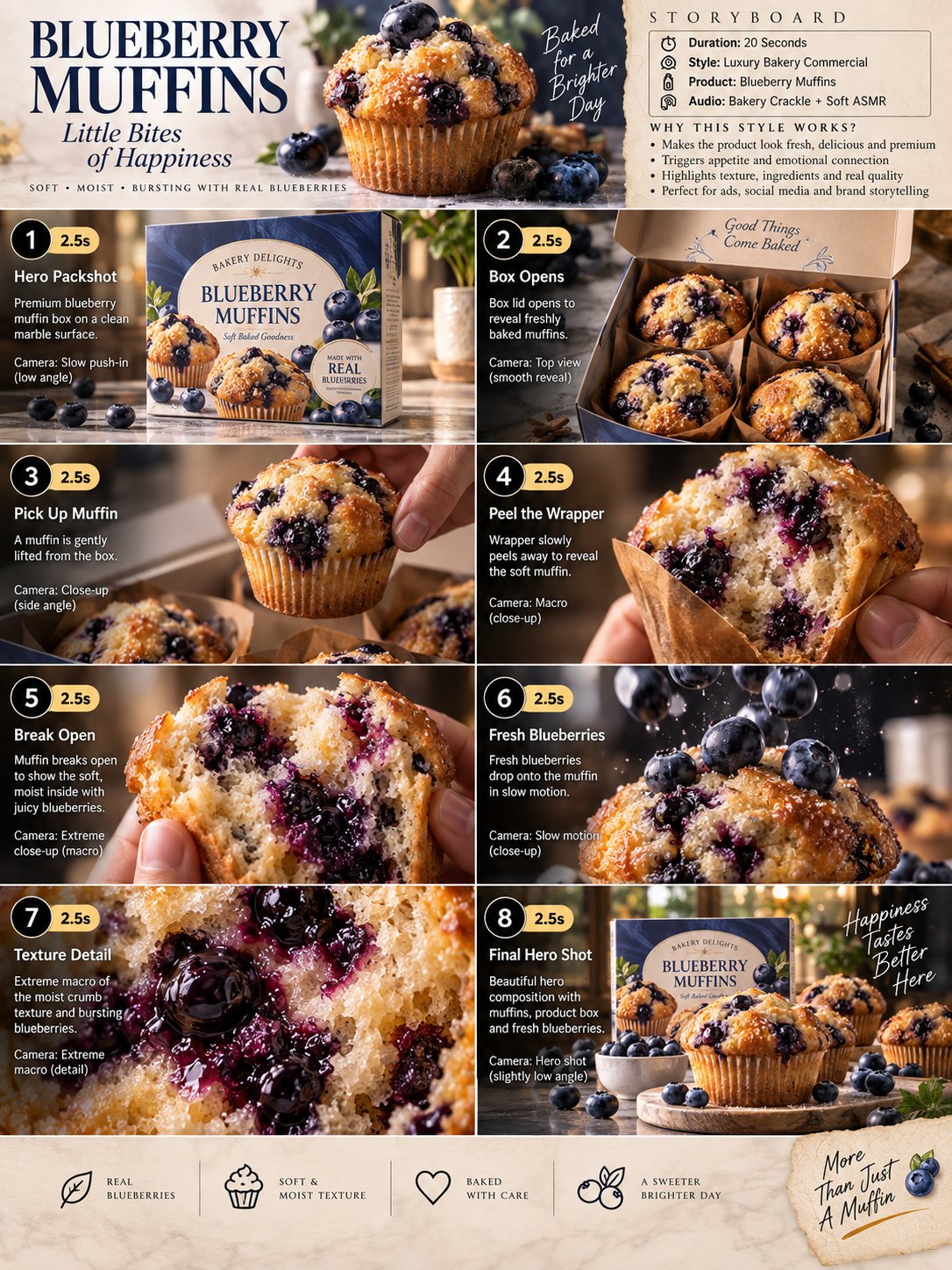
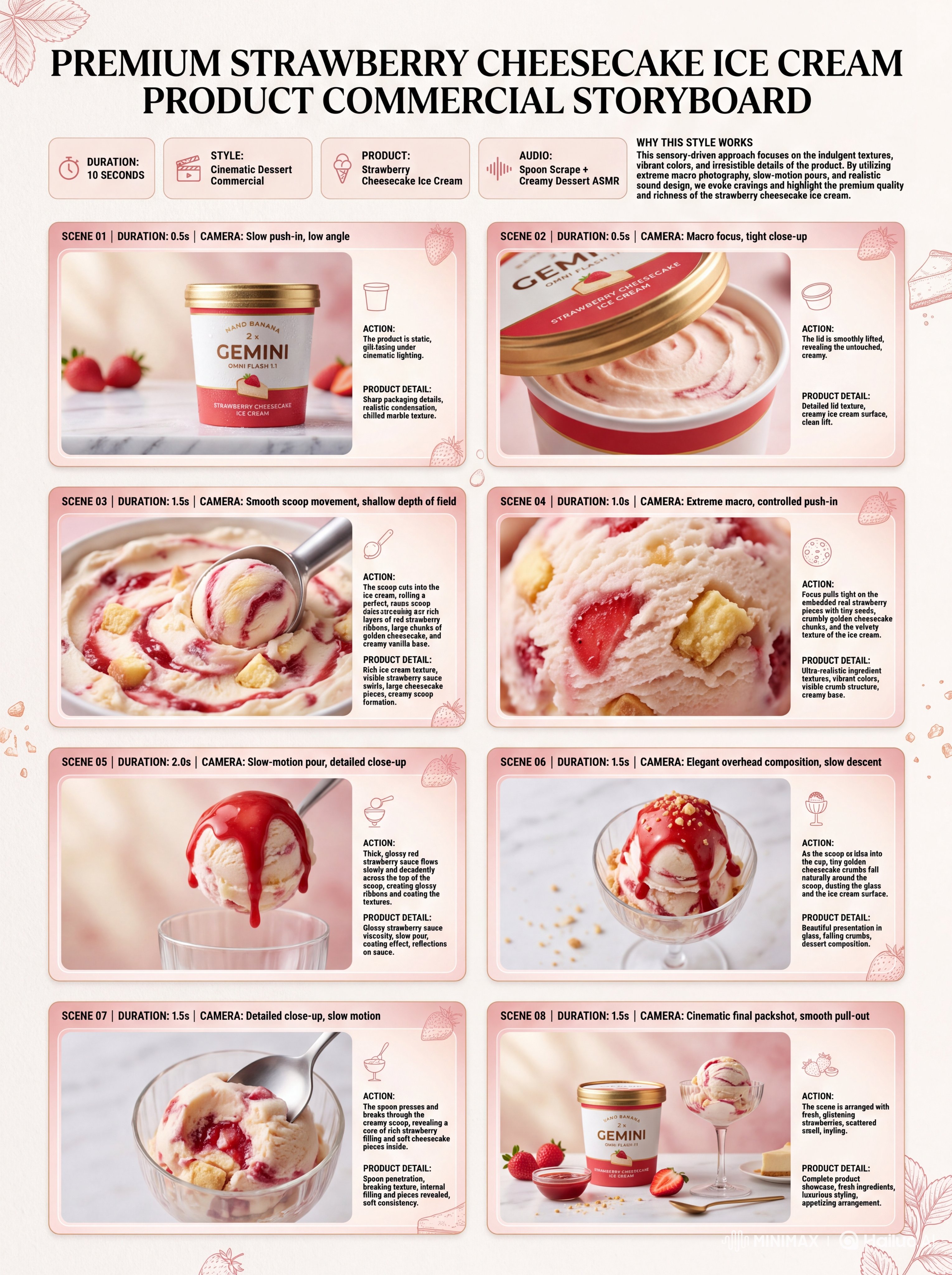
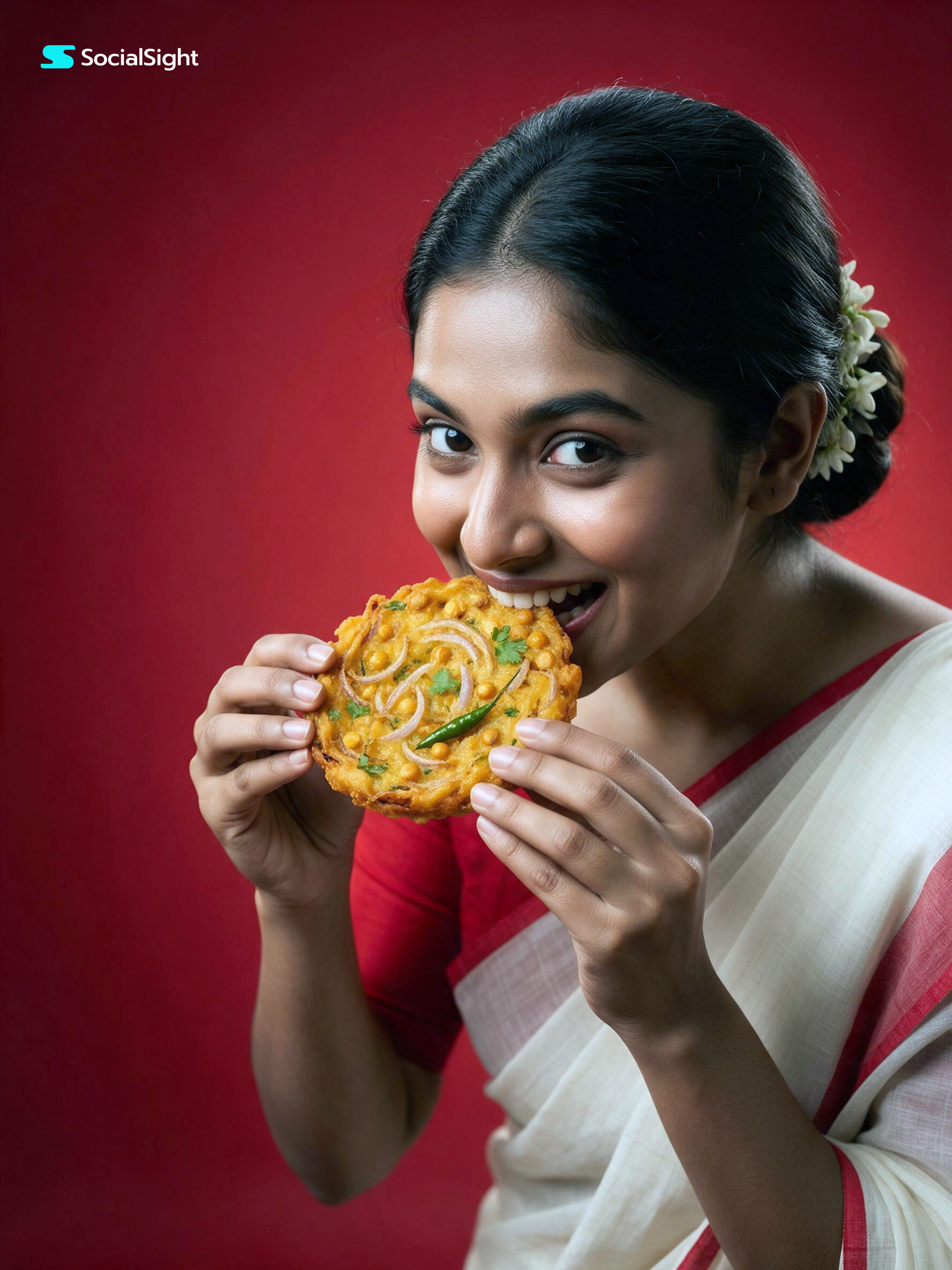
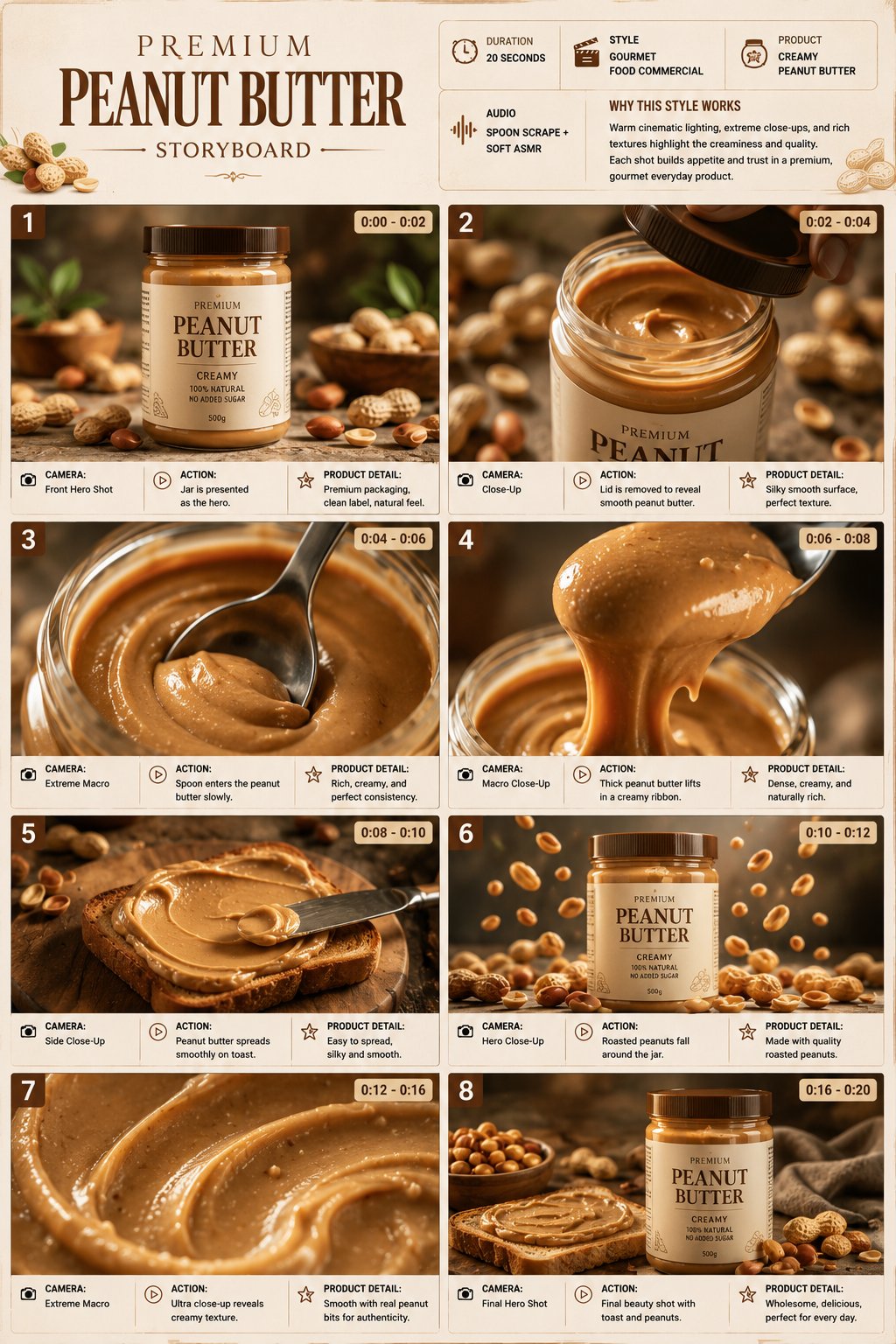
The prompts below are tested with their real outputs. Notice how consistently they name a light direction, and how often the most appetizing ones show food that is slightly imperfect.
How to write Food prompts
- 1Light from the side or behind, never flat from the front: "low side light raking across the surface" or "backlit, steam catching the light". This one change fixes most plastic-looking food.
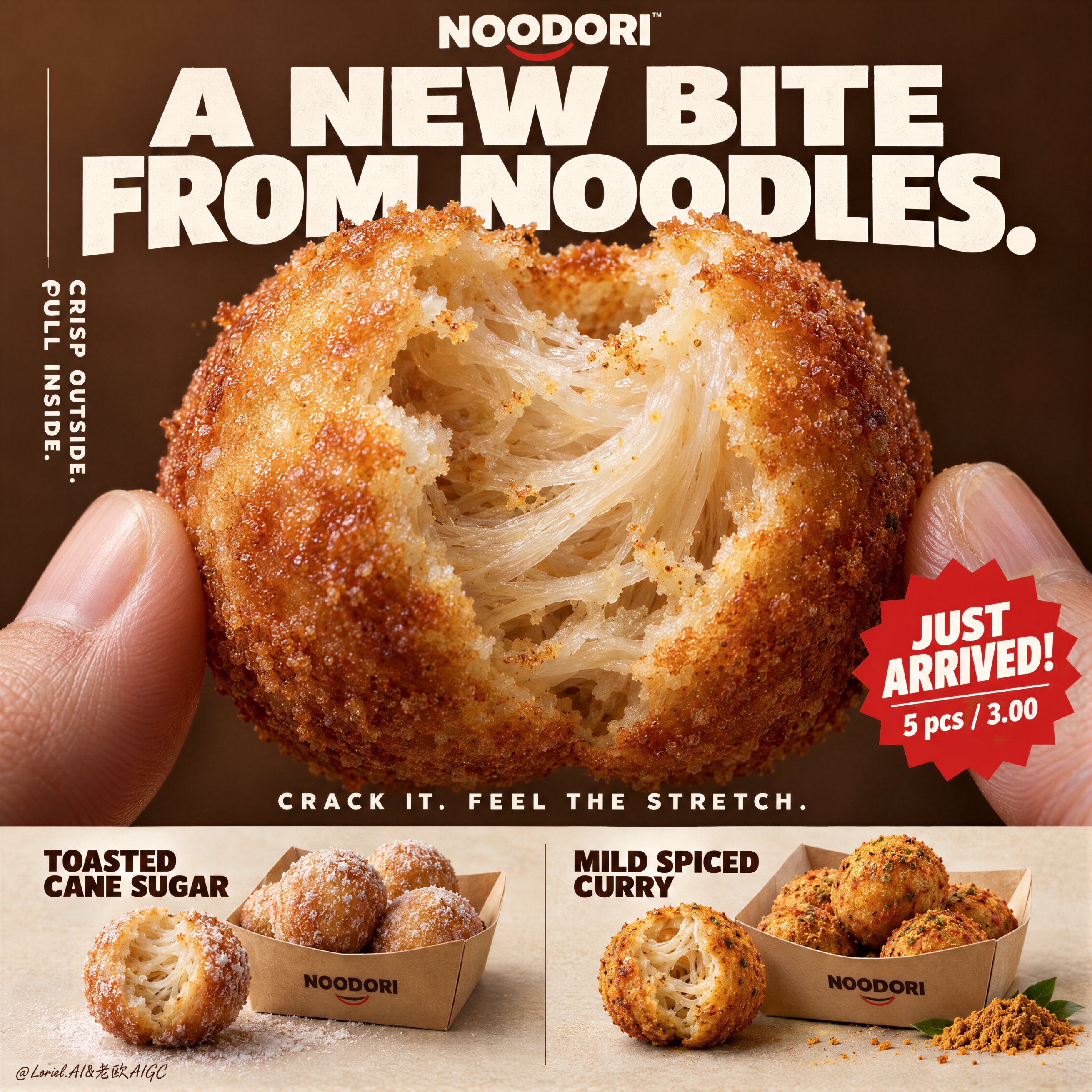
- 2Name the texture you want revealed — open crumb, blistered crust, glossy glaze, charred edges, coarse salt crystals. Texture is what the raking light has to catch.
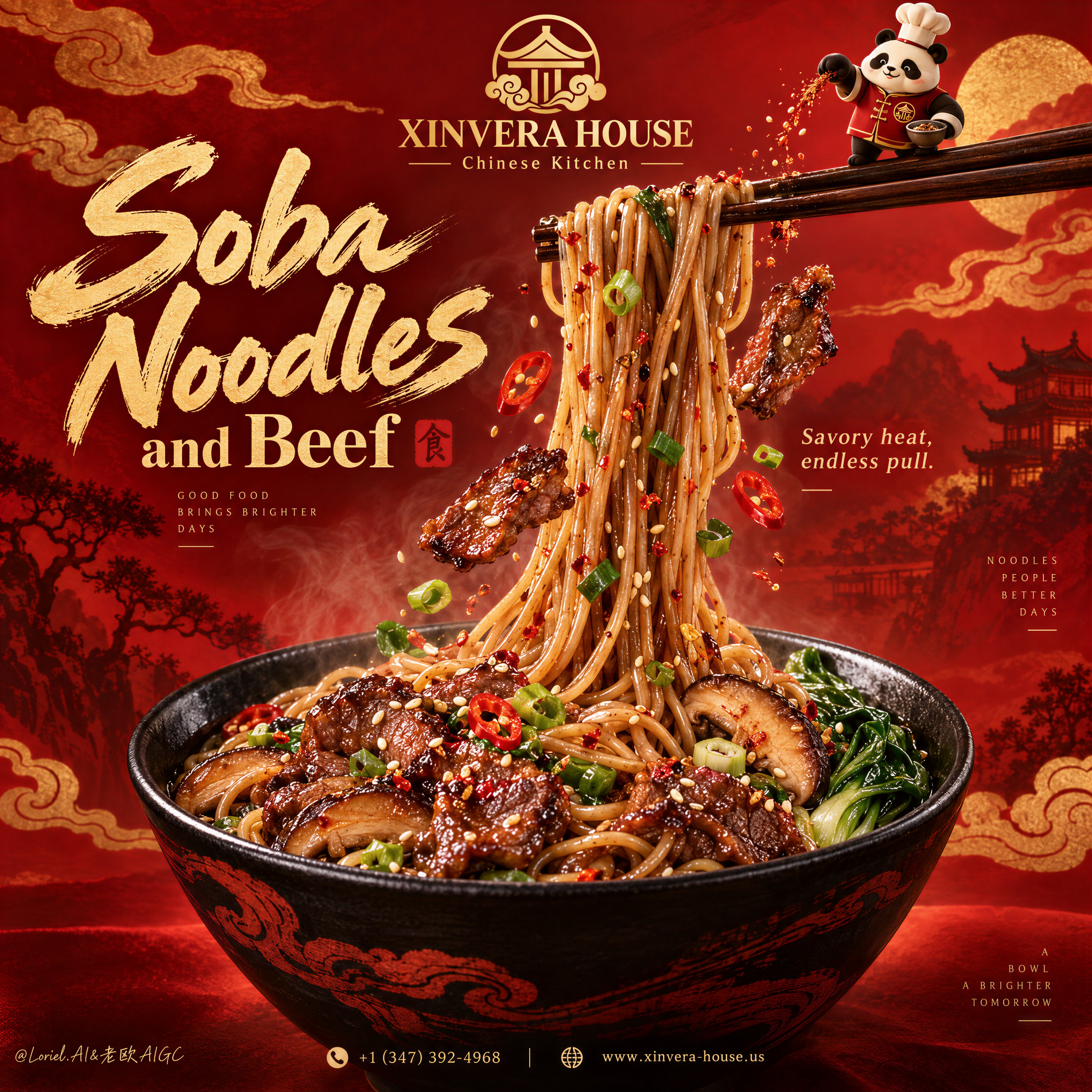
- 3Add a temperature cue: steam, condensation on glass, butter melting at the edge, oil still glistening. Temperature implies time, and time implies real food.
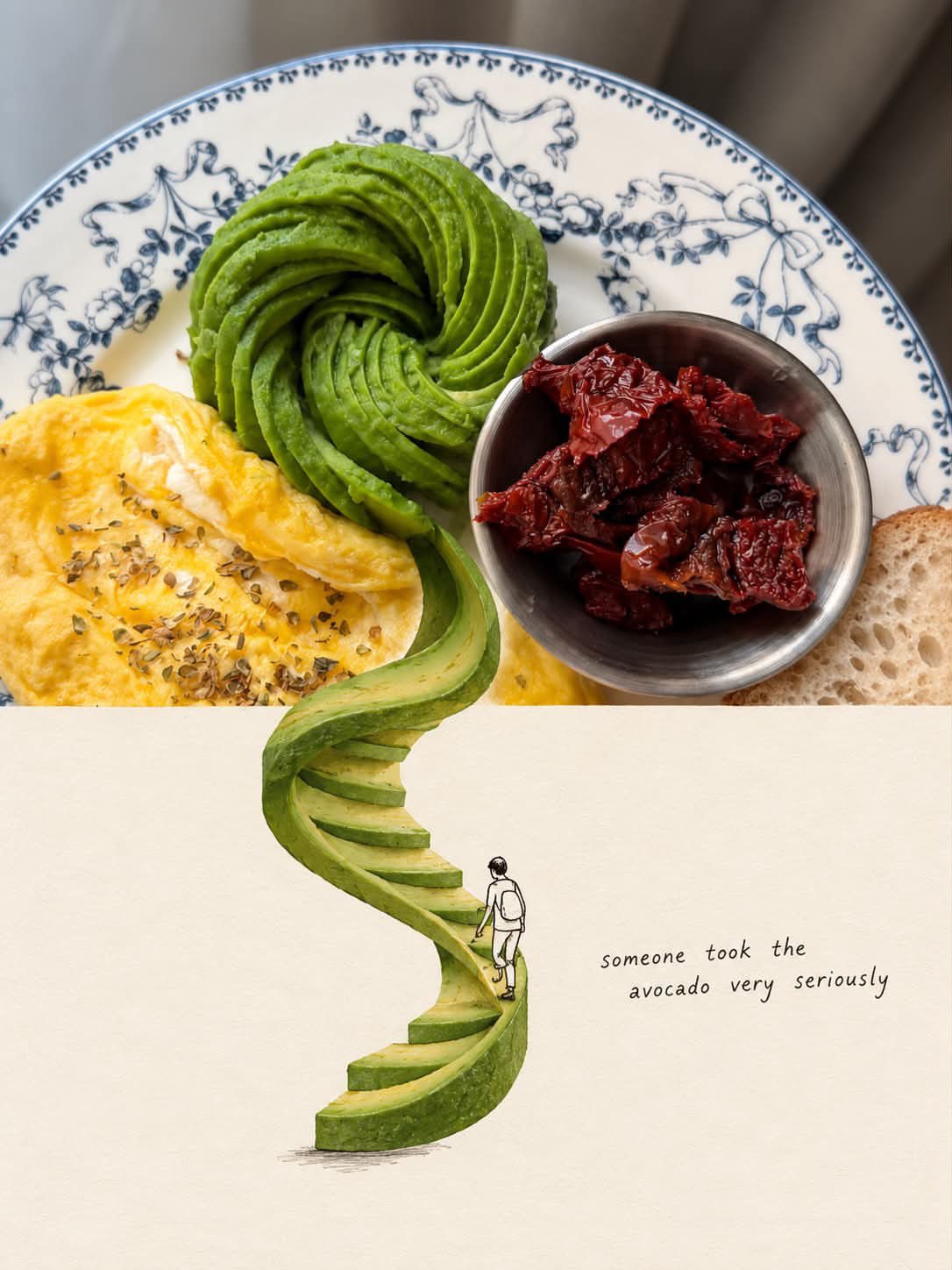
- 4Let it be slightly imperfect. A crumb on the board, a drip down the side, a torn edge — flawless plating reads as CGI, while one small mess reads as photographed.
- 5Specify the surface and how close the camera is: worn wood at 45 degrees, marble shot from directly above, a shallow-focus close-up at plate level. Food photography conventions are strong references for models.
Frequently asked questions
Why does AI-generated food look fake or plastic?
Flat frontal lighting and too much perfection. Front light removes the shadows that reveal texture, so everything reads as uniformly glossy plastic. Switch to side or back lighting and add one imperfection — a crumb, a drip, a torn edge.
How do I make food look hot or fresh?
Name a temperature cue explicitly: rising steam caught by backlight, condensation beading on a cold glass, butter melting at the edge, oil still glistening. These signals imply the food was made moments ago rather than assembled for display.
What camera angle works best for food prompts?
Three conventions cover almost everything: directly overhead for flat-laid spreads, 45 degrees for plated dishes, and a low plate-level close-up with shallow focus for a single hero item. Naming one gives the model a strong, well-referenced starting point.