Realistic Prompts
Realism is an imperfection budget: the flaws you specify are what make the frame believable.
About Realistic prompts
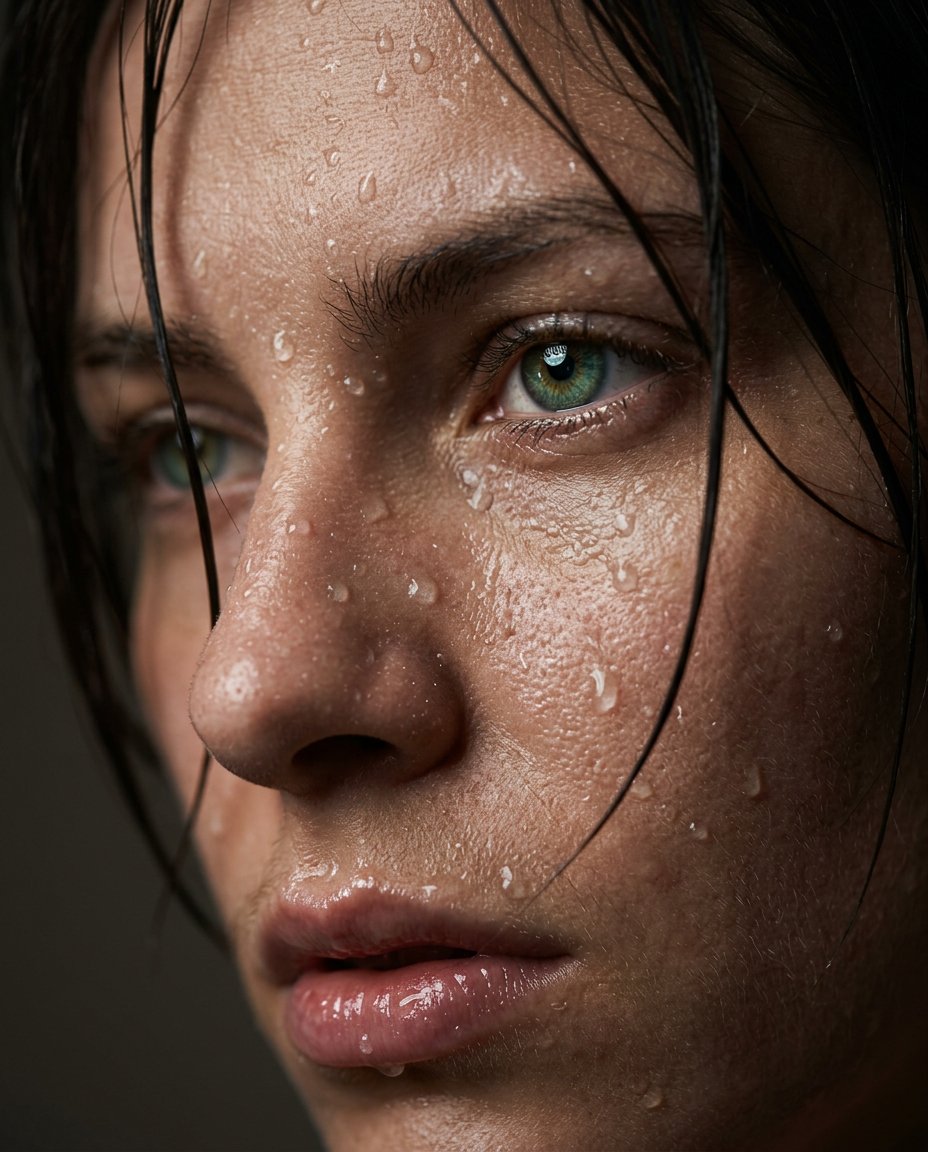
The paradox of realistic prompting is that perfection is the tell. A frame with flawless lighting, flawless focus, and flawless composition reads as a render, because real capture never delivers all three at once. Real footage carries the fingerprints of the device that shot it — a slight sway in the hands, noise creeping into the shadows, a highlight that blew out because nobody metered for it.
So the craft is to specify the capture, not the subject. "Shot on a phone at night, auto-exposure hunting, streetlight color cast" tells the model an entire bundle of believable flaws in one line. This is why ordinary subjects work so well here: a walk home after midnight, a humid summer street, someone changing outfits between takes. The mundane subject lowers the stakes, and the honest treatment does the rest.
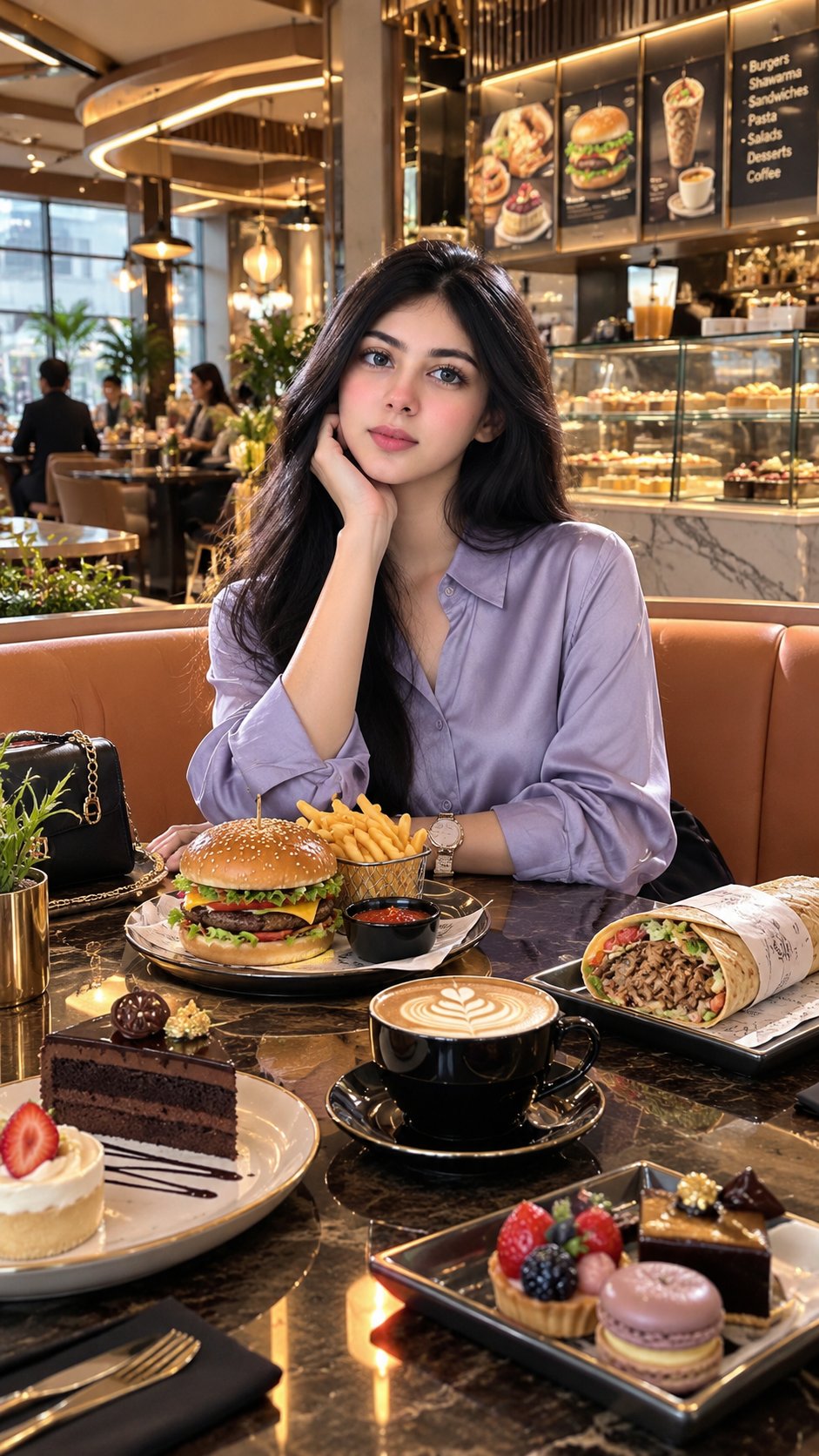
The prompts below are tested with their real outputs. Read them for how they were "filmed" — most spend more words on the camera's bad habits than on what is in front of it.
How to write Realistic prompts
- 1Name the capture device and let it imply the flaws: "handheld phone video", "webcam quality", "disposable camera flash". A device carries a whole aesthetic of imperfections you no longer need to list one by one.
- 2Spend an explicit imperfection budget — pick one or two and state them: sensor grain in the shadows, a blown-out window, a passerby crossing the frame, a smudged lens. All of them at once reads as a filter; one or two reads as life.
- 3Use available light and let it misbehave: mixed color temperatures, fluorescent spill, uncorrected white balance. Clean three-point lighting is a studio signature, and studios are exactly what realism is trying not to look like.
- 4Catch subjects mid-action rather than posed: "mid-step", "looking away", "adjusting a bag strap". A pose is a decision the subject made for the camera, and the viewer can feel it.
- 5Anchor time and place with mundane specifics — wet asphalt, convenience-store glow, summer haze — and delete quality words like "photorealistic" or "ultra-detailed". Quality words add polish, and polish is the enemy here.
Frequently asked questions
Why do my "photorealistic" prompts still look fake?
Because words like "photorealistic", "8k", and "ultra-detailed" push the model toward its polished-render aesthetic — the exact look you are trying to escape. Replace them with capture conditions: what device, what light, what went slightly wrong. Realism comes from evidence of capture, not from quality adjectives.
How do I keep the same person consistent across shots?
Write a short identity block — face shape, hair, build, one distinctive detail — and repeat it verbatim in every prompt, changing only the clothing and scene language around it. Consistency breaks when you paraphrase the person; models treat a reworded description as a new casting call.
What makes realistic video harder than realistic images?
Motion is where realism breaks first. A still can hide a perfect world; video exposes it the moment everything moves too smoothly. Ask for handheld sway, imperfect focus, and real-world pacing — people who pause, glance, and hesitate. The camera moving like a person holding it does more than any texture detail.