Seedream 5 Prompts
ByteDance's high-fidelity image model — understands Chinese and English prompts natively, built for production at scale.





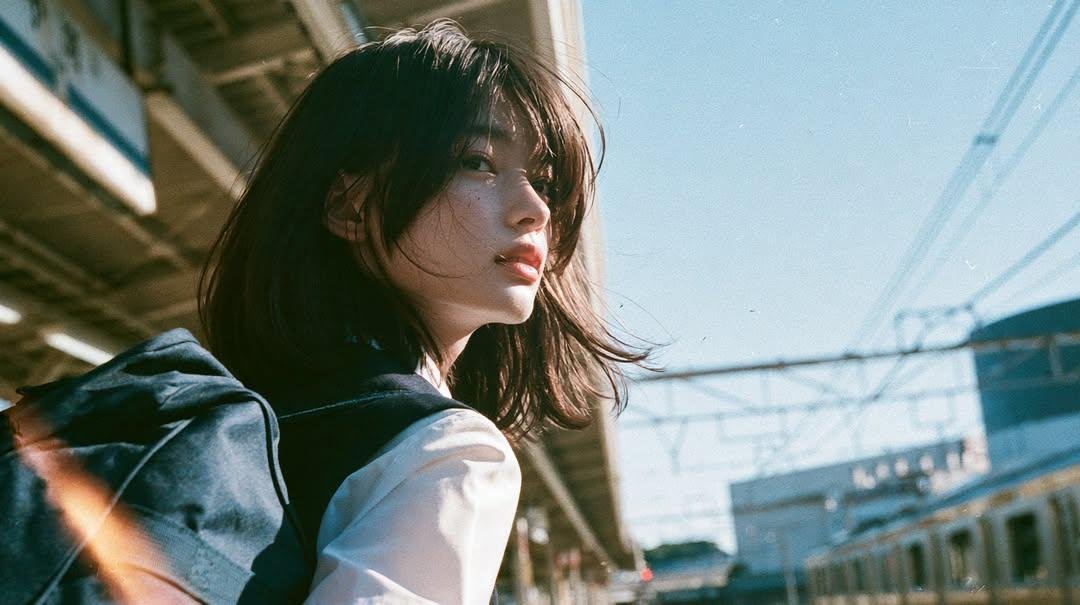
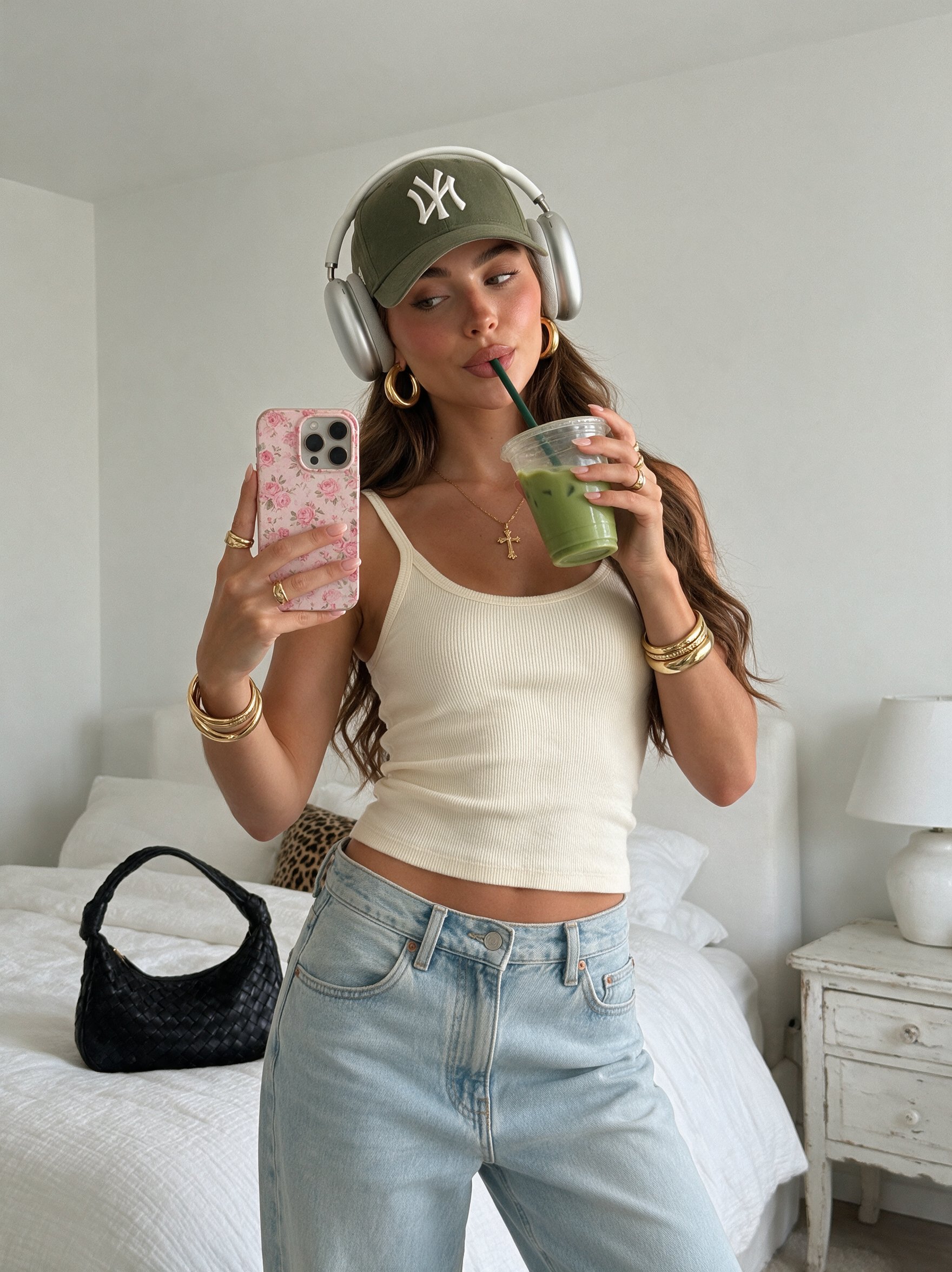


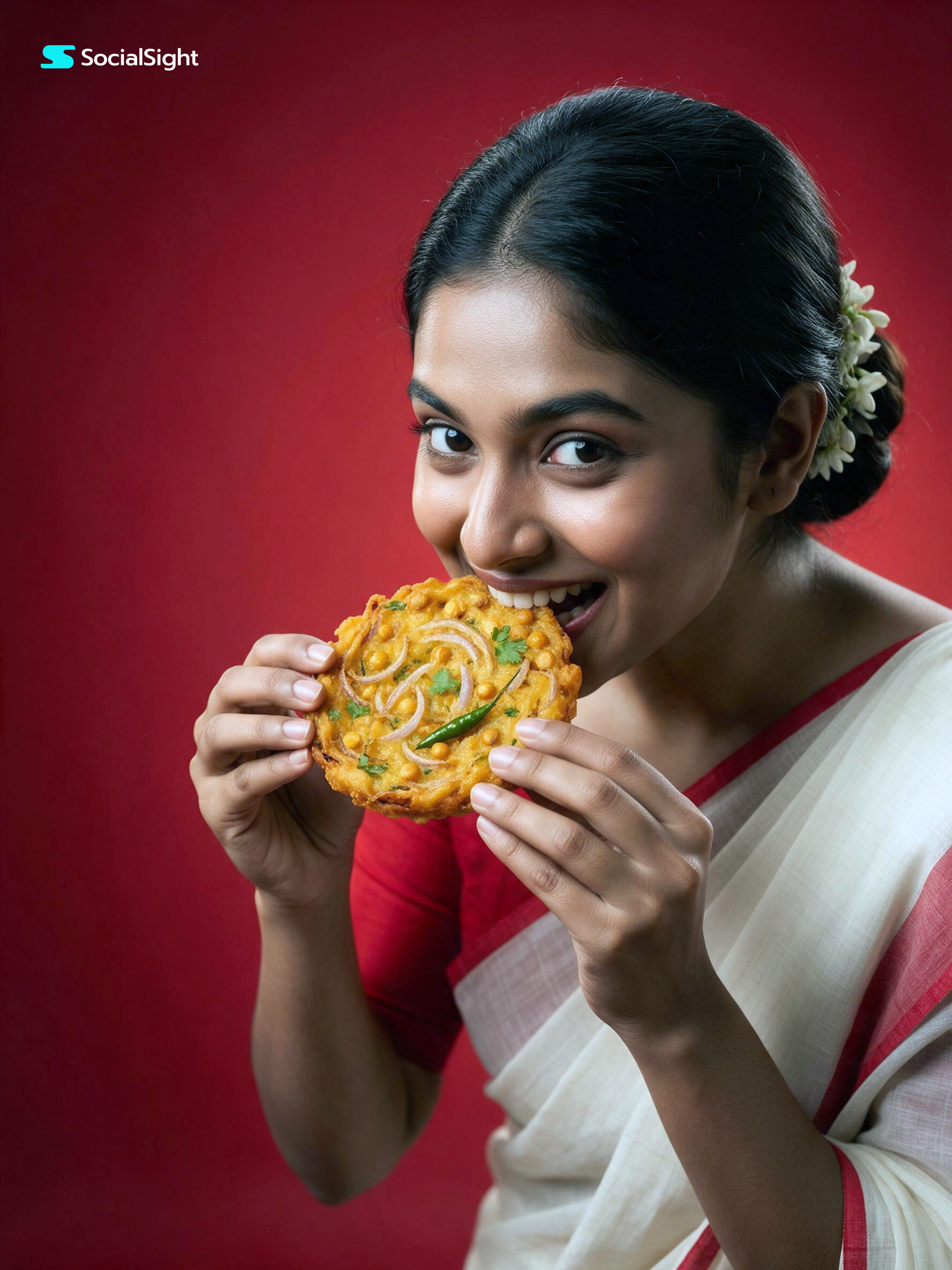



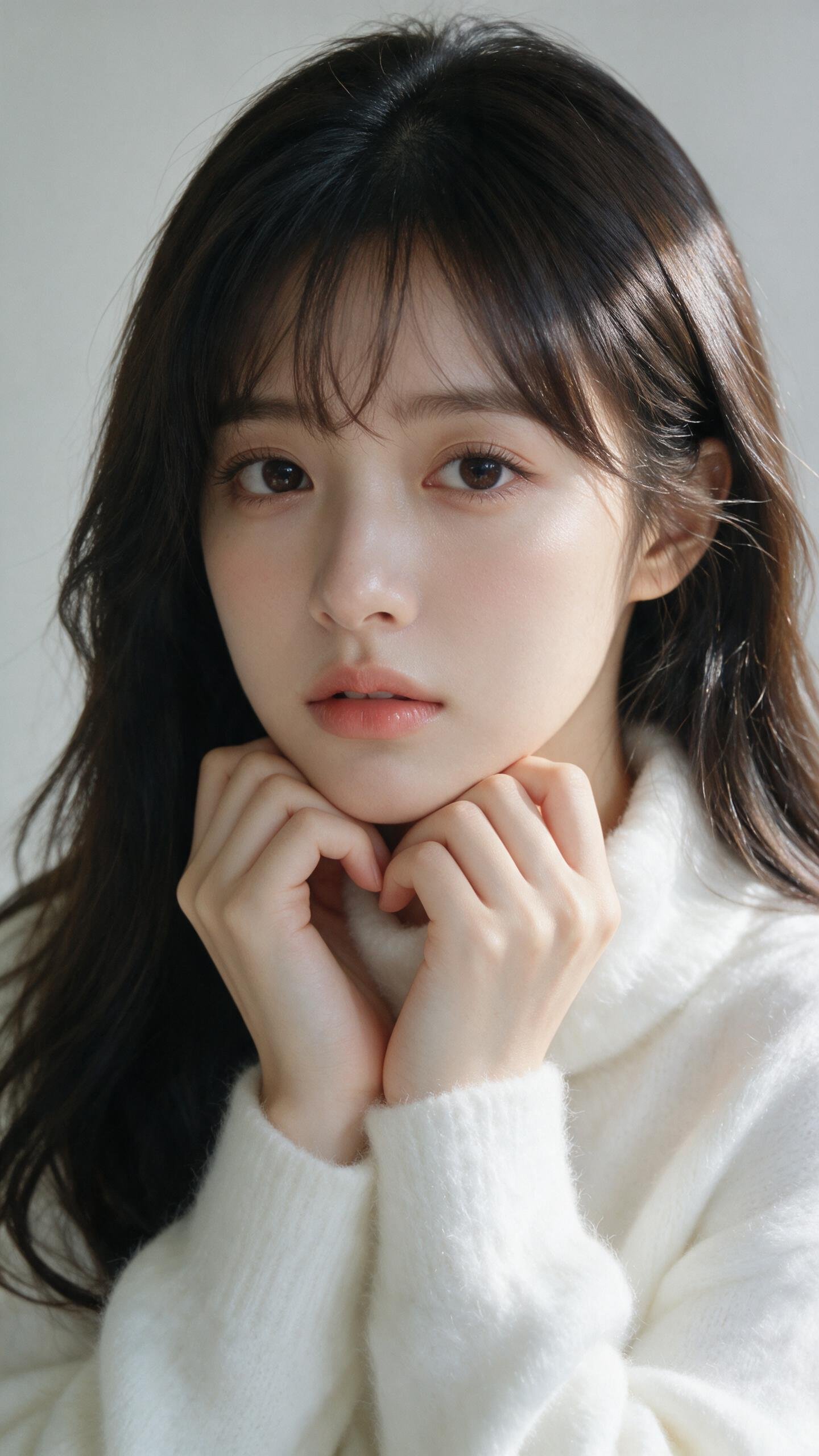

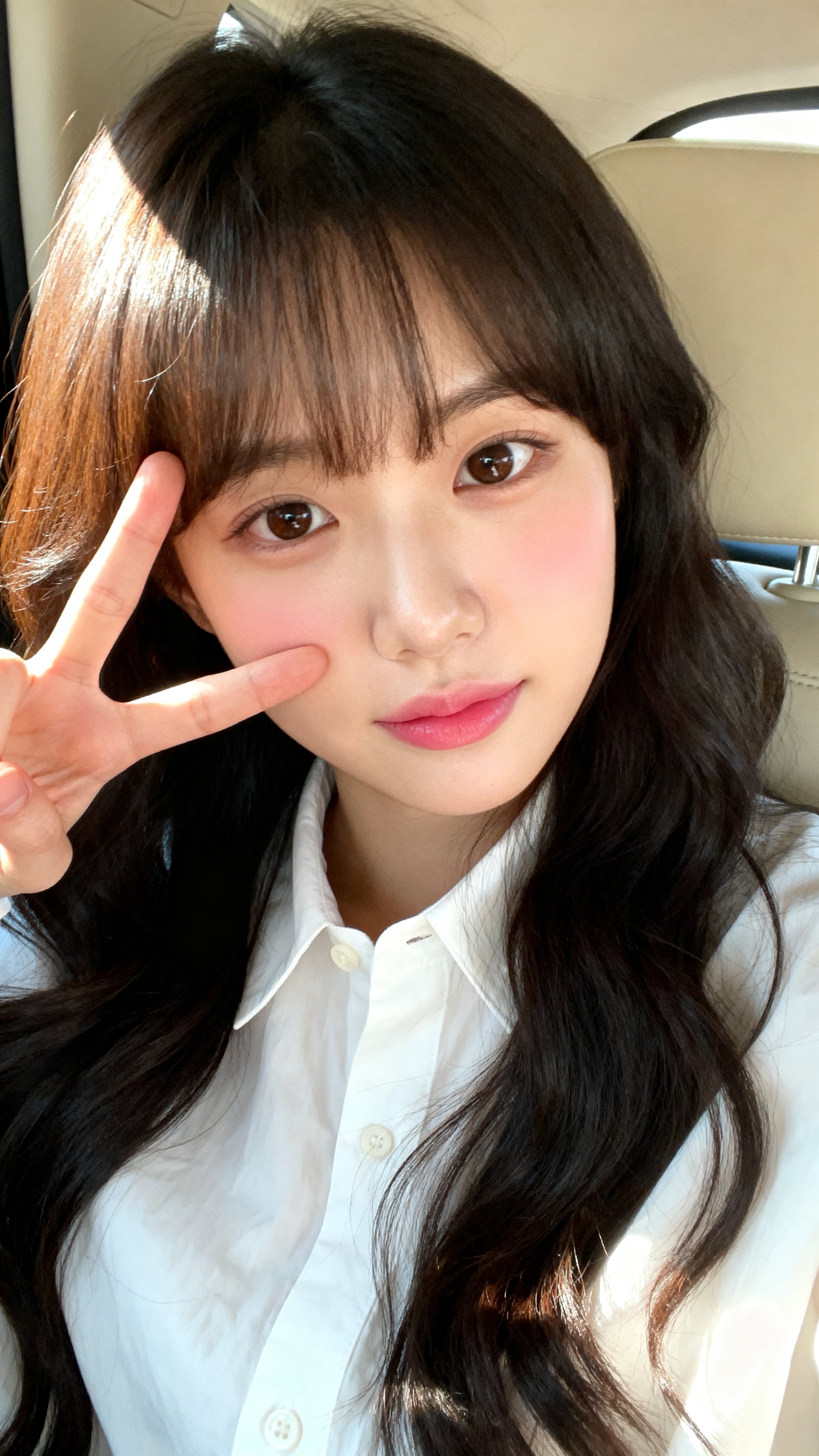
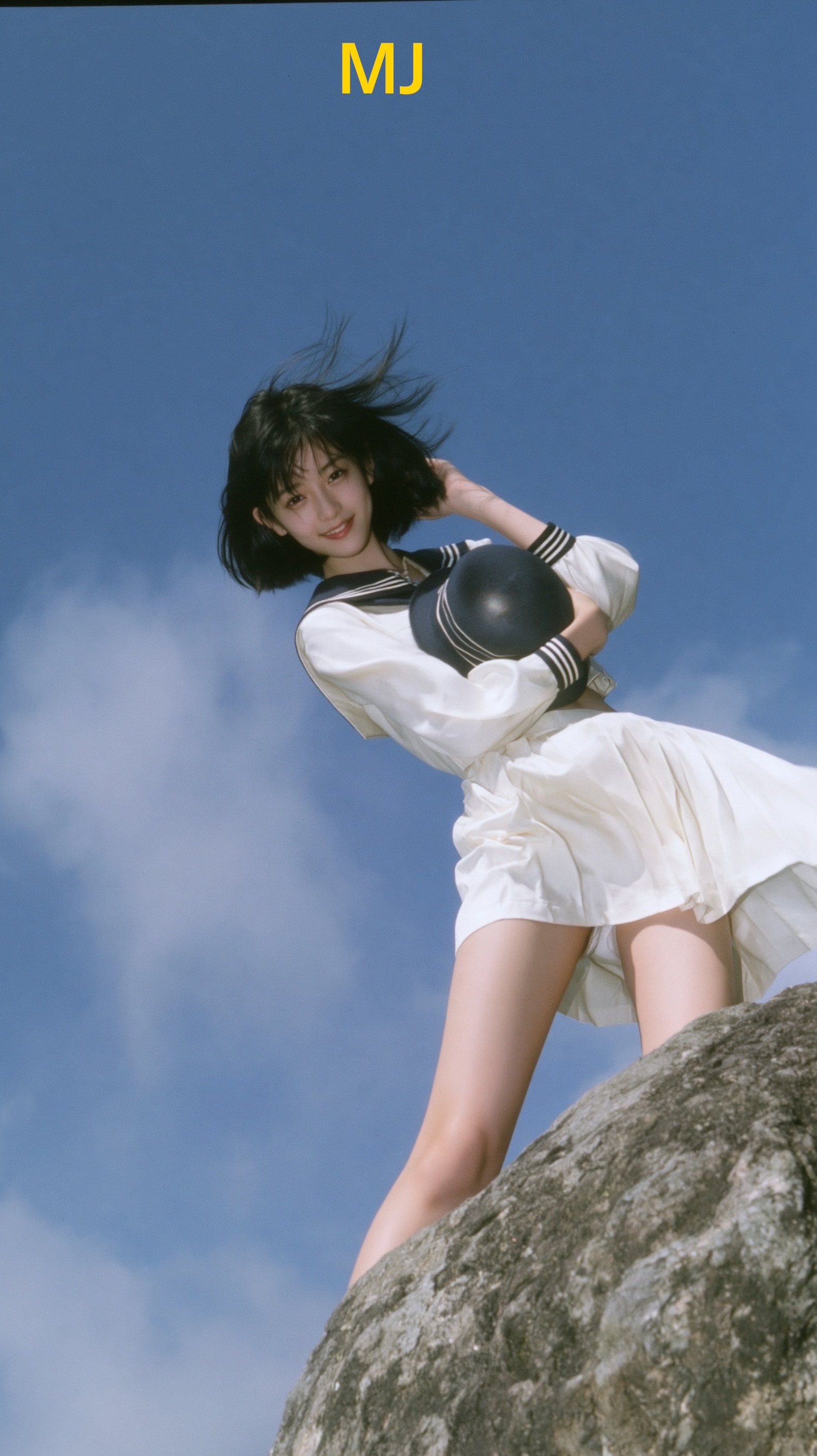
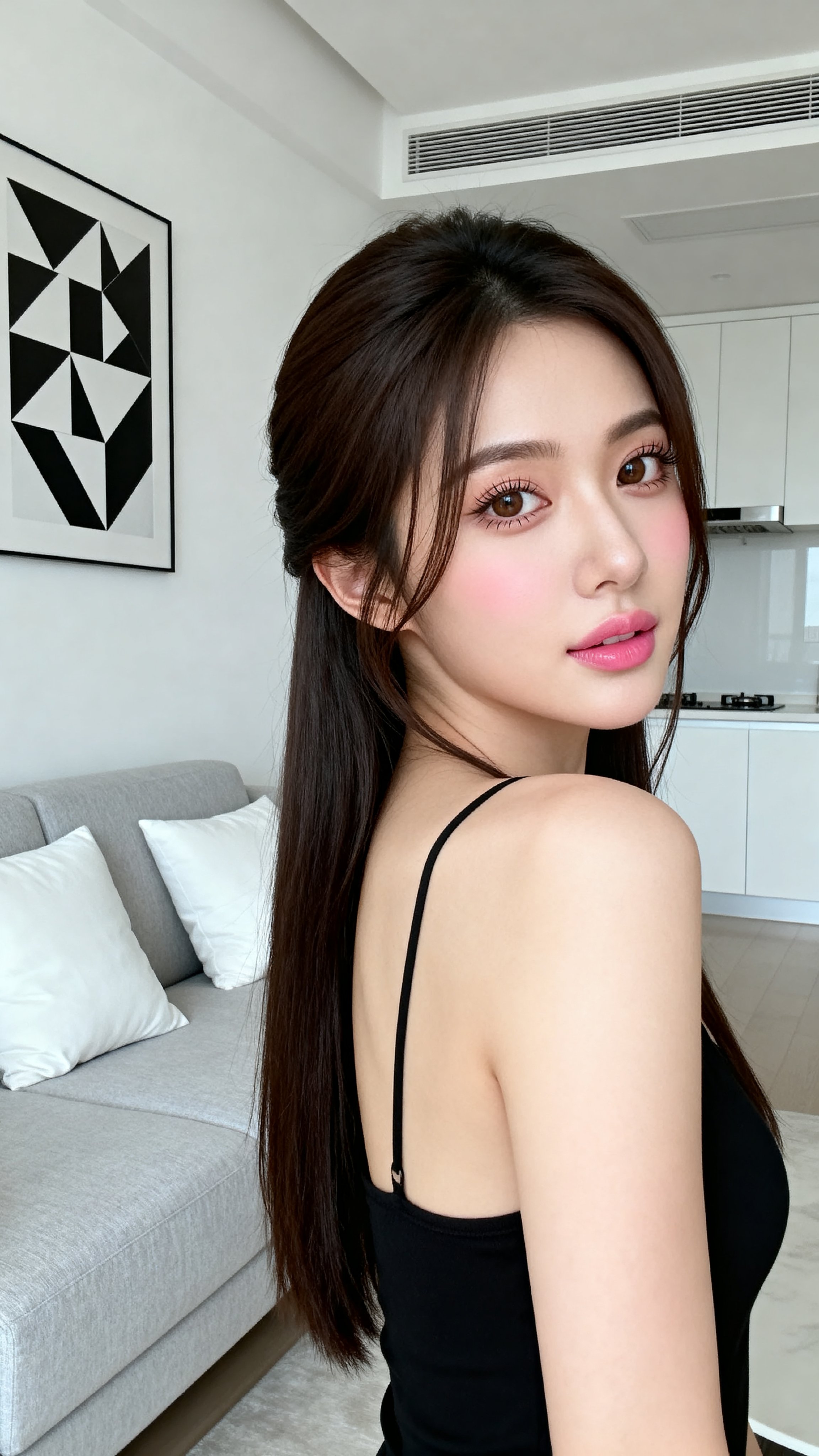
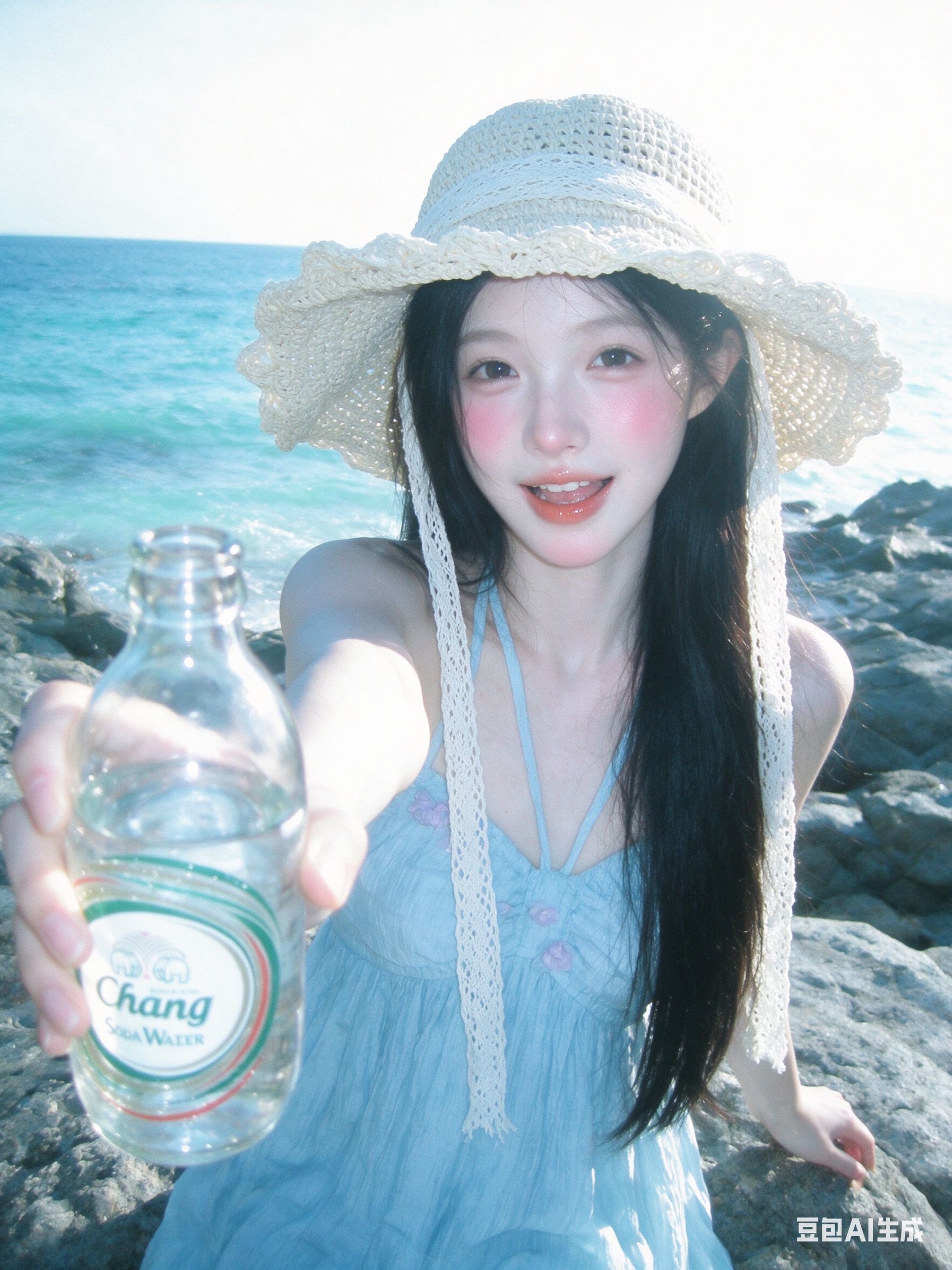



About Seedream 5
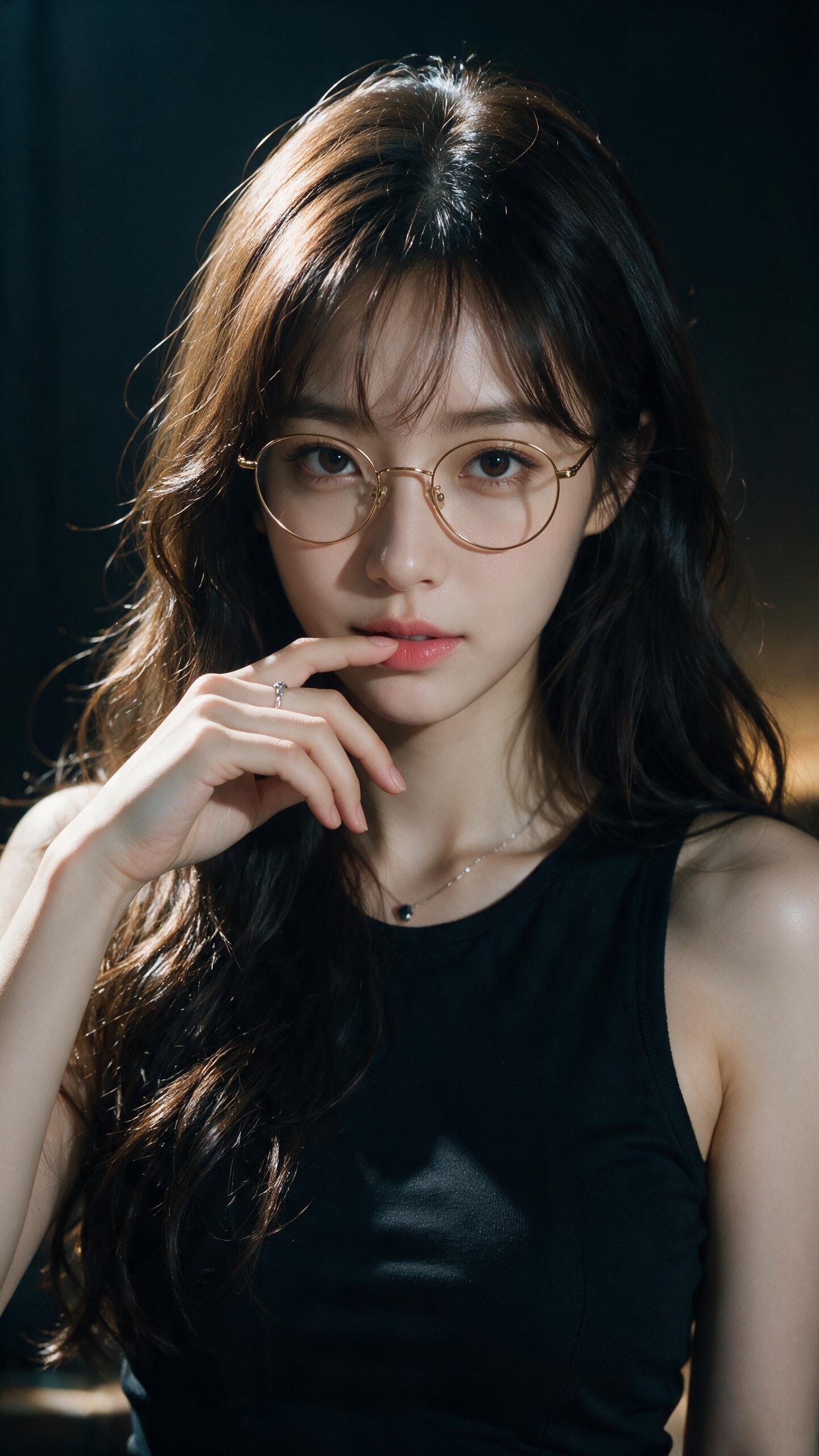
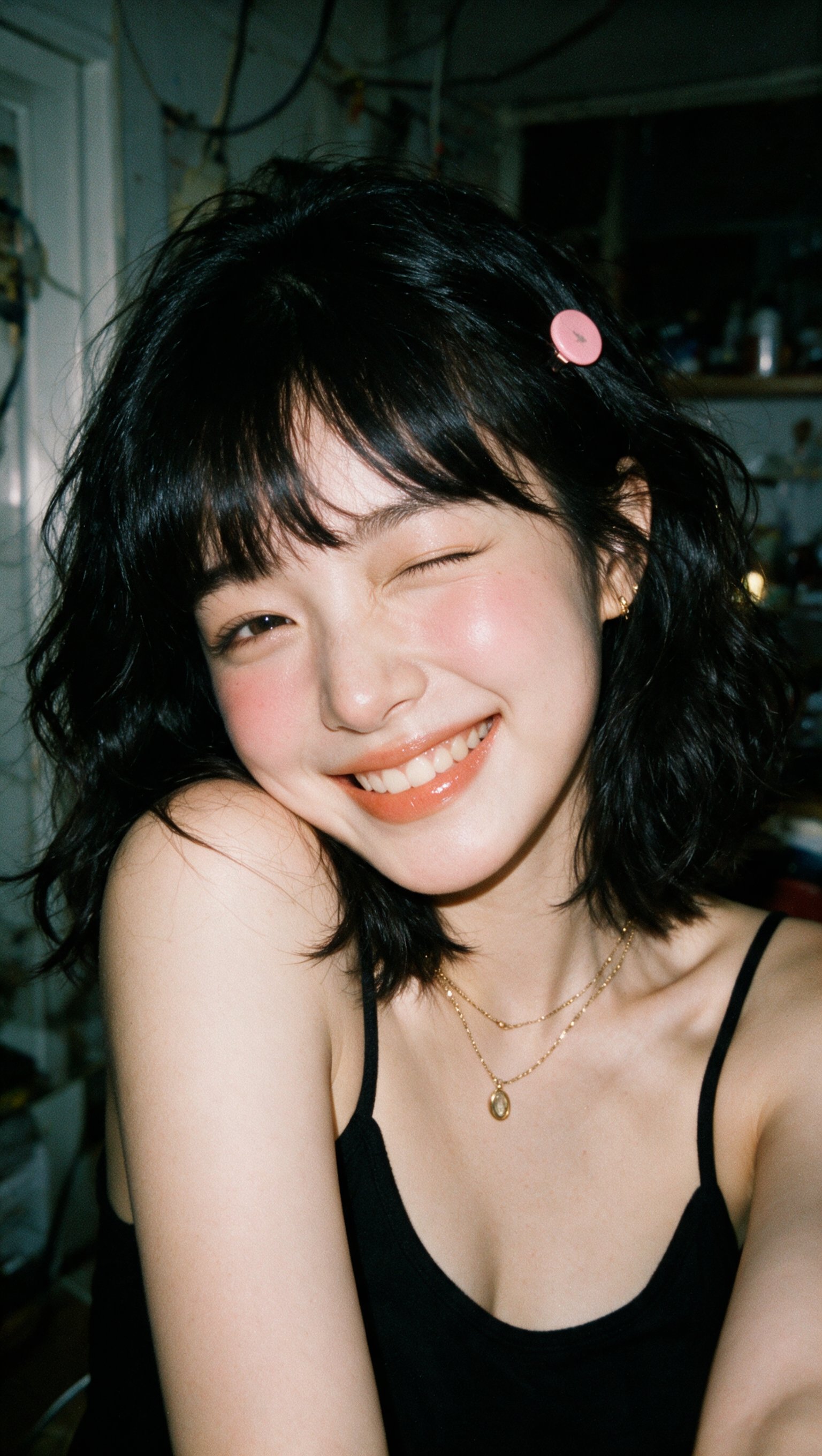
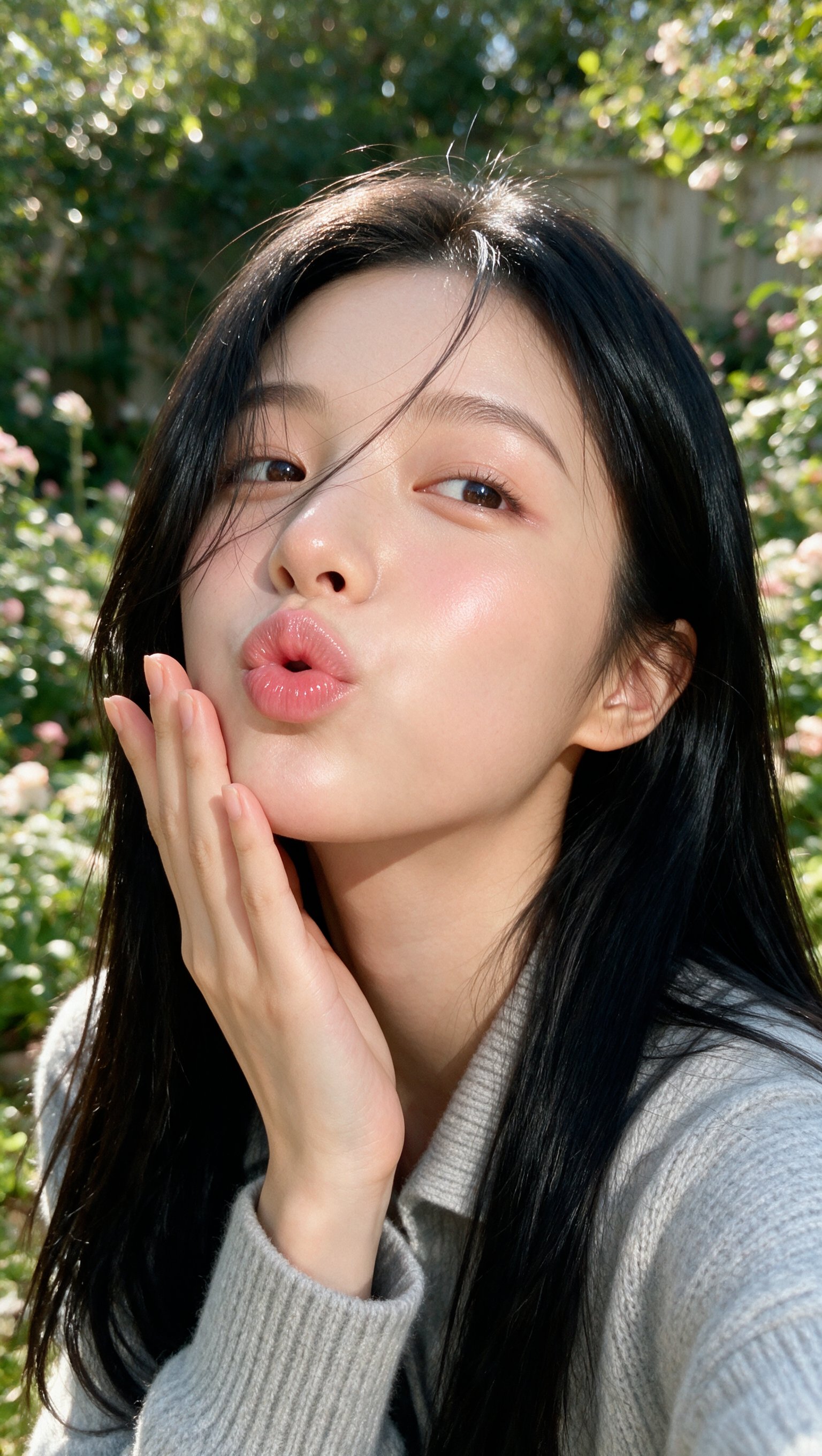
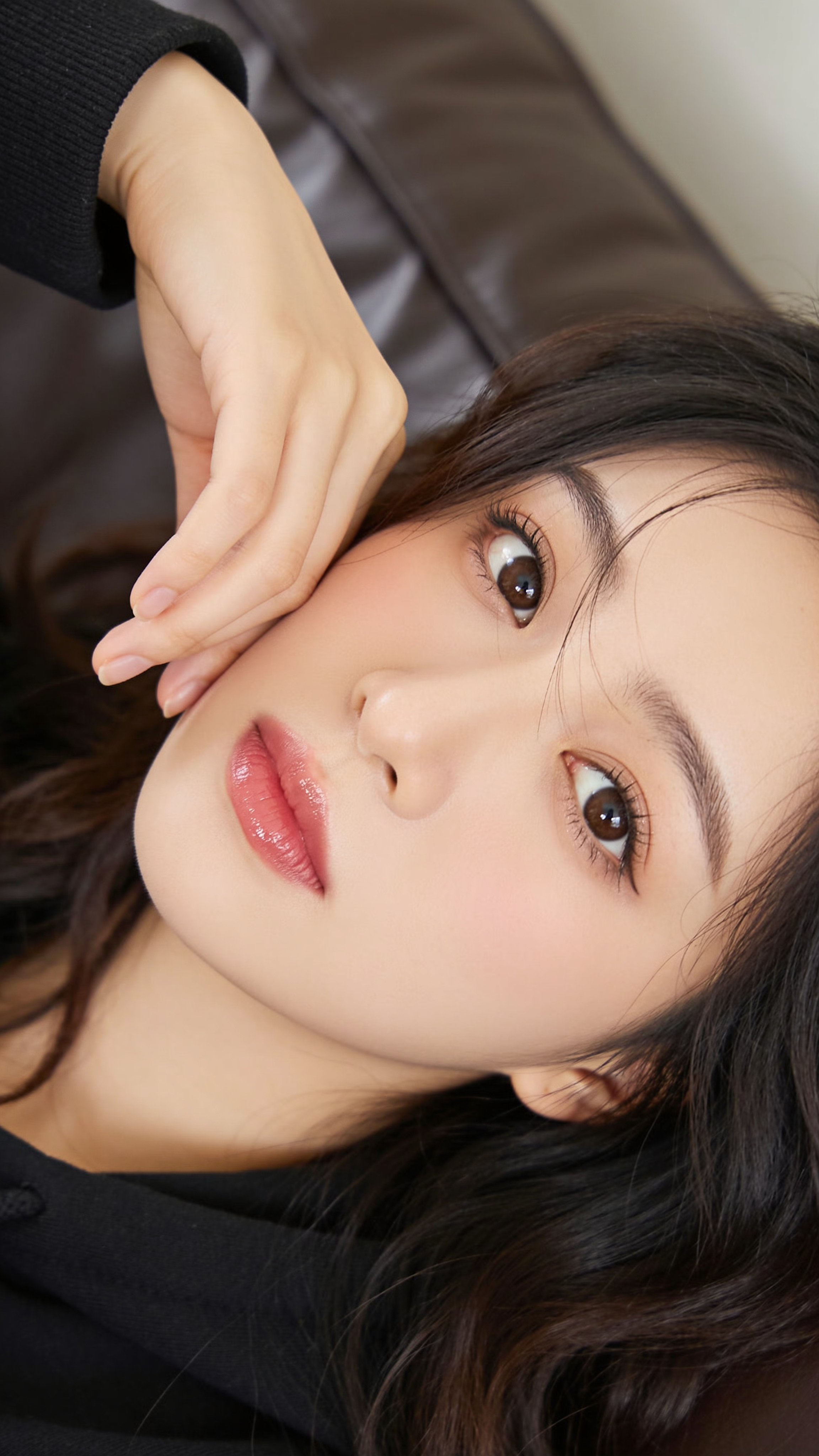
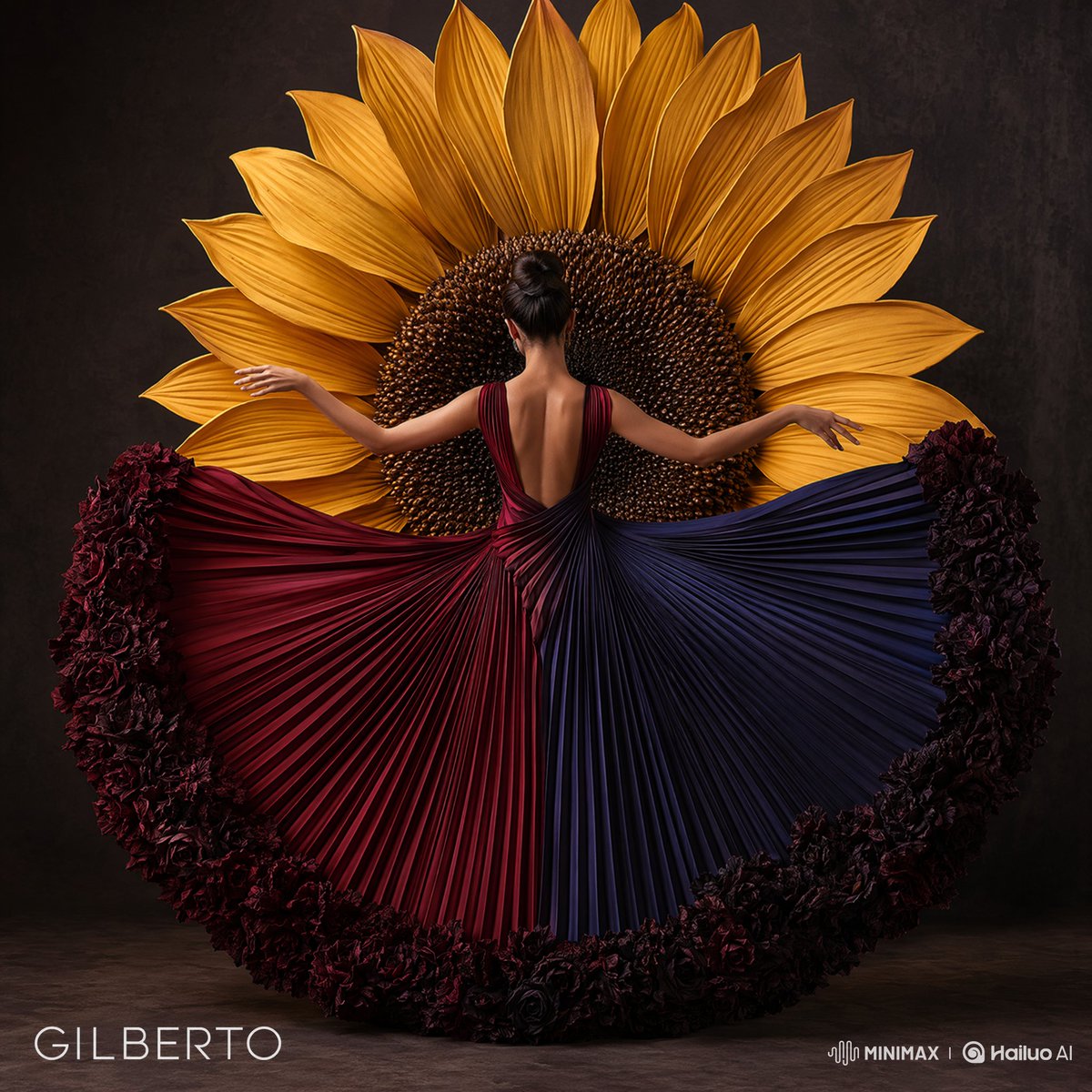
Seedream 5 is ByteDance's flagship image generation model. It renders detailed, high-fidelity images from text descriptions, and it is genuinely bilingual: prompts written in Chinese, English, or a mix of both are understood with equal precision, including culture-specific concepts that most Western models mangle.
Its sweet spot is dependable quality at volume. Teams running high-throughput creative pipelines — product visuals, marketing variants, editorial illustration — lean on Seedream because it delivers a strong quality-to-cost balance and stays consistent across large batches instead of drifting from one generation to the next.
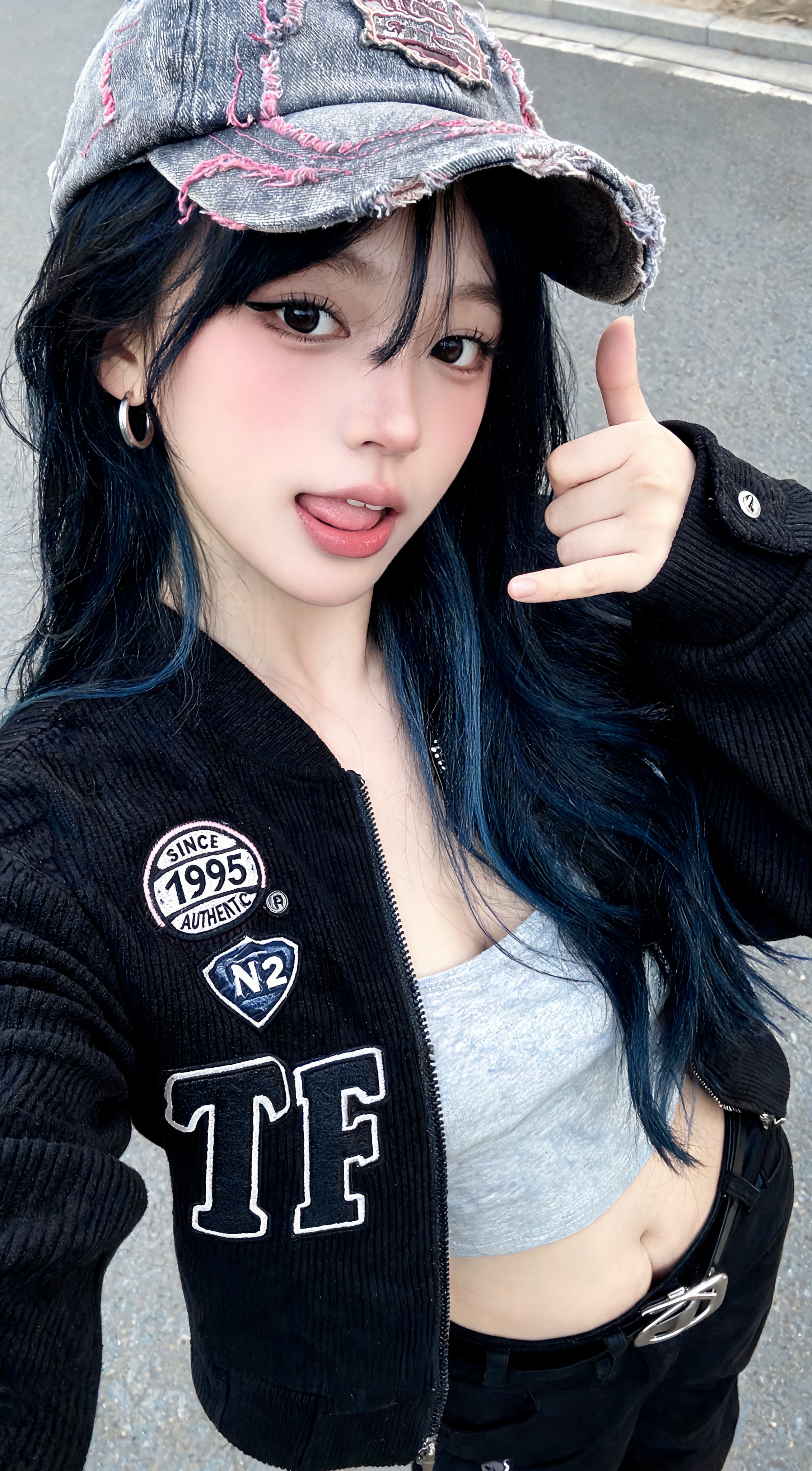
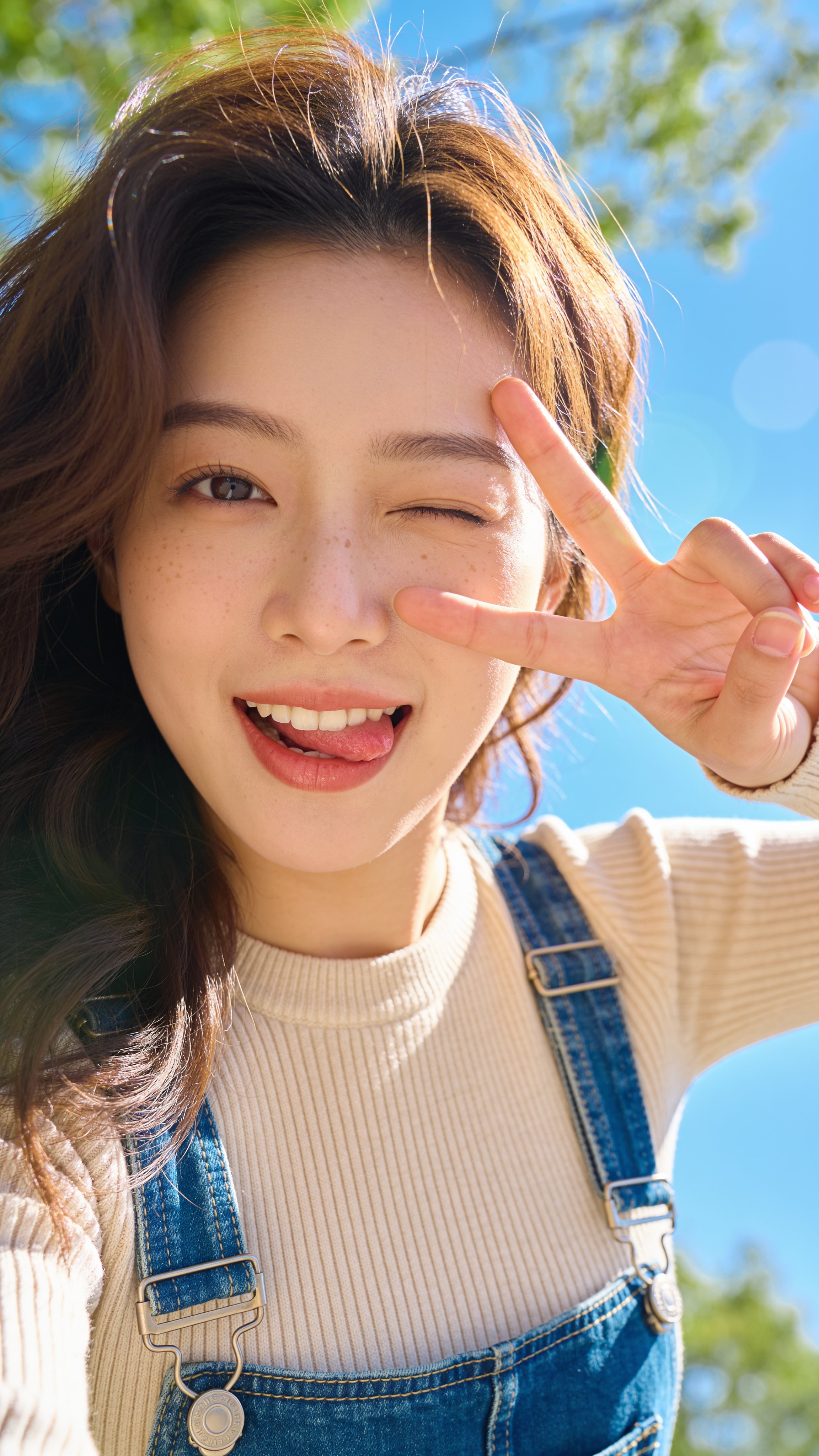
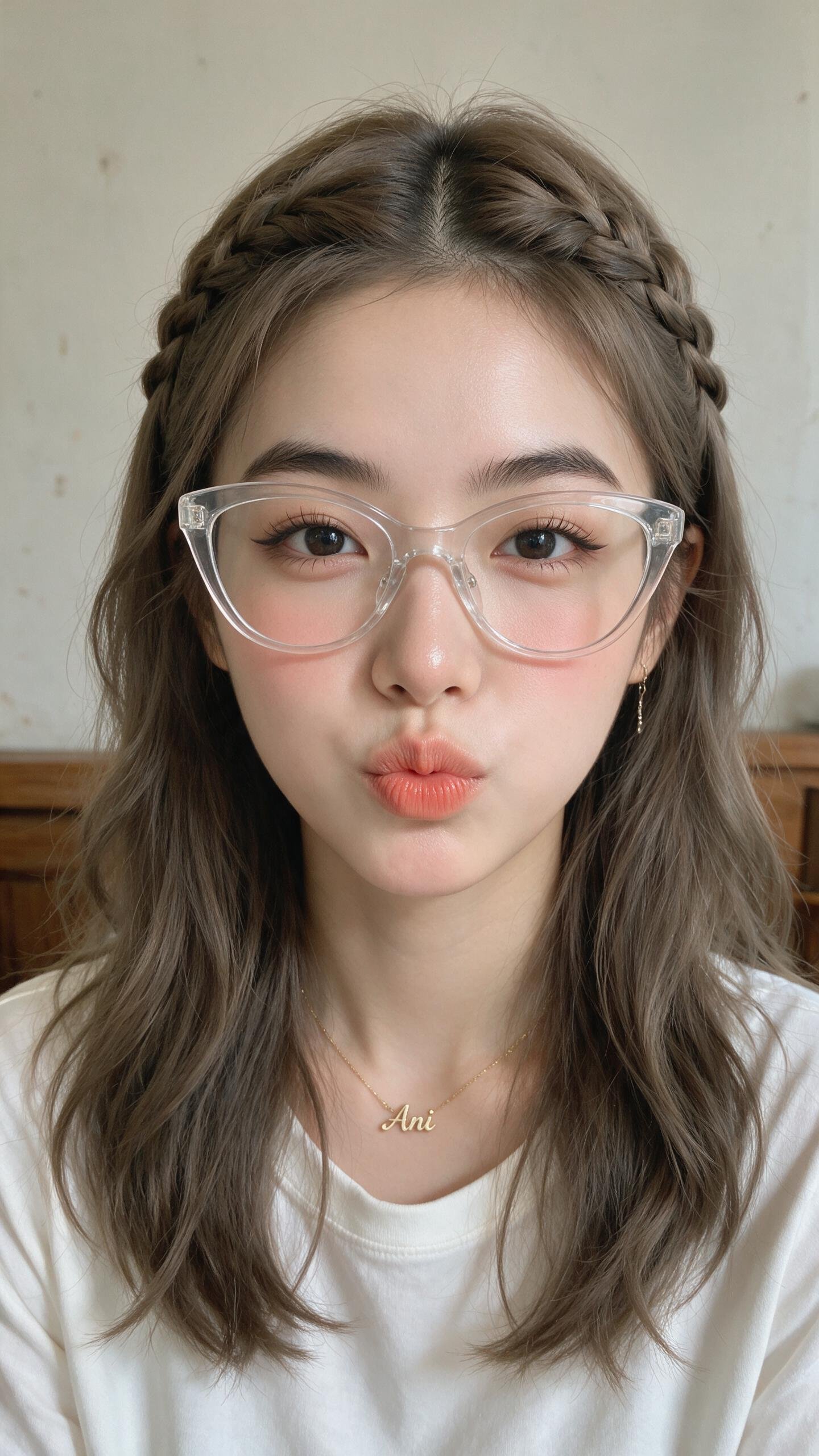
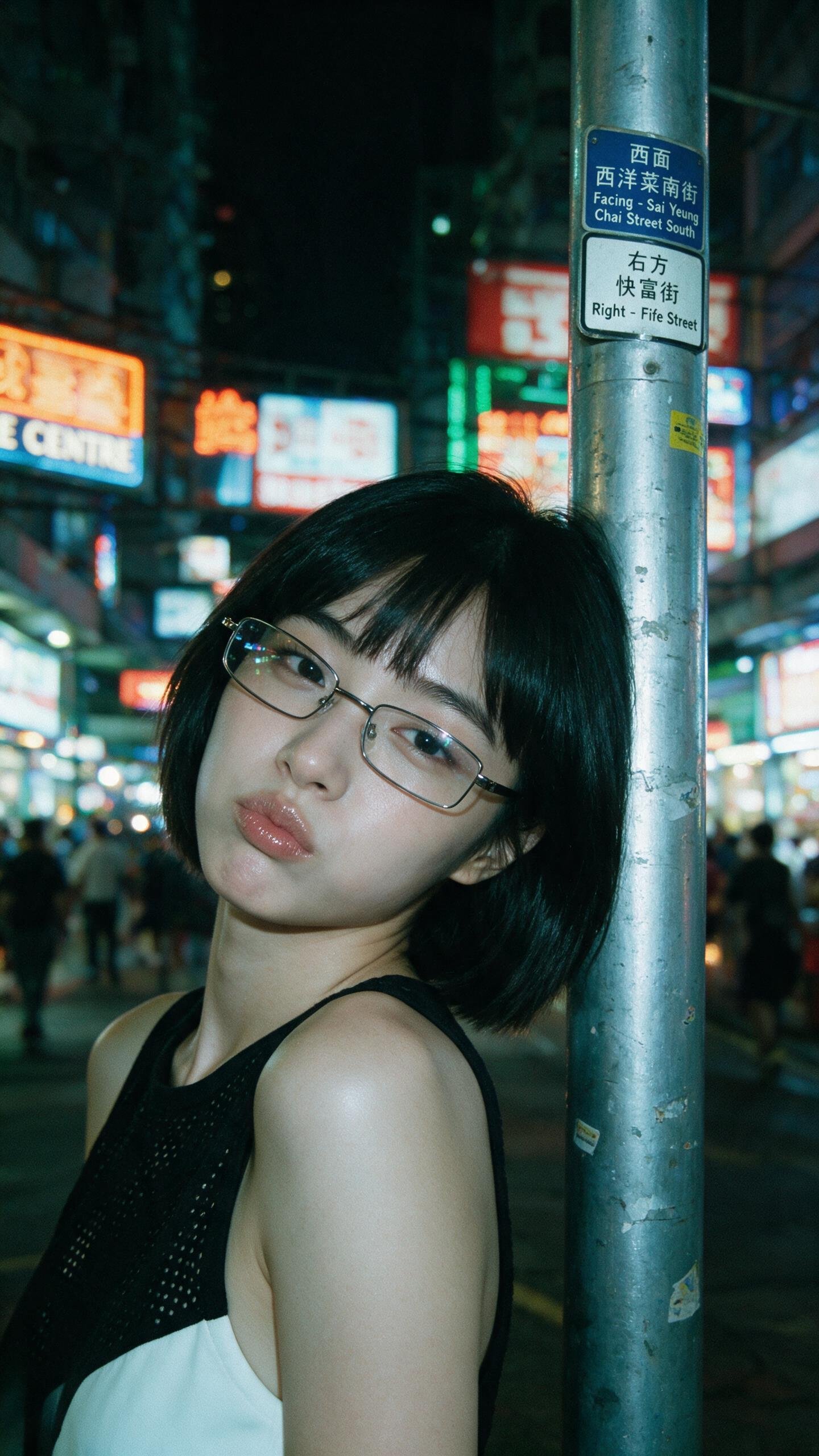
Consistency at scale starts with a well-built prompt, which is why prompt quality matters so much here. The gallery below collects tested Seedream prompts with their actual outputs, so you can copy a structure that already works and adapt it to your own pipeline instead of rediscovering it by trial and error.
How to write Seedream 5 prompts
- 1Prompt in whichever language is most precise for the concept. Culture-specific ideas — guochao aesthetics, ink-wash painting, festival motifs — often land better described in Chinese, while mixing Chinese and English in one prompt is fully supported.
- 2Structure prompts as subject → material and texture → lighting → composition → style. Seedream's high fidelity rewards concrete nouns over vague adjectives.
- 3Lean into texture language: "brushed titanium, condensation droplets, hand-woven linen". The model resolves fine surface detail, so naming materials explicitly pays off.
- 4For batch pipelines, freeze a template: keep the style, lighting, and composition clauses fixed and swap only the subject slot. This keeps a whole campaign visually coherent.
- 5If the image needs visible text, put the exact copy in quotes and state its language and placement — Seedream handles both Chinese and English lettering.
- 6Iterate one variable at a time — material, light, or composition — so you can tell exactly which phrase moved the result before locking the template.
Frequently asked questions
What is Seedream 5 best at?
High-fidelity images with strong texture and detail, from prompts in Chinese, English, or both. It is a particularly strong pick when you need reliable, repeatable quality across large volumes of images rather than one-off experiments.
Does Seedream 5 understand Chinese prompts?
Yes — bilingual comprehension is a core strength, not an afterthought. Chinese prompts, English prompts, and mixed prompts all work, and concepts rooted in Chinese culture are often rendered more faithfully when described in Chinese.
Is Seedream 5 a good choice for batch or e-commerce image production?
That is exactly the use case it shines in. Its quality-to-cost balance and batch consistency make it well suited to high-volume pipelines — product shots, ad variants, thumbnail sets. Build one strong template prompt, then vary only the subject.
Where can I try these Seedream prompts?
Seedream is available through ByteDance's Doubao and Jimeng (Dreamina) apps, and via the Volcano Engine API for developers. Copy any prompt from this page, paste it there, and swap in your own subject or materials.
Related models
Seedance 2.5
Seedance 2.5 is a next-gen AI video model that generates continuous, synchronized 30-second 4K clips from a single prompt.
Seedance 2.0
ByteDance's #1-ranked video model — multi-shot direction with native lip-sync and spatial audio.
GPT Image 2
OpenAI's top-ranked image model — it plans the layout, reasons, and self-checks before it draws, nailing complex multi-part instructions.
GPT Image 2.5
OpenAI's GPT Image 2.5 — up to 50% faster than Images 2, with pinpoint local edits that leave the rest of the frame untouched and reference subjects that stay recognizable across repeated rounds.