Cartoon Prompts
Cartoon is the aesthetics of subtraction: the prompt says what to remove, and the style is what's left.
About Cartoon prompts
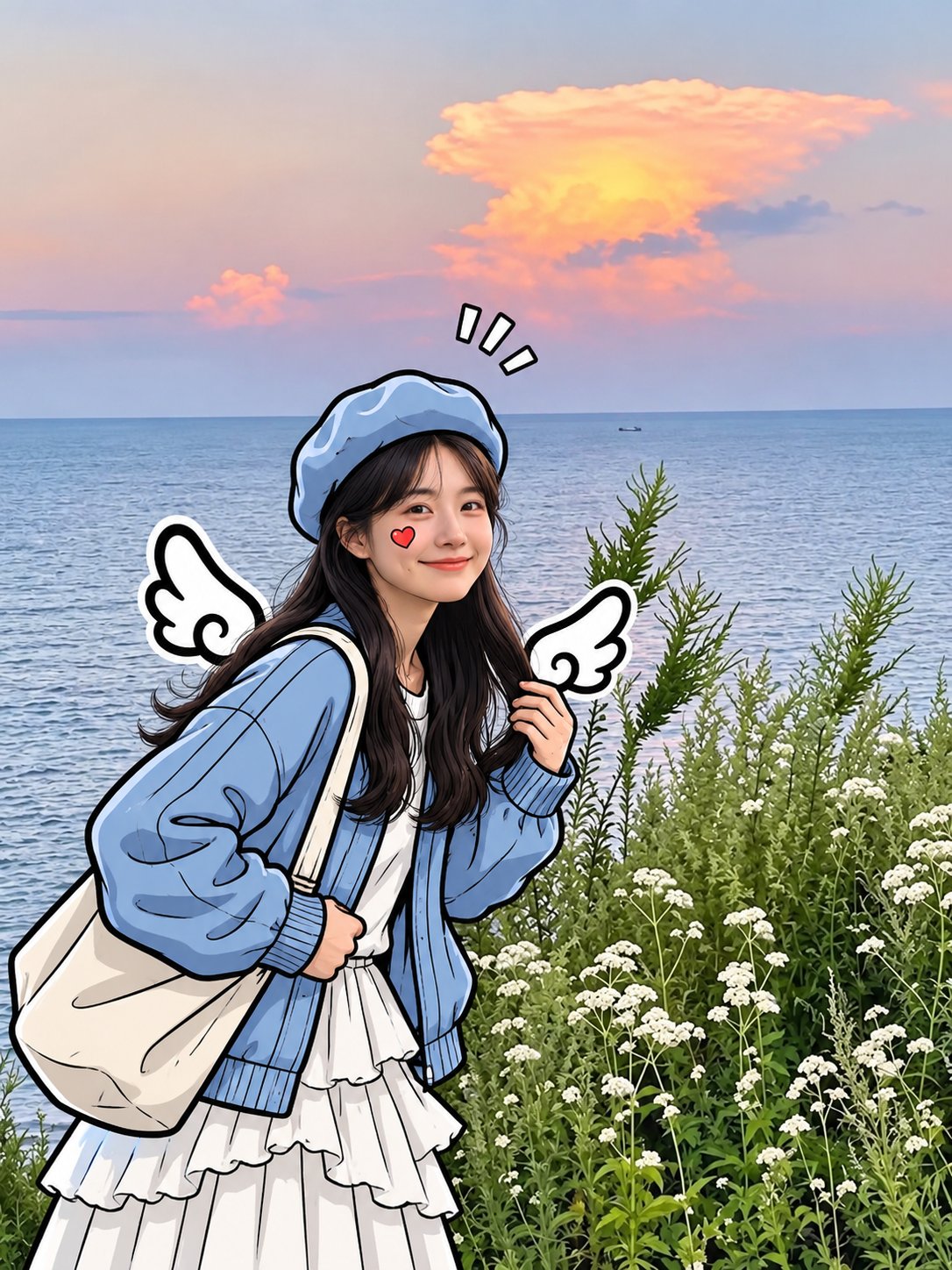
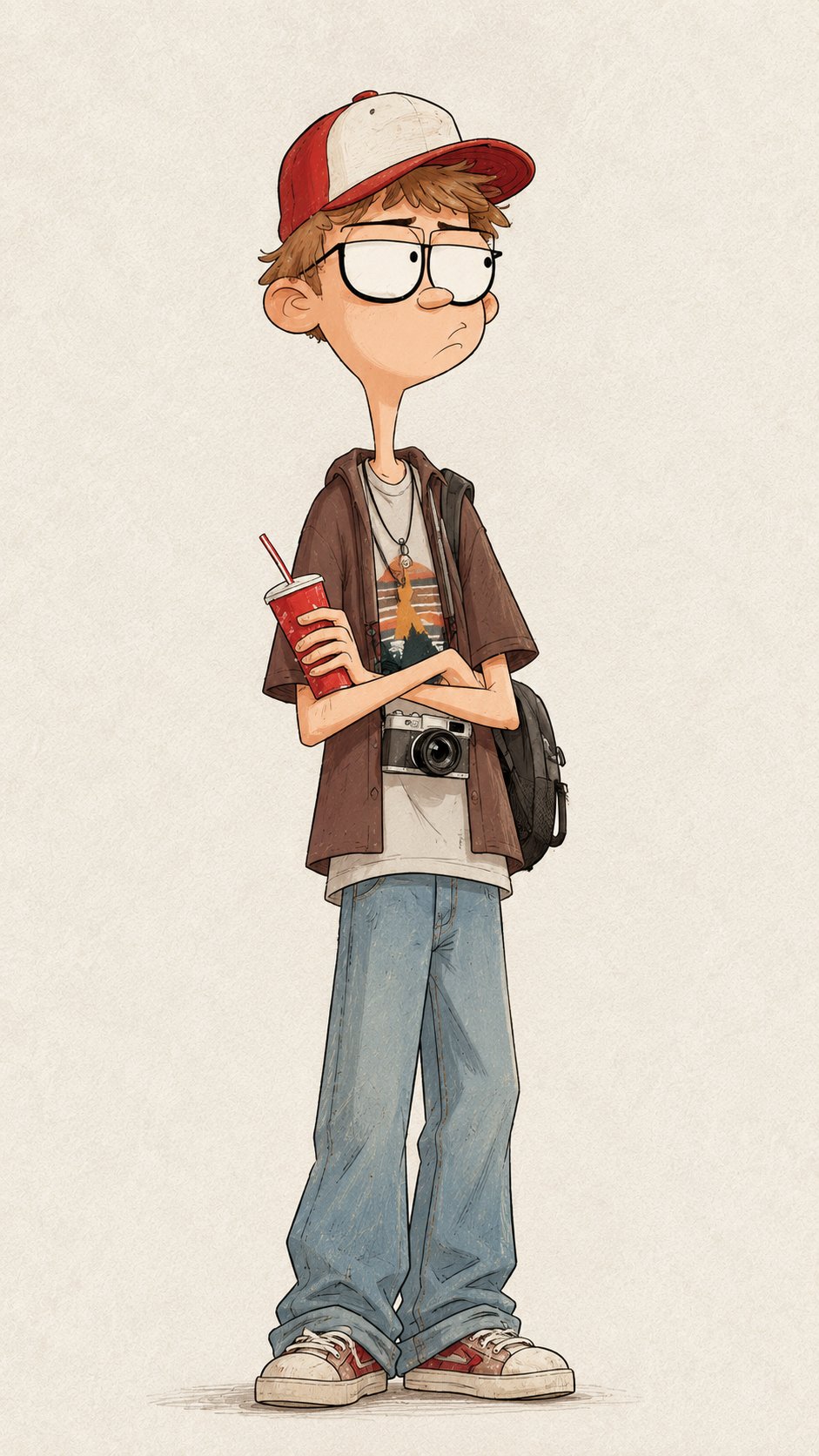
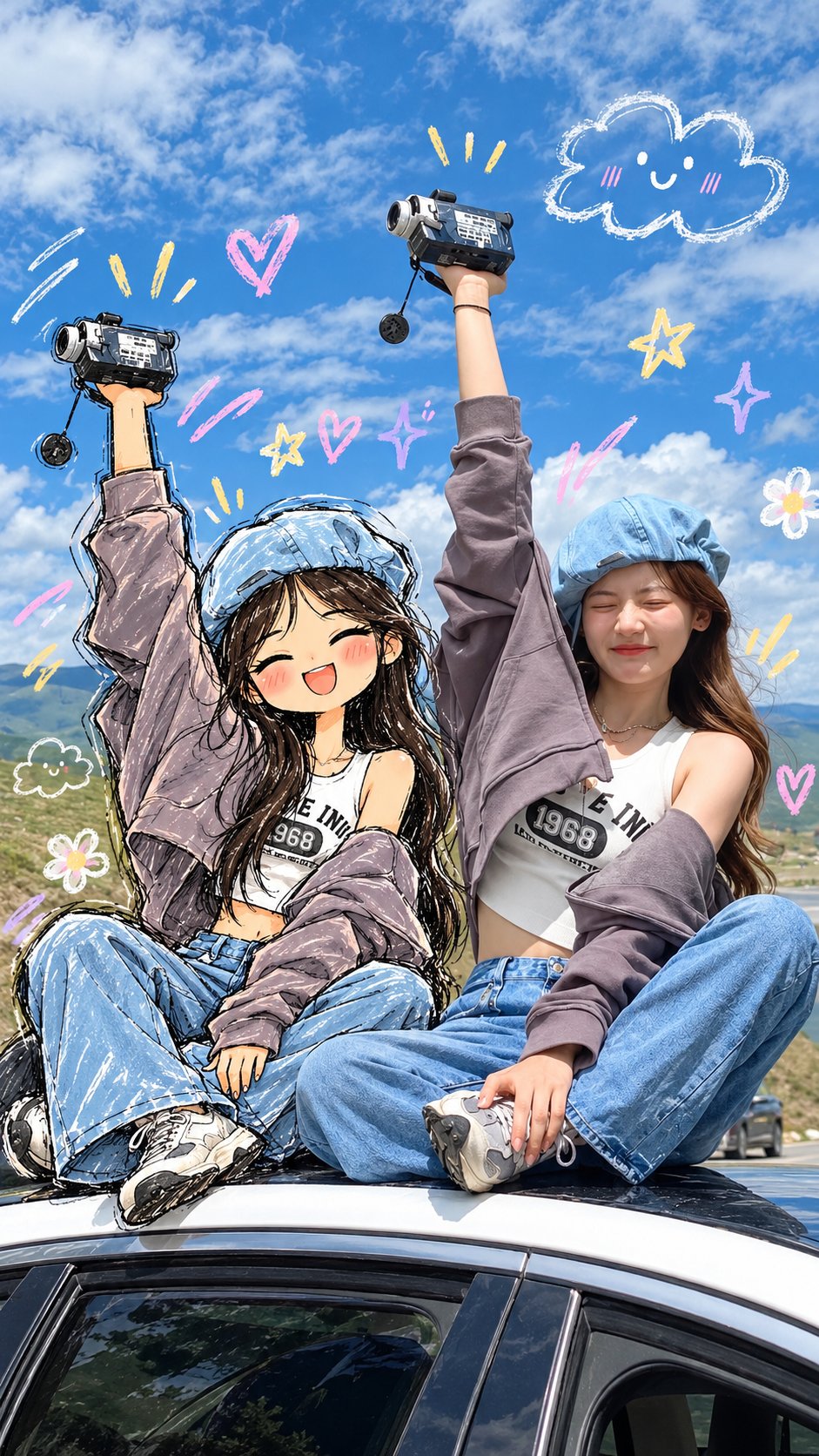
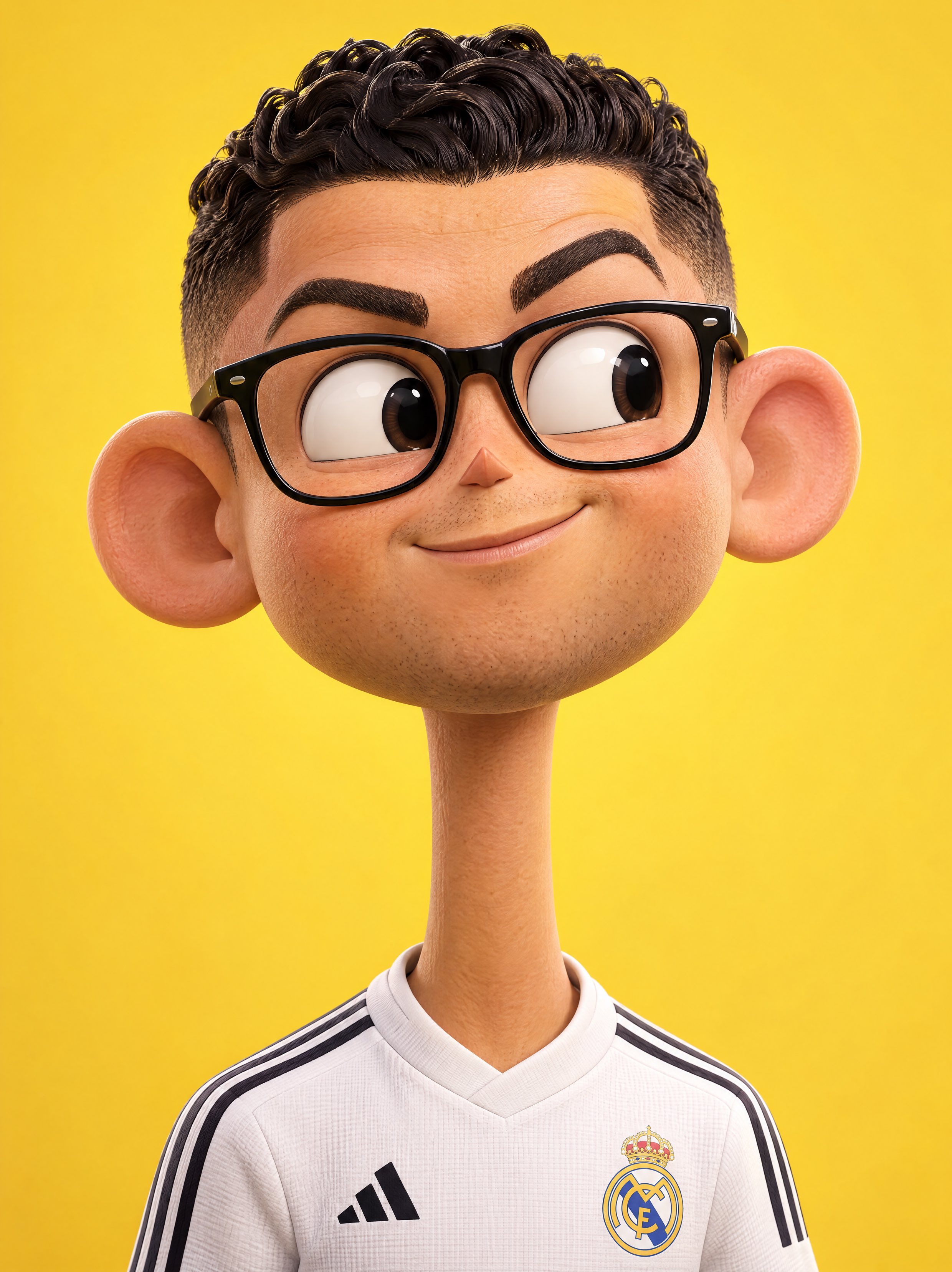
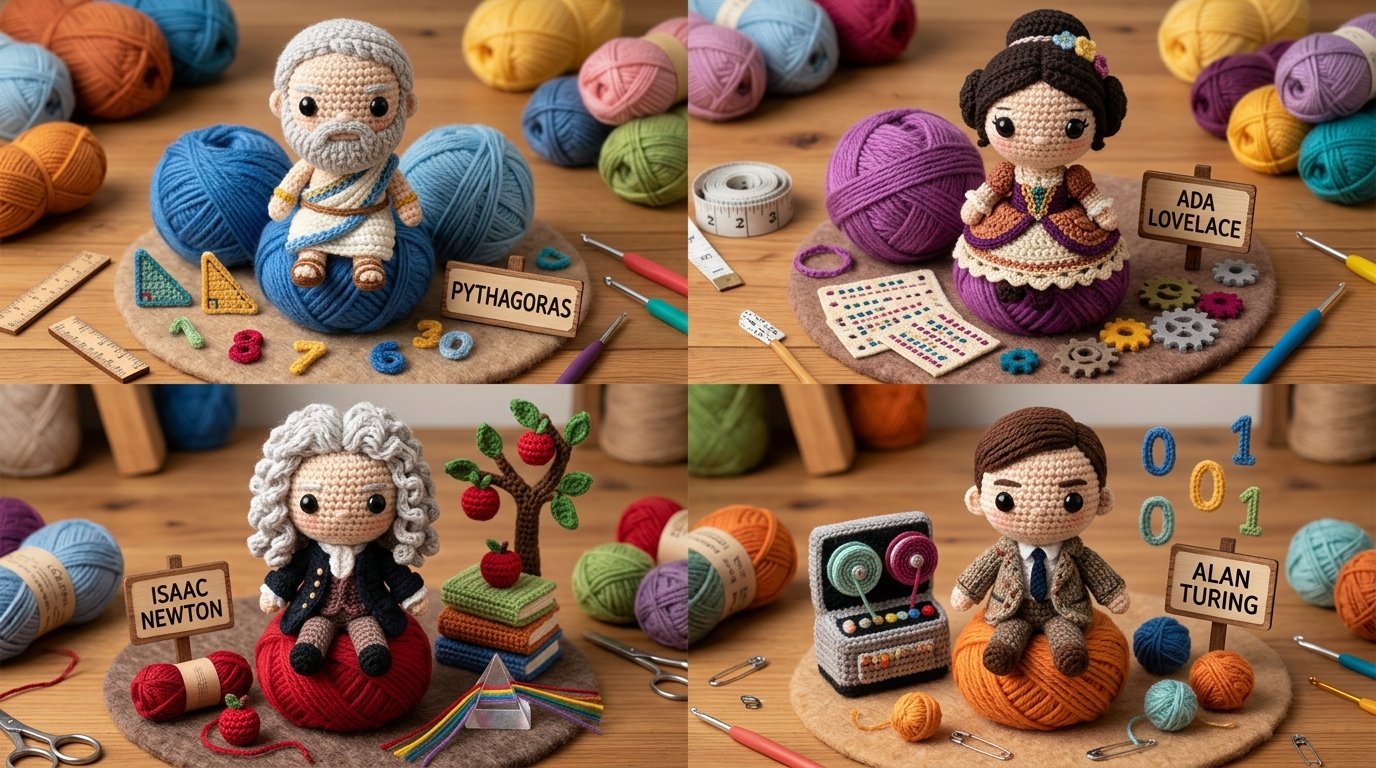
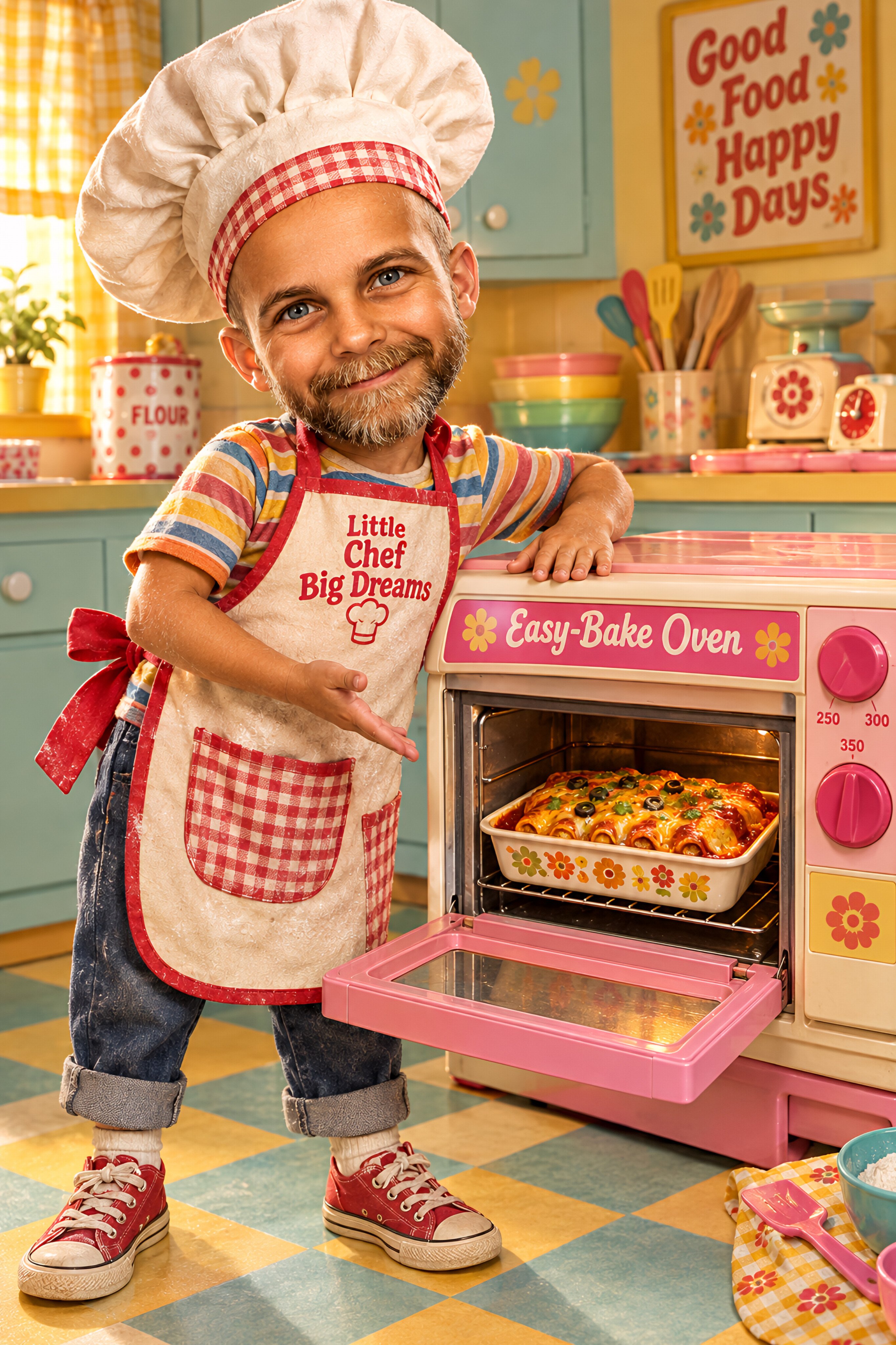
Generated cartoon fails when it's an illustration wearing the label — soft shading, rendered textures, realistic light, and a black outline pasted on top. Real cartoon craft is a discipline of leaving things out: flat color instead of gradient, a confident outline instead of modeled form, three poses instead of smooth motion.
So the prompt's job is to name what gets removed. Fix the line ("bold even outline", "no line weight variation" or the opposite, "thick-and-thin ink line"), flatten the color ("flat cel shading", "two-tone shadows"), and push the proportions past plausible ("head twice the size", "limbs like rubber hose"). Every "no" you write is a place the model can't sneak realism back in.
For video, the subtractions multiply: limited animation holds poses, steps movement, and reuses cycles — and reads as charming rather than broken when the prompt declares it. The prompts below are tested with their real outputs; notice how the strongest ones read like a studio's style guide, not a scene description.
How to write Cartoon prompts
- 1Specify the line before anything else: "bold uniform outline", "rough ink line with varied weight", "no outlines, color blocks only". The line decision controls the whole read.
- 2Flatten the color by name: "flat cel shading", "shadows as a single darker tone, no gradient". Unspecified shading is where rendering creeps back in.
- 3Push proportions past real: "head a third of the body", "eyes half the face". Cartoon lives in the exaggeration you'd never photograph.
- 4Reference an era or school for instant coherence: "rubber hose animation era", "90s Saturday morning cartoon", "modern flat corporate illustration". One era term locks line, color, and motion habits at once.
- 5For video, prompt the limitation: "limited animation, holds and stepped poses", "walk cycle". Smooth full animation is the one thing that makes cartoon video look wrong.
Frequently asked questions
Why does my AI cartoon look like a painting with outlines?
Because nothing forbade rendering. Remove shading explicitly ("flat color, no gradient"), commit to a line style ("bold even outline"), and exaggerate one proportion. A cartoon is defined by what's missing — the prompt has to do the removing.
How do I get a consistent cartoon character across generations?
Write a style-guide block and reuse it verbatim: outline type, color treatment, proportion rules, plus the character's silhouette-defining features (hairstyle, one accessory, palette). Consistency comes from repeating constraints, not from repeating the character's name.
Can AI video do limited animation without looking broken?
Yes, if the prompt declares it as the style: "limited animation", "held poses with stepped transitions", "two-frame walk cycle". The aesthetic breaks when the model tries for smooth motion and fails halfway; it works when the stepping is clearly intentional.