Cinematic Prompts
The look of a frame that came out of a camera: chosen lens, motivated light, deliberate movement.
About Cinematic prompts
Cinematic is the most requested look in AI generation and the most misunderstood. It is not a filter you bolt on at the end — it is the accumulation of decisions a crew makes before rolling: which lens, where the key light sits, how the camera moves, what the frame excludes. Models have absorbed enough film to reproduce those decisions, but only when you name them.
That is why the word "cinematic" alone rarely works. It reads as a vague quality request, and models answer vague requests with averages. Say "85mm, shallow depth of field, backlit by a low sun, slow push-in" and you are no longer asking for a mood — you are specifying a setup, and the model has something concrete to render.
The prompts collected here are tested ones with their real outputs. Read them for their structure: notice how often the camera and the light get more words than the subject. That ratio is the whole trick.
How to write Cinematic prompts
- 1Name the lens and what it does to the frame. "24mm wide, subject close, background stretched" and "135mm telephoto, compressed background" produce completely different images of the same scene.
- 2Motivate the light instead of just brightening it. "Single practical lamp off-frame left, hard shadow across the wall" beats "cinematic lighting" — the model needs a source, a direction, and a consequence.
- 3For video, write one camera move per shot, with a speed: "slow dolly in", "handheld drift, subtle", "locked-off static". Stacking three moves in one prompt is the fastest way to get mush.
- 4Give the color a reference world, not a filter name: "teal shadows, warm sodium highlights, slight halation" is renderable; "cinematic color grade" is not.
- 5Say what is NOT in frame. Cinematic composition is subtractive — "empty upper two-thirds, subject small in the lower right" creates the negative space that reads as intentional.
Frequently asked questions
What makes an AI image or video look cinematic?
Three things, in this order: a specific lens and depth of field, a single motivated light source with visible direction, and a composition that leaves deliberate empty space. Color grading matters least — it is the layer people reach for first and the one that helps least on its own.
Why doesn't the word "cinematic" work in prompts?
Because it describes a result, not a setup. Models turn abstract quality words into averages of everything tagged that way. Replace it with the concrete decisions behind the look — focal length, light direction, camera movement — and output quality jumps immediately.
Do cinematic prompts work for both image and video models?
The lens, lighting, and composition language transfers directly. Camera movement is the part that only applies to video — for stills, spend those words on depth of field and framing instead.



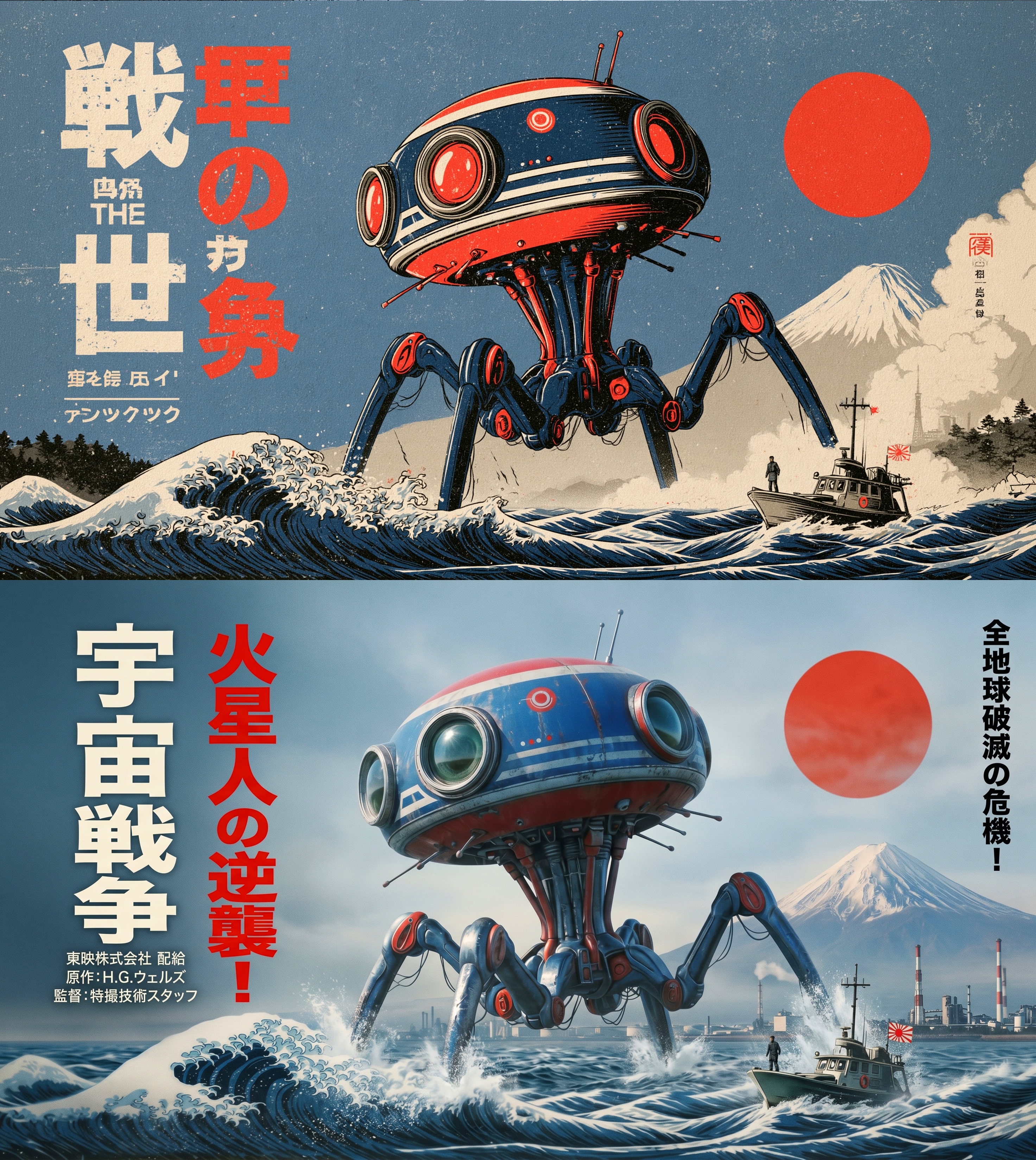

![Create a premium 3:4 vertical cinematic travel poster for [COUNTRY / CITY / LOCATION / SUBJECT].
TE — AI image prompt — GPT Image 2.5](https://cdn.ahaprompt.app/harvest-media/import-1791086913201-ird3b3.jpg)

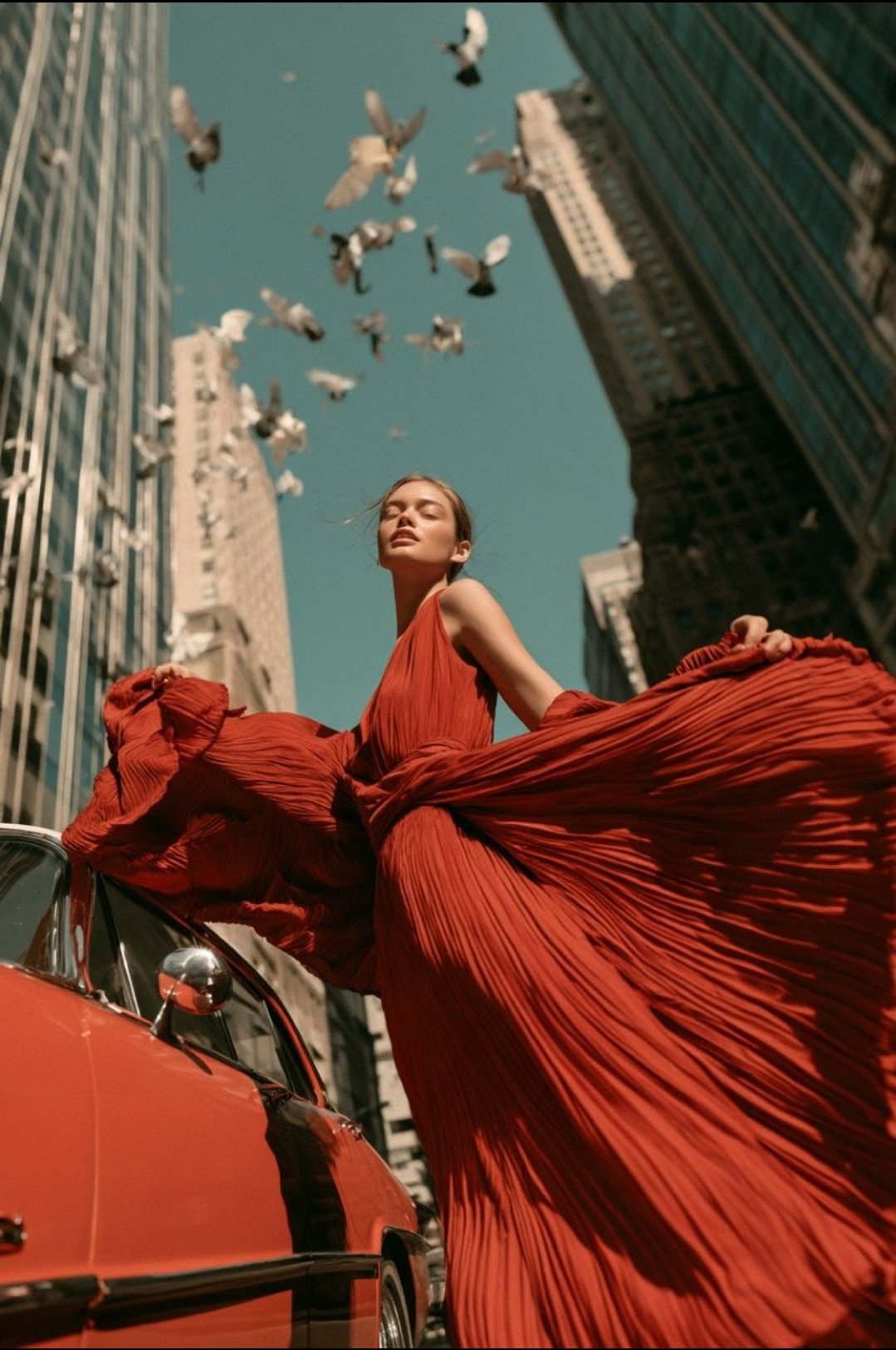
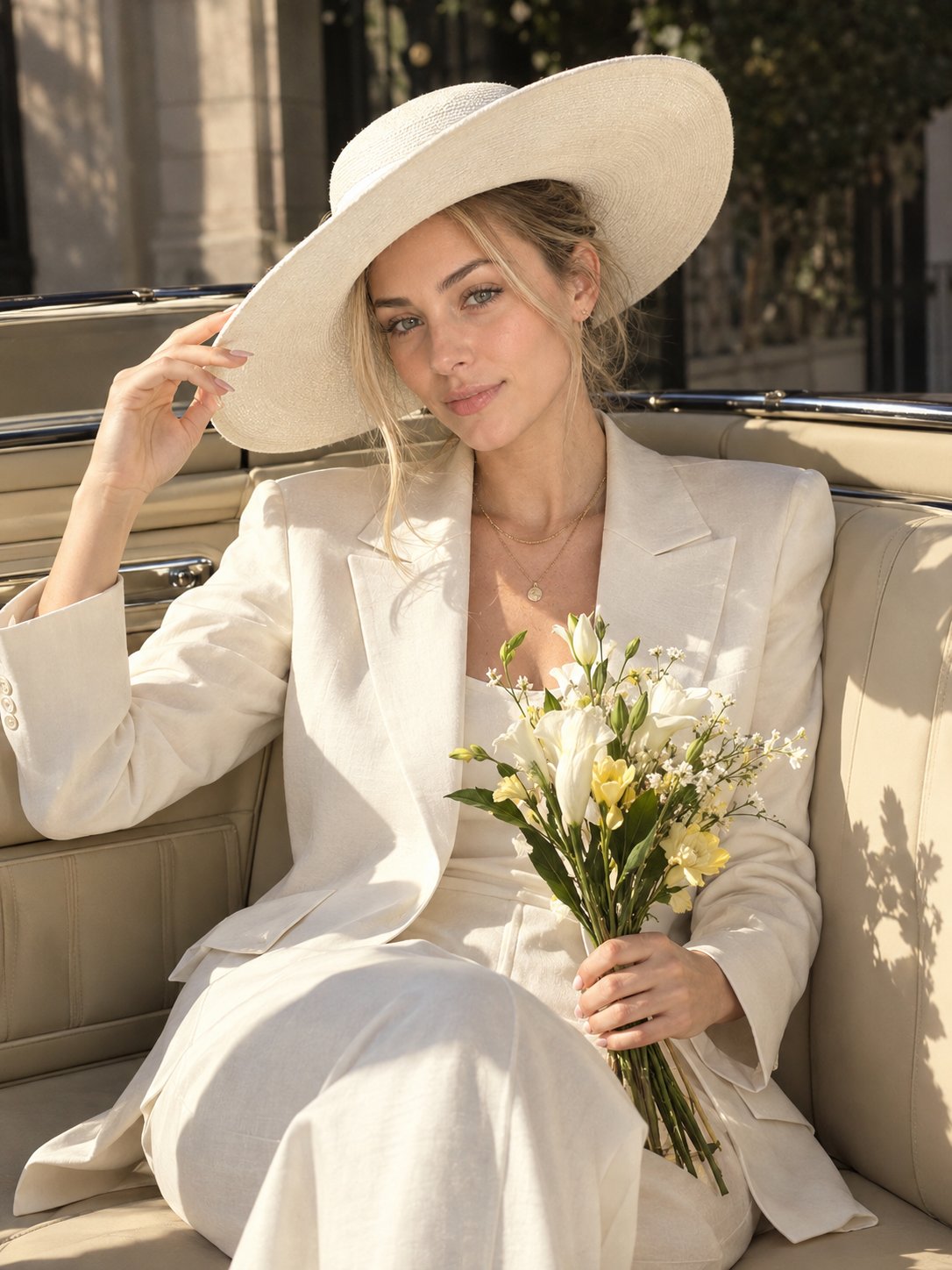
![Create a premium cinematic automotive poster featuring [CAR MODEL], designed as if the vehicle was b — AI image prompt — GPT Image 2.5](https://cdn.ahaprompt.app/harvest-media/import-1791086895572-1xq4zz.jpg)