AhaPrompt
Prompts
Featured
Models
Submit
Blog
Home
AI Prompt Library
Architecture
Architecture Prompts
Explore the best Architecture prompts for AI image, video, and audio generation.
Browse AI Image Prompts
Browse AI Video Prompts
Browse AI Music & Voice Prompts
AI Prompt Library
All
Images
Videos
Audio
Newest
Popular
All categories
3D Render
Abstract
Advertising
Aerial
Ambient
Animals
Animation
Anime
Architecture
Avatar
Black & White
Bright
Cartoon
Character
Cinematic
Cityscape
Classical
Comic
Cyberpunk
Dark
Digital Art
Dramatic
Dynamic
Electronic
Ethereal
Fantasy
Fashion
Folk
Food
Game Assets
Gothic
Hip-Hop
Historical
Holiday
Horror
Infographic
Jazz
Landscape
Lo-Fi
Logo Design
Macro
Minimalist
Motion Graphics
Music Video
Mysterious
Mythology
Nature
Neon
Oil Painting
Peaceful
Pixel Art
Pop
Pop Art
Portrait
Poster
Product Photography
R&B
Realistic
Rock
Sci-Fi
Short Film
Sketch
Slow Motion
Sound Effects
Space
Sports
Steampunk
Sticker
Still Life
Street Photography
Surreal
Tattoo
Timelapse
Trailer
Typography
Vector
Vehicles
VFX
Vintage
Voiceover
Wallpaper
Watercolor
Whimsical
GPT Image 2.5
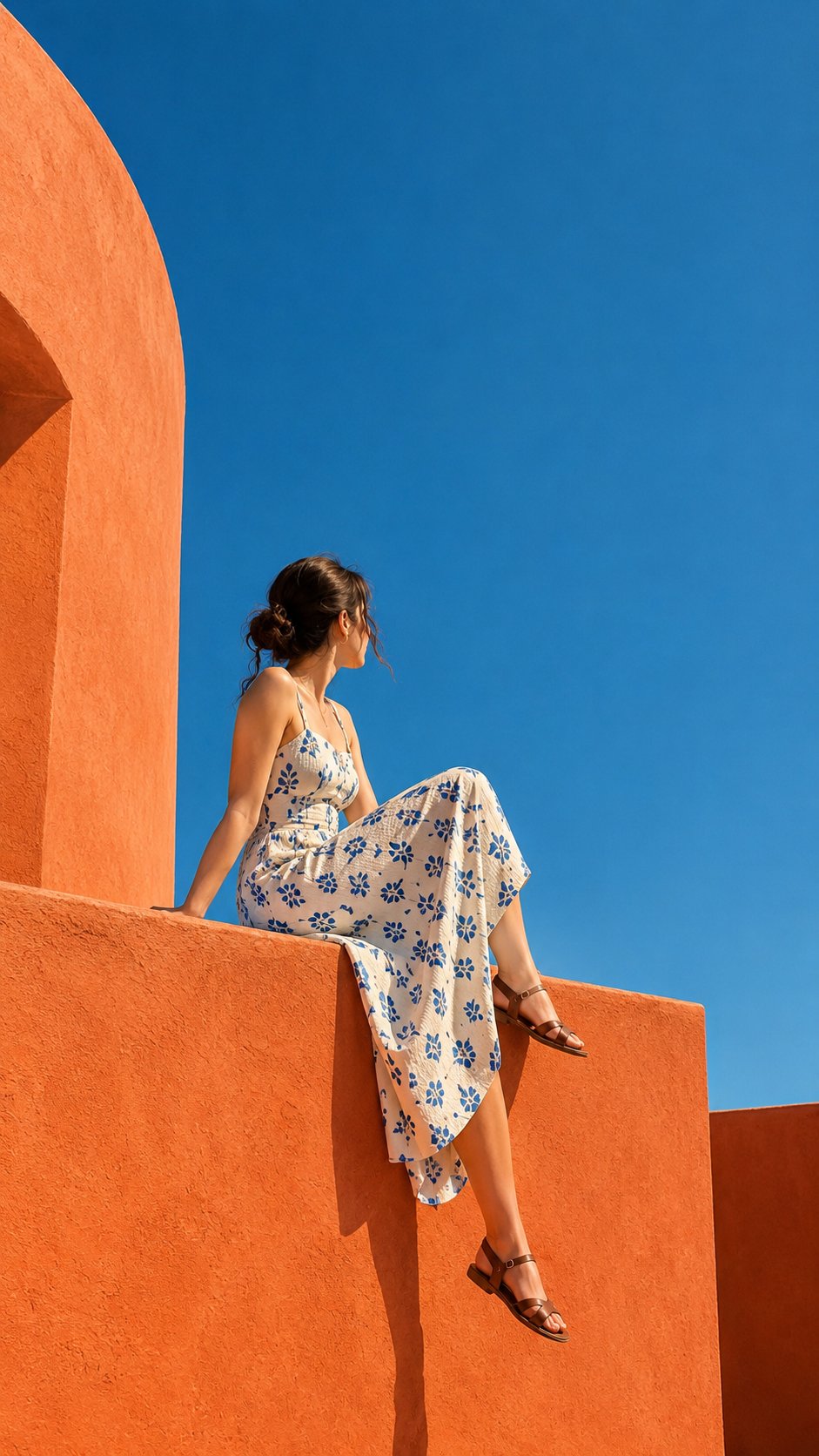
{ "aspect_ratio": "9:16", "style": "editorial lifestyle photography, bold minimalist architecture", "scene": "a stylish young European woman sitting casually on a wide terracotta rooftop ledge beside a modern curved architectural wall", "composition": "vertical portrait frame, subject placed in the lower-middle area, large clean turquoise-blue sky surrounding her, strong geometric architecture creating an asymmetrical composition", "camera": "low-angle medium-long shot from slightly below, subtle perspective distortion, subject viewed mostly from the side", "character": { "appearance": "beautiful young European woman, natural features, dark brown shoulder-length hair loosely tied back", "pose": "sitting sideways with one leg bent on the ledge and the other hanging down, one hand resting behind her, head turned slightly toward the open sky", "expression": "quiet, relaxed, candid" }, "outfit": { "dress": "flowing sleeveless cream dress with small cobalt-blue abstract patterns", "shoes": "minimal brown leather sandals" }, "architecture": { "color": "burnt orange / terracotta", "design": "smooth curved wall with one diagonal architectural edge", "texture": "subtle sunlit plaster texture" }, "background": { "sky": "clear vivid turquoise-blue sky", "clouds": "none", "environment": "minimal and uncluttered" }, "lighting": "strong warm afternoon sunlight with crisp natural shadows", "color_palette": "terracotta orange, turquoise blue, cream, cobalt accents", "photography": "high-resolution realistic editorial photography, natural textures, deep focus, vibrant colors, clean composition", "avoid": [ "exact recreation of reference", "same pose", "same dress pattern", "same architecture", "same framing", "text", "logo", "watermark", "extra people", "artificial AI look" ] }
0
Details
GPT Image 2.5
Create an exceptionally original minimalist architectural art poster featuring [LANDMARK]. Do NOT directly draw, paint, or fill the landmark. Instead, create the landmark entirely through negative space. The central silhouette of [LANDMARK] remains almost completely untouched — warm ivory paper showing through naturally. Around this empty silhouette, extremely delicate graphite lines describe the world that surrounds it: architectural measurements, tiny streets, distant rooftops, clouds, birds, shadows, perspective guides, fragments of maps and subtle environmental contours. The surrounding drawing becomes denser near the edges of the landmark, making the untouched negative space gradually reveal the unmistakable silhouette of [LANDMARK]. Some construction lines intentionally continue through the empty silhouette but become extremely faint, as if the artist started drawing the landmark and then erased it. Add one unexpected detail: a single continuous pencil line travels around the landmark without ever drawing its actual outline. At one point, the line breaks and leaves a tiny handwritten coordinate or date. Use warm ivory paper, graphite pencil, extremely fine architectural linework, subtle eraser dust, paper fibers, faint halftone imperfections and soft natural shadows. Color palette: almost entirely monochrome graphite and ivory, with one extremely subtle accent inspired by [CITY/COUNTRY]. Small refined typography placed in generous negative space: [LANDMARK NAME] [CITY, COUNTRY] “drawn by everything around it.” The composition must feel mysterious, intelligent and unexpectedly beautiful — like a contemporary museum artwork rather than a conventional travel poster. No photorealistic background. No obvious illustration of the landmark. No decorative clutter. No excessive typography. No people. 4:5 vertical, ultra-minimal, sophisticated editorial design, tactile handmade paper, elegant negative space, precise architectural details, smooth visual flow, premium contemporary gallery aesthetic.
0
Details
GPT Image 2.5
Create an exceptionally original minimalist architectural art poster featuring [LANDMARK] in [CITY, COUNTRY]. Depict the landmark in its recognizable natural architectural appearance, with its authentic proportions, distinctive structure, materials, and characteristic details. Combine fine graphite architectural drawing with subtle vintage watercolor washes, creating the feeling of a sophisticated illustrated travel archive. The landmark should be the central visual focus, surrounded by an intricate but restrained world of extremely delicate architectural linework: construction measurements, perspective guides, tiny streets, rooftops, surrounding buildings, local landscape, clouds, birds, shadows, fragments of maps, compass marks, elevation studies, structural details, and subtle environmental contours. Use a layered visual language where some elements are highly detailed while others fade into the paper, creating depth without making the composition feel crowded. Add one unexpected artistic detail: a single continuous pencil line travels around the landmark without directly tracing its outline. Allow it to occasionally intersect with construction lines, then break at one point beside a tiny handwritten coordinate, date, measurement, or architectural note. Use warm ivory handmade paper, graphite pencil, extremely fine ink lines, delicate watercolor washes, subtle eraser dust, visible paper fibers, faint halftone imperfections, soft natural shadows, and lightly weathered archival texture. Color palette Keep the overall artwork muted, sophisticated, and vintage. Use warm ivory and graphite as the foundation, with the landmark shown in its authentic recognizable colors through restrained watercolor washes. Add one subtle accent color inspired by [CITY/COUNTRY] — for example: - Italy → muted terracotta - Japan → restrained vermilion - France → faded blue - UK → muted navy or burgundy - India → subtle saffron - USA → muted teal or dusty red Avoid bright digital colors. Surrounding details Include carefully chosen elements associated with [CITY/COUNTRY], such as: - local architecture - landscape or geography - streets and rooftops - transportation - vegetation - small cultural details - map fragments - architectural ornaments - elevation or measurement diagrams - compass rose - coordinates - faint historical annotations These details should frame and contextualize the landmark rather than compete with it. Typography Place small, refined typography in generous negative space: [LANDMARK NAME] [CITY, COUNTRY] “drawn by everything around it.” Use elegant editorial serif typography with generous spacing. Add only a few tiny handwritten architectural annotations or coordinates. Artistic direction The final composition should feel mysterious, intelligent, timeless, and unexpectedly beautiful — somewhere between a vintage European travel poster, an architect's working sketch, a museum exhibition print, and a collector's archival illustration. No people. No photorealistic background. No excessive typography. No decorative clutter. No neon colors. No glossy digital rendering. No cartoon aesthetic. No generic stock-travel-poster appearance. 4:5 vertical composition, premium editorial design, tactile handmade paper, sophisticated architectural illustration, precise fine-line details, subtle watercolor, elegant negative space, balanced visual hierarchy, museum-quality contemporary art poster.
0
Details
0:15
MiniMax H3
Photorealistic cinematic aerial video of a modern glass skyscraper assembling itself on a city construction site. Subject: a rectangular glass office tower growing from an empty lot, surrounded by three yellow tower cranes. Cyan holographic construction overlays with grid lines, vertical pillars, and orbiting energy rings. Environment: dense low-rise East Asian city block with tiled roofs, green rooftops, trees lining the streets, buses and cars on the roads, taller buildings and a sports field in the distance. Style: ultra-realistic aerial photography, golden-hour to sunset color grade, sharp glass reflections, warm interior lights versus cool cyan holograms. Camera: one continuous high-angle drone shot. Starts looking down on the lot, then slowly pulls back and lifts as the building grows, ending on a hero three-quarter view of the completed tower against the sunset. Lighting: late afternoon sun at the start; sky shifts to orange, coral, and pink clouds; finished tower glows with warm yellow office lights. [0s] Empty rectangular construction pit in the city. Three yellow cranes stand around the site. A faint cyan holographic floor grid appears on the dirt. [2s] Glowing cyan pillars rise from the grid and lock into a structural skeleton. Cranes stay in place. [4s] Concrete core and first floor slabs materialize. Cyan rings begin orbiting the structure. Camera starts a slow pull-back and rise. [7s] Mid-rise floors stack rapidly. Dark glass curtain walls wrap the lower levels. Interior lights start coming on. Sky turns warmer. [10s] Tower is now a tall glass skyscraper. Cranes lift the last rooftop mechanical sections into place. Cyan hologram fades. Sunset sky is intense orange-pink. [13s] Construction complete. Clean modern tower with lit interiors, one remaining crane at the base. Hold the final cinematic aerial frame. Audio: distant city traffic, compressed construction rumble early, then a low cinematic swell as the building finishes. No dialogue. No on-screen text. No watermark. Avoid: cuts, shaky camera, cartoon look, people close-up, logos, extra towers appearing out of nowhere, watermark, subtitles, UI overlay.
0
Details
GPT Image 2.5
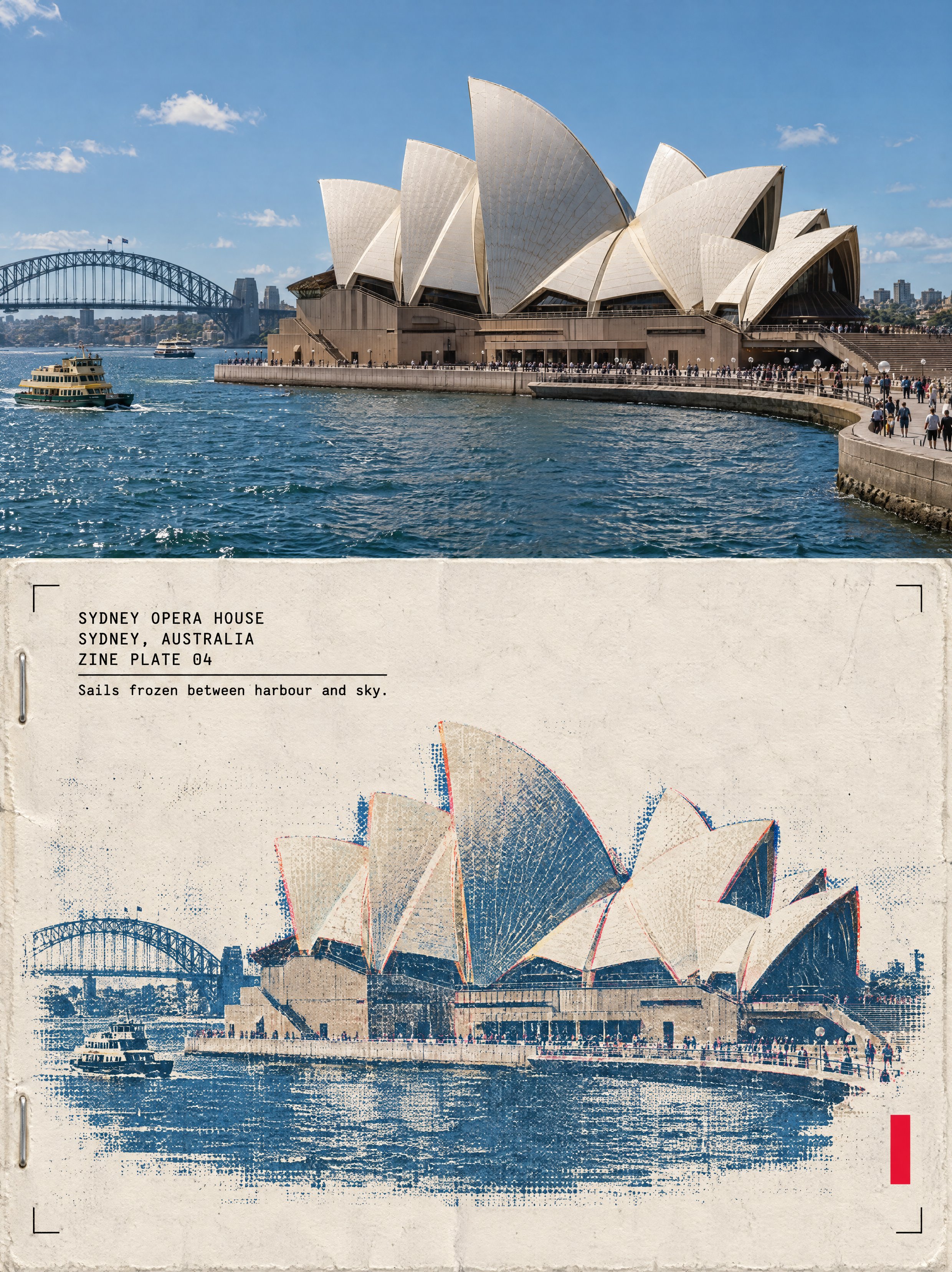
One poster, 3:4 vertical canvas. Split into two roughly equal zones — a realistic photograph on top, a printed reconstruction below — divided by one clean sharp horizontal line. The structure must not be stretched, warped, tilted or repositioned unnaturally. TOP HALF — THE REAL SHOT {STRUCTURE DESCRIPTION}. {PLATE LIGHT}. Preserve the structure faithfully: same architecture, proportions, perspective, distinctive details, natural light and shadow. Add only a subtle high-end color grade and the faintest film grain. Never redesign or reinterpret the architecture. BOTTOM HALF — THE PRINTED RECONSTRUCTION Rebuild the same structure as a two-color risograph zine print: bold flat spot-color shapes (one deep ink layer plus the structure's muted colors as a second spot layer), visible misregistration offsets between the layers, drum streaks, coarse layered ink-grain, halftone texture from overlapping dots, a zine masthead bar, two staple marks and paste-up edges. The photograph dissolves outward into flat spot-color shapes, misaligned layers and grainy ink. The structure must remain immediately recognizable. {PLATE DENSITY}. Texture: cheap zine paper, layered soy ink, misregistration, drum streaks, folded-edge wear, cut-and-paste edges, restrained crop marks, one small fluorescent red calibration bar. Color: cream zine paper, black ink, one deep spot color, the structure's original muted colors, a single fluorescent red accent. Never fully desaturate the structure. The structure occupies roughly 60-88% of the frame width. Leave 22-38% of the paper visibly untouched and empty — generous negative space so the poster reads as an archival specimen, not a packed screen. TYPOGRAPHY — a clean fixed-width architectural title block, pinned top-left at a small fixed inset, black ink, monospaced technical typeface, verbatim, each line in caps: "{NAME}" "{CITY, COUNTRY}" "ZINE PLATE 0N" A thin horizontal rule under the third line, then one short observational caption verbatim: "{CAPTION}" A solid vertical red rectangle — the only red in the poster — is pinned to the bottom-right corner zone about 12% from the bottom and right edges. Four thin black crop marks sit in the four corners of the bottom half at identical insets. Red bar, crop marks and text block keep exactly the same position and size relative to the frame. MOOD: underground zine crossed with an architecture fanzine — young, tactile, collectible. Sophisticated, minimal, tactile, intellectual, slightly mysterious, highly collectible. AVOID: solid black terminal backgrounds, dense walls of code, cyberpunk neon, excessive decorative glyphs, distorted architecture, impossible geometry, invented architectural details, fake technical specifications, random meaningless symbols, garbled text, extra colors, brand logos, QR codes, watermarks, author credits, tourist-poster clichés. Priority: preserve the structure's identity and architectural accuracy first. The experimental print treatment enhances the architecture, never hides it.
0
Details
GPT Image 2.5
Create a premium 4:5 vertical miniature city diorama for [COUNTRY / LOCATION / SUBJECT]. TEXT-TO-IMAGE GENERATION ONLY. Generate the entire scene from [COUNTRY / LOCATION / SUBJECT] alone. No reference image or additional visual input is required. CORE CONCEPT Automatically identify the most iconic landmark, architecture, streets, urban features, and cultural details that best represent [COUNTRY / LOCATION / SUBJECT]. Recreate them as a highly detailed block-style miniature city diorama, preserving recognizable architectural forms, proportions, street layouts, and distinctive local characteristics. COMPOSITION Use a dynamic isometric / elevated three-quarter viewpoint, allowing the entire miniature city structure and street flow to be clearly visible. Arrange the main landmark as the visual focal point, surrounded by supporting buildings, roads, sidewalks, vehicles, greenery, and small urban details. Add tiny miniature figures naturally throughout the streets to create a lively everyday-city atmosphere. MATERIAL & STYLE Use a premium LEGO-inspired block construction aesthetic with clean geometric forms, crisp edges, modular details, and realistic miniature proportions. The scene should feel physically built as a collectible architectural model rather than like a conventional digital city illustration. Maintain subtle depth of field with gentle background blur while keeping the main landmark and central structures sharply detailed. LIGHTING & ATMOSPHERE Set the scene during a bright clear daytime with a vivid blue sky and a few soft white clouds. Use bright natural-looking studio illumination, clean highlights, soft shadows, vibrant but controlled colors, and realistic miniature material textures. FINAL AESTHETIC Create a polished toy-scale architectural diorama that combines: iconic city identity × miniature architecture × block construction × isometric composition × tiny figures × realistic model-making detail. The result should be charming, highly detailed, clean, colorful, and immediately recognizable as [COUNTRY / LOCATION / SUBJECT]. Avoid excessive text, logos, watermarks, distorted architecture, impossible structures, random landmarks, photorealistic full-size environments, clutter, or unrealistic proportions. STRICT 4:5 VERTICAL | HIGH DETAIL | PREMIUM MINIATURE DIORAMA | ISOMETRIC VIEW | CLEAN BLOCK-STYLE CONSTRUCTION. Generate everything autonomously from [COUNTRY / LOCATION / SUBJECT] alone.
0
Details
Nano Banana Pro
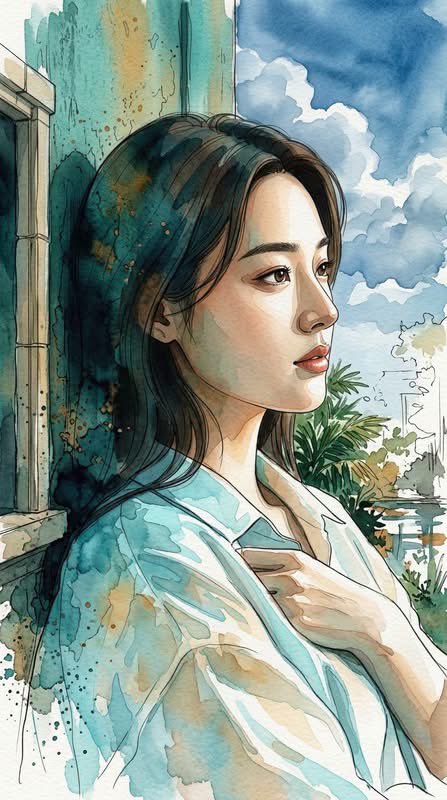
Create a completely new visual style by synthesizing two contrasting visual languages: STYLE FOUNDATION: A cinematic architectural illustration with the clean composition, strong perspective, elegant architectural forms, crisp selective linework, luminous tropical colors, dramatic blue sky, and polished environmental storytelling of a high-end anime-inspired background painting. PAINT HANDLING: Fuse this with expressive traditional watercolor and ink techniques: loose gestural brush strokes, dry-brush texture, translucent watercolor washes, pigment blooms, irregular ink contours, spontaneous splatters, visible paper grain, partially unfinished edges, atmospheric paint bleeding, and subtle abstract fragmentation. NEW HYBRID STYLE: Do NOT simply imitate either reference. Develop an original visual language that sits between polished digital illustration and expressive architectural watercolor sketching. Keep the major architectural structures highly readable and beautifully designed, but allow secondary details, vegetation, reflections, clouds, distant objects, and peripheral elements to dissolve into loose watercolor marks and ink gestures. Use selective precision: sharp, deliberate linework around important architectural silhouettes, windows, domes, roofs, bridges, lamps, boats, and foreground structures; looser broken lines and painterly abstraction toward the edges and background. Combine luminous cinematic lighting with watercolor transparency. Use layered washes of turquoise, cyan, deep blue, warm ochre, coral, terracotta, muted green, and soft cream. Let colors subtly bleed into one another rather than appearing as perfectly flat digital fills. Atmosphere should feel tropical, poetic, nostalgic, peaceful, slightly dreamlike, and cinematic. Include strong foreground / middle-ground / background depth. Use reflections on water as loose, broken watercolor reflections rather than perfectly mirrored digital reflections. Clouds should be volumetric and luminous but painted with soft watercolor masses and irregular edges. Vegetation should alternate between identifiable tropical foliage and expressive abstract brushwork. SURFACE: fine cold-pressed watercolor paper texture, subtle grain, transparent pigment layers, ink-and-wash marks, dry brush, soft granulation, occasional paint splashes, slightly imperfect handmade edges. COMPOSITION: vertical cinematic composition, strong leading lines, architectural focal point, deep perspective, generous atmospheric space, balanced negative space, beautiful visual hierarchy, high-end editorial travel illustration. IMPORTANT: The final result must look like a coherent NEW ART STYLE, not a collage and not a literal combination of the two references. Avoid photorealism. Avoid generic watercolor clip-art. Avoid overly clean vector art. Avoid excessive anime facial features. Avoid uniform line thickness. Avoid making every object equally detailed. Preserve architectural clarity while allowing painterly abstraction to emerge naturally. highly sophisticated, cinematic, expressive, elegant, atmospheric, hand-painted, architectural watercolor-and-ink illustration, contemporary visual development art, original style. Ar 9:16!
0
Details
GPT Image 2.5
Create a spectacular 4:5 vertical cinematic artwork where [FAMOUS STRUCTURE] is transformed into a gigantic version of [OBJECT], while its original architectural identity remains instantly recognizable. The landmark and object should be physically integrated into one believable design — not simply placed beside each other. Show the enormous object dominating the scene, with tiny people, cars, trees, buildings, or other environmental elements around it to create a dramatic sense of scale. Preserve the landmark’s most recognizable architectural features, but creatively reinterpret them as functional parts of the giant object. Create an imaginative environment that complements the object, with cinematic perspective, atmospheric depth, realistic materials, intricate details, dramatic natural lighting, soft shadows, and subtle surrealism. Make it feel like a real gigantic object photographed in a fantastical world. Use a sophisticated cinematic color palette, ultra-detailed textures, realistic reflections, realistic scale, premium concept-art quality, and strong visual storytelling. Add minimal elegant typography at the bottom: [STRUCTURE NAME] × [OBJECT] [CITY, COUNTRY] No infographic boxes, no conventional travel-poster layout, no generic stock photography, no unrelated landmarks, no excessive text, no watermark.
0
Details
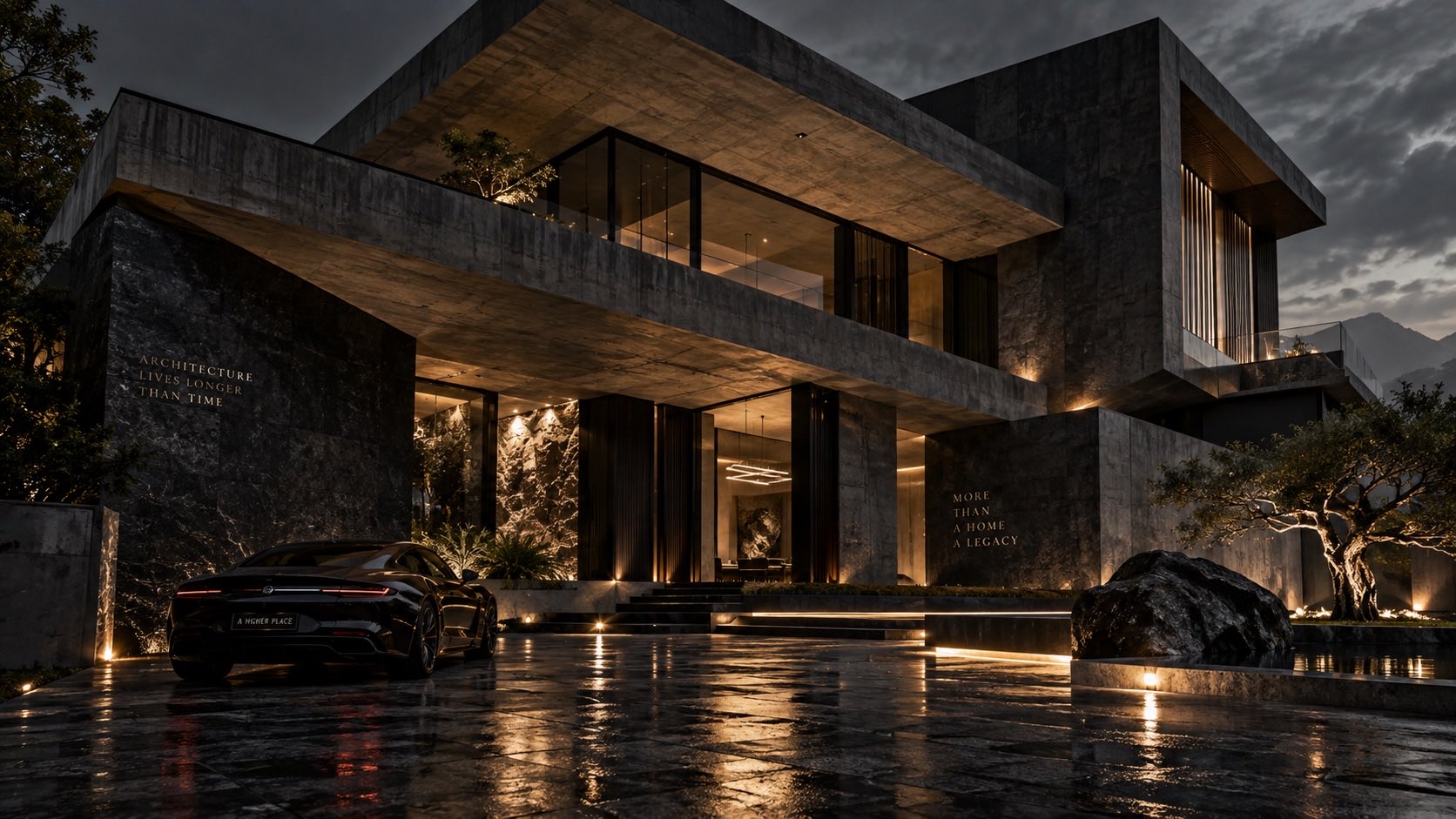
GPT Image 2
Master Prompt — 4 Integrated Luxury Sub-Prompts Create a premium dark-luxury editorial campaign in a sophisticated cinematic aesthetic, inspired by high-end architectural magazines, luxury automotive advertising, and minimalist fashion campaigns. Use a 16:9 landscape composition, ultra-photorealistic, dramatic low-key lighting, deep blacks, charcoal concrete, subtle warm architectural lights, refined metallic highlights, strong geometric composition, premium film grain, high contrast, and an expensive understated atmosphere. SUB-SCENE 1 — THE ARCHITECTURAL STATEMENT: A monumental modern brutalist luxury villa with sharp geometric volumes, massive cantilevered concrete slabs, dark textured stone, floor-to-ceiling smoked glass, hidden warm lighting, dramatic angular architecture, wet stone driveway reflecting the architecture, photographed from a low cinematic angle. The building should feel imposing, exclusive, mysterious and almost sculptural. SUB-SCENE 2 — THE MACHINE: In front of the villa, place an exotic futuristic supercar with an aggressive aerodynamic silhouette, low stance, sharp LED headlights, sculpted carbon-fiber bodywork and subtle metallic reflections. Park it naturally on the dark stone driveway, three-quarter front view, headlights softly illuminated, cinematic reflections on the wet pavement, creating the feeling of extreme wealth without looking flashy. SUB-SCENE 3 — THE LIFESTYLE: Show an elegant luxury entrance/terrace connected to the villa, featuring black stone, minimalist furniture, architectural lighting, a large infinity pool reflecting the building, subtle greenery, glass walls and sophisticated interior illumination. Add a single impeccably dressed person in a tailored black luxury outfit standing naturally within the architecture, creating scale and a powerful editorial fashion moment. SUB-SCENE 4 — THE LEGACY: Create a dramatic hero composition combining the villa, supercar and surrounding landscape into one iconic luxury scene. Camera positioned low and slightly distant, monumental architecture dominating the frame, supercar positioned in the foreground, subtle atmospheric haze, dramatic overcast sky, controlled warm light escaping from the windows, and a sense of permanence, power and exclusivity. Add refined editorial typography integrated naturally into the composition: “BUILT TO OWN” small subtitle: “DESIGN. POWER. LEGACY.” secondary line: “NOT FOR EVERYONE. MADE FOR LEGENDS.” Typography should be elegant high-fashion serif lettering with generous spacing, minimal and premium, never overpowering the architecture. No clutter, no excessive text, no logos, no watermark. Photorealistic materials, realistic proportions, physically accurate reflections, cinematic depth, premium luxury advertising photography, 8K detail, masterful composition, dark sophisticated color grading, aspirational and timeless.
0
Details
0:16
MiniMax H3
Create a 15-second ultra-photorealistic cinematic luxury real-estate house tour, using the provided reference image as the visual style reference. IMPORTANT: Maintain a consistent architectural design, materials, furniture style, warm color palette, and premium luxury aesthetic throughout the entire video. The house must feel like one real, connected property. No random architectural changes. VIDEO FORMAT: Vertical 9:16 Duration: exactly 15 seconds Ultra-realistic 4K Professional luxury real-estate cinematography Smooth stabilized camera movement Natural lighting Realistic reflections and shadows Premium editorial look No people No text No logos No watermark SCENE 1 — 0-2 SECONDS — EXTERIOR REVEAL Start with a cinematic wide establishing shot of the complete luxury modern house during golden hour. Show the elegant multi-level architecture, large floor-to-ceiling windows, stone exterior walls, warm interior lights, landscaped garden, clean driveway and premium entrance. Camera slowly pushes forward toward the house like a professional real-estate drone/gimbal shot. TRANSITION: Smooth forward movement transitioning naturally toward the main entrance. SCENE 2 — 2-4 SECONDS — MAIN ENTRANCE & FOYER Camera smoothly enters through the large front door into a sophisticated luxury foyer. Show polished flooring, warm wooden staircase, elegant wall decoration, large round mirror, designer console table and soft ambient lighting. Camera moves forward slowly and naturally, revealing the open-plan interior. SCENE 3 — 4-6 SECONDS — LUXURY LIVING ROOM Transition into the main living room shown in the reference image. Show the large caramel-brown leather sectional sofa, cream upholstered lounge chairs, round wooden coffee table, patterned rug, decorative plants, wooden furniture and the central modern fireplace with gray stone/tile surround. Large windows bring in beautiful natural daylight. Camera makes a smooth cinematic side-to-side movement, showcasing the entire living space. SCENE 4 — 6-8 SECONDS — OPEN KITCHEN & DINING Camera smoothly pans from the living room into the open-plan luxury kitchen and dining area. Show a large premium kitchen island, elegant cabinetry, modern appliances, sophisticated pendant lights, marble/stone surfaces and a stylish dining area. Keep the same warm neutral color palette and architectural style. Camera slowly glides past the island for a high-end property-tour feeling. SCENE 5 — 8-10 SECONDS — MASTER BEDROOM Smooth transition into a spacious luxury master bedroom. Show a large elegant bed with premium neutral bedding, soft textured fabrics, wooden accents, designer bedside tables and large windows overlooking greenery. Warm natural sunlight enters through the windows. Camera slowly moves toward the bed and then gently pans across the room. SCENE 6 — 10-12 SECONDS — LUXURY MARBLE BATHROOM Camera transitions into a high-end master bathroom. Show large marble surfaces, a freestanding modern bathtub, spacious glass shower, elegant vanity, large mirror and warm hidden LED lighting. Use a slow cinematic camera sweep to reveal the luxurious finishes. Everything should look realistic and physically accurate. SCENE 7 — 12-15 SECONDS — BACKYARD & FINAL HERO SHOT Camera smoothly exits toward the backyard/patio. Reveal a beautiful landscaped outdoor lounge area with comfortable designer seating, greenery, warm architectural lighting and a premium swimming pool. End with a cinematic wide hero shot of the entire property glowing during sunset. Camera slowly pulls back and rises slightly, creating a premium luxury-real-estate commercial ending.
2
Details
GPT Image 2
Spontaneous hand-drawn travel sketchbook page of [CITY], created with loose black ink lines, uneven handwritten labels, small doodles, crossed-out marks, arrows, tiny maps, local foods, transportation, architecture and one iconic landmark. Mostly white space with only [ACCENT COLOR] used selectively. Playful, artistic, imperfect, authentic, contemporary travel-journal aesthetic.
0
Details
GPT Image 2
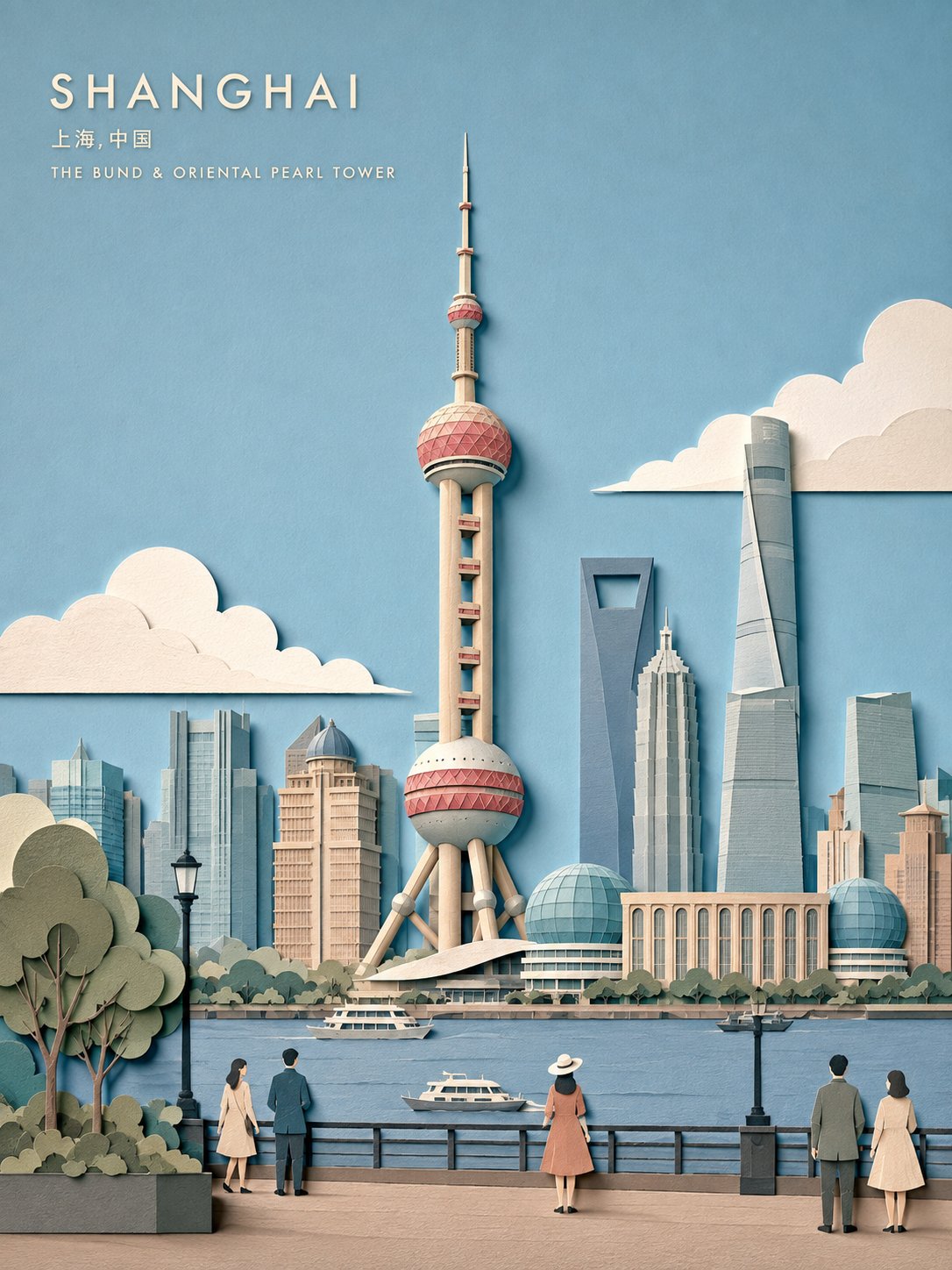
Create a premium vertical 4:5 travel poster of [CITY], [COUNTRY], designed as a handcrafted layered 3D paper-cut miniature world. Use a soft pastel paper background with subtle grain, sculpted clouds, textured cardstock layers, realistic cut-paper edges, tactile fibers, gentle shadows, and elegant 3D depth. Make [MAIN ICONIC LANDMARK] the dominant central feature, surrounded by 4–6 recognizable landmarks, architecture, streets, bridges, nature, cultural details, and local elements. Add important geography such as a river, lake, or coastline where relevant. Include tiny paper-cut people, vehicles, boats, trees, cafés, and street details for scale and storytelling while keeping the composition clean and sophisticated. Use harmonious city-inspired pastels: cream, warm beige, muted green, dusty pink, soft blue, terracotta, and complementary tones. At the top, add minimal elegant typography: [CITY] [COUNTRY] [SHORT ICONIC TAGLINE] Premium editorial travel-poster aesthetic, whimsical handcrafted paper sculpture, realistic architecture, layered depth, delicate paper fibers, soft studio lighting, subtle ambient shadows, refined composition, clean negative space, highly detailed and collectible. Avoid: photorealism, plastic, glossy CGI, metallic surfaces, clutter, distorted landmarks, excessive text, oversaturated colors. Keep the same composition and artistic style across cities while adapting the landmarks, geography, cultural details, and color accents authentically to each destination. Generate for south korea follow aspect ratio accurately
0
Details
0:54
Seedance 2.5
Cinematic luxury real estate drone and interior tour of a stunning white Mediterranean-style villa with terracotta roof, set on a hillside surrounded by lush green trees, cypress trees, and manicured gardens. Smooth aerial shots circling the elegant multi-story mansion with a private swimming pool, formal gardens, stone fountain, and winding driveway leading to a grand black iron gate marked with the number 8. Soft natural sunlight filtering through large multi-pane windows, golden hour and sunset lighting with lens flares. Interiors feature high ceilings, dark navy blue paneled walls, white curved modern sofas, abstract art, crystal and metal chandeliers, a wooden pool table, ornate white fireplace, open-plan living rooms with large windows overlooking greenery, a bright white kitchen with marble island, pendant lights, and professional range, elegant dining room with long dark table and white chairs, spiral staircase with black iron railings. Outdoor scenes include a stone fountain, poolside lounge chairs at dusk, wooden pergola outdoor dining area with glass table, and the villa glowing with warm lights at twilight. Slow, fluid camera movements – aerial orbits, smooth tracking shots through rooms, close-ups of textures (sofa fabric, water cascading from fountain, sunlight on floors). Dreamy, luxurious, high-end real-estate style, 4K cinematic quality, shallow depth of field, warm and inviting atmosphere, no people.
0
Details
Nano Banana Pro
Create a premium vertical 4:5 minimalist travel poster of [CITY], [COUNTRY], inspired by modern paper sculpture with an original, elegant composition. Feature one iconic architectural silhouette emerging from or floating against a calm oversized circular moon/sun form. Integrate a recognizable local landmark subtly into the composition rather than making it dominate the scene. Use generous negative space, a soft tactile background, delicate layered paper-cut elements, extremely clean geometry, subtle 3D depth, refined edges, and tiny architectural details. At the bottom, create a thin abstract landscape or water strip representing [RIVER / SEA / LANDSCAPE], with only one or two tiny contextual elements such as a boat, tree, bridge, or distant structure. Keep reflections extremely soft and minimal. Color palette: [3–5 SOFT COLORS], with harmonious muted tones and a sophisticated contemporary feel. Typography should be elegant, restrained, and perfectly aligned: [CITY] [CITY · COUNTRY] [SHORT POETIC TAGLINE] Overall aesthetic: luxury contemporary art print + Japanese-inspired minimalism + handcrafted paper sculpture. Soft studio lighting, tactile paper grain, delicate shadows, subtle dimensional layering, sophisticated proportions, calm atmosphere, refined editorial composition, highly detailed craftsmanship, clean background, premium design, no photorealistic clutter, no crowds, no busy skyline, no excessive objects, no unnecessary decorations. The final image should feel quiet, artistic, collectible, modern, and instantly recognizable as [CITY].
0
Details
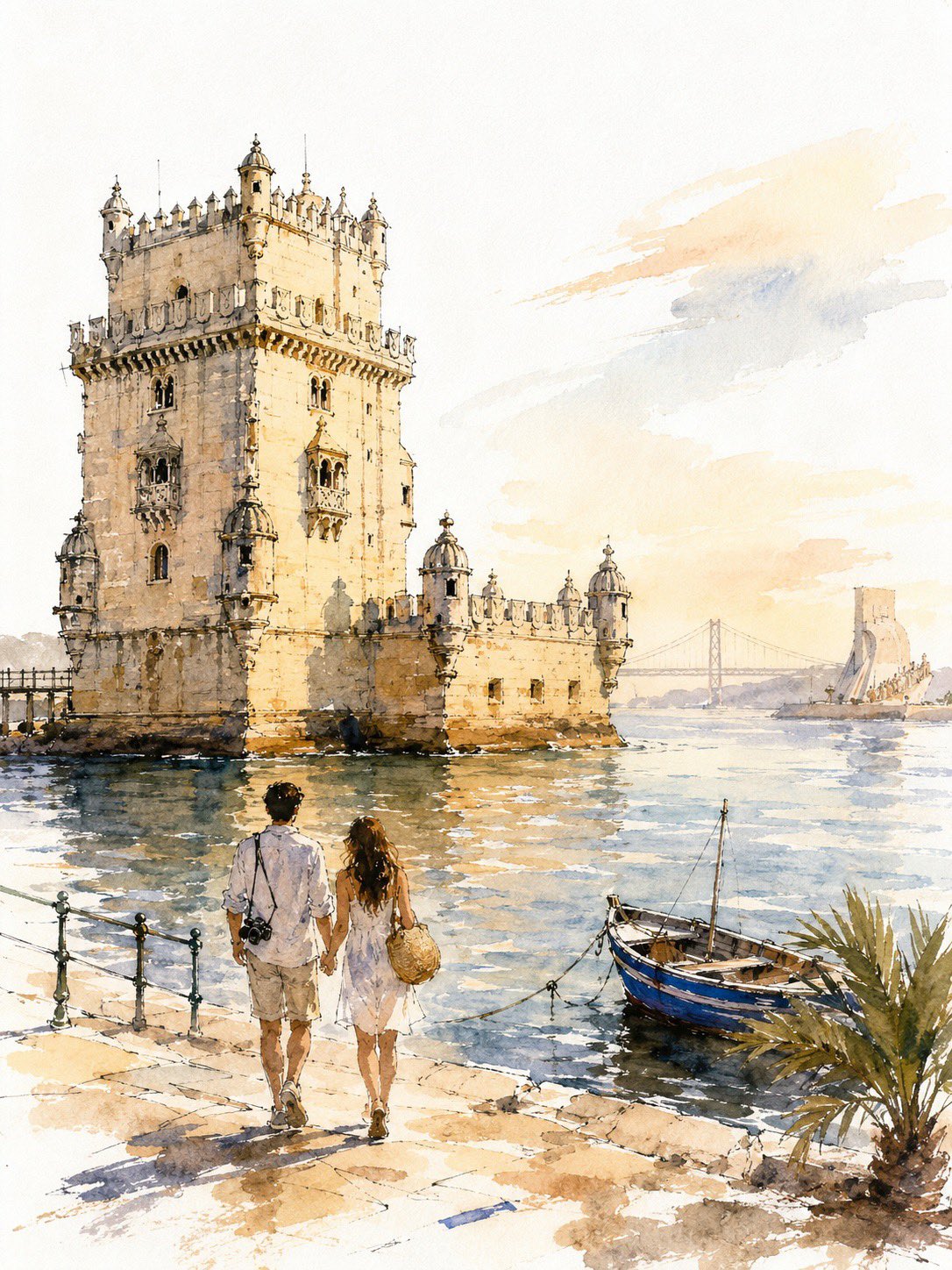
GPT Image 2
A loose, unfinished watercolor-and-ink travel sketch of New York: fast broken line, uneven washes, generous bare paper, golden-hour light. SUBJECT Hero: the Empire State Building from street level, frontal and slightly upward-tilted, full height inside the frame, 68–75% of poster height, anchored on the right third, base in the lower-middle third. Behind it: the Chrysler crown, small and low left, plus 2–3 soft masses standing in for Midtown. Nothing else — no Liberty, no Brooklyn Bridge, no Times Square. Bright white cold-press paper, no cream or sepia cast. IDENTITY LOCK — the only sustained drawing in the image (a) stepped Art Deco setbacks narrowing in stages toward the top (b) continuous vertical piers with recessed window bands — long strokes, never individual windows (c) the tiered crown lantern with mooring mast and antenna These carry the strongest contrast, are never cropped, never fade to blank paper. COUPLE A young couple seen from behind, arms linked, walking up the avenue, one glancing up at the tower. 14–18% of poster height, in the bottom 22–25% band. Mid-century-cut travel coats; a small handbag, a compact suitcase. 10–15 strokes each — silhouette, hair mass, coat line, legs. No faces, no fingers, no folds, no third figure. The most resolved human element in the image. LINE Contours break, skip, overshoot corners, and stop before meeting; weight varies within a single edge. Background architecture is gestural only — a roofline, a corner, an implied vertical. If a building reads in 5–8 strokes, stop at 8. Never window-by-window, never brick. Some forms exist as wash alone, no line. WATERCOLOR Never fill evenly. Within one surface the wash swings from deep pooled pigment on one side to bare paper on the other. Blooms and backruns with cauliflower edges, wet-in-wet bleed, hard pooled edges beside dissolved ones, dry-brush skips, granulation in the grain. Washes overshoot the ink by 5–10% in places and fall short elsewhere. No object is uniformly colored. Coverage 55–65%: leave bare paper across most of the sky, the distant city, sunlit faces, the outer 10–15% of the frame, and gaps in the pavement. Bare shapes are brush-formed and irregular, never rectangular. VALUE 6–10 fingernail-sized darks in burnt umber or dark indigo — setback shadows, window bands, under the awning, beneath the taxi and the couple, tower base. Drop them into damp wash so they bloom. Without these the image is a flat pastel smear. DEPTH Foreground strongest pigment and clearest line; distance at 15–25% pigment in dusty blue-gray and hazy peach with almost no line, grouped into 2–3 masses. LIGHT & COLOR Golden hour, light raking from the left so the tower has a lit face and a shaded face. Sky: 3–5 broad strokes, the rest bare paper, no detailed clouds. Warm limestone cream, pale apricot, warm gray, dusty steel blue, soft graphite. One saturated accent: taxi yellow. Props, 3 only — a yellow cab from behind, a lamp post, a striped awning edge. TEXT None anywhere: no title, caption, signage, storefront name, street sign, number, logo, or pseudo-lettering. Signs become abstract shapes. The top 15–18% stays clean and empty for titling added later. AVOID Photorealism, CGI, 3D render, generic AI architecture, hybrid or duplicated towers, extra setbacks, warped façade, repeating-window artifacts, mechanically even line weight, floating objects, roads into walls, inconsistent scale, visible faces, extra figures, flat even fills, uniform contrast at all distances, edge-to-edge painting, neon color, garbled text. Bare paper beats invented detail — everywhere except the identity features. RECOGNITION FIRST, VALUE SECOND, ATMOSPHERE THIRD, DETAIL LAST.
0
Details
0:15
Kling 3
🪄A cinematic luxury interior advertisement showcasing the living room in the reference image. No people, no typography. Preserve the furniture, layout, and cream, black, and gold palette. Gentle orchestral music blended with atmospheric alternative rock. First 3 seconds: rapid 0.5–1-second cuts between floor-level chair details, an overhead view of the seating, and a dramatic low-angle wide shot. Shot 1: Low-angle orbit around the cream armchair, emphasizing its sculptural black-and-gold shell. Push close to the upholstery, then transition behind the chair into the next shot. Shot 2: High-angle sweeping view of the living room, descending toward the marble coffee table. Window shadows stretch across the wooden floor; sunlight glints on gold surfaces. Shot 3: Fast lateral glide past the black chairs, close to floor level. Tilt upward from their gold bases toward the windows and circular ceiling lights. Whip-pan into the next shot. Shot 4: Rapid extreme close-ups of fabric, marble veins, gold textures, and delicate plant shadows. Dynamic match cuts between curved chair edges, the round table, and glowing ceiling rings. Shot 5: Start low behind the cream armchair, then rise in a sweeping arc to reveal the entire room from a high angle. Ease into a striking final wide shot. Alternate dramatic high and low angles, fluid camera movements, foreground wipes, and sharp rhythmic cuts. Emphasize shadow play, dappled sunlight, rich contrast, reflections, and shifting focus. Keep furniture stationary and geometry consistent.
0
Details
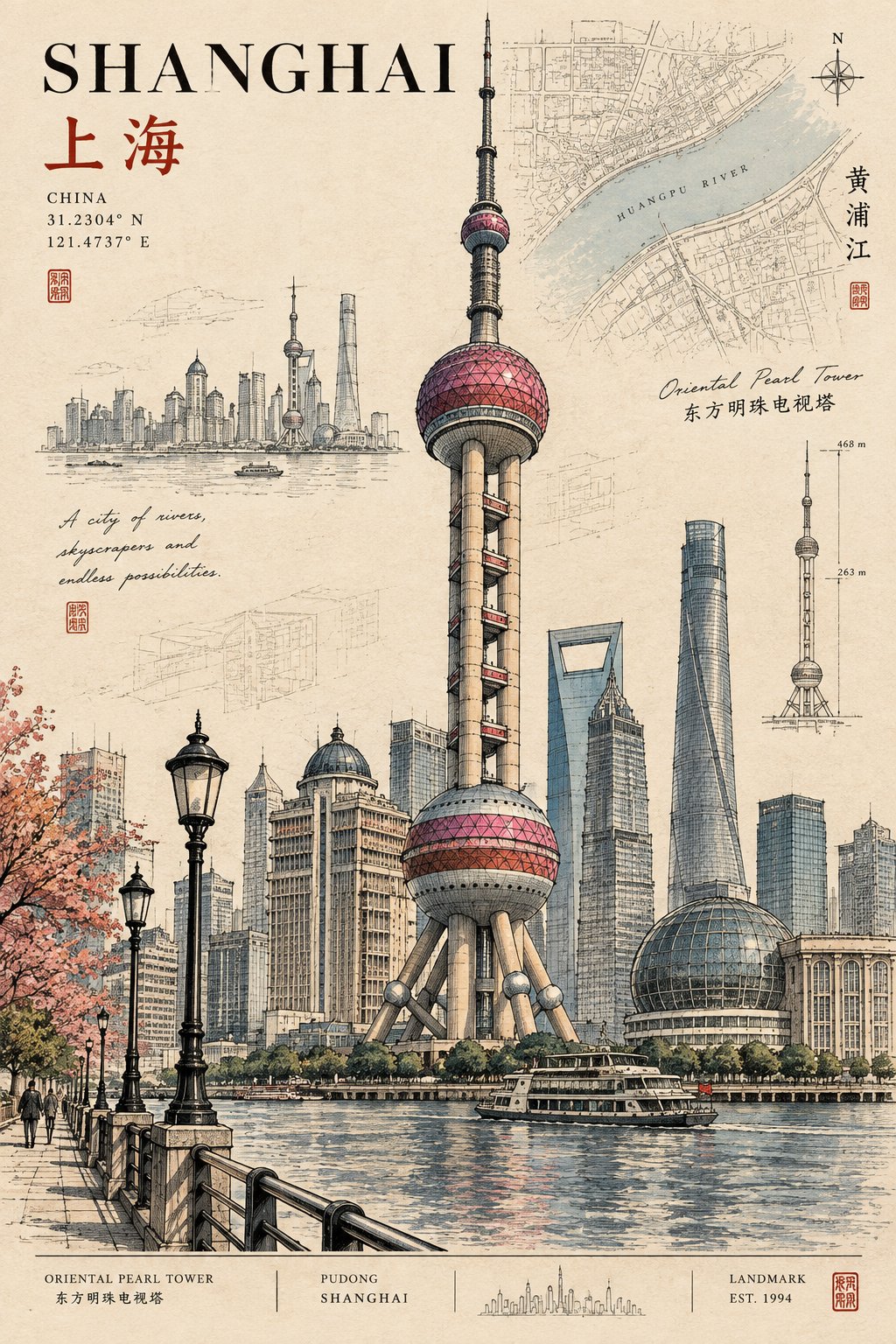
GPT Image 2.5
DESTINATION: [DESTINATION] Create a sophisticated vertical 2:3 architectural travel postcard featuring [DESTINATION]. STYLE Premium contemporary editorial postcard with subtle vintage influence. Combine precise architectural pen-and-ink illustration, restrained travel graphics, archival details, and modern graphic design. The result should feel cultured, timeless, architectural, and collectible—not like a tourist souvenir. MAIN SUBJECT Feature ONE iconic building, monument, structure, street façade, or architectural landmark strongly associated with [DESTINATION]. Make it the clear visual hero, shown from a believable three-quarter or slightly dramatic architectural perspective. No landmark collage. ILLUSTRATION Use exceptionally fine black or dark graphite linework, detailed architectural hatching, accurate proportions, and subtle hand-drawn imperfections. Include recognizable structural details such as windows, façades, roofs, columns, or ornaments where appropriate. COLOR Keep much of the architecture as line art with selective flat color using only 2–4 destination-specific tones. Colors should be sophisticated and slightly muted. Avoid gradients, glossy rendering, photorealism, excessive beige, and muddy sepia. BACKGROUND Use a clean pure white background with subtle archival elements such as faint maps, street plans, coordinates, contour lines, architectural diagrams, or minimal local-language annotations. Keep these elements secondary and lightly faded. COMPOSITION Vertical 2:3 format, with the landmark occupying roughly 60–75% of the artwork. Use generous negative space and an asymmetric editorial layout. Allow tasteful cropping when it improves the composition. TYPOGRAPHY Add restrained typography: [LOCAL NAME] [DESTINATION] Use elegant architectural or museum-catalogue-inspired typography. Add a tiny bottom information strip with relevant details such as CITY / COUNTRY · ARCHITECTURE · EST. YEAR · COORDINATES. DETAILS & MOOD Add only a few tiny contextual elements—people, bicycles, trees, lamps, vehicles, or street details—when appropriate, mainly to establish scale. Mood: quiet urban sophistication, cultural authenticity, history, and refined design. AVOID Tourist clichés, cartoon styling, fake architecture, landmark collages, giant typography, excessive decoration, heavy vintage filters, fake stamps, clutter, 3D rendering, and unnecessary text. FINAL GOAL: A timeless, highly detailed, premium architectural postcard that feels like a museum-shop collectible or contemporary design print.
0
Details
GPT Image 2.5
Create a premium 4:5 vertical cinematic travel poster for [COUNTRY / CITY / LOCATION / SUBJECT]. TEXT-TO-IMAGE ONLY — generate the entire composition creatively from [COUNTRY / CITY / LOCATION / SUBJECT] alone. No reference image required. CORE CONCEPT Create a dramatic editorial collage that merges multiple iconic views of [COUNTRY / CITY / LOCATION / SUBJECT] into one cohesive architectural composition. Use a warm ivory background with enormous condensed typography of the location name stretching vertically behind the architecture. The typography should act as a major graphic element, partially hidden and naturally overlapped by the landmarks. ARCHITECTURE Automatically select the most recognizable landmark as the dominant central subject, then surround it with 3–5 additional authentic landmarks from the same destination. Arrange them from different low-angle perspectives so buildings rise inward from the edges and create a powerful visual frame around the central landmark. Keep the architecture highly recognizable and structurally accurate. Allow controlled cropping at the edges for a dramatic editorial composition. COLOR SYSTEM Use a mostly monochromatic photographic treatment for the architecture—warm charcoal, stone gray, cream, and subtle sepia—combined with ONE strong destination-specific accent color. Apply that accent selectively to the oversized location typography and a few culturally recognizable foreground elements such as transportation, flowers, flags, lights, or architectural details. TYPOGRAPHY Place the exact location name in huge, ultra-condensed uppercase lettering behind the landmarks. Make it tall, bold, tightly spaced, and partially concealed by the architecture. The letters should feel physically integrated into the composition rather than sitting on top as a normal title. Add no unnecessary text. FOREGROUND Include one or two small contextual foreground elements associated with the destination—such as a taxi, bus, tram, bicycle, street lamp, flowers, pedestrians, or street detail—slightly out of focus to create cinematic depth. LIGHTING & TEXTURE Use dramatic natural daylight with subtle atmospheric haze, realistic architectural shadows, selective depth of field, and a slightly nostalgic photographic finish. Add restrained vintage print grain, fine paper texture, and subtle imperfections without making the artwork look artificially aged. FINAL AESTHETIC Luxury travel editorial × cinematic city photography × oversized typography × architectural collage × vintage European poster design. Sophisticated, dramatic, recognizable, highly detailed, and visually balanced. Avoid random landmarks, incorrect architecture, excessive text, cartoon styling, 3D rendering, flat vector graphics, excessive saturation, distorted buildings, duplicated landmarks, clutter, logos, watermarks, or generic city imagery. FORMAT: 4:5 vertical, premium editorial travel poster, cinematic low-angle perspective, high detail.
0
Details
GPT Image 2.5
Create a premium 2:3 vertical architectural travel postcard for [COUNTRY / CITY / LOCATION / SUBJECT]. TEXT-TO-IMAGE ONLY — generate the entire artwork creatively from [COUNTRY / CITY / LOCATION / SUBJECT] alone. No reference image required. CORE CONCEPT Create a sophisticated collectible postcard centered around ONE unmistakable architectural landmark from [COUNTRY / CITY / LOCATION / SUBJECT]. Automatically select the most iconic building, monument, street façade, or structure and make it the sole visual hero. ARCHITECTURAL ART Render the landmark as an exceptionally detailed hand-drawn architectural ink illustration using fine black or graphite lines, precise proportions, delicate hatching, tiny windows, façade details, columns, roofs, cornices, and subtle handmade imperfections. Show the architecture from a slightly dramatic but believable low or three-quarter perspective. Allow tasteful cropping when it strengthens the composition. COLOR Keep most of the landmark as exposed linework and introduce only 2–4 sophisticated colors naturally associated with the destination. Use restrained flat color with muted but clean tones. No gradients or glossy digital rendering. BACKGROUND Use a refined light ivory paper background. Subtly integrate faded archival elements related to the destination: fragments of maps, street plans, contour lines, architectural diagrams, coordinates, handwritten annotations, measurement marks, and restrained local-language details. Keep these elements secondary, delicate, and partially faded so the architecture remains dominant. COMPOSITION Use an asymmetric editorial layout with generous breathing room and the landmark occupying roughly 60–75% of the artwork. Add only a few tiny contextual details such as pedestrians, bicycles, street lamps, trees, tram wires, or local street elements when appropriate. TYPOGRAPHY Add the destination name and, if appropriate, its local-language name in small refined editorial typography. Include a minimal archival-style information strip near the bottom with subtle location or architectural details. FINAL AESTHETIC Architectural sketchbook × museum-shop postcard × archival city document × contemporary editorial design. Intelligent, cultured, collectible, precise, and quietly sophisticated rather than a conventional tourist souvenir. Avoid landmark collages, generic watercolor, cartoon architecture, photorealism, giant typography, souvenir clichés, excessive decoration, heavy sepia filters, muddy colors, random landmarks, excessive distressing, or overly symmetrical layouts. FORMAT: 2:3 vertical, single architectural subject, premium collectible travel postcard.
0
Details
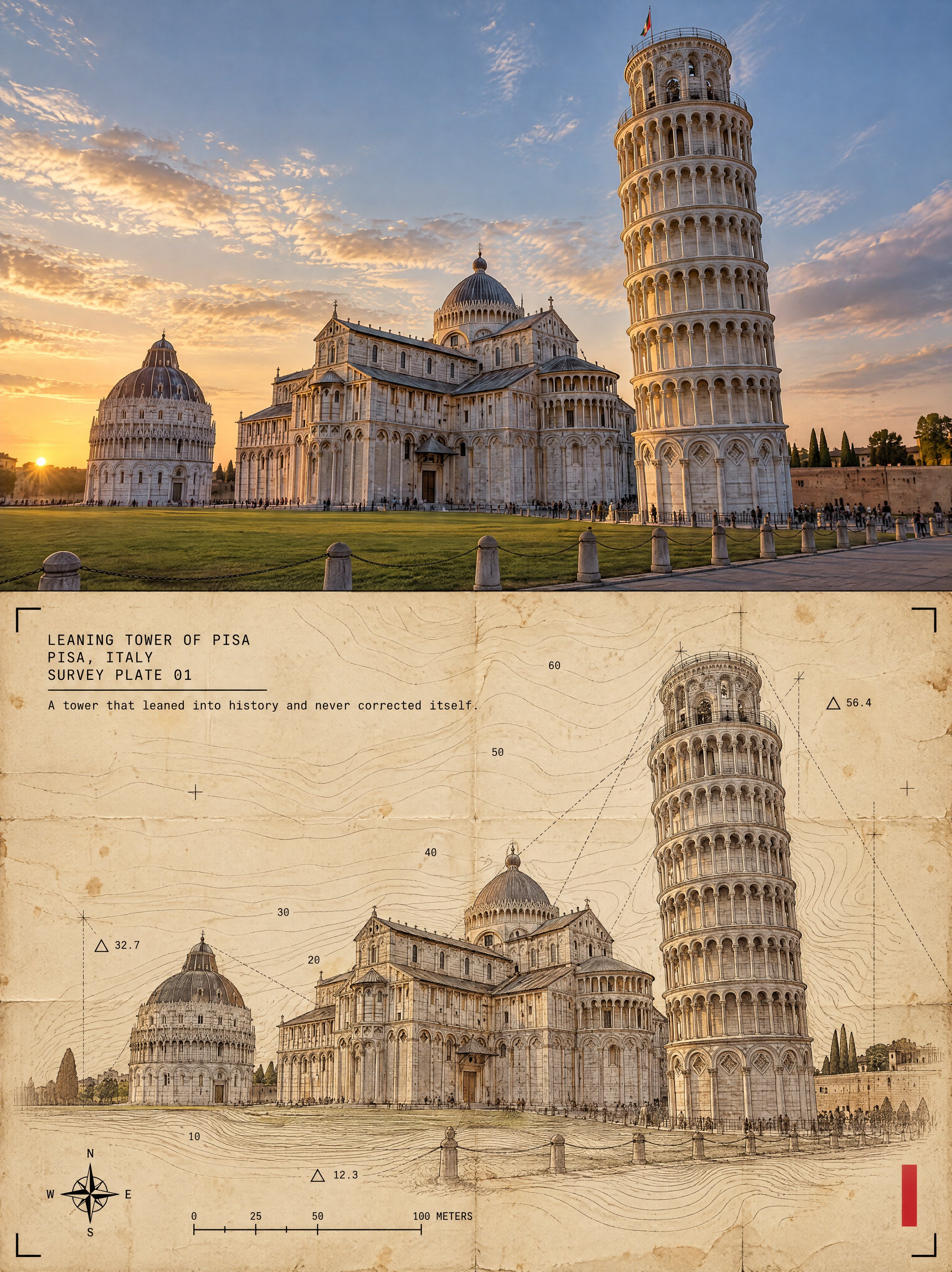
GPT Image 2.5
One poster, 3:4 vertical canvas. Split into two roughly equal zones — a realistic photograph on top, a printed reconstruction below — divided by one clean sharp horizontal line. The structure must not be stretched, warped, tilted or repositioned unnaturally. TOP HALF — THE REAL SHOT {STRUCTURE DESCRIPTION}. {PLATE LIGHT}. Preserve the structure faithfully: same architecture, proportions, perspective, distinctive details, natural light and shadow. Add only a subtle high-end color grade and the faintest film grain. Never redesign or reinterpret the architecture. BOTTOM HALF — THE PRINTED RECONSTRUCTION Rebuild the same structure as a mid-century surveyor's topographic map sheet: the building and its site rendered in fine brown contour lines that wrap around the mass and terrain, elevation index numbers printed along the contours, small triangular benchmark markers with elevation tags, a compass rose, a thin scale bar, faint theodolite sight-lines and the blocky vintage lettering of a USGS quadrangle sheet. The photograph dissolves outward into contour lines, survey ticks and a faint grid. The structure must remain immediately recognizable. {PLATE DENSITY}. Texture: yellowed map paper with fiber grain, worn fold creases, faint old stains, restrained crop marks, one small red calibration bar. Color: aged-paper ground, warm brown and black survey inks, the structure's original muted colors, a single red accent. Never fully desaturate the structure. The structure occupies roughly 60-88% of the frame width. Leave 22-38% of the paper visibly untouched and empty — generous negative space so the poster reads as an archival specimen, not a packed screen. TYPOGRAPHY — a clean fixed-width architectural title block, pinned top-left at a small fixed inset, black ink, monospaced technical typeface, verbatim, each line in caps: "{NAME}" "{CITY, COUNTRY}" "SURVEY PLATE 0N" A thin horizontal rule under the third line, then one short observational caption verbatim: "{CAPTION}" A solid vertical red rectangle — the only red in the poster — is pinned to the bottom-right corner zone about 12% from the bottom and right edges. Four thin black crop marks sit in the four corners of the bottom half at identical insets. Red bar, crop marks and text block keep exactly the same position and size relative to the frame. MOOD: field survey notebook crossed with modern travel editorial — the landmark as a place the surveyor has measured. Sophisticated, minimal, tactile, intellectual, slightly mysterious, highly collectible. AVOID: solid black terminal backgrounds, dense walls of code, cyberpunk neon, excessive decorative glyphs, distorted architecture, impossible geometry, invented architectural details, fake technical specifications, random meaningless symbols, garbled text, extra colors, brand logos, QR codes, watermarks, author credits, tourist-poster clichés. Priority: preserve the structure's identity and architectural accuracy first. The experimental print treatment enhances the architecture, never hides it. THE FOUR VARIATIONS (one axis change per plate) PLATE 01 — DENSE · light: "Golden-hour sunlight with long warm shadows" · density: "The print treatment is at its densest and richest: layered marks, full system detail" PLATE 02 — LINEWORK · light: "Soft overcast daylight, muted flat tones" · density: "The print is linework-forward: thin drafting lines and technical geometry dominate the reconstruction" PLATE 03 — FRAGMENT · light: "Blue-hour dusk with cool tones and lit windows glowing" · density: "The print is fragment-forward: torn photographic fragments dominate, with fewer system marks around them" PLATE 04 — MINIMAL · light: "Bright midday sunlight with crisp shadows" · density: "The print is the minimal plate of the set: sparse marks, maximum untouched paper"
0
Details
GPT Image 2.5
Create a premium 4:5 vertical illustration for the “Destination Sketchbook” series. Use the Matterhorn artwork as the series DNA, not as a literal template. For [DESTINATION], identify its most distinctive and authentic landmark or place and build the entire scene around it. Prioritize geographic accuracy: landmark, architecture, terrain, vegetation, water, geology, culture, and viewpoint must naturally belong together and be realistically observable from one location. Never create composite landmarks or mix attractions from different places. COMPOSITION: One dominant hero landmark with 60–70% visual emphasis, strong foreground–middle–background depth, generous negative space, and exactly ONE tiny cute chibi traveler occupying 8–12% of the frame. The traveler should naturally explore, sketch, sit, walk, or observe—not pose for the viewer. Use destination-specific foreground details. STYLE: Hand-painted travel-journal artwork with expressive dark ink lines, varied line weight, loose watercolor/gouache washes, warm off-white paper, visible grain, subtle pencil marks, imperfect brush edges, natural paint bleeds, and restrained imperfections. It should feel personally observed, tactile, intimate, and handmade—not photorealistic, glossy, vector-like, or generically AI-watercolored. Make each destination visually unique through its architecture, vegetation, geology, materials, weather, light, culture, textures, and viewpoint, while preserving the same artist identity. Avoid generic tourism clichés and decorative elements unless genuinely relevant. TEXT: Minimal handwritten editorial lettering: [LANDMARK NAME] [LOCATION, COUNTRY] Optionally add 1–2 short, location-specific observations. COLOR: Naturally derived from the destination and season. Restrained watercolor palette, subtle accents, visible paper, no neon, excessive contrast, glossy gradients, or artificial cinematic grading. FINAL: The destination must be immediately recognizable, geographically coherent, landmark-dominant, authentically detailed, and unmistakably part of the Destination Sketchbook series. OUTPUT: 4:5 vertical premium hand-drawn travel-journal illustration.
0
Details
GPT Image 2.5
A surreal, high-end architectural art photograph of [STRUCTURE / LANDMARK] transformed into a giant handcrafted textile sculpture, while preserving its instantly recognizable silhouette, proportions, architectural details, distinctive features, and original geometry. The structure is covered in soft knitted or woven fabric, with intricate cable-knit patterns inspired by the architecture. A section of the structure opens, peels back, or unfolds like a fabric vessel, revealing a beautifully detailed miniature world of [CITY / COUNTRY] emerging from inside. Inside the opening, show miniature elements strongly connected to the location: buildings, streets, rooftops, trees, bridges, landmarks, local transportation, landscapes, and subtle cultural details, all integrated naturally into the structure. The outer architecture gradually transitions between soft textile fibers and realistic architectural materials, creating a surprising contrast between handmade craftsmanship and structural precision. Keep the original architectural identity clearly recognizable. Minimal luxury studio setting, warm off-white background, soft directional daylight, subtle natural shadow, photorealistic materials, extremely detailed textile fibers, intricate architectural details, sophisticated muted color palette with carefully selected local colors, tactile handcrafted appearance, surreal but believable, premium editorial art photography, centered composition, generous negative space, collectible contemporary design object, 4:5 vertical composition. No people, no text, no logos, no watermark, no futuristic elements, no cyberpunk, no distorted architecture, no invented structural features. Preserve the landmark’s identity and proportions above everything else. “What if [LANDMARK] was a handmade object?” A giant handcrafted knitted version of [LANDMARK], faithfully preserving its recognizable architecture, with part of the structure opening like a soft fabric vessel and a tiny [CITY / COUNTRY] emerging from inside — miniature buildings, streets, landscapes, transportation and local details woven into the architecture. Soft textile fibers transition into realistic stone, metal or glass, creating a magical fusion of craftsmanship + architecture + miniature world. Photorealistic, luxurious, tactile, surreal but believable, warm neutral studio background, soft lighting, dramatic detail, generous negative space, 4:5 vertical.
0
Details
GPT Image 2.5
2x2 grid, 16:9, pick 4 non copyrighted public domain works Input A: Book title + motif. Analyze: Translate motif into 3 architectural forms (tower, bridge, plaza) and a circulation path (river/road/rail) traced from sentence flow. Goal: The book unfolds into a habitable micro-city engineered from typography. Rules: Container: Hardcover as foundation slab; page edges as stepped terraces; gutter as the central canyon. The Transformation: Paragraph blocks become monolithic buildings; italics become spires; drop caps become obelisks; footnotes become subterranean tunnels. The Details: Scale figures, scaffolding made from paper clips, hairline cracks in ink “stone,” dust as atmospheric perspective, map-legend marginalia. Lighting/Atmosphere: Golden-hour raking light; long shadows emphasize typographic relief; subtle particulate air. Output: Cinematic architectural macro, tilt-shift feel, 90mm, high displacement, Unreal/Octane, paper-stone hybrid, ultra-clean silhouettes.
0
Details
GPT Image 2.5
Create a premium educational travel poster featuring [STRUCTURE NAME], one of the world’s most famous architectural landmarks. Show a beautiful, highly detailed illustration or photorealistic miniature of the structure as the main focal point, surrounded by clean infographic-style information. Include these clearly arranged details: NAME: [Structure Name] RULER / LEADER OF THE TIME: [Ruler or leader] CONSTRUCTION DURATION: [Number of years / approximate duration] HISTORICAL COST: [Original construction cost, if known] CURRENT TICKET PRICE: [Current entry price] LOCATION: [City, Country] FAMOUS FOOD TO TRY: [1–3 famous local foods] Add small architectural sketches, construction details, a tiny location map, historical symbols, subtle decorative elements, and elegant infographic lines. Use a sophisticated museum archive + luxury travel magazine aesthetic with warm ivory paper, muted heritage colors, fine black typography, subtle vintage grain, and clean geometric layout. Make the structure large and dominant, with the information arranged neatly around it. Add a small “WORLD ARCHITECTURE ARCHIVE” label and a subtle historical catalog number. Style: elegant, educational, premium, collectible travel poster, highly detailed, clean composition, realistic textures, sophisticated typography. FORMAT: Vertical 4:5. Avoid: clutter, excessive text, unrelated landmarks, people, modern advertisements, and watermark.
1
Details
GPT Image 2.5
Create a stunning 4:5 vertical fine-art sketch illustration of [STRUCTURE NAME] as if it is being drawn by a master architectural artist inside a luxury travel sketchbook. Show the famous structure transitioning from loose preliminary pencil lines into a fully detailed finished architectural drawing. The foreground should contain delicate construction lines, perspective guides, measurement marks, small handwritten architectural notes, compass marks, arrows, erased pencil strokes, and unfinished portions. As the eye moves toward the main structure, the sketch gradually becomes more refined — combining graphite pencil, fine black ink, subtle watercolor washes, cross-hatching, and delicate hand-drawn textures. Include small artistic studies around the main drawing: a tiny side elevation, architectural detail, window or ornament study, simplified map outline, and a small silhouette showing the scale of the structure. Use an elegant warm ivory sketchbook-paper background with natural paper fibers and subtle imperfections. Keep the composition sophisticated and spacious. The structure should remain the unmistakable hero. Add minimal handwritten-style labeling: [STRUCTURE NAME] [CITY, COUNTRY] ARCHITECTURAL STUDY The artwork should feel like an original museum-quality architectural sketch discovered inside an explorer’s personal sketchbook — artistic, intellectual, nostalgic, detailed, and highly collectible. No photorealistic rendering, no 3D CGI, no modern infographic boxes, no excessive text, no watermark.
0
Details
GPT Image 2
Create a minimal hand-drawn architectural artwork of [STRUCTURE] on warm ivory paper. Show the structure as a simple, elegant ink sketch with clean imperfect lines, subtle pencil shading, tiny handwritten annotations, and a few delicate architectural details. Keep the composition airy with plenty of blank space, muted earthy tones, soft paper texture, and an authentic handmade travel-journal feel. No photorealism, no heavy details, no clutter — simple, artistic, and refined.
0
Details
GPT Image 2
Premium sophisticated editorial travel-poster collection featuring Paris, Dubai, Salzburg, and London, 3:4 vertical format. Create an original, luxurious travel-art composition that blends the visual identity of all four destinations into one cohesive premium artwork. Each city must remain recognizable through its architecture, atmosphere, transportation, landscape, and lifestyle details, while the overall design feels elegant, balanced, and intentionally composed rather than like a random collage. CITY IDENTITY Represent the four destinations through their strongest visual characteristics: Paris, France 🇫🇷 — Eiffel Tower, elegant Parisian architecture, Seine River, flower-filled balconies, classic café atmosphere, refined streets and riverboats. Dubai, UAE 🇦🇪 — Burj Al Arab, modern luxury architecture, turquoise Arabian Gulf, palm trees, elegant waterfront promenade, yachts and sophisticated outdoor dining. Salzburg, Austria 🇦🇹 — Hohensalzburg Fortress, historic European architecture, Salzach River, Alpine mountains, flowering trees and peaceful riverside streets. London, United Kingdom 🇬🇧 — Big Ben, Tower Bridge, River Thames, iconic red telephone box, traditional street lamps, riverside cafés and elegant city architecture. COMPOSITION Create a beautifully connected four-destination luxury travel scene with natural visual transitions between the cities. Use varied viewpoints and layered depth rather than four identical sections. Allow each destination to have its own visual atmosphere while maintaining one unified artistic style. The composition should feel like a premium international travel campaign combining: Parisian elegance + Dubai luxury + Salzburg serenity + London heritage. Include recognizable landmarks as the main visual anchors, supported by subtle local transportation, vegetation, waterfront elements, cafés, boats, street furniture and small lifestyle details. Avoid making the image look like a crowded landmark collage. PEOPLE & LIFESTYLE Include only a few small, naturally integrated figures. Show believable travel moments such as: walking beside the river, sitting at a café, cycling, enjoying the waterfront, taking photographs, strolling through historic streets, relaxing beneath flowering trees, or admiring the architecture. People should remain secondary to the environment and landmarks. TYPOGRAPHY Use elegant editorial typography with generous negative space. Include the destination names naturally within the composition: Paris, France 🇫🇷 Dubai, UAE 🇦🇪 Salzburg, Austria 🇦🇹 London, United Kingdom 🇬🇧 Add one short sophisticated tagline: “Four Cities, One Beautiful Journey.” Typography should be refined, spacious, premium and magazine-inspired. Text must remain clean and readable without dominating the artwork. ART DIRECTION Japanese stationery-inspired luxury illustration, premium commercial travel artwork, sophisticated editorial branding, elegant postcard aesthetic, clean delicate outlines, refined architectural details, soft geometric forms, polished illustration, balanced composition, subtle depth, harmonious visual rhythm, high-end boutique travel campaign, premium lifestyle magazine aesthetic. COLOR SYSTEM Use a sophisticated palette combining: soft sky blue, powder blue, mist blue, warm ivory, cream, elegant beige, muted sage, architectural gray, soft turquoise, subtle sunset peach and restrained blush-pink floral accents. Allow each destination to retain its own recognizable color atmosphere while keeping the complete artwork cohesive and slightly desaturated. MOOD Elegant, luxurious, peaceful, romantic, sophisticated, dreamy and contemporary. The final artwork should feel like a premium international travel poster, combining the charm of Paris, the luxury of Dubai, the serenity of Salzburg and the timeless character of London in one beautifully designed visual. NEGATIVE PROMPT No photorealism. No messy collage. No random landmark placement. No duplicated landmarks. No overcrowded streets. No oversized people. No dominant hero character. No excessive text. No distorted architecture. No incorrect flags. No generic tourist-poster formula. No repetitive composition. No watercolor. No painterly brushwork. No heavy shadows. No dramatic cinematic lighting. No excessive detail. No clutter. No harsh colors. No copied layout. No unnecessary decorative elements.
0
Details
GPT Image 2
Ultra-detailed photorealistic isometric miniature scale-model diorama of [CITY], presented as a thin flat square tile resting on a pure off-white seamless studio background. The tile is a clean, precisely cut square slab with straight vertical edges revealing a thin band of dark wood/earth material along the sides — like a professionally built architectural model mounted on a display base. The tile is rotated so it reads as a diamond in perspective, viewed from a high isometric angle of roughly 45–50° looking down, with the front corner of the slab pointing toward the lower part of the frame. The entire top surface is filled edge to edge with a meticulously accurate miniature recreation of [CITY] in winter: the actual street grid and road layout, real residential blocks with authentic local architecture, historic buildings, recognizable landmarks in their true relative positions and realistic scale, plazas, parks, tree-lined boulevards, rivers or coastline if applicable, bridges, major stadiums or arenas, and surrounding urban details. Create a beautiful realistic winter transformation while preserving the city's authentic identity. Cover rooftops, sidewalks, parks, trees, bridges, streets, and architectural surfaces with natural layers of fresh white snow. Show subtle snow accumulation on building ledges, rooftops, parked vehicles, street lamps, trees, railings, and road edges. Keep roads partially cleared and visibly usable, with realistic tire tracks and patches of exposed asphalt. Water should remain naturally visible where applicable, with subtle winter reflections or thin ice only where geographically appropriate. Include dense micro-detail: individual parked cars dusted with snow, moving traffic, buses, tiny pedestrians wearing winter clothing, street lamps, awnings, rooftop HVAC units, construction cranes, parking lots with rows of snow-covered cars, boats in water if applicable, realistic snowbanks, footprints, road markings, crosswalks, traffic signals, benches, signs, and tiny urban objects. Every tree is individually modeled with realistic snow-covered branches. The city's most recognizable landmarks must remain immediately identifiable and geographically accurate. Do not exaggerate landmark size or alter their architecture. Preserve realistic proportions, street relationships, building density, geography, and urban layout. Rendering style: hyper-realistic tilt-shift miniature photography look — extremely sharp, high resolution, everything in focus across the whole tile, no blur. Bright, soft, even cool winter daylight studio lighting from above with gentle diffuse shadows, no harsh contrast, no dramatic side lighting. Natural winter color palette with clean white snow, subtle blue-grey atmospheric tones, realistic brick, stone, glass, terracotta, dark asphalt, evergreen trees, and naturally colored buildings. Premium architectural model photography. Layout: the diorama occupies the lower two-thirds of the frame. The upper third is empty off-white negative space containing minimalist editorial typography, centered and small relative to the frame: a small line of wide-tracked small caps reading "WINTER CITY COLLECTION" at the very top, then directly below the city name "[CITY]" in a bold condensed sans-serif display font in dark charcoal grey, large but restrained and not full-bleed, followed by a small wide-tracked small caps subtitle reading "[COUNTRY / REGION]". Generous white space between the typography block and the top edge of the diorama. Minimalist editorial winter travel poster aesthetic, premium print quality, sophisticated architectural visualization, photorealistic miniature craftsmanship, clean composition, accurate geography, 4:5 vertical aspect ratio.
0
Details
0:15
Seedance 2.5
Create a 15-second ultra-dynamic continuous FPV construction transformation. Keep one identical modern building, one identical construction site, exact same architecture and final design throughout. The entire construction site behaves like one enormous synchronized MEGA MACHINE, where every movement mechanically activates the next. Photorealistic Hollywood construction action, IMAX scale, 14mm extreme wide-angle, aggressive speed ramps, steel-blue shadows, warm construction-orange highlights, realistic dust, sparks, debris, motion blur and metallic reflections. One uninterrupted FPV shot, no cuts. 00:00–00:02- CORE ACTIVATION Camera flies through the unfinished building toward a massive rotating mechanical construction core. Hydraulic arms suddenly extend and lock into the central structure. A powerful metal impact sends sparks across the lens, triggering the entire site. 00:02–00:04-CRANE CASCADE Multiple tower cranes begin rotating in perfect synchronization. Their cables release enormous steel frames that swing through the air and lock precisely onto the building. Camera races between the moving structures with extreme near-misses. 00:04–00:06-STRUCTURE RISE Hydraulic construction platforms activate simultaneously. Columns extend upward while horizontal beams automatically slide into their connection points. Each lock triggers the next structural section, creating a rapid upward mechanical wave. 00:06–00:08- FLOOR RUSH Camera dives through the building. Massive floor platforms travel along industrial rails from both sides, rapidly locking into place floor by floor. Mechanical clamps snap shut immediately behind the camera as the structure rises around it. 00:08–00:10- ROTATING FRAME Camera bursts outside and performs a fast vertical orbit. Entire structural frames rotate upward from the ground like giant mechanical arms and lock into the building. The unfinished skeleton rapidly becomes the exact final silhouette. 00:10–00:12- FACADE STORM Hundreds of white curved façade sections and blue reflective glass panels launch from automated installation platforms. They fly toward the building in synchronized waves and snap perfectly into position around the curved exterior. 00:12–00:13.5- GLASS LOCK Camera races along the façade as one enormous glass panel moves directly beside the lens. Speed suddenly drops into brief bullet time. Sparks and dust float almost motionless. The panel rotates and locks into its frame with a powerful mechanical impact. 00:13.5–00:15- FINAL MACHINE RELEASE The final impact activates every remaining construction mechanism at once. Rooftop elements, final glazing and architectural details rapidly lock into place. Camera shoots above the roof, performs a fast 180° rotation and pulls far backward into a monumental aerial reveal of the fully completed building above the city
0
Details
GPT Image 2
CITY = {CITY} Create a refined vertical 3:4 travel poster of {CITY} as a handcrafted layered papercut illustration. First identify the city, country, architecture, landscape, climate, and visual character. Choose ONE iconic HERO LANDMARK and establish one believable real-world viewpoint. All supporting buildings, streets, parks, water, and skyline elements must realistically fit that viewpoint. No landmark collage. VISUAL COMPOSITION Make the HERO landmark the dominant element, occupying roughly 45–60% of the image height. Preserve its authentic silhouette, proportions, roofline, structural details, and surrounding environment while simplifying minor details. Use only 1–3 subtle secondary elements such as local buildings, skyline, bridge, park, waterfront, street trees, tiny pedestrians, or vehicles. Keep them smaller, flatter, and lower contrast. Composition: Top: 25–35% open sky and negative space Middle: HERO landmark and distant city Bottom: human-scale street, park, waterfront, or neighborhood Keep at least 30% visually quiet. PAPERCUT STYLE Use shallow 2–6 layer cut-paper construction with matte handmade paper, subtle grain, clean cut edges, overlapping shapes, and delicate 1–3 mm shadows. Graphic and editorial, not a miniature model. Simplify architecture into clean paper masses. Avoid excessive windows, bricks, cables, railings, roof tiles, and tiny details. Create depth through scale, overlap, and atmospheric color rather than 3D modeling. COLOR & LIGHT Use an authentic 6–8 color muted pastel palette inspired by {CITY}: pale sky blue, ivory, cream, muted brick, dusty blush, pale stone, sage, and blue-grey, adjusted to the city. Use bright, soft, diffused daylight. Keep shadows subtle. TYPOGRAPHY Place a small uppercase {CITY} title in the upper-left or upper-right negative space, optionally with the local name, country, or HERO landmark name. Use clean geometric lettering, wide spacing, flat cream/white paper. Typography must remain secondary and occupy no more than 12–18% of the image. FINAL TARGET Premium contemporary travel illustration. Elegant, airy, sophisticated, handcrafted, and geographically believable. The viewer should recognize: 1. {CITY} → 2. HERO landmark → 3. Papercut craftsmanship NO photorealism, NO photographic textures, NO deep diorama, NO landmark collage, NO impossible skyline, NO excessive detail, NO fantasy architecture, NO oversized typography, NO logos, NO watermark.
0
Details

![Create an exceptionally original minimalist architectural art poster featuring [LANDMARK].
Do NOT d — AI image prompt — GPT Image 2.5](https://cdn.ahaprompt.app/harvest-media/import-1790608152126-8d90n7.jpg)
![Create an exceptionally original minimalist architectural art poster featuring [LANDMARK] in [CITY, — AI image prompt — GPT Image 2.5](https://cdn.ahaprompt.app/harvest-media/import-1790608046909-bo6w1q.jpg)

![Create a premium 4:5 vertical miniature city diorama for [COUNTRY / LOCATION / SUBJECT].
TEXT-TO-IM — AI image prompt — GPT Image 2.5](https://cdn.ahaprompt.app/harvest-media/import-1789828999679-ro4zuc.jpg)

![Create a spectacular 4:5 vertical cinematic artwork where [FAMOUS STRUCTURE] is transformed into a g — AI image prompt — GPT Image 2.5](https://cdn.ahaprompt.app/harvest-media/import-1789369119110-mdigba.jpg)
![Spontaneous hand-drawn travel sketchbook page of [CITY], created with loose black ink lines, uneven — AI image prompt — GPT Image 2](https://cdn.ahaprompt.app/harvest-media/import-1787917963210-y5wocr.jpg)
![Create a premium vertical 4:5 travel poster of [CITY], [COUNTRY], designed as a handcrafted layered — AI image prompt — GPT Image 2](https://cdn.ahaprompt.app/harvest-media/import-1787917951519-gnvusv.jpg)

![Create a premium vertical 4:5 minimalist travel poster of [CITY], [COUNTRY], inspired by modern pape — AI image prompt — Nano Banana Pro](https://cdn.ahaprompt.app/harvest-media/import-1787457268233-ogh1x1.jpg)

![DESTINATION: [DESTINATION]
Create a sophisticated vertical 2:3 architectural travel postcard featur — AI image prompt — GPT Image 2.5](https://cdn.ahaprompt.app/harvest-media/import-1790741092692-qvlus8.jpg)
![Create a premium 4:5 vertical cinematic travel poster for [COUNTRY / CITY / LOCATION / SUBJECT].
TE — AI image prompt — GPT Image 2.5](https://cdn.ahaprompt.app/harvest-media/import-1790608124259-6u5tfg.jpg)
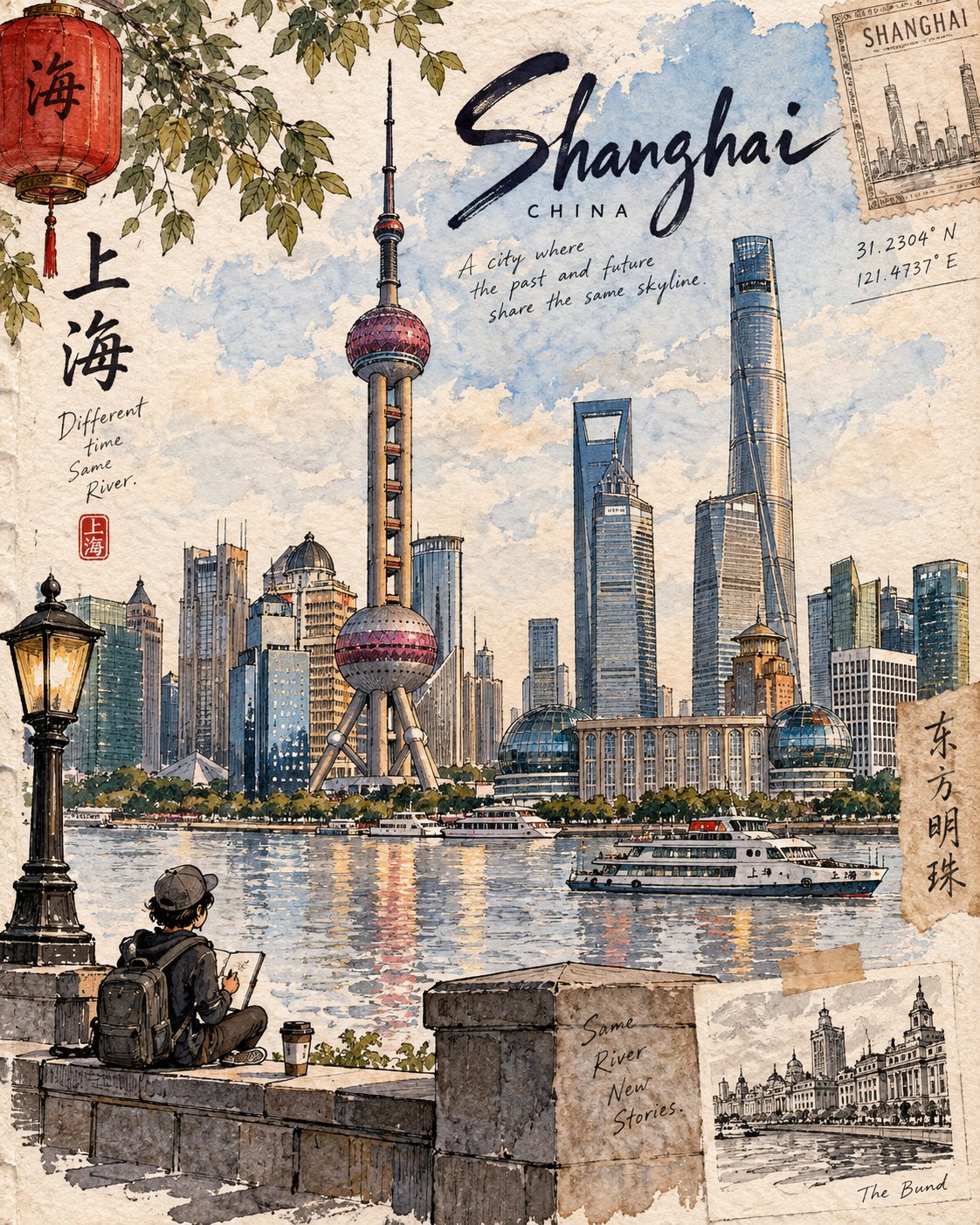
![A surreal, high-end architectural art photograph of [STRUCTURE / LANDMARK] transformed into a giant — AI image prompt — GPT Image 2.5](https://cdn.ahaprompt.app/harvest-media/import-1789740005385-zrcip5.jpg)
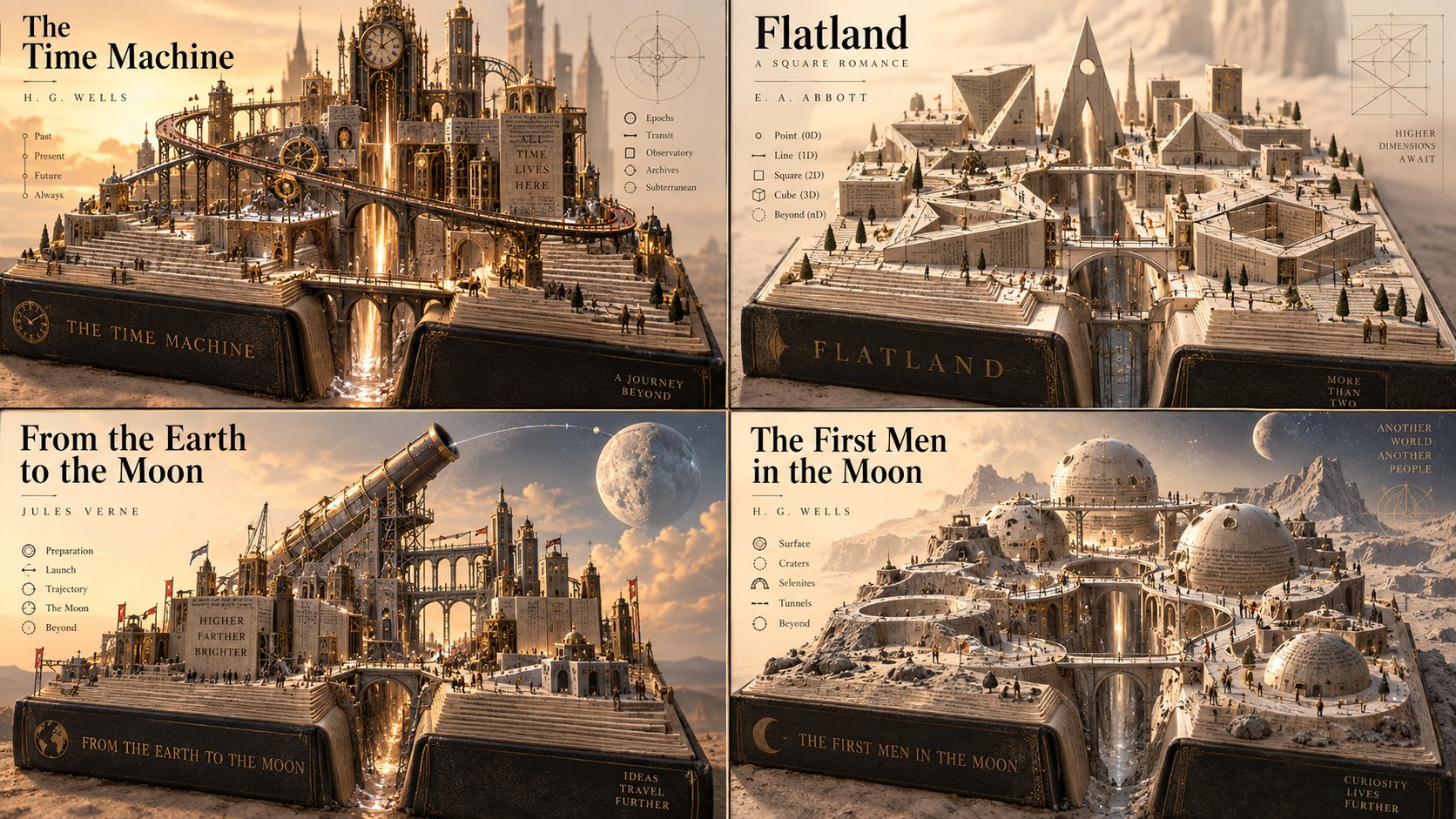
![Create a premium educational travel poster featuring [STRUCTURE NAME], one of the world’s most famou — AI image prompt — GPT Image 2.5](https://cdn.ahaprompt.app/harvest-media/import-1789369131185-x1iuzs.jpg)
![Create a stunning 4:5 vertical fine-art sketch illustration of [STRUCTURE NAME] as if it is being dr — AI image prompt — GPT Image 2.5](https://cdn.ahaprompt.app/harvest-media/import-1789369018825-vy1v3g.jpg)
![Create a minimal hand-drawn architectural artwork of [STRUCTURE] on warm ivory paper. Show the struc — AI image prompt — GPT Image 2](https://cdn.ahaprompt.app/harvest-media/import-1788917915788-y87327.jpg)
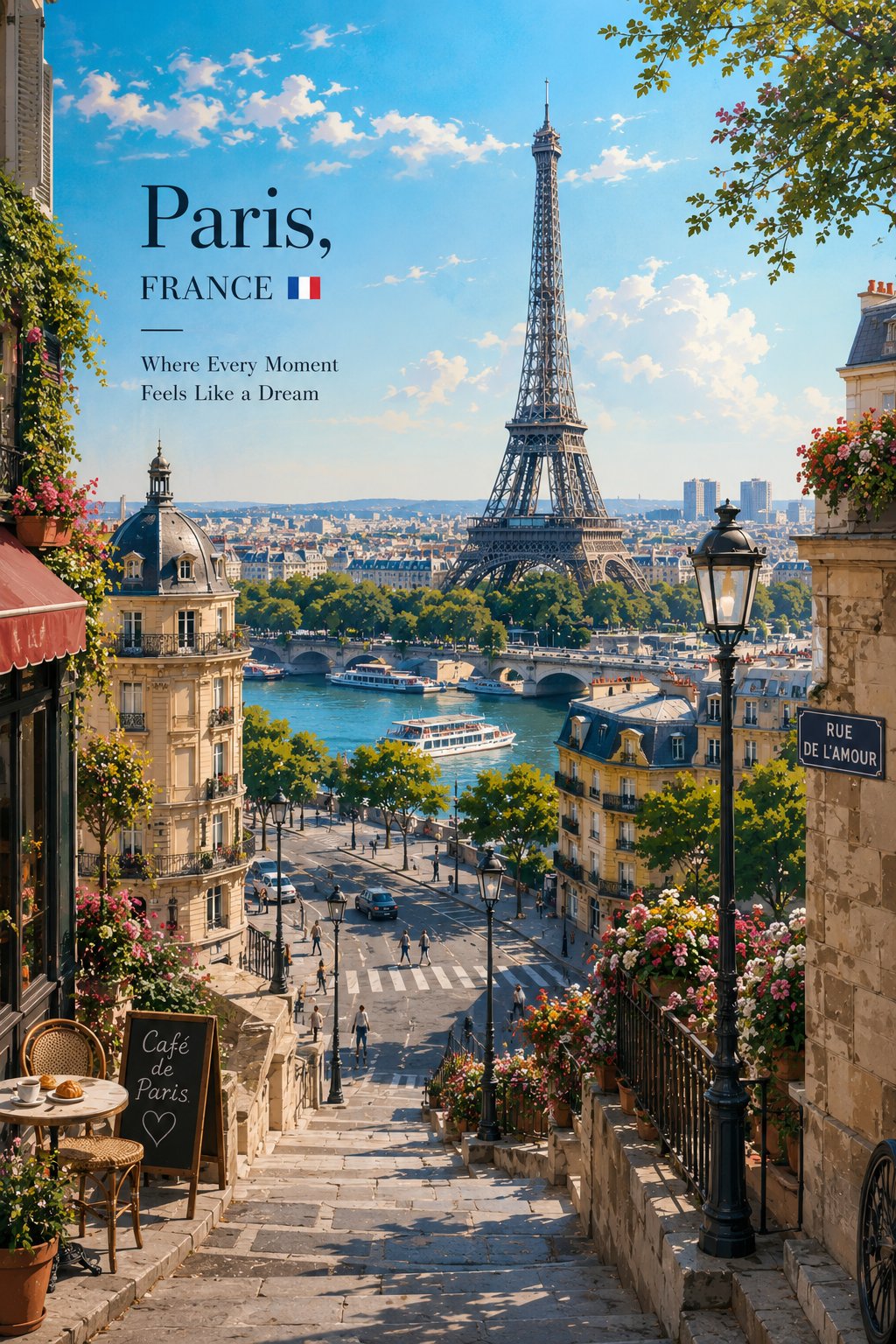
![Ultra-detailed photorealistic isometric miniature scale-model diorama of [CITY], presented as a thin — AI image prompt — GPT Image 2](https://cdn.ahaprompt.app/harvest-media/import-1787917923421-nu8x4h.jpg)