Animals Prompts
Believable animals come from naming the species precisely and describing behavior instead of poses.
About Animals prompts
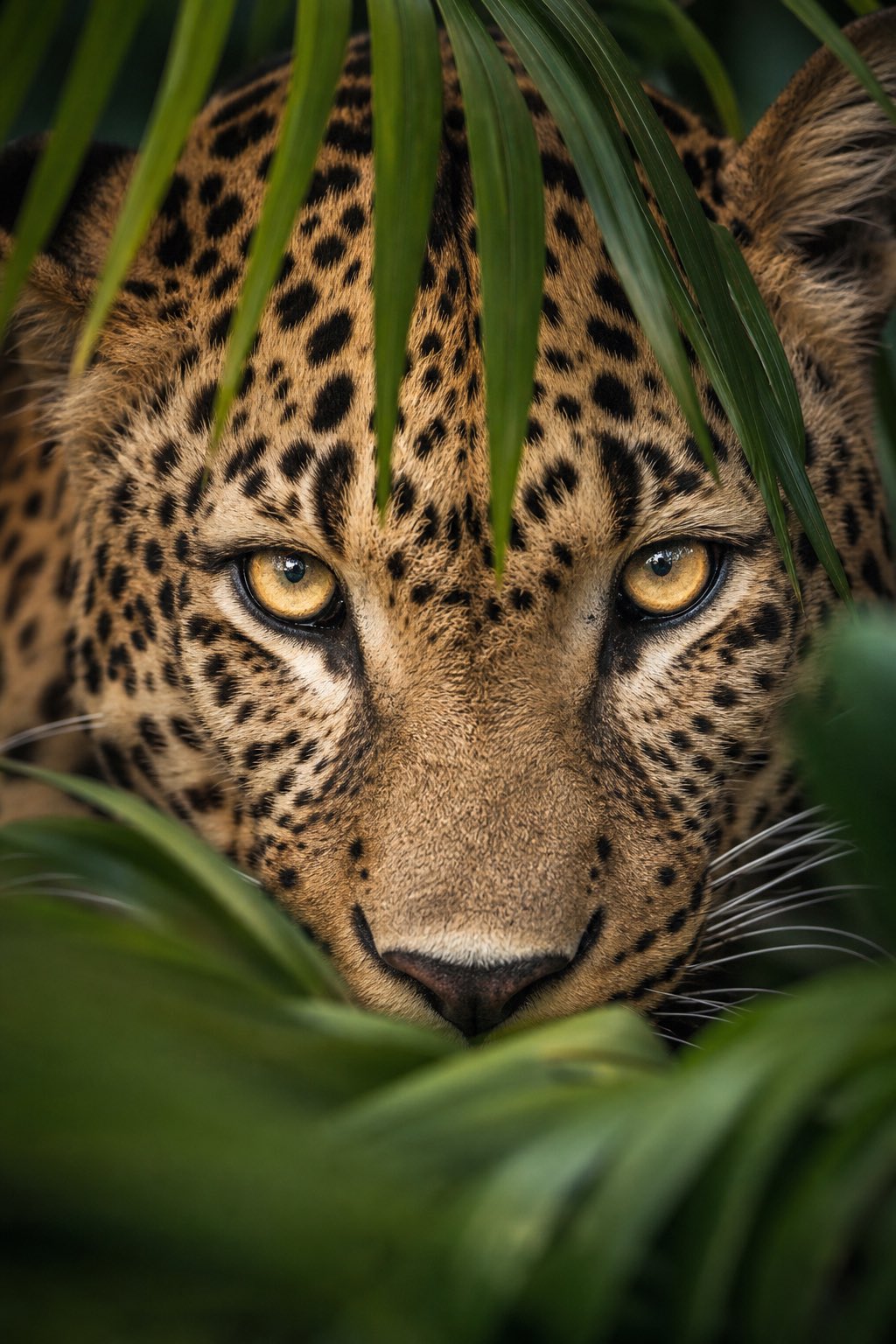
Animals are one of the easiest subjects to generate and one of the hardest to get right. Models render fur and feathers beautifully but drift on anatomy — an extra joint, eyes set slightly wrong, a tail that belongs to another species. The fix is almost always precision in the noun rather than more adjectives.
The second lever is behavior. "A fox" produces a stock portrait; "a fox mid-pounce, front paws tucked, ears pinned back" produces a photograph. Animals read as real when they are doing something their species actually does, and models know a surprising amount about species-specific behavior when you invoke it.
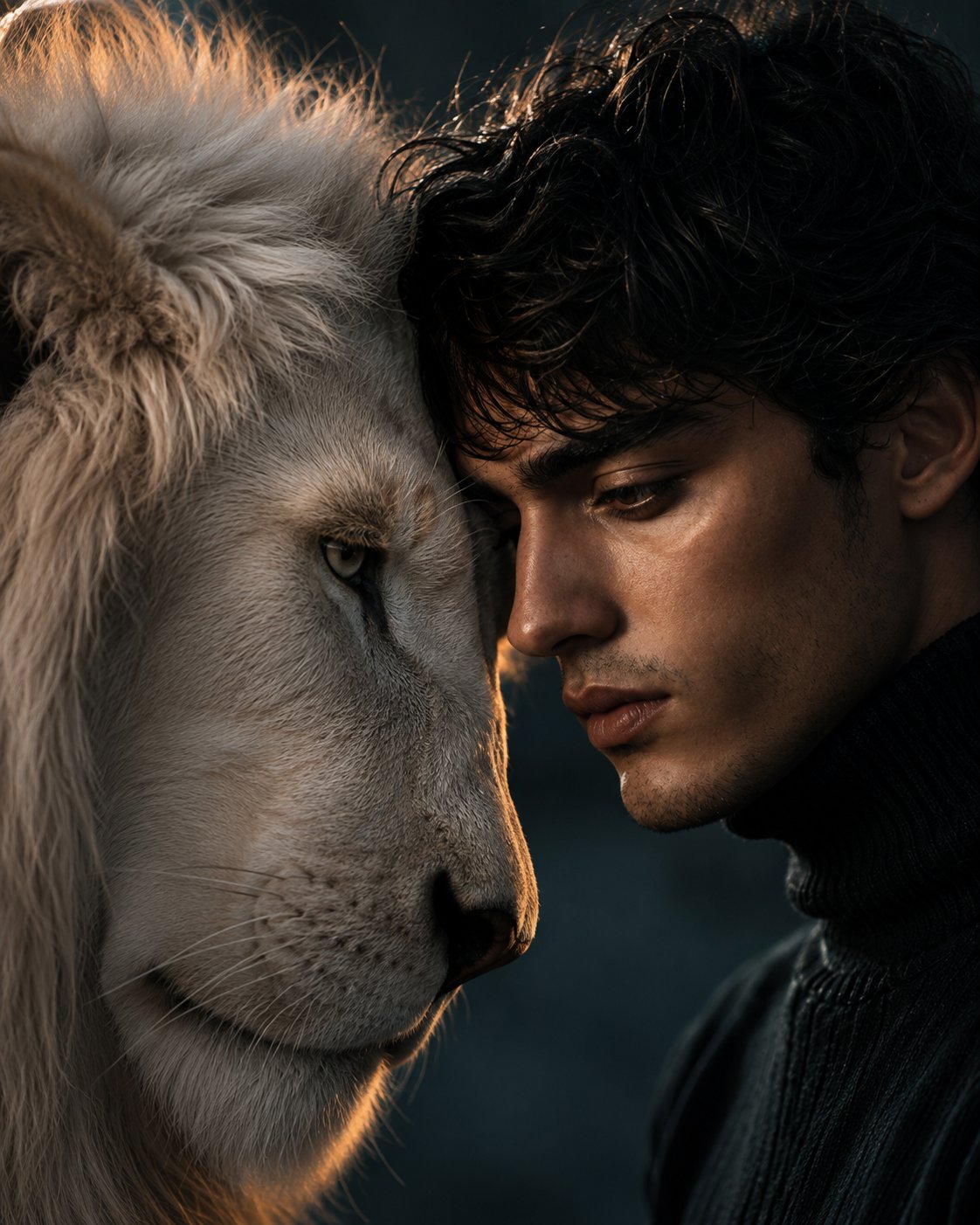
The prompts below are tested with their real outputs. Notice how many of them specify the light direction relative to the fur — backlight through fur is the single most reliable way to make a generated animal look photographed.
How to write Animals prompts
- 1Name the species exactly: "red fox", "Bengal cat", "barn owl" — not "fox", "cat", "bird". Precision in the noun fixes more anatomy errors than any quality tag.
- 2Describe a behavior, not a pose: stalking, preening, shaking off water, mid-yawn. Behavior brings correct anatomy along with it because the model has seen that specific action.
- 3Backlight the fur or feathers and say so — "low sun behind, rim light through the fur". This one lighting choice does more for realism than any amount of detail language.
- 4Fix the eyes explicitly if they matter: "sharp focus on the near eye, catchlight from the key". Eyes are where generated animals most often go uncanny, and they respond well to direct instruction.
- 5For video, keep the action small and species-appropriate — an ear flick, a slow blink, weight shifting. Large animal movement is where video models break anatomy most visibly.
Frequently asked questions
Why do AI-generated animals look slightly wrong?
Usually anatomy drift: an extra joint, misplaced eyes, or features borrowed from a related species. Naming the exact species rather than the general animal is the most effective fix, followed by describing a specific behavior the model has strong references for.
How do I make fur look real instead of painted?
Light it from behind. "Rim light through the fur, low sun behind the subject" gives the individual hairs something to catch, which is what separates photographic fur from rendered fur. Adding "detailed fur" without a light source rarely helps.
What works best for animal video prompts?
Small, species-typical motion: an ear flick, a slow blink, a head turn, breathing. Video models keep anatomy stable through subtle movement and tend to distort it during large actions like running or jumping.






![Create a premium 4:5 vertical playful editorial illustration for [COUNTRY / LOCATION / SUBJECT].
TE — AI image prompt — GPT Image 2.5](https://cdn.ahaprompt.app/harvest-media/import-1790741078753-frfqwt.jpg)