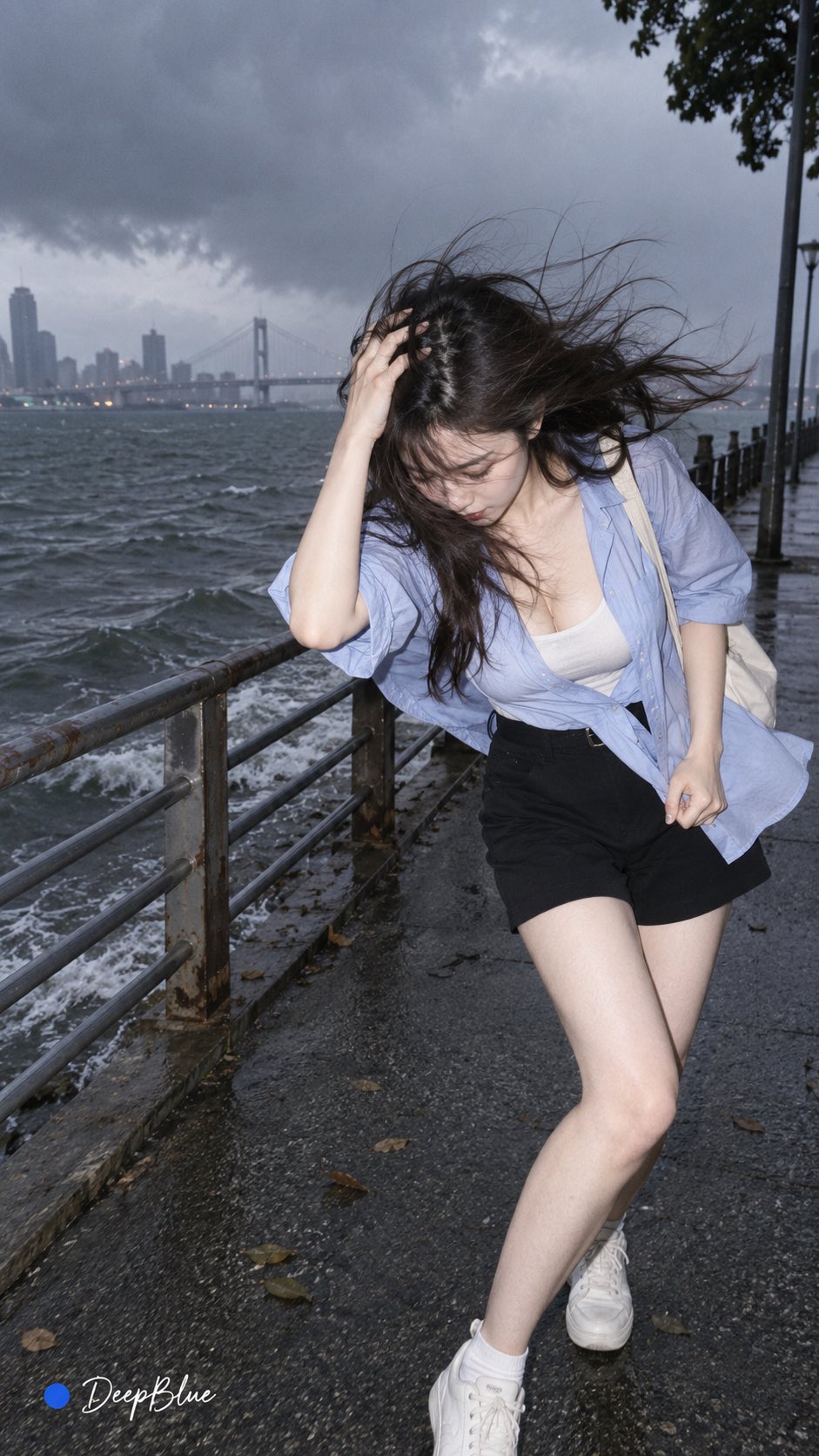
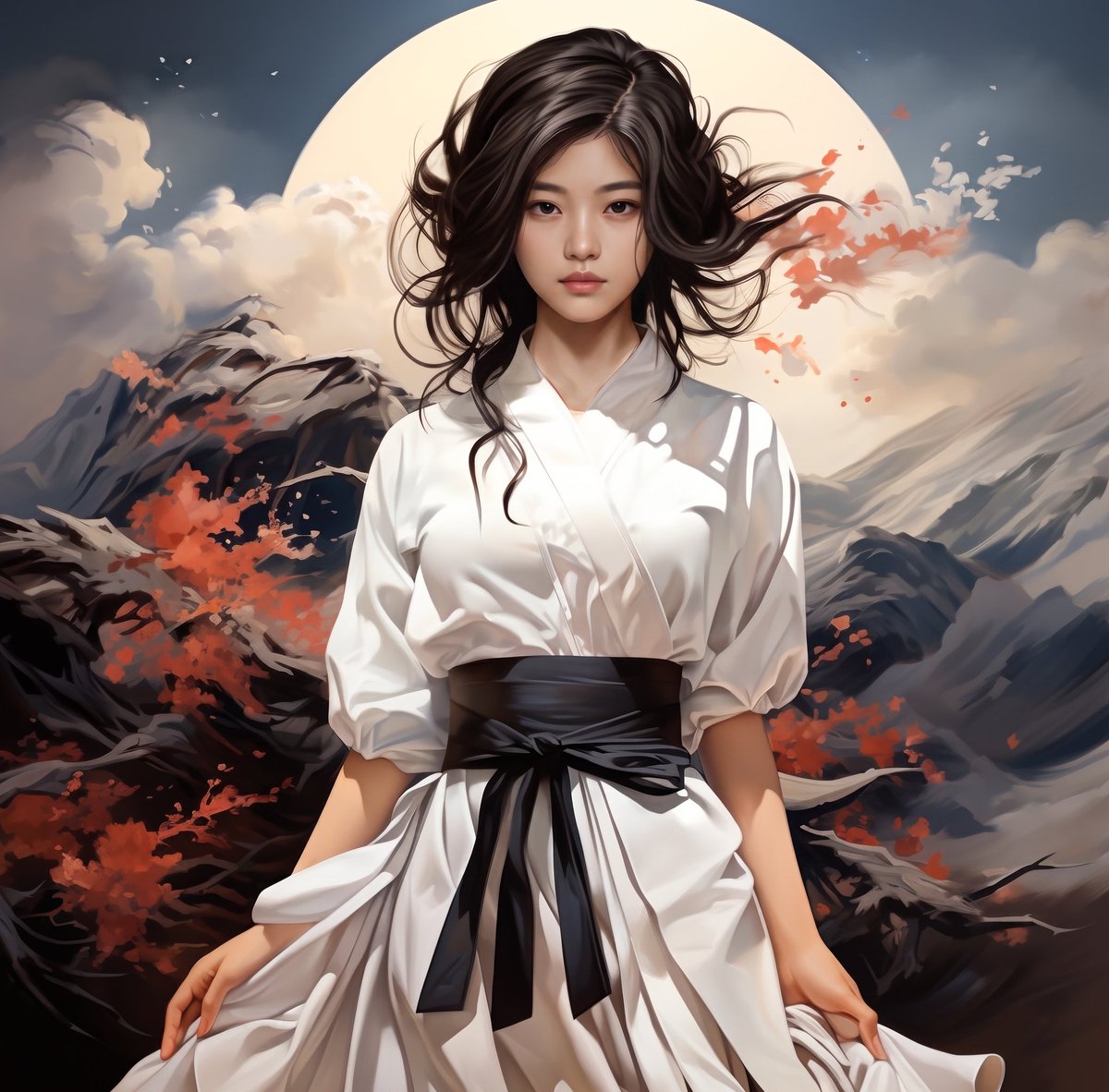
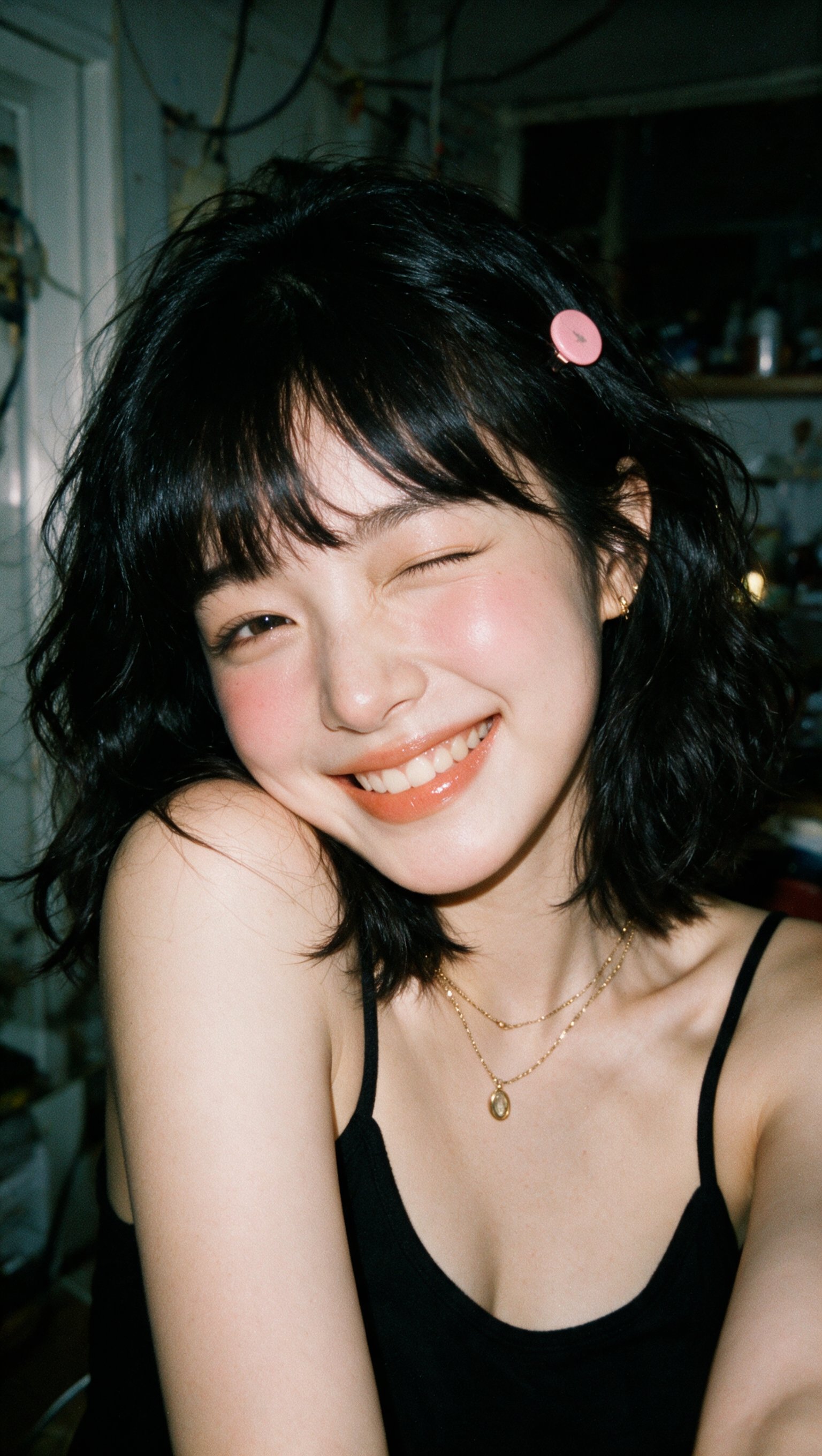
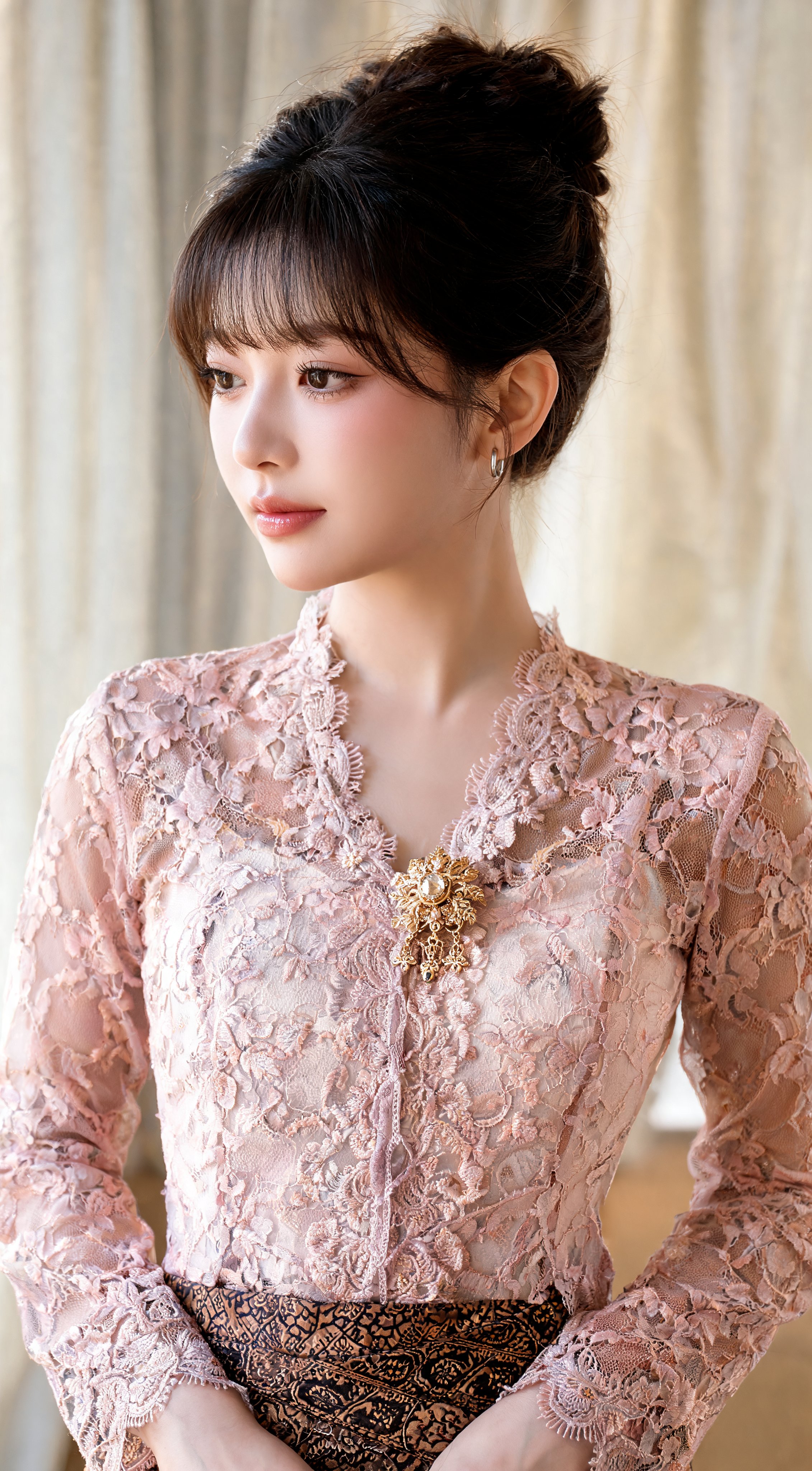
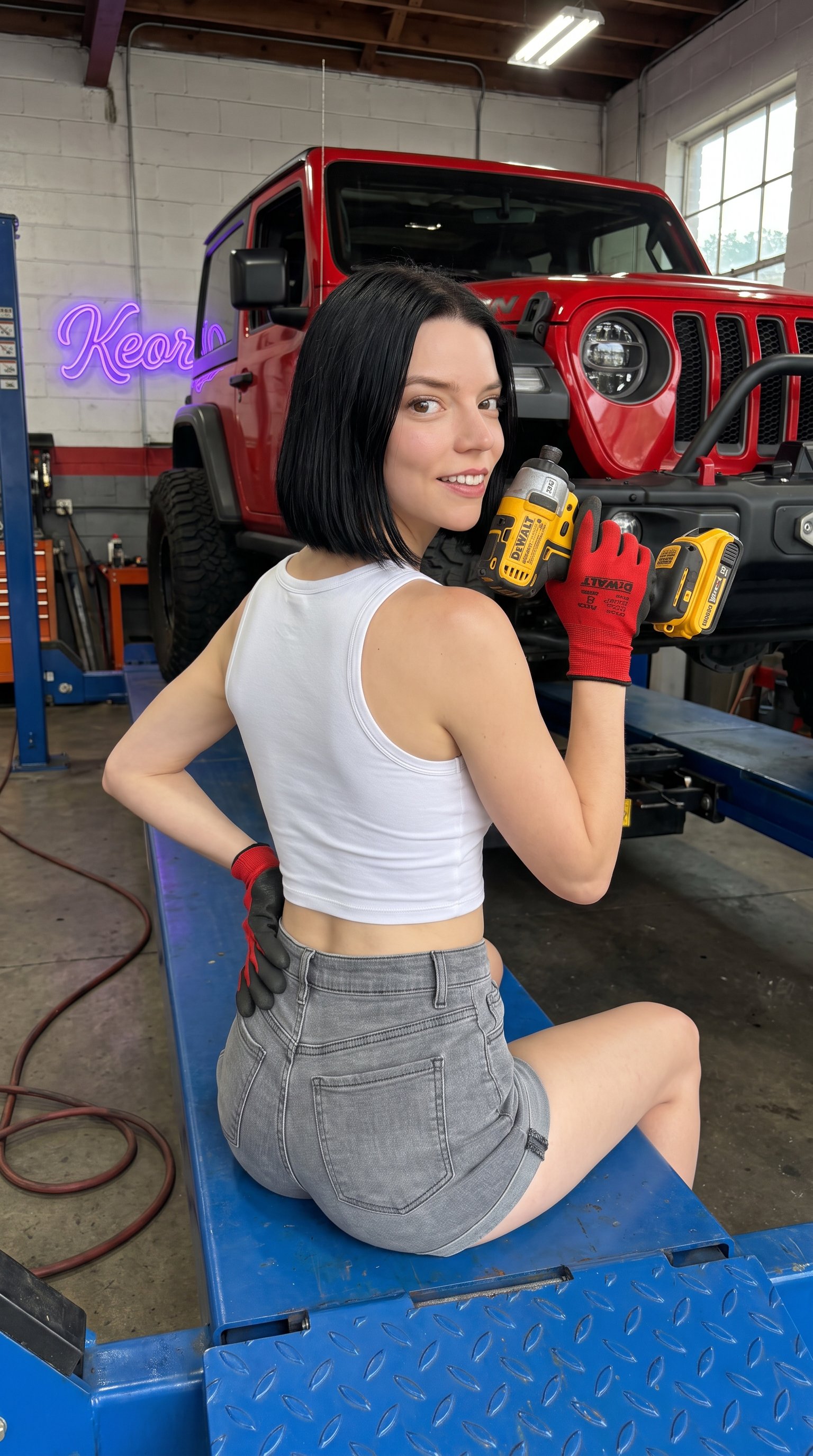
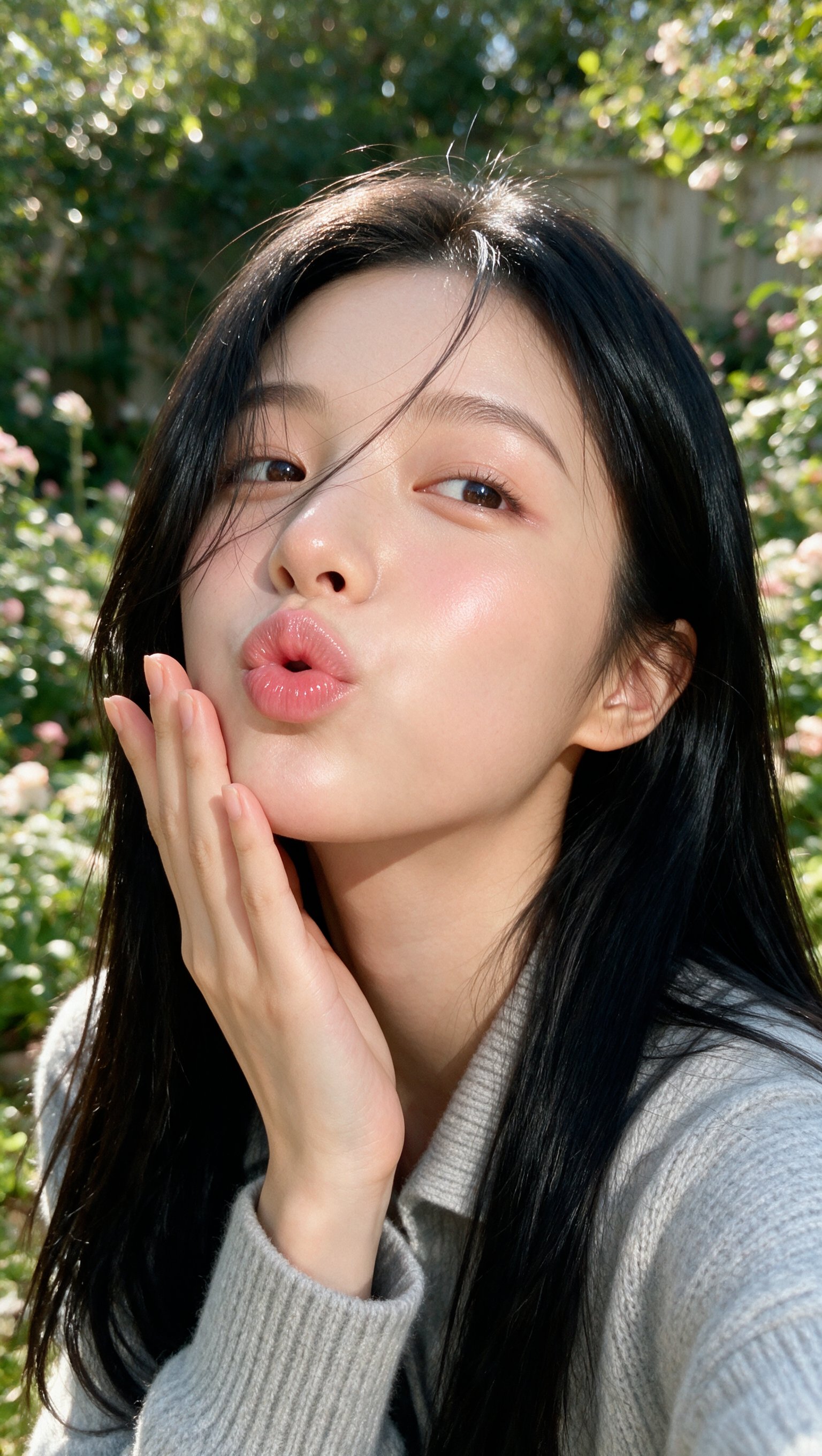
Character Prompts
A character is a readable silhouette plus one detail that implies a life. Everything else is decoration.
About Character prompts
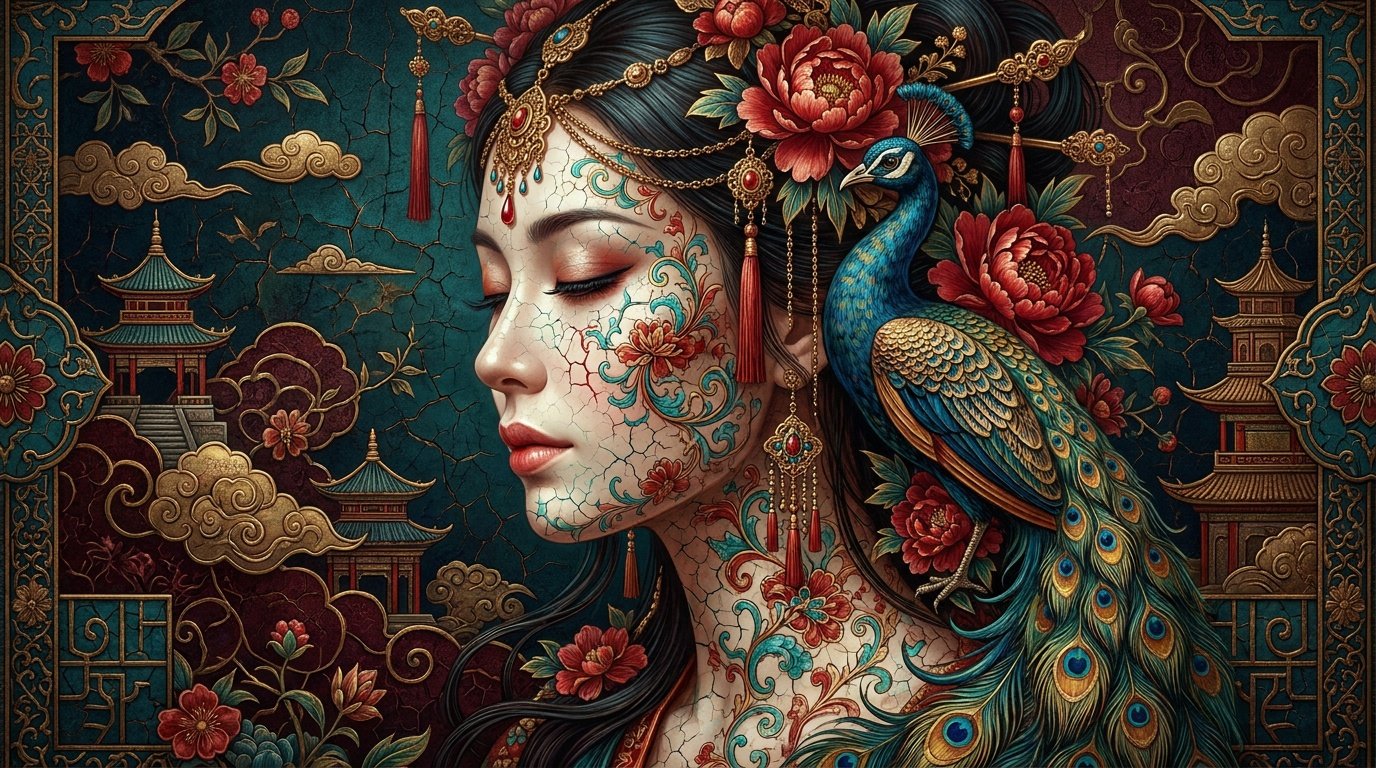
Character prompts fail in a predictable way: people add accessories until the description is a shopping list, and the model returns someone wearing all of it and meaning none of it. Strong character design works the opposite direction — establish a silhouette that reads at thumbnail size, then add a single specific detail that implies history.
The silhouette is what makes a character recognizable, and it is almost never mentioned in prompts. Broad shoulders and a narrow waist, a hunched profile, an unusually long coat — these shape decisions survive any rendering style. A well-chosen prop or piece of wear does the rest: a mended sleeve says more about a person than five adjectives about their personality.
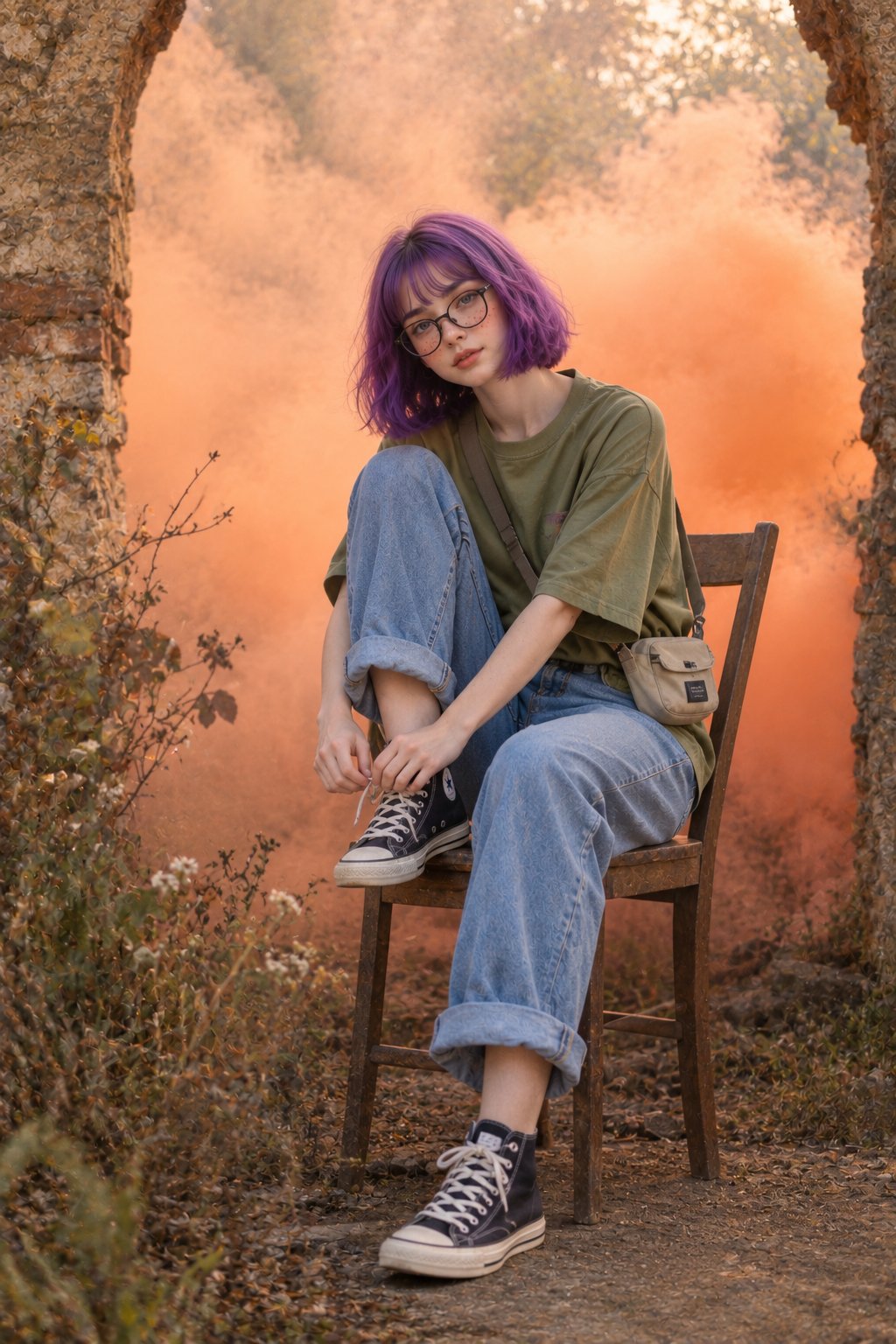
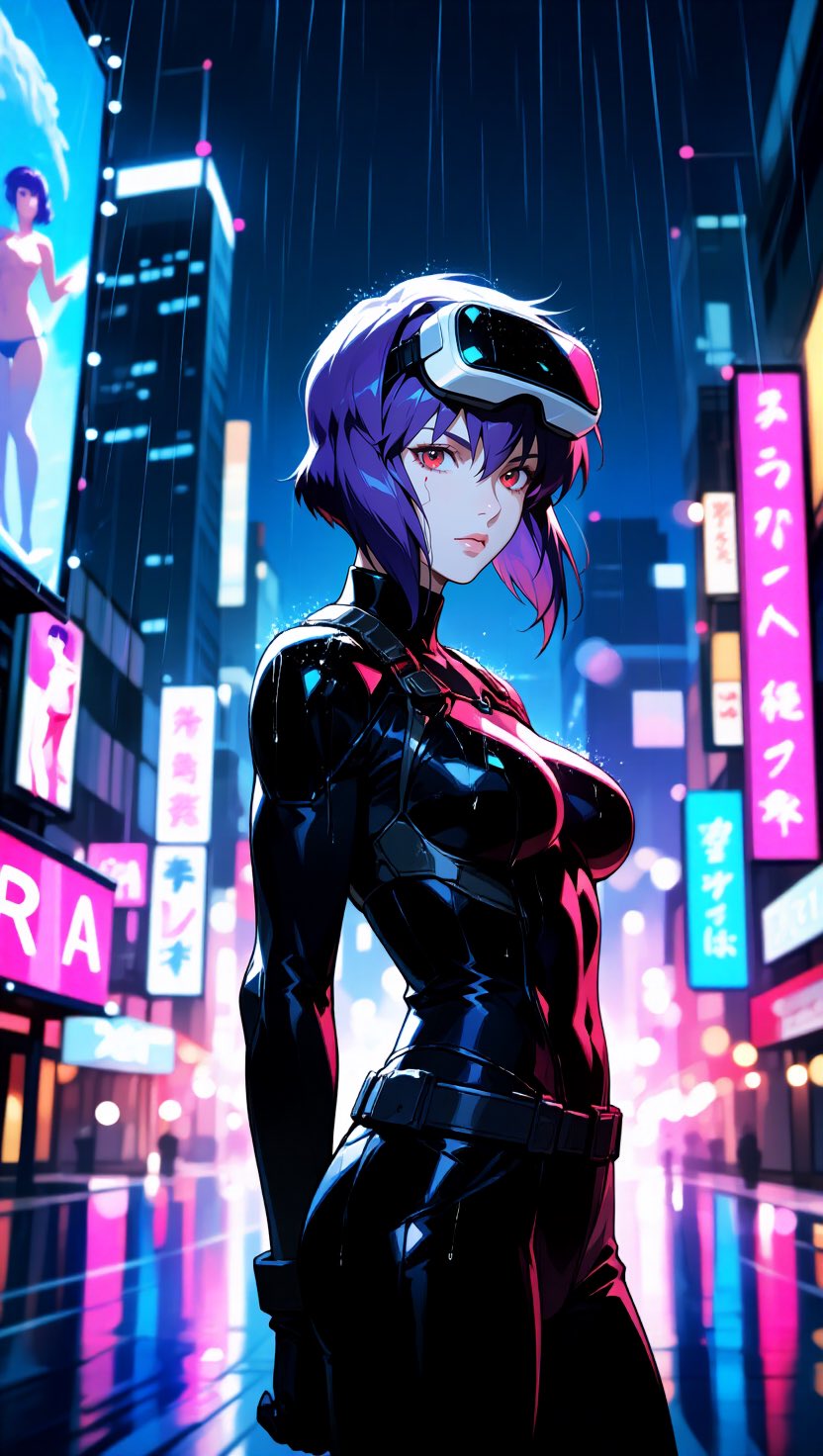
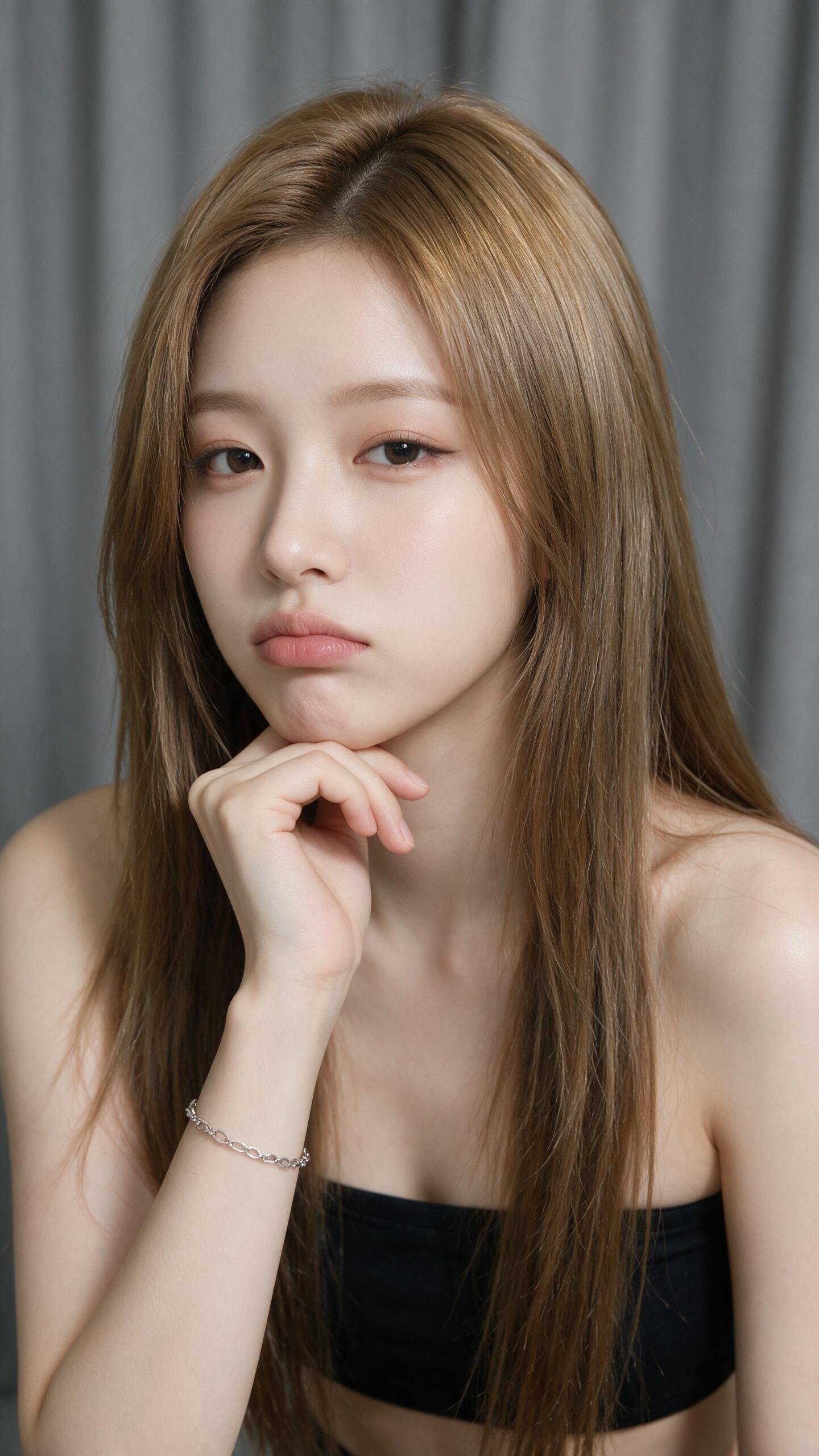
The prompts here are tested with their real outputs. Read them for what they leave out — the memorable ones usually describe fewer items than you would expect, and describe them more precisely.
How to write Character prompts
- 1Describe the silhouette first: proportions, posture, and one distinctive shape. "Tall, narrow, long coat past the knees, shoulders slightly hunched" is a character before any detail is added.
- 2Pick exactly one telling detail and make it specific — a mended sleeve, mismatched gloves, a tool worn smooth at the grip. One earned detail beats five invented ones.
- 3Give the face a state rather than a beauty rating: tired, wary, mid-laugh, distracted. Expression carries characterization; "beautiful face" carries nothing.
- 4For a consistent character across generations, fix three unchanging attributes and repeat them verbatim in every prompt — the same hair description, the same garment, the same one prop. Vary everything else freely.
- 5State the framing and what it reveals: full body for silhouette and costume, waist-up for expression and prop. Trying to get both in one image usually loses both.
Frequently asked questions
How do I keep a character consistent across multiple images?
Lock three attributes and repeat them word for word in every prompt — typically hair, one garment, and one prop. Consistency comes from repeated exact phrasing far more than from long descriptions, and any attribute you paraphrase will drift.
Why do my character prompts produce generic-looking people?
Usually too many accessories and no silhouette. Models average across everything you list, so a long inventory produces a mannequin wearing items. Describe the shape first, then add one specific detail that implies a history.
What framing works best for character design prompts?
Full body when the silhouette and costume are the point; waist-up when expression and a held prop matter more. Deciding this explicitly avoids the common failure where the model splits the difference and delivers neither clearly.

![Create a premium 4:5 vertical playful editorial illustration for [COUNTRY / LOCATION / SUBJECT].
TE — AI image prompt — GPT Image 2.5](https://cdn.ahaprompt.app/harvest-media/import-1790741078753-frfqwt.jpg)