Historical Prompts
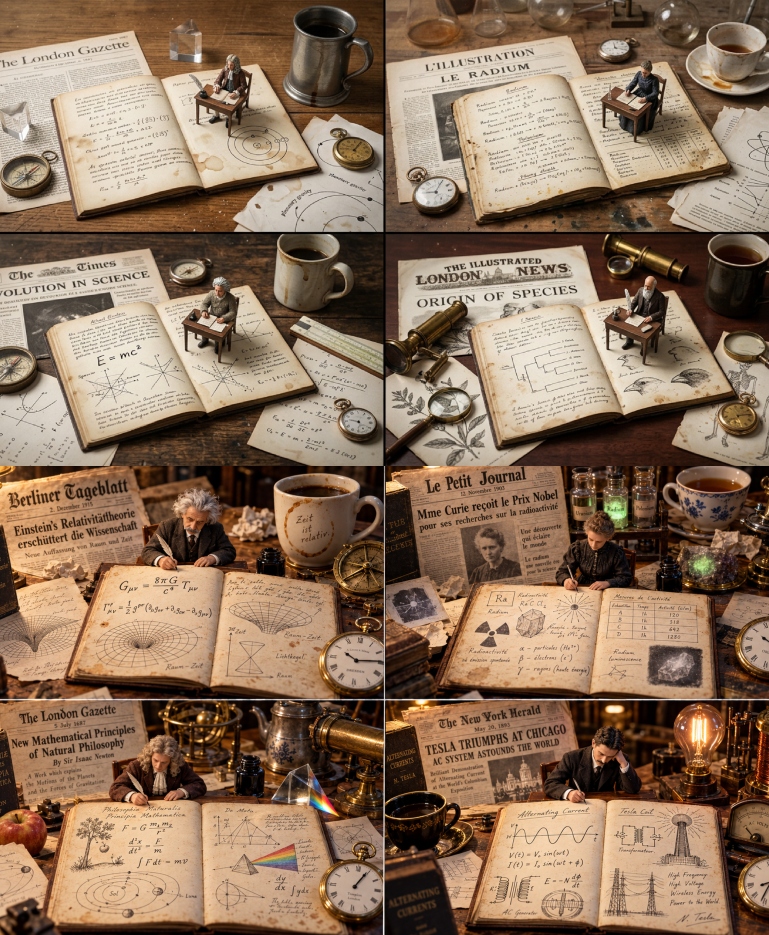
A period look isn't a sepia filter — it's a bill of materials: grain, fabric, props, and nothing from the wrong decade.
About Historical prompts
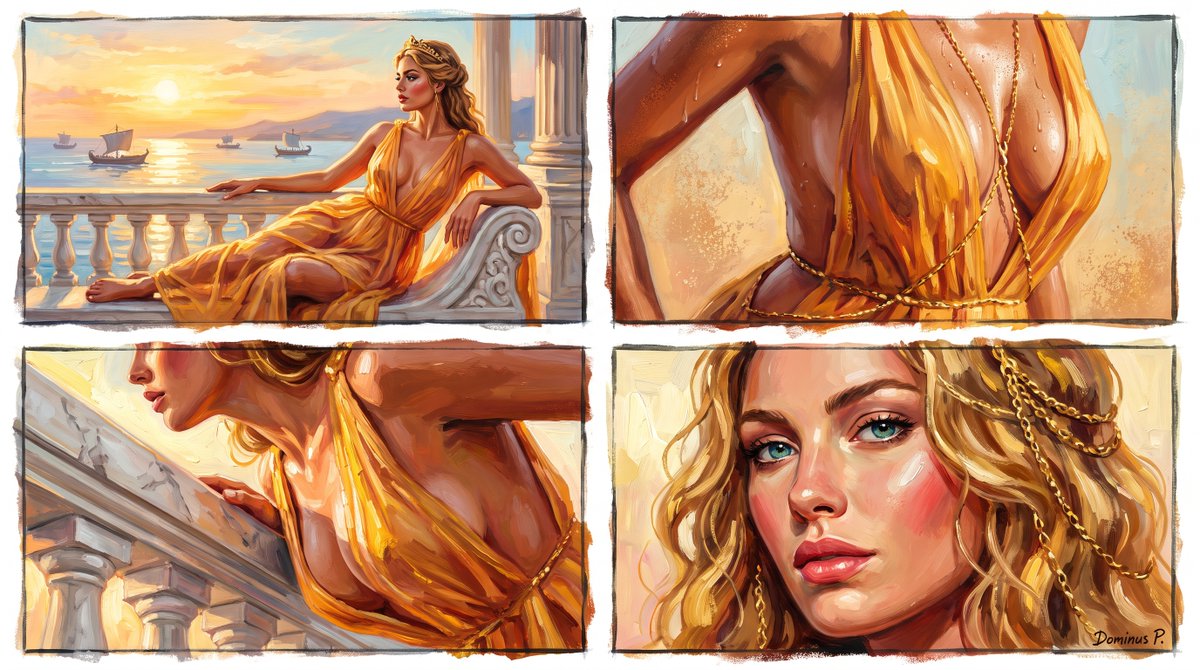
Generated history fails at the edges. The scene says 1920s, but the buttons are plastic, the streetlights are modern, and someone's collar belongs to a mall. Models know what eras look like in posters — flappers, knights, samurai — but they don't police the hundred small objects that betray the year. That policing is the prompt's job.
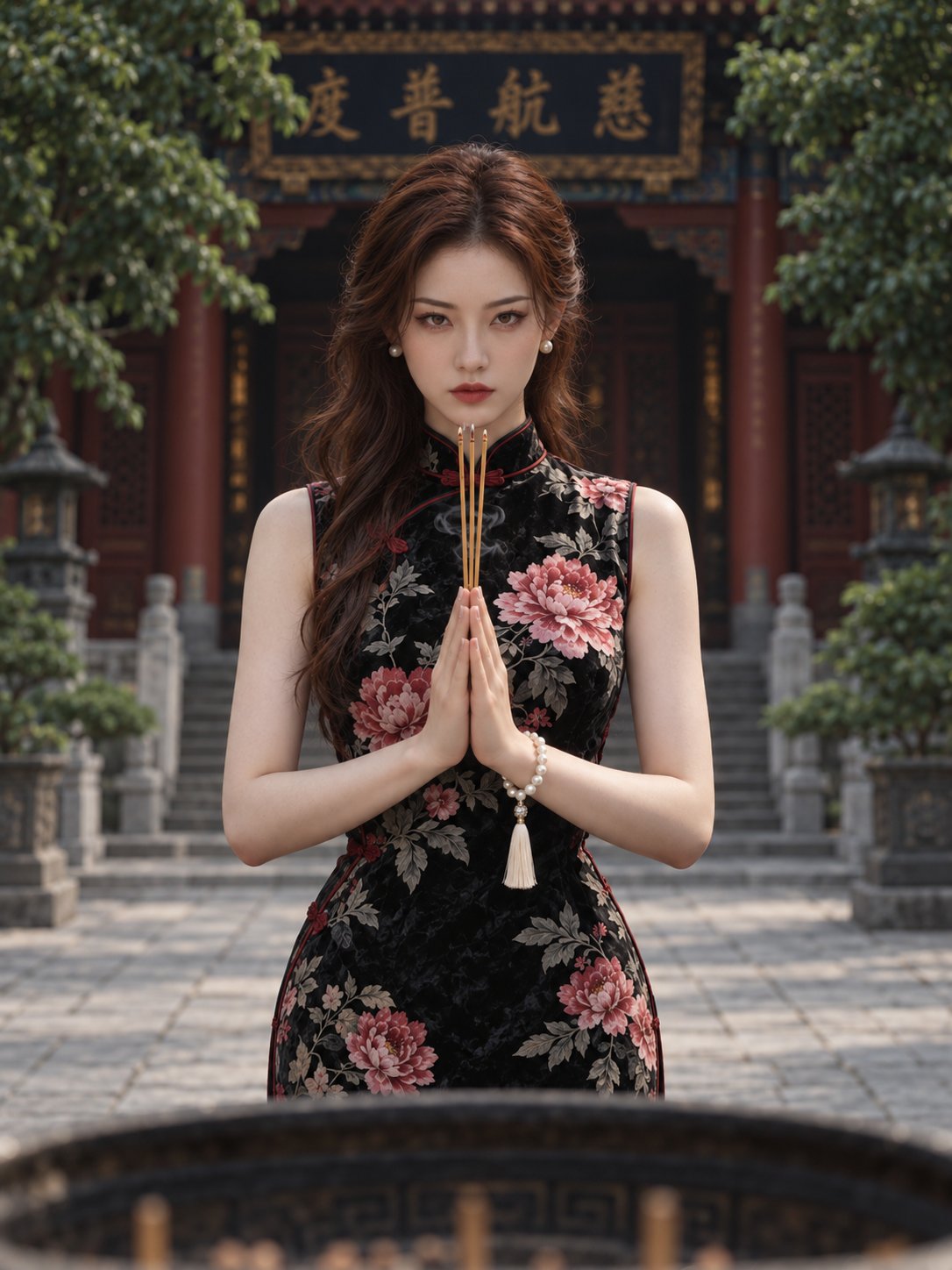
The working method is a material list, not a mood. Instead of "Victorian atmosphere", list what the era is made of: oil lamps and their orange falloff, wool and linen with visible weave, unpainted wood, horse-drawn traffic, paper instead of plastic. Each named material is one less anachronism the model can invent.
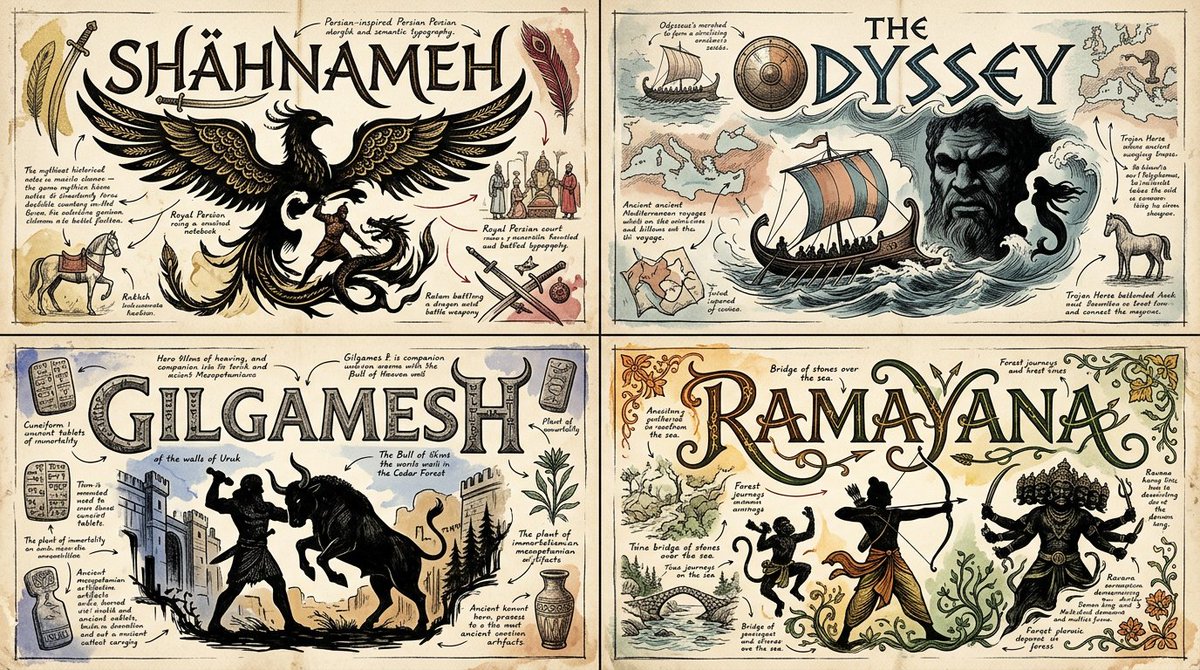
For video, add the era's recording medium as a second layer. Historical documentary prompts work twice — the period being shown and the period it was 'filmed' in. "16mm film grain, slightly soft focus, archival footage" frames the scene as found footage, which both hides generation artifacts and reads instantly as the past. The prompts below are tested with their real outputs.
How to write Historical prompts
- 1Replace era adjectives with material nouns: not "medieval feel" but "rough-spun wool, candlelight, stone floors, iron hinges". Adjectives are wishes; nouns are instructions.
- 2Ban the future explicitly: "no modern objects, no plastic, no synthetic fabric". Models insert contemporary details by default — the negative prompt is the era's border control.
- 3Name the recording medium for video: "16mm film grain", "archival footage", "slightly soft focus, gate weave". The medium sells the era harder than any costume.
- 4Anchor the year with one famous texture: "wet cobblestones and gaslight" for Victorian London, "dust and linen" for the ancient world. One dense, era-correct texture beats a paragraph of description.
- 5Keep faces and hands era-consistent too: "weathered hands", "unstyled hair", "no modern makeup". A perfect 1800s street with a 2020s blowout haircut breaks the spell at first glance.
Frequently asked questions
Why does my historical scene still look modern?
Because era adjectives don't exclude anything. Switch to a material list — what everything is made of — and add an explicit ban on modern objects, plastic, and synthetic fabric. The model fills gaps with the present unless you close them.
How do I make AI video look like real archival footage?
Prompt the medium, not just the scene: "16mm film grain, gate weave, slightly soft focus, archival footage". Generation artifacts that would look wrong in a clean render read as authentic damage inside a film-stock frame.
Which single detail sells a historical era fastest?
Light sources. Candles and oil lamps, gaslight, bare bulbs — each era has its own light color and falloff, and viewers read it instantly. Get the light right and the audience forgives the rest; get it wrong and no costume saves the scene.