LogoAhaPrompt
  • Prompts
  • Featured
  • Models
  • Submit
  • Blog
AhaPromptAhaPrompt

AI Prompts for Images, Video & Audio — Every Model, One Library

Built withLogoNEXTY.DEV
Explore
  • All Prompts
  • Featured Prompts
  • Image Prompts
  • Video Prompts
  • Audio Prompts
  • AI Models
  • Submit a Prompt
  • Blog
Languages
  • English
  • 中文
  • 日本語
  • 한국어

Copyright © 2026 AhaPrompt All rights reserved.

Privacy PolicyTerms of Service
HomeAI Prompt LibraryAI Image Prompts3D Paper Quilling Landmark Artwork
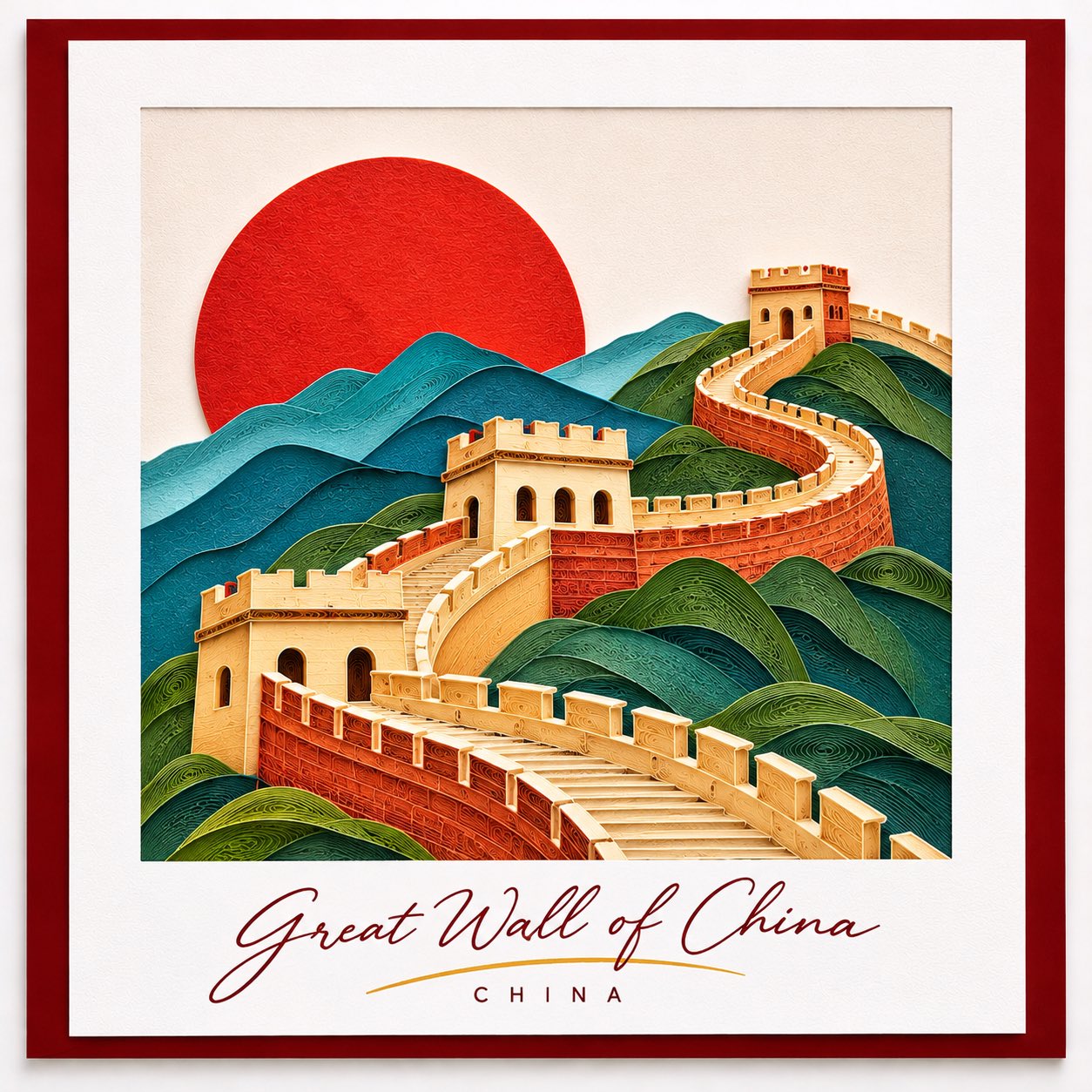
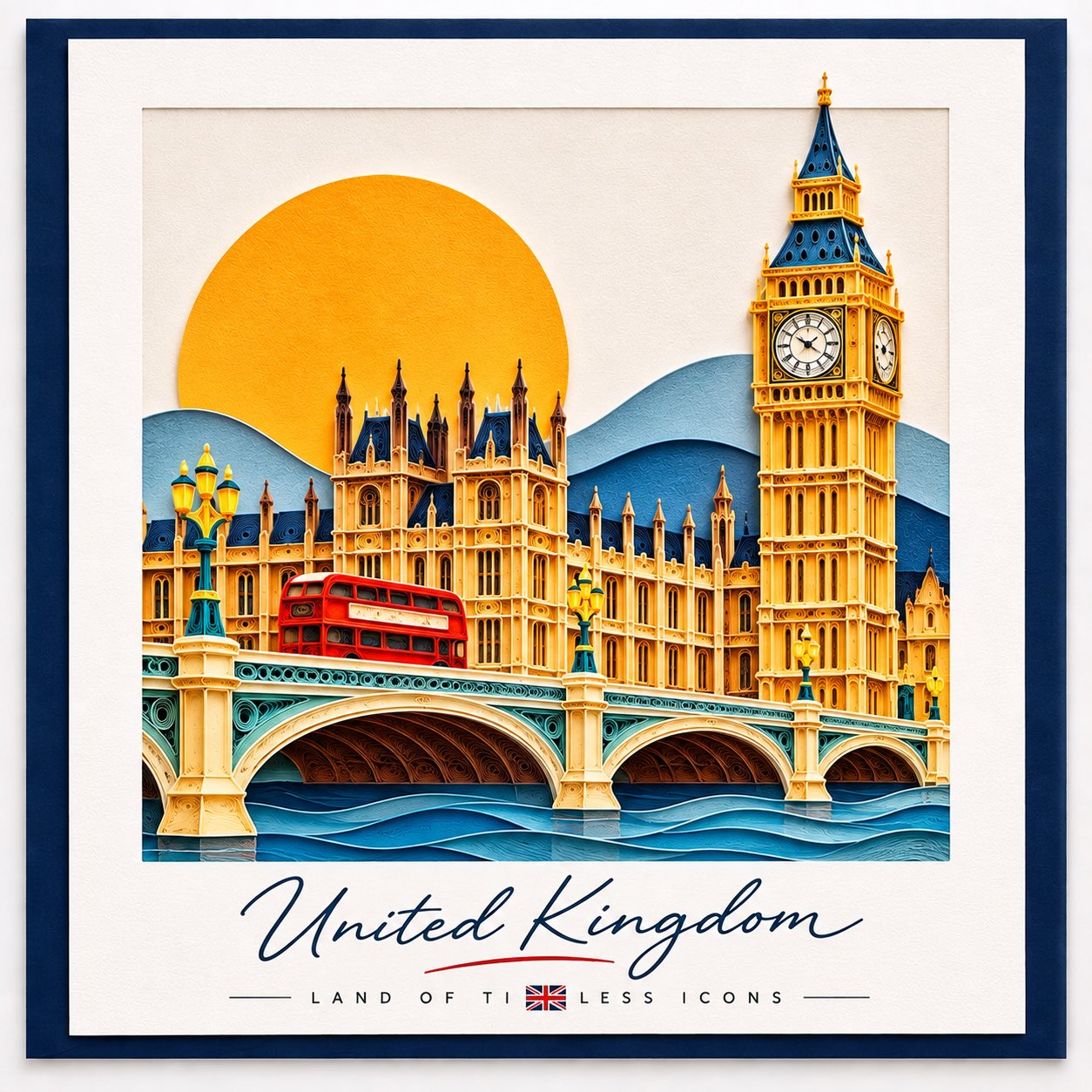
3D Paper Quilling Landmark Artwork — AI image prompt — GPT Image 2.6 — Architecture, 3D Render, Minimalist - 1

3D Paper Quilling Landmark Artwork — AI image prompt — GPT Image 2.6 — Architecture, 3D Render, Minimalist - 2
3D Paper Quilling Landmark Artwork — AI image prompt — GPT Image 2.6 — Architecture, 3D Render, Minimalist - 3
3D Paper Quilling Landmark Artwork — AI image prompt — GPT Image 2.6 — Architecture, 3D Render, Minimalist - 4

3D Paper Quilling Landmark Artwork

OpenAIGPT Image 2.6OpenAIimage

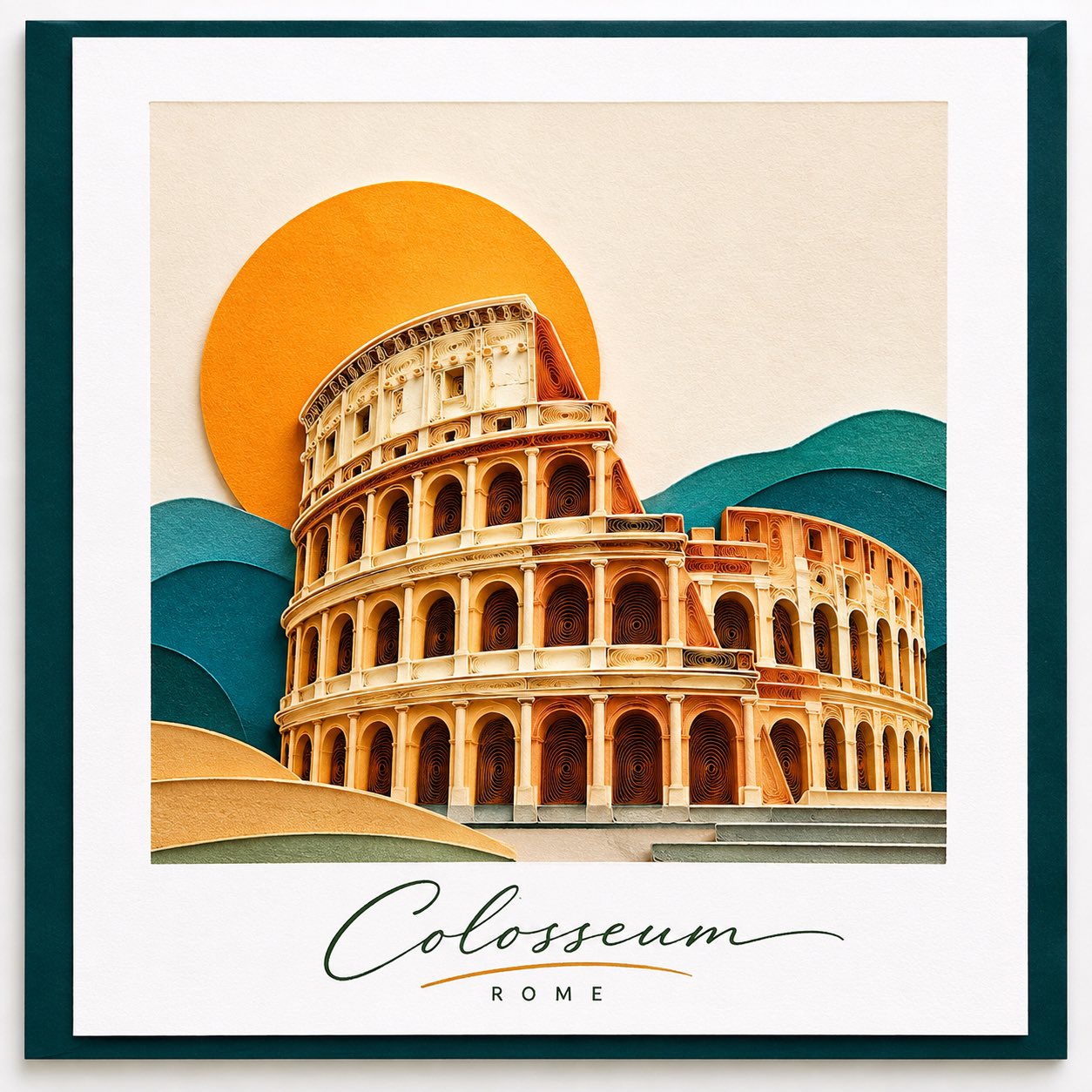
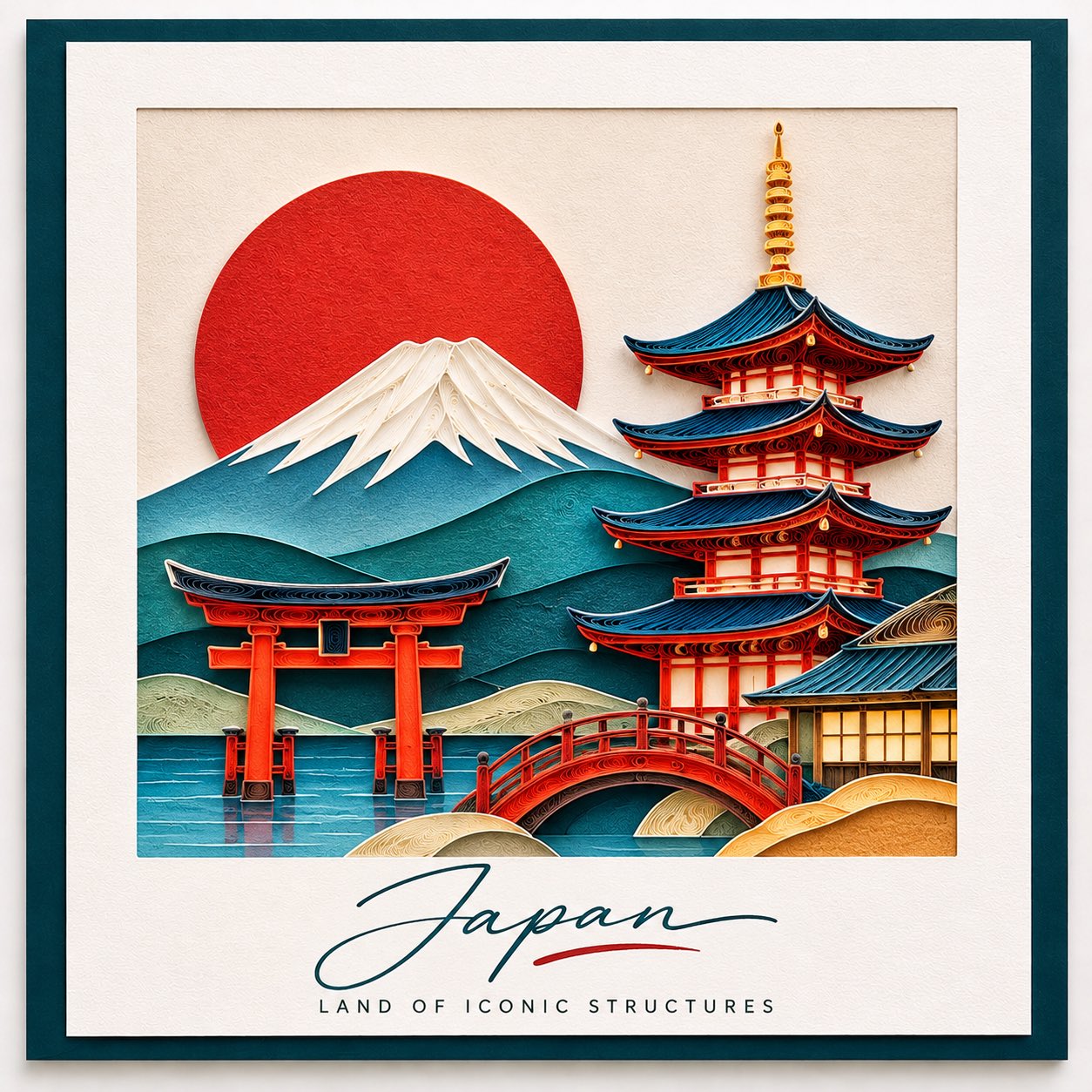
Create an exceptionally beautiful, sophisticated 3D paper-quilling architectural artwork featuring [LANDMARK NAME], [CITY], [COUNTRY], inspired by the reference image. 1. CENTRAL LANDMARK Feature one iconic landmark as the dominant subject. Preserve its authentic architectural silhouette and recognisable details. Recreate the architecture using intricate rolled-paper strips, delicate paper coils and carefully arranged quilled shapes. Give the structure beautiful raised, sculptural dimensions. Make the landmark appear handcrafted from individually shaped and assembled paper. 2. MINIMALIST GEOMETRIC LANDSCAPE Surround the landmark with a simple, elegant abstract landscape. Large circular sun or moon behind the architecture. Layered geometric mountains and hills. Simple curved foreground shapes. Minimal architectural platforms or steps. Clean overlapping paper layers. No unnecessary decorative elements. Keep the landscape flat and geometric while making the landmark richly detailed through paper quilling. 3. SIGNATURE PAPER-QUILLING TECHNIQUE This is the defining feature. Intricately rolled and curled paper strips. Fine spiral coils and delicate loops. Precisely arranged parallel paper lines. Raised paper edges and visible thickness. Beautifully sculpted architectural curves. Realistic miniature paper craftsmanship. Subtle natural shadows between individual paper pieces. The quilling should be most detailed on the landmark, while the surrounding landscape remains clean and minimal. 4. UNIQUE COLOUR IDENTITY Choose a completely different colour palette for every destination. Use 4–6 coordinated colours inspired by the landmark’s architecture, culture and surroundings. Change the colours of: Landmark paper coils. Background sun. Geometric mountains. Foreground landscape. Supporting paper details. Avoid repeating colour combinations across destinations. 5. PRESENTATION AND LAYOUT Square or near-square central artwork. Soft, pale neutral background. Generous white space around the composition. Elegant white mounting paper. Deep navy or destination-inspired contrasting outer mat. Realistic soft shadows. Professional gallery-style presentation. Front-facing, perfectly balanced composition. 6. HANDWRITTEN TYPOGRAPHY Write the actual landmark name beneath the artwork. [LANDMARK NAME] Use a beautiful, natural handwritten script font, as though the name has been personally written by an artist with a fine calligraphy pen. Keep the lettering elegant, slightly flowing and artistic. Do not use bold block letters or mechanical typography. 7. FINAL ART DIRECTION Premium handmade paper-quilling artwork, minimalist architectural illustration, geometric landscape design, intricate paper sculpture, tactile cardstock texture and sophisticated gallery presentation. The result should look like a real handcrafted paper artwork photographed in a professional art studio. No photographic architecture, no plastic 3D appearance, no flowers, no unnecessary leaves, no watermark, no extra text.

Details
Type
AI Image Prompts
Aspect Ratio
1:1
Updated
Nov 17, 2026
Category
Architecture3D RenderMinimalist
Source

How to use this prompt

  1. 1Copy the full prompt with the copy button above.
  2. 2Open GPT Image 2.6 by OpenAI, or any image generator with a similar style range.
  3. 3Paste the prompt, then swap the subject and style keywords to match your idea.
  4. 4Match the example's settings (1:1 · Architecture · 3D Render · Minimalist), then iterate — small wording changes shift the output a lot.

Frequently asked questions

Which AI model generated this image?

This image was generated with GPT Image 2.6 by OpenAI. The prompt on this page is the exact text used to create it.

What settings does this prompt use?

The example was generated with GPT Image 2.6 using: 1:1 · Architecture · 3D Render · Minimalist. Reusing these settings gives the closest match.

How do I get similar results?

Copy the prompt as-is first, then replace only the subject while keeping the style, lighting, and composition keywords. Generate a few variations — outputs differ between runs.

Can I modify this prompt?

Yes. Prompts work best as starting points — adjust descriptors, aspect ratio, or style tags to make the output your own.
More GPT Image 2.6 prompts

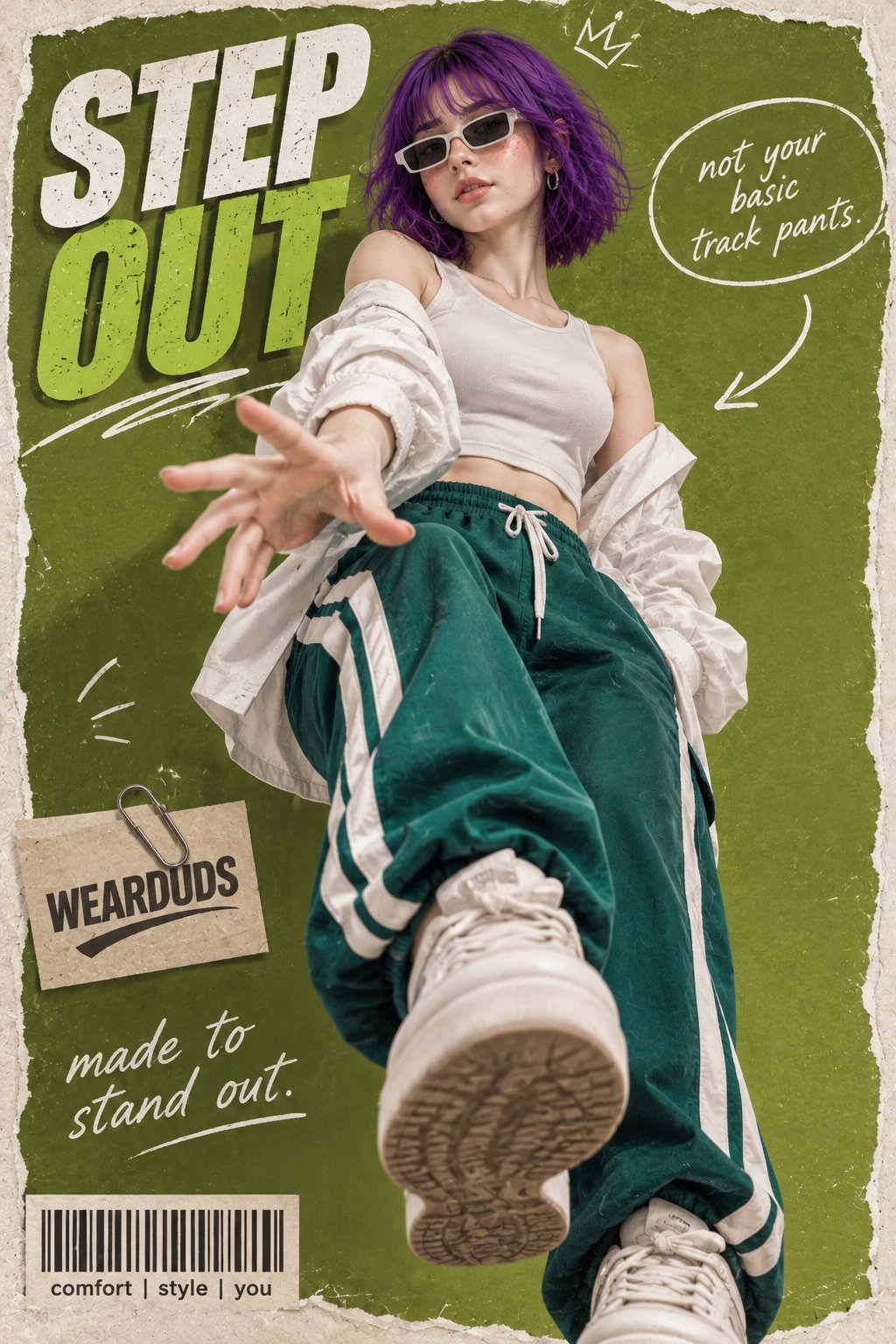
Create a hyper-realistic 3D pop-out fashion poster featuring the same young adult female character f — AI image prompt — GPT Image 2.6
OpenAIGPT Image 2.6
Create a hyper-realistic 3D pop-out fashion poster featuring the same young adult female character from the reference image, preserving her signature vivid violet-purple chin-length bob with soft straight bangs, fair porcelain skin, natural freckles across her nose and cheeks, hazel/light-brown almond-shaped eyes, delicate facial features, glossy lips, and slim physique. Show her breaking out of a magazine poster frame in a dynamic low-angle full-body pose. One arm reaches forward toward the camera with an open hand while one leg is lifted prominently toward the viewer, creating an impressive 3D perspective effect. She wears a white crop top, an oversized white shirt loosely falling off her shoulders, high-waisted teal-green track pants with thick white side stripes, chunky white platform sneakers, slim white-framed retro sunglasses, and small hoop earrings. The background features a bright olive-green textured poster design with torn-paper edges and bold typography reading "STEP OUT" in large white and green letters. Add a handwritten speech bubble saying "not your basic track pants." with an arrow, a paperclip-pinned brand label reading "WEARDUDS", and the tagline "made to stand out." alongside a barcode graphic and the text "comfort | style | you". Use bright punchy studio lighting, high contrast, realistic shadows, dramatic perspective, detailed clothing textures, natural skin rendering, cinematic depth, premium Y2K sporty streetwear advertising aesthetic, photorealistic, ultra-detailed 8K, professional fashion campaign quality.
Details
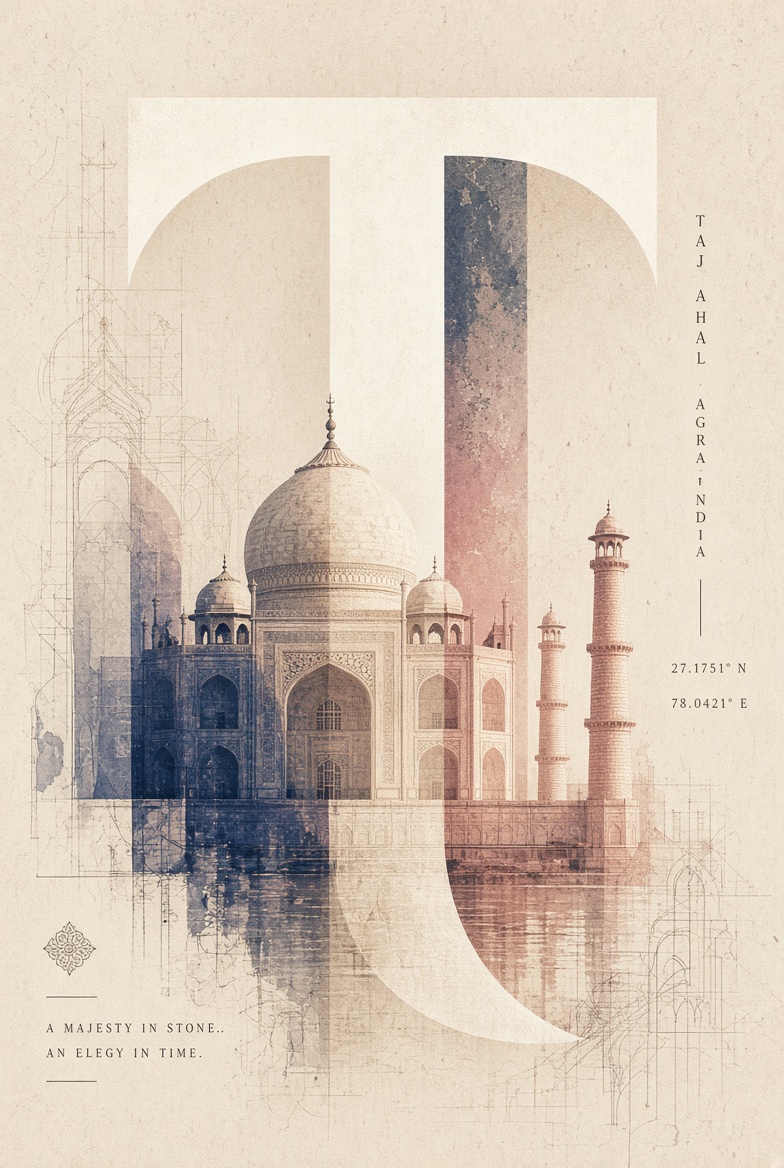
Create an exceptionally sophisticated, contemporary architectural art poster featuring [LANDMARK NAM — AI image prompt — GPT Image 2.6
OpenAIGPT Image 2.6
Create an exceptionally sophisticated, contemporary architectural art poster featuring [LANDMARK NAME], [CITY], [COUNTRY]. 1. GIANT TYPOGRAPHIC COMPOSITION Feature one enormous, oversized uppercase letter associated with the destination name as the central graphic element. The letter should dominate the composition, extending almost across the entire poster. Use bold, elegant, geometric typography with distinctive curves and negative spaces. 2. LANDMARK INTEGRATION Seamlessly integrate a highly detailed architectural photograph or realistic architectural illustration of [LANDMARK NAME] into and across the oversized letter. The landmark should appear to emerge from the typography, partially overlap its boundaries and interact naturally with its shape. Preserve the landmark’s authentic architectural details, proportions and recognisable silhouette. Create an artistic double-exposure effect where the architecture and typography become one unified visual composition. 3. DISTINCTIVE COLOUR TREATMENT Choose a unique colour palette inspired by the destination’s cultural identity, national colours and architectural character. Use two or three contrasting colours within the oversized typography. Apply translucent colour overlays across selected sections of the landmark, creating a beautiful combination of architectural photography, coloured light and graphic shapes. Every new destination must receive a different colour combination. Never repeat palettes. 4. TEXTURE & BACKGROUND Use a warm ivory, soft white or subtle textured paper background. Introduce delicate architectural sketch marks, distressed ink textures, faded photographic grain and subtle print imperfections around the central composition. Keep the surrounding space clean and uncluttered. 5. EDITORIAL TYPOGRAPHY Include the following information: [LANDMARK NAME] [CITY NAME] [COUNTRY NAME] Add small vertical typography along one side, geographical coordinates and a subtle destination-inspired tagline. Use sophisticated editorial typography with carefully balanced spacing. 6. ART DIRECTION Luxury architectural editorial design, experimental typography, architectural double exposure, contemporary Swiss graphic design, oversized letterforms, cinematic monochromatic photography, translucent colour blocking and minimalist gallery poster aesthetics. 7. FINAL PRESENTATION Create a visually striking, intellectual and artistic collectible landmark poster. The architecture must remain recognisable while becoming an integral part of the oversized letter. Vertical 4:5 composition, premium art-print quality, exceptional visual balance and sophisticated negative space. Avoid ordinary travel-poster layouts, decorative clutter, excessive colours and generic typography.
Details
Create an extraordinarily beautiful 3D layered paper-cut architectural travel poster featuring [LAND — AI image prompt — GPT Image 2.6
OpenAIGPT Image 2.6
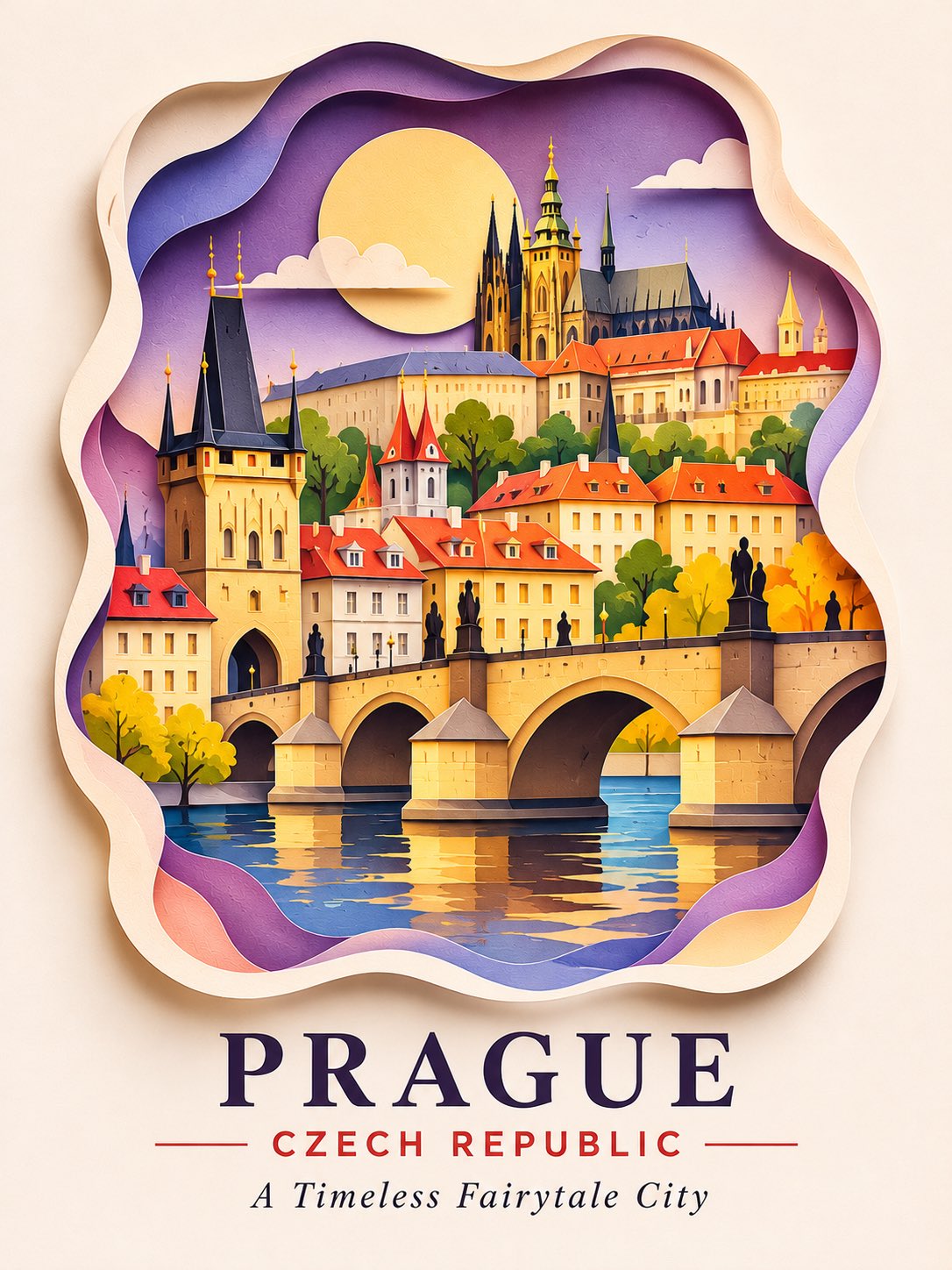
Create an extraordinarily beautiful 3D layered paper-cut architectural travel poster featuring [LANDMARK NAME], [CITY], [COUNTRY]. Transform the destination into an enchanting miniature architectural world, crafted entirely from intricately layered, sculpted and cut coloured paper. 1. CENTRAL ARCHITECTURAL SCENE Feature the destination’s most iconic landmark as the main attraction. Preserve its authentic and recognisable architectural identity. Recreate buildings using multiple layers of carefully cut paper. Include distinctive rooftops, windows, arches, towers, domes, bridges or architectural details specific to the destination. Arrange smaller surrounding buildings to create a charming miniature cityscape. Make the entire scene resemble a beautifully handcrafted architectural diorama. 2. LAYERED PAPER LANDSCAPE Build an extraordinary three-dimensional environment. Flowing paper-cut hills and sculpted mountains. Layered rivers, lakes, coastlines or ocean waves where appropriate. Curved bridges, winding pathways and miniature staircases. Overlapping paper clouds, hills and architectural backgrounds. Intricate foreground elements framing the composition. Beautiful irregular paper-cut edges surrounding the scene. Every layer should have visible depth, delicate edges and realistic cast shadows. 3. UNIQUE DESTINATION DETAILS Include small architectural and cultural elements that make each destination instantly recognisable. Select details according to the location rather than repeating the same decorations. 4. DESTINATION-SPECIFIC COLOUR PALETTE Create a completely original colour identity for every destination. Use 6–9 harmonious shades inspired by its architecture, culture, landscape and atmosphere. Combine rich colours, soft pastels, contrasting paper layers and carefully selected neutral tones. Never repeat the same palette between different destinations. 5. THREE-DIMENSIONAL PAPER ART Authentic handmade paper-cut aesthetic. Multiple overlapping cardstock layers. Sculpted paper architecture. Delicate folded and curved paper details. Visible paper thickness. Soft realistic shadows between layers. Beautiful tactile textures. Intricate miniature craftsmanship. Gentle studio lighting. The artwork must look like a real handcrafted paper sculpture photographed professionally, not a flat illustration or plastic 3D render. 6. DISTINCTIVE POSTER COMPOSITION Place the entire architectural scene inside an elegant irregular organic paper-cut frame. Use a balanced vertical composition with: Large miniature architectural scene in the centre. Beautiful layered foreground. Subtle surrounding negative space. Soft neutral background. Realistic depth and dimensional shadows. 7. MINIMAL TYPOGRAPHY Below the artwork, write: [CITY / DESTINATION NAME] [COUNTRY] Add one short, elegant poetic tagline of approximately 3–6 words inspired by the destination. Use elegant uppercase modern typography for the destination name and a delicate refined serif font for the tagline. Keep typography minimal, correctly spelled and beautifully positioned. 8. FINAL ART DIRECTION A breathtaking fusion of miniature architecture, layered paper sculpture, handcrafted papercraft, whimsical storytelling and premium contemporary travel poster design. Extremely intricate craftsmanship, sophisticated colour harmony, realistic paper shadows, beautiful depth, exquisite architectural details and museum-quality presentation. Portrait 2:3 composition. No watermark, no unnecessary text, no photorealistic buildings, no plastic appearance.
Details
Transform the uploaded reference photograph into a sophisticated vintage editorial photography poste — AI image prompt — GPT Image 2.6
OpenAIGPT Image 2.6
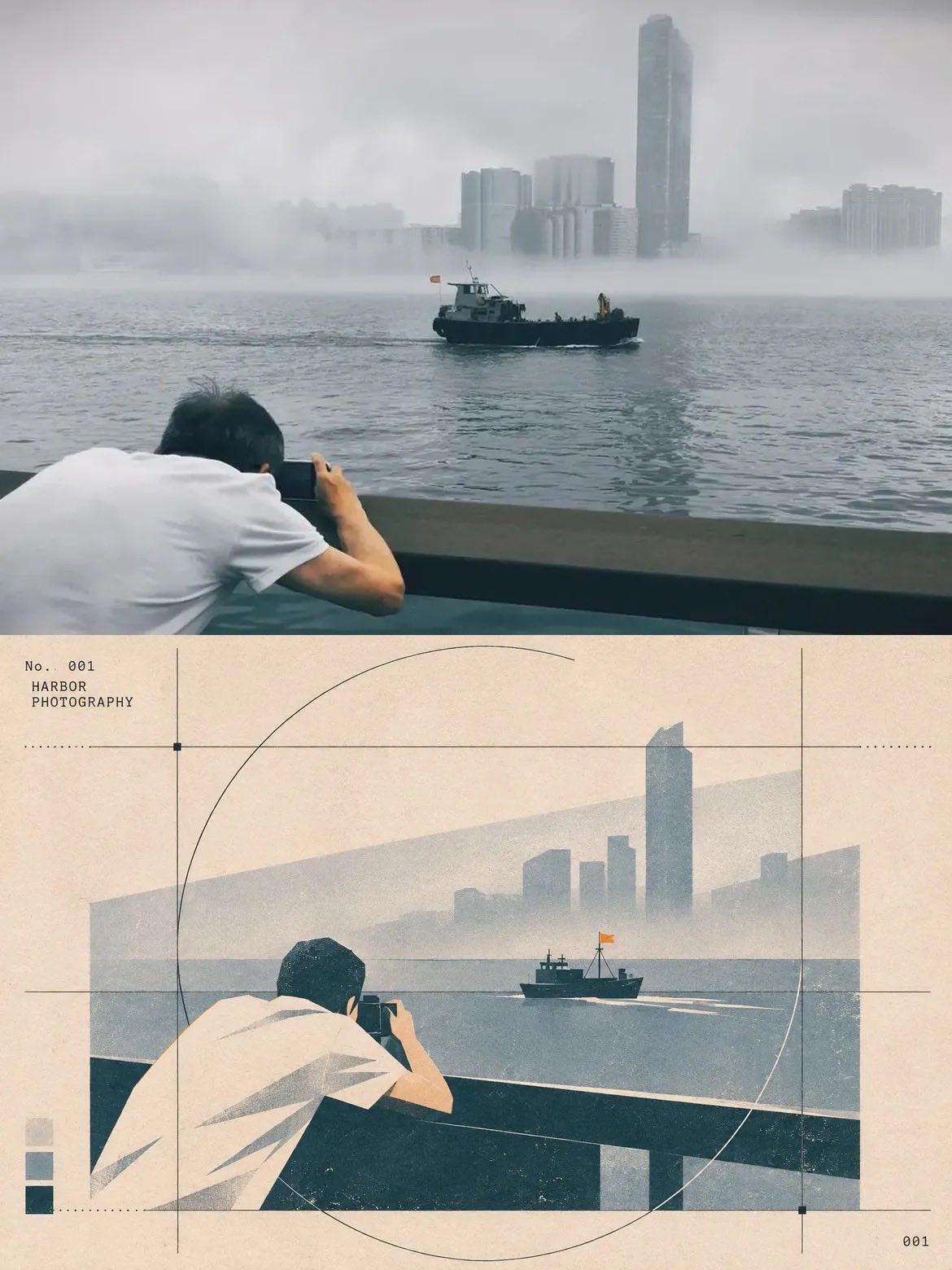
Transform the uploaded reference photograph into a sophisticated vintage editorial photography poster, following the exact visual aesthetic of the provided examples. Create a vertical 2:3 split-layout composition. Place the original photograph in the upper half, preserving its original colors, subject, camera angle, perspective, framing, and details. In the lower half, recreate the exact same scene as a minimalist, geometric, vintage-inspired 2D illustration. Use a refined Swiss graphic design and Bauhaus-inspired editorial aesthetic. Apply a muted, earthy color palette featuring warm beige, cream, charcoal black, dusty grey, muted blue-grey, and subtle brown tones. Simplify the subjects and surroundings into clean geometric shapes, bold silhouettes, angular forms, and flat color blocks while maintaining the original scene's composition and recognizable details. Add a subtle aged paper texture, fine grain, distressed vintage print effects, and slightly faded ink. Incorporate delicate graphic design elements such as thin circular arcs, vertical and horizontal alignment guides, intersecting lines, dotted lines, small square markers, and minimal geometric grids around the illustrated scene. Include small editorial typography in a typewriter-style font, with a numbered photographic series label in the upper-left corner of the illustrated section. Add a small sequence number in the bottom-right corner and a minimal three-color palette swatch along the lower-left edge. Maintain generous negative space, precise alignment, balanced proportions, and an elegant museum-quality art direction. IMPORTANT: Preserve the original photograph in the upper section without changing the scene. The lower illustration must represent the exact same photograph, including the same subjects, positions, perspective, architecture, objects, and background. Do not introduce new elements or change the original composition. Overall aesthetic: vintage photography journal, Swiss editorial graphic design, minimalist architectural illustration, retro art direction, sophisticated print design, and timeless visual storytelling. High resolution, crisp details, vertical poster format.
Details
Create an exceptionally beautiful, sophisticated minimalist geometric architectural travel poster fe — AI image prompt — GPT Image 2.6
OpenAIGPT Image 2.6
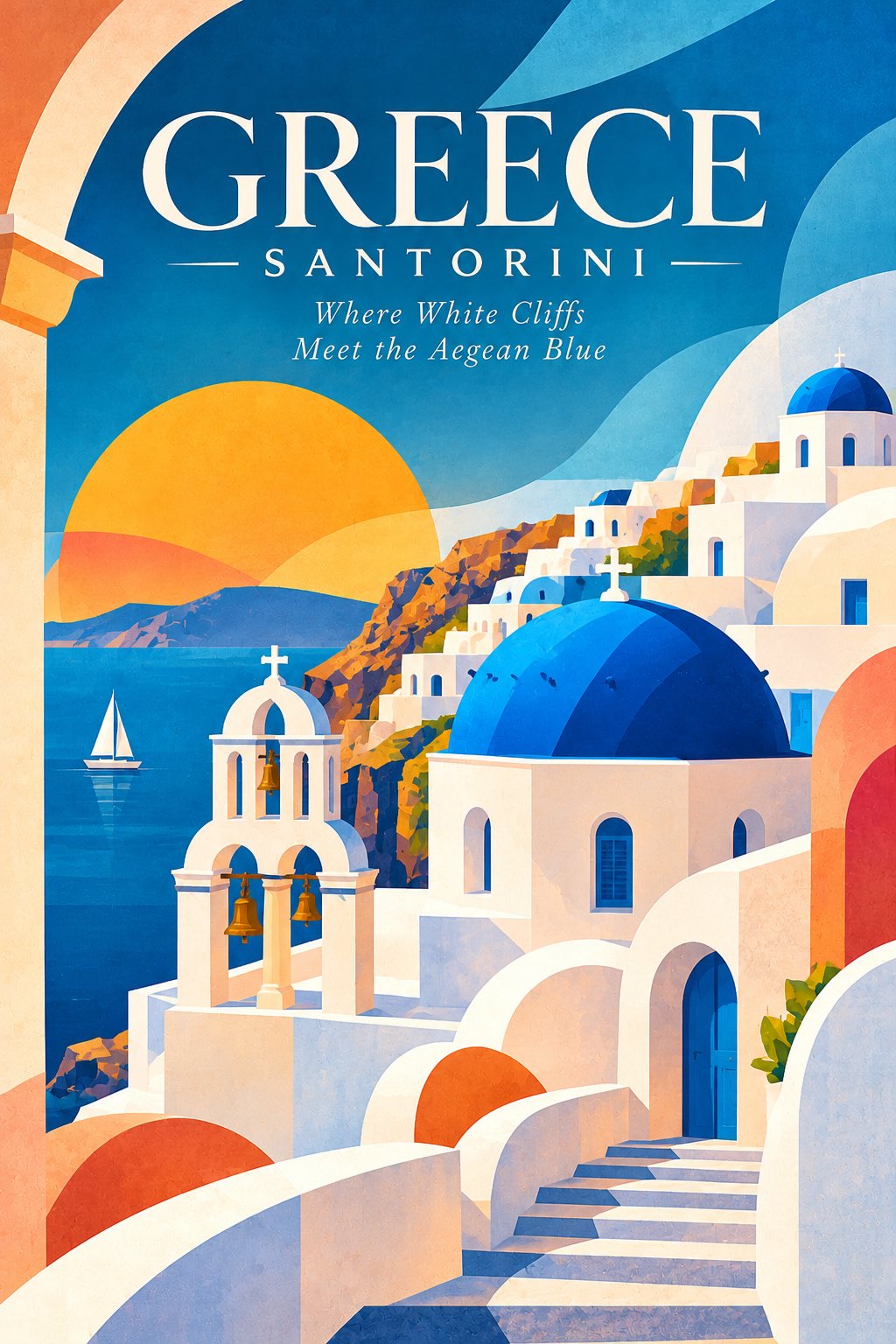
Create an exceptionally beautiful, sophisticated minimalist geometric architectural travel poster featuring [LANDMARK NAME], [CITY], [COUNTRY]. 1. CENTRAL ARCHITECTURAL SUBJECT Feature the iconic landmark as the dominant central attraction. Illustrate its recognisable architectural structure using simplified geometric shapes, clean silhouettes, elegant curves and carefully constructed flat-colour forms. Preserve the landmark’s distinctive architectural identity, proportions and signature details. Transform complex architectural details into beautifully simplified artistic elements. Integrate the architecture naturally into the surrounding abstract landscape. 2. ORGANIC GEOMETRIC LANDSCAPE Create an imaginative environment using a combination of abstract geometric and organic forms. Oversized circles, semicircles and curved shapes representing the sun and moon. Flowing hills, layered mountains and abstract landscape formations. Architectural arches, rectangular frames and sculptural platforms. Overlapping organic shapes creating beautiful depth and dimension. Simplified trees, water bodies, pathways and natural elements. Large geometric foreground elements framing the landmark. Every shape should feel intentional, balanced and artistically connected. 3. DISTINCTIVE COMPOSITION Create a visually striking composition inspired by contemporary Swiss graphic design, Bauhaus principles and modern editorial illustration. Strong central architectural arrangement. Beautiful interaction between positive and negative space. Layered foreground, middle ground and background. Oversized abstract forms framing the architecture. Elegant asymmetrical balance. Bold shapes with carefully controlled proportions. Avoid unnecessary details and visual clutter. 4. UNIQUE DESTINATION COLOUR PALETTE Develop a completely distinctive colour identity inspired by the destination’s cultural character, architecture and natural environment. Use approximately 5–7 carefully coordinated colours. Combine bold contrasting tones with sophisticated muted shades, warm neutrals and occasional unexpected accents. Every destination must receive its own original palette. Never repeat colour combinations across the collection. 5. COLOUR AND SHAPE INTERACTION Use large areas of solid colour, subtle overlapping forms and beautifully controlled tonal transitions. Crisp, clean edges. Smooth organic curves. Flat graphic illustration. Subtle paper-grain texture. Minimal gradients used selectively. Beautiful colour blocking. No excessive photorealism or 3D effects. 6. POSTER TYPOGRAPHY Include sophisticated editorial typography. Main title: [DESTINATION NAME] Secondary text: [COUNTRY] Add a small poetic tagline inspired by the destination. Use elegant oversized contemporary serif or refined modern sans-serif typography. Typography should feel like an integral part of the composition rather than an afterthought. 7. FINAL ART DIRECTION A beautiful fusion of minimalist architecture, organic geometry, contemporary graphic design, modernist illustration and premium international travel poster aesthetics. The finished artwork should feel timeless, intelligent, artistic, visually memorable and suitable for a prestigious design exhibition. Museum-quality graphic composition, exceptional colour harmony, clean silhouettes, refined details and sophisticated visual storytelling. Portrait 2:3 format. No borders, no watermark, no unnecessary text. Preserve the authentic recognisable identity of the landmark.
Details
Create an exceptionally beautiful, ultra-minimalist Bauhaus-inspired architectural travel poster fea — AI image prompt — GPT Image 2.6
OpenAIGPT Image 2.6
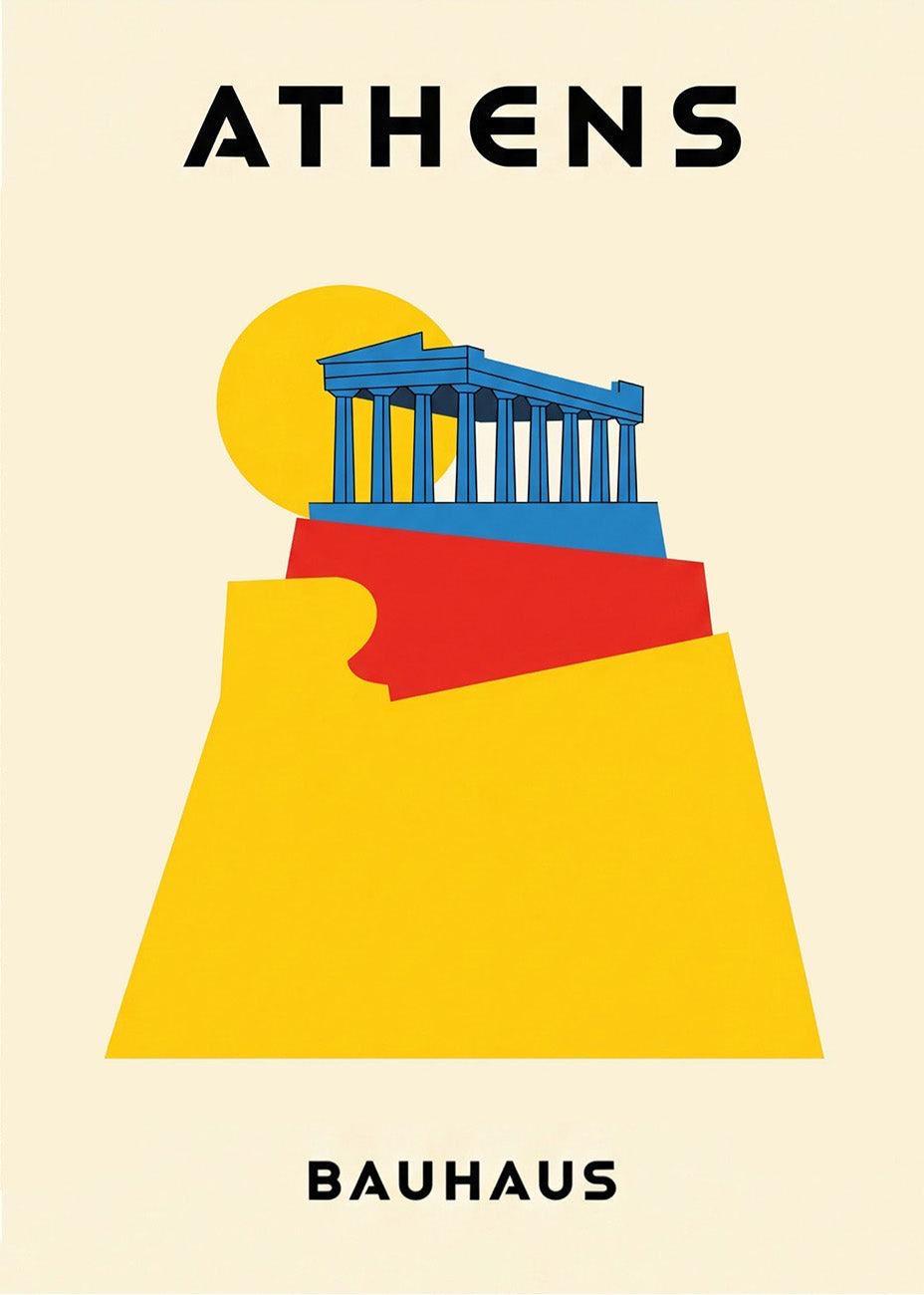
Create an exceptionally beautiful, ultra-minimalist Bauhaus-inspired architectural travel poster featuring [LANDMARK NAME], [CITY], [COUNTRY]. 1. ICONIC ARCHITECTURAL SILHOUETTE Feature the destination’s most recognisable landmark as the central artistic subject. Preserve its authentic architectural identity and instantly recognisable silhouette. Simplify the structure into clean geometric lines, rectangles, circles, triangles and elegant architectural proportions. Use minimal details to communicate the landmark’s character. Make the architecture appear as though it has been constructed from carefully arranged geometric paper cutouts. Avoid photorealism, excessive details and complicated textures. 2. GEOMETRIC ARTISTIC COMPOSITION Build the entire poster around a striking arrangement of oversized geometric shapes. Large semicircles and circles representing the sun or moon. Bold rectangular architectural foundations. Angular trapezoids and triangular landscape forms. Layered geometric platforms supporting the landmark. Carefully overlapping shapes creating depth. Simple curved forms and architectural abstractions. Use only shapes that complement the landmark’s natural structure. 3. UNIQUE DESTINATION-INSPIRED COLOURS This is the most important part of the collection. Create a completely different 4–6 colour palette for every destination. Choose colours inspired by the destination’s architecture, history, cultural identity and natural surroundings. Use bold primary or complementary colours, balanced with warm ivory or soft neutral backgrounds. Never repeat the same colour combinations between destinations. 4. MINIMALIST GRAPHIC STYLE Flat vector illustration. Solid colour blocks. Crisp architectural outlines. Strong geometric contrast. Subtle vintage paper texture. Perfectly controlled negative space. Clean, sophisticated modernist aesthetic. No gradients unless absolutely necessary. No unnecessary decorative elements. 5. TYPOGRAPHY AND LAYOUT At the top, display the destination name in oversized, bold, uppercase geometric sans-serif typography. [DESTINATION NAME] At the bottom, add a small artistic caption: [COUNTRY] Include a discreet design movement label such as BAUHAUS. Keep the typography exceptionally clean, balanced and beautifully spaced. 6. SIGNATURE ART DIRECTION Inspired by original Bauhaus graphic design, Swiss modernism, mid-century travel advertising and minimalist architectural illustration. The poster must look like a timeless collectible from an international design exhibition. The composition should be instantly recognisable even from a distance. Portrait 2:3 aspect ratio. Warm ivory background. No borders, no photographs, no people, no flowers, no leaves, no watermarks and no unnecessary text.
Details
KOREAN HANJI PAPER ART | WHIMSICAL 3D MINIATURE DIORAMA

Create a beautiful, highly detailed, handcr — AI image prompt — GPT Image 2.6
OpenAIGPT Image 2.6
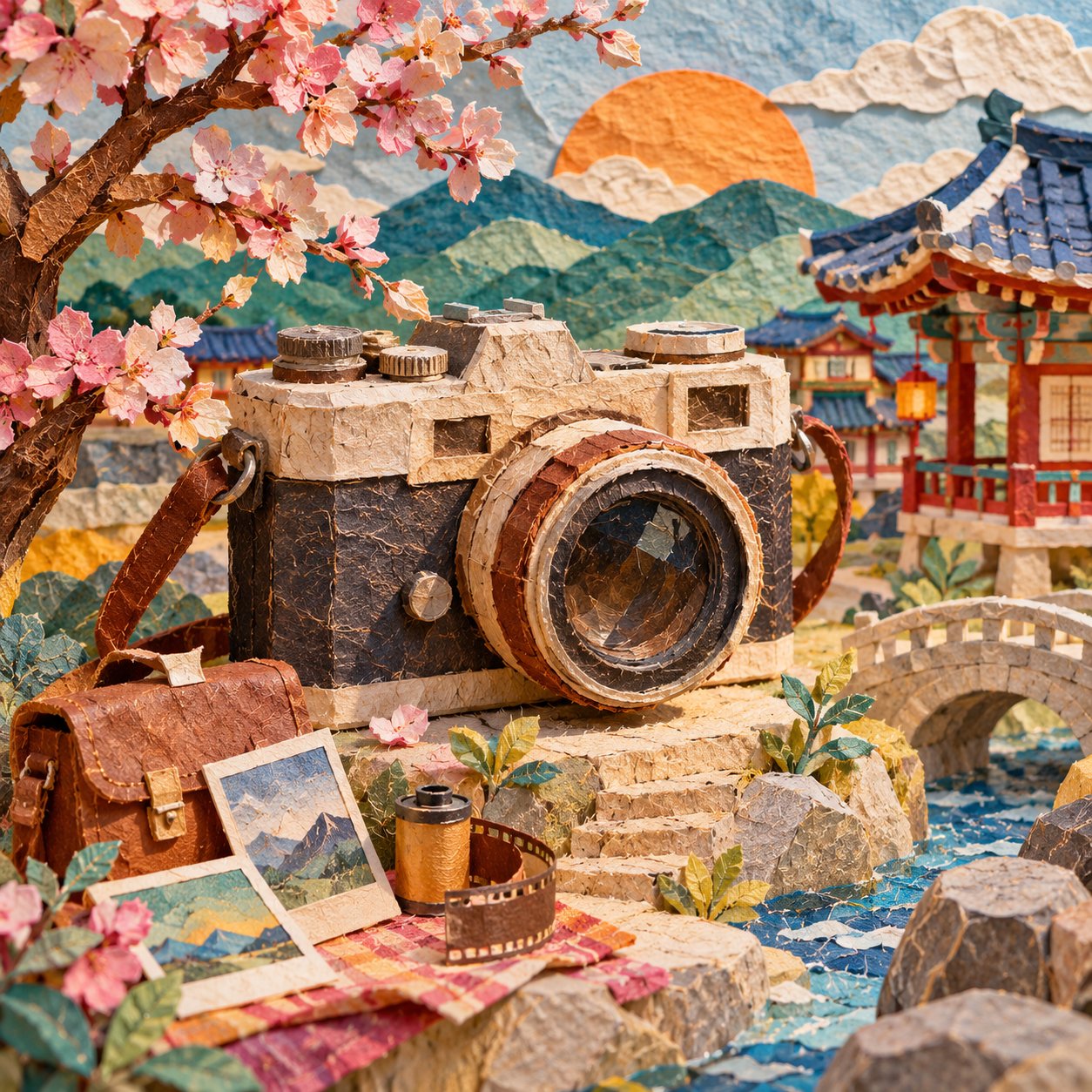
KOREAN HANJI PAPER ART | WHIMSICAL 3D MINIATURE DIORAMA Create a beautiful, highly detailed, handcrafted 3D paper-art illustration featuring [TYPE YOUR SUBJECT / OBJECT / CITY / SCENE], reimagined through the traditional Korean Hanji paper-art aesthetic. ART DIRECTION & VISUAL STYLE Transform the entire scene into an imaginative miniature world made from layered Korean Hanji paper. Use authentic handmade paper textures, visible delicate fibres, subtle wrinkles, torn edges, embossed details and carefully cut paper elements. Combine traditional Korean visual heritage with contemporary lifestyle, architecture and modern objects. The result should feel like a sophisticated fusion of Korean folk art, paper sculpture and playful contemporary design. COMPOSITION & STORYTELLING Build a rich, three-dimensional miniature environment around the main subject. Make the primary subject instantly recognizable and visually dominant. Surround it with thoughtfully selected supporting elements that complement the subject. Incorporate traditional Korean architectural details, colourful urban surroundings, decorative patterns, miniature props and unexpected creative combinations wherever appropriate. Create a visually engaging composition with convincing depth, overlapping paper layers, realistic miniature proportions and carefully arranged foreground, middle ground and background. MATERIALS & TEXTURES - Traditional Korean Hanji paper with visible natural fibres. - Layered and sculpted paper architecture. - Intricate cut-paper ornaments and embossed details. - Soft handmade imperfections and tactile surfaces. - Rich paper-cut textures with dimensional shadows. - Handmade miniature objects with convincing physical construction. COLOUR & LIGHTING Use a vibrant yet harmonious palette of warm terracotta, turquoise, cobalt blue, mustard yellow, coral, cream and earthy browns. Introduce beautiful atmospheric lighting, soft directional sunlight, gentle shadows and subtle highlights that emphasize the layered paper construction. FINAL AESTHETIC The finished artwork should resemble an exceptionally crafted miniature paper sculpture photographed in a professional studio. Blend whimsical storytelling, Korean cultural identity, contemporary creativity and premium editorial illustration. Ultra-detailed, tactile, colourful, imaginative, visually balanced, handcrafted 3D paper diorama. Every element must appear constructed from real Hanji paper rather than digitally painted or rendered plastic. FORMAT: Square 1:1 composition. No text, captions, typography, watermarks or logos.
Details
SURREAL 3D POP-OUT PHOTOGRAPHY | FRAMED NATURE ART

Create a stunning, photorealistic 3D pop-out art — AI image prompt — GPT Image 2.6
OpenAIGPT Image 2.6
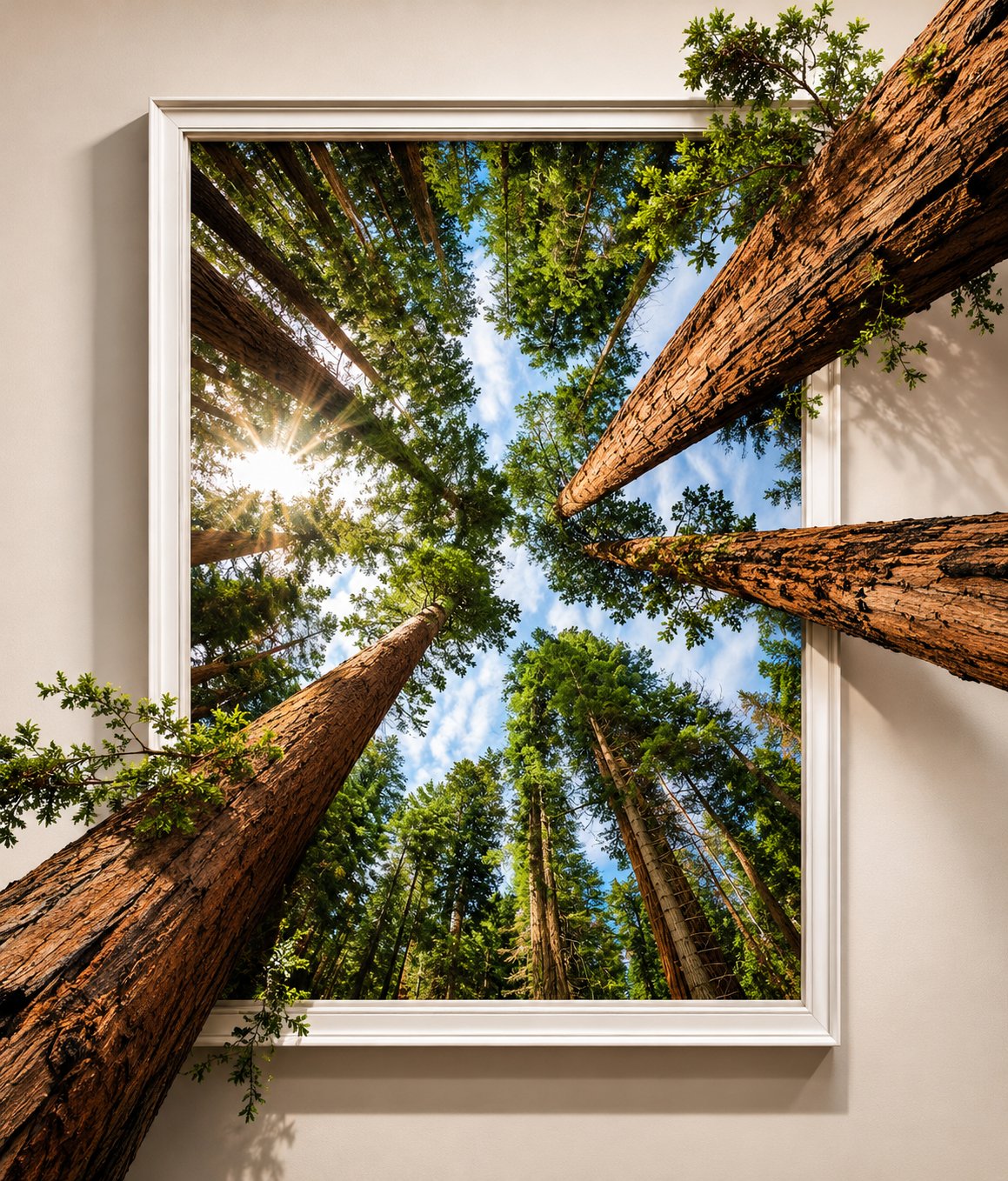
SURREAL 3D POP-OUT PHOTOGRAPHY | FRAMED NATURE ART Create a stunning, photorealistic 3D pop-out artwork featuring [YOUR SUBJECT / OBJECT / LANDSCAPE / SCENE], transforming an ordinary framed photograph into an extraordinary three-dimensional illusion. COMPOSITION & ART DIRECTION Show a beautifully framed photograph mounted on a minimal, warm ivory or off-white wall. The central subject should dramatically break through the boundaries of the picture frame, extending outward into the real world with an impressive 3D trompe-l'œil effect. Create a seamless transition between the flat photograph and the three-dimensional elements. For example, tree trunks, branches, roots, flowers, roads, or other natural elements should visibly emerge beyond the frame, creating realistic depth and dimension. VISUAL STYLE & DETAILS Use ultra-realistic textures, intricate surface details, natural colours, cinematic lighting, and believable perspective. Add subtle cast shadows behind and beneath the protruding elements to enhance the physical depth illusion. Keep the inner photograph visually rich, while the extended 3D subject appears sculptural and tangible. PRESENTATION & QUALITY Minimalist gallery-style composition, elegant white framing, clean neutral background, sophisticated fine-art photography aesthetic, realistic depth of field, professional art direction, ultra-detailed 3D rendering, photorealistic quality, and a visually striking forced-perspective illusion. IMPORTANT: The artwork must look like a real photograph physically escaping its frame, not a simple 3D object placed in front of a picture. Maintain a clean composition with the pop-out effect as the main attraction.
Details
Browse all GPT Image 2.6 promptsExplore AI Image Prompts