Illustrated Travel Poster With Botanical Frame
 GPT Image 2.5OpenAIimage
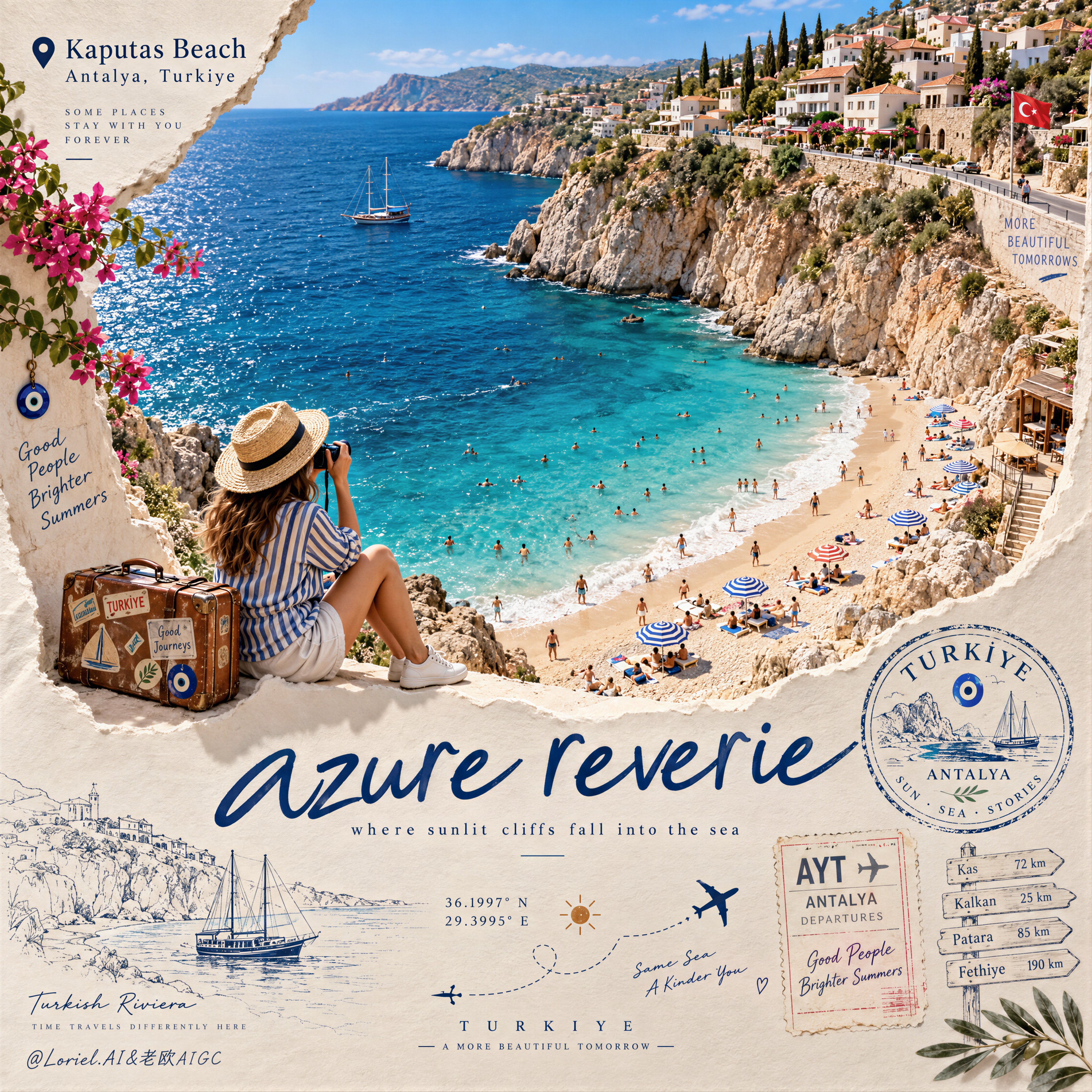
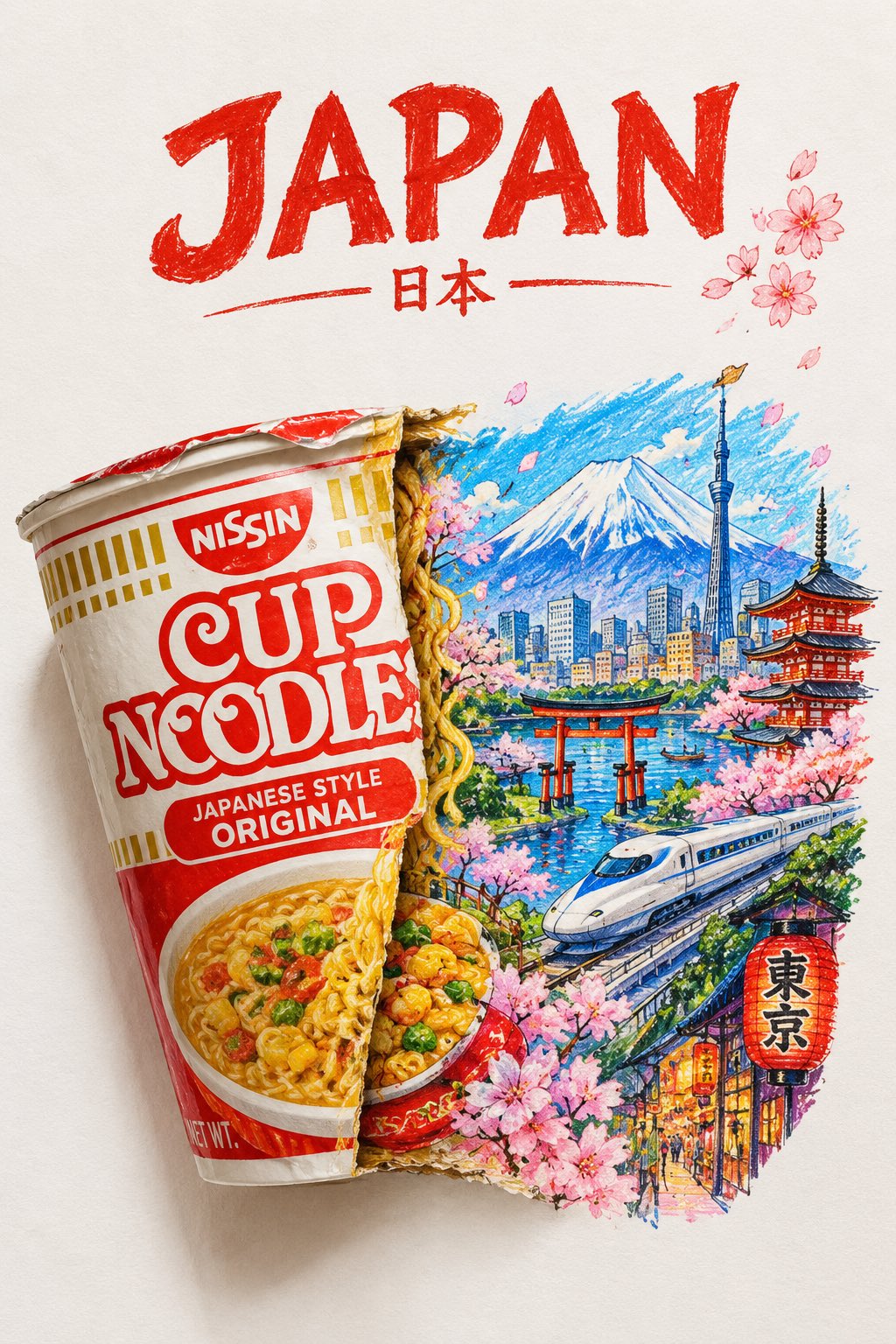
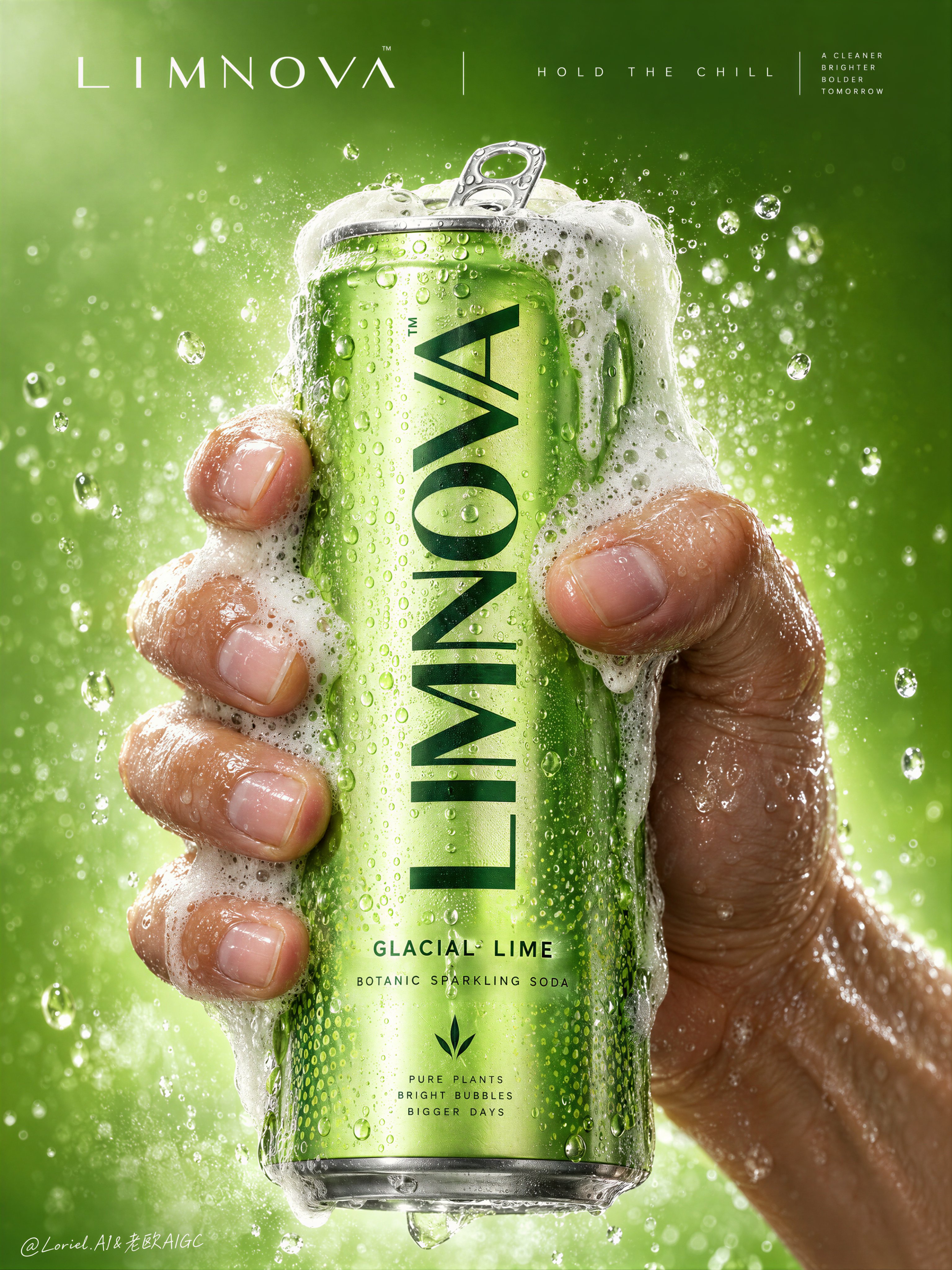
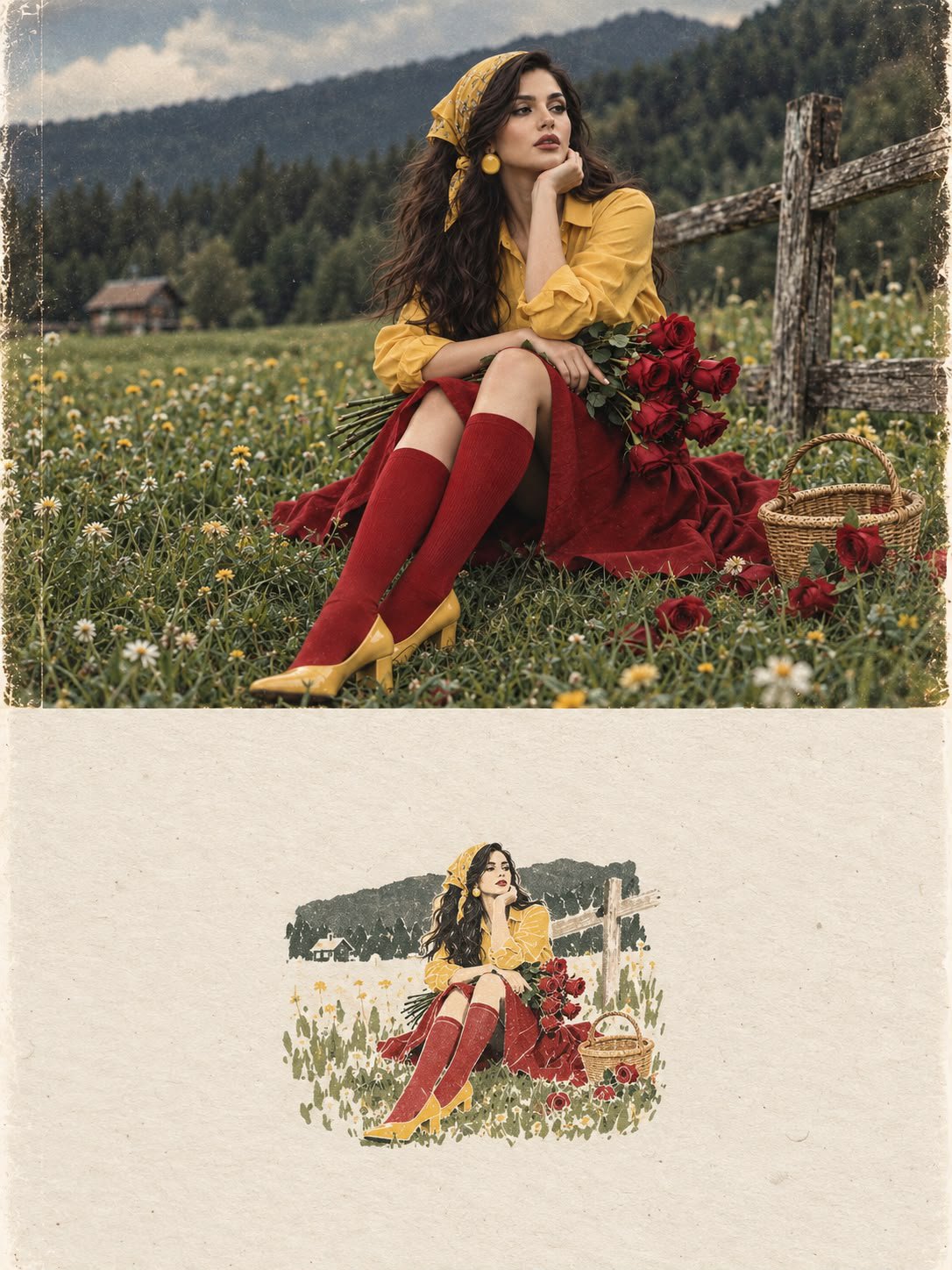
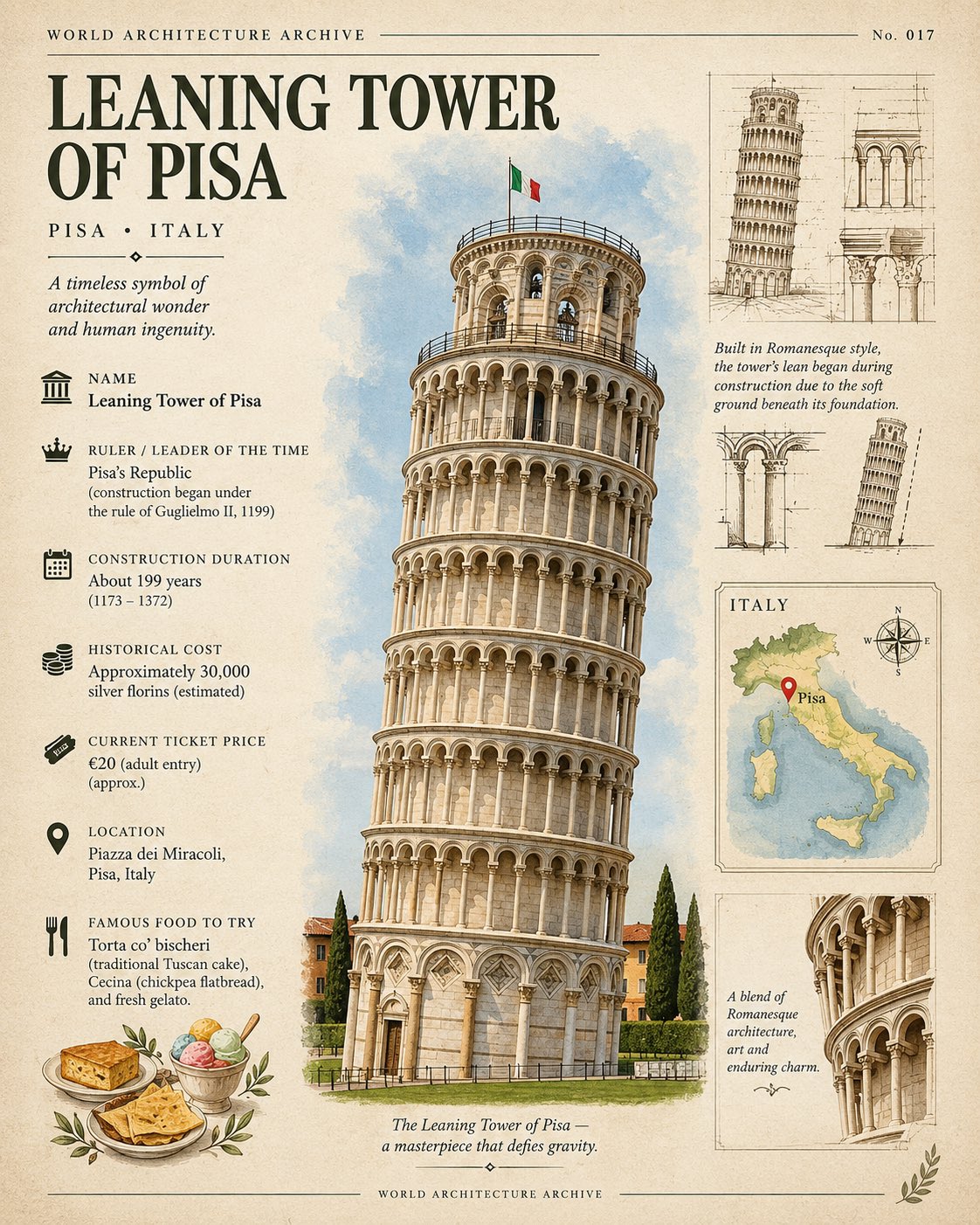
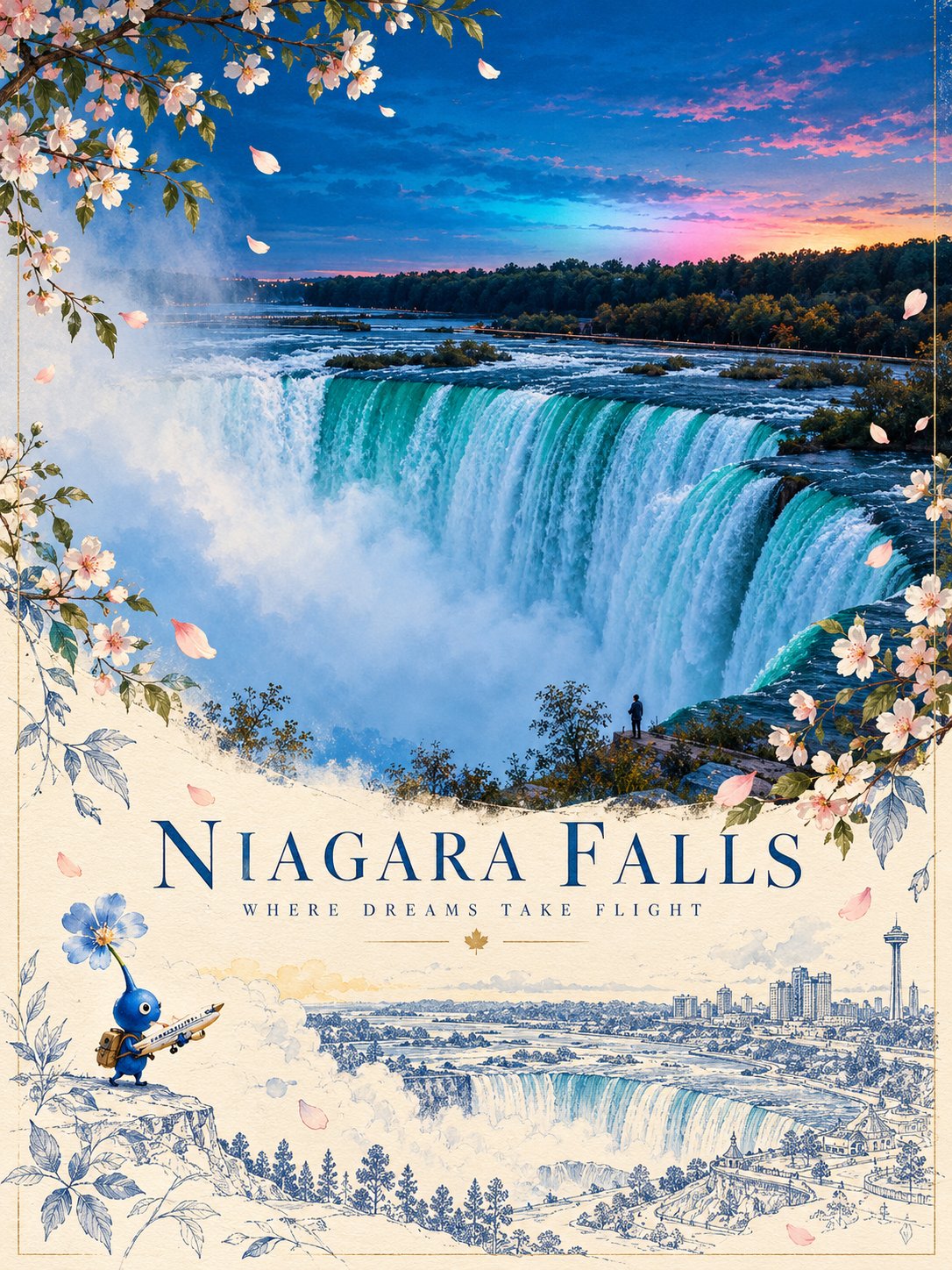
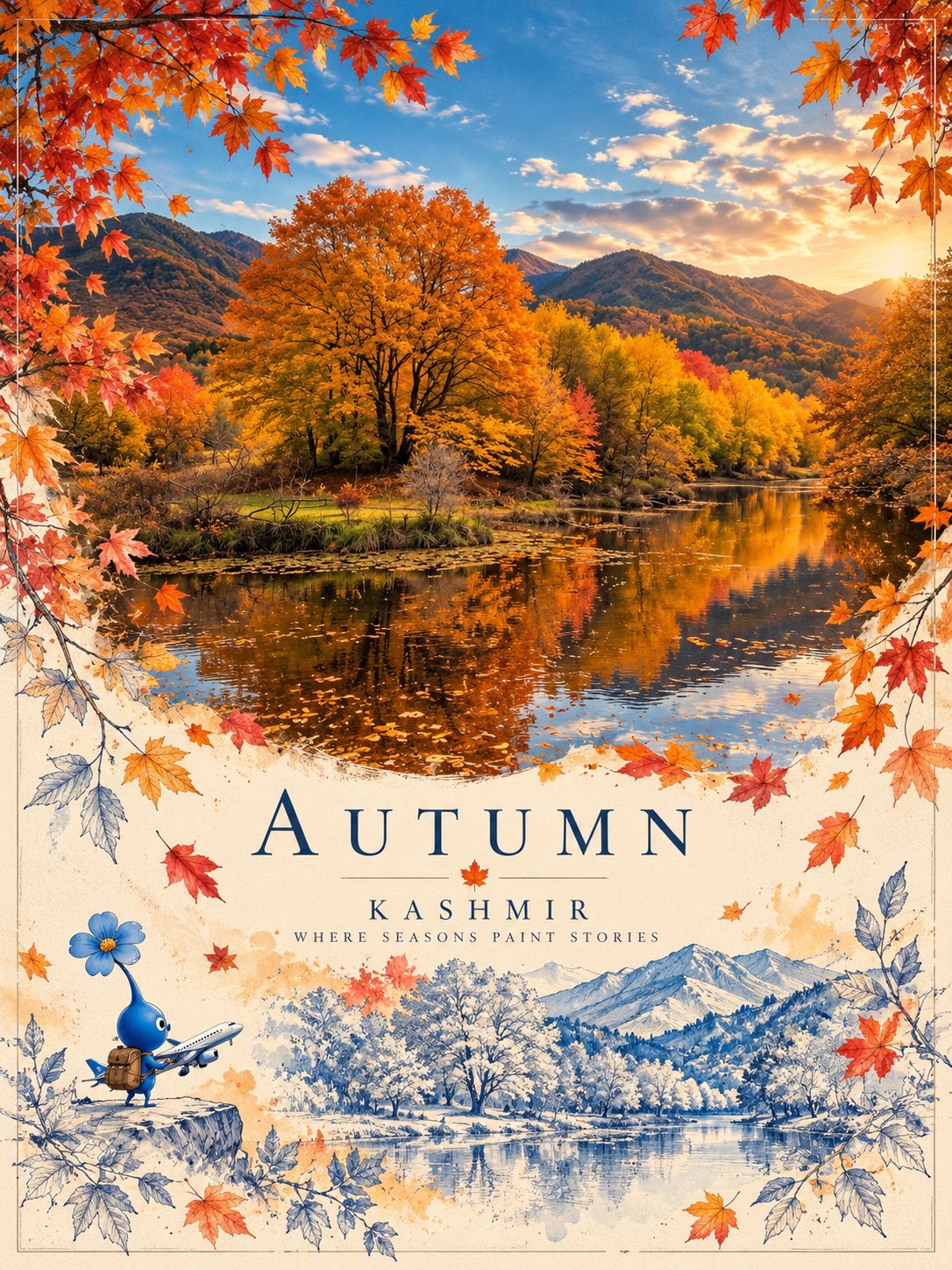
Create a sophisticated 3:4 vertical illustrated travel poster featuring [COUNTRY / CITY / DESTINATION], blending authentic architectural photography with whimsical storytelling, delicate botanical art, and elegant blue architectural sketches. MAIN SCENE: Feature the destination’s most recognizable landmark, preserving its authentic architecture, proportions, distinctive towers, and surrounding environment. Capture warm golden-hour sunlight, a luminous blue sky, and a natural photographic atmosphere. BOTANICAL FRAME: Surround the upper scene with graceful flowering branches and delicate petals, using a seasonal palette inspired by the destination. Let the flowers frame the landmark naturally without obscuring its defining features. ILLUSTRATED SECOND WORLD: In the lower half, transition into a warm ivory paper composition featuring a refined blue line-art illustration of the same landmark. Add floating petals, loose botanical sketches, subtle watercolor accents, and generous negative space. Include a tiny, adorable Pikmin-inspired blue flower creature carrying a miniature airplane, creating a whimsical story of courage, travel, and dreams taking flight. COLOR & STYLE: Sky blue, cobalt blue, soft ivory, warm gold, and delicate floral pink or blue. Combine realistic photography, fine architectural ink drawing, subtle watercolor textures, and premium editorial travel-poster design. STORYTELLING: Make the tiny character and its flower feel naturally connected to the destination. Convey wonder, optimism, and the poetic idea of flowers discovering their own way to fly. TYPOGRAPHY: Include a small, elegant destination name and restrained editorial details only where appropriate. Keep all lettering clean and correctly spelled. Avoid distorted architecture, clutter, oversized characters, excessive decoration, harsh colors, childish cartoon styling, watermarks, and logos. FORMAT: 3:4 vertical, high resolution, polished collectible travel-art poster.
Details
- Type
- AI Image Prompts
- Aspect Ratio
- 3:4
- Updated
- Oct 22, 2026
Category
How to use this prompt
- 1Copy the full prompt with the copy button above.
- 2Open GPT Image 2.5 by OpenAI, or any image generator with a similar style range.
- 3Paste the prompt, then swap the subject and style keywords to match your idea.
- 4Match the example's settings (3:4 · Poster · Architecture · Vintage), then iterate — small wording changes shift the output a lot.
Frequently asked questions
Which AI model generated this image?
This image was generated with GPT Image 2.5 by OpenAI. The prompt on this page is the exact text used to create it.
What settings does this prompt use?
The example was generated with GPT Image 2.5 using: 3:4 · Poster · Architecture · Vintage. Reusing these settings gives the closest match.
How do I get similar results?
Copy the prompt as-is first, then replace only the subject while keeping the style, lighting, and composition keywords. Generate a few variations — outputs differ between runs.
Can I modify this prompt?
Yes. Prompts work best as starting points — adjust descriptors, aspect ratio, or style tags to make the output your own.