Editorial Poster Photo to Illustration

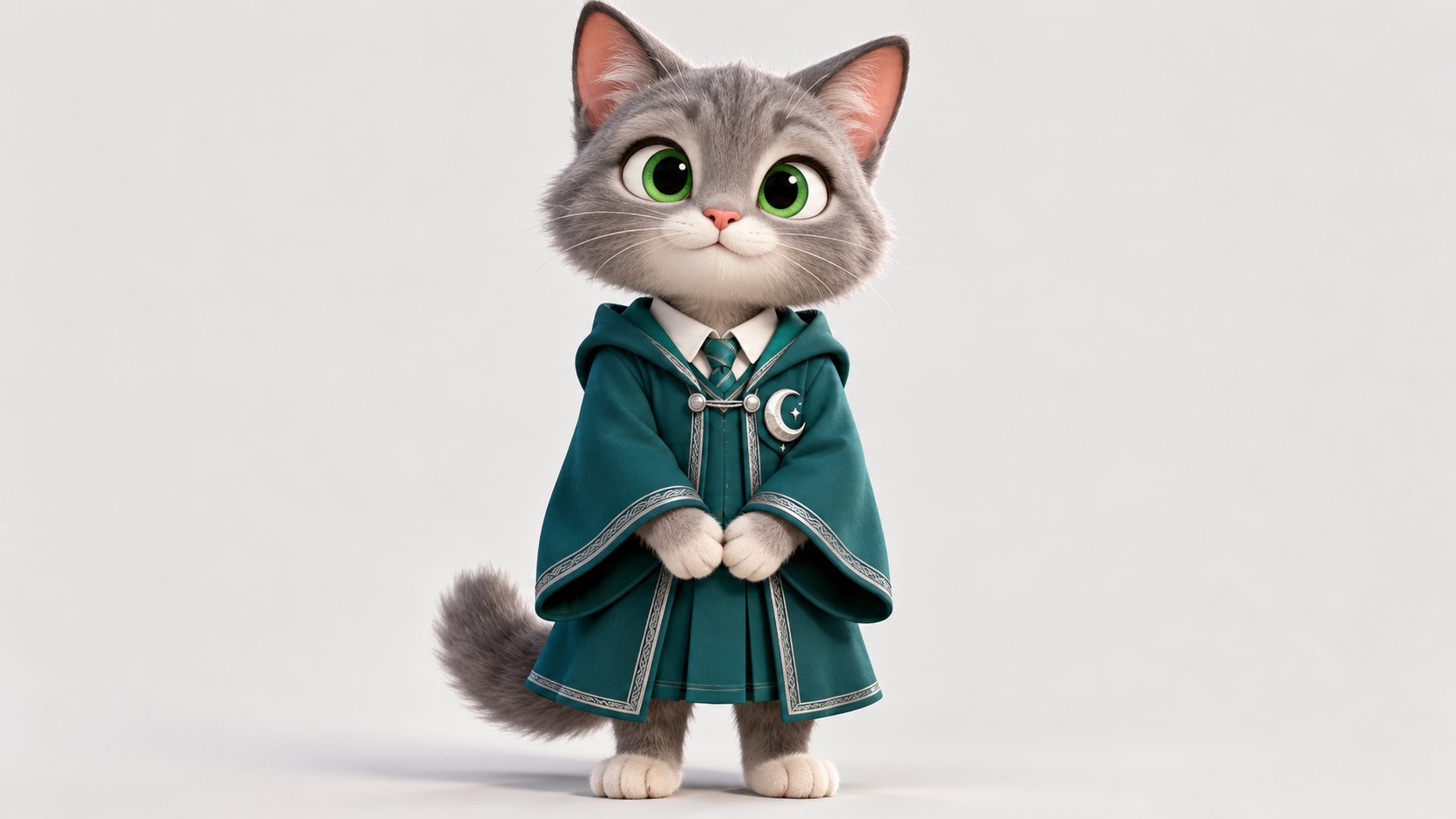
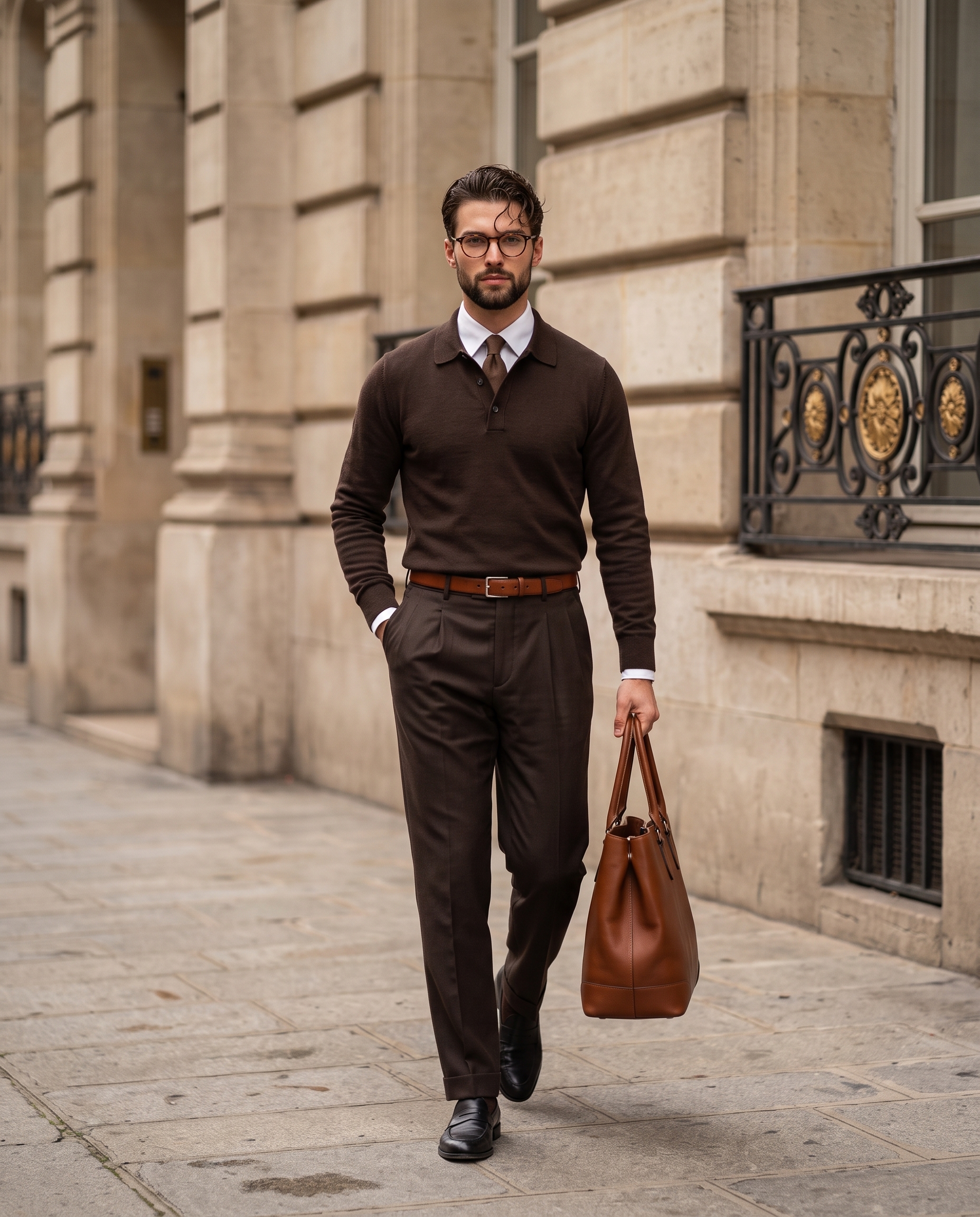
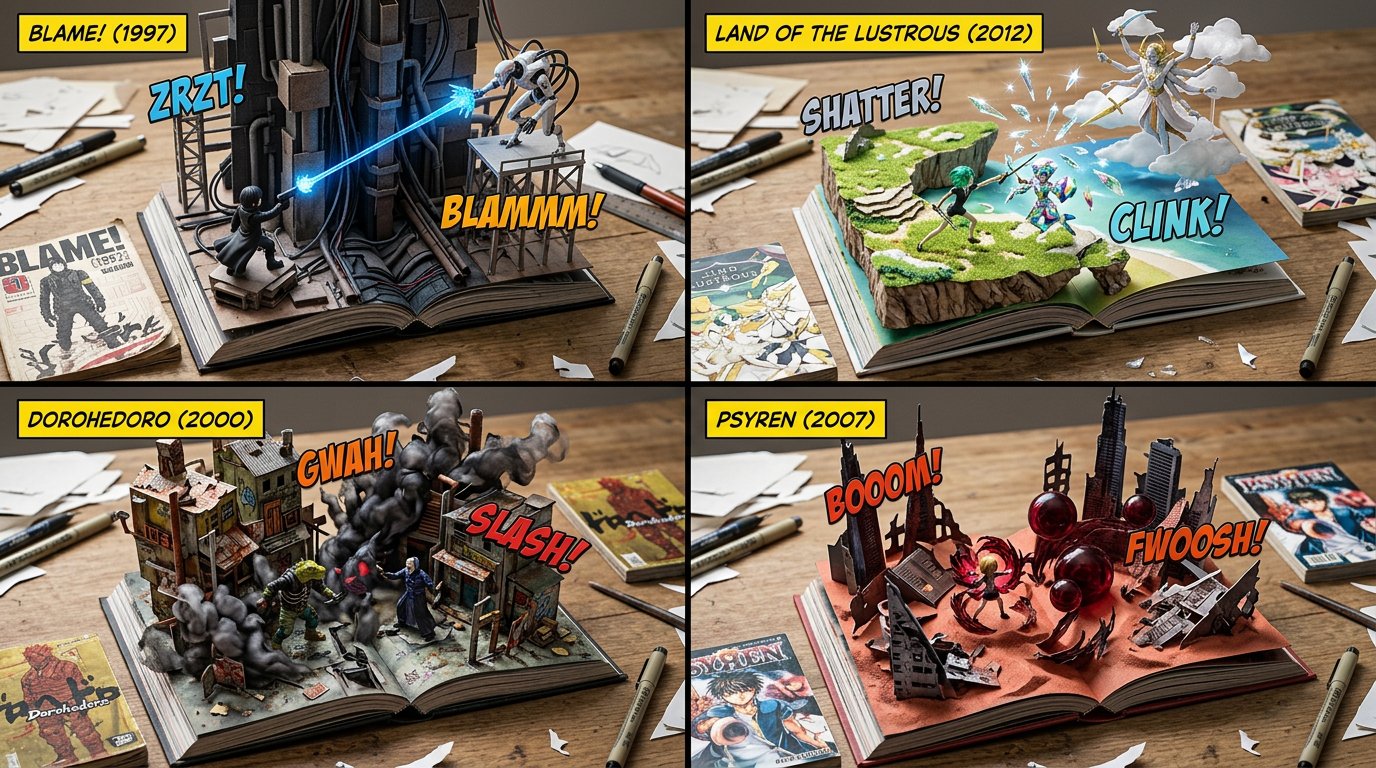
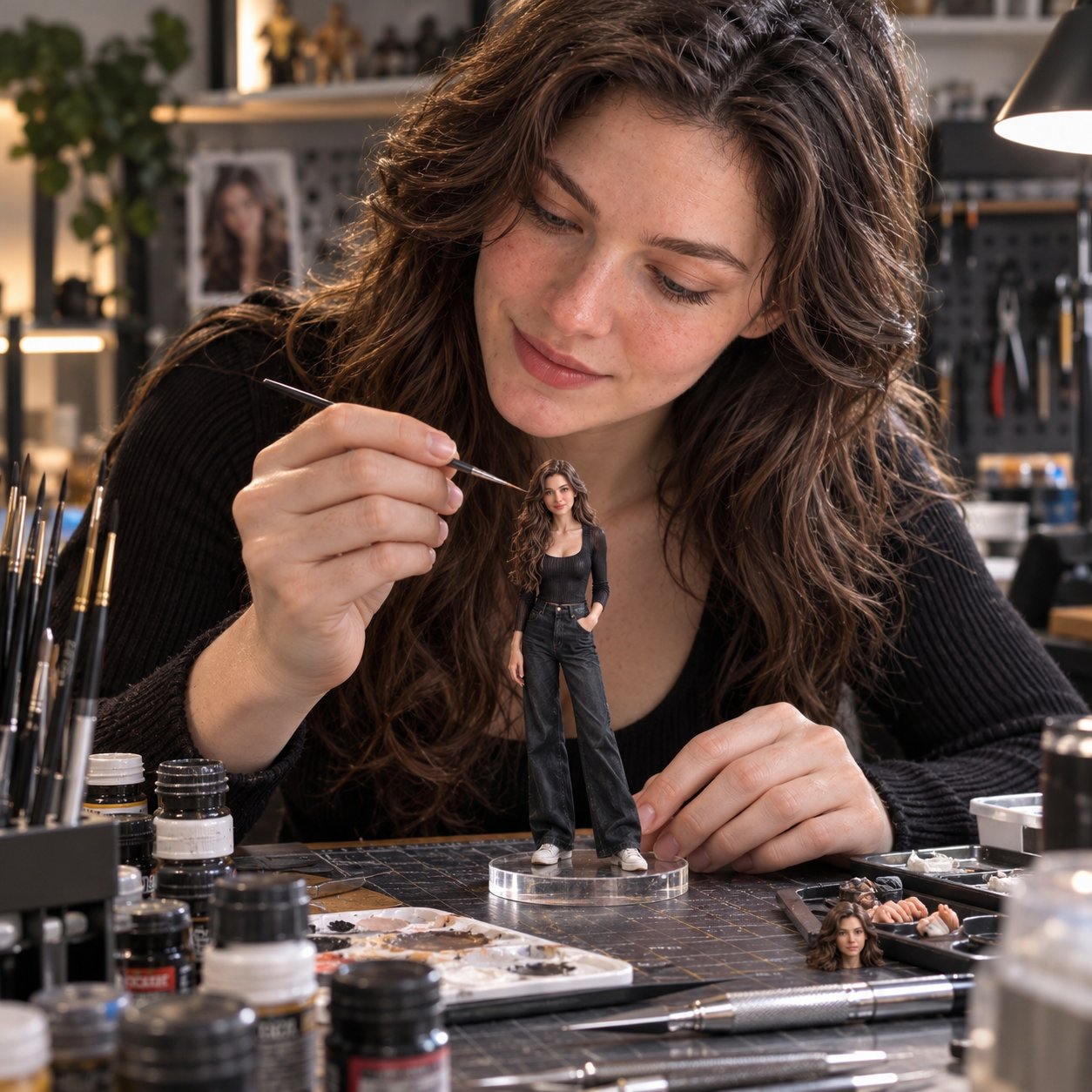
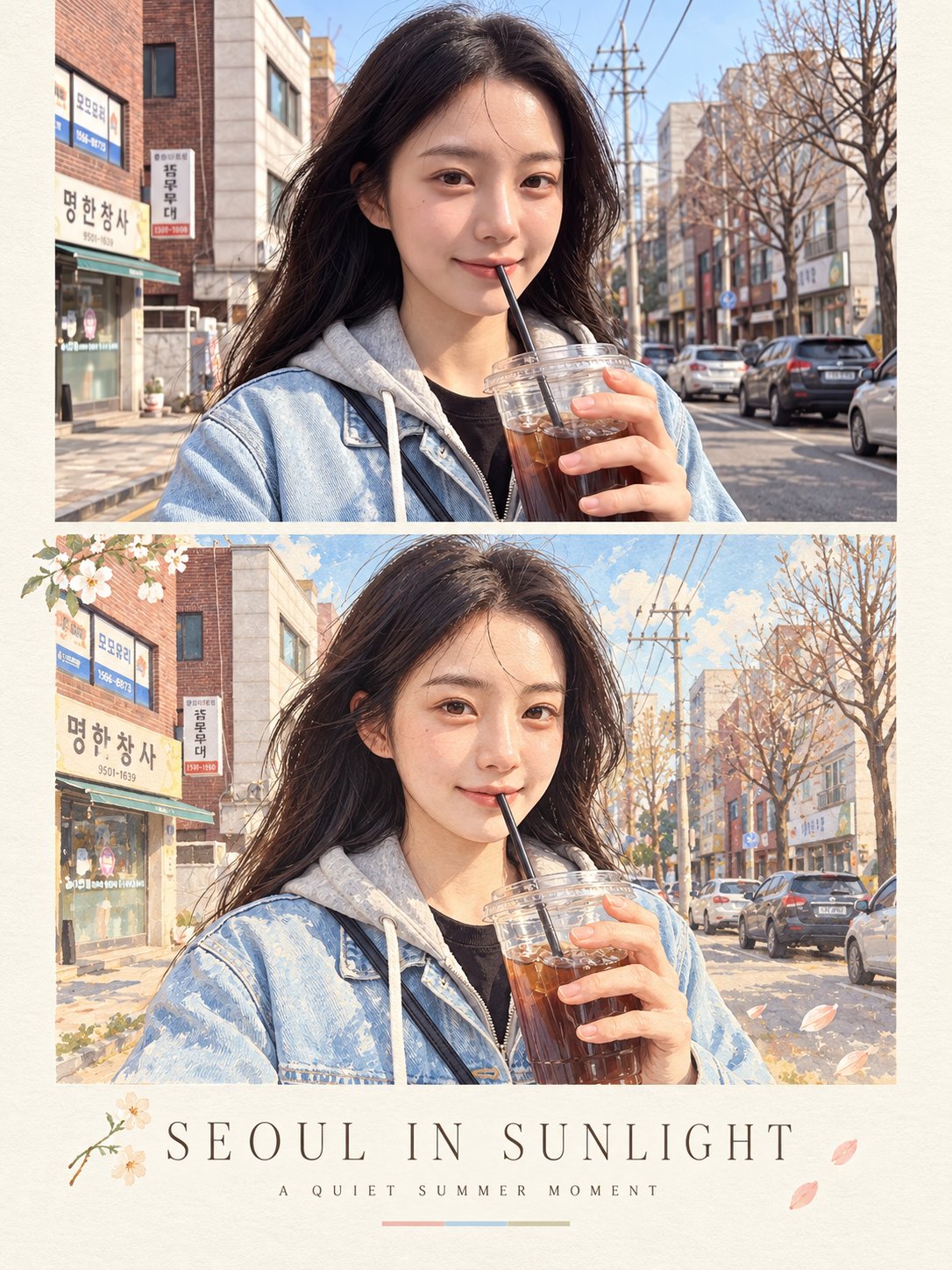
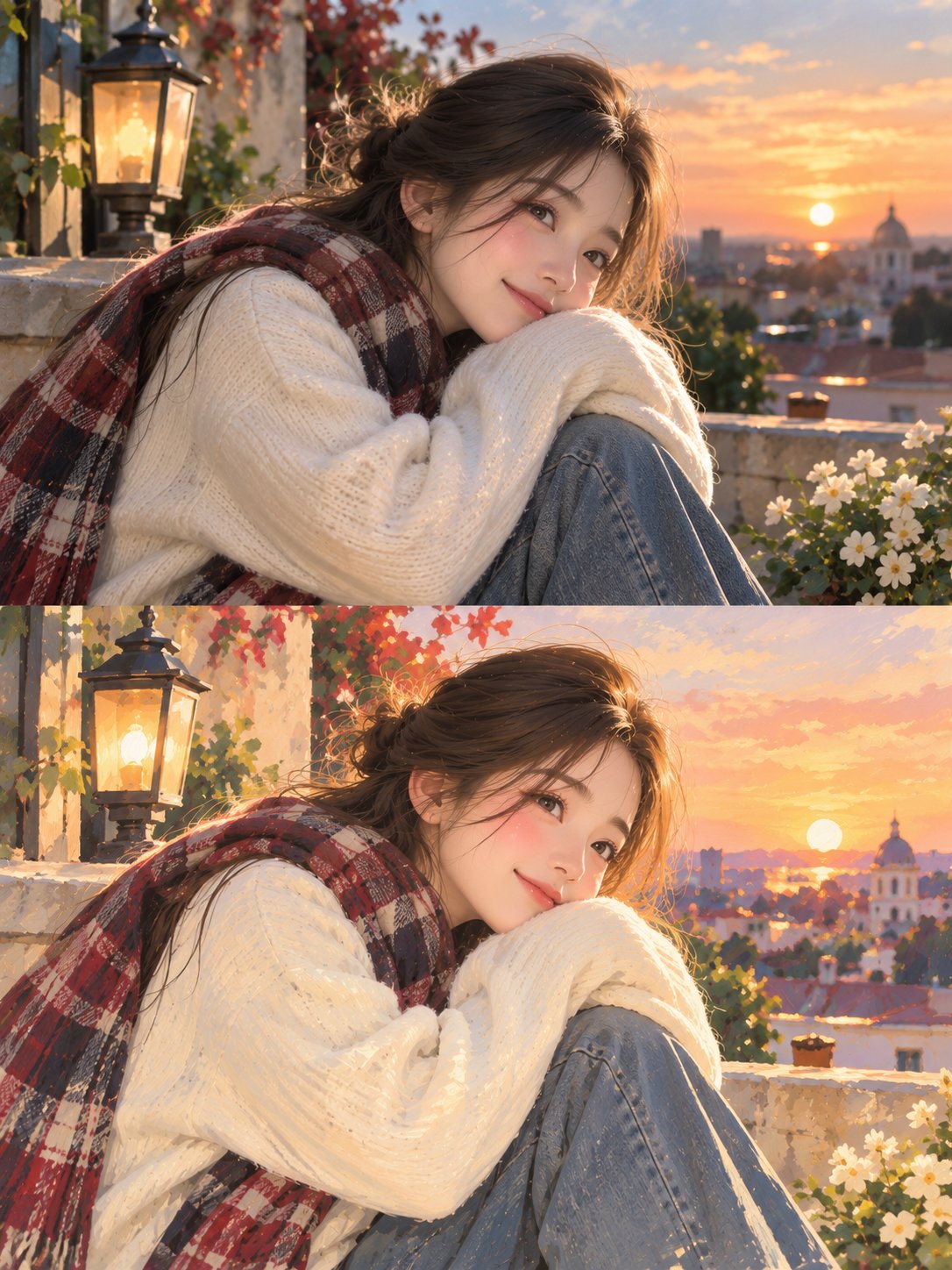
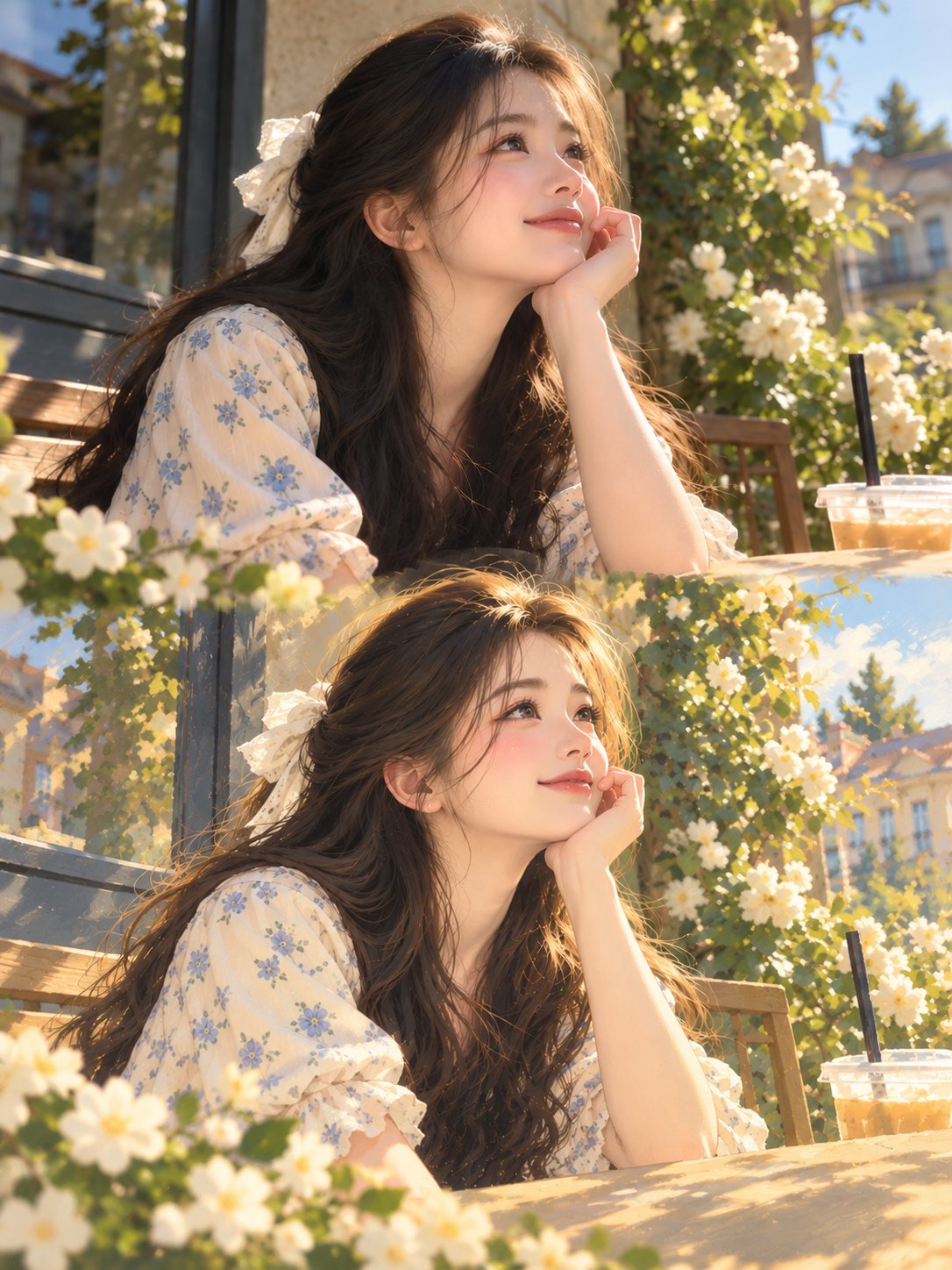
Design a sophisticated vertical editorial poster with a seamless two-section composition. In the upper section, present a highly realistic photograph of [SUBJECT] in [SETTING]. Use warm, natural daylight, authentic facial expression, detailed skin texture, subtle highlights, realistic shadows, and cinematic depth of field for a polished photographic feel. In the lower section, recreate the exact same moment as a refined hand-painted digital artwork. Keep the character instantly recognizable by matching the original pose, facial features, hairstyle, outfit, colors, lighting direction, and important background elements, while giving the scene a soft artistic interpretation. Surround the illustrated section with a warm ivory paper layout featuring subtle paper grain and elegant editorial spacing. The artwork should have delicate painterly strokes, organic shapes, muted pastel tones, gentle contours, and a nostalgic contemporary magazine aesthetic. Add a few minimal decorative botanical or seasonal details that naturally enhance the composition. Under the artwork, place a centered editorial heading: “[MAIN TITLE]” using thin, sophisticated uppercase lettering with generous spacing. Beneath it, add “[TAGLINE]” in a smaller elegant typeface with subtle letter spacing, followed by a short delicate pastel accent line. Keep the entire design clean, balanced, refined, and visually cohesive. Use a vertical 3:4 format, high resolution, sophisticated print aesthetics, natural color grading, and a seamless transition from photography to illustration. Avoid visual clutter, excessive typography, thick borders, harsh saturation, distorted anatomy, inconsistent facial details, awkward proportions, or unnecessary graphic decorations.
Details
- Type
- AI Image Prompts
- Aspect Ratio
- 3:4
- Updated
- Oct 24, 2026
Category
How to use this prompt
- 1Copy the full prompt with the copy button above.
- 2Open Nano Banana 2.1 by Google, or any image generator with a similar style range.
- 3Paste the prompt, then swap the subject and style keywords to match your idea.
- 4Match the example's settings (3:4 · Poster · Digital Art · Realistic), then iterate — small wording changes shift the output a lot.
Frequently asked questions
Which AI model generated this image?
This image was generated with Nano Banana 2.1 by Google. The prompt on this page is the exact text used to create it.
What settings does this prompt use?
The example was generated with Nano Banana 2.1 using: 3:4 · Poster · Digital Art · Realistic. Reusing these settings gives the closest match.
How do I get similar results?
Copy the prompt as-is first, then replace only the subject while keeping the style, lighting, and composition keywords. Generate a few variations — outputs differ between runs.
Can I modify this prompt?
Yes. Prompts work best as starting points — adjust descriptors, aspect ratio, or style tags to make the output your own.