LogoAhaPrompt
  • Prompts
  • Featured
  • Models
  • Submit
  • Blog
AhaPromptAhaPrompt

AI Prompts for Images, Video & Audio — Every Model, One Library

Built withLogoNEXTY.DEV
Explore
  • All Prompts
  • Featured Prompts
  • Image Prompts
  • Video Prompts
  • Audio Prompts
  • AI Models
  • Submit a Prompt
  • Blog
Languages
  • English
  • 中文
  • 日本語
  • 한국어

Copyright © 2026 AhaPrompt All rights reserved.

Privacy PolicyTerms of Service
HomeAI Prompt LibraryAI Image PromptsVintage Traveler's Scrapbook
Vintage Traveler's Scrapbook — AI image prompt — GPT Image 2 — Digital Art, Architecture - 1
Vintage Traveler's Scrapbook — AI image prompt — GPT Image 2 — Digital Art, Architecture - 2

Vintage Traveler's Scrapbook

OpenAIGPT Image 2OpenAIimage

Create a vintage-inspired travel poster in a layered 3D paper-cut collage style, designed like a worn traveler’s scrapbook page. Use torn parchment paper with sepia textures, realistic paper layers, soft drop shadows, and an antique map subtly visible beneath. Arrange iconic landmarks in a balanced composition with delicate handwritten labels and arrows, complemented by lush greenery, cobblestone streets, and charming local architecture. Add whimsical travel details such as a paper airplane with a dotted flight path, flying birds, vintage postage stamps, postal marks, and a compass rose. Finish with elegant serif typography featuring the destination name in large spaced letters and a smaller line listing notable cities below. The overall mood should feel nostalgic, handcrafted, richly detailed, timeless, and suitable for a premium vintage travel poster.

Details
Type
AI Image Prompts
Aspect Ratio
341:512
Updated
Jul 12, 2026
Category
Digital ArtArchitecture
Source

How to use this prompt

  1. 1Copy the full prompt with the copy button above.
  2. 2Open GPT Image 2 by OpenAI, or any image generator with a similar style range.
  3. 3Paste the prompt, then swap the subject and style keywords to match your idea.
  4. 4Match the example's settings (341:512 · Digital Art · Architecture), then iterate — small wording changes shift the output a lot.

Frequently asked questions

Which AI model generated this image?

This image was generated with GPT Image 2 by OpenAI. The prompt on this page is the exact text used to create it.

What settings does this prompt use?

The example was generated with GPT Image 2 using: 341:512 · Digital Art · Architecture. Reusing these settings gives the closest match.

How do I get similar results?

Copy the prompt as-is first, then replace only the subject while keeping the style, lighting, and composition keywords. Generate a few variations — outputs differ between runs.

Can I modify this prompt?

Yes. Prompts work best as starting points — adjust descriptors, aspect ratio, or style tags to make the output your own.
More GPT Image 2 prompts

Create a beautiful artistic illustration of [COUNTRY] represented through its national bird, [NATION — AI image prompt — GPT Image 2
OpenAIGPT Image 2
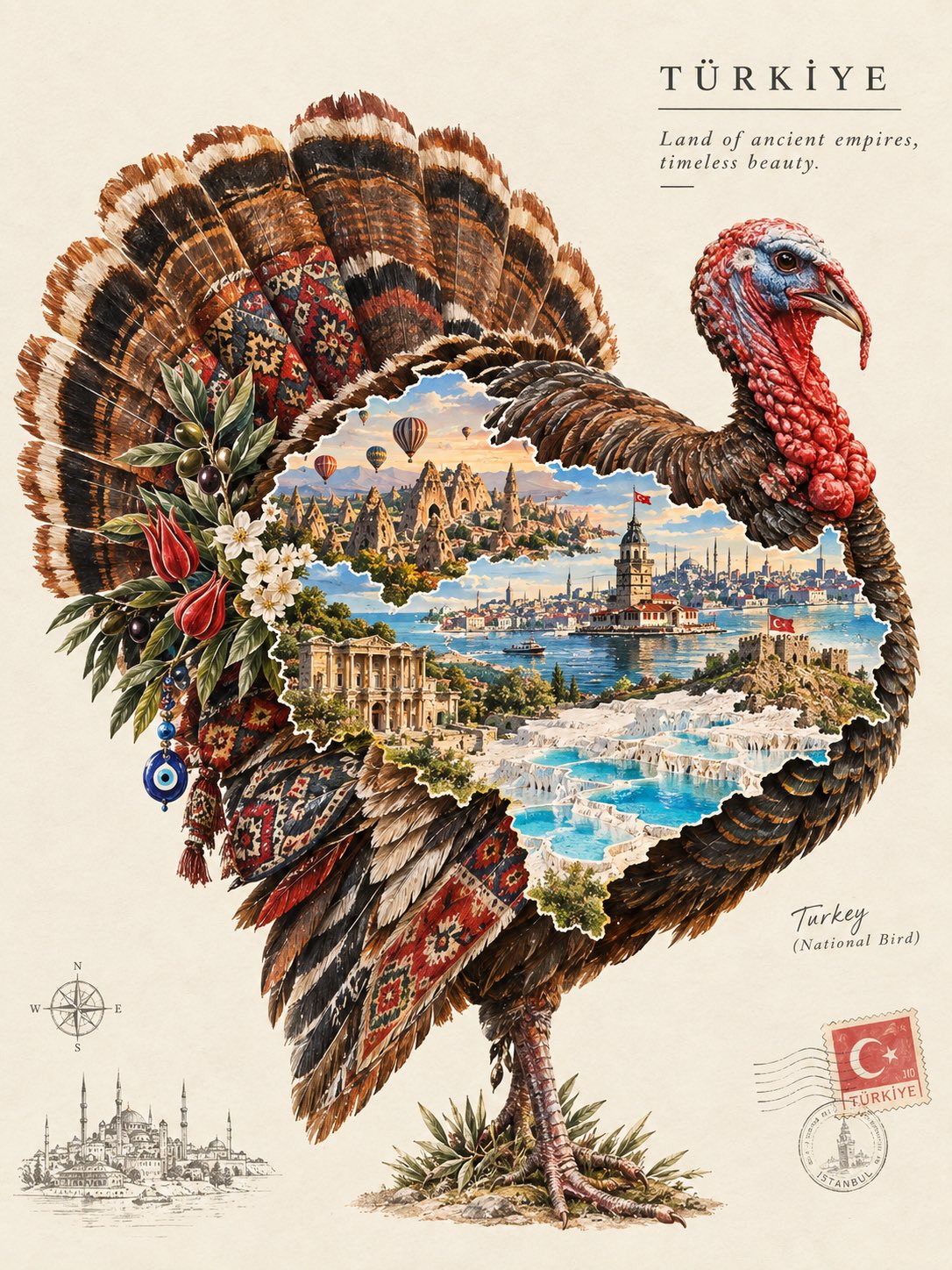
Create a beautiful artistic illustration of [COUNTRY] represented through its national bird, [NATIONAL BIRD]. Shape the bird naturally around the recognizable outline of [COUNTRY], with the country’s map clearly visible within its body and feathers. Incorporate iconic landscapes, landmarks, traditional patterns, flowers, and cultural elements of [COUNTRY] subtly inside the bird. Keep the bird realistic yet artistic, elegant composition, detailed feathers, soft natural lighting, premium travel-art aesthetic, clean background, highly detailed, sophisticated and visually meaningful.
Details
SOURCE & OUTPUT
Use each uploaded photo as the sole visual reference. Create one independent, high-e — AI image prompt — GPT Image 2
OpenAIGPT Image 2
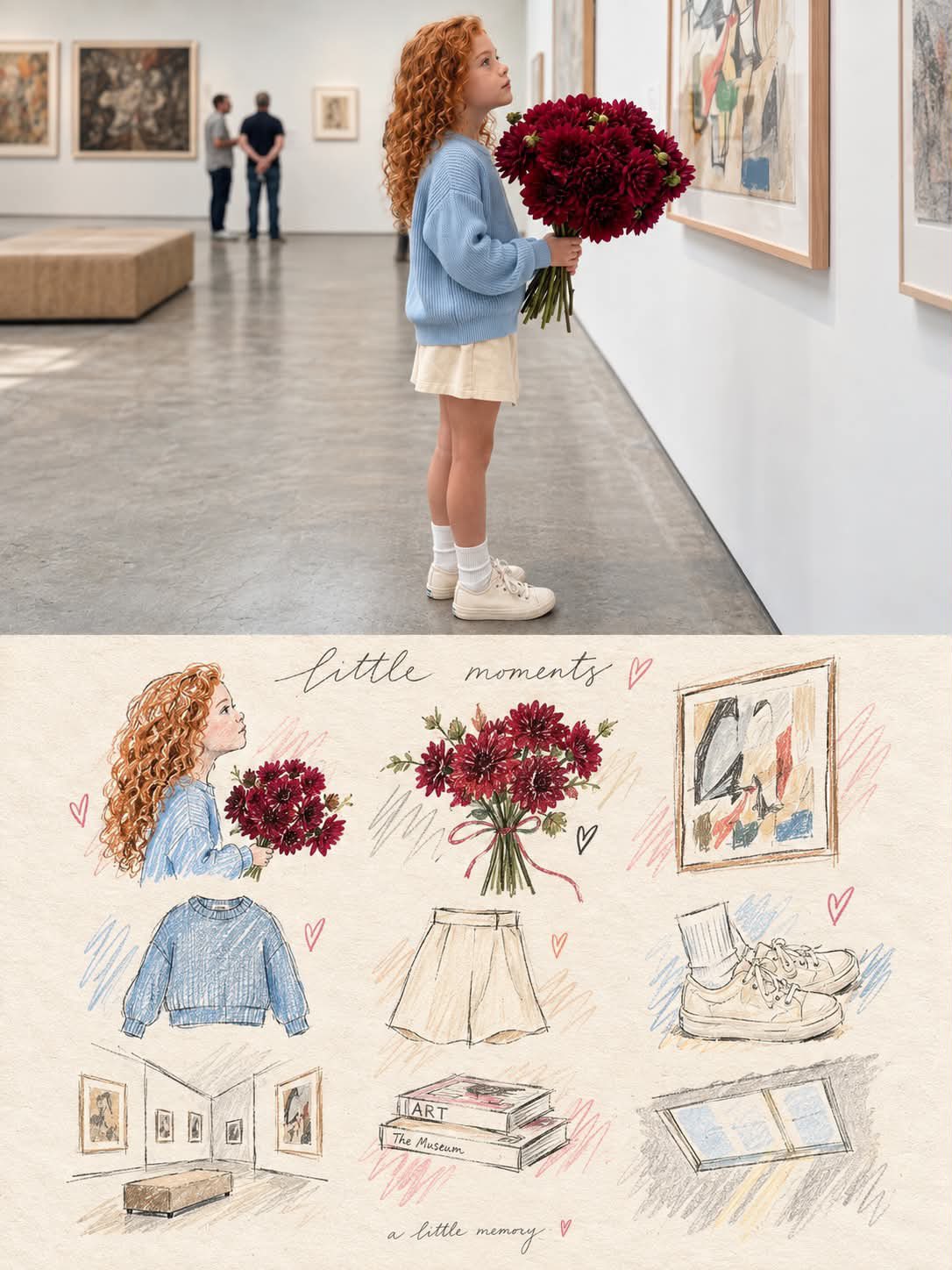
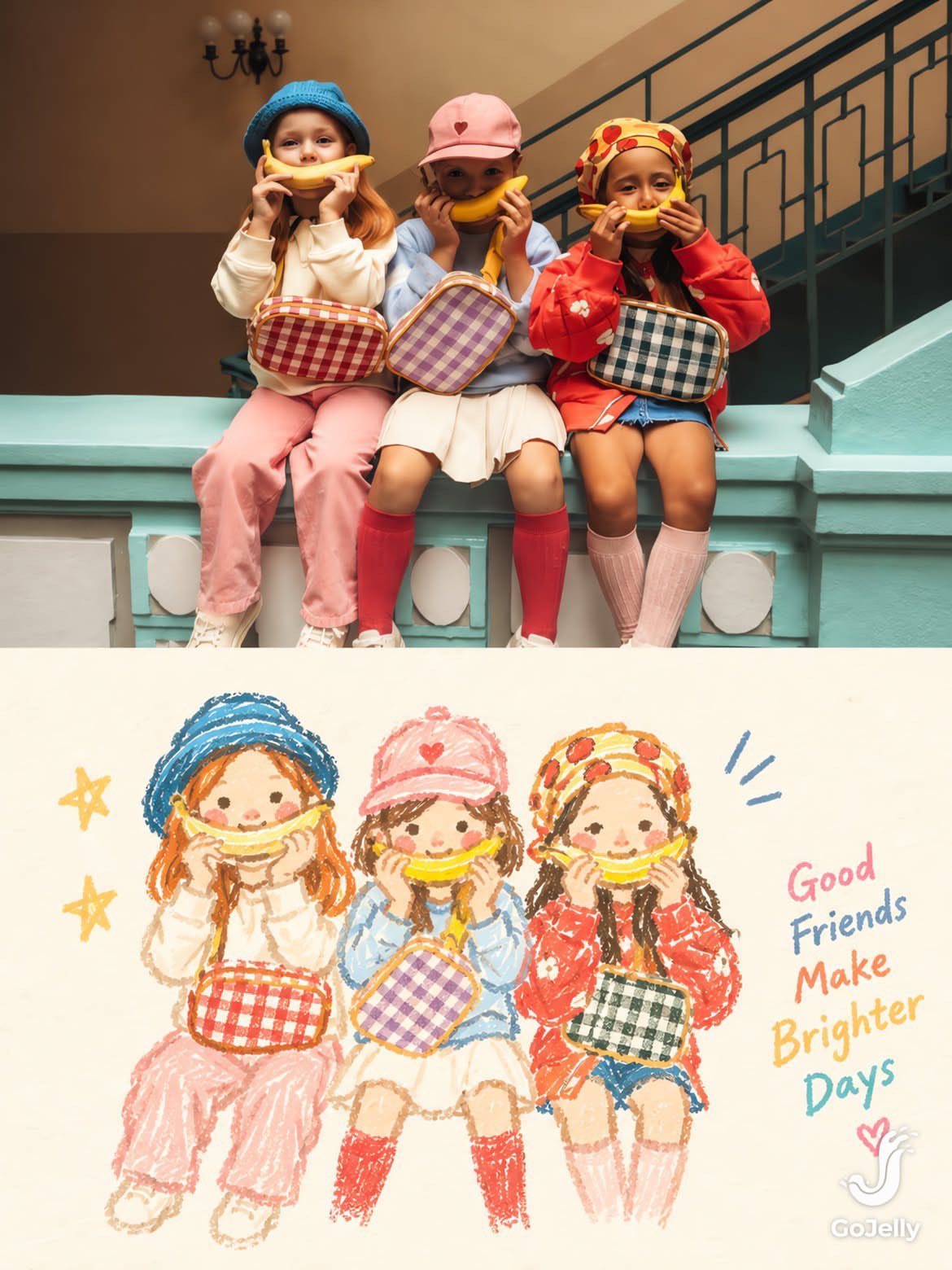
SOURCE & OUTPUT Use each uploaded photo as the sole visual reference. Create one independent, high-end editorial poster per photo and output each separately. Never combine images or create a collage. FORMAT & LAYOUT Use a strict vertical 3:4 composition divided into two exactly equal horizontal halves (50/50). UPPER HALF — ORIGINAL PHOTOGRAPH Preserve the original photograph faithfully, including the subject’s identity, facial features, structure, pose, proportions, natural texture, lighting, and color atmosphere. Apply only subtle premium editorial color grading for an art-magazine or exhibition-photography aesthetic. If necessary, extend only the surrounding background naturally to fit the frame. Never distort, replace, or redesign the subject. LOWER HALF — PASTEL CRAYON MEMORY Reinterpret the photograph as a minimalist, retro paper-texture pastel crayon doodle. Identify the scene’s most memorable subject, pose, relationships, direction, emotional tone, and visual essence. Reconstruct only these defining elements rather than copying every object or illustrating the entire scene. Use thick, loose, grainy, hand-drawn chalk-and-crayon outlines with dry pigment texture, subtle breaks, faded patches, imperfect edges, slight hand wobble, and naturally rounded stroke endings. Add only a few simple pastel color blocks, stripes, dots, or scribbles to suggest essential details. Avoid realistic volume, detailed rendering, and excessive shading. COMPOSITION & NEGATIVE SPACE Keep the illustration small and visually balanced within the lower half, surrounded by generous empty space. Position the subject naturally according to the original photograph, allowing asymmetry, off-center placement, suspended elements, or partial cropping where appropriate. Include only a few tiny environmental clues or abstract doodles, drawn in the same rough, simplified crayon style. Keep them minimal, imperfect, and contour-based. Prioritize breathing room, scale contrast, visual rhythm, and intentional emptiness. Never overcrowd the composition. BACKGROUND & COLOR PALETTE Use a bright, near-white paper background: ivory, cream white, pale off-white, soft apricot white, or very light gray-white. Add only subtle paper fibers and fine grain. Keep the background clean, bright, and clearly lighter than the illustration. Avoid dirty gray, dark yellow, or aged brown paper. Extract 2–4 defining colors from the original photograph and reinterpret them as fresh, soft pastel crayon tones, such as peach pink, apricot orange, cream yellow, mint green, sky blue, or pale lavender. Use sufficiently distinct coral, blue, blue-green, warm orange, or violet outlines for clear contrast. Maintain a gentle, playful, emotionally warm, and refined palette. OPTIONAL TEXT Add only a tiny handwritten note if it genuinely enhances the composition. Keep it sparse, legible, secondary, and unobtrusive. Never use decorative text as filler. FINAL AESTHETIC Create a sophisticated editorial poster combining authentic photography above with a reduced, recognizable, hand-drawn memory of the same scene below. The illustration should feel airy, naive without being childish, playful without looking cheap, and minimal without losing the photograph’s identity or emotional meaning. Emphasize expressive linework, selective color, paper texture, asymmetry, and negative space. NEGATIVE PROMPT No collage, multiple photos in one image, unequal split, distorted subjects, altered identities, full realistic redraws, excessive detail, dense backgrounds, polished vector art, glossy digital rendering, 3D effects, oil painting, thick impasto, heavy crayon buildup, muddy colors, dirty or aged paper, realistic shading, sticker icons, decorative mini illustrations, clutter, overcrowding, ornamental dividers, logos, watermarks, UI elements, or gibberish text.
Details
Use the uploaded reference photo as the primary visual reference and transform it into a premium “re — AI image prompt — GPT Image 2
OpenAIGPT Image 2
Use the uploaded reference photo as the primary visual reference and transform it into a premium “real-life moment + illustrated memory board” editorial poster. Create a vertical 3:4 composition divided horizontally into two equal sections. TOP HALF — REALISTIC PHOTO: Preserve the original subject, face, identity, hairstyle, clothing, pose, body proportions, objects, and environment from the reference image. Keep the scene highly photorealistic with natural skin texture, realistic lighting, soft cinematic depth of field, subtle warm tones, and an elegant lifestyle/editorial photography aesthetic. Do not change the person’s identity or outfit unnecessarily. BOTTOM HALF — HAND-DRAWN MEMORY COLLAGE: Convert the important visual elements from the top photograph into a charming hand-drawn fashion/lifestyle scrapbook illustration. Recreate the subject as a delicate colored-pencil and watercolor sketch, along with the key objects, clothing, accessories, flowers, food/drinks, furniture, architecture, books, artwork, or other recognizable details from the scene. Arrange these illustrated elements organically across a warm ivory/off-white textured paper background. Use delicate pencil outlines, subtle watercolor washes, imperfect hand-drawn strokes, soft pastel accents, light pink/blue/green sketch marks, tiny hearts, doodles, and understated decorative elements. Keep the illustrations elegant, minimal, nostalgic, and handmade rather than cartoonish. Add a small handwritten cursive title near the top of the illustrated section that reflects the mood of the original photo, such as “little moments,” “slow morning,” “a little memory,” or another context-appropriate phrase. Add very small handwritten decorative text near the bottom. The illustrated section should feel like a personal visual diary / fashion magazine scrapbook / memory journal, while still clearly connecting every illustrated element to the original photograph. Style: sophisticated editorial scrapbook, colored-pencil illustration, delicate watercolor, vintage paper texture, cozy lifestyle aesthetic, soft pastel palette, subtle imperfections, elegant composition, premium Pinterest/editorial design, nostalgic and artistic. Composition: clean spacing, balanced negative space, no clutter, seamless transition between the realistic photograph and illustrated memory section, realistic top half + hand-drawn bottom half, high detail, natural proportions. Important: Keep the original photo recognizable and preserve the subject’s identity and major visual details. Do not introduce unrelated objects. Avoid excessive text, logos, borders, stickers, or cartoon-style rendering. Shorter version Transform the uploaded photo into a 3:4 premium “real photo + illustrated memory scrapbook” poster. Keep the top 50% as a highly realistic version of the original photo, preserving the subject’s identity, pose, clothing, environment, lighting, and important details. Convert the bottom 50% into a warm ivory paper collage containing hand-drawn colored-pencil and watercolor illustrations of the subject and the key objects, outfits, accessories, flowers, furniture, architecture, books, and other details from the photo. Add delicate pastel scribbles, tiny hearts, subtle doodles, soft paper texture, and elegant handwritten cursive text such as “little moments” or “slow morning.” Sophisticated editorial lifestyle scrapbook aesthetic, nostalgic, handmade, refined, soft pastel colors, clean composition, premium Pinterest-style design, realistic top / artistic illustrated bottom, no unrelated elements, no excessive text.
Details
A high-resolution, full-body paper-sculpture relief illustration of an elegant East Asian woman, vie — AI image prompt — GPT Image 2
OpenAIGPT Image 2
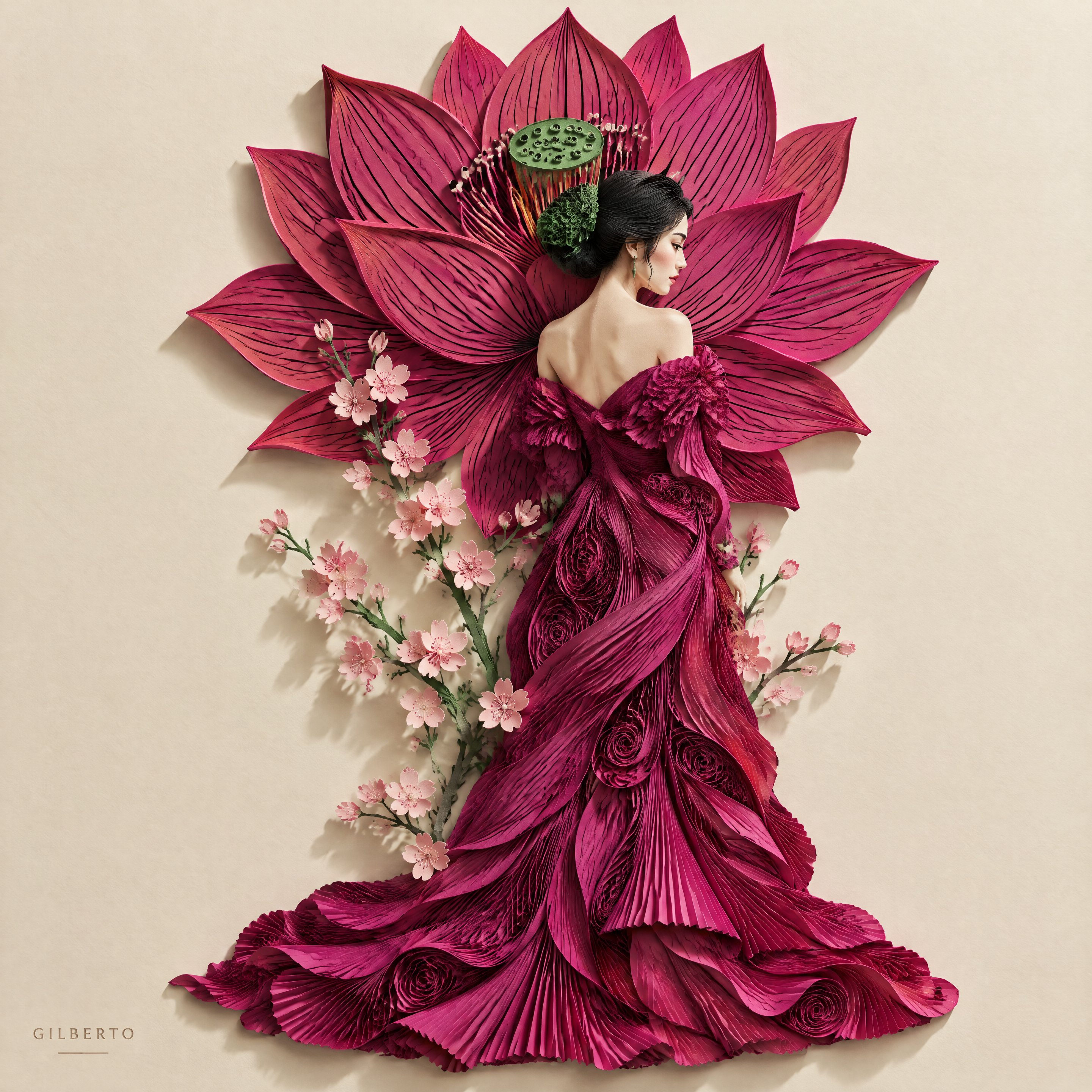
A high-resolution, full-body paper-sculpture relief illustration of an elegant East Asian woman, viewed from a three-quarter back profile turned to the right. Her dark hair is styled in an intricate updo with a green paper-cut accent bun. She is centered in a minimal composition. She wears an elaborate, dimensionally layered off-the-shoulder paper gown in rich magenta, constructed with dense, complex paper quilling and accordion pleats that swirl and flow, fanning out into a textured train at her feet. Directly behind her head and back, a massive, stylized fuchsia paper-cut lotus flower radiating with thin black line-work and a green-capped center creates a large background canopy. Sprigs of delicate pink paper-cut cherry blossoms on thin green stems are in the foreground near her side. The background is a clean, neutral cream-colored surface with soft directional lighting casting precise, delicate shadows behind every sculpted element, creating depth. --ar 1:1
Details
A 3D high-relief papercraft and textured impasto relief artwork of [SUBJECT / POSTURE], set against  — AI image prompt — GPT Image 2
OpenAIGPT Image 2
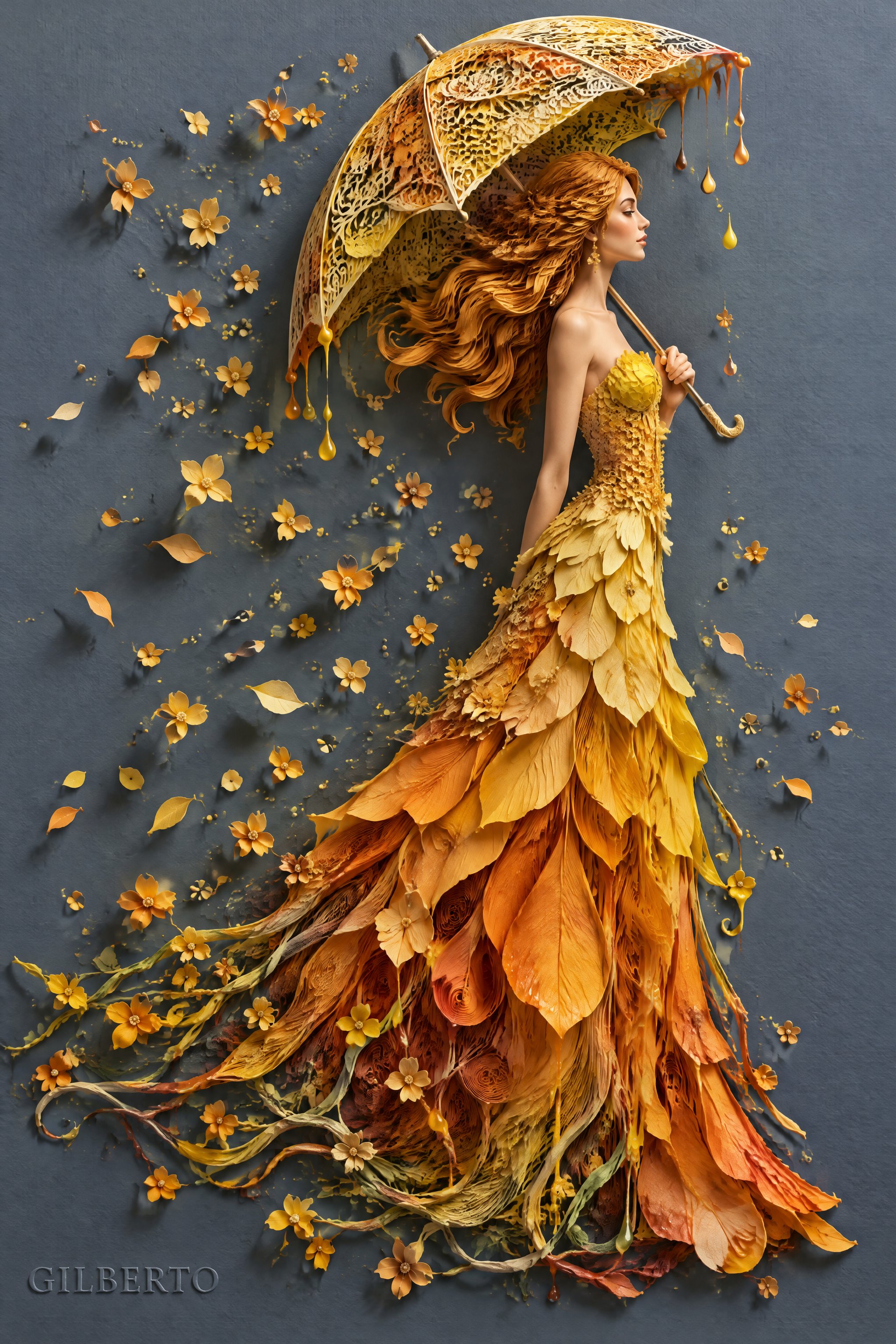
A 3D high-relief papercraft and textured impasto relief artwork of [SUBJECT / POSTURE], set against a smooth [BACKGROUND COLOR & TEXTURE] backdrop. The main figure wears [OUTFIT DESCRIPTION & MATERIAL DETAILS] and holds [PROPOSED ACCESSORY / UMBRELLA TYPE]. The outfit and accessory feature intricate layered quilled paper strips, molded resin accents, and dynamic [SCATTERED PARTICLES / ACCENTS, e.g., floating petals, droplets, leaves] bursting outward from the base. Soft studio lighting highlights the raised tactile depth and casts delicate drop shadows onto the canvas. --ar [ASPECT RATIO, e.g., 1:1]
Details
Transform the uploaded photo into a premium editorial scrapbook / torn-paper collage artwork. Keep t — AI image prompt — GPT Image 2
OpenAIGPT Image 2
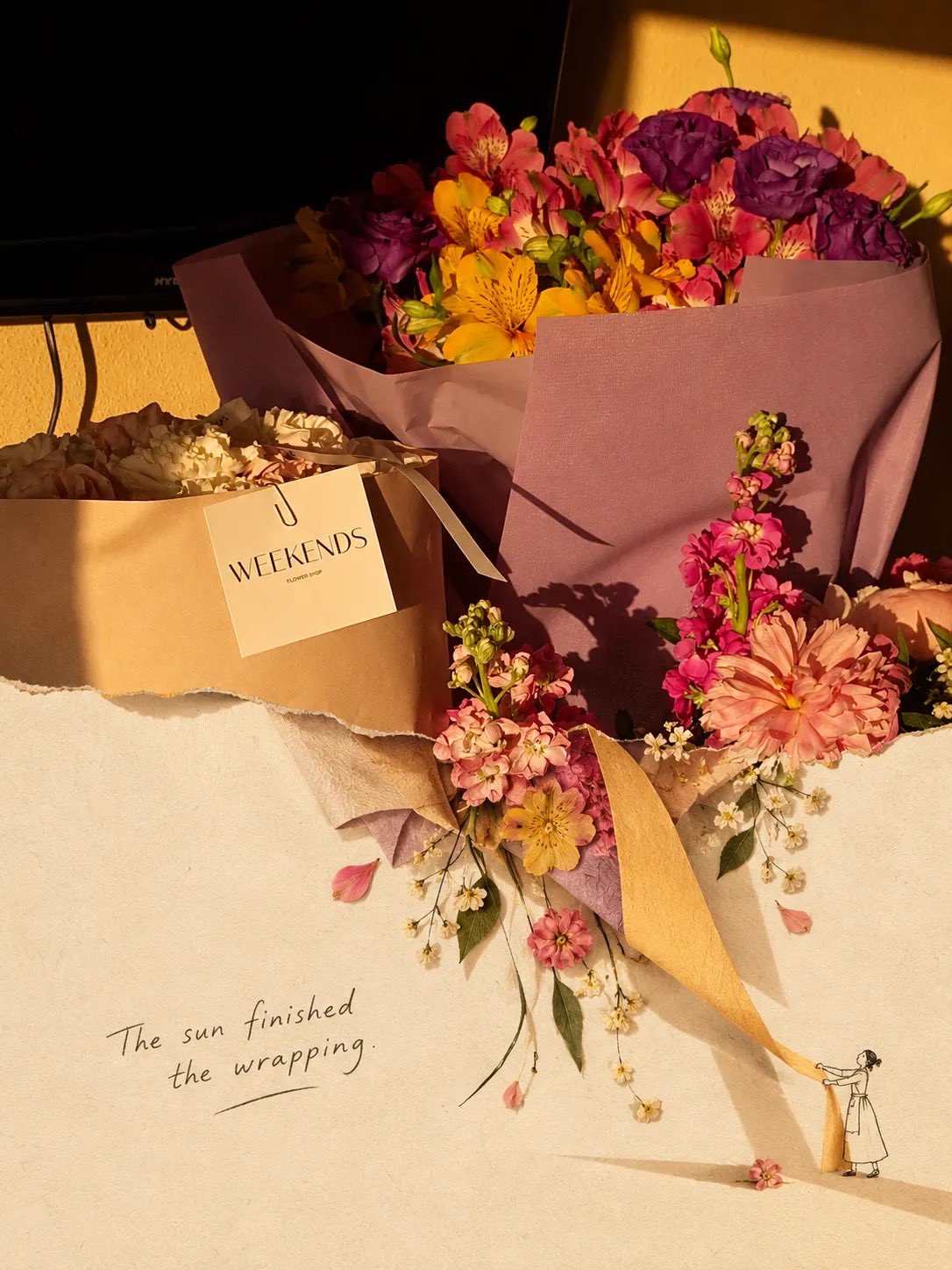
Transform the uploaded photo into a premium editorial scrapbook / torn-paper collage artwork. Keep the main subject of the original photo photorealistic, sharp, and clearly recognizable, with natural lighting, realistic textures, and authentic colors. Place the photo on a warm ivory handmade paper background with subtle paper grain and an imperfect tactile texture. Create an organic ripped-paper transition where parts of the original photograph appear to tear open and naturally continue into the lower area as a minimal hand-drawn ink illustration / sketch, blending the real photograph with the illustrated extension. Add subtle vintage editorial details, delicate handwritten-style typography, tiny hand-drawn doodles, imperfect ink lines, small decorative elements, and artistic negative space. Let selected objects from the photograph flow beyond the torn edge and interact with the illustration, creating a playful 3D collage effect. Use soft shadows beneath the paper layers and realistic paper edges for depth. Color palette: warm cream, beige, muted brown, soft earthy tones with the original photo’s natural colors preserved. Lighting: warm golden-hour / nostalgic sunlight, soft highlights and gentle shadows. Composition: sophisticated, minimal, balanced, artistic, lots of breathing room, premium magazine/editorial aesthetic. Texture: handmade paper, subtle grain, torn fibers, slightly imperfect printing and ink texture. The final image should feel like a real photograph physically pasted onto handmade paper and partially transformed into a delicate illustration, rather than a digital filter. Important: Do not alter the main subject’s identity, proportions, objects, or important details. Avoid excessive decorations, cartoonish rendering, overly clean digital edges, neon colors, or a generic AI-art look. High-end contemporary scrapbook editorial design, photorealistic + hand-drawn mixed-media collage, 4:5 or 3:4 vertical composition. [OPTIONAL] Add this concept-specific element: [describe the object/scene you want the photograph to transform into] [OPTIONAL TEXT]: Add a short handwritten phrase: "[your text]" in a subtle black/charcoal ink style.
Details
Create a vertical cozy home scrapbook poster inspired by the reference images. Combine a beautiful r — AI image prompt — GPT Image 2
OpenAIGPT Image 2
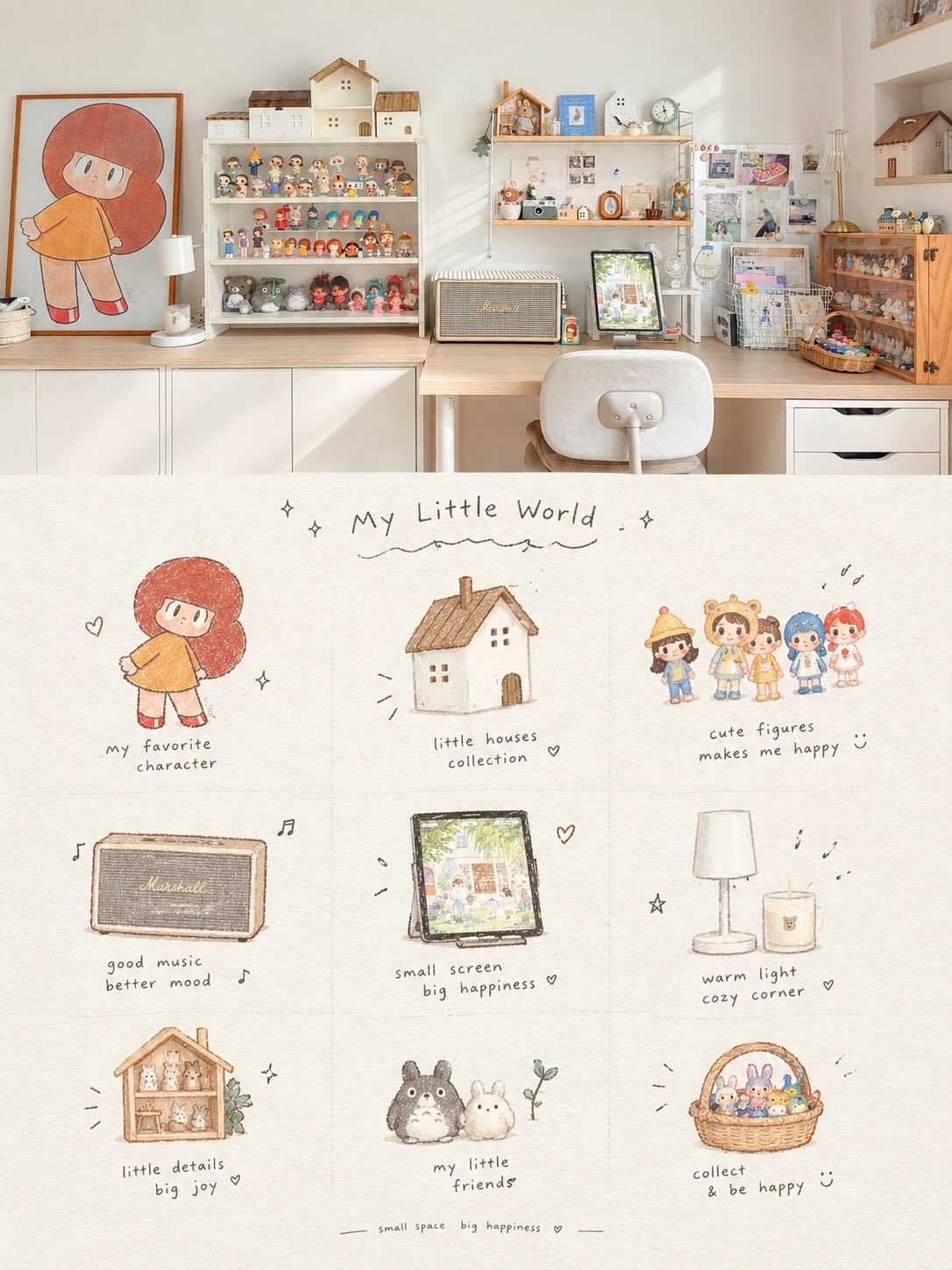
Create a vertical cozy home scrapbook poster inspired by the reference images. Combine a beautiful realistic interior photograph on the top half with a hand-drawn illustrated memory journal on the bottom half. Top section: A warm, bright and minimalist cozy home interior with natural cream walls, light wooden furniture, open wooden shelves filled with tiny ceramic houses, cute collectible figurines, miniature animals, books, framed artwork and handmade décor. Include a wooden desk or dining table, vintage radio, small lamp, flowers, baskets, ceramics and carefully arranged little objects. Soft sunlight streaming through the window, warm natural shadows, peaceful Scandinavian/Japanese cottage aesthetic, clean and inviting, realistic interior photography, highly detailed. Bottom section: Transform the same room and objects into a charming hand-drawn scrapbook illustration on textured warm cream paper. Arrange the illustrations in a neat 3×3 grid, with each small panel showing a cozy detail: miniature houses, cute character figures, vintage radio, tablet/screen, table lamp, tiny animal collection, flower vase, ceramic collection, baskets, books and other little decorations. Use delicate watercolor and colored-pencil textures, soft brown ink outlines, muted pastel colors, slightly imperfect handmade strokes. Add a handwritten title at the top: “My Little World” or “My Cozy Home”, with tiny stars, hearts and simple doodles. Add short handwritten captions beneath each illustration, such as “little things, big happiness,” “cozy corner,” “my little collection,” “warm light,” “home sweet home,” “small moments, big joy.” Style: cozy lifestyle magazine + handmade travel journal, nostalgic scrapbook, watercolor and colored-pencil illustration, textured paper, warm beige and natural wood tones, soft sunlight, cute miniature details, elegant minimal composition, highly detailed, vertical 4:5 poster, seamless transition from realistic photography to illustration, no watermark.
Details
Create one independent editorial-style poster for each uploaded photo. Do not make a collage. Proces — AI image prompt — GPT Image 2
OpenAIGPT Image 2
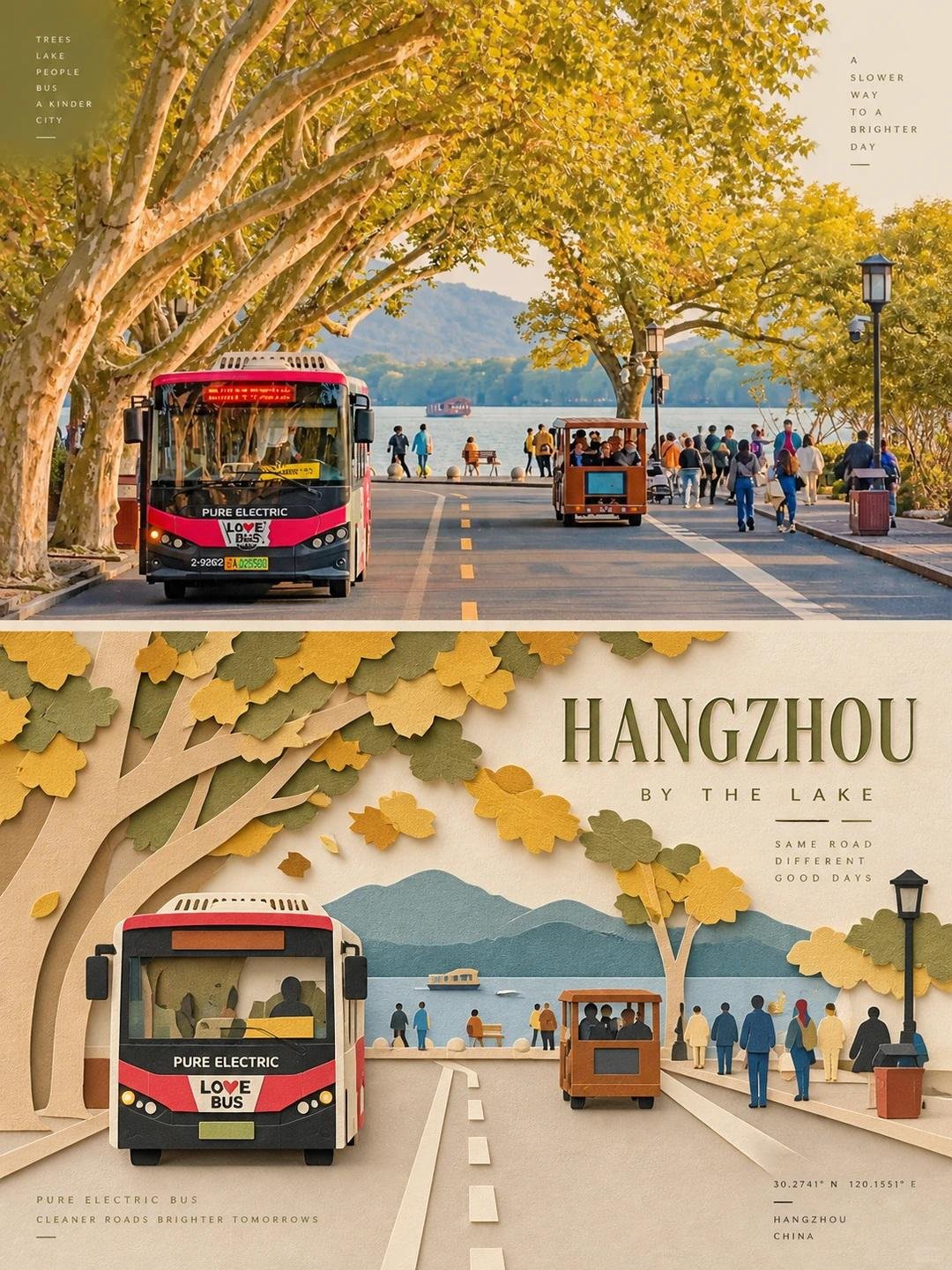
Create one independent editorial-style poster for each uploaded photo. Do not make a collage. Process and output each photo separately. Use a strict 3:4 vertical composition, divided horizontally into two exactly equal sections, each occupying 50% of the canvas. TOP HALF — ORIGINAL PHOTOGRAPH Preserve the original photo. Keep the main subject unchanged while retaining its realistic texture, natural lighting, and original color atmosphere. Apply only subtle editorial-grade color correction to create the refined feel of an art magazine, independent publication, or exhibition photography. To fit the composition, you may gently extend the sky, ground, or surrounding environmental background, but do not stretch, distort, or alter the main subject. BOTTOM HALF — LAYERED PAPER CUT / PAPER ART REINTERPRETATION Reinterpret the most recognizable subject, silhouette, pose, and spatial relationships from the photo as a minimalist layered paper-cut / paper-art composition. Use one primary subject as the visual anchor. Do not mechanically reproduce every detail. Instead, reconstruct the key silhouette, proportions, and structure through folding, cutting, layering, and overlapping. Transform only a few supporting environmental elements into foreground, midground, and background paper layers. Use scale contrast, negative space, clean alignment, and front-to-back layering to make the subject immediately recognizable while maintaining a restrained editorial composition. COLOR & MATERIAL Extract the most distinctive and recognizable colors from the original photo, then reduce them into a limited and harmonious paper-art palette. Use warm ivory or light-colored paper as the base, supported by a small amount of stronger accent colors, darker structural tones, soft transitional layer colors, and very limited highlights. The material should resemble high-quality matte cardstock, with subtle visible paper fibers, clean cut edges, and soft contact shadows under natural diffused lighting. Emphasize the tactile quality of real handcrafted paper art. Avoid glossy plastic-like 3D effects, cheap craft-paper aesthetics, neon colors, and overly saturated or complex gradients. EDITORIAL TYPOGRAPHY SYSTEM Add a refined editorial typography system. Based on the identity, location, action, material, emotion, or symbolic meaning of the subject, create one short main title. Add 2–4 groups of smaller supporting text. These may include object names, location information, numbers, sequence markers, coordinate-like numbers, direction words, status words, material descriptions, classification labels, or a very short poetic phrase. Do not use any year or date. The main title should convey emotion and identity, while the smaller text should add rhythm, structure, and refinement. TYPOGRAPHY INTEGRATION Integrate the typography naturally into the composition so that it interacts with the paper-cut forms. Arrange text along paper-layer edges, subject contours, geometric axes, or areas of negative space. Use horizontal or vertical typesetting, rotated text, generous letter spacing, edge alignment, corner placement, cross-section layouts, embedded typography, or partially overlapped text. The main title may have a subtle paper-cut or folded-paper quality, while the supporting text should remain thin, modern, restrained, and precise. The final result should feel elegant, tactile, balanced, art-directed, and distinctly editorial.
Details
Browse all GPT Image 2 promptsExplore AI Image Prompts