LogoAhaPrompt
  • Prompts
  • Featured
  • Models
  • Submit
  • Blog
AhaPromptAhaPrompt

AI Prompts for Images, Video & Audio — Every Model, One Library

Built withLogoNEXTY.DEV
Explore
  • All Prompts
  • Featured Prompts
  • Image Prompts
  • Video Prompts
  • Audio Prompts
  • AI Models
  • Submit a Prompt
  • Blog
Languages
  • English
  • 中文
  • 日本語
  • 한국어

Copyright © 2026 AhaPrompt All rights reserved.

Privacy PolicyTerms of Service
HomeAI Prompt LibraryAI Image PromptsTravel Souvenir Enamel Pin Badge
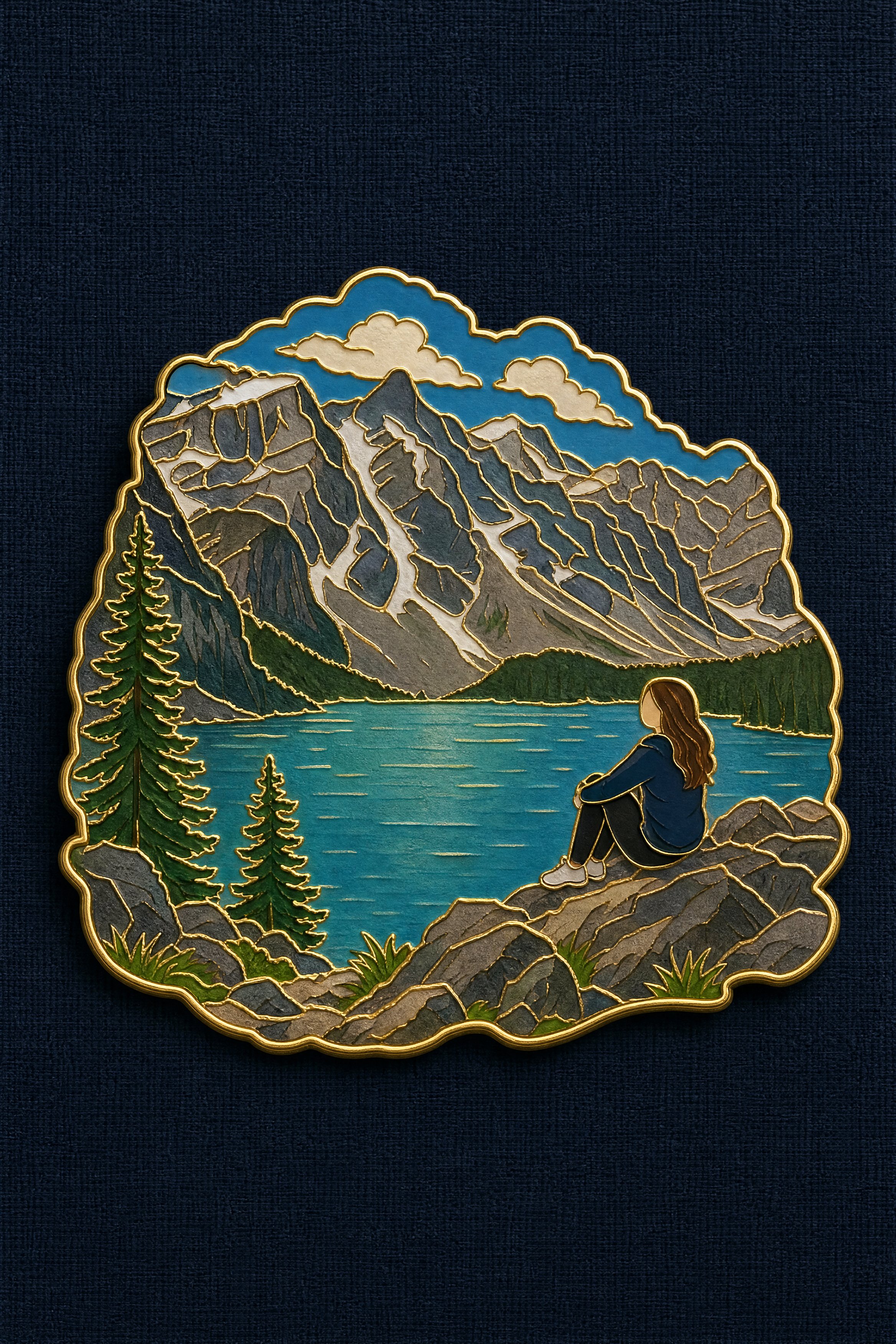
Travel Souvenir Enamel Pin Badge — AI image prompt — GPT Image 2 — Minimalist, Landscape - 1
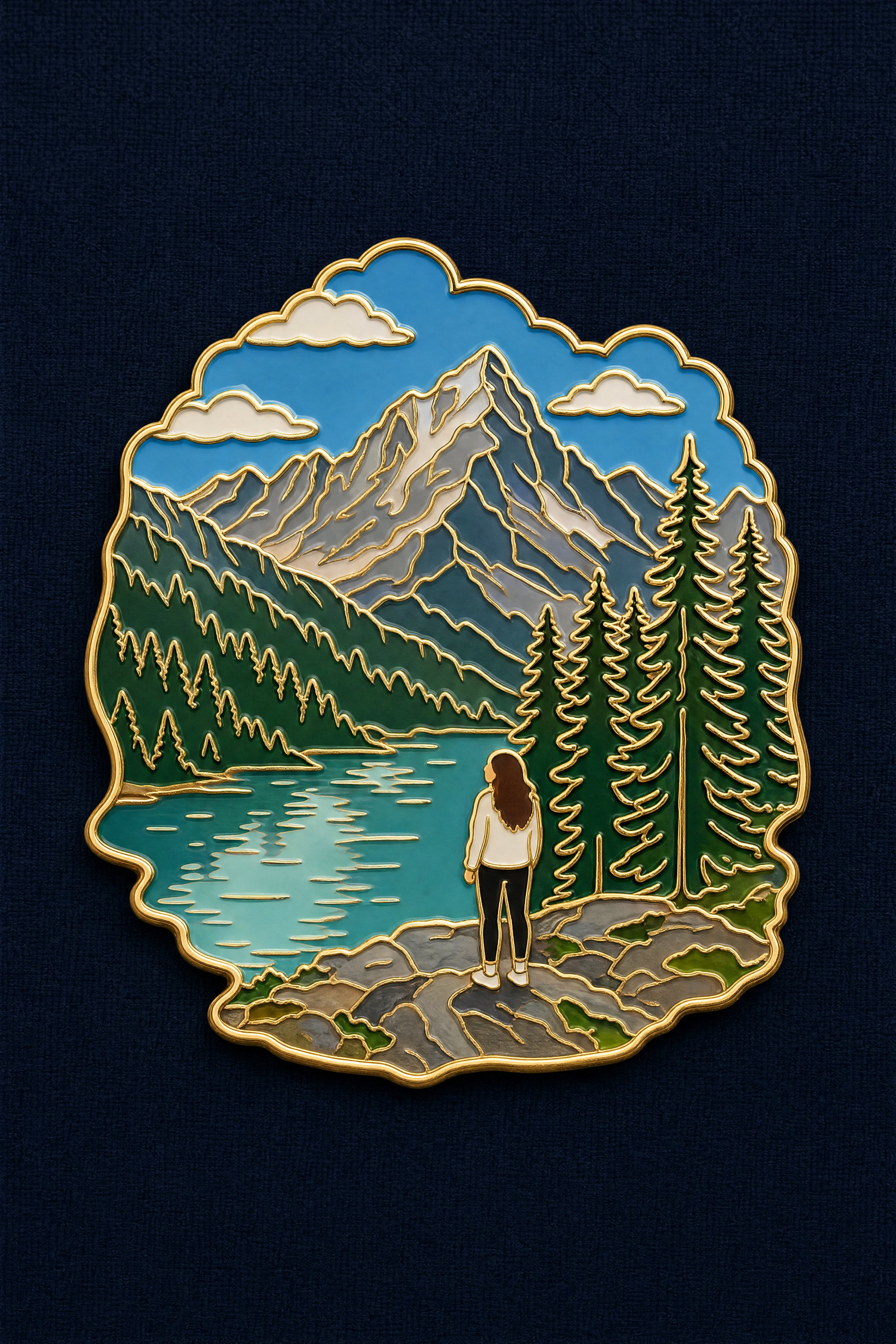
Travel Souvenir Enamel Pin Badge — AI image prompt — GPT Image 2 — Minimalist, Landscape - 2

Travel Souvenir Enamel Pin Badge

OpenAIGPT Image 2OpenAIimage

Turn the reference photo into a travel souvenir enamel pin badge. Compose it as a SCENE, not a single isolated object. Subject hierarchy: the defining landscape, terrain or landmark of the photo forms the main body of the badge and occupies most of its area. If a person appears prominently in the photo, keep them in the badge as a small, simplified figure at true relative scale within that landscape — the person is an accent, the landscape is the subject.Preserve the original spatial relationship and scale between the figure and the surroundings. How to render the person: flat enamel color blocks matching their real clothing and hair color from the photo. The face is a smooth plain area of light skin-tone enamel with no drawn facial features — do NOT render the person as a dark or black silhouette, and do NOT black out the face or head. Skin reads as a warm light enamel color, clearly lighter than the clothing.Styling: thin polished gold outline around the silhouette and along every internal divider, glossy enamel color fill, gentle even lighting with only a soft sheen on the gold lines, very subtle drop shadow. Outer contour follows the scene's own shape, not a plain rectangle. Background: flat dark navy coarse linen texture. Badge centered, filling about 60% of the frame.Avoid: black silhouette figure, blacked-out face, dark featureless head, portrait close-up, detailed facial features, person dominating the badge, cropping out the landscape, three-quarter angle, macro product photography, heavy specular glare, cartoon, realistic scene, text, watermark.

Details
Type
AI Image Prompts
Aspect Ratio
2:3
Updated
Aug 28, 2026
Category
MinimalistLandscape
Source

How to use this prompt

  1. 1Copy the full prompt with the copy button above.
  2. 2Open GPT Image 2 by OpenAI, or any image generator with a similar style range.
  3. 3Paste the prompt, then swap the subject and style keywords to match your idea.
  4. 4Match the example's settings (2:3 · Minimalist · Landscape), then iterate — small wording changes shift the output a lot.

Frequently asked questions

Which AI model generated this image?

This image was generated with GPT Image 2 by OpenAI. The prompt on this page is the exact text used to create it.

What settings does this prompt use?

The example was generated with GPT Image 2 using: 2:3 · Minimalist · Landscape. Reusing these settings gives the closest match.

How do I get similar results?

Copy the prompt as-is first, then replace only the subject while keeping the style, lighting, and composition keywords. Generate a few variations — outputs differ between runs.

Can I modify this prompt?

Yes. Prompts work best as starting points — adjust descriptors, aspect ratio, or style tags to make the output your own.
More GPT Image 2 prompts

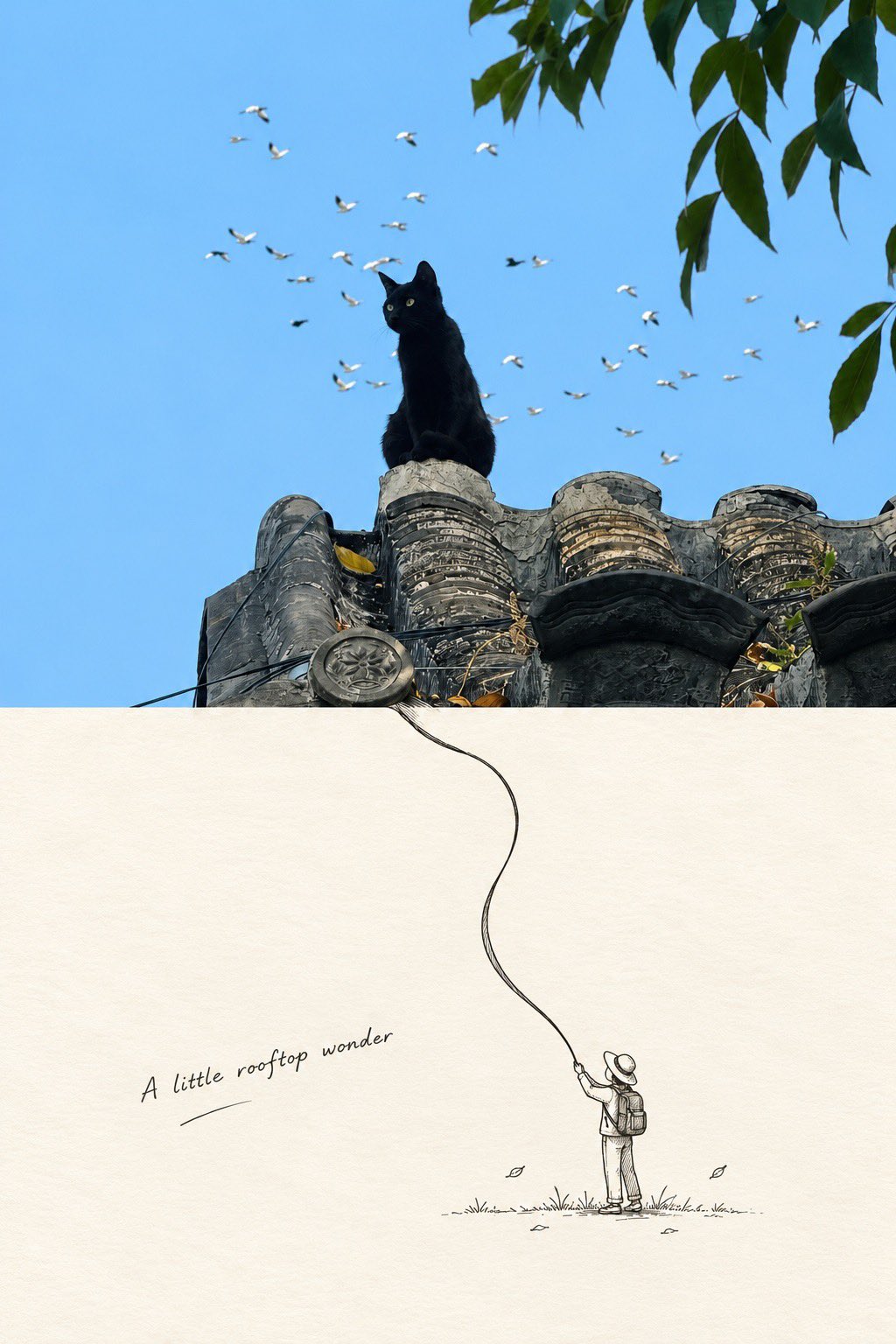
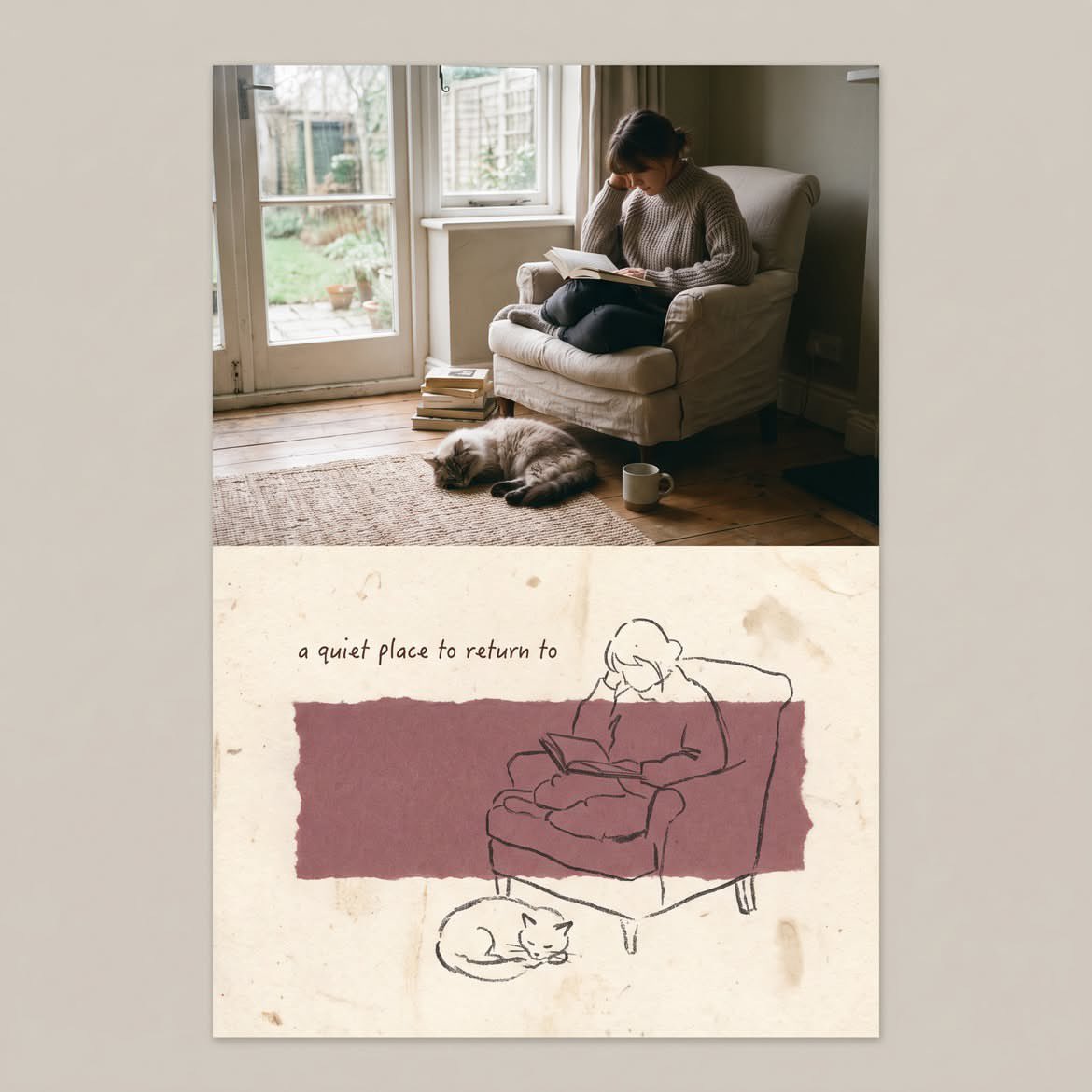
Transform the uploaded photo into a vertical mixed-media memory card with a strict 50/50 split.

Kee — AI image prompt — GPT Image 2
OpenAIGPT Image 2
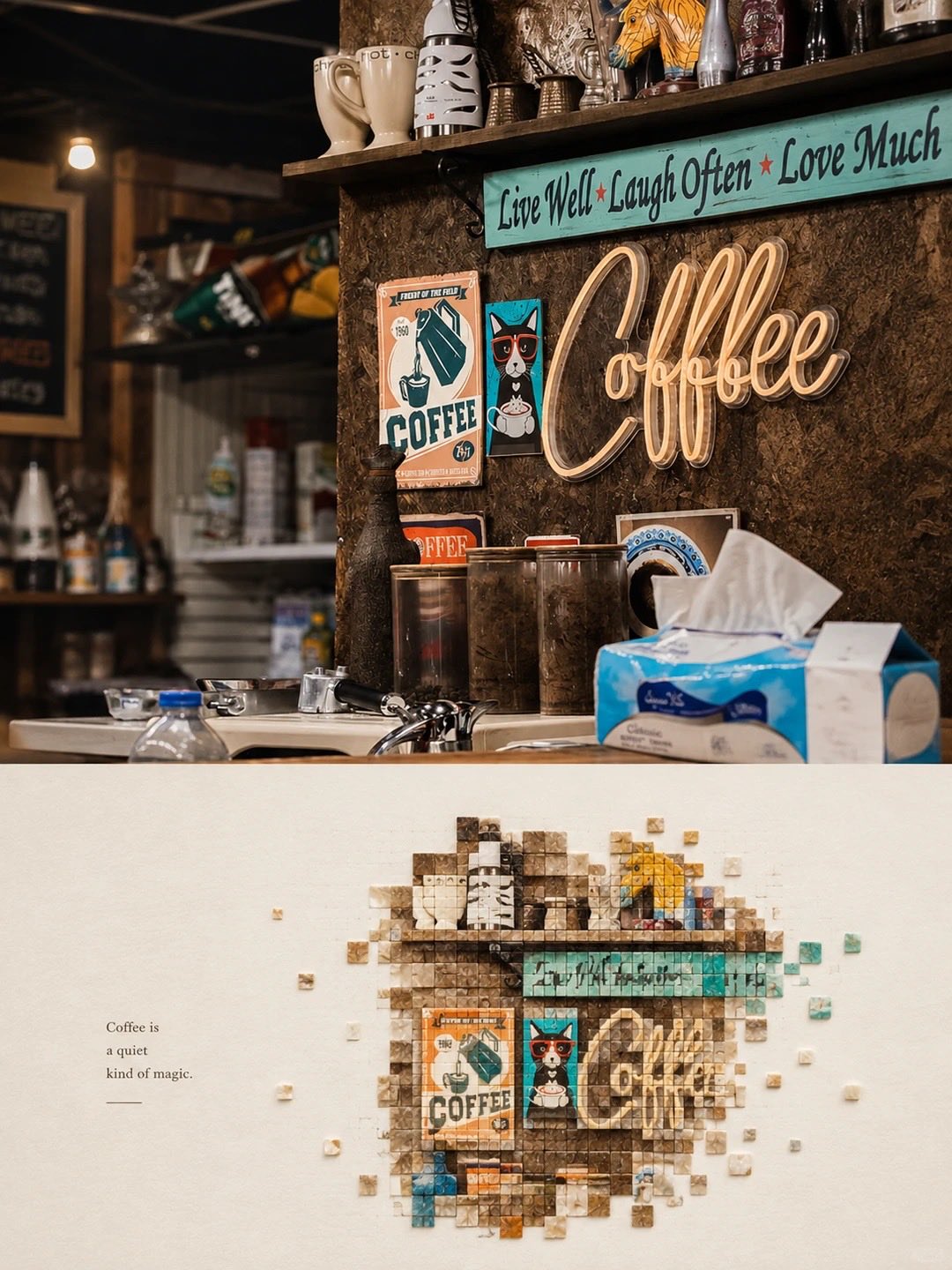
Transform the uploaded photo into a vertical mixed-media memory card with a strict 50/50 split. Keep the original photo unchanged in the top half. In the bottom half, use textured off-white handmade paper and add a muted, irregular color patch matching the photo’s tones. Redraw the main subjects as a simple dark wax-crayon sketch with loose, imperfect lines and minimal details. Add a short handwritten English phrase and subtle Risograph grain. Create a quiet, nostalgic Morandi-style aesthetic with generous negative space. Do not add extra elements or copy the reference composition exactly.
Details
Premium minimalist flat-vector travel poster for [CITY_NAME], 3:4 vertical format.

Create an origin — AI image prompt — GPT Image 2
OpenAIGPT Image 2
Premium minimalist flat-vector travel poster for [CITY_NAME], 3:4 vertical format. Create an original, elegant travel poster that reflects the authentic visual personality and atmosphere of [CITY_NAME]. The composition should feel specially designed for this city instead of looking like a repeated or generic travel template. CITY IDENTITY First understand the distinctive visual character of [CITY_NAME] and construct the scene around these five elements: 1. A recognizable landmark, architectural detail, or important skyline feature. 2. A characteristic local method of transportation or movement. 3. One subtle everyday lifestyle moment that feels authentic to the city. 4. A native plant, natural landscape, coastline, river, mountain, or environmental feature. 5. A viewpoint and composition that naturally belong to the geography and identity of the city. The complete scene arrangement should vary from city to city. Do not repeatedly use identical object placement or the same visual formula. Possible compositions include: harbor viewpoint, historic narrow street, riverside garden, coastal walkway, elevated city overlook, lively market passage, tram-lined avenue, ferry terminal, botanical setting, heritage square, beach promenade, cultural plaza, or skyline terrace. Choose whichever composition most naturally represents [CITY_NAME]. TYPOGRAPHY Place “[CITY_NAME]” in the upper-left area with generous, clean negative space. Add one short, sophisticated English tagline inspired by the atmosphere, culture, or character of the city. Typography should remain understated, editorial, spacious, and premium. Never let the text overpower the artwork. VISUAL HIERARCHY Use one iconic landmark or architectural element as the primary focal point. Support it with only 2–4 carefully chosen local elements. Every additional detail should reinforce the identity and sense of place. Avoid collections of landmarks or postcard-style collages. Keep the artwork visually calm, selective, and intentional. PEOPLE Include only 3–6 small-scale figures. Give each person a believable activity connected to local life, such as: walking through a historic lane, cycling, waiting for public transport, sketching architecture, boarding a ferry, reading outdoors, taking a quiet photograph, carrying beach equipment, browsing a local market, or jogging beside the water. Avoid crowds and avoid making one individual the main character. Figures should blend naturally into the environment. LOCAL CHARACTER Use city-specific elements only when they genuinely fit [CITY_NAME]: - local transportation - architecture - street furniture - vegetation - small signs or wayfinding - local food references - recreational activities - pavement markings - cultural details Transport and signage should remain subtle. Instead of repeatedly using a large signboard, incorporate details naturally through a small transit marker, station clock, ferry information panel, bike symbol, painted road marking, beach flag, or understated metro icon. ART DIRECTION Japanese stationery-inspired aesthetic, luxury sticker illustration, premium commercial vector artwork, modern editorial travel branding, clean delicate outlines, consistent line weight, simple geometric forms, flat-color illustration, soft rounded shapes, balanced visual rhythm, high-end minimalist postcard design. COLOR SYSTEM Build the atmosphere primarily with: pale powder blue, soft sky blue, mist blue, and cool airy blue tones. Balance these with: warm ivory, cream, soft beige, muted sage, gray-green, and understated architectural neutrals. Use dusty rose or muted blush only for tiny visual accents such as flowers, clothing details, small signs, awnings, or decorative objects. Colors should stay soft, sophisticated, slightly desaturated, and visually harmonious. MOOD Fresh, airy, peaceful, refined, contemporary, elegant. The final artwork should feel like a premium boutique travel postcard or luxury lifestyle brand illustration, with generous breathing room and a relaxed, authentic sense of place. IMPORTANT QUALITY RULES Every city must maintain its own distinctive visual identity. Change the camera angle, scene structure, landmark placement, foreground treatment, and supporting details according to the individual character of the city. Do not simply replace [CITY_NAME] inside an existing composition. NEGATIVE PROMPT No photorealism. No realistic photography. No watercolor. No painterly brushwork. No gradients. No heavy shadows. No dramatic cinematic lighting. No paper texture. No excessive detail. No cluttered background. No landmark collage. No crowded streets. No oversized characters. No dominant hero character. No repetitive café composition. No fixed signboard position. No identical foreground treatment. No generic tourist-poster formula. No copied layout from another city. No unnecessary decorative elements.
Details
Create a sophisticated vertical 3:4 travel art poster featuring Istanbul, designed as a refined cont — AI image prompt — GPT Image 2
OpenAIGPT Image 2
Create a sophisticated vertical 3:4 travel art poster featuring Istanbul, designed as a refined contemporary fine-art print. CORE CONCEPT LANDMARK 70% + GEOMETRIC ABSTRACTION 30% Clearly depict the destination's most iconic landmarks, architecture, and landscapes first. Apply geometric simplification only after establishing a strong, recognizable destination identity. The viewer should immediately think: "This is Istanbul." LANDMARKS Select 3–5 iconic visual elements, with 1–2 as the main protagonists. Preserve the primary landmarks' recognizable: Silhouettes Proportions Architectural features Distinctive details Keep landmarks visually dominant. Do not reduce them into generic circles, rectangles, or abstract shapes. GEOMETRIC ABSTRACTION Use geometry as a supporting design language rather than replacing the landmarks. Use: circles, arches, rectangles, triangles, stepped forms, simplified rooftops, and layered color fields. Apply these mainly to secondary architecture, roads, rivers, hills, trees, background skylines, and negative spaces. Maintain the visual balance of approximately 70% recognizable destination imagery + 30% geometric abstraction. COMPOSITION Use a stable, elegant 3:4 vertical composition with generous negative space. Keep approximately the upper 40–50% open and atmospheric. Place only ISTANBUL at the upper center using small uppercase English typography, thin sans-serif lettering, and wide letter spacing. No slogan, subtitle, or additional text. Build the main cityscape or landscape in the lower portion, making the primary landmark the first visual focus. Surround it naturally with secondary architecture, vegetation, water, hills, bridges, or other destination-specific elements. VISUAL HIERARCHY Primary landmark → cityscape/overall silhouette → regional architecture → natural environment → geometric decoration. Do not simplify every element equally. Primary landmarks should remain specific and recognizable, while surrounding elements can become progressively more geometric. COLOR & TEXTURE Use a sophisticated 6–10 color palette inspired by Istanbul, with muted contemporary tones and enough contrast to separate landmarks from their surroundings. Aim for the feeling of a museum-quality gouache artwork / contemporary editorial print. Add subtle handmade texture through paper fibers, gouache pigment variation, dry brush, colored pencil, pastel, or silkscreen-like texture. Keep it clean and contemporary. Avoid aged paper, sepia, yellowed backgrounds, or vintage brown filters. STYLE Scandinavian editorial illustration, mid-century geometric art, contemporary travel poster, modern architectural illustration, fine-art print, gouache and colored-pencil texture, restrained geometric simplification. AVOID Extreme abstraction, generic geometric cityscapes, giant circles or blocks dominating the composition, excessive Bauhaus abstraction, photorealism, 3D rendering, cartoon characters, sticker aesthetics, neon colors, excessive gradients, dramatic shadows, gold decoration, excessive architectural detail, overcrowding, or complex typography. FINAL TEST The destination must be recognizable within the first second, while closer inspection should reveal a sophisticated contemporary artwork rather than a conventional tourism poster. Mood: airy, recognizable, architectural, poetic, refined, geometric, sophisticated, contemporary, and collectible. Generate for Istanbul
Details
Premium minimal flat-vector travel poster for [CITY_NAME], 3:4 vertical.

Create a fresh, airy, eleg — AI image prompt — GPT Image 2
OpenAIGPT Image 2
Premium minimal flat-vector travel poster for [CITY_NAME], 3:4 vertical. Create a fresh, airy, elegant city travel poster that feels uniquely designed for [CITY_NAME], not reused from another city. IMPORTANT COMPOSITION RULE: Before drawing, identify the unique “city DNA” of [CITY_NAME]: 1. one primary landmark or skyline feature, 2. one local movement or transport cue, 3. one everyday lifestyle moment, 4. one native plant / local environmental detail, 5. one spatial composition that fits this city specifically. Do NOT reuse the same layout formula across cities. Avoid defaulting to: - a shop always on the right, - a signboard always on the left, - people always sitting at a café table, - the same foreground flower bed, - the same lamppost position, - the same waterfront promenade composition. Each city must have a different scene structure, chosen from its real atmosphere: harbour lookout, laneway street, riverside park, beach walk, hilltop viewpoint, market corner, tram street, ferry quay, botanical garden, old town street, coastal boardwalk, cultural square, or skyline overlook. Typography: Place “[CITY_NAME]” in the upper-left with generous typography-safe negative space. Add one short refined English caption that matches the city mood. Keep the typography elegant, minimal, and premium. Scene adaptation: Automatically adapt the scene to [CITY_NAME]. Use one iconic primary landmark as the main visual anchor. Add only 2–4 supporting local details that truly belong to the city. Do not create a landmark collage. Do not overfill the background. People: Use only 3–6 small figures. Each person should perform a city-specific everyday action: walking, sketching, cycling, waiting for a tram, boarding a ferry, carrying a surfboard, taking a quiet photo, reading in a park, jogging by the water, browsing a small market. Avoid crowd scenes. Avoid one dominant hero character. People should feel naturally placed within the city, not copied from previous posters. Local details: Use local transport, signage, street furniture, plants, food, architecture, and leisure details only when they fit the city. Transport signs must not always appear as a large vertical signboard. They may appear subtly as a tram stop marker, ferry route board, station clock, bike lane symbol, beach patrol flag, small metro icon, or painted pavement mark. Style: Japanese stationery aesthetic, luxury sticker illustration, premium commercial flat-vector travel poster, clean thin outlines, consistent line weight, flat colors only, soft minimal shapes, calm editorial composition. Palette: Use pale powder blue, soft sky blue, and mist blue as the atmospheric base. Use warm cream, soft beige, sage green, and muted gray-green for architecture and nature. Use dusty rose or blush pink only as tiny accents on flowers, signs, awnings, clothing, or small decorative details. Keep the palette refined, toned-down, and high-end. Mood: fresh, minimal, elegant, calm, refined, high-end travel postcard, quiet lifestyle branding, open space, breathing room, relaxed local rhythm. Negative prompt: No realism. No watercolor. No painterly effects. No photorealism. No heavy shading. No gradients. No paper texture. No dense background. No repeated café-on-right layout. No repeated signboard-on-left layout. No generic tourist poster collage. No crowded street. No oversized people. No dramatic lighting.
Details
Create a charming minimalist editorial travel poster of [CITY, TURKEY], inspired by modern paper-cut — AI image prompt — GPT Image 2
OpenAIGPT Image 2
Create a charming minimalist editorial travel poster of [CITY, TURKEY], inspired by modern paper-cut collage and handcrafted travel illustration. Use a warm cream/off-white textured paper background with a clean rectangular poster composition. At the top, place the city name in large, elegant, widely spaced uppercase typography: “[CITY]”. Build a detailed layered miniature cityscape using flat paper-cut shapes with subtle 3D depth, soft shadows, thick white sticker-like outlines, rounded edges, and handcrafted imperfections. Feature the city’s most recognizable landmarks, historic architecture, mosques, minarets, towers, old houses, streets, bridges, surrounding landscape, and local cultural elements. Arrange the landmarks naturally at different depths rather than as a realistic photograph. Use a refined Mediterranean/Turkish color palette: terracotta, muted coral, dusty teal, sage green, warm beige, cream, soft blue, and dark desaturated blue. Add stylized trees, cypress trees, palm trees where appropriate, small people walking, traditional vehicles, birds, clouds, and subtle local details. Create layered rolling hills and mountains in the background, with simplified geometric shapes. Add a small river, lake, coastline, or road if geographically appropriate. Keep the illustration balanced and uncluttered. The entire artwork should look like a premium handmade paper diorama / 3D cut-paper postcard, with crisp vector-like shapes, tactile paper texture, gentle ambient shadows, soft studio lighting, sophisticated travel-magazine aesthetics, nostalgic yet contemporary design. At the bottom, add a small elegant caption: “[CITY] ”. Maintain generous negative space around the artwork. No photorealism, no gradients-heavy CGI, no excessive detail, no clutter. Aspect ratio: 4:5 vertical, high resolution, clean centered composition, premium travel poster design.
Details
Premium minimalist editorial flat-vector travel poster for [CITY_NAME], 3:4 vertical format.

Create — AI image prompt — GPT Image 2
OpenAIGPT Image 2
Premium minimalist editorial flat-vector travel poster for [CITY_NAME], 3:4 vertical format. Create an original, sophisticated luxury travel poster that captures the authentic personality, architecture, landscape and everyday atmosphere of [CITY_NAME]. The artwork should combine the refined editorial elegance of a boutique travel postcard with a beautifully detailed Japanese stationery-inspired illustration style. CITY IDENTITY First understand the unique character of [CITY_NAME] and build the entire scene specifically around the city. Include these five elements naturally: 1. One highly recognizable landmark, historic building, architectural feature, pagoda, mosque, church, skyline structure, waterfront building, bridge, or other city-defining element. 2. A distinctive local form of transportation such as a ferry, tram, bicycle, boat, metro, traditional vehicle, or another authentic method of moving through the city. 3. One subtle everyday lifestyle moment showing local people naturally enjoying the environment. 4. A characteristic natural element such as coastline, ocean, river, mountains, trees, cherry blossoms, Mediterranean flowers, evergreen forest, gardens, or native vegetation. 5. A viewpoint and composition that genuinely belongs to the geography and visual identity of [CITY_NAME]. The scene should feel like a carefully designed destination poster rather than a collection of famous landmarks. Change the viewpoint, foreground, architecture, landmark position and supporting elements according to the selected city. Possible compositions include: a beautiful waterfront promenade, historic hillside staircase, traditional old-town street, harbor viewpoint, riverside walkway, coastal terrace, mountain-facing park, heritage square, ferry terminal, traditional market street, botanical garden, cultural plaza, or elevated city overlook. Choose the composition that best represents [CITY_NAME]. TYPOGRAPHY Place "[CITY_NAME]" prominently in the upper-left or another naturally suitable area with generous clean negative space. Add the appropriate country name and a small, accurate national flag. Include one short sophisticated English tagline inspired by the atmosphere, geography, culture or personality of the city. Typography should feel elegant, editorial, spacious and premium. Use refined serif or clean modern typography depending on the city's visual character. Text must remain secondary to the artwork and should never overcrowd the composition. VISUAL HIERARCHY Use one iconic landmark or architectural feature as the main focal point. Support it with only 3–6 carefully selected local elements such as transportation, flowers, trees, waterfront details, traditional buildings, street lamps, cafés, boats, bridges, mountains or cultural objects. Avoid creating a collage of famous landmarks. Every element should have a clear visual purpose and strengthen the sense of place. PEOPLE Include approximately 3–6 small-scale figures naturally integrated into the scene. Give each person a believable local activity, such as walking through a historic street, cycling along a waterfront, sitting on a bench, photographing architecture, reading outdoors, boarding a ferry, enjoying a café, shopping in a local market, carrying a small bag, or quietly exploring the surroundings. People should remain secondary to the architecture and landscape. Avoid crowds, oversized characters or a single dominant hero person. LOCAL CHARACTER Use only details that genuinely belong to [CITY_NAME]: - local transportation - recognizable architecture - traditional buildings - characteristic street lamps - native vegetation - flowers and seasonal plants - local cafés or restaurants - subtle street signs - cultural details - pavement patterns - bridges and waterfront structures - local recreational activities - small authentic wayfinding elements Integrate these details naturally. Avoid relying on oversized signboards or excessive written information. ART DIRECTION Japanese stationery-inspired aesthetic, luxury sticker illustration, premium commercial vector artwork, modern editorial travel branding, elegant boutique postcard design, clean delicate outlines, consistent line weight, simple geometric forms, soft refined shapes, flat-color illustration, subtle illustrative depth, balanced visual rhythm, beautiful architectural detailing, premium destination branding, sophisticated travel magazine aesthetic. The artwork should feel polished, calm, elegant and intentionally designed, combining the charm of illustrated travel posters with the visual quality of premium commercial artwork. COLOR SYSTEM Build the primary atmosphere around: pale powder blue, soft sky blue, mist blue, cool airy blues, warm ivory and creamy neutrals. Balance these with: soft beige, muted sage, gray-green, natural wood tones, understated architectural colors and gentle terracotta. Allow small city-specific accent colors such as: dusty rose, muted blush, soft red, golden yellow or deep architectural blue. Keep the entire palette slightly desaturated, harmonious, elegant and sophisticated. Avoid overly bright or artificial colors. LIGHTING & ATMOSPHERE Use soft natural daylight with a gentle warm glow. Create subtle atmospheric depth, delicate shadows, soft highlights and a peaceful sense of openness. For coastal cities, emphasize sparkling water, distant boats, sea reflections and airy skies. For mountain cities, emphasize layered mountains, atmospheric distance and natural greenery. For historic cities, emphasize warm stone, traditional architecture, narrow streets and elegant street details. For Japanese or East Asian destinations, emphasize seasonal flowers, traditional roofs, lanterns, wooden architecture and quiet streets. For European destinations, emphasize charming balconies, historic façades, stone pathways, flowers, cafés and scenic viewpoints. For every destination, adapt t
Details
Create a stylized editorial illustration based on the reference photo, transforming the real beach s — AI image prompt — GPT Image 2
OpenAIGPT Image 2
Create a stylized editorial illustration based on the reference photo, transforming the real beach scene into a sophisticated hand-painted cut-paper travel artwork. Show two young women joyfully jumping above shallow ocean water, captured from a low, wide perspective. Preserve the original composition, body poses, clothing silhouettes, jumping motion, shoreline, distant tree-covered island, bright blue sky, and splashing water. Use a minimalist Japanese-inspired paper-cut illustration style with clean organic shapes, layered flat colors, subtle paper grain, soft shadows, and slightly imperfect handmade edges. Simplify the people into elegant illustrated figures while keeping their poses recognizable: one woman wearing a dark charcoal short-sleeve top and gray pleated skirt, the other wearing a black long-sleeve top and flowing white skirt. Their arms are raised naturally and their legs are bent backward mid-jump. Replace realistic textures with soft layered shapes: pale blue ocean, cream sandy shoreline, muted green coastal vegetation, warm beige highlights, and a clear powder-blue sky. Add simplified white water splashes beneath their feet and subtle distant islands and trees. The final image should feel like a premium Japanese travel magazine illustration / handcrafted paper collage, calm, nostalgic, artistic, and playful. Maintain generous negative space in the sky, balanced composition, soft pastel color palette, clean silhouettes, subtle depth from layered paper, delicate shadows, high-end editorial design, no photorealism, no 3D CGI, no excessive outlines, no clutter, no text. Vertical 4:5 composition, high resolution, polished illustration, visually faithful to the reference pose and framing.
Details
Create a refined editorial travel poster illustration of TAIPEI, inspired by vintage modernist trave — AI image prompt — GPT Image 2
OpenAIGPT Image 2
Create a refined editorial travel poster illustration of TAIPEI, inspired by vintage modernist travel art. Show Taipei 101 as the dominant landmark rising above a layered city skyline, with the National Chiang Kai-shek Memorial Hall in the foreground, traditional Taiwanese architecture, lush trees, distant green mountains, elegant bridges, and a calm blue river or waterfront. Use a sophisticated geometric collage composition with overlapping arches, rectangles, circles, stepped architectural shapes, and subtle paper-texture overlays. Muted pastel palette of powder blue, cream, warm terracotta, dusty coral, sage green, and deep navy. Minimalist hand-painted illustration, slightly grainy vintage print texture, soft natural daylight, clean architectural lines, balanced negative space, sophisticated European travel-poster aesthetic, nostalgic yet contemporary, highly detailed but uncluttered. Place the title “TAIPEI” centered at the top in thin, widely spaced uppercase typography. Vertical 4:5 composition, premium art-print quality, elegant, cohesive, no photorealism, no gradients, no excessive text.
Details
Browse all GPT Image 2 promptsExplore AI Image Prompts