Minimalist Mosaic Coffee Shop Poster
 GPT Image 2OpenAIimage
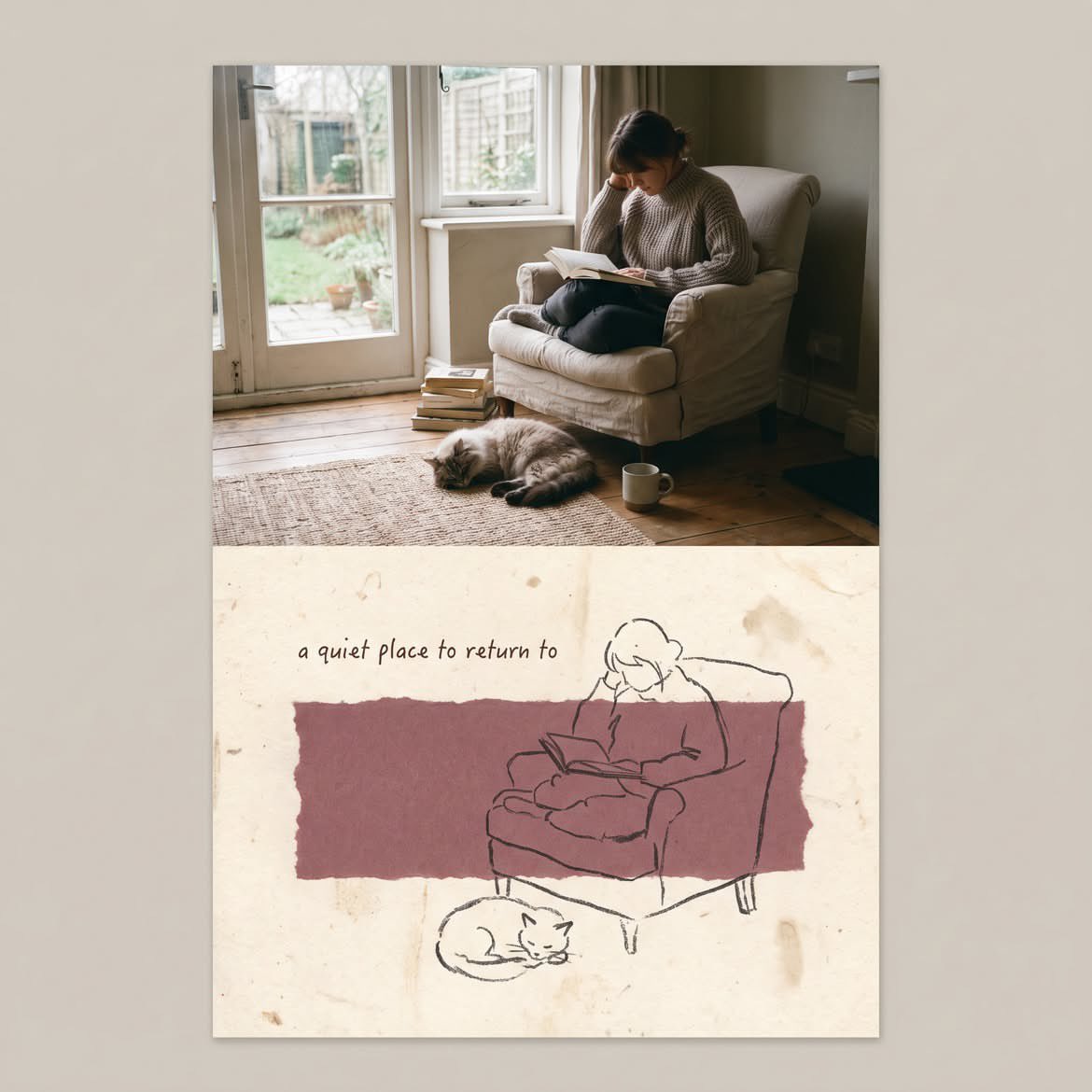
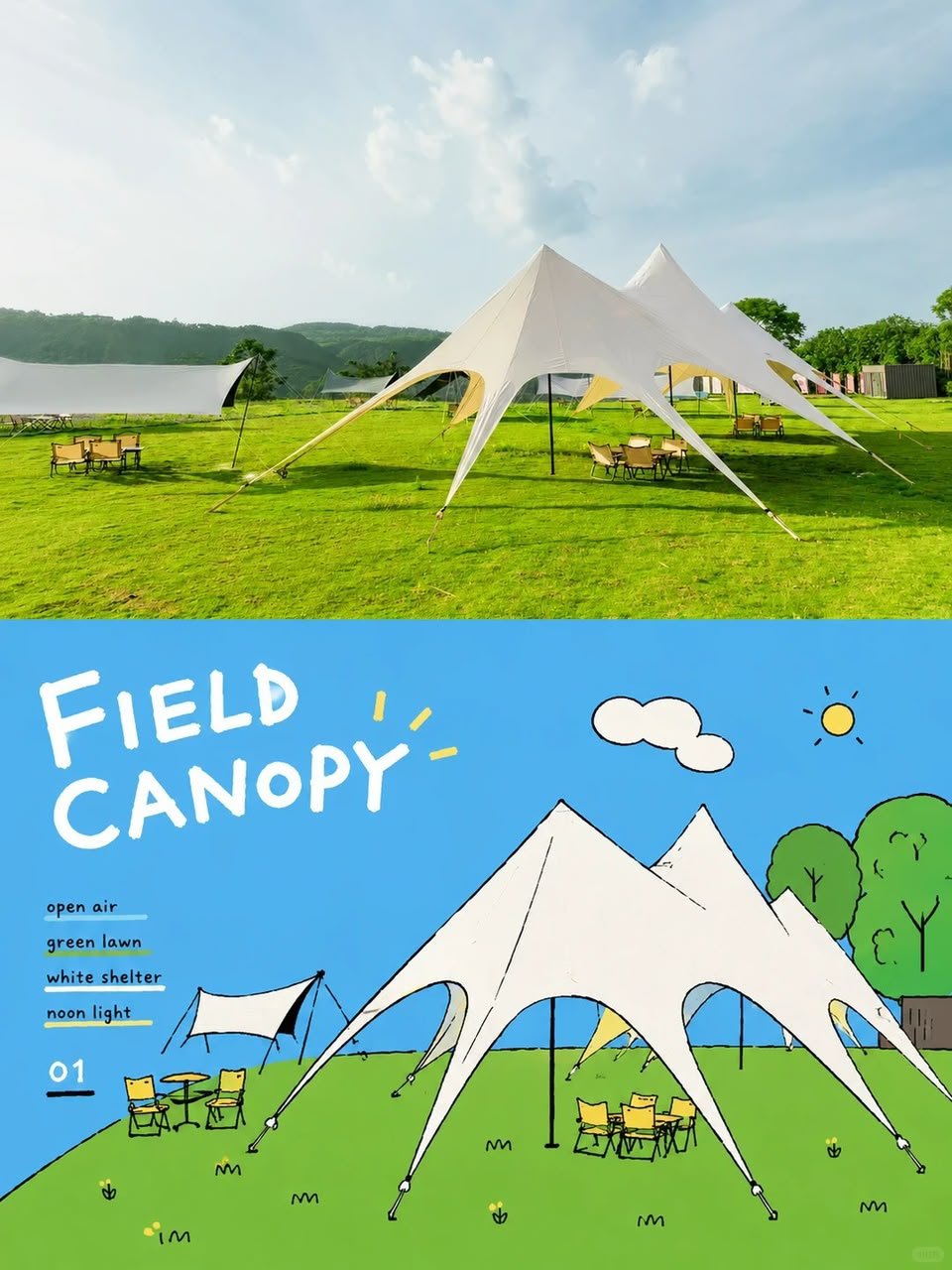
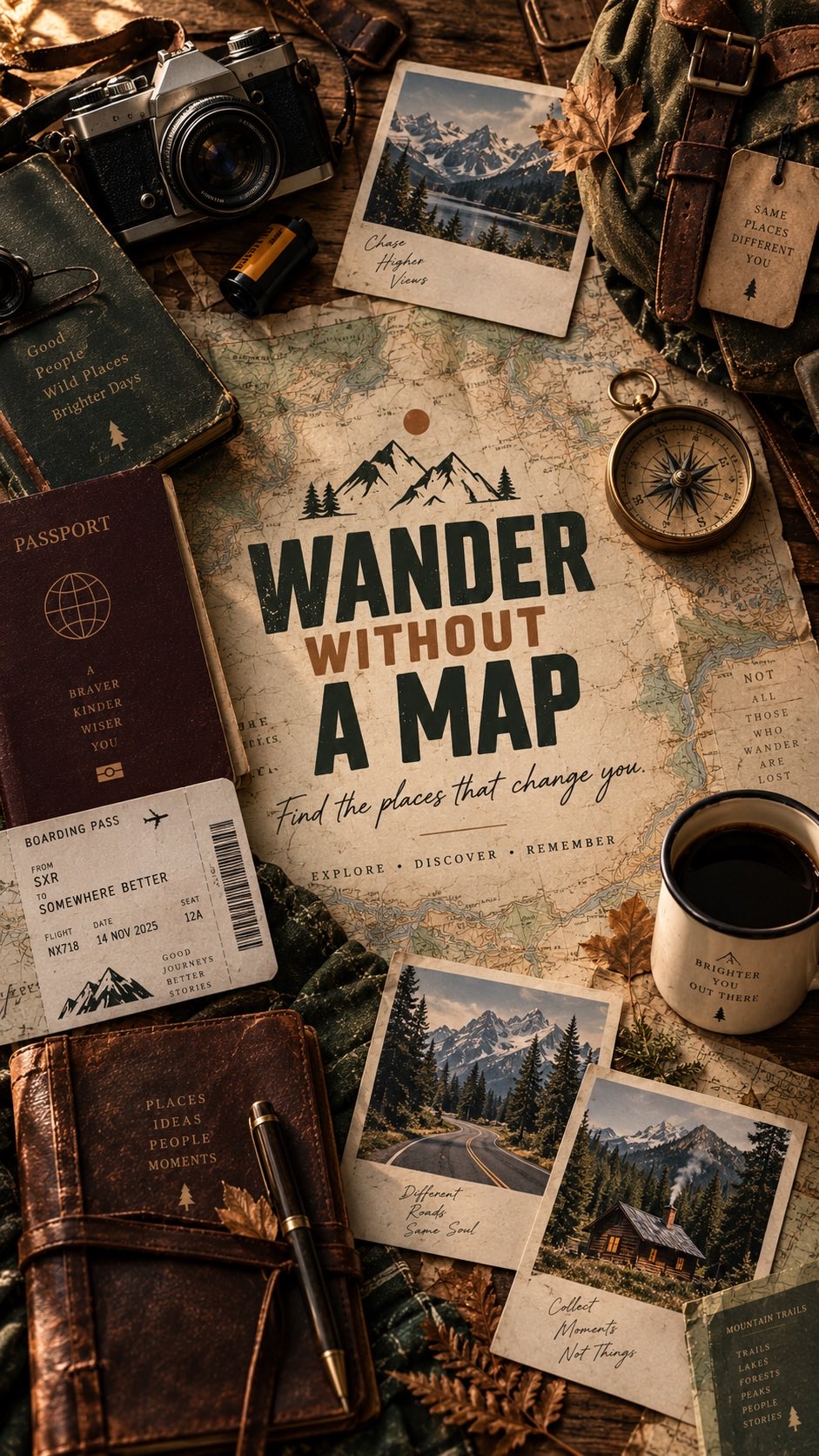
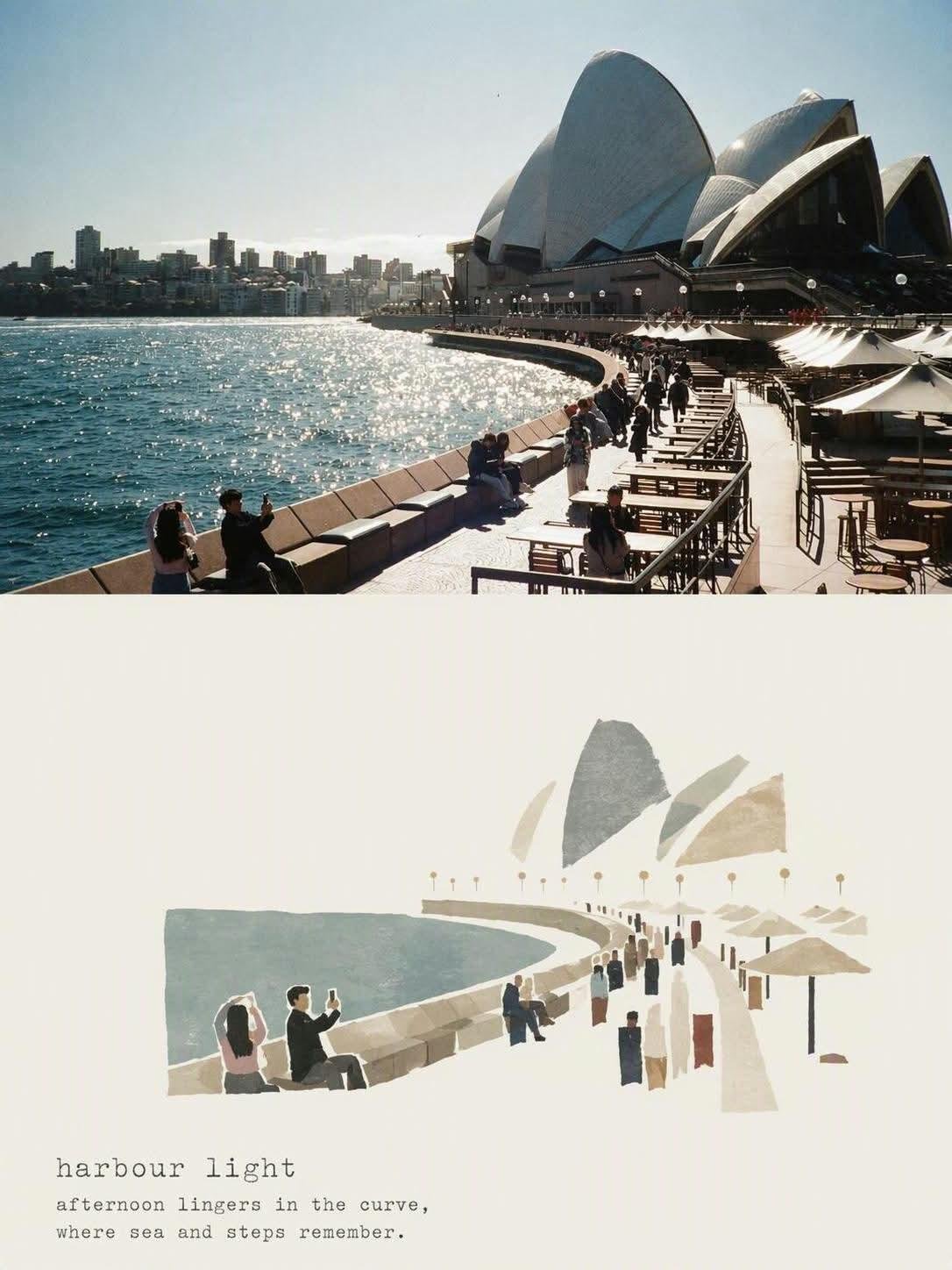
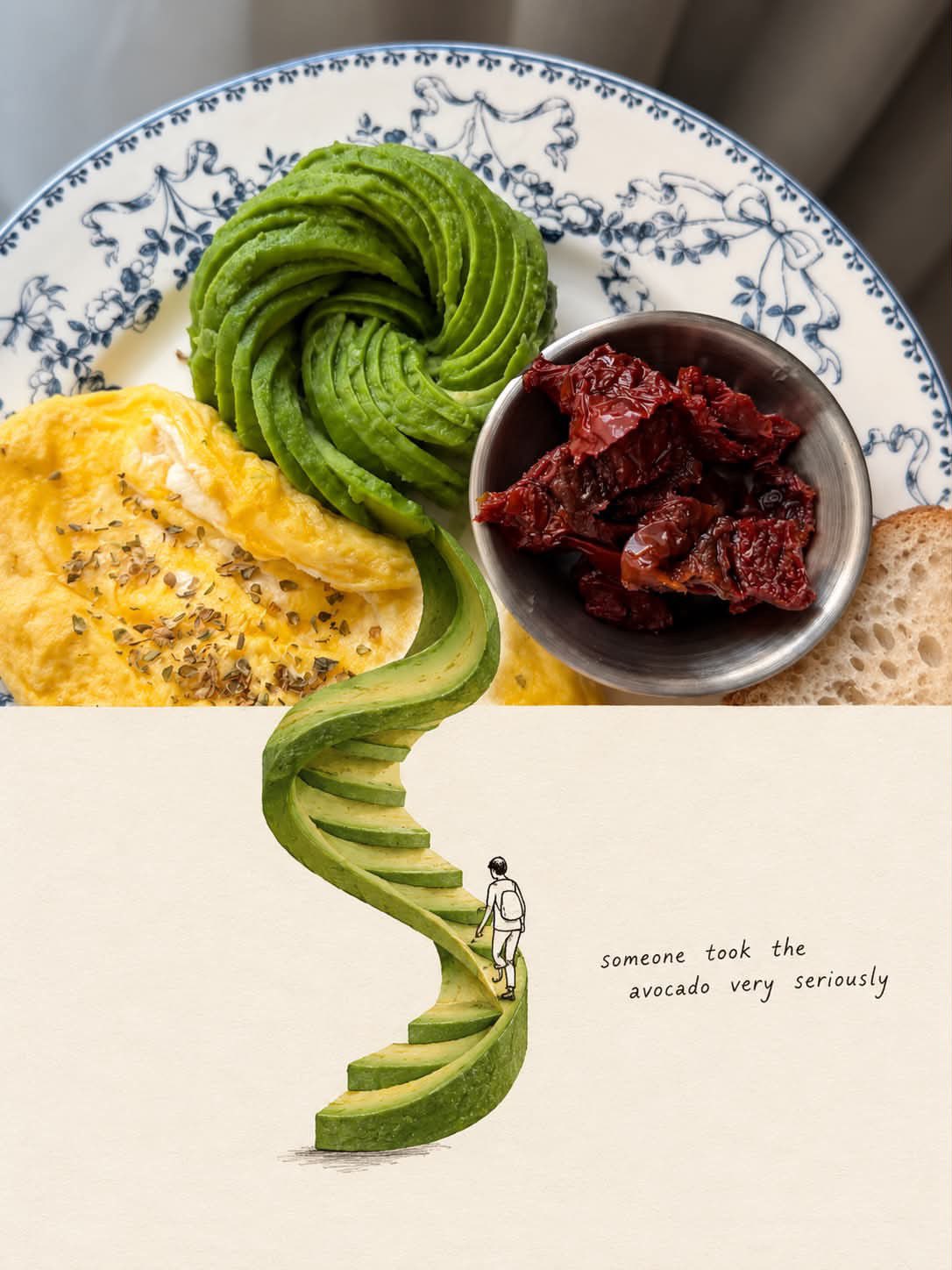
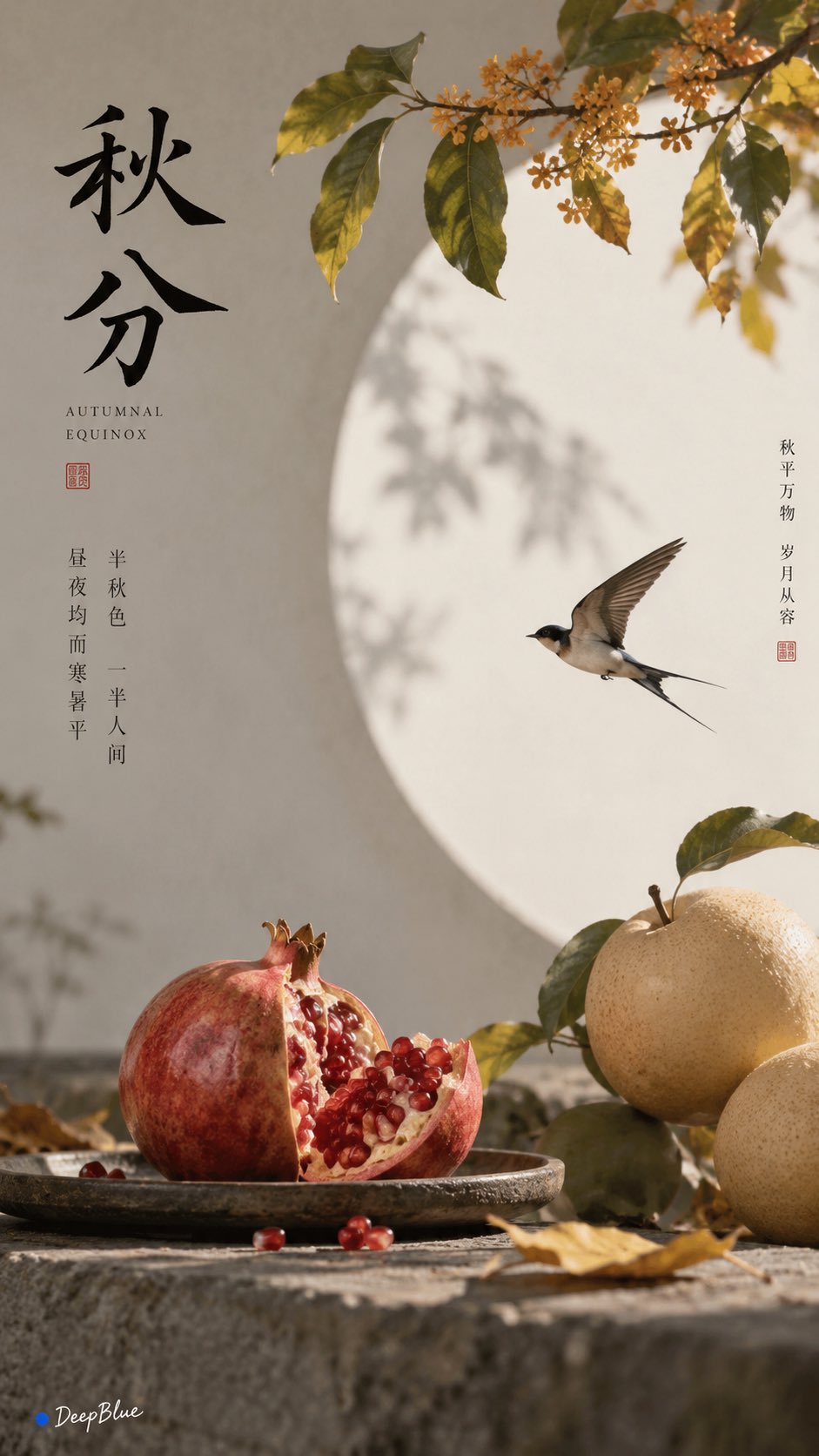
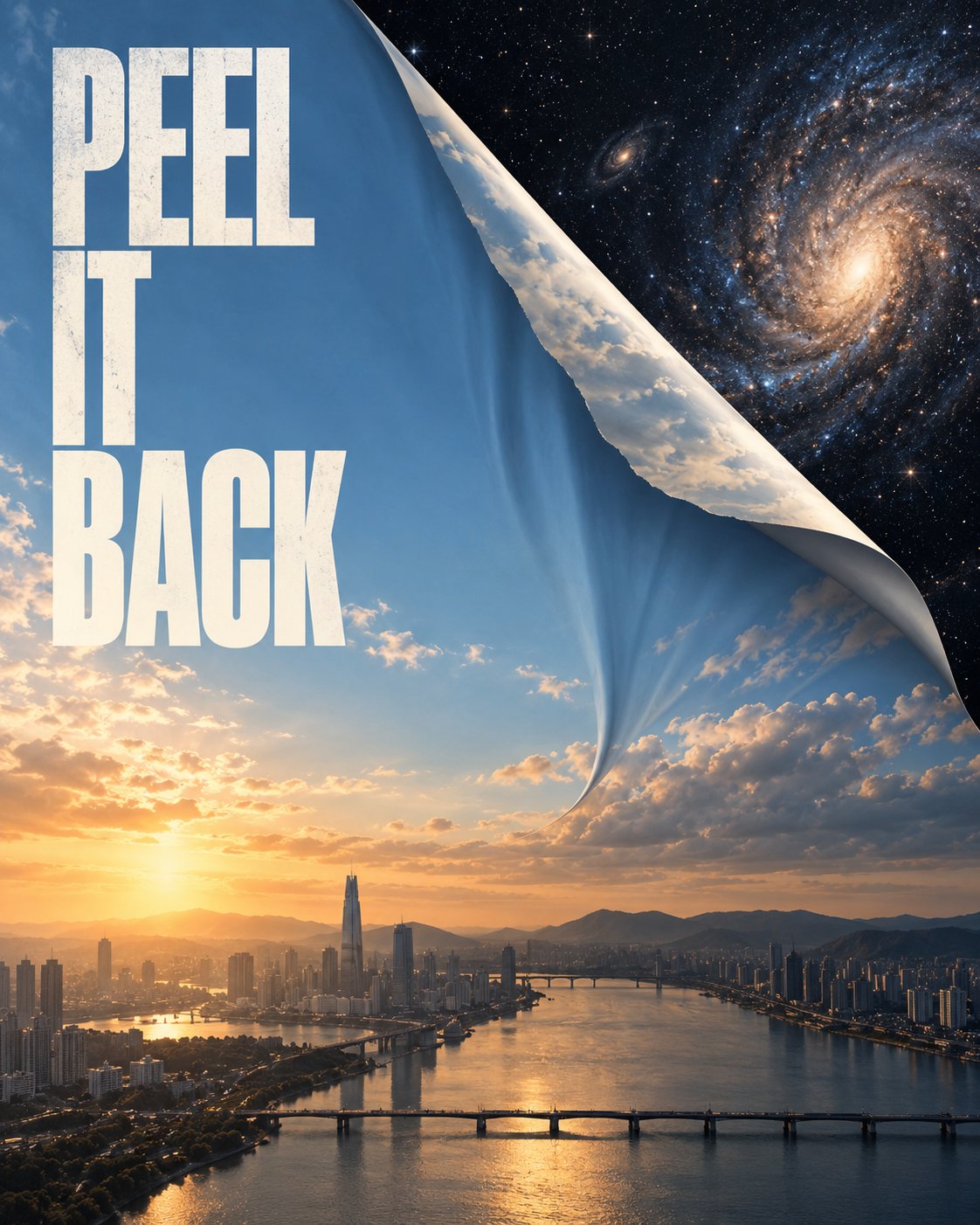
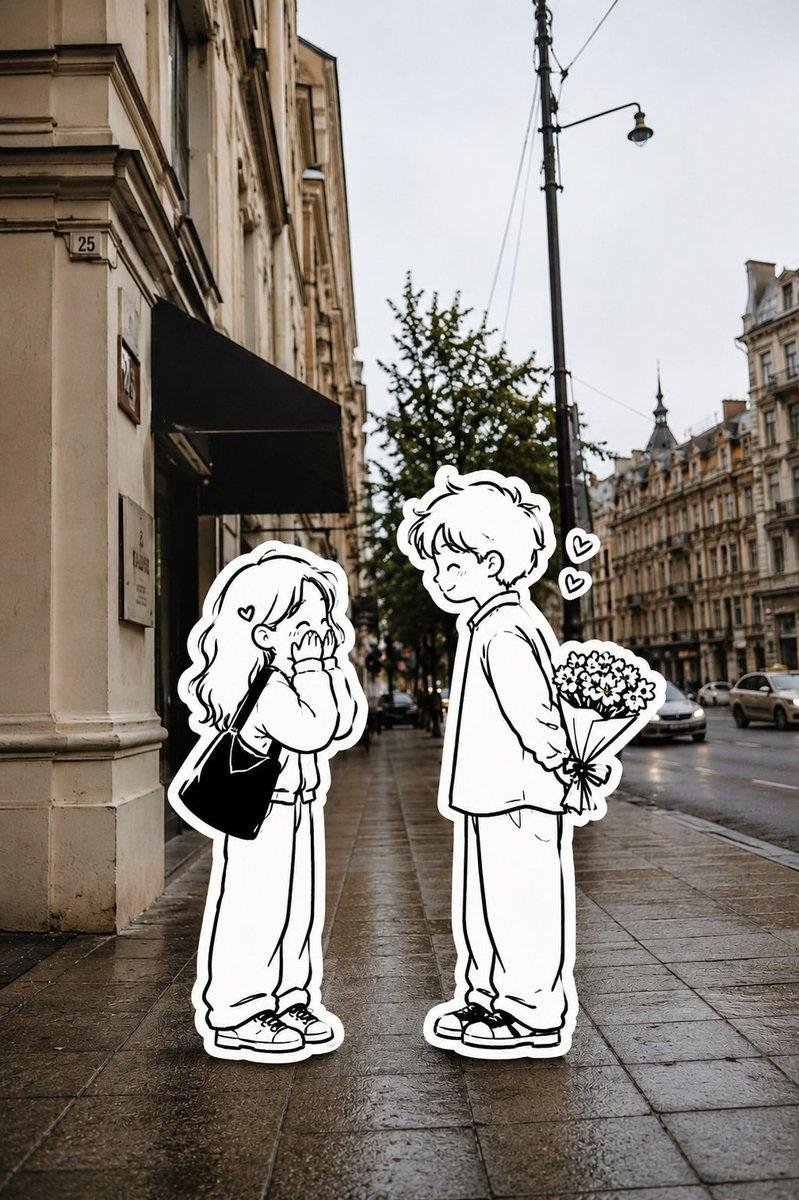
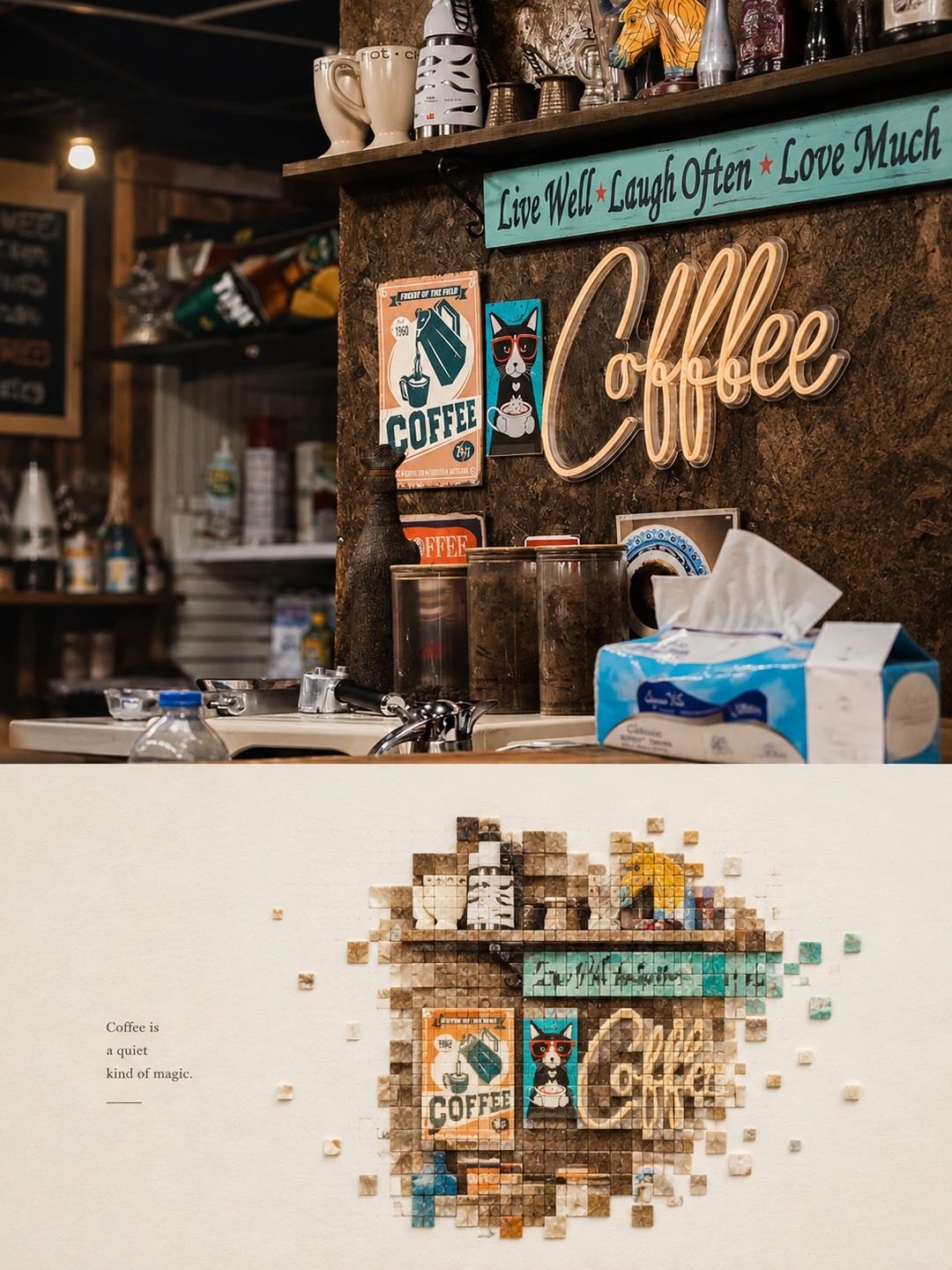
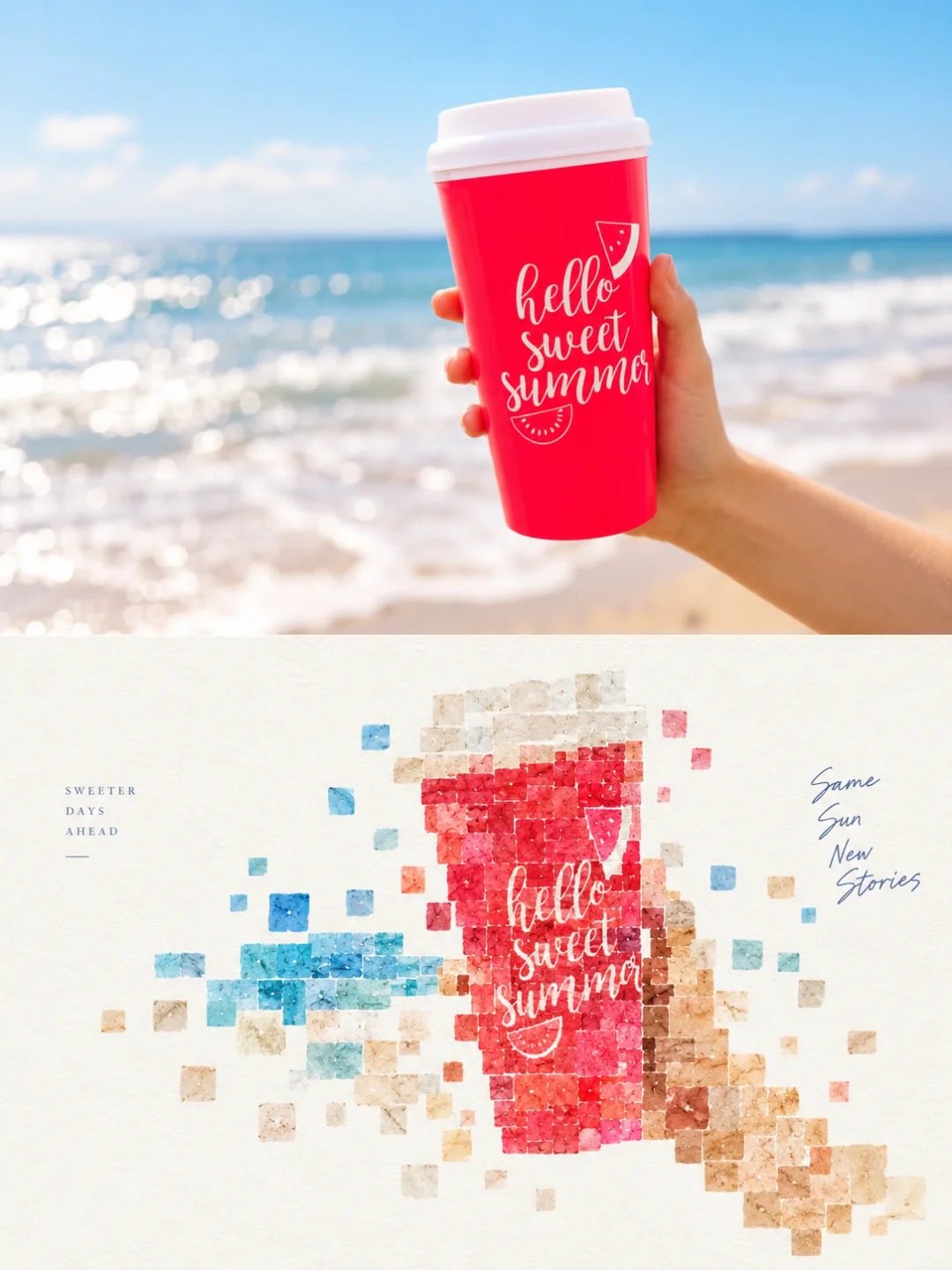
Create a vertical minimalist mosaic art poster inspired by the reference images. Combine a realistic photograph in the top half with a creative pixel-mosaic artwork in the bottom half, using the same main subject and matching colors. Top section: A cozy vintage coffee shop interior with a rustic wooden counter, dark textured walls, warm ambient lighting, shelves filled with ceramic mugs and collectibles, retro coffee posters, a glowing cursive neon “Coffee” sign, and a turquoise inspirational sign above it. Create a nostalgic café atmosphere with rich brown tones, teal accents, warm highlights, realistic textures, cinematic lighting and shallow depth of field. Bottom section: On a clean, warm ivory textured paper background, recreate the main café scene as an artistic mosaic made of hundreds of tiny square tiles. Arrange the tiles to form the recognizable coffee sign, turquoise quote board, retro posters, mugs and dark wooden wall. Use varying shades of brown, cream, teal, orange and muted blue. Let a few small square tiles float outward around the mosaic, creating a dissolving pixel effect. Leave generous negative space around the artwork. Add a small elegant caption on the left: “Coffee is a quiet kind of magic.” Keep the design refined, balanced and modern. Alternative subject: Apply the same technique to a bright red takeaway cup with the words “Hello Sweet Summer,” held against a sunny beach background with turquoise ocean waves, sparkling water and a pale blue sky. In the lower half, reconstruct the cup and beach colors using tiny square mosaic tiles, with scattered red, blue, beige and white pixels. Add delicate handwritten text on the side: “Same Sun, New Stories.” Style: premium contemporary editorial poster, photorealistic top section, intricate square-tile mosaic below, minimalist cream background, sophisticated color harmony, realistic textures, clean composition, vertical 4:5 ratio, sharp details, no watermark.
Details
- Type
- AI Image Prompts
- Aspect Ratio
- 3:4
- Updated
- Oct 12, 2026
Category
How to use this prompt
- 1Copy the full prompt with the copy button above.
- 2Open GPT Image 2 by OpenAI, or any image generator with a similar style range.
- 3Paste the prompt, then swap the subject and style keywords to match your idea.
- 4Match the example's settings (3:4 · Poster · Vintage · Minimalist), then iterate — small wording changes shift the output a lot.
Frequently asked questions
Which AI model generated this image?
This image was generated with GPT Image 2 by OpenAI. The prompt on this page is the exact text used to create it.
What settings does this prompt use?
The example was generated with GPT Image 2 using: 3:4 · Poster · Vintage · Minimalist. Reusing these settings gives the closest match.
How do I get similar results?
Copy the prompt as-is first, then replace only the subject while keeping the style, lighting, and composition keywords. Generate a few variations — outputs differ between runs.
Can I modify this prompt?
Yes. Prompts work best as starting points — adjust descriptors, aspect ratio, or style tags to make the output your own.