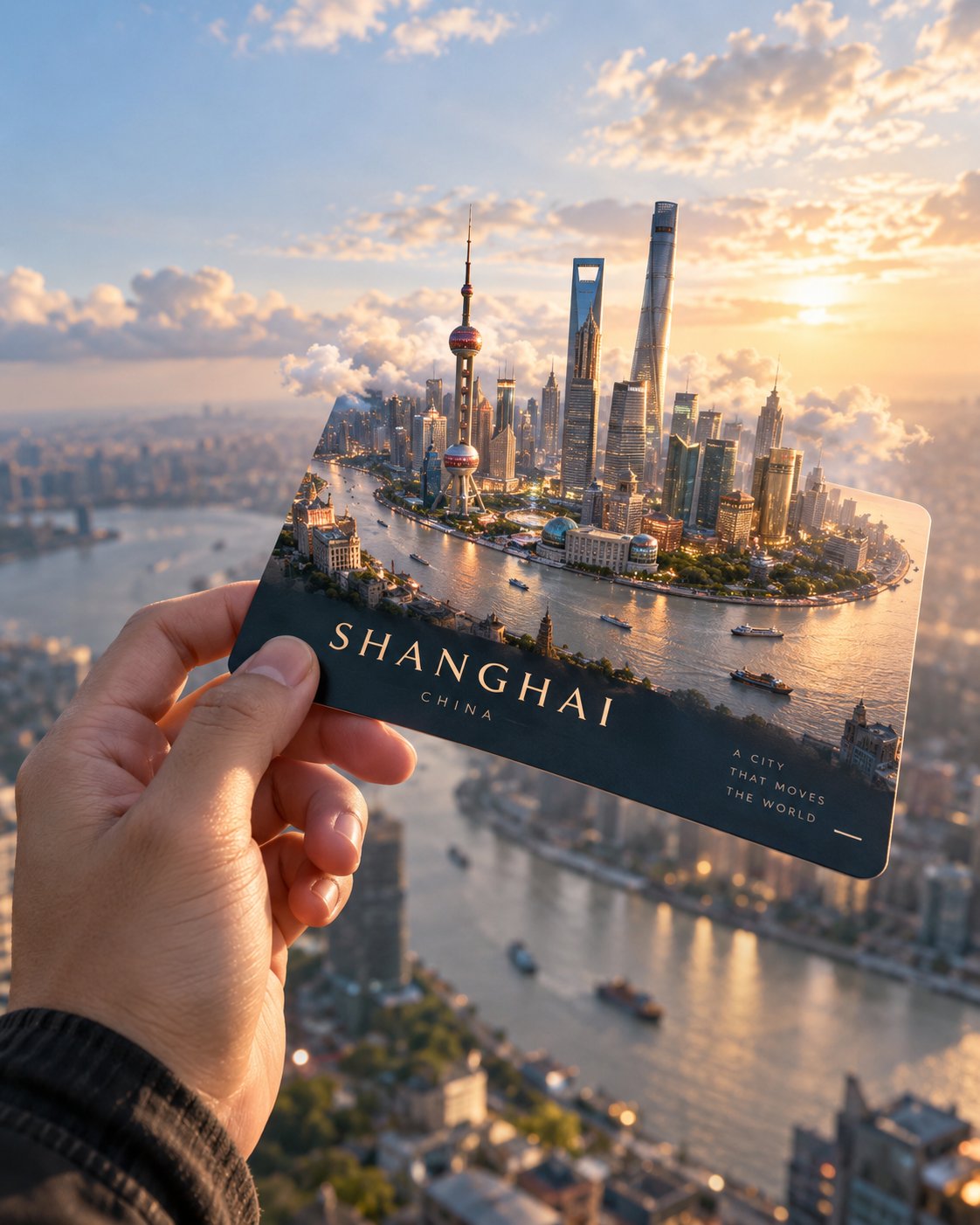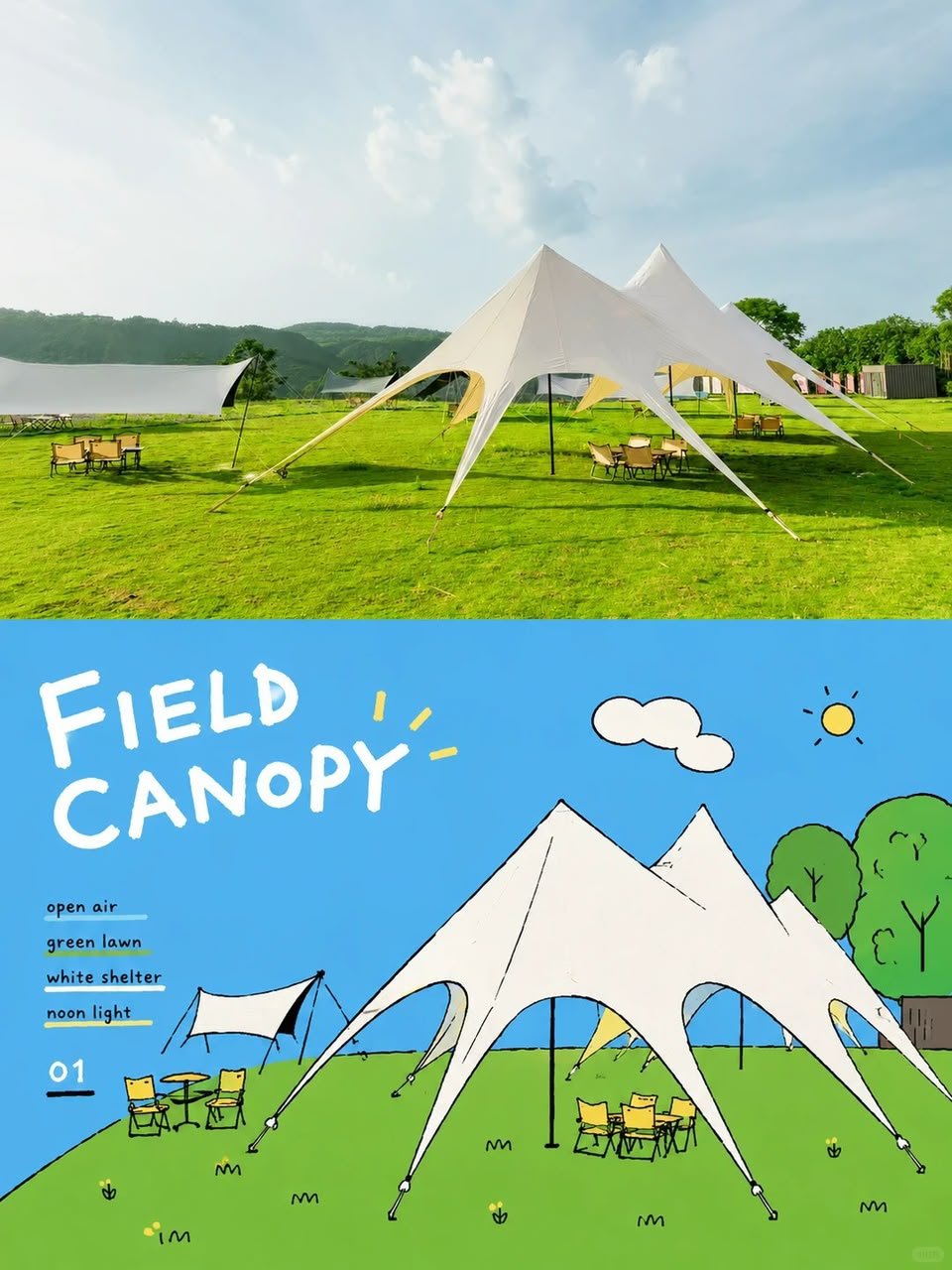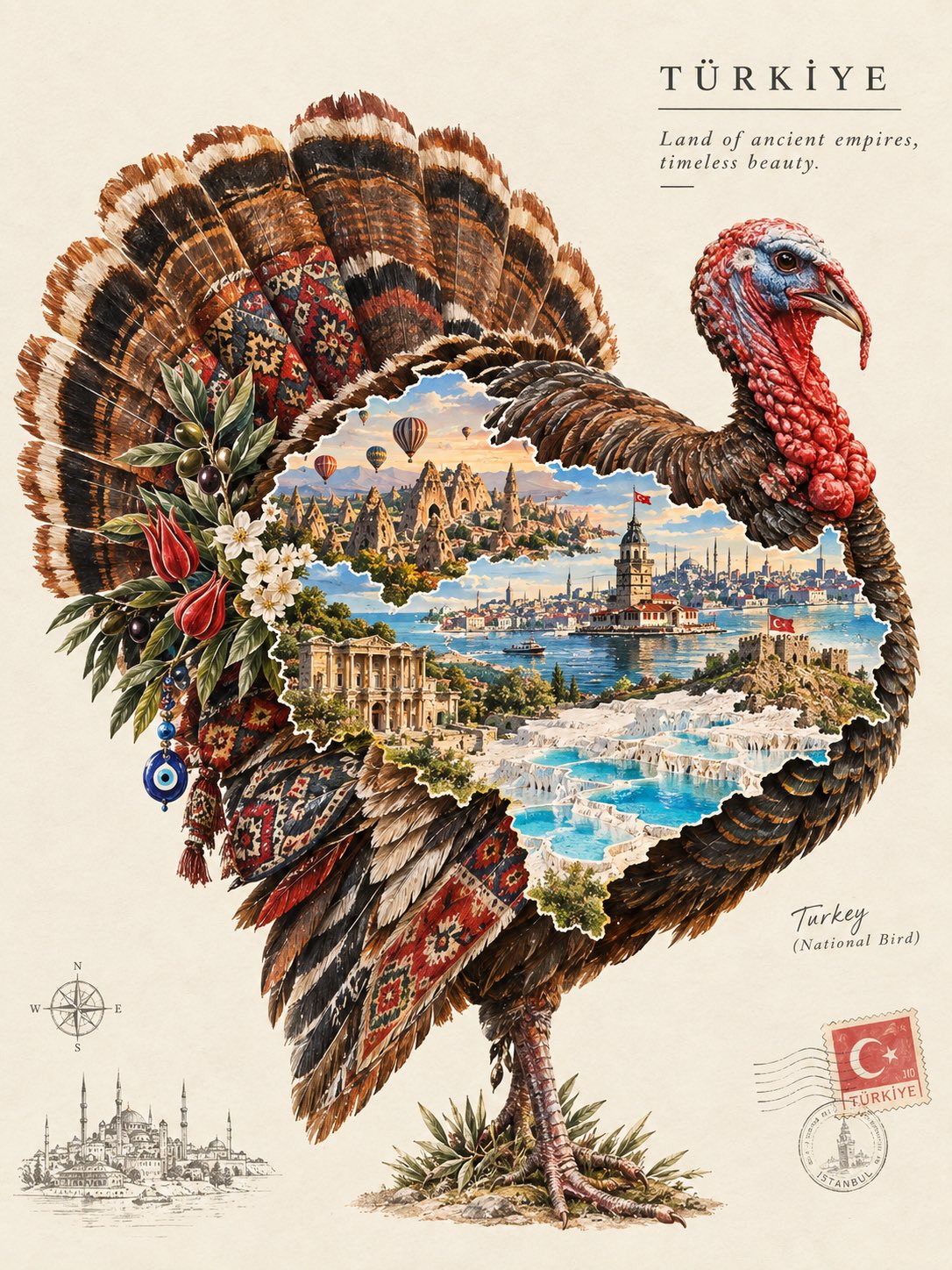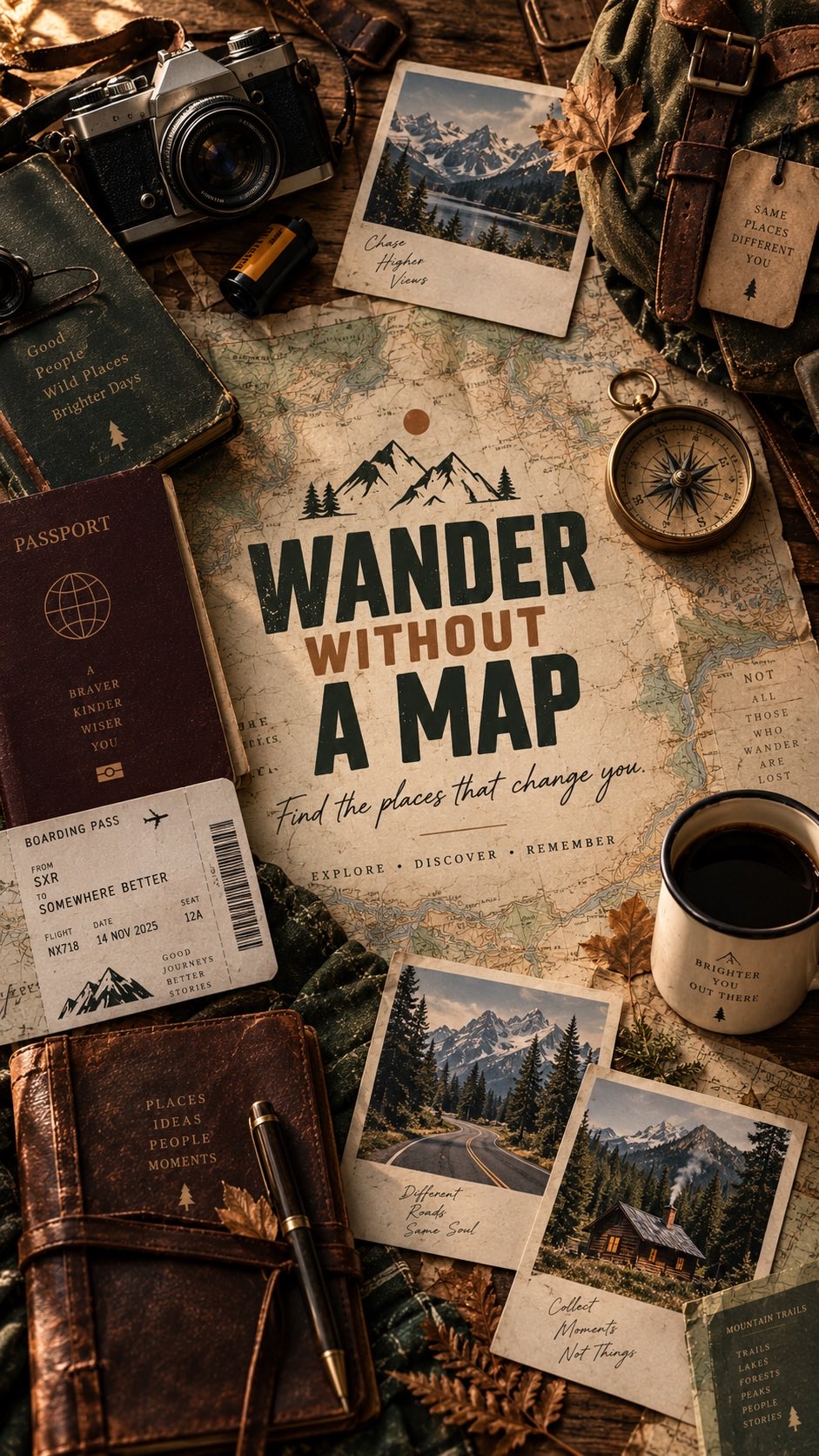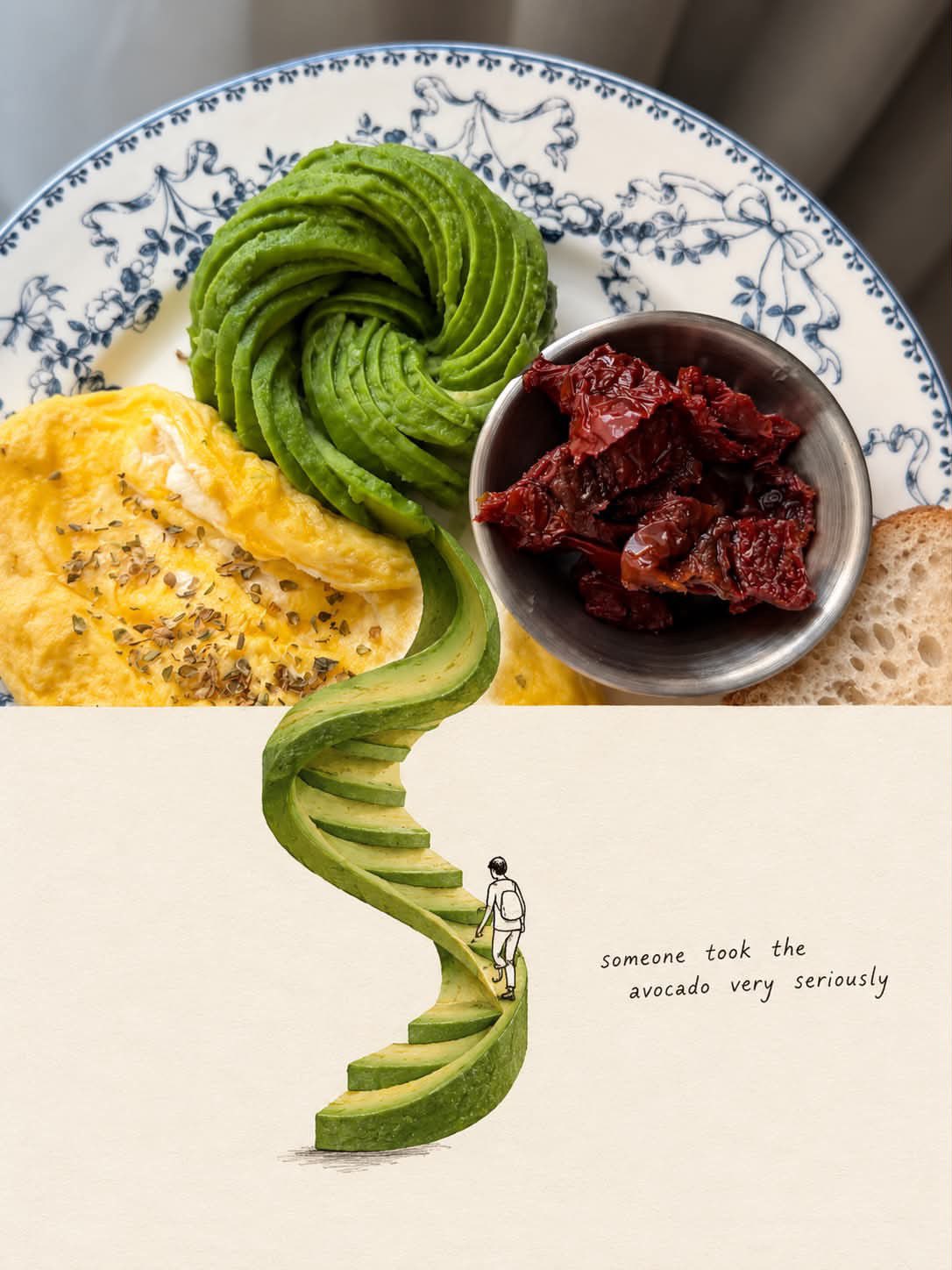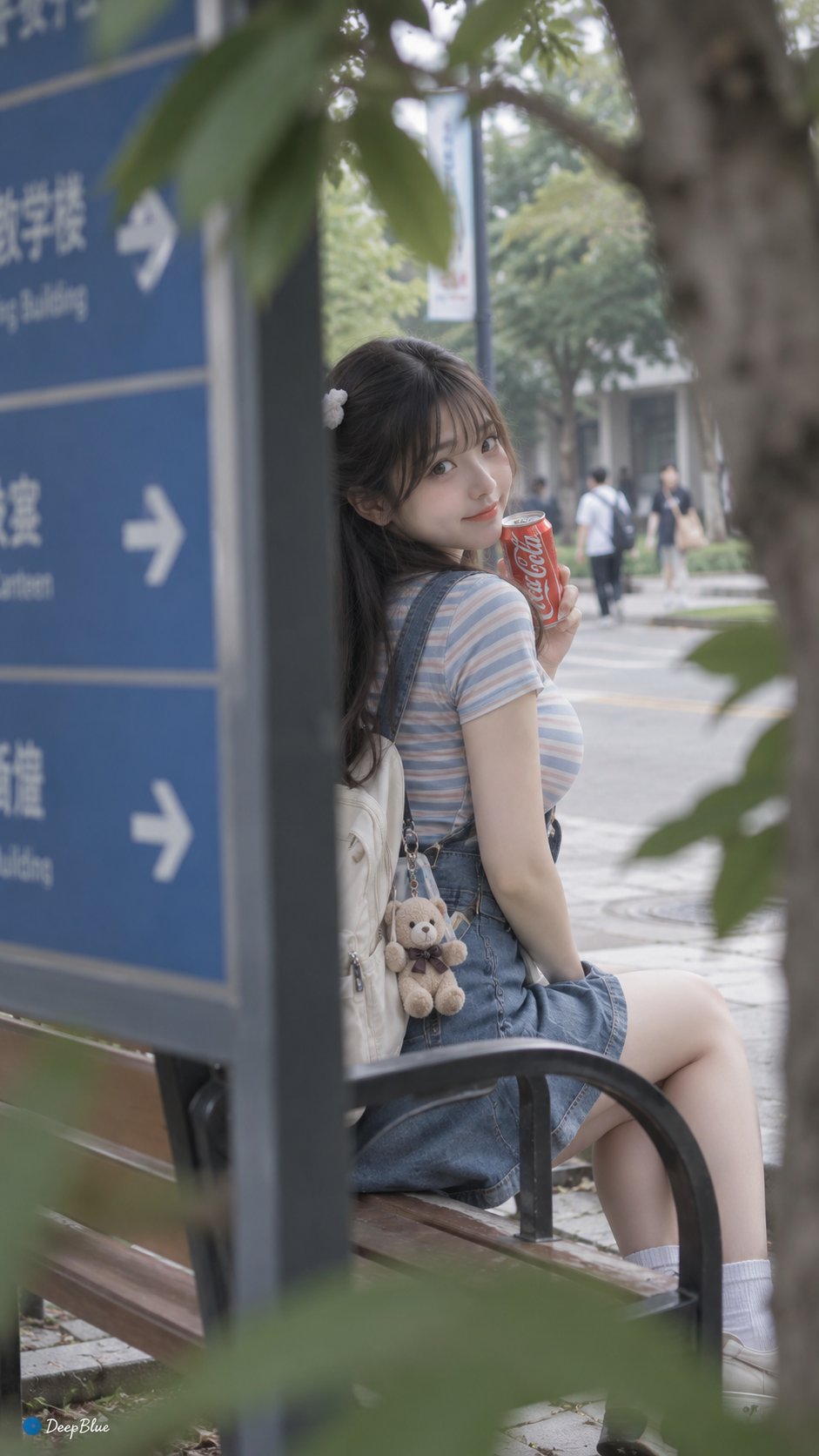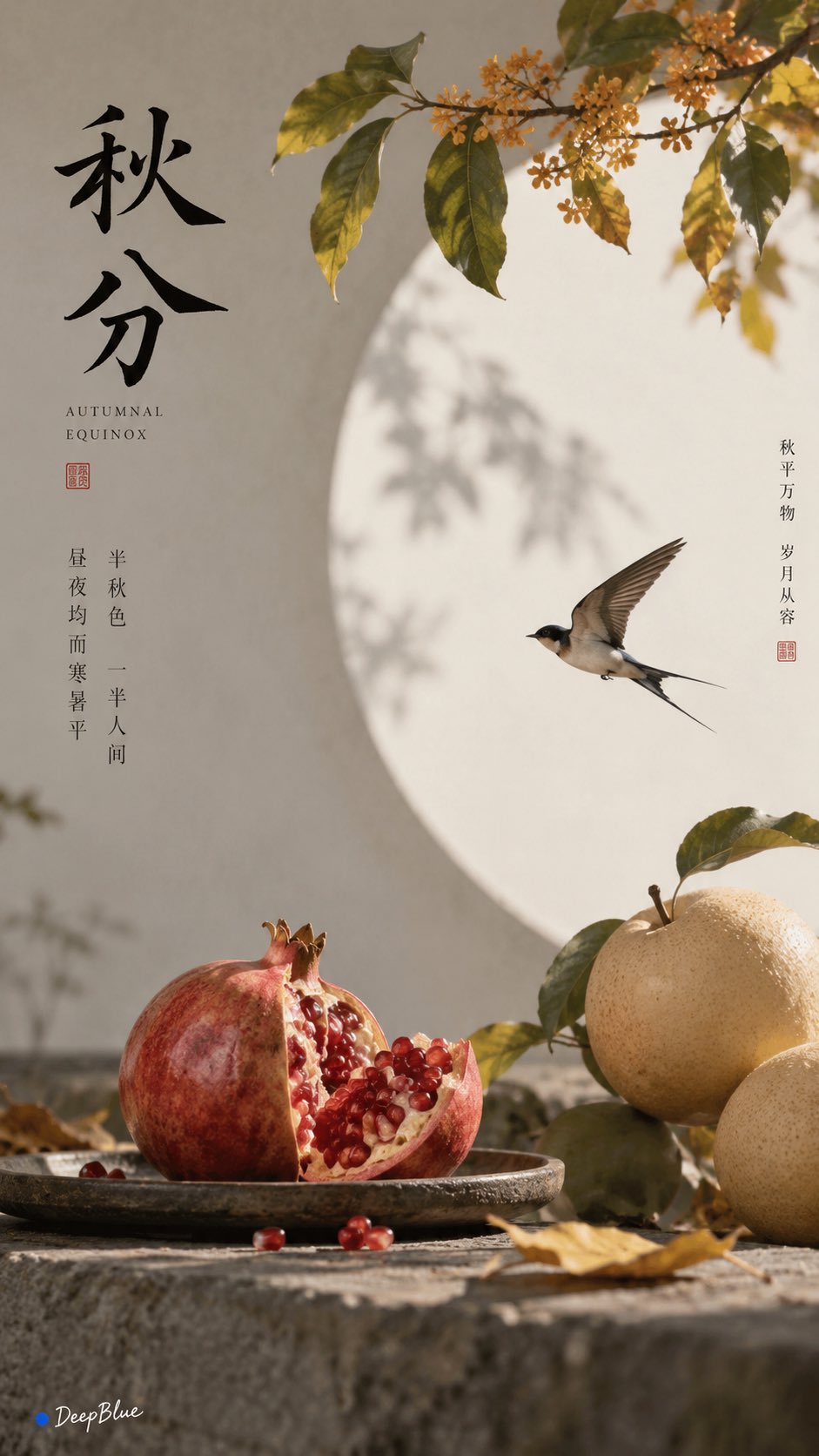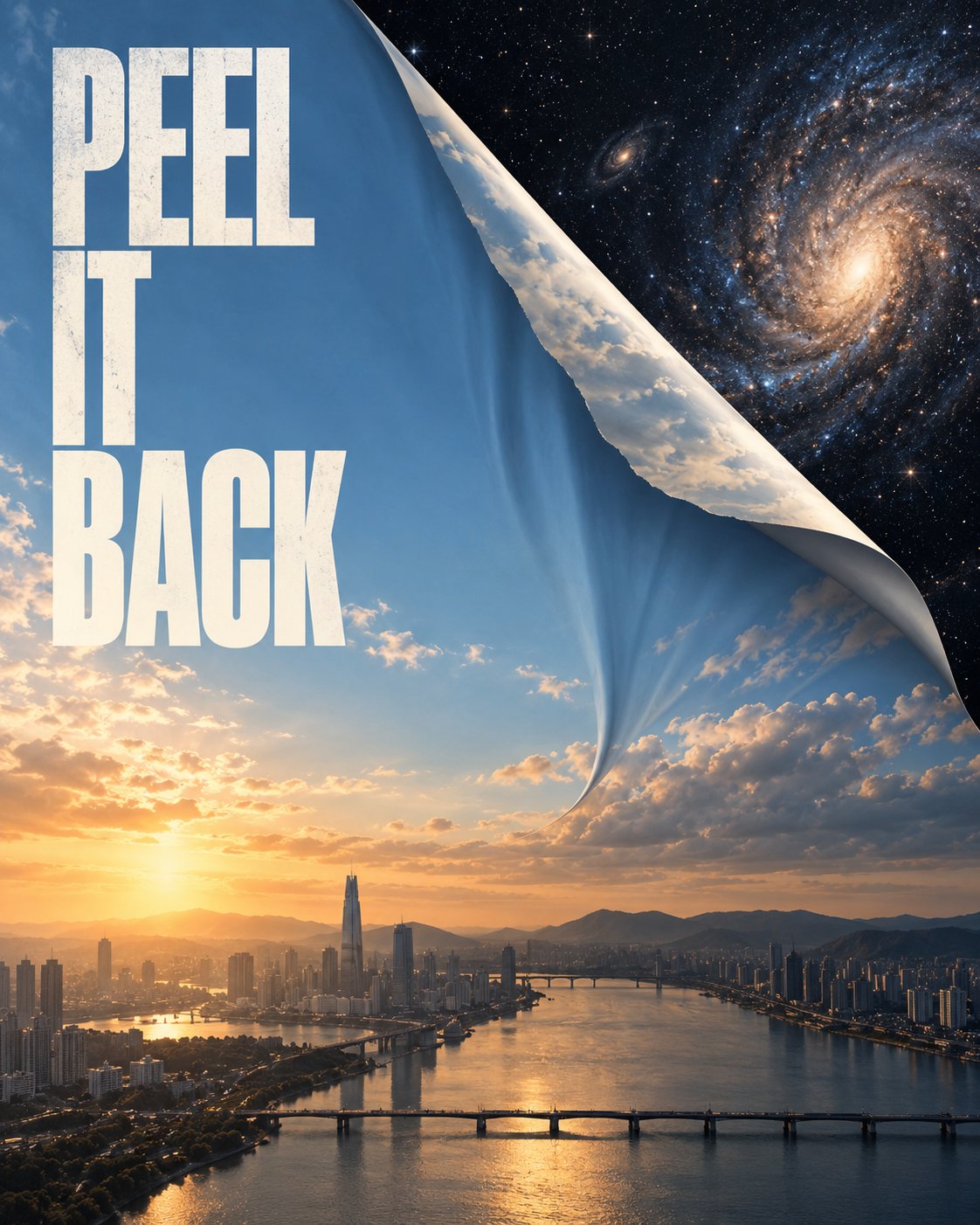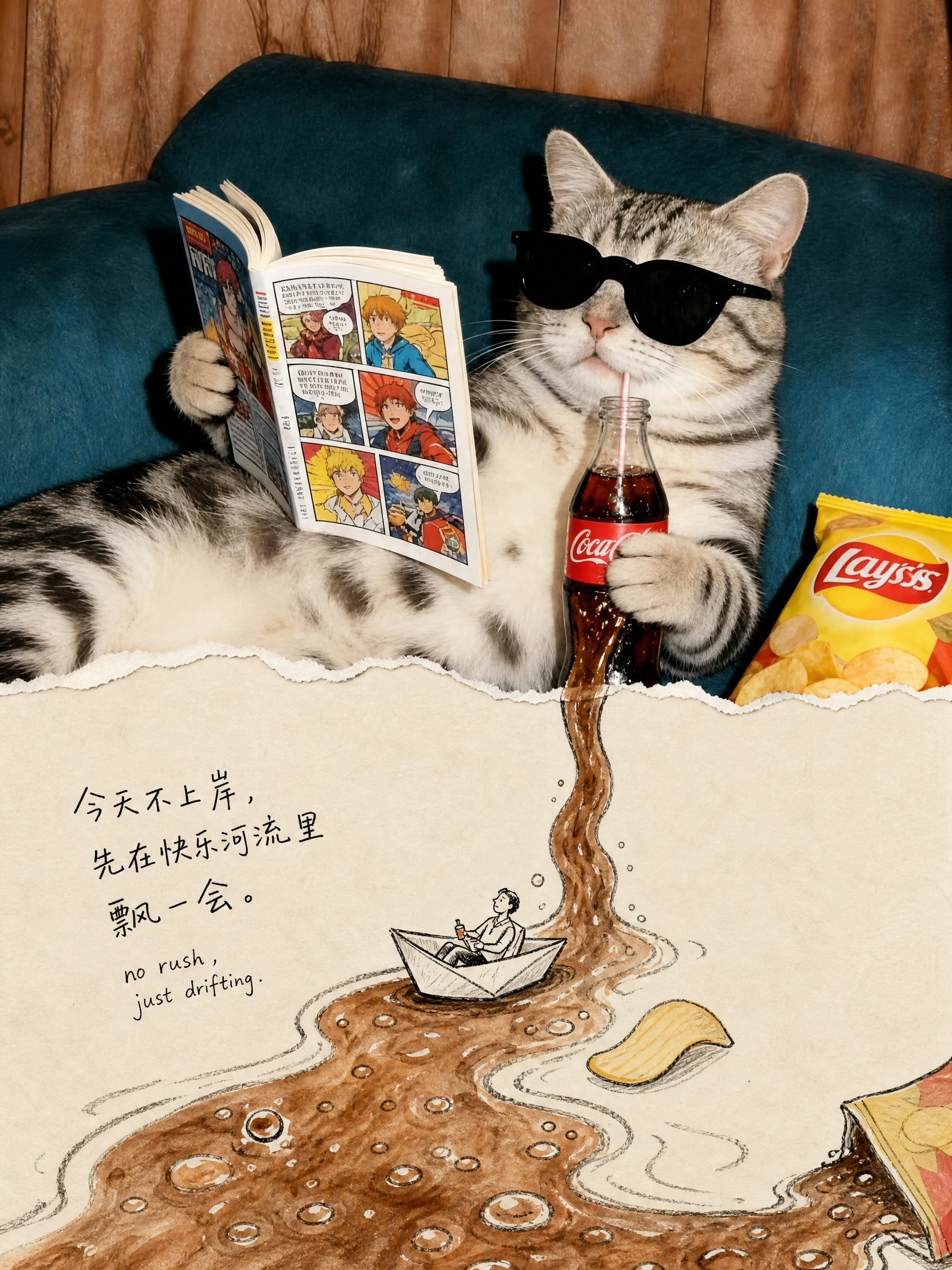
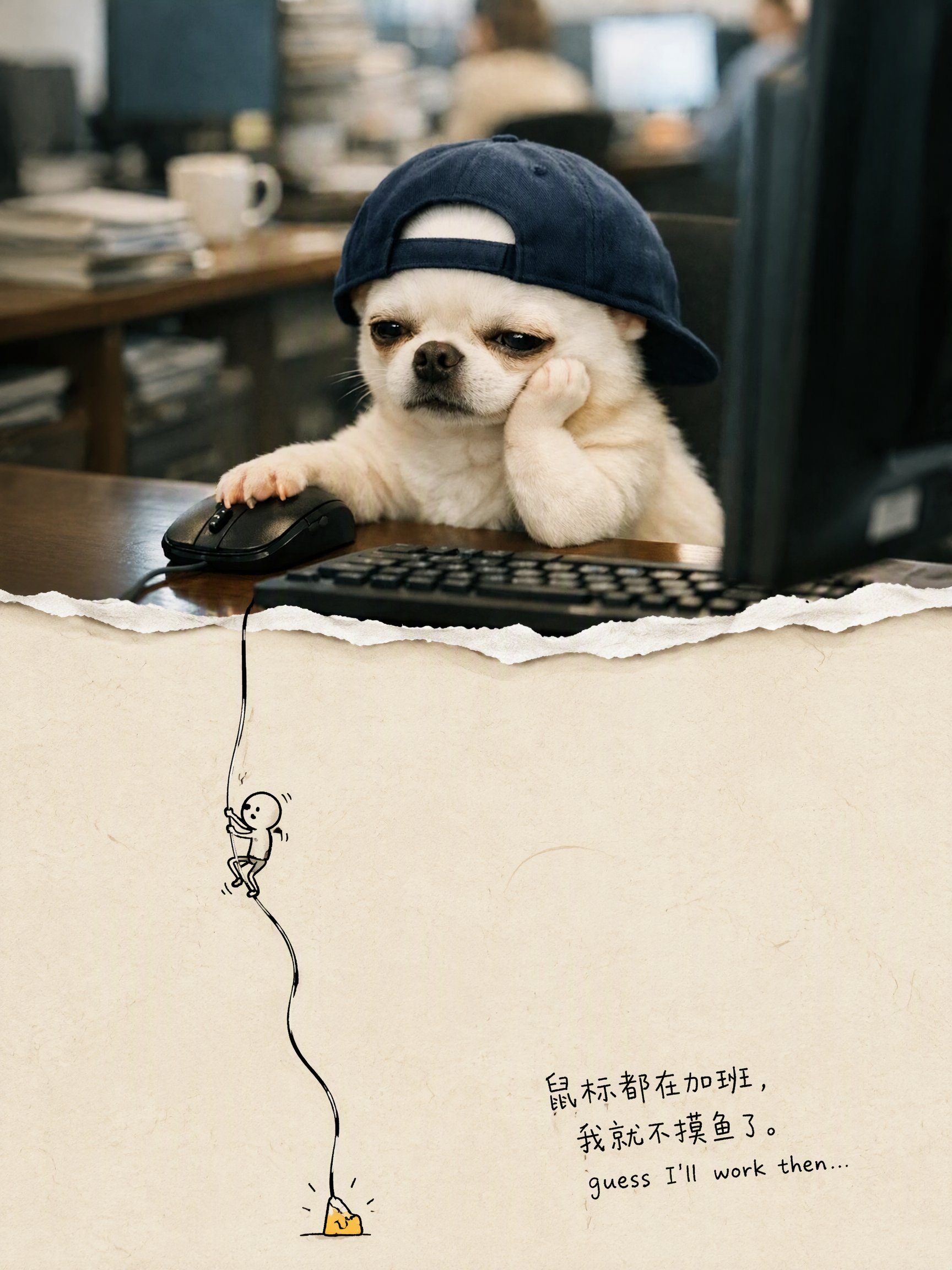
Second World Split Poster Generation
 GPT Image 2OpenAIimage
Generate independently for each photo. { "name": "Second World", "version": "1.2", "task": "Using each uploaded photo as an independent source, generate one complete poster per photo. Do not merge multiple photos onto the same canvas.", "output": { "aspect_ratio": "3:4", "orientation": "vertical", "one_poster_per_photo": true, "layout": "Canvas horizontally divided at exactly 50% height, with upper and lower sections each occupying 50%, same width", "no_mockup": true }, "core_principle": "The Second World is already hidden in the photo. Let the same scene pass through the midline and continue downward, changing only the physical rules in the lower half. Continuity of the cross-boundary structure is the highest visual priority.", "upper_half": { "source": "The current uploaded photo", "preserve": [ "Subject identity and appearance", "Character poses, expressions, and actions", "Spatial relationships, proportions, and perspective", "Original color atmosphere", "Natural lighting and shadows", "Environment and important details" ], "allowed_change": "Only necessary proportional cropping to fit the upper half, avoiding cutting off key subjects or connection structures", "forbidden": [ "Redesigning the photo", "Redrawing or replacing the subject", "Rearranging characters and objects", "Changing the photo's colors", "Fictional lighting or background" ], "fidelity_rule": "Prioritize directly reusing the original photo; do not claim generative redrawing as lossless preservation of the original. If the tool cannot meet original preservation and precise layout, state the limitations—do not lower requirements and claim full compliance." }, "continuity": { "choose_one_source_structure": "Identify a structure from the original photo that can naturally extend to the midline, such as a road, shoreline, water surface, reflection, tree branch, light beam, architectural line, clothing flow, or body movement", "requirements": [ "The structure must continue into the lower half at the exact midline meeting point", "Maintain believable continuity in direction, position, scale, and occlusion relationships", "Establish a visible connection first, then develop the lower half's imagination", "Both halves must read as the same scene, not like two independent images stacked vertically" ], "transition_edge": { "optional": "Allow irregular torn paper edges", "rule": "Tearing must follow the original image's structure, not just as decoration, and avoid using the same tearing shape for every image", "interaction": "Source elements can touch, cling to, pass through, or cross over the torn edge" } }, "lower_half": { "background": "Warm ivory paper texture, with subtle visible fibers, rich negative space", "media": [ "Restrained photo fragments", "Simple cut-paper shapes", "Minimal black hand-drawn lines" ], "construction": "Extend downward from where the upper half's source structure meets the midline, then gradually reinterpret it as the Second World", "prohibited": "Do not turn it into an isolated entrance, window, stage, platform, or floating vignette, unless the form clearly grows continuously from the original photo", "density": "Bright, airy, restrained—avoid dense drawing or collage buildup" }, "second_world_logic": { "question": "If the structure in the photo could be touched, used, entered, folded, stretched, or changed, what would it naturally become?", "interaction_count": 1, "instruction": "Establish only one specific, clear, and interesting interaction per image, prioritizing possibilities discovered from the original image's shapes and actions, not reverse-engineering from fixed props or templates.", "examples_for_logic_only": [ "Water surface remains connected to the lake while being rolled up or stretched", "Road extends onto the paper, becoming a path that can be continued by drawing", "An existing light beam extends downward, becoming something gently graspable" ], "variation": "Judge each work individually—do not mechanically repeat actions, connection structures, compositions, or jokes. Examples are not required content." }, "tiny_figures": { "count": "0–3", "appearance": "Minimalist, tiny black line figures", "add_only_if": "Figures can engage in necessary and explicit physical interaction with the extending structure", "omit_if": "Source photo already contains strong human actions", "forbidden": "Using little figures as irrelevant decorations or adding crowds just for liveliness" }, "copy": { "language": "Primarily Chinese, paired with a short English accent", "main_text": "A short, witty, cute, humorous Chinese marginal note, or one with a slight surprising insight", "english": "Shorter, lighter English supplement; can complement the Chinese without word-for-word translation", "intent": "Make viewers smile knowingly after seeing the image and then the small text, or suddenly understand one more layer", "requirements": [ "Recreate based on this photo's specific interaction with the Second World", "Don't just name the action or mechanically describe the image", "Can include anthropomorphism, slight contrasts, deadpan little jokes, or gentle self-deprecation", "Can have a wake-up-call vibe, but no grand life lessons", "Don't force self-love, motivational, or emotional comfort templates", "Humor targets the situation, without belittling characters' appearance, identity, or circumstances" ], "avoid": [ "Vague inspirational fluff", "Grand maxims", "Preachiness", "Ad slogans", "Irrelevant internet memes", "Fixed 'same..., different..
Details
- Type
- AI Image Prompts
- Aspect Ratio
- 3:4
- Updated
- Oct 12, 2026
How to use this prompt
- 1Copy the full prompt with the copy button above.
- 2Open GPT Image 2 by OpenAI, or any image generator with a similar style range.
- 3Paste the prompt, then swap the subject and style keywords to match your idea.
- 4Match the example's settings (3:4 · Surreal · Poster · Cinematic), then iterate — small wording changes shift the output a lot.
Frequently asked questions
Which AI model generated this image?
This image was generated with GPT Image 2 by OpenAI. The prompt on this page is the exact text used to create it.
What settings does this prompt use?
The example was generated with GPT Image 2 using: 3:4 · Surreal · Poster · Cinematic. Reusing these settings gives the closest match.
How do I get similar results?
Copy the prompt as-is first, then replace only the subject while keeping the style, lighting, and composition keywords. Generate a few variations — outputs differ between runs.
Can I modify this prompt?
Yes. Prompts work best as starting points — adjust descriptors, aspect ratio, or style tags to make the output your own.