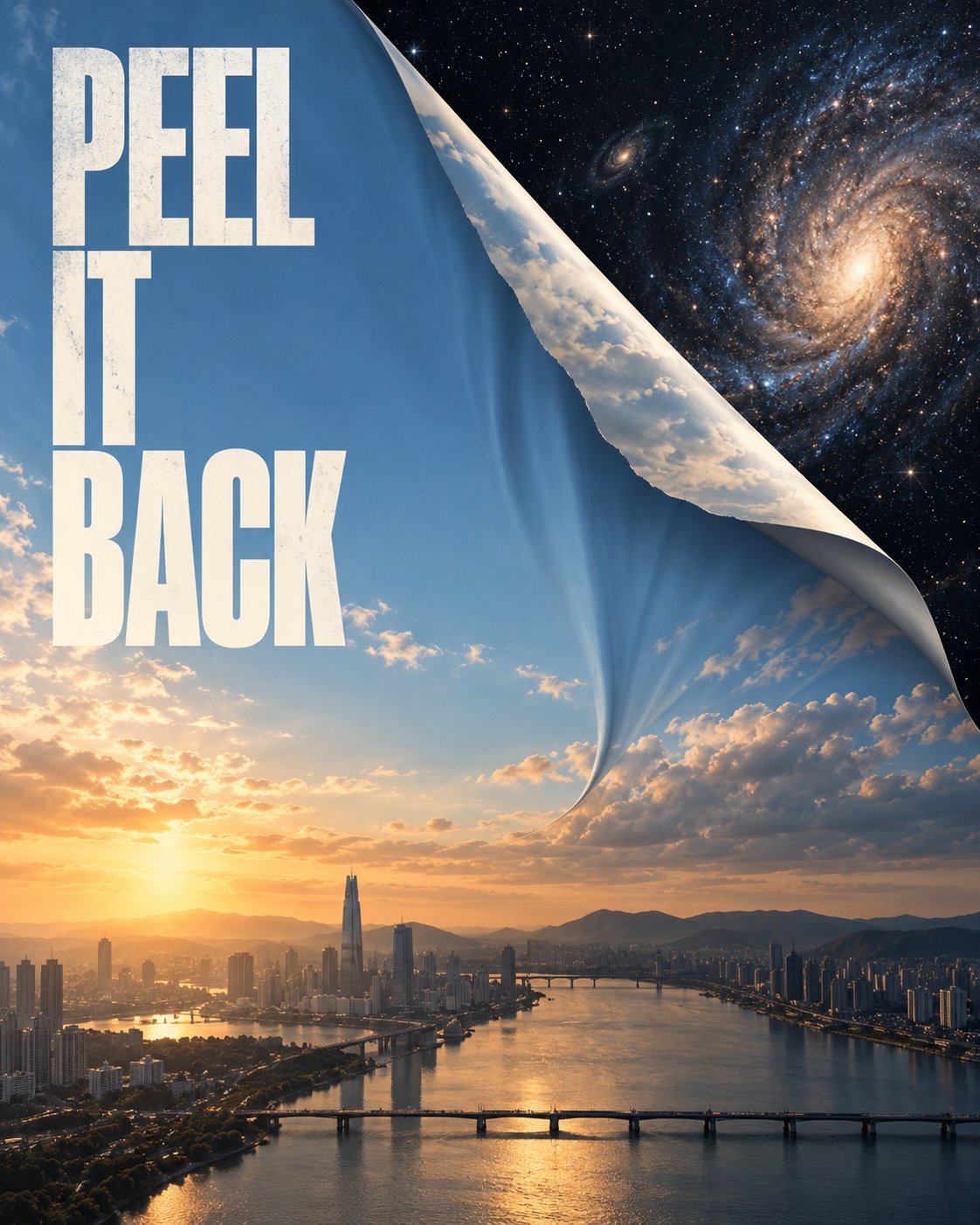
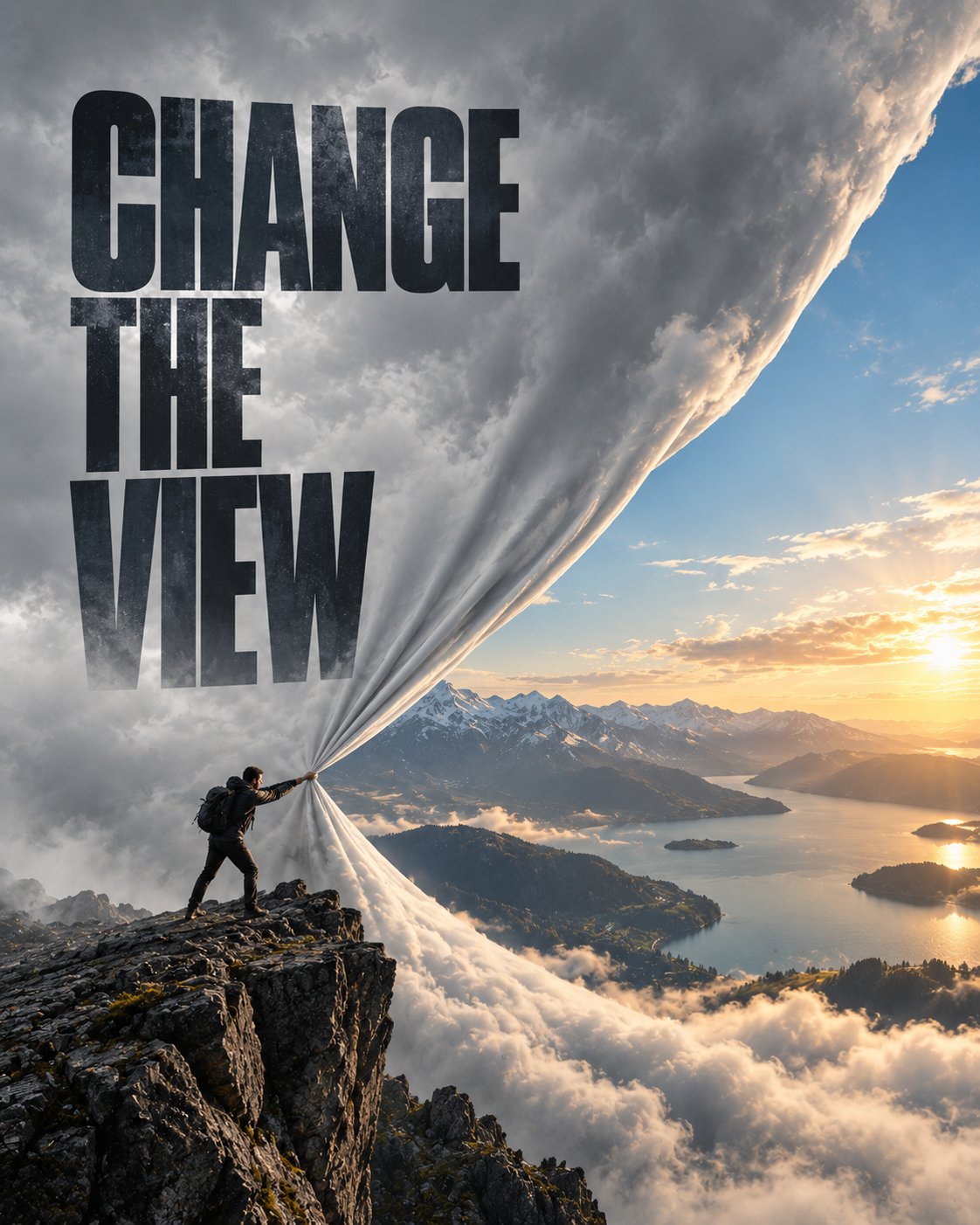
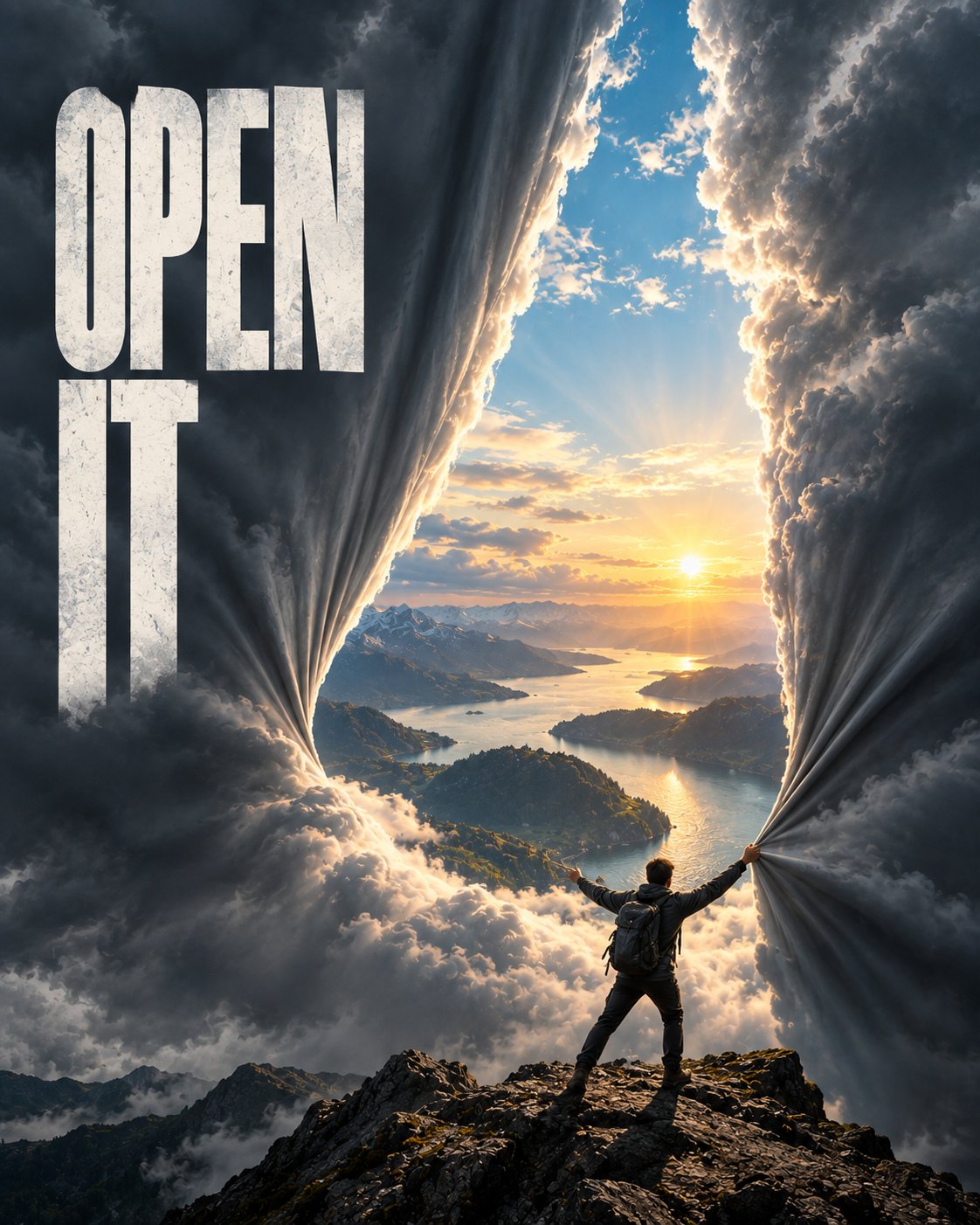
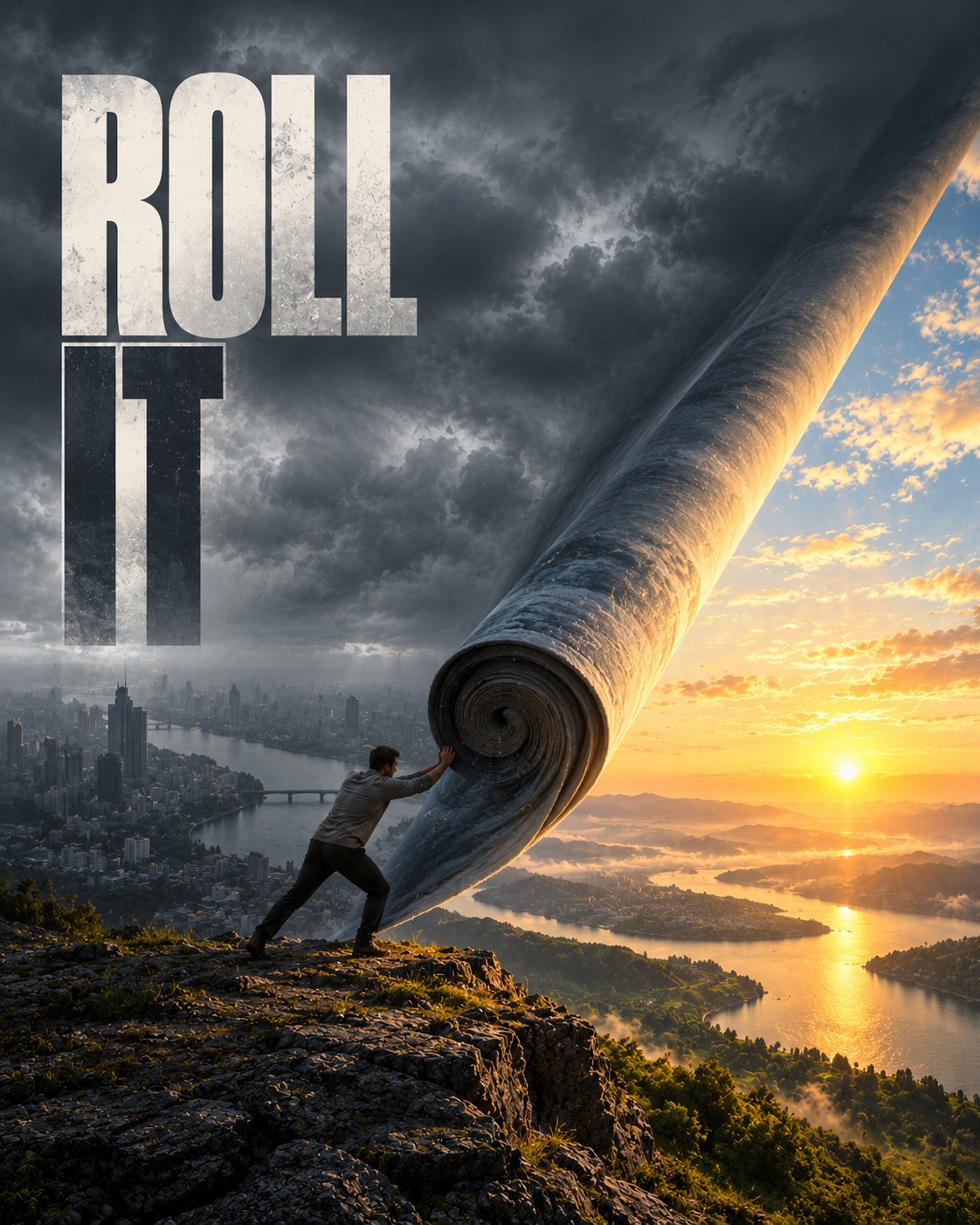
Surreal Editorial Advertising Poster Template
 GPT Image 2OpenAIimage
Create a spectacular stop-scrolling surreal editorial advertising poster in a vertical 4:5 composition. CORE CONCEPT Take an untouchable element of reality—[SKY / OCEAN / SHADOW / SUNSET / CITY / CLOUDS / HORIZON / NIGHT / LIGHT / LANDSCAPE]—and make it physically behave like [PAPER / FABRIC / PAINT / PLASTIC / GLASS / WALLPAPER / LIQUID / RUBBER]. Show one monumental physical action: [ZIP IT OPEN / TEAR IT / PEEL IT / PAINT IT / FOLD IT / STRETCH IT / CUT IT / UNBUTTON IT / ERASE IT]. Behind the manipulated reality, reveal [HIDDEN REALITY]. The contrast must instantly communicate [YOUR MESSAGE]. The concept should be understandable within one second without relying on text. SCALE & REALISM Make the intervention enormous, affecting a major portion of the environment so reality itself feels tangible. Give the material convincing thickness, folds, tension, torn edges, wrinkles, reflections, shadows, deformation, or wetness appropriate to its physical properties. COLOR Use strong controlled contrast: Visible world: [COLOR 1] Hidden world: [COLOR 2] Accent: [COLOR 3] Limit the palette to 3–4 dominant colors. TYPOGRAPHY Headline: "[HEADLINE]" — maximum 2–5 words. Use one premium editorial typeface: [ULTRA-CONDENSED GROTESK / MASSIVE GEOMETRIC SANS / HIGH-CONTRAST SERIF]. Integrate the typography into the physical action. Letters may tear, fold, bend, disappear behind the opening, change color, or follow the distorted surface. Keep the headline instantly readable at thumbnail size. VISUAL STANDARD World-class conceptual advertising, surreal photography, monumental scale, hyperreal material behavior, cinematic lighting, bold negative space, controlled color blocking, tactile print texture, subtle analog film grain, and one unforgettable visual idea. The final image should trigger an immediate “HOW IS THAT POSSIBLE?” reaction while remaining elegant, sophisticated, and suitable for a global fashion, culture, or creative campaign. AVOID: clutter, generic stock imagery, unnecessary characters or objects, excessive microtext, logos, QR codes, watermarks, generic AI-art aesthetics, and Canva-style templates.
Details
- Type
- AI Image Prompts
- Aspect Ratio
- 561:701
- Updated
- Sep 9, 2026
Category
How to use this prompt
- 1Copy the full prompt with the copy button above.
- 2Open GPT Image 2 by OpenAI, or any image generator with a similar style range.
- 3Paste the prompt, then swap the subject and style keywords to match your idea.
- 4Match the example's settings (561:701 · Surreal · Poster · Advertising), then iterate — small wording changes shift the output a lot.
Frequently asked questions
Which AI model generated this image?
This image was generated with GPT Image 2 by OpenAI. The prompt on this page is the exact text used to create it.
What settings does this prompt use?
The example was generated with GPT Image 2 using: 561:701 · Surreal · Poster · Advertising. Reusing these settings gives the closest match.
How do I get similar results?
Copy the prompt as-is first, then replace only the subject while keeping the style, lighting, and composition keywords. Generate a few variations — outputs differ between runs.
Can I modify this prompt?
Yes. Prompts work best as starting points — adjust descriptors, aspect ratio, or style tags to make the output your own.
![Create a beautiful artistic illustration of [COUNTRY] represented through its national bird, [NATION — AI image prompt — GPT Image 2](https://cdn.ahaprompt.app/harvest-media/import-1788917968096-4tdbpo.jpg)
![Create a charming miniature 3D paper-craft travel illustration of [DESTINATION], designed as a delic — AI image prompt — GPT Image 2](https://cdn.ahaprompt.app/harvest-media/import-1787456914406-re0vi8.jpg)