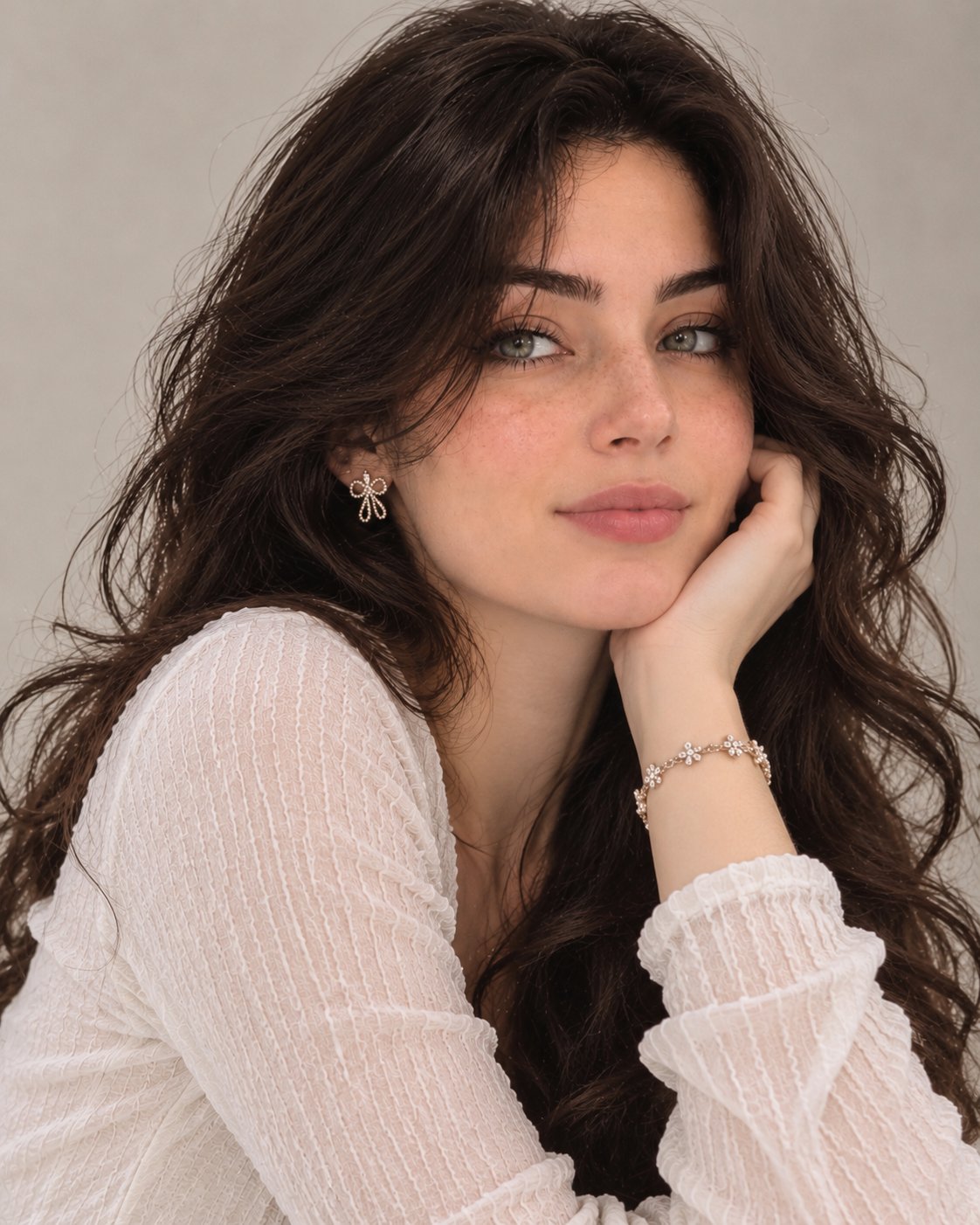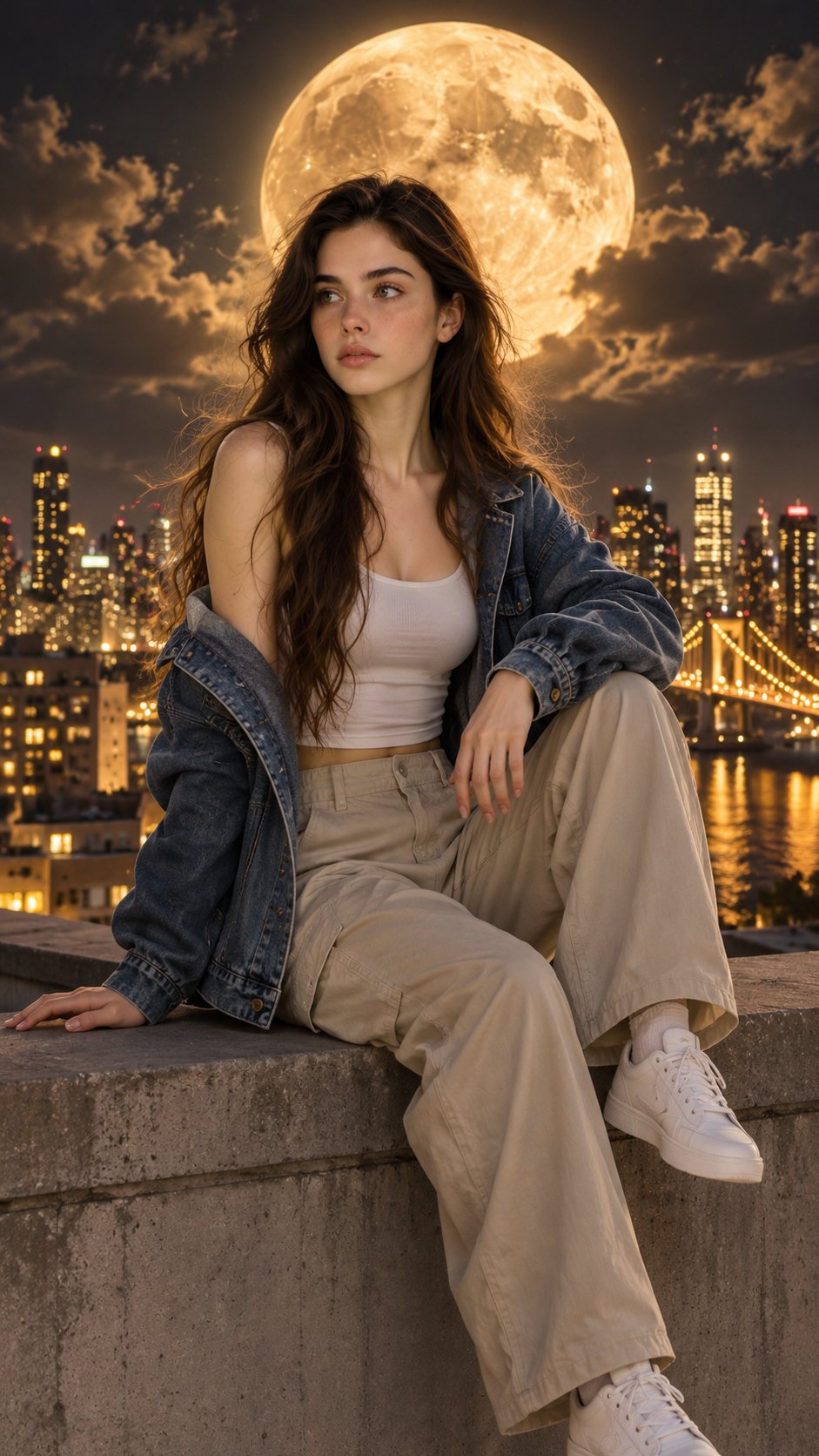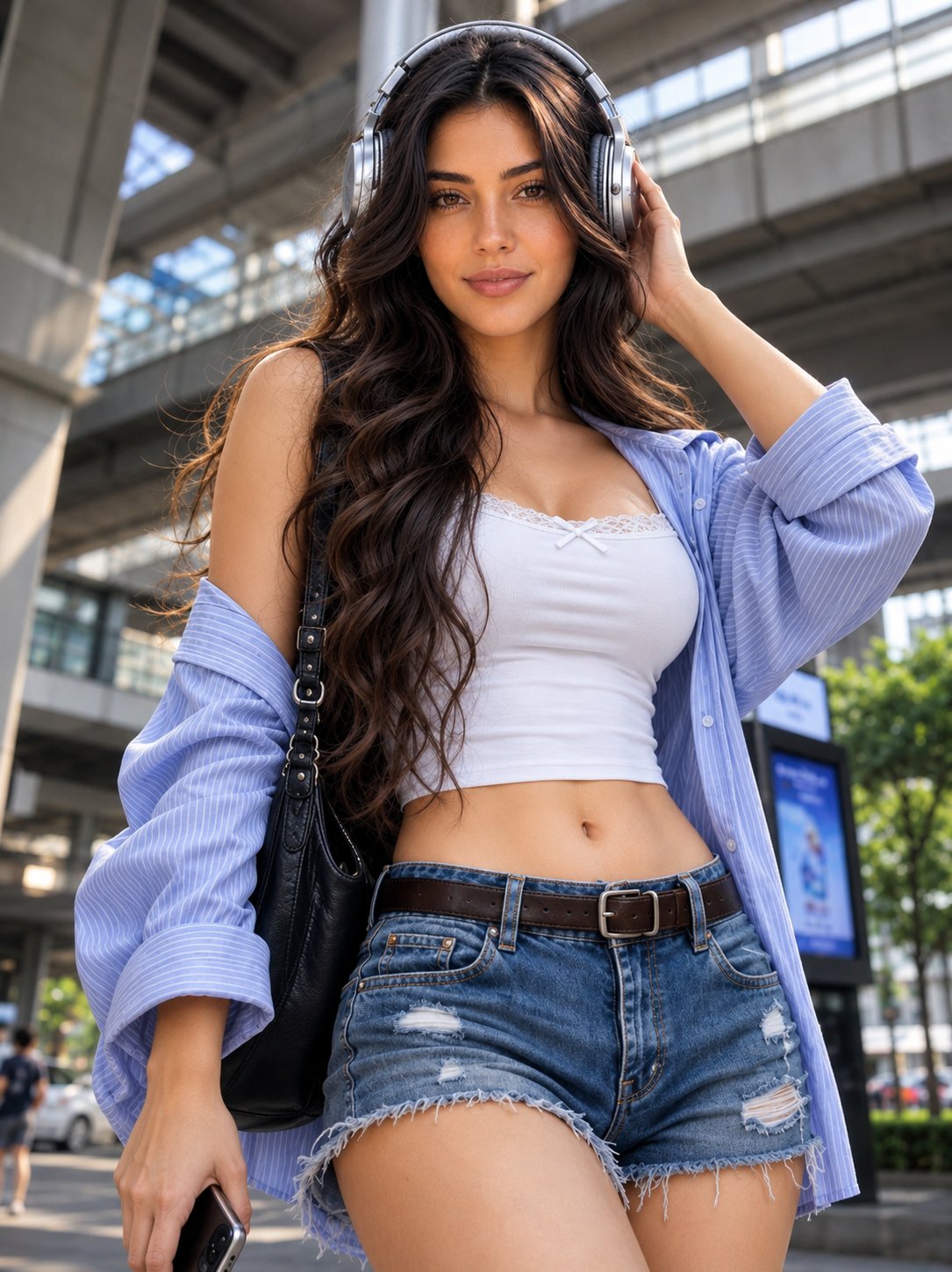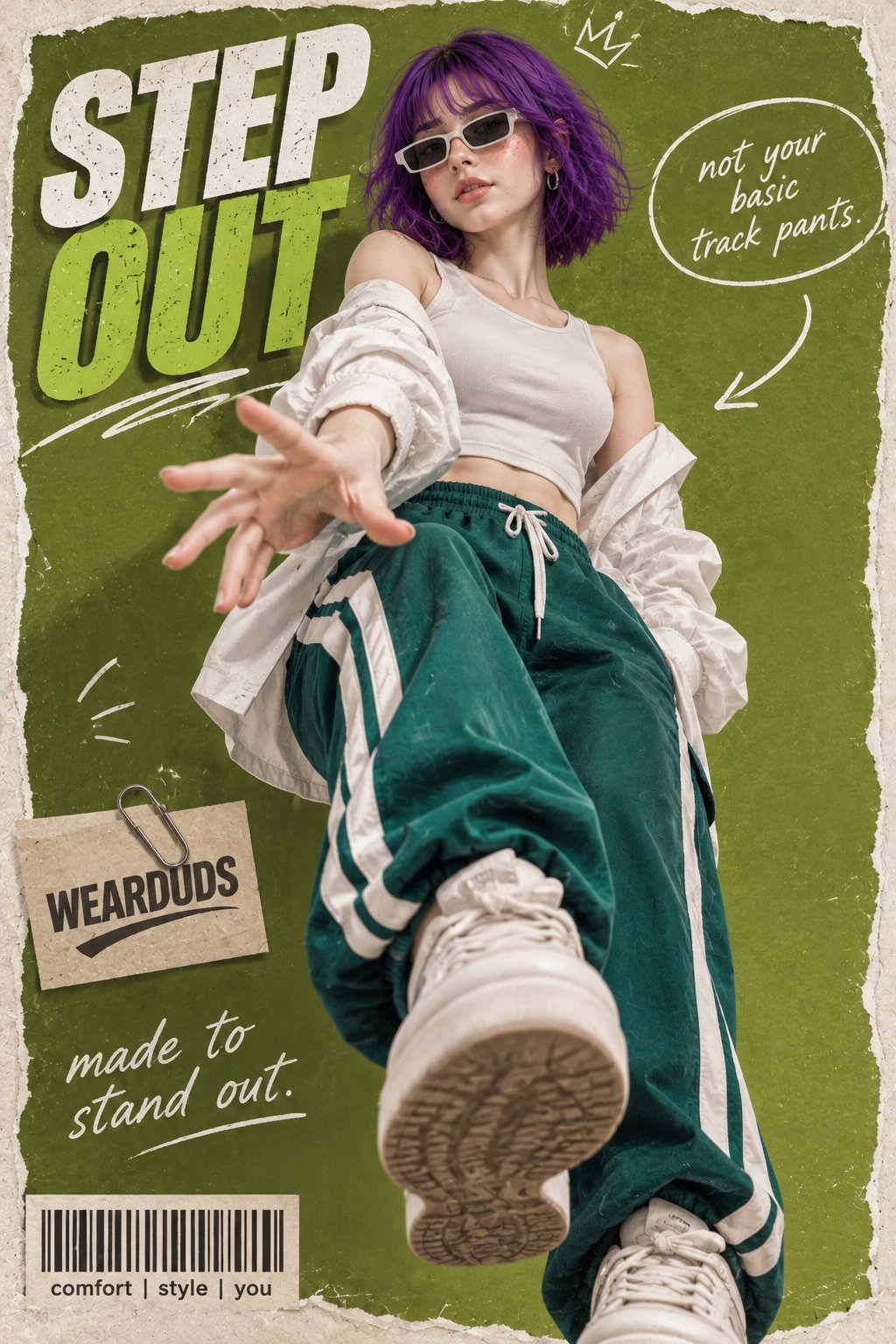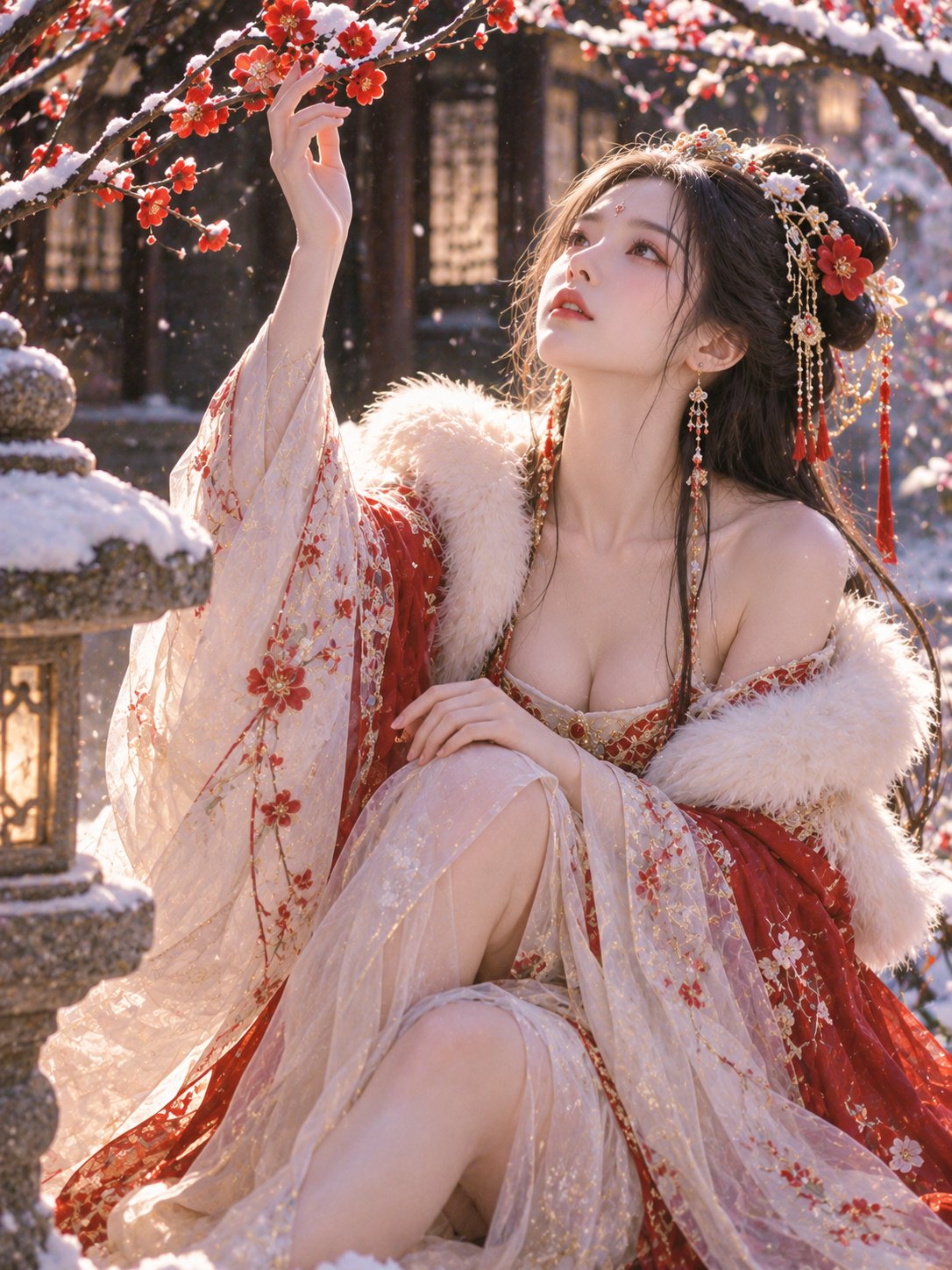
Randomized Ancient Chinese Beauty Portrait
 GPT Image 2.6OpenAIimage
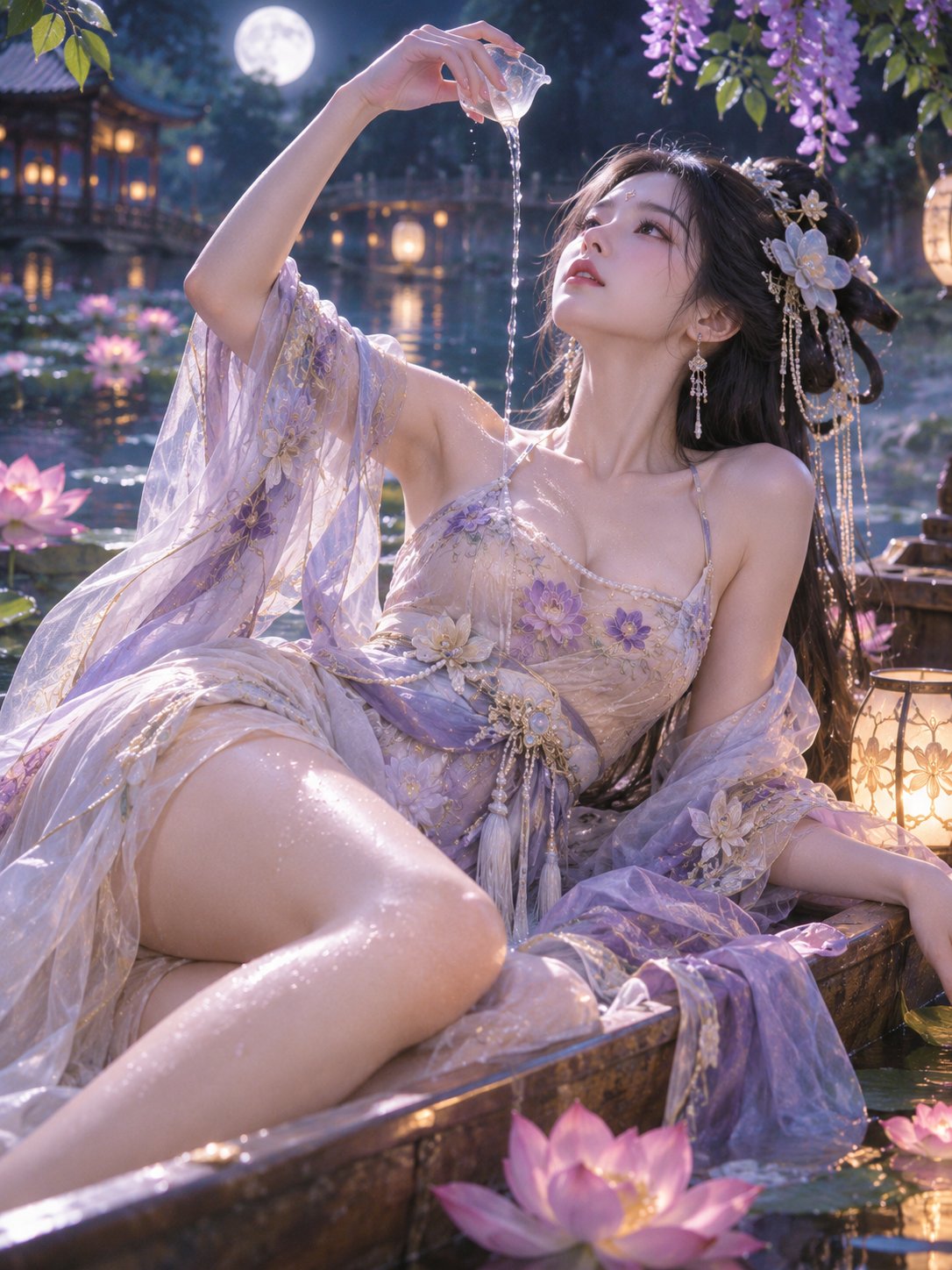
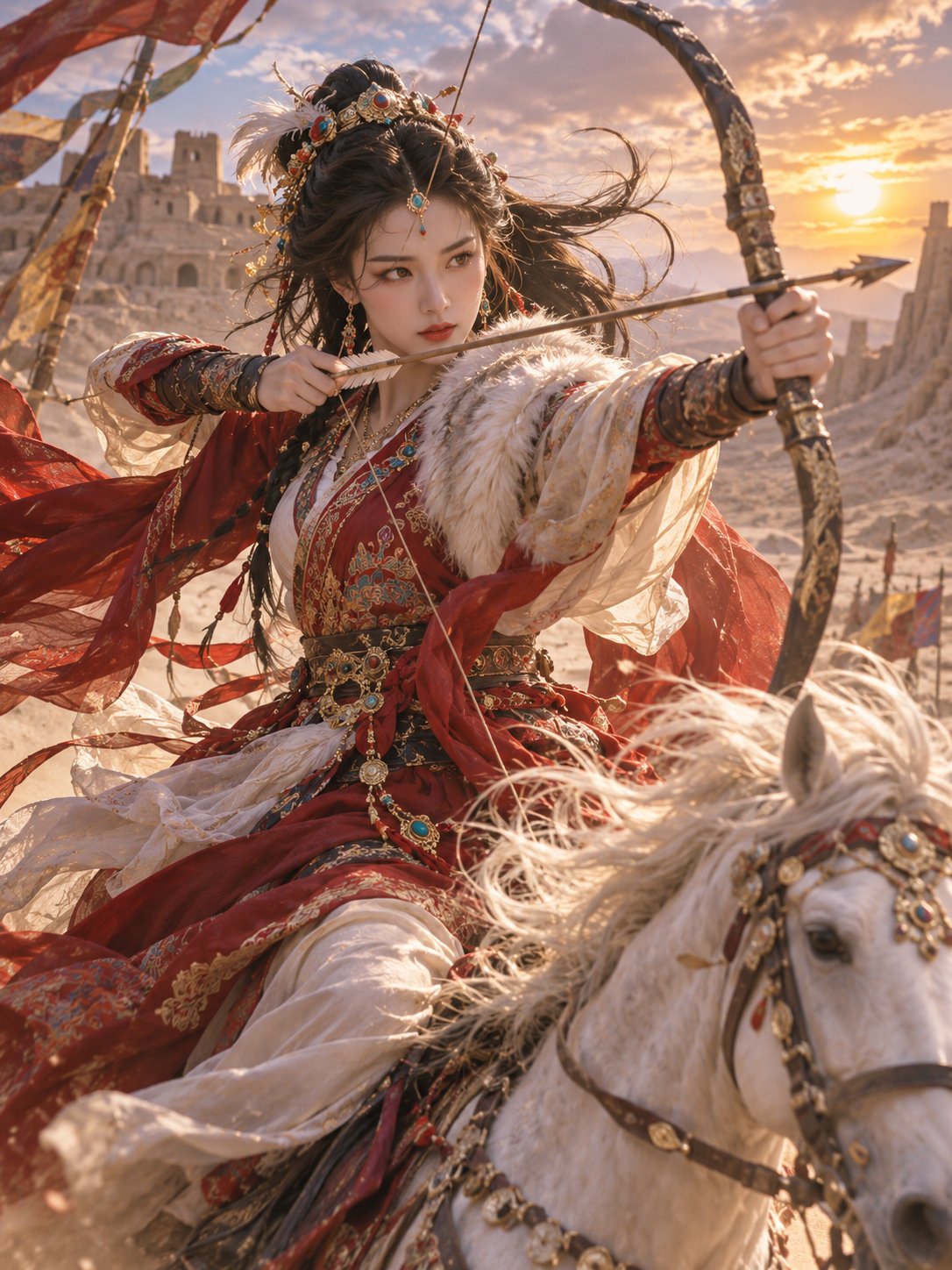
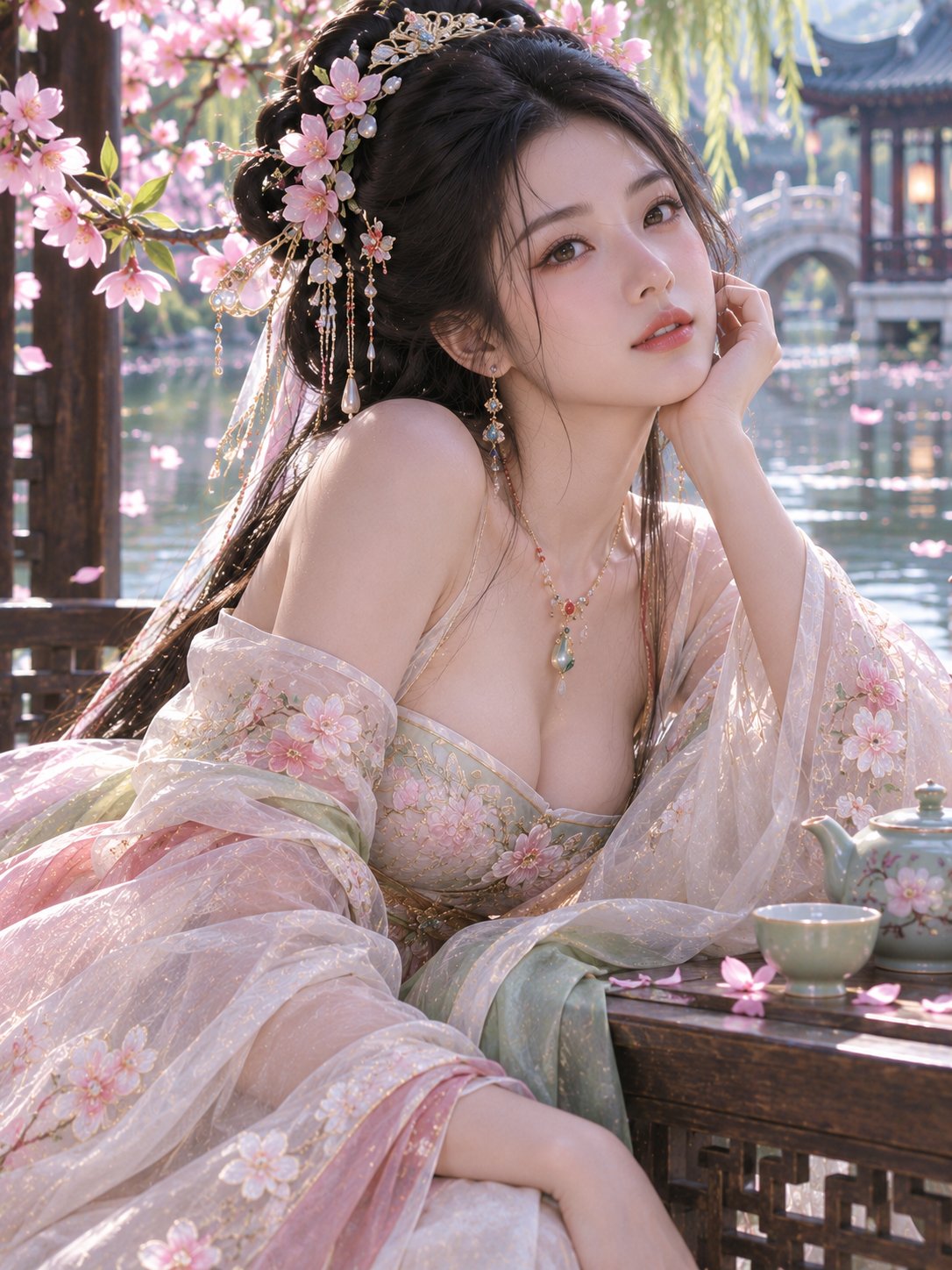
[Creative Goal] Create an artistic portrait of a beautiful woman in ancient style with strong Eastern aesthetic charm, 3:4 vertical composition. For each generation, independently and randomly design a completely new theme, character image, clothing and makeup styling, scene environment, character pose, lighting and color, and visual style, pursuing stunning visual expressiveness and distinct artistic personality. [Theme and Style] Randomly select an Eastern ancient-style theme with strong visual characteristics, such as the splendor of the High Tang, the elegance of Song dynasty charm, Wei-Jin character and spirit, Ming-style classicism, Dunhuang flying apsaras, Jiangnan misty rain, dreamlike xianxia, jianghu wuxia, Eastern fantasy, mysterious dark aesthetics, Chinese-style gongbi, poetic ink wash, classical oil painting, cinematic realism, or new Chinese fashion, etc. Do not limit yourself to the above types; actively encourage the creation of novel and unique ancient-style aesthetic directions. Each time, let one clear artistic style lead, keeping the image unified and highly recognizable. [Character Setting] A stunningly beautiful adult Eastern woman aged 20-30, with breathtaking appearance, delicate and natural facial features, harmonious facial proportions, fine and realistic skin, and a unique Eastern beauty. Based on the random theme, independently design the character's face shape, brows and eyes, hairstyle, hair ornaments, makeup, expression, and temperament. The character may be gentle and cool, lively and playful, bright and charming, heroic and dashing, mysterious and noble, or ethereal and otherworldly, presenting different facial features and character charm each time. [Clothing and Styling] Randomly design exquisite ancient-style clothing according to the theme, flexibly using hanfu, Tang-style garments, Song-style dresses, Ming-style formal wear, xianxia gauze skirts, wuxia outfits, court formal attire, and fantasy ancient-style costumes, etc. Independently determine the clothing's style, tailoring, color, layering, embroidery patterns, fabric texture, and jewelry pairing. Focus on the refined details of materials such as silk, sheer gauze, brocade, woven gold, jade, and pearls and jade, so that the clothing naturally blends with the character's identity and the overall artistic atmosphere. [Scene and Mood] Randomly conceive an Eastern ancient-style scene rich in poetry, narrative feel, or visual impact. It may be a classical courtyard, carved pavilion, misty Jiangnan, plum grove in snow, secluded bamboo sea path, lotus pond under moonlight, bustling lantern market, deep palace corridor, mountain summit above a sea of clouds, ancient desert city, quiet lake boat, or surreal wonderland, or a completely different and unique environment may be created. The scene should form a natural connection with the character, avoiding mere piling up of decorative elements. [Pose and Emotion] Randomly design aesthetically pleasing postures and natural expressions according to the character's identity and environment. It may be walking, sitting quietly, looking back, leaning on a railing, dancing, holding an umbrella, playing the qin, admiring flowers, holding a sword, standing by a window, riding a boat, or another story-rich moment. Freely determine the character's body orientation, head angle, gaze direction, hand gestures, and emotional expression, avoiding repeating the same standing pose, side profile, or looking-back action each time. [Lighting and Color] Randomly design emotionally evocative lighting conditions and color systems, such as soft morning light, backlit sunset, cold moonlight, warm candlelight, diffuse reflection on snow, scattered light in rain and mist, dramatic chiaroscuro, or dreamy volumetric light. Independently choose the main color tone, secondary colors, and local accent colors according to the theme, allowing for elegant light colors, rich and gorgeous tones, warm-cool contrasts, low-saturation retro palettes, or high-contrast visual expression, without fixed use of any one color. [Photography and Visual Presentation] Randomly choose close-up, half-body, medium shot, full-body, or environmental portrait composition, flexibly using frontal, side, overhead, low-angle, and cinematic framing. The artistic presentation method should remain consistent with the theme, pursuing master-level composition, exquisite details, natural and accurate human proportions, rich image layering, and refined aesthetics. The character is the core visual focus of the image, while the background and environment jointly enhance the overall mood. High resolution, high completion, with no text, watermark, or border added to the image. [Core Random Rules] Before each generation, independently conceive a complete visual plan anew, rather than making simple variations based on the same character and scene. Prioritize creating visual combinations different from common ancient-style portraits, actively changing the character's recognizable features, clothing styling, environment, pose, lighting, color, framing, and artistic presentation methods. If a previous generated work exists, this generation must form obvious differences in at least six core visual dimensions, avoiding continuous repetition of similar faces, clothing, actions, and compositions. Final goal: each time should feel like it comes from a completely new ancient-style artistic world, with a beautiful and moving character, a distinctive visual style, and eye-catching original visual expressiveness. [Enhanced Core Random Rules] Before each generation, a complete visual plan must be independently conceived anew: first decide on a completely new theme, character image, clothing structure, scene type, body posture, camera distance, shooting angle, and lighting style, and then proceed with image creation. Character actions must have significant diversity. Do not default to common ancient-style portrait poses such as sitting quietly, resting the chin on the hand, touching the face, leaning on a railing, or turning sideways to look back. Prioritize exploring different actions such as dynamic walking, running, spinning, dancing, leaping, riding a horse, brandishing a sword, bending forward, stretching, kneeling, lying on the back, and other story-rich original postures. Camera composition must actively change. Switch among facial close-up, half-body, full-body, and distant environmental portraits; the character may be presented frontally, from the back, from the side, or from unconventional angles, and do not default to close-up half-body composition. Continuously repeated visual patterns are prohibited. If a previous image exists, the new work must prioritize avoiding its character pose, hand gestures, camera distance, facial features, clothing silhouette, and scene type, forming obvious differences in at least six core dimensions. True randomness is not simply changing clothing colors, hair ornaments, and backgrounds, but recreating a completely different character and visual world.
Details
- Type
- AI Image Prompts
- Aspect Ratio
- 3:4
- Updated
- Nov 17, 2026
How to use this prompt
- 1Copy the full prompt with the copy button above.
- 2Open GPT Image 2.6 by OpenAI, or any image generator with a similar style range.
- 3Paste the prompt, then swap the subject and style keywords to match your idea.
- 4Match the example's settings (3:4 · Character · Fantasy · Portrait), then iterate — small wording changes shift the output a lot.
Frequently asked questions
Which AI model generated this image?
This image was generated with GPT Image 2.6 by OpenAI. The prompt on this page is the exact text used to create it.
What settings does this prompt use?
The example was generated with GPT Image 2.6 using: 3:4 · Character · Fantasy · Portrait. Reusing these settings gives the closest match.
How do I get similar results?
Copy the prompt as-is first, then replace only the subject while keeping the style, lighting, and composition keywords. Generate a few variations — outputs differ between runs.
Can I modify this prompt?
Yes. Prompts work best as starting points — adjust descriptors, aspect ratio, or style tags to make the output your own.