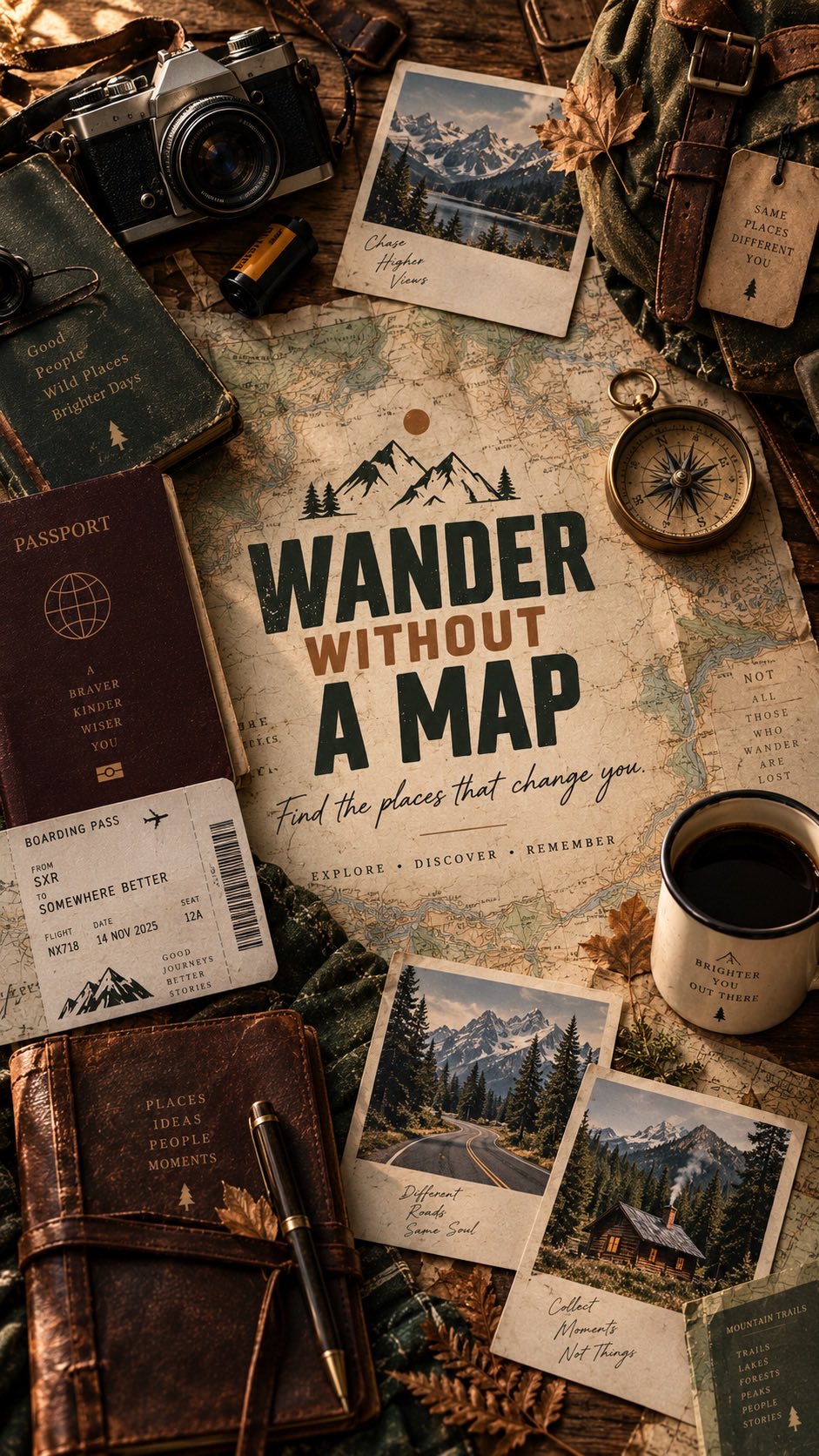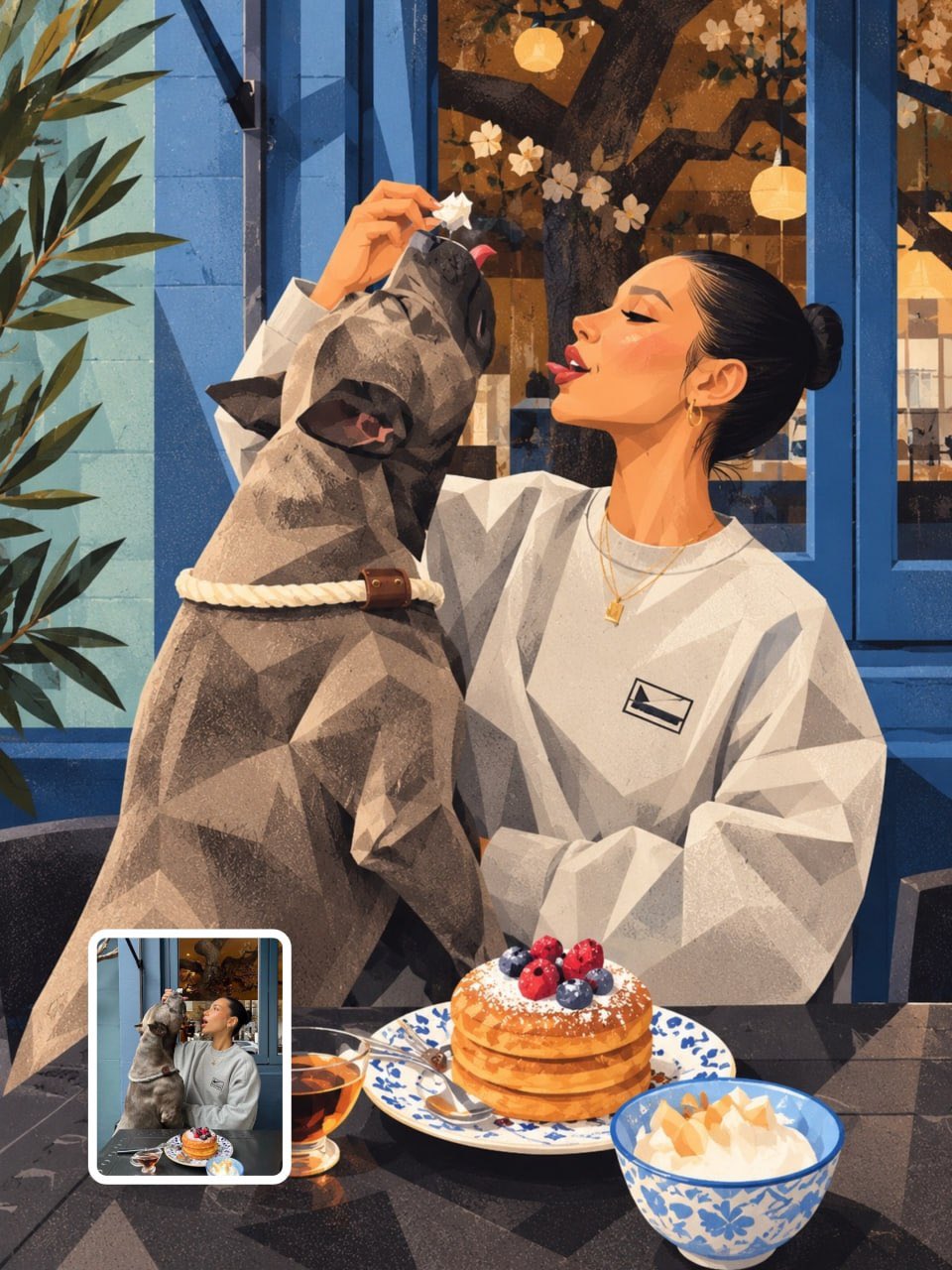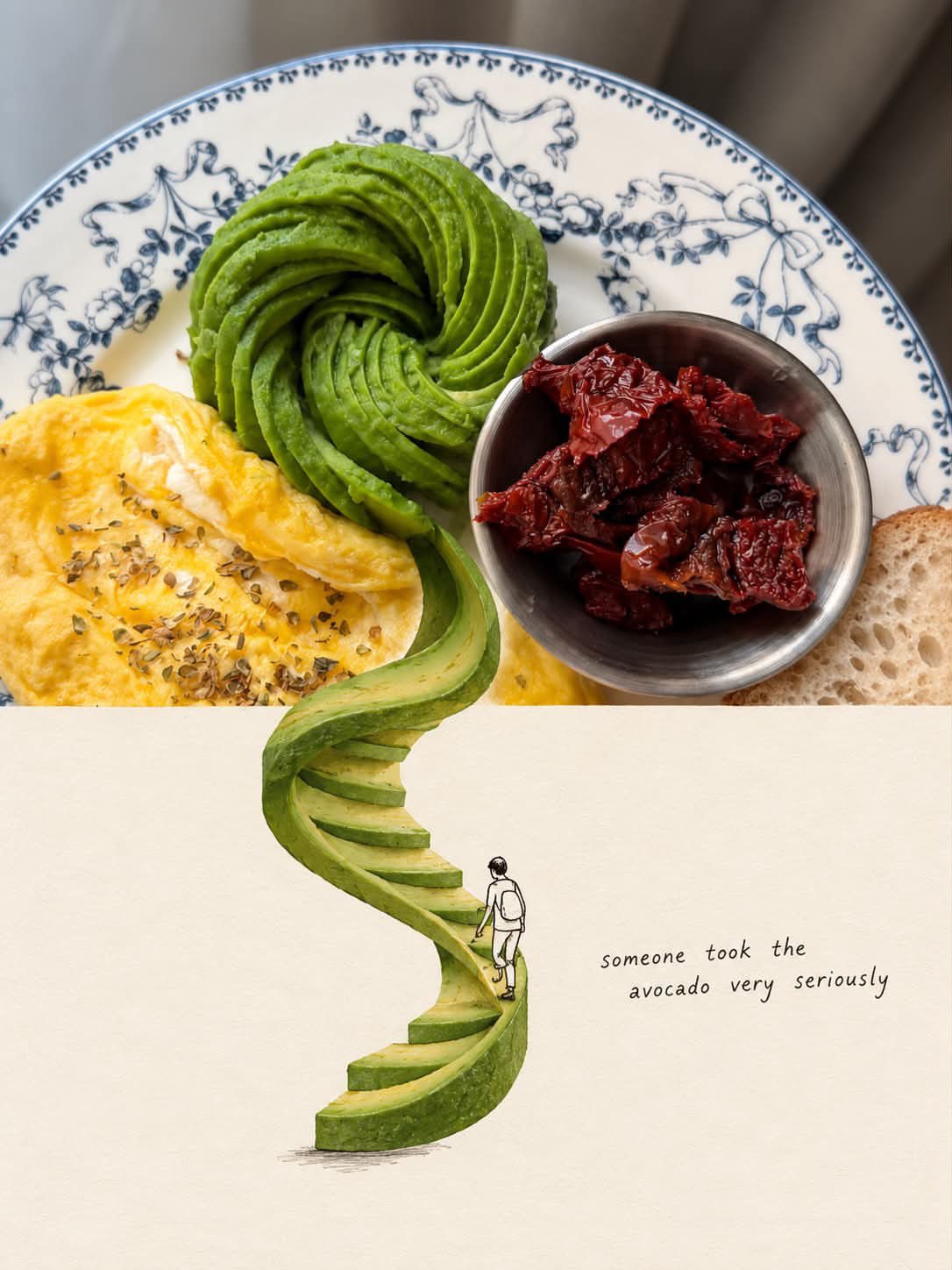
Premium Travel Poster with Hero Landmark
 GPT Image 2OpenAIimage
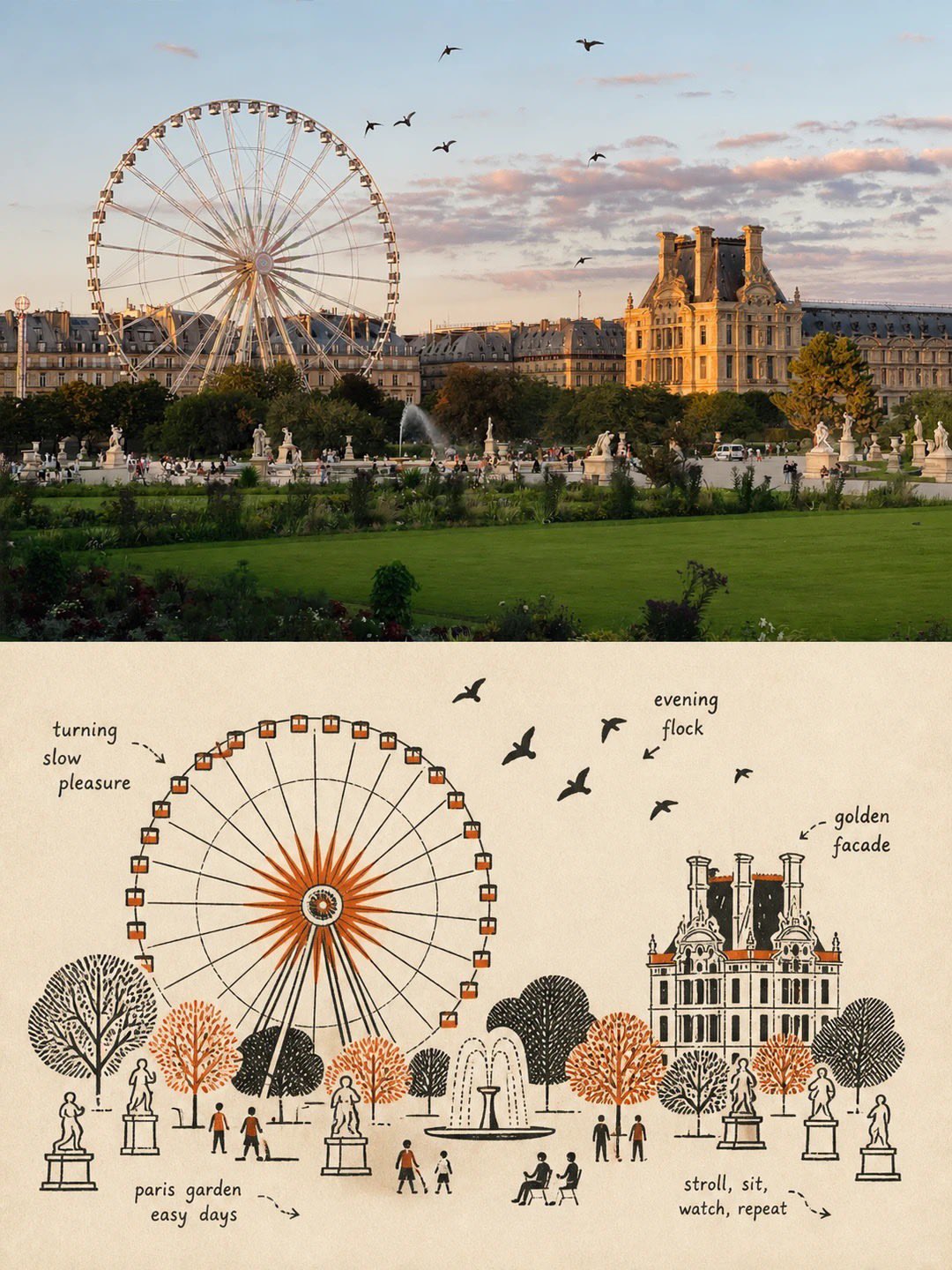
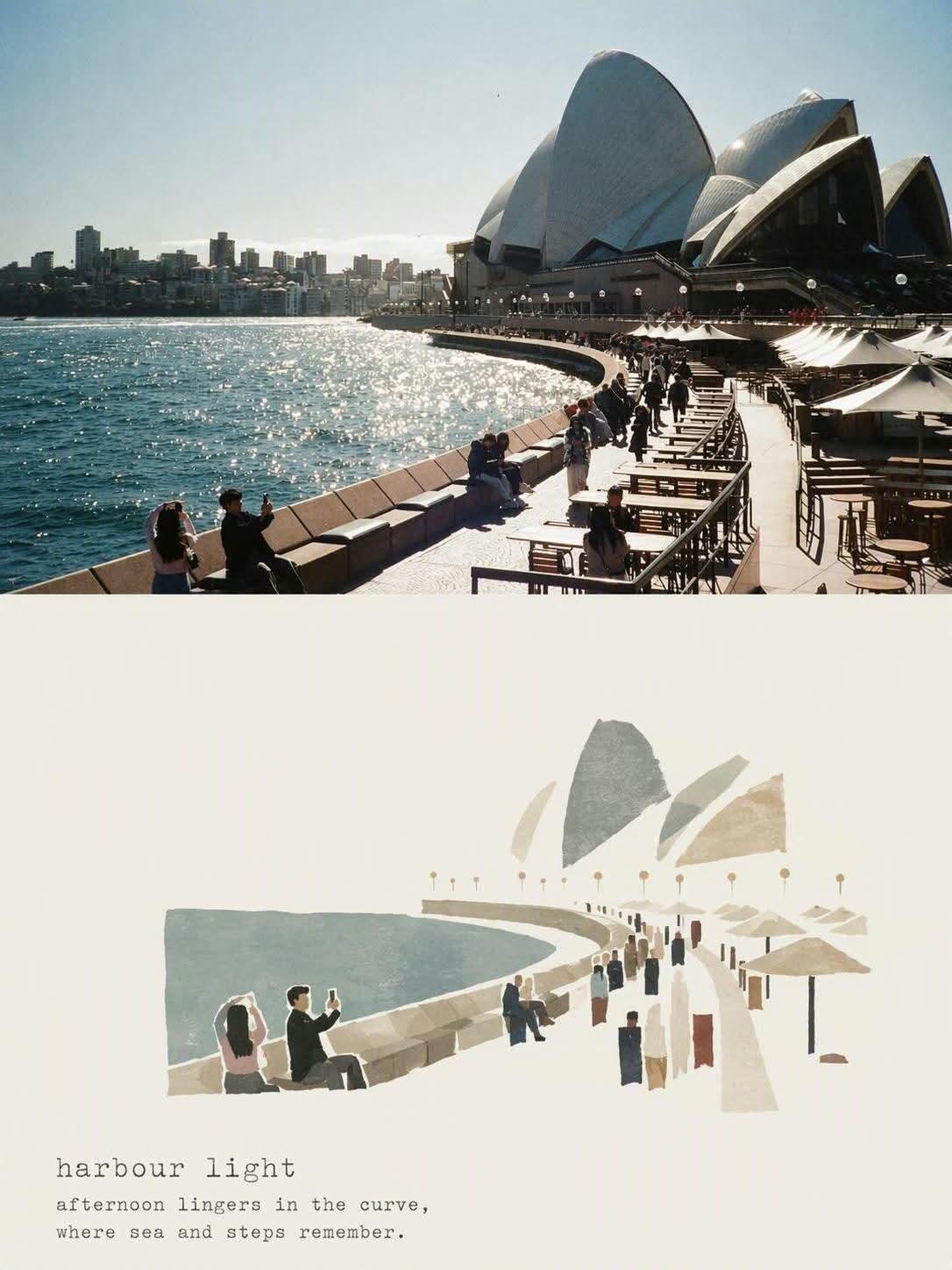
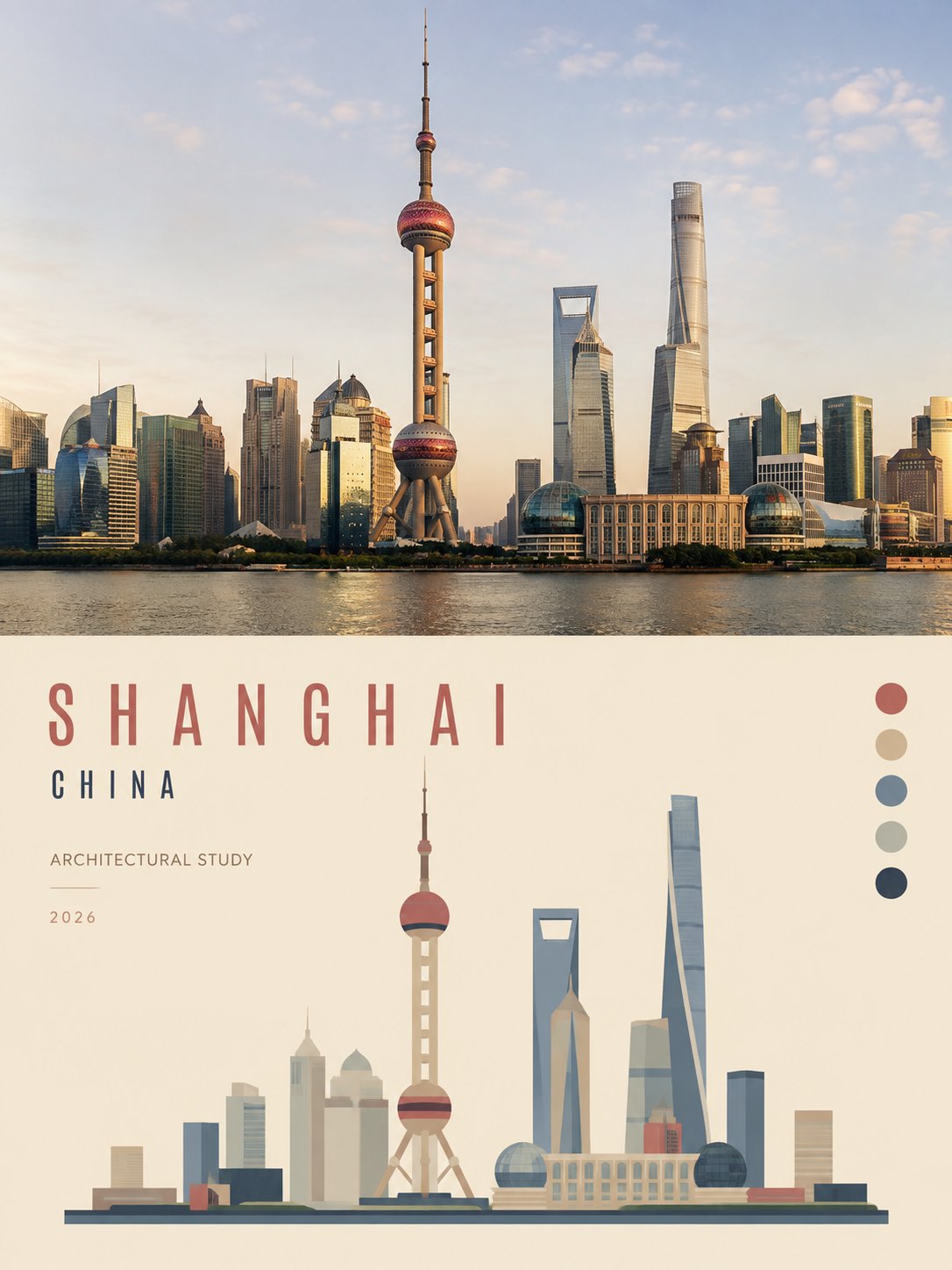
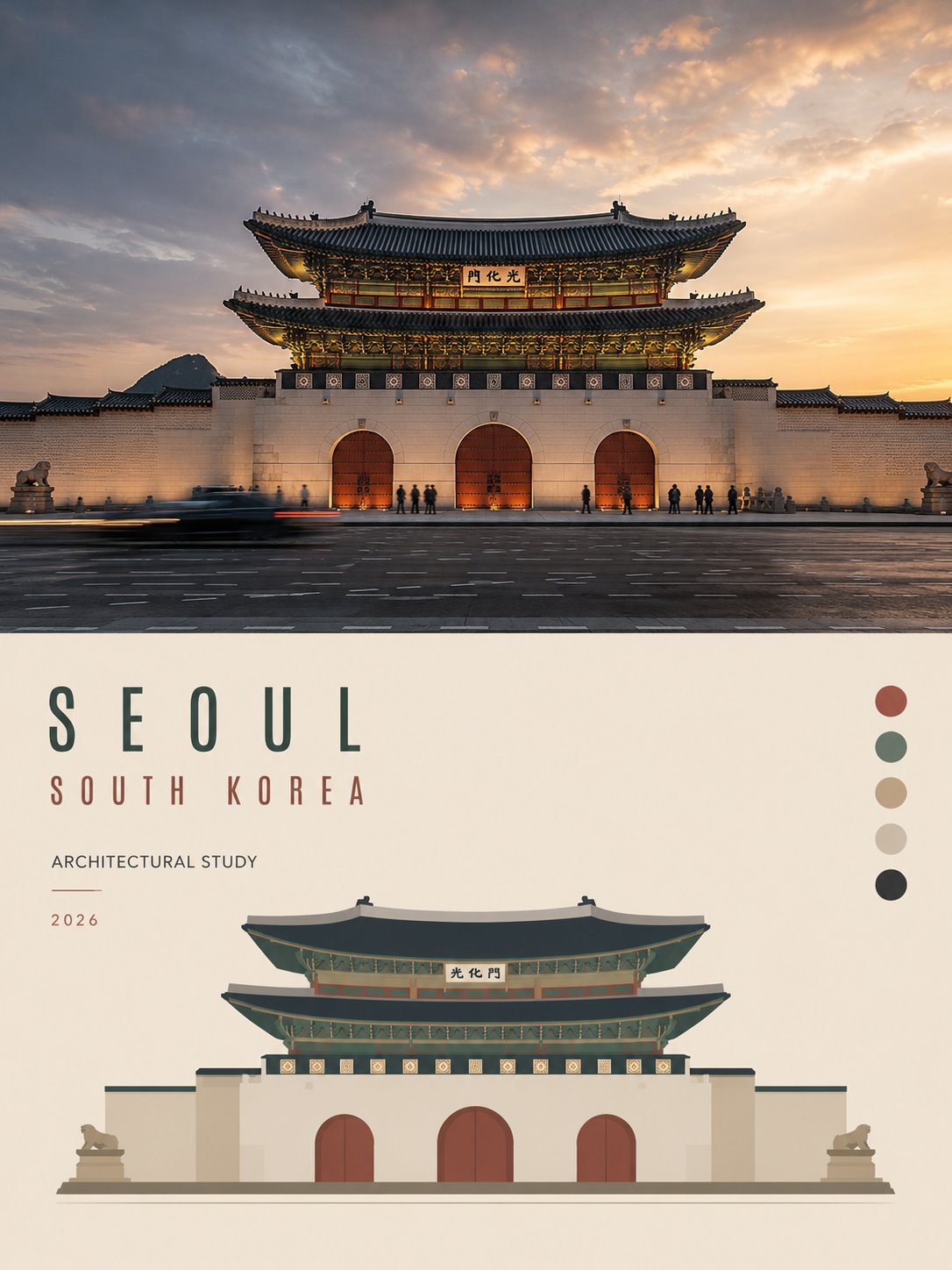
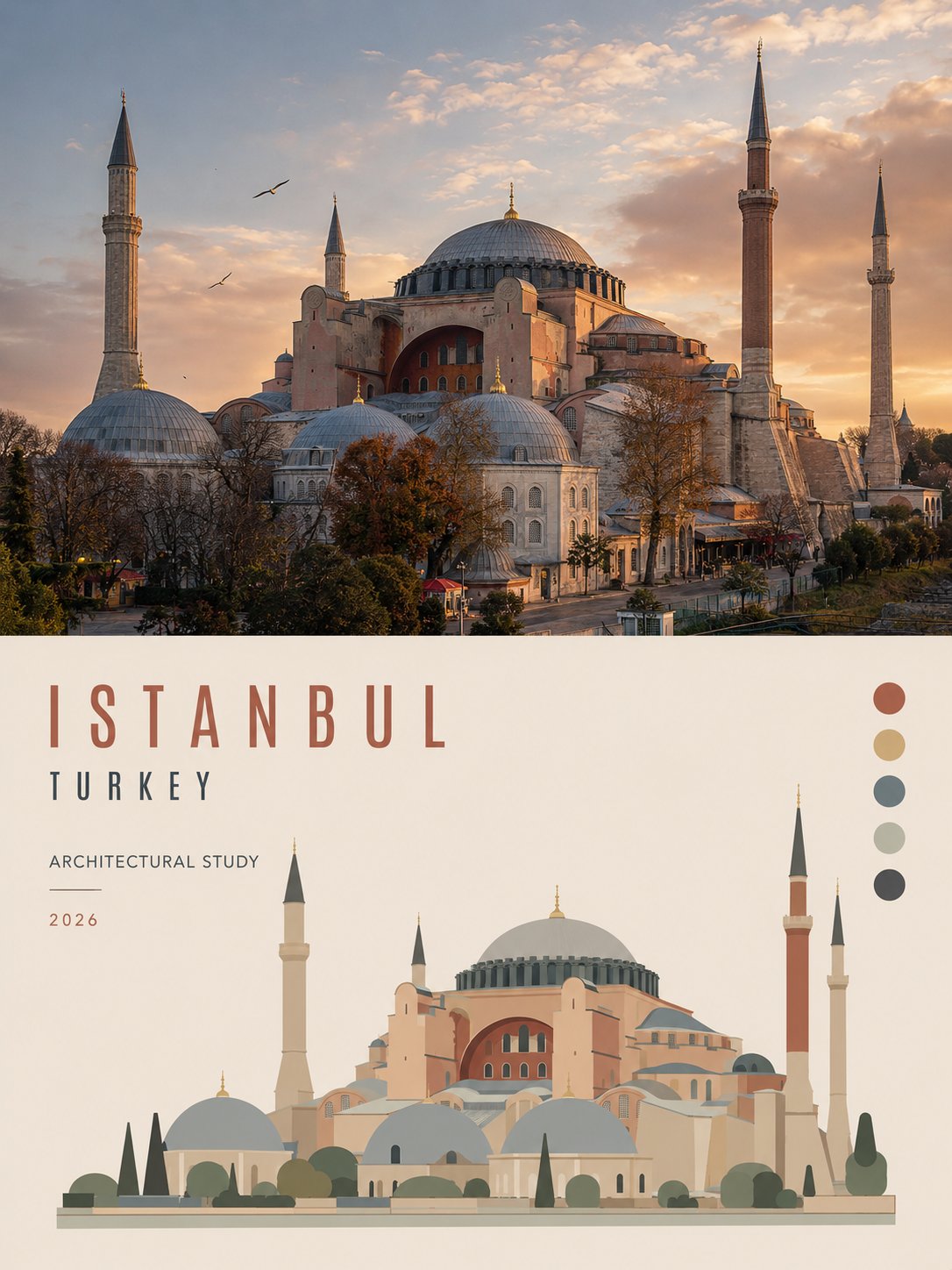
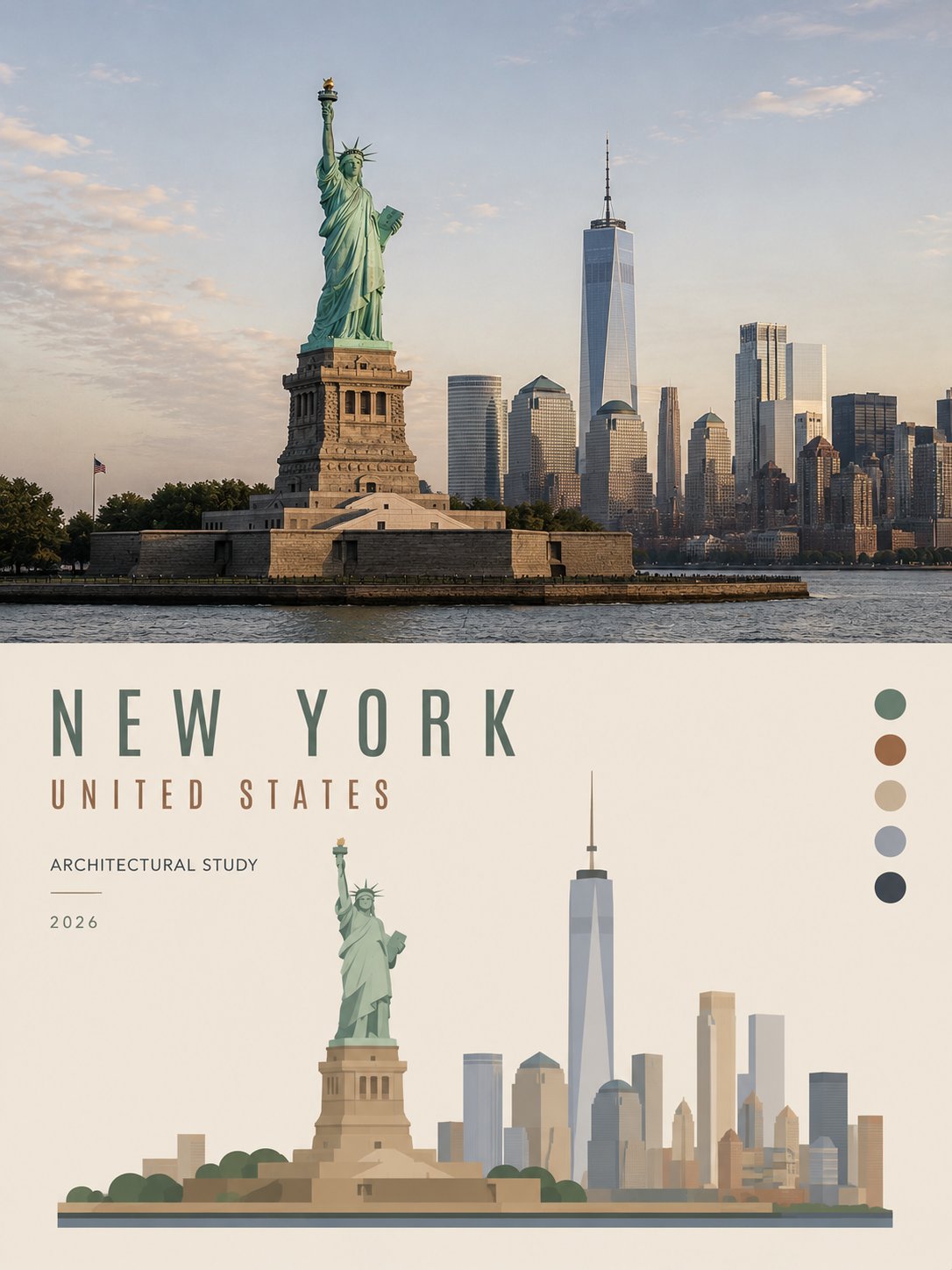
Create a refined 3:4 vertical premium travel poster for [CITY]. First identify the city, country, architecture, landscape, climate, cultural character, and visual identity. Select ONE iconic and highly recognizable real-world landmark or subject as the HERO. Establish one believable photographic viewpoint and ensure every environmental element logically belongs to that location. Do not create a collage of unrelated landmarks. COMPOSITION: Divide the poster into two perfectly equal sections: 50% top and 50% bottom. Use a warm beige, ivory, or soft-white background with generous negative space and precise alignment. TOP — HERO PHOTOGRAPH: Create an ultra-realistic, high-end editorial photograph of the chosen landmark from a believable real-world viewpoint. Preserve accurate architecture, proportions, materials, surrounding environment, natural lighting, shadows, atmosphere, and geographic character. The scene should feel like premium architectural photography or a museum-quality travel photograph, with realistic textures and sophisticated cinematic composition. BOTTOM — GRAPHIC INTERPRETATION: Reinterpret the same hero landmark as a sophisticated flat graphic design. Extract its most recognizable silhouette, contours, structural details, proportions, and distinctive architectural elements. Simplify them into elegant geometric shapes, flat color blocks, thin lines, restrained divisions, and generous negative space. The landmark must remain instantly recognizable without becoming a realistic illustration, 3D render, cartoon, or game graphic. COLOR & TYPOGRAPHY: Derive a restrained palette of approximately 4–6 colors from the city's architecture, environment, and hero photograph. Keep the palette sophisticated with slightly muted saturation. Add minimal geometric accents only when they improve the composition. Use limited, elegant typography such as: [CITY] [COUNTRY] ARCHITECTURAL STUDY 2026 Use Swiss/international graphic design, architectural exhibition posters, luxury editorial design, and museum visual identity as the aesthetic reference. Keep typography subtle, with generous letter spacing and strong visual hierarchy. FINAL AESTHETIC: Sophisticated, minimal, contemporary, culturally authentic, artistic, and premium. The photographic upper half and graphic lower half should feel like two expressions of the same visual identity. The final result should resemble a world-class gallery poster, collector's travel print, architectural exhibition artwork, or luxury brand campaign. Avoid landmark collages, inaccurate architecture, invented structures, excessive text, tourist-brochure aesthetics, neon, flashy effects, heavy gradients, glossy 3D rendering, cartoon styling, game UI, clutter, excessive decoration, and generic AI-generated cityscapes.
Details
- Type
- AI Image Prompts
- Aspect Ratio
- 3:4
- Updated
- Aug 21, 2026
How to use this prompt
- 1Copy the full prompt with the copy button above.
- 2Open GPT Image 2 by OpenAI, or any image generator with a similar style range.
- 3Paste the prompt, then swap the subject and style keywords to match your idea.
- 4Match the example's settings (3:4 · Poster · Cityscape), then iterate — small wording changes shift the output a lot.
Frequently asked questions
Which AI model generated this image?
This image was generated with GPT Image 2 by OpenAI. The prompt on this page is the exact text used to create it.
What settings does this prompt use?
The example was generated with GPT Image 2 using: 3:4 · Poster · Cityscape. Reusing these settings gives the closest match.
How do I get similar results?
Copy the prompt as-is first, then replace only the subject while keeping the style, lighting, and composition keywords. Generate a few variations — outputs differ between runs.
Can I modify this prompt?
Yes. Prompts work best as starting points — adjust descriptors, aspect ratio, or style tags to make the output your own.