LogoAhaPrompt
  • Prompts
  • Featured
  • Models
  • Submit
  • Blog
AhaPromptAhaPrompt

AI Prompts for Images, Video & Audio — Every Model, One Library

Built withLogoNEXTY.DEV
Explore
  • All Prompts
  • Featured Prompts
  • Image Prompts
  • Video Prompts
  • Audio Prompts
  • AI Models
  • Submit a Prompt
  • Blog
Languages
  • English
  • 中文
  • 日本語
  • 한국어

Copyright © 2026 AhaPrompt All rights reserved.

Privacy PolicyTerms of Service
HomeAI Prompt LibraryAI Image PromptsPremium Tourism Road Typography Poster
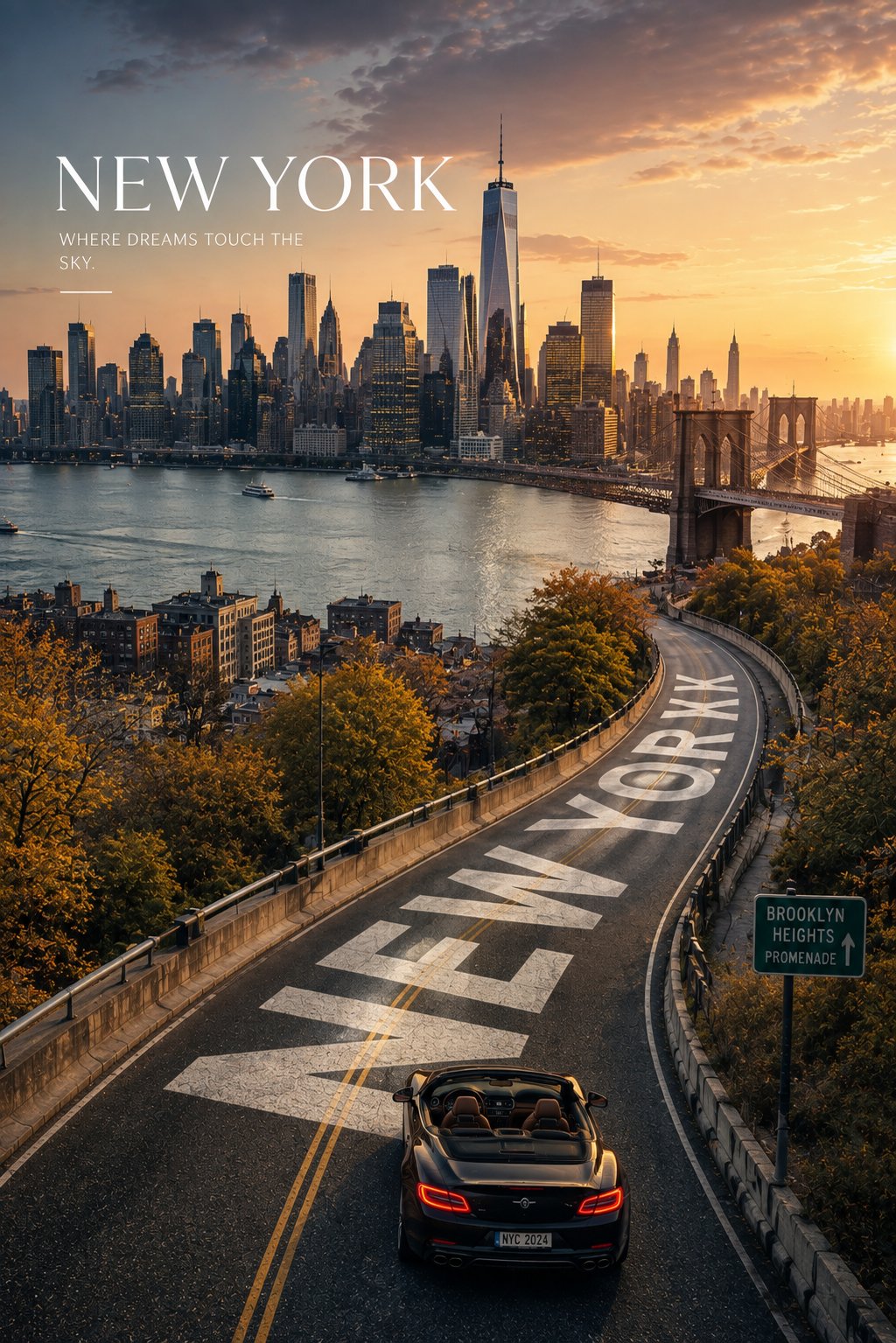
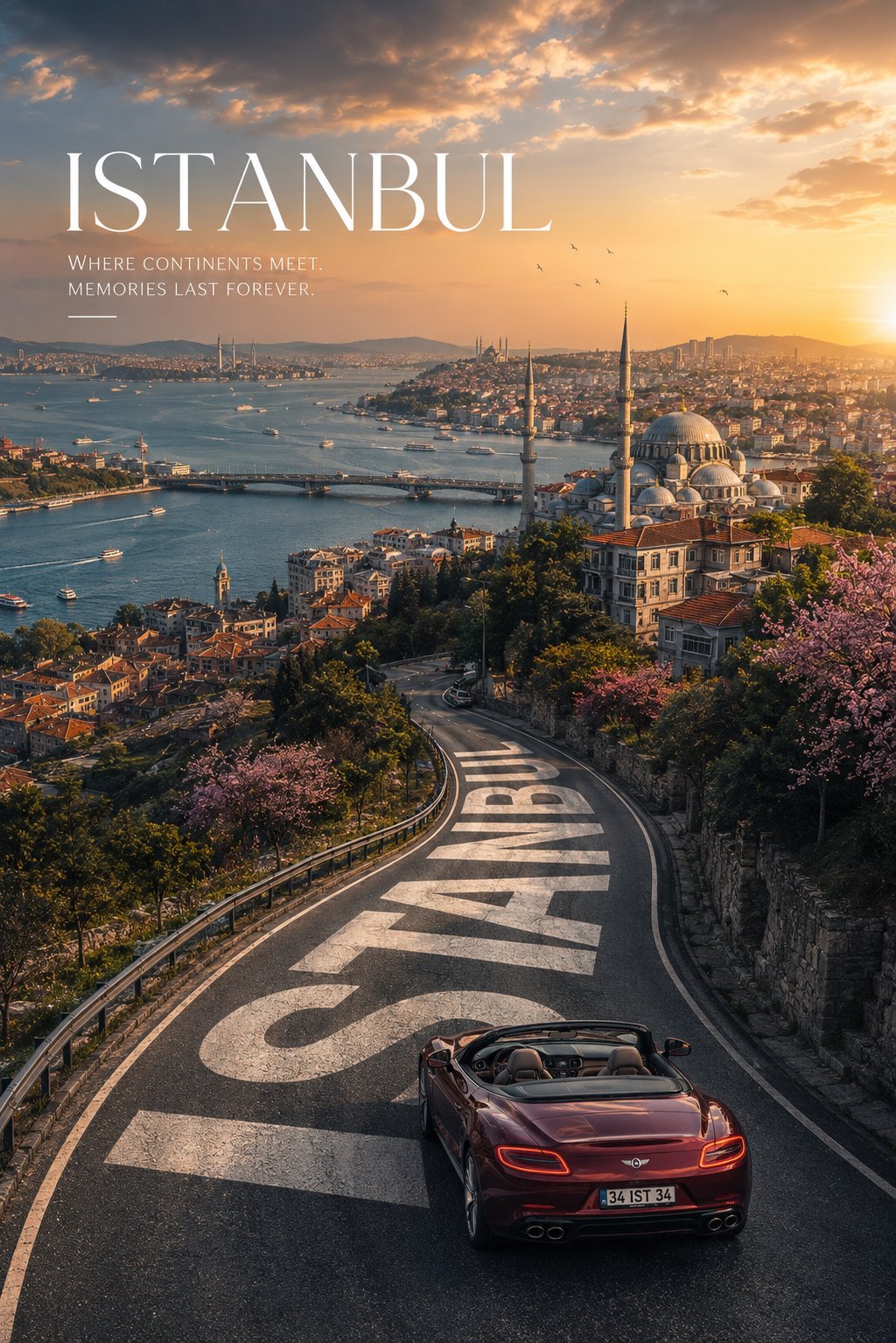
Premium Tourism Road Typography Poster — AI image prompt — GPT Image 2 — Typography, Poster, Aerial - 1

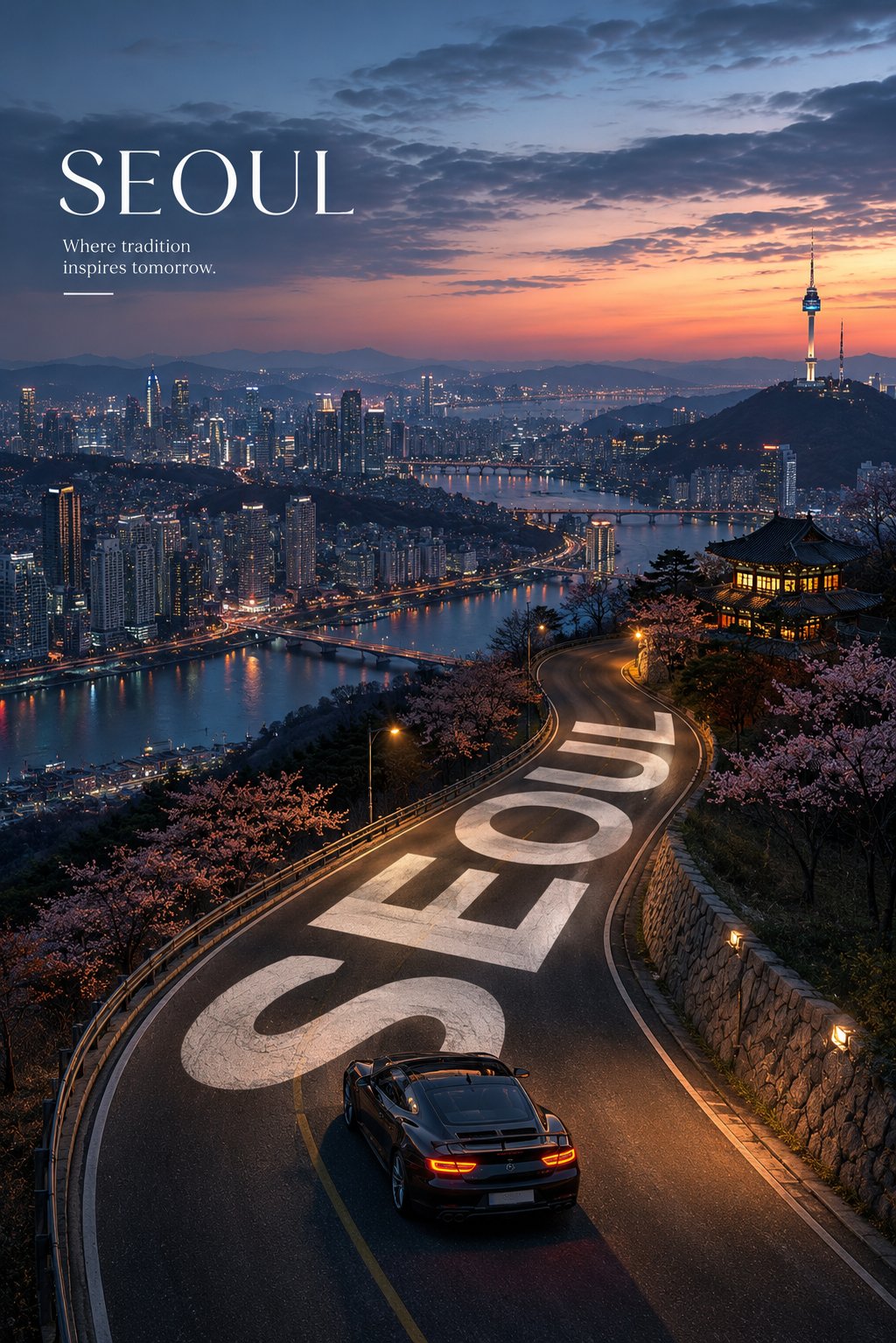
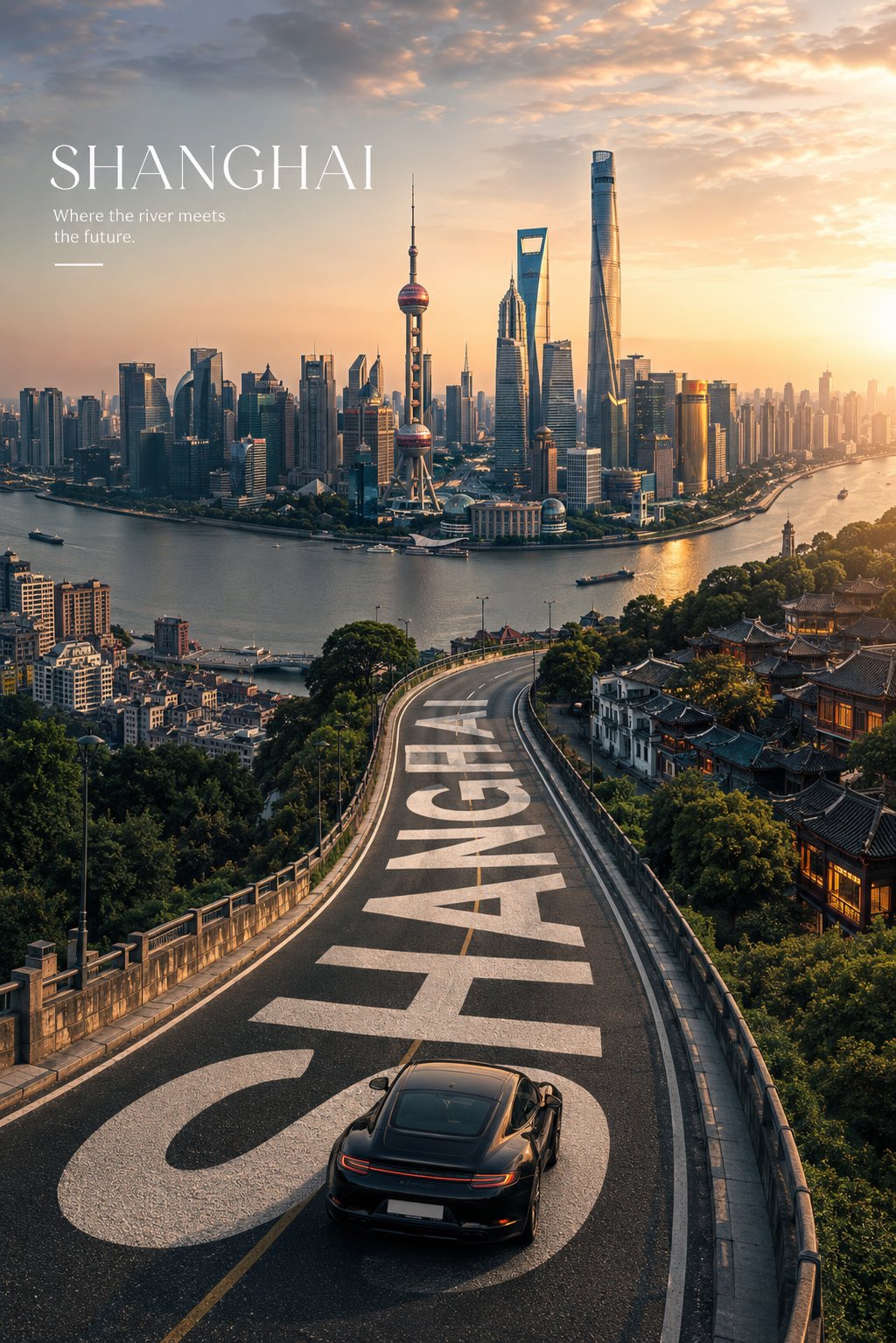
Premium Tourism Road Typography Poster — AI image prompt — GPT Image 2 — Typography, Poster, Aerial - 2
Premium Tourism Road Typography Poster — AI image prompt — GPT Image 2 — Typography, Poster, Aerial - 3
Premium Tourism Road Typography Poster — AI image prompt — GPT Image 2 — Typography, Poster, Aerial - 4

Premium Tourism Road Typography Poster

OpenAIGPT Image 2OpenAIimage

Create a premium tourism campaign poster for {LOCATION} in a strong vertical composition, viewed from an elevated aerial or scenic viewpoint. A long sweeping road should dominate the foreground and curve naturally toward the destination’s most recognizable landscape, landmark, coastline, skyline, or horizon. The giant words “{LOCATION}” must be painted directly onto the road as bold, premium white road typography. The letters should stretch across a long section of asphalt, following the road’s curves, slope, perspective, and foreshortening. Foreground letters should be oversized and immersive, gradually shrinking into the distance so the typography feels physically engineered into the journey. Include a refined luxury vehicle naturally in motion as a secondary visual anchor. Surround the road with {ICONIC LANDSCAPE / LANDMARKS}, using authentic local architecture, terrain, vegetation, water, geological features, or cultural elements that immediately identify the destination without feeling generic. Use minimal luxury tourism branding: “{LOCATION}” “{SHORT TRAVEL TAGLINE}” Optional: “{SECONDARY LINE}” Use cinematic natural lighting suited to the destination, with controlled highlights, open shadows, atmospheric depth, and realistic transitions between road, landscape, architecture, water, and sky. Color palette should reflect the destination naturally while maintaining a sophisticated premium travel aesthetic. Hyper-realistic commercial travel photography, elegant composition, strong depth and perspective, world-class tourism campaign quality, ultra-detailed, 8K. Negative prompt: generic scenery, weak or unreadable road typography, short text, distorted perspective, fake landmarks, inaccurate local architecture, oversaturated colors, muddy shadows, cluttered composition, unrealistic vehicle, cartoon elements, low-detail environment, cheap postcard aesthetic, low-resolution advertising.

Details
Type
AI Image Prompts
Aspect Ratio
1024:1535
Updated
Aug 18, 2026
Category
TypographyPosterAerial
Source

How to use this prompt

  1. 1Copy the full prompt with the copy button above.
  2. 2Open GPT Image 2 by OpenAI, or any image generator with a similar style range.
  3. 3Paste the prompt, then swap the subject and style keywords to match your idea.
  4. 4Match the example's settings (1024:1535 · Typography · Poster · Aerial), then iterate — small wording changes shift the output a lot.

Frequently asked questions

Which AI model generated this image?

This image was generated with GPT Image 2 by OpenAI. The prompt on this page is the exact text used to create it.

What settings does this prompt use?

The example was generated with GPT Image 2 using: 1024:1535 · Typography · Poster · Aerial. Reusing these settings gives the closest match.

How do I get similar results?

Copy the prompt as-is first, then replace only the subject while keeping the style, lighting, and composition keywords. Generate a few variations — outputs differ between runs.

Can I modify this prompt?

Yes. Prompts work best as starting points — adjust descriptors, aspect ratio, or style tags to make the output your own.
More GPT Image 2 prompts

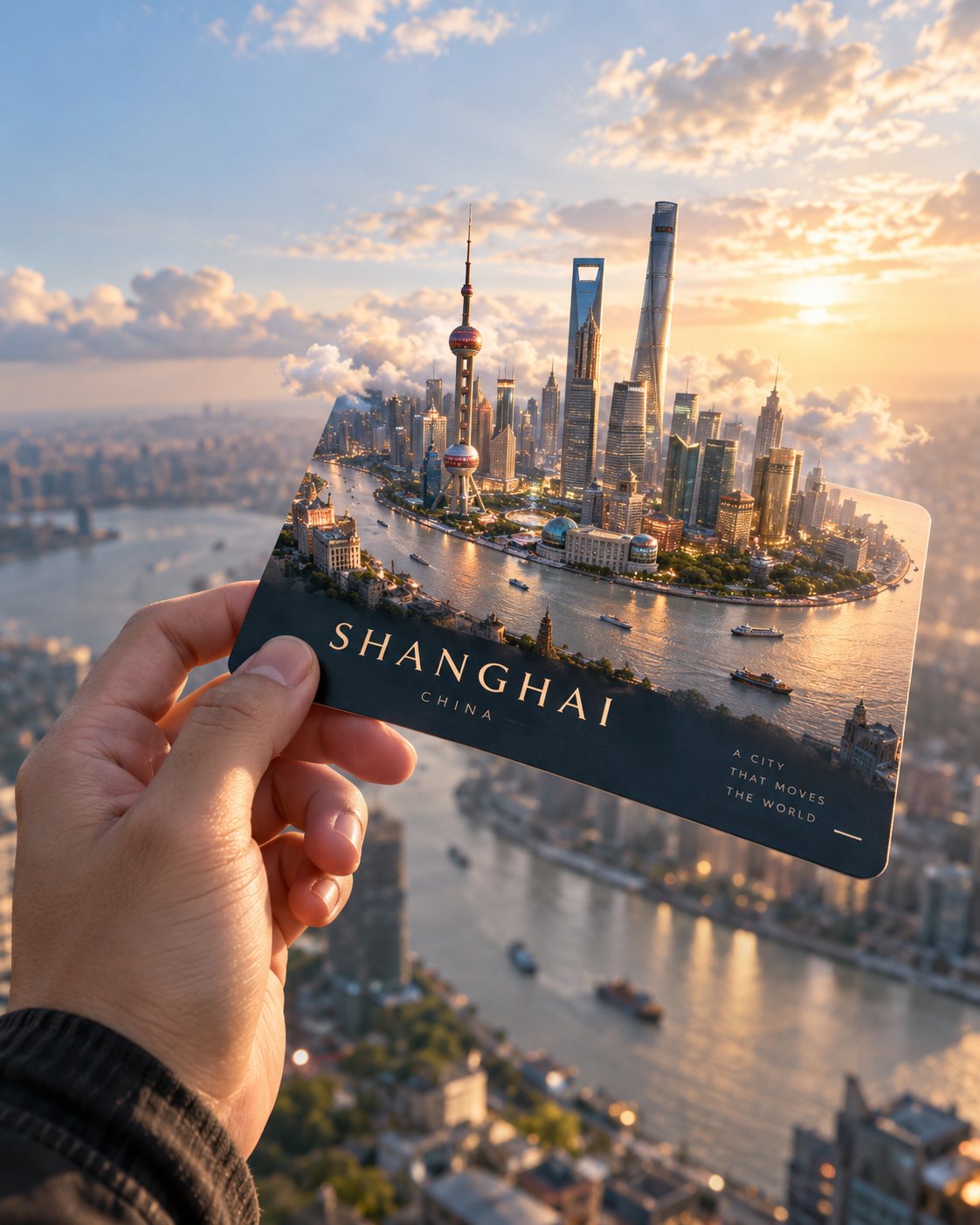
Create an ultra-realistic cinematic 4:5 vertical travel photograph of a sleek, minimalist travel car — AI image prompt — GPT Image 2
OpenAIGPT Image 2
Create an ultra-realistic cinematic 4:5 vertical travel photograph of a sleek, minimalist travel card held naturally in one hand against an expansive sky. Use [COUNTRY NAME] as the creative focus. Transform the card into a living window into the destination, with a breathtaking miniature aerial world seamlessly emerging from its surface. Feature the country's most iconic landmark, surrounded by authentic landscapes, architecture, atmosphere, and subtle details unique to the destination. Make the transition between the physical card and miniature world seamless, magical, and physically believable, as if the entire destination exists inside the card. Integrate [COUNTRY NAME] in elegant, bold uppercase typography as part of the card design. Use cinematic natural light, realistic textures, atmospheric depth, subtle reflections, dramatic perspective, soft lens falloff, and premium editorial travel-photography aesthetics. Ultra-photorealistic, 8K detail, cinematic color grading, realistic skin and materials, physically accurate lighting, luxurious, emotional, aspirational, universally beautiful. No cartoon, no illustration, no artificial CGI appearance.
Details
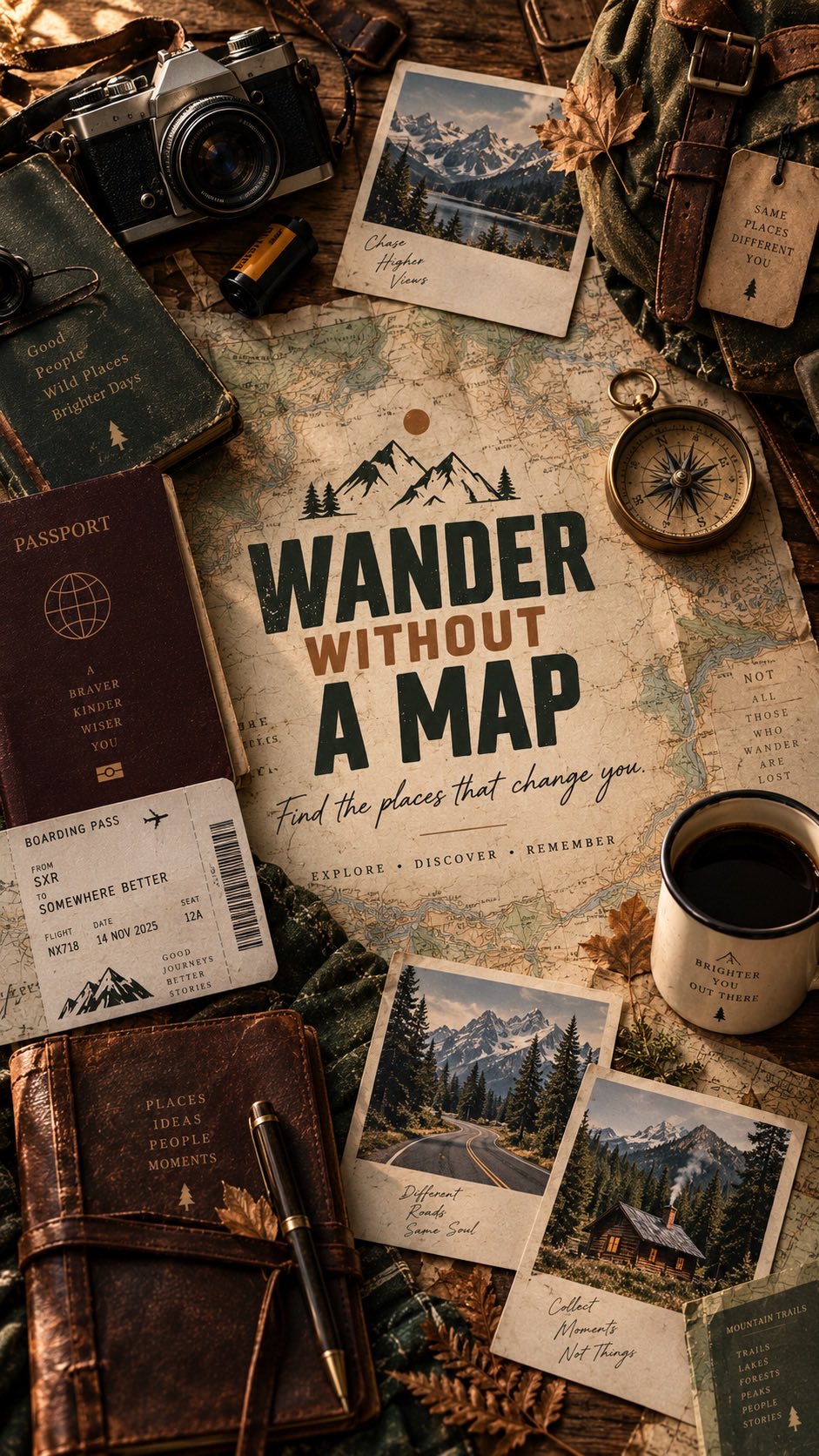
Create a premium, hyper-realistic cinematic travel editorial poster inspired by the uploaded referen — AI image prompt — GPT Image 2
OpenAIGPT Image 2
Create a premium, hyper-realistic cinematic travel editorial poster inspired by the uploaded reference image, but redesign everything into a completely original concept. Do not copy the original text, typography, composition, branding, or exact arrangement. Theme: Adventure is Where You Find Yourself Create a sophisticated vintage expedition / modern explorer aesthetic with a warm cinematic color palette of deep olive green, muted cream, burnt orange, dark brown, and subtle gold accents. Build the scene as a beautifully styled traveler’s desk photographed from directly above, featuring an aged topographic map, vintage passport, leather travel journal, handwritten postcards, old film camera, brass compass, folded hiking map, fountain pen, airplane ticket, small dried leaves, and several cinematic landscape photographs scattered naturally across the surface. In the center, create a strong editorial typography composition: WANDER WITHOUT A MAP Underneath, in elegant handwritten script: “Find the places that change you.” Add a small minimalist mountain-and-sun emblem between the typography elements. At the bottom, include: EXPLORE • DISCOVER • REMEMBER Use bold condensed modern sans-serif typography for the main headline combined with an elegant imperfect handwritten script for the secondary line. Make the typography feel like a premium outdoor lifestyle magazine rather than a generic travel poster. Add subtle realistic imperfections: paper texture, faded ink, worn leather, tiny scratches, natural shadows, slight dust particles, authentic film grain, soft vignette, and gentle warm sunlight entering from one side. Arrange every object with natural photographic depth and overlapping layers, avoiding a perfectly symmetrical layout. Include one partially visible passport, a boarding pass with subtle fictional details, and photographs showing mountains, a remote road, and a small cabin surrounded by pine trees. The final image should feel nostalgic, adventurous, cinematic, expensive, authentic, and editorial, like the cover of a high-end travel magazine. Ultra-photorealistic product photography, realistic materials, physically accurate shadows, cinematic lighting, detailed textures, sophisticated art direction, premium typography, subtle analog film look, 8K detail, sharp focus, no people, no logos, no existing brand names, completely original design.
Details
Transform the reference photograph into a minimalist editorial travel-journal poster. Preserve the r — AI image prompt — GPT Image 2
OpenAIGPT Image 2
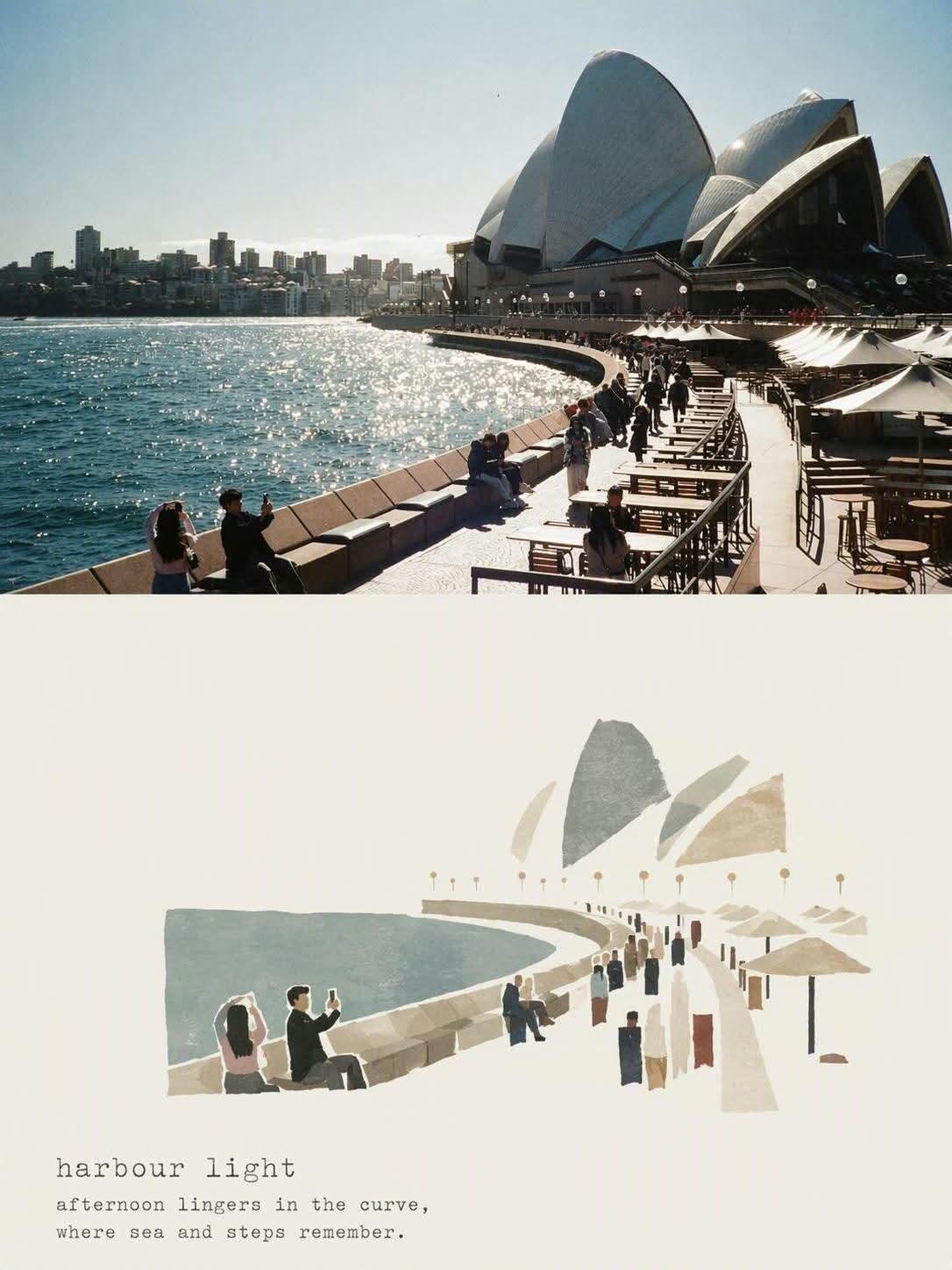
Transform the reference photograph into a minimalist editorial travel-journal poster. Preserve the recognizable architecture, curved waterfront promenade, sparkling sea, people, umbrellas, steps, and overall composition, but reinterpret the scene as a delicate hand-painted and screen-printed illustration. Use loose simplified shapes, fine imperfect ink outlines, muted blue, sea-green, warm beige, soft gray and terracotta accents, subtle watercolor washes, faded pigments, natural paper grain and slightly distressed vintage-print texture. Place the illustration on a warm ivory handmade paper background with generous negative space. Keep the architecture recognizable but artistic and simplified. Add elegant typewriter-style typography near the bottom reading “harbour light”, with the smaller line “afternoon lingers in the curve, where sea and steps remember.” Calm coastal mood, nostalgic travel diary aesthetic, sophisticated editorial composition, understated Japanese-inspired art zine, authentic handmade imperfections, premium print design, vertical 4:5 poster.
Details
Use the uploaded food photograph as the primary reference and transform it into a vertical 3:4 edito — AI image prompt — GPT Image 2
OpenAIGPT Image 2
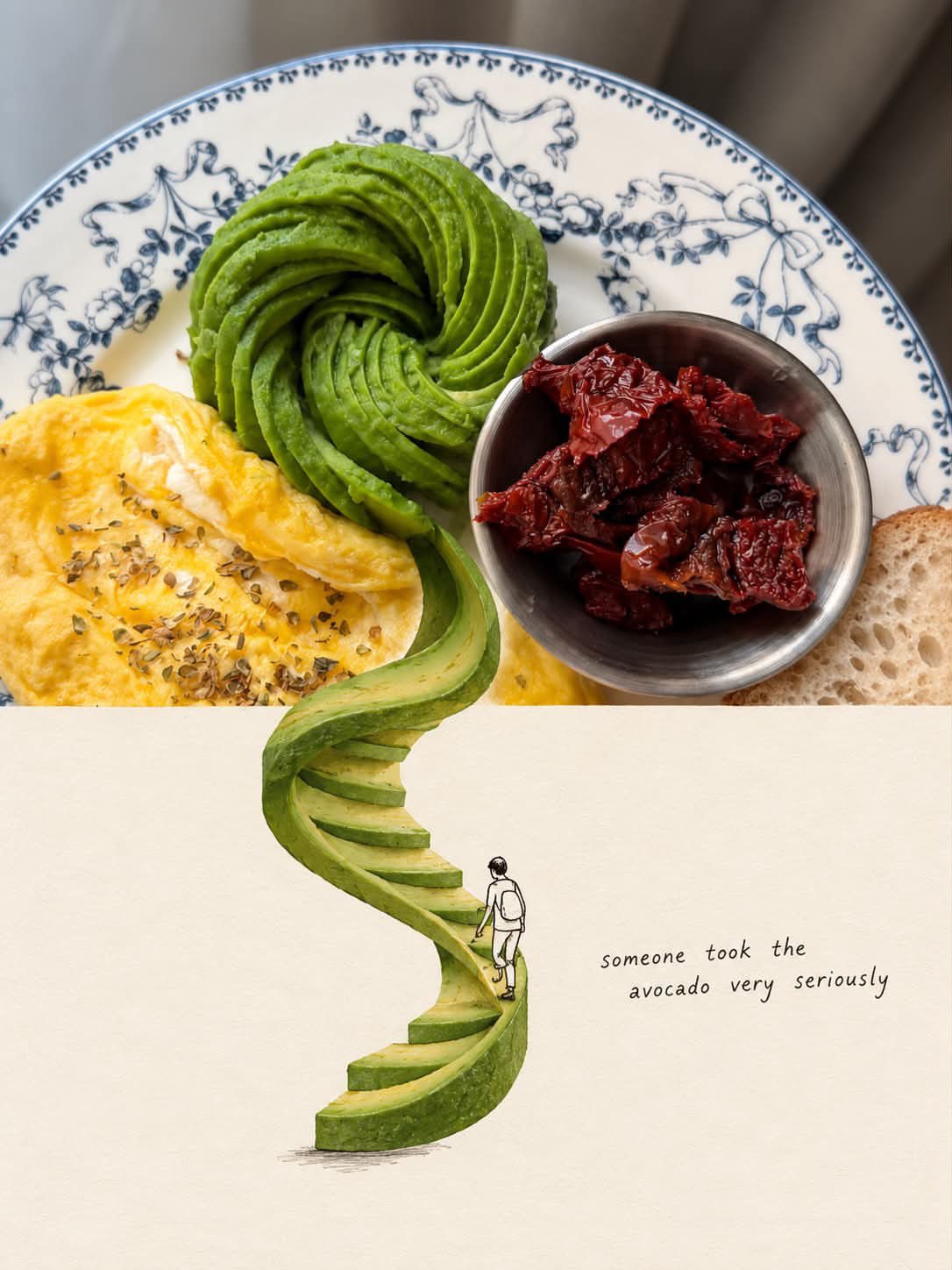
Use the uploaded food photograph as the primary reference and transform it into a vertical 3:4 editorial art poster while preserving the main food, its appearance, composition, colors, textures, and recognizable details. Keep the upper half photorealistic, styled like a premium lifestyle/food magazine photograph: natural warm light, soft realistic shadows, elegant composition, authentic food textures, subtle film grain, vintage photography atmosphere, and a sophisticated cozy aesthetic. In the lower half, seamlessly transform the main food or a visually important element from the photograph into a whimsical hand-drawn scene or surreal miniature world related to the food. Extend, reshape, or reinterpret the food naturally as part of the illustration. Add one or two tiny human figures interacting with it in a charming, imaginative way. Use delicate imperfect ink linework, minimal vintage sketch style, subtle botanical/details, warm ivory paper texture, and plenty of negative space. Create a smooth, creative transition between the realistic photograph and the illustration so they feel like one continuous artwork rather than two separate images. The illustrated scene should tell a simple visual story based on the food and its characteristics. Add a short, witty handwritten caption that relates specifically to the food and the illustrated concept. Use small, understated handwritten typography that feels naturally drawn onto the paper. Overall style: premium editorial food photography + whimsical conceptual illustration + vintage storybook aesthetic + minimalist art direction + warm nostalgic mood. Composition: vertical 3:4, balanced negative space, realistic upper section, illustrated lower section, seamless transition, refined visual hierarchy. Avoid: changing the identity of the food, excessive decoration, clutter, large typography, borders, frames, logos, watermarks, harsh dividing lines, cartoonish 3D graphics, overly saturated colors, or an artificial AI-generated appearance.
Details
Minimalist Oriental × Song Dynasty aesthetics × Seasonal poetry × Independent art cover × Oriental n — AI image prompt — GPT Image 2
OpenAIGPT Image 2
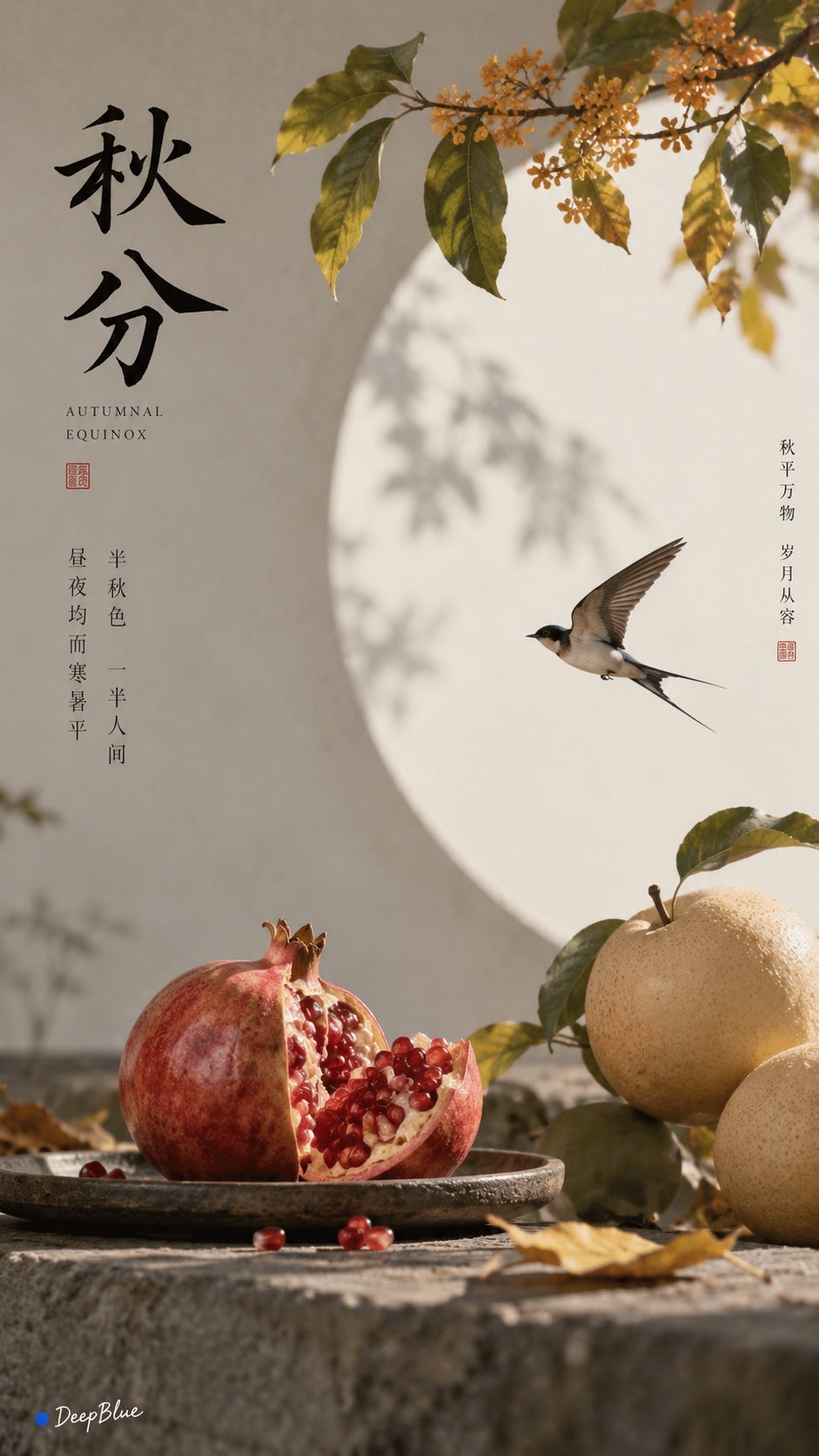
Minimalist Oriental × Song Dynasty aesthetics × Seasonal poetry × Independent art cover × Oriental natural imagery Chinese lunar solar term: Autumn Equinox Visual subject: Based on the characteristics of the solar term, select 3 types of fruits, vegetables, animals, or natural phenomena that are most representative of the solar term and visually appealing.
Details
Create a spectacular stop-scrolling surreal editorial advertising poster in a vertical 4:5 compositi — AI image prompt — GPT Image 2
OpenAIGPT Image 2
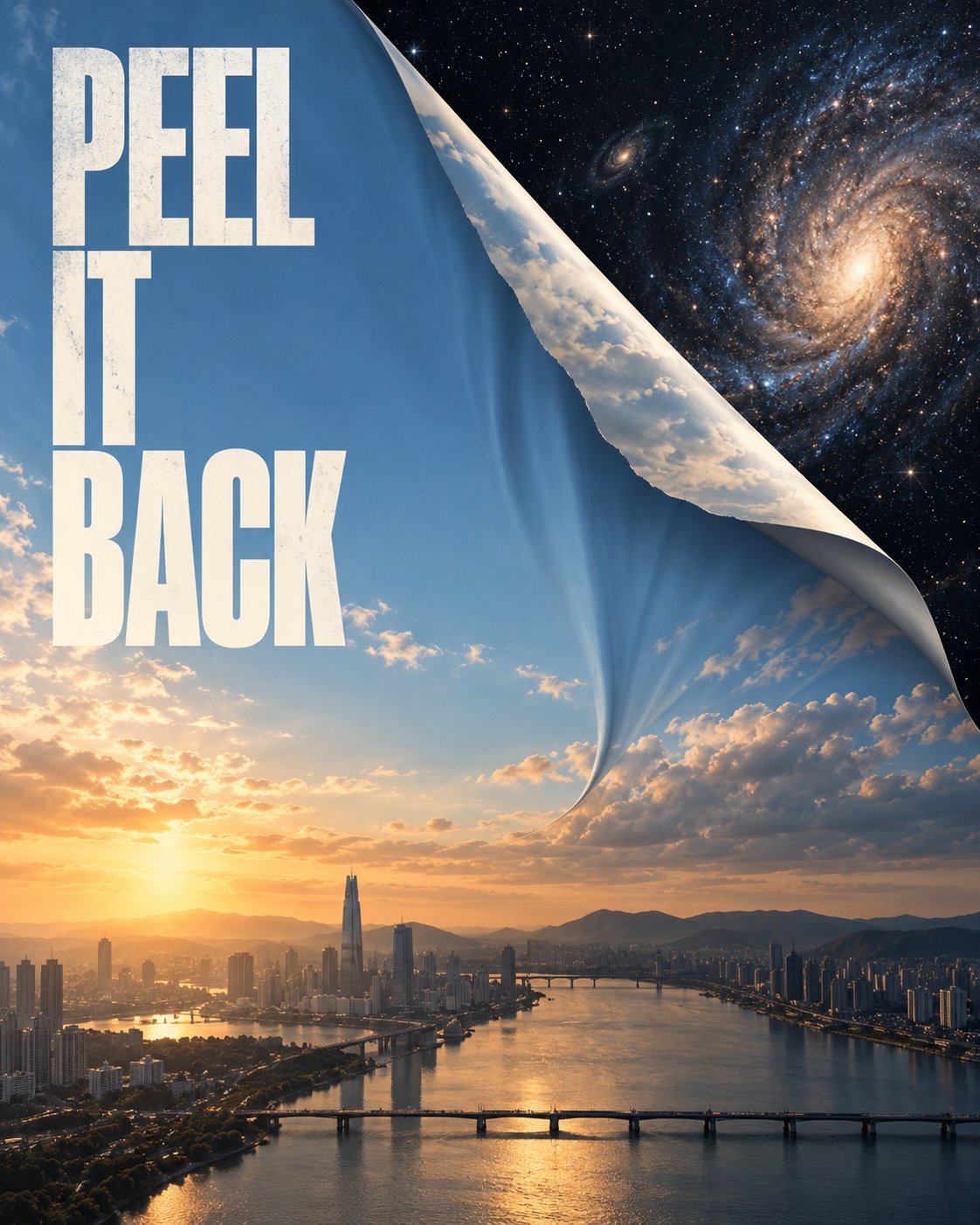
Create a spectacular stop-scrolling surreal editorial advertising poster in a vertical 4:5 composition. CORE CONCEPT Take an untouchable element of reality—[SKY / OCEAN / SHADOW / SUNSET / CITY / CLOUDS / HORIZON / NIGHT / LIGHT / LANDSCAPE]—and make it physically behave like [PAPER / FABRIC / PAINT / PLASTIC / GLASS / WALLPAPER / LIQUID / RUBBER]. Show one monumental physical action: [ZIP IT OPEN / TEAR IT / PEEL IT / PAINT IT / FOLD IT / STRETCH IT / CUT IT / UNBUTTON IT / ERASE IT]. Behind the manipulated reality, reveal [HIDDEN REALITY]. The contrast must instantly communicate [YOUR MESSAGE]. The concept should be understandable within one second without relying on text. SCALE & REALISM Make the intervention enormous, affecting a major portion of the environment so reality itself feels tangible. Give the material convincing thickness, folds, tension, torn edges, wrinkles, reflections, shadows, deformation, or wetness appropriate to its physical properties. COLOR Use strong controlled contrast: Visible world: [COLOR 1] Hidden world: [COLOR 2] Accent: [COLOR 3] Limit the palette to 3–4 dominant colors. TYPOGRAPHY Headline: "[HEADLINE]" — maximum 2–5 words. Use one premium editorial typeface: [ULTRA-CONDENSED GROTESK / MASSIVE GEOMETRIC SANS / HIGH-CONTRAST SERIF]. Integrate the typography into the physical action. Letters may tear, fold, bend, disappear behind the opening, change color, or follow the distorted surface. Keep the headline instantly readable at thumbnail size. VISUAL STANDARD World-class conceptual advertising, surreal photography, monumental scale, hyperreal material behavior, cinematic lighting, bold negative space, controlled color blocking, tactile print texture, subtle analog film grain, and one unforgettable visual idea. The final image should trigger an immediate “HOW IS THAT POSSIBLE?” reaction while remaining elegant, sophisticated, and suitable for a global fashion, culture, or creative campaign. AVOID: clutter, generic stock imagery, unnecessary characters or objects, excessive microtext, logos, QR codes, watermarks, generic AI-art aesthetics, and Canva-style templates.
Details
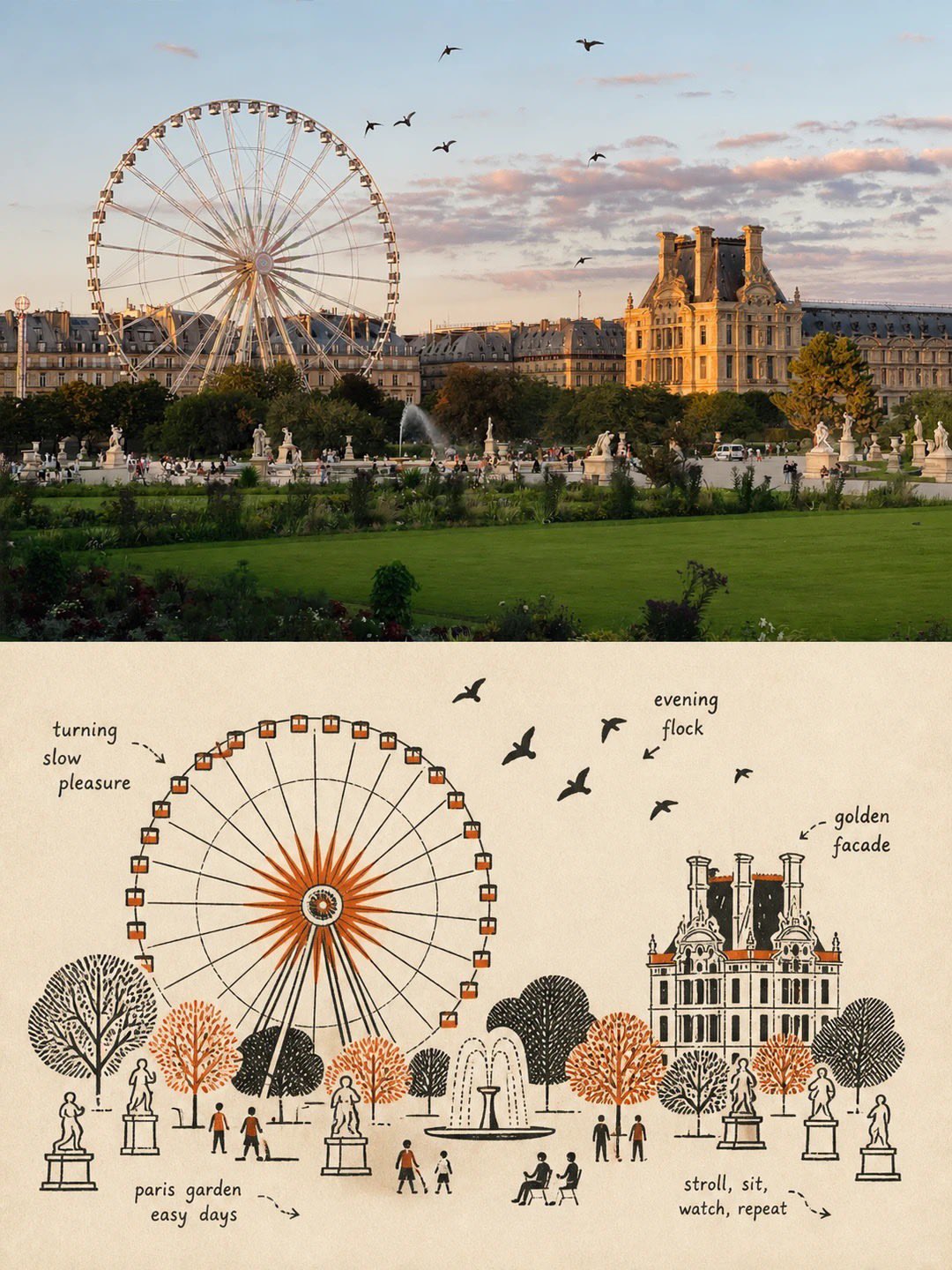
Please create a separate, independently designed premium poster from each uploaded photo. Do not com — AI image prompt — GPT Image 2
OpenAIGPT Image 2
Please create a separate, independently designed premium poster from each uploaded photo. Do not combine multiple photos into one composition; output one individual poster for each photo. Use a vertical 3:4 composition, with the upper and lower sections strictly divided 1:1, each occupying exactly 50% of the total height. Upper Half: Preserve the original photograph, maintaining the subject’s identity, structure, pose, realistic texture, natural lighting, and original color atmosphere. Apply only subtle, sophisticated color grading to give it the visual quality of an art magazine, independent publication, or exhibition image. To adapt the image to the 3:4 format, the surrounding background may be naturally extended, but do not stretch, distort, or alter the subject. Lower Half: Extract the most recognizable subject, silhouette, structure, pose, and narrative relationship from the photograph and reconstruct it in the style of Mid-century vernacular graphic illustration + schematic line drawing + two-color spot printing. Do not completely trace or replicate the photograph. Instead, use diagrammatic abstraction to compress complex objects into a small number of clear geometric shapes, functional contours, and essential structural elements. The result should resemble an illustration from an old instruction manual, advertising card, technical label, or vernacular print: immediately recognizable, yet more direct, humorous, and symbolic than the realistic object itself. Emphasize economy of line: if a structure can be explained with a single line, do not use unnecessary strokes. Use direct black pen outlines, rectangles, circles, diamonds, straight lines, and simple planes to describe the objects. People, animals, and objects may have slightly exaggerated proportions, while machines, buildings, and complex structures should be simplified into clear boxes, openings, panels, and silhouette relationships. Use a flat, schematic diagrammatic perspective rather than realistic lighting or strictly accurate spatial depth. The visual language should exist somewhere between illustration and technical diagram, maintaining this distinctive character throughout the composition. Reorganize the composition according to the most important narrative relationship in the original image. Maintain one clear primary subject, while using a small number of supporting objects, guide lines, directional relationships, or structural symbols to reinforce the story. Pay close attention to visual hierarchy, geometric order, scale contrast, positive and negative space, and intentional whitespace. The image may feel slightly naïve, awkward, or handmade in a vernacular way, but it must never feel cluttered. Every visual element should appear to exist for the purpose of “explaining what is happening”, rather than simply serving as decoration.
Details
Automotive concept poster, white background, top banner with Ferrari prancing horse logo and 'FERRAR — AI image prompt — GPT Image 2
OpenAIGPT Image 2
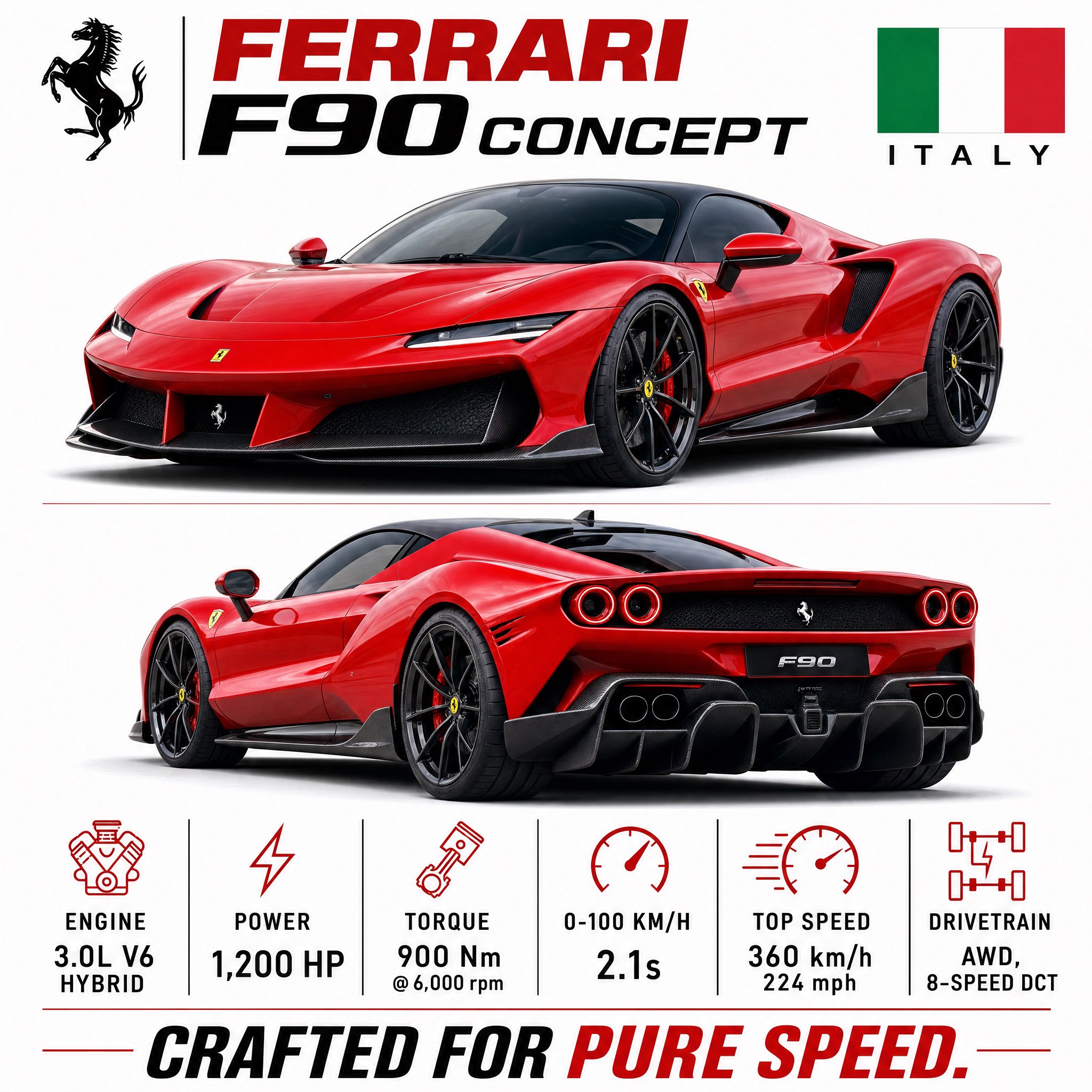
Automotive concept poster, white background, top banner with Ferrari prancing horse logo and 'FERRARI F90 CONCEPT' in bold red/black text, Italian flag + 'ITALY' subtitle. Front 3/4 shot of a sleek red hypercar with aggressive front splitter and matte black wheels. Spec icon row: Engine (3.0L V6 Hybrid), Power (1,200 HP), Torque (900 Nm @ 6,000 rpm), 0-100 km/h (2.1s), Top Speed (360 km/h / 224 mph), Drivetrain (AWD, 8-Speed DCT). Below, rear 3/4 shot showing large rear diffuser and quad taillights. Bottom tagline: 'CRAFTED FOR PURE SPEED.
Details
Browse all GPT Image 2 promptsExplore AI Image Prompts