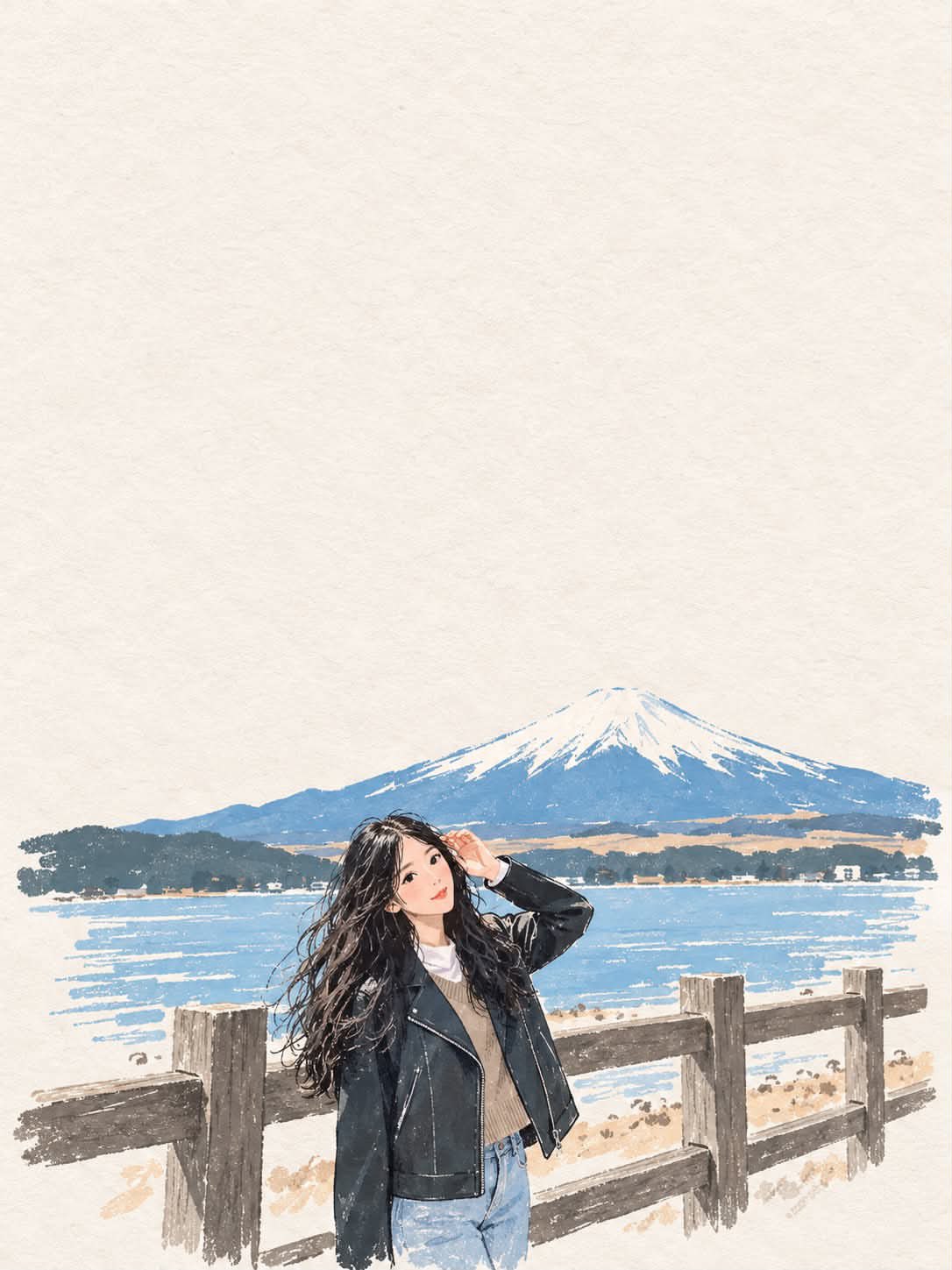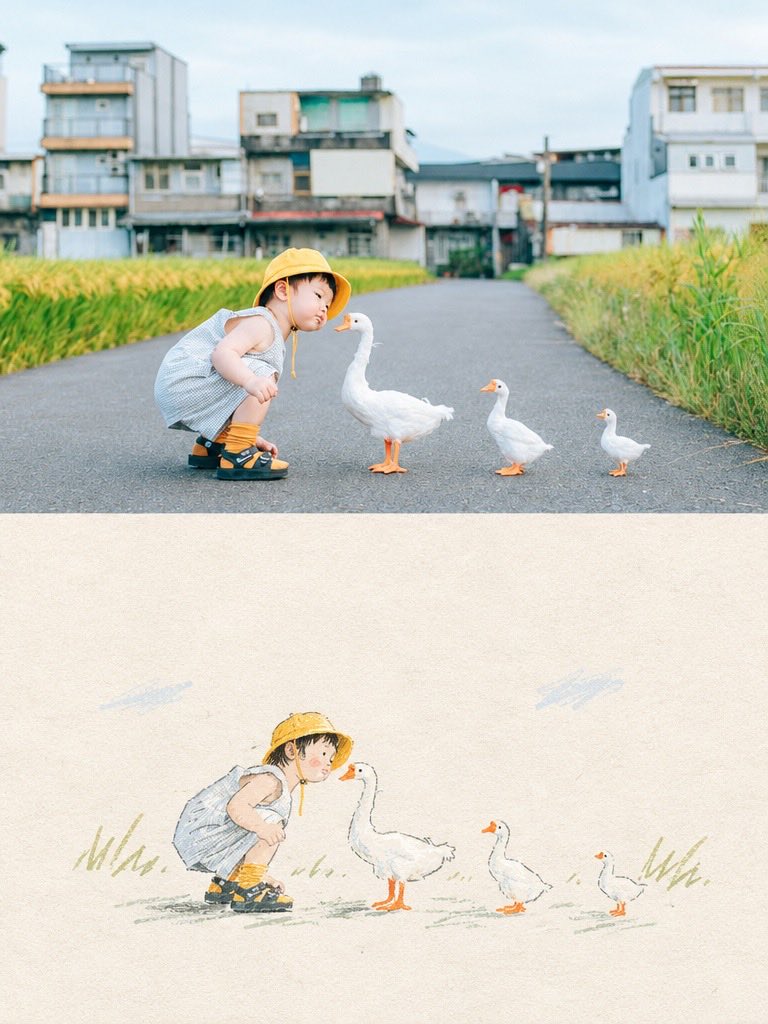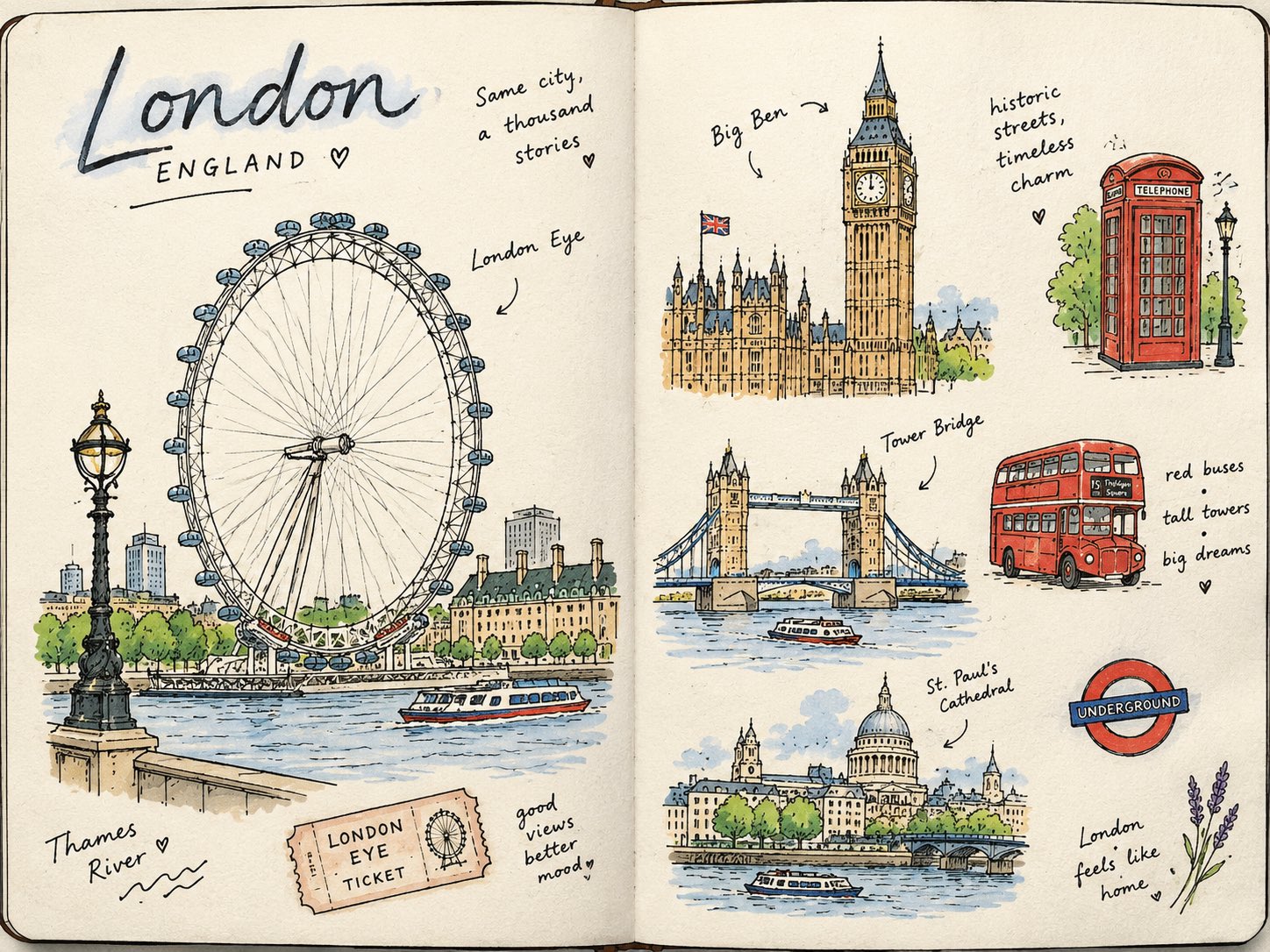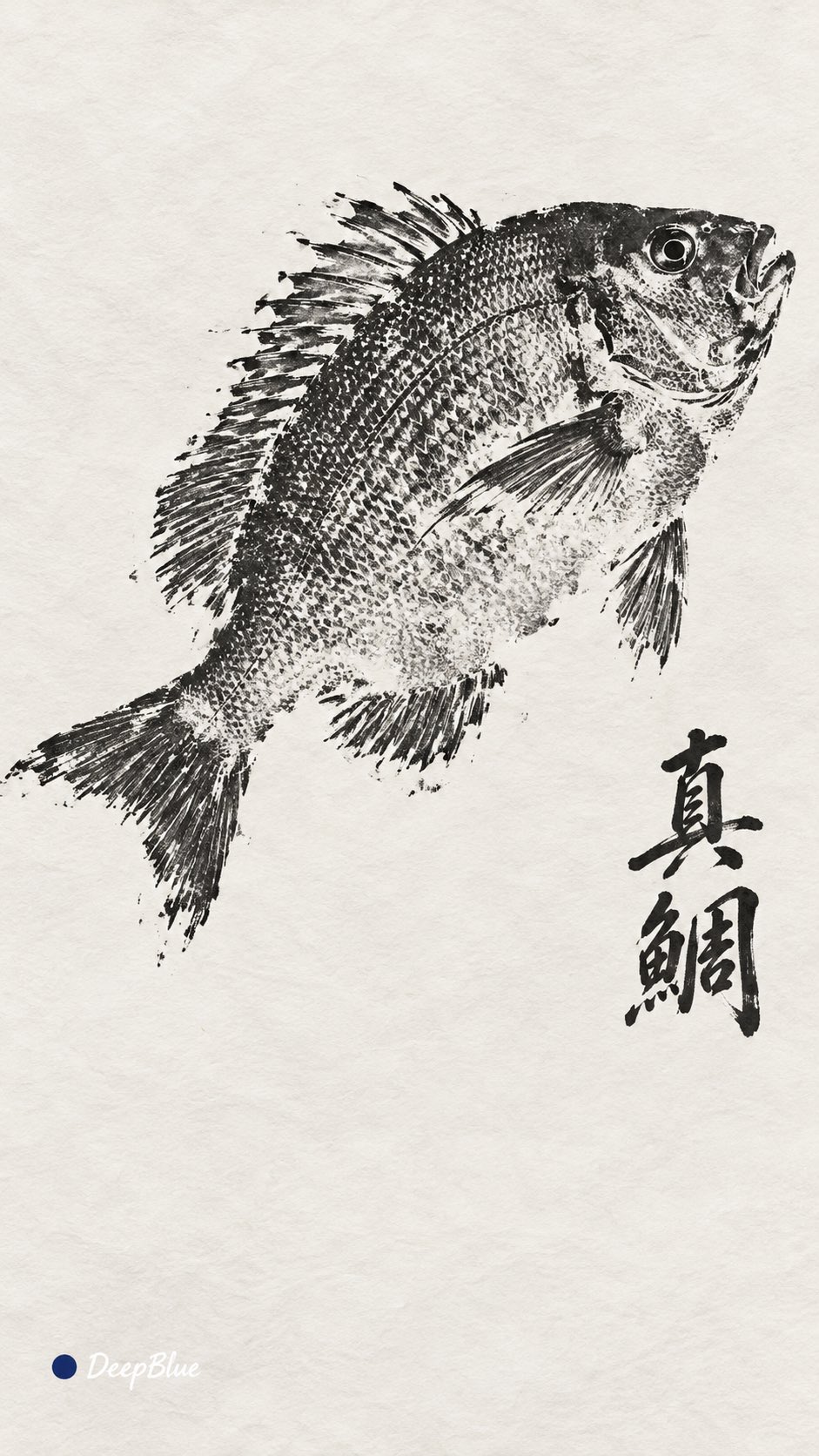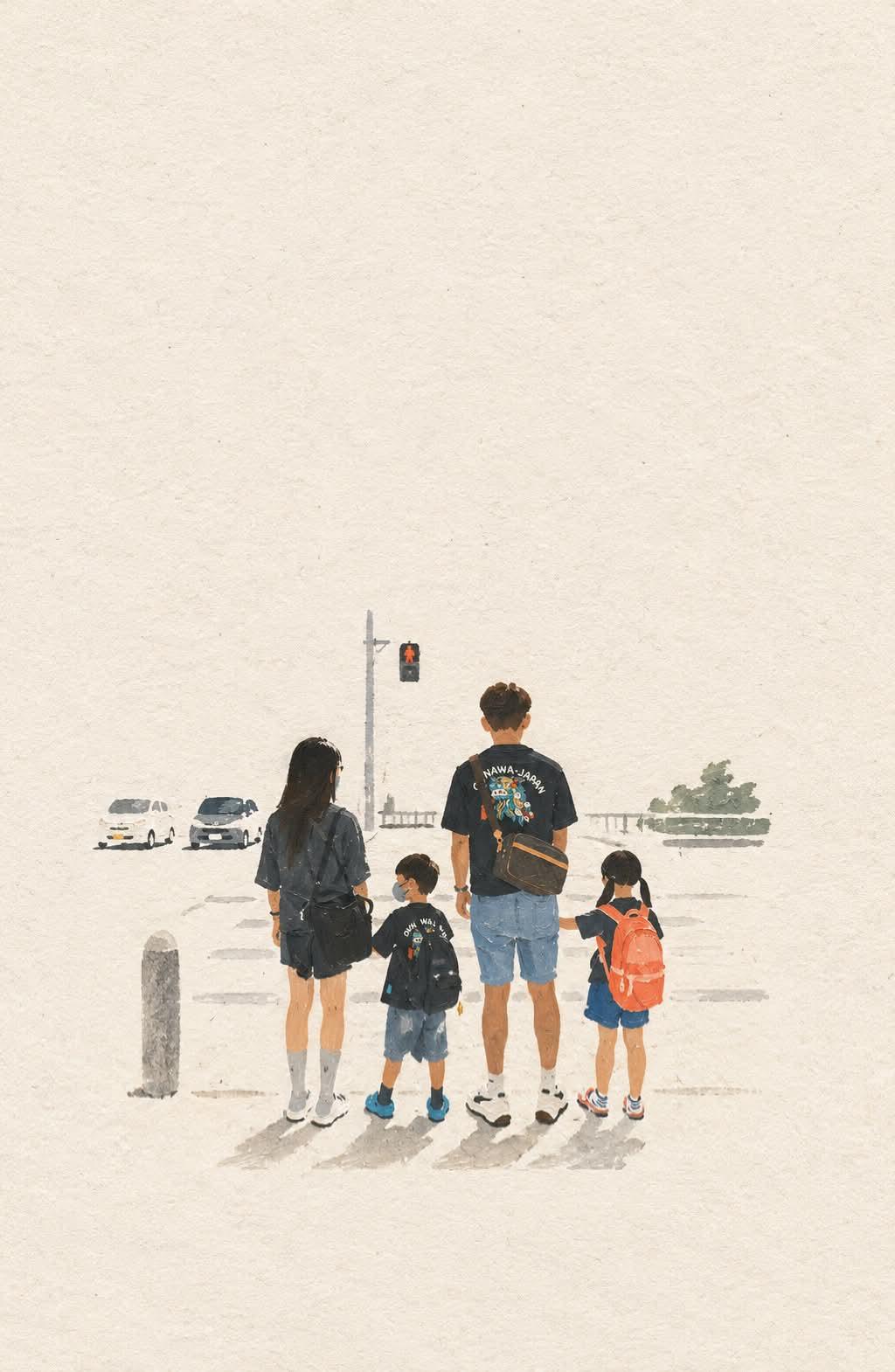
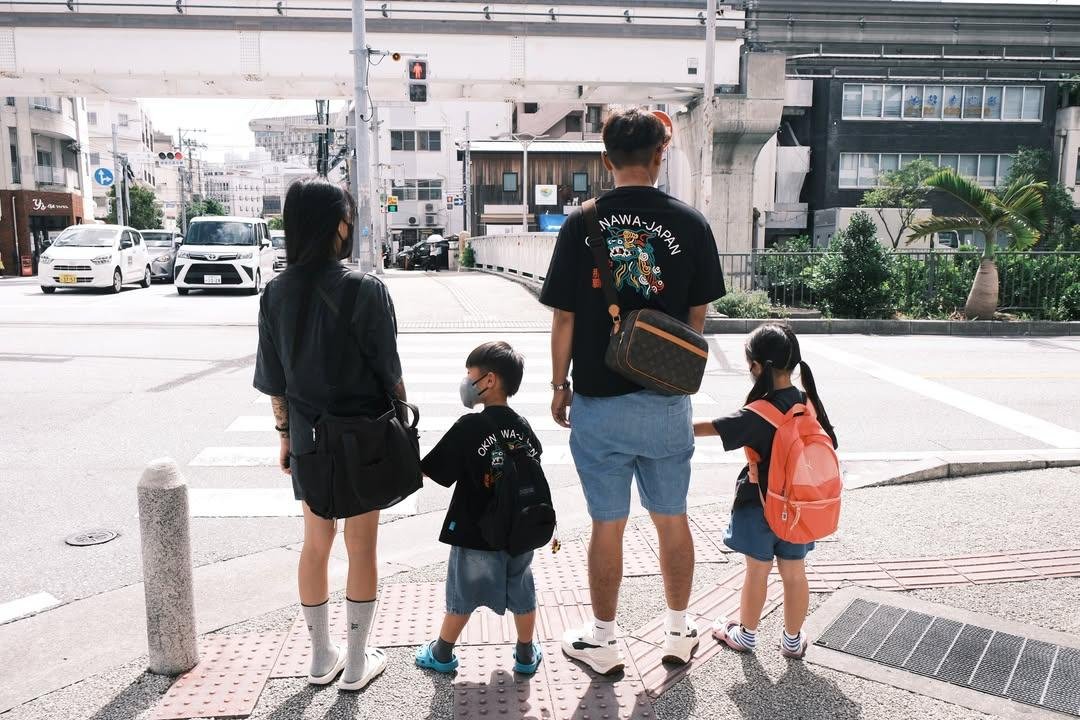
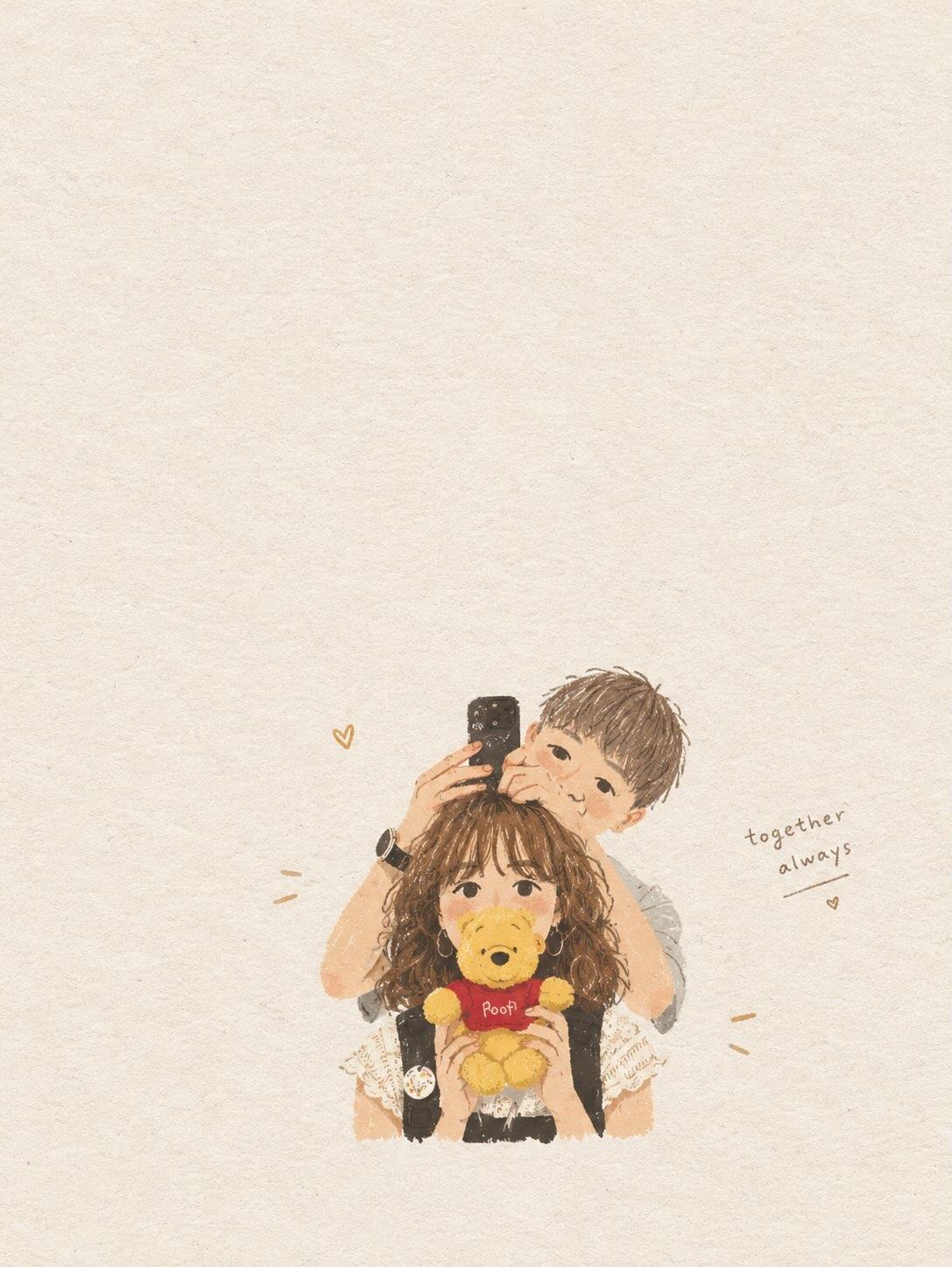
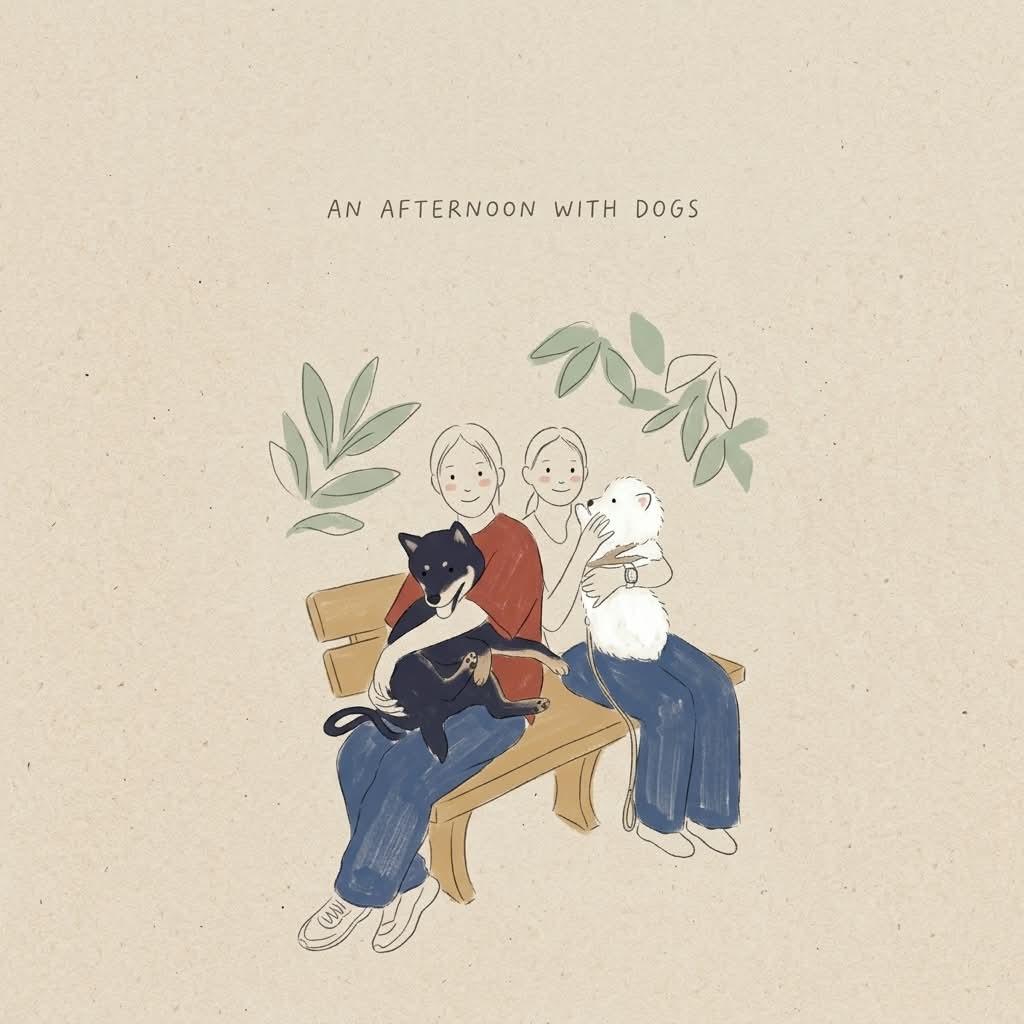
Minimalist Hand-Drawn Paper Art Cover
 GPT Image 2.5OpenAIimage
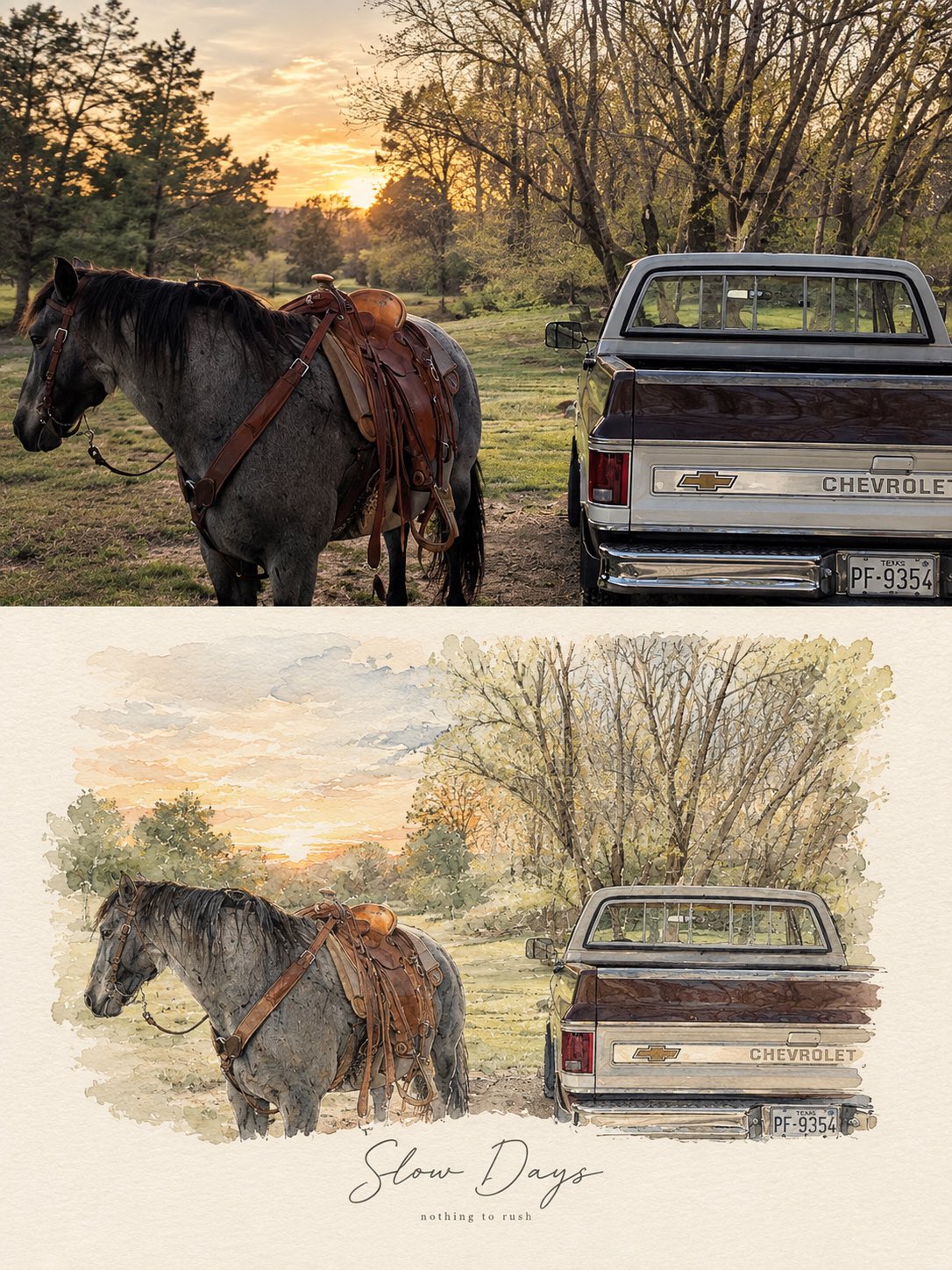
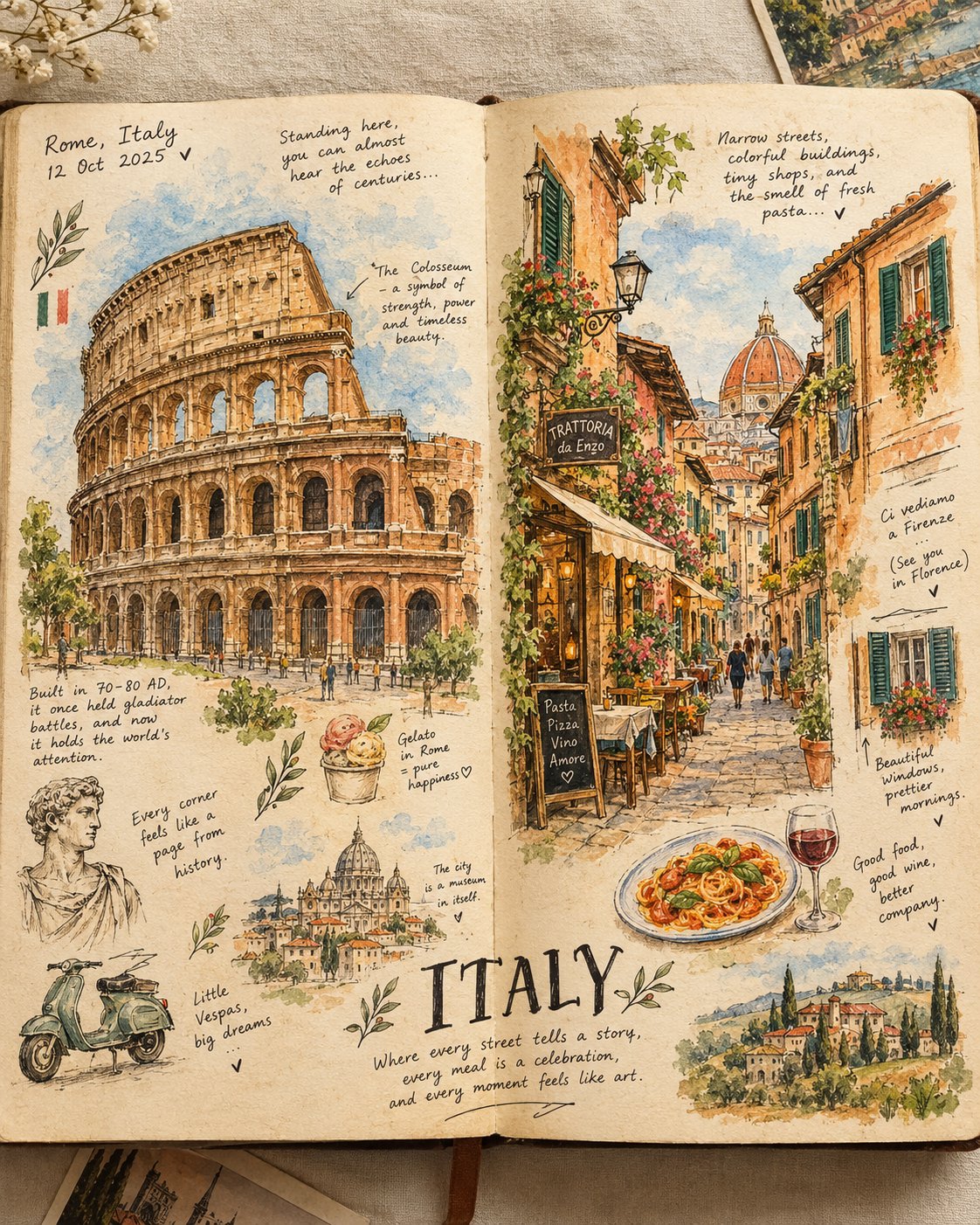
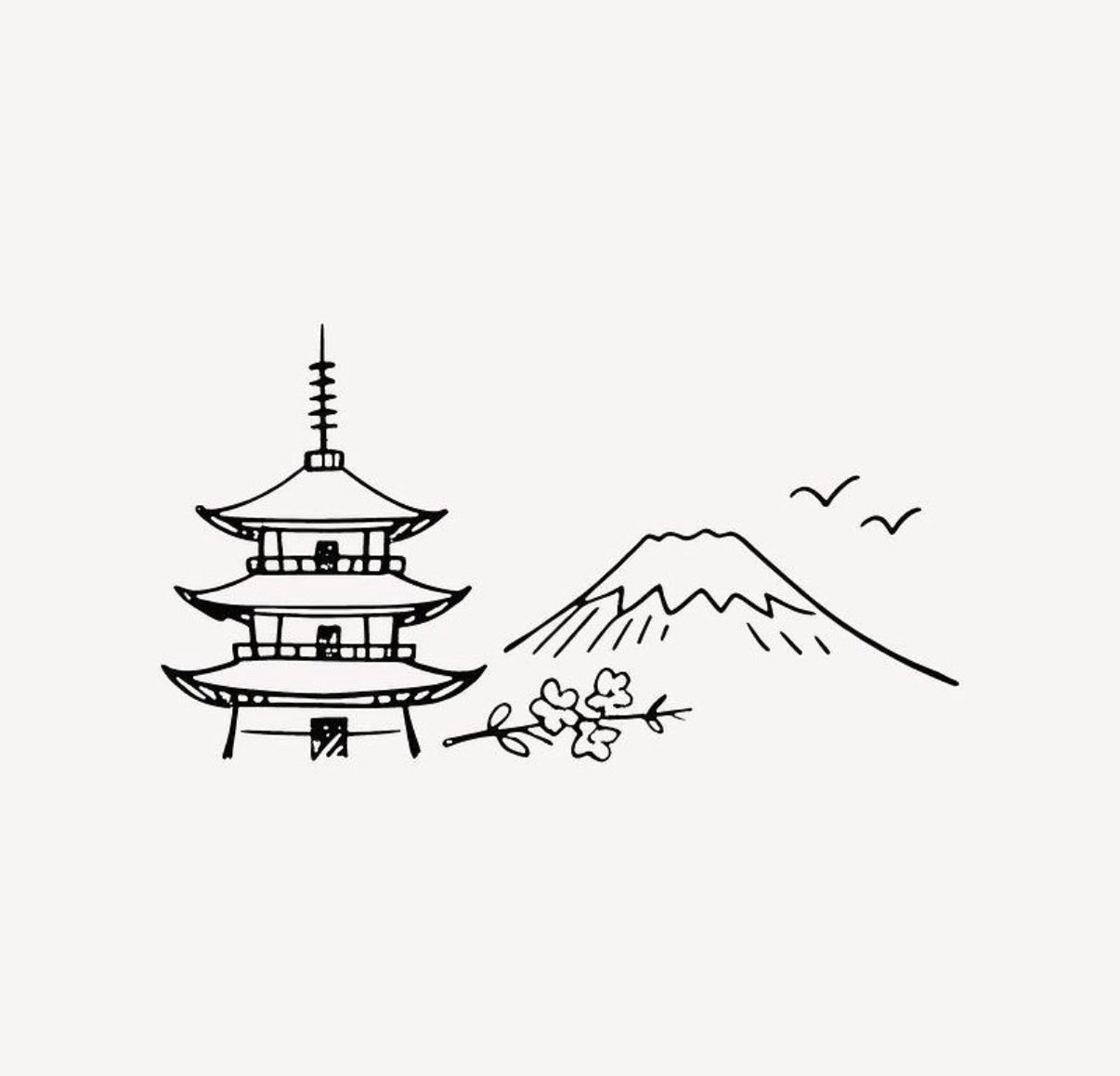
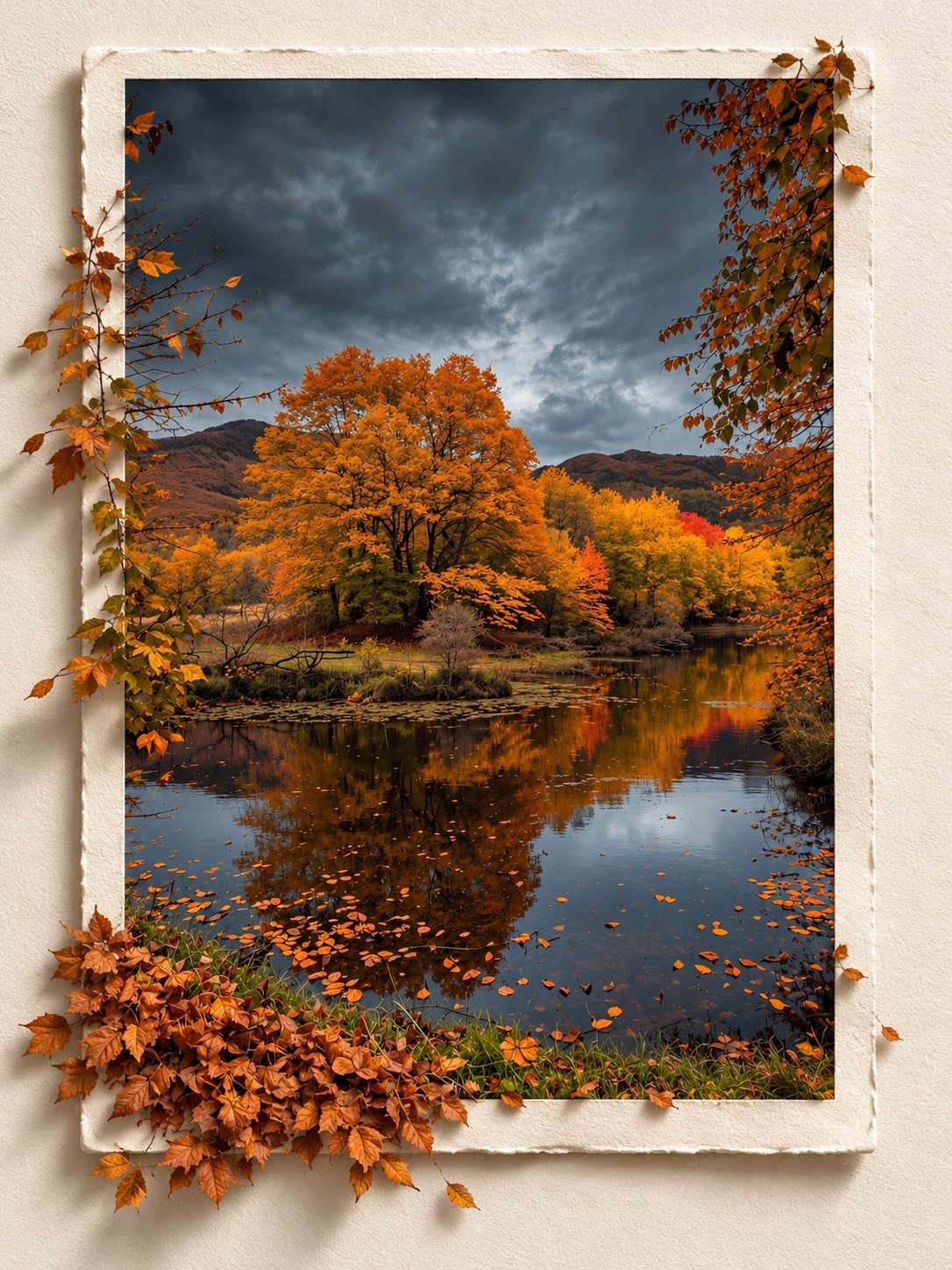
MINIMAL HAND-DRAWN PAPER ILLUSTRATION Transform the uploaded photo into a minimalist, hand-drawn, paper-textured artistic cover. Composition - The main subject should occupy only 10–20% of the frame. - Position the subject near the bottom center of the composition. - Leave generous negative space throughout the image. - Suggest the environment using only a few lines or small blocks of color. Preserve - The most recognizable features of the original subject. - The essential silhouette and proportions. - The original pose or primary action. - Important objects and defining details. - The core story, relationships, and emotional atmosphere. Color Palette - Extract the dominant colors from the original photograph. - Limit the palette to no more than four main colors. - Use bold yet restrained, flat color blocks. - Maintain a harmonious, muted color combination. - Add subtle paper grain and handmade brush textures. Simplification Remove unnecessary details and visual clutter. Retain only the essential visual information needed to make the subject instantly recognizable. Typography - Optionally incorporate a small amount of simple text. - Keep typography short, subtle, and aesthetically refined. - Integrate the text naturally into the composition. - Aim for the visual language of an art-book cover, independent publishing, modern editorial design, or a contemplative picture book. - Do not force typography into the image if it doesn't improve the composition. Style and Materials - Delicate, slightly imperfect hand-drawn lines. - A few clearly defined acrylic-like flat color blocks. - Rough, tactile paper texture. - Visible handmade brushstrokes. - Organic, irregular, natural contours. - Subtle imperfections that make the artwork feel genuinely handmade. Overall Mood Quiet, poetic, sophisticated, minimalist, innocent, relaxed, artistic, thoughtful, distinctive, and premium. Avoid - Colored-pencil rendering. - Dry-brush effects. - Watercolor washes or bleeding. - Pure line-art illustration. - Overly detailed or realistic illustrations. - Heavy impasto or thick oil-paint textures. - Smooth, polished digital illustration. - 3D rendering, glossy surfaces, or artificial lighting effects. - Generic commercial cartoon styles. - E-commerce advertising aesthetics. - Generic poster templates. - Excessive decorative elements. - Overly complex compositions. - Too much text. Final Result: A refined, minimalist, hand-crafted paper illustration with generous negative space, restrained colors, subtle tactile textures, and the sophistication of an independent art-book cover.
Details
- Type
- AI Image Prompts
- Aspect Ratio
- 512:785
- Updated
- Oct 24, 2026
Category
How to use this prompt
- 1Copy the full prompt with the copy button above.
- 2Open GPT Image 2.5 by OpenAI, or any image generator with a similar style range.
- 3Paste the prompt, then swap the subject and style keywords to match your idea.
- 4Match the example's settings (512:785 · Watercolor · Minimalist · Sketch), then iterate — small wording changes shift the output a lot.
Frequently asked questions
Which AI model generated this image?
This image was generated with GPT Image 2.5 by OpenAI. The prompt on this page is the exact text used to create it.
What settings does this prompt use?
The example was generated with GPT Image 2.5 using: 512:785 · Watercolor · Minimalist · Sketch. Reusing these settings gives the closest match.
How do I get similar results?
Copy the prompt as-is first, then replace only the subject while keeping the style, lighting, and composition keywords. Generate a few variations — outputs differ between runs.
Can I modify this prompt?
Yes. Prompts work best as starting points — adjust descriptors, aspect ratio, or style tags to make the output your own.