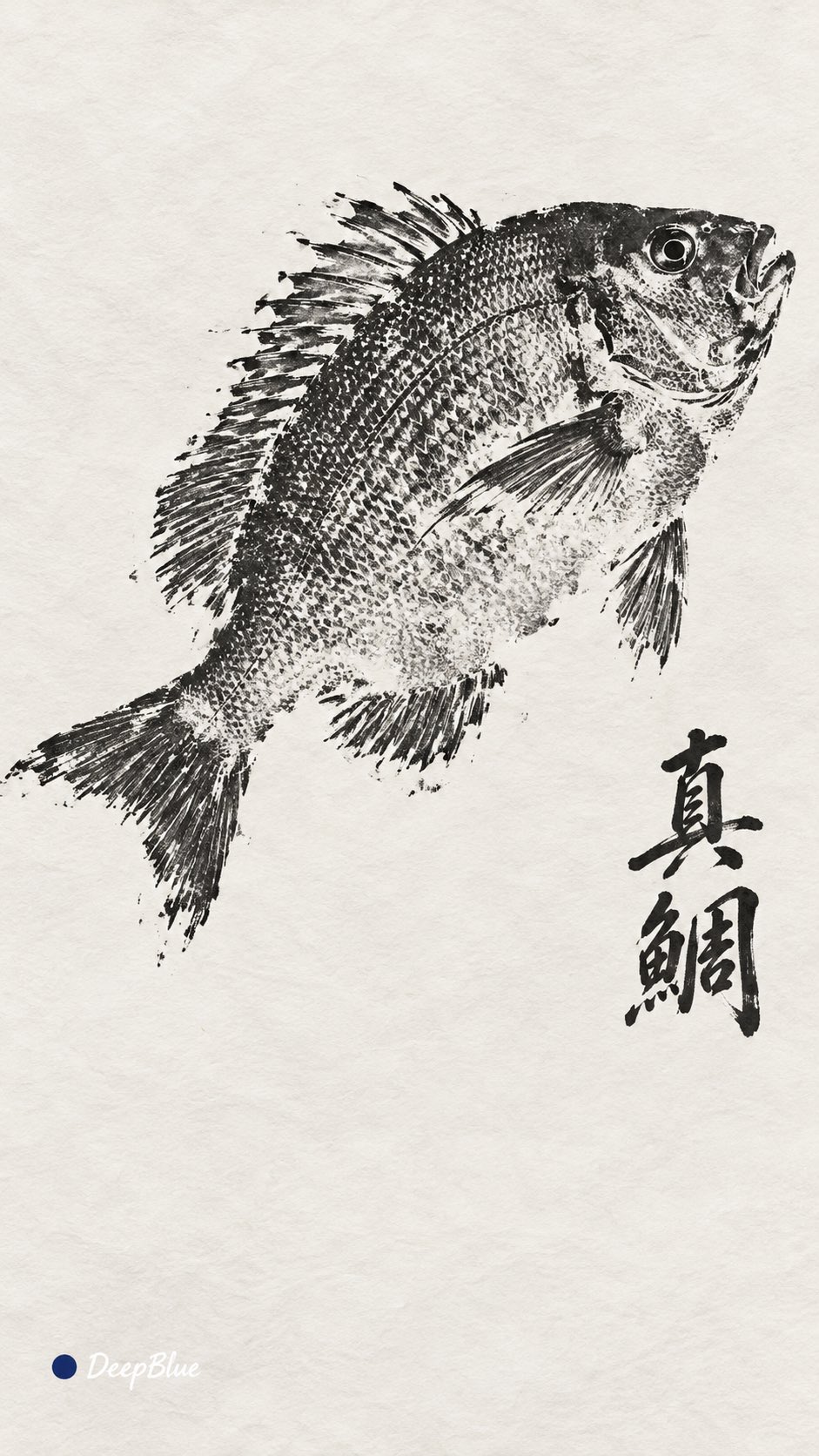
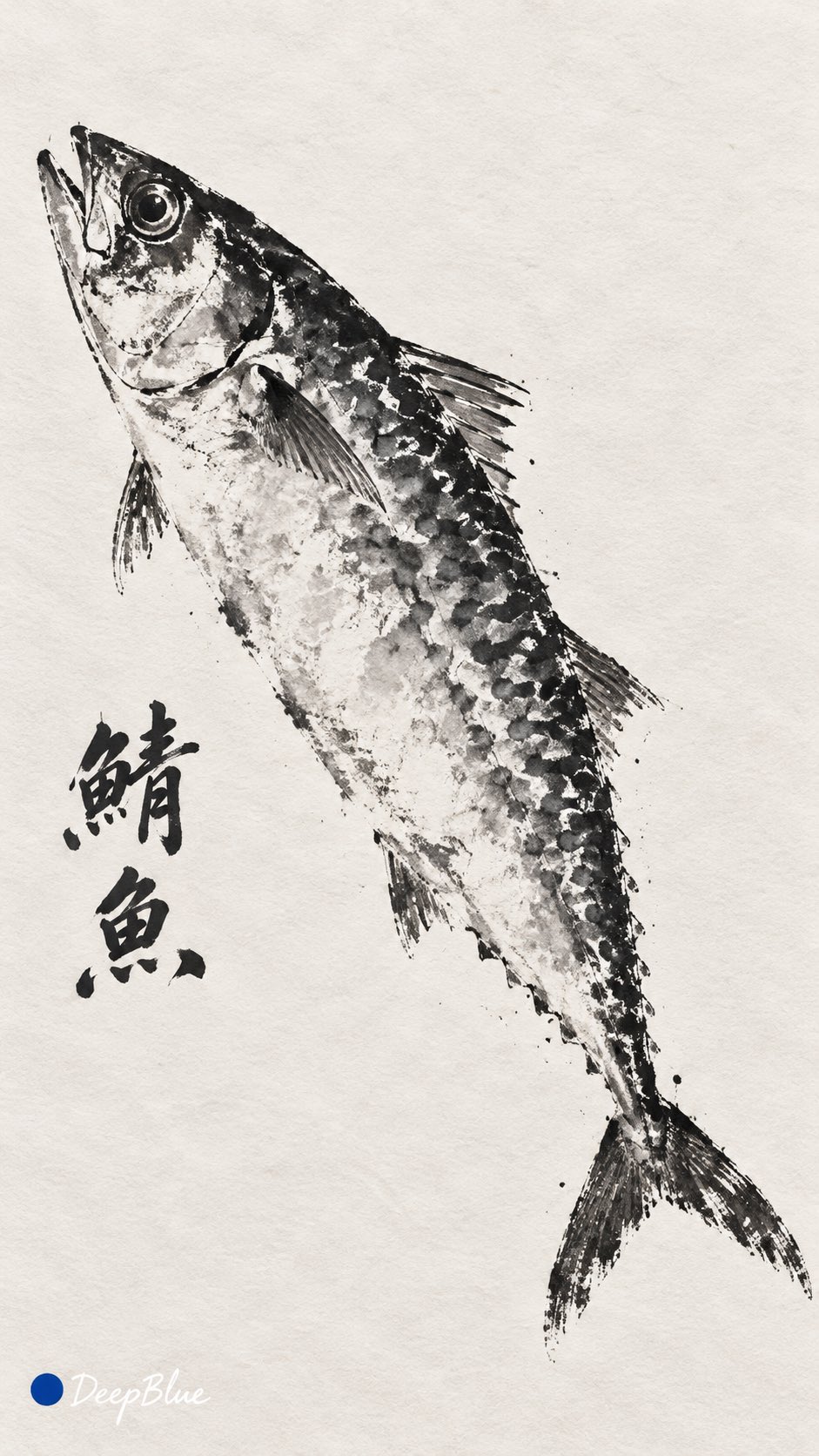
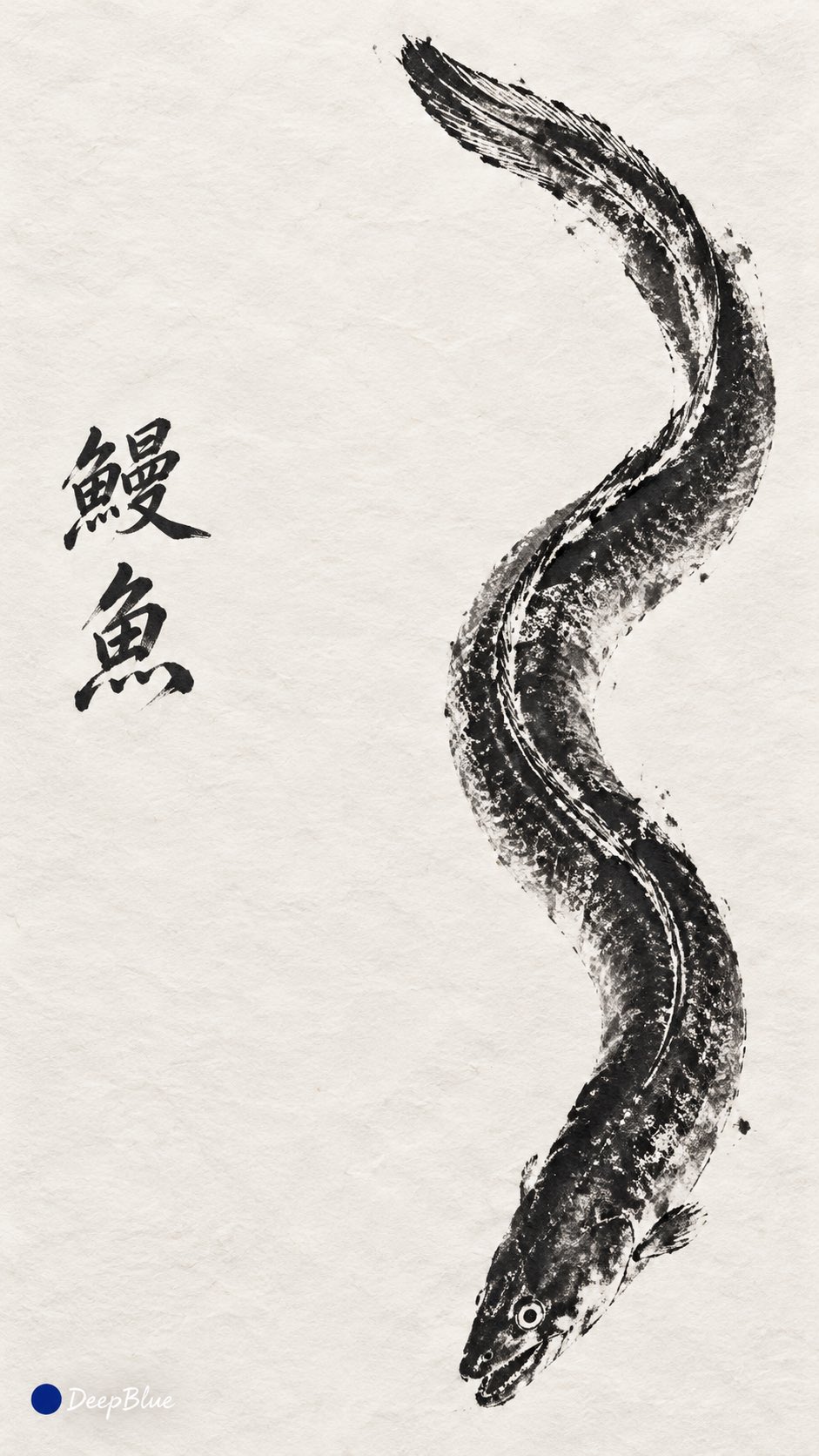
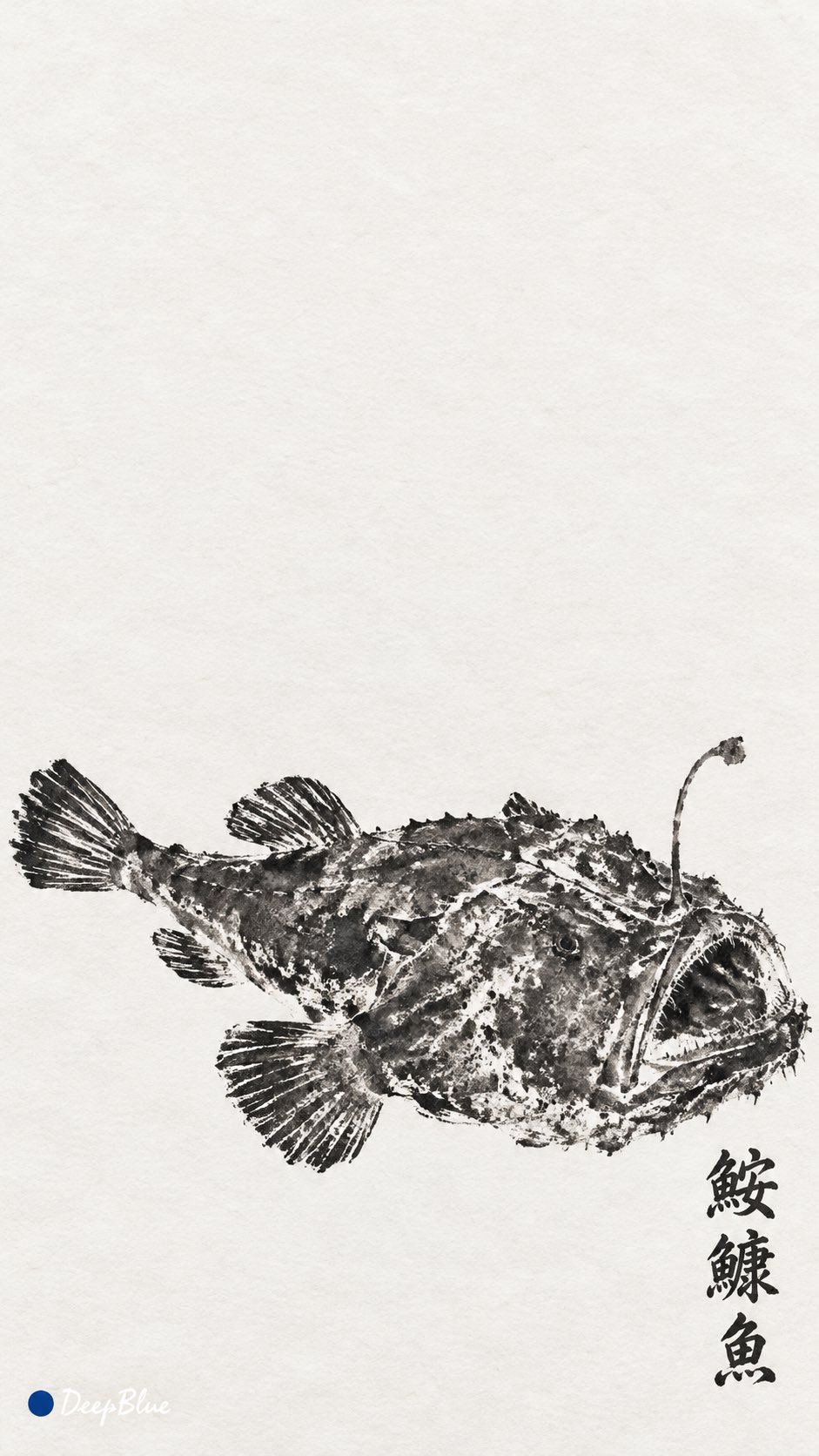
Japanese Gyotaku Fish Rubbing Variants
 GPT Image 2.5OpenAIimage
Marine fish × Japanese Gyotaku traditional direct fish rubbing × black ink contact impressions × brush-written fish name inscription × sparse and open negative space Apply ink to the fish body, then cover with paper and rub to transfer. Dense ink and paper white naturally interlace; differences in ink volume and contact create uneven impressions. Body surface textures, fin rays, and outlines vary between visible and obscured, with localized sticking, missing ink, or slight overflow, preserving the accidental nature of real rubbing. The paper surface is flat and clean, with faint paper texture. In the negative space, add a small handwritten inscription of the subject's common Chinese name, in black ink brush semi-cursive script, with natural character spacing and brush momentum, positioned in response to the fish body. Six sheets, each featuring a different marine fish species, with varying fish orientation, scale, position, and text-image layout. 9:16, n=6, six independent single images, no collage. Bottom left signature: a solid dark blue dot first, followed by white handwritten "DeepBlue".
Details
- Type
- AI Image Prompts
- Aspect Ratio
- 941:1672
- Updated
- Oct 23, 2026
Category
How to use this prompt
- 1Copy the full prompt with the copy button above.
- 2Open GPT Image 2.5 by OpenAI, or any image generator with a similar style range.
- 3Paste the prompt, then swap the subject and style keywords to match your idea.
- 4Match the example's settings (941:1672 · Still Life · Vintage · Minimalist), then iterate — small wording changes shift the output a lot.
Frequently asked questions
Which AI model generated this image?
This image was generated with GPT Image 2.5 by OpenAI. The prompt on this page is the exact text used to create it.
What settings does this prompt use?
The example was generated with GPT Image 2.5 using: 941:1672 · Still Life · Vintage · Minimalist. Reusing these settings gives the closest match.
How do I get similar results?
Copy the prompt as-is first, then replace only the subject while keeping the style, lighting, and composition keywords. Generate a few variations — outputs differ between runs.
Can I modify this prompt?
Yes. Prompts work best as starting points — adjust descriptors, aspect ratio, or style tags to make the output your own.