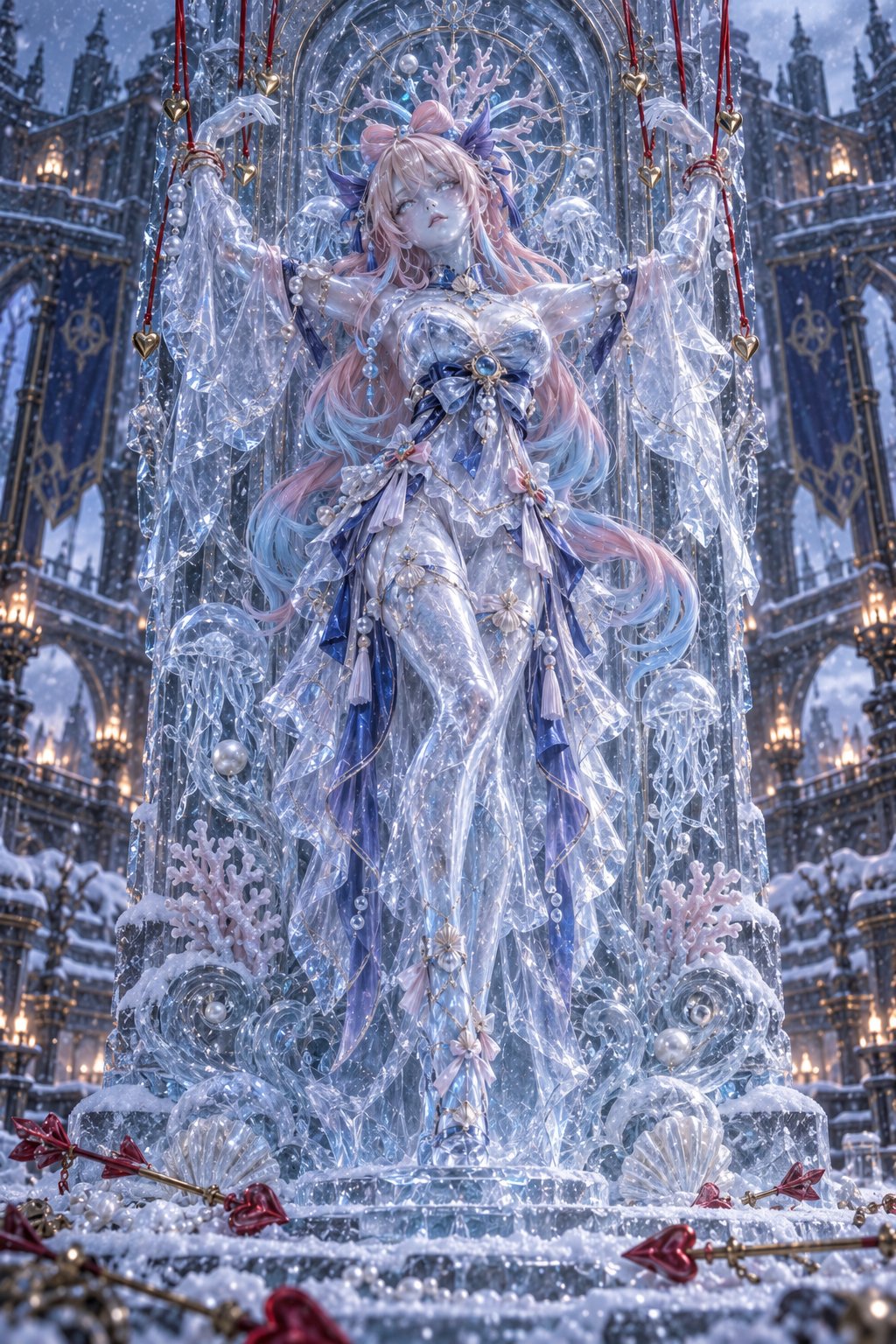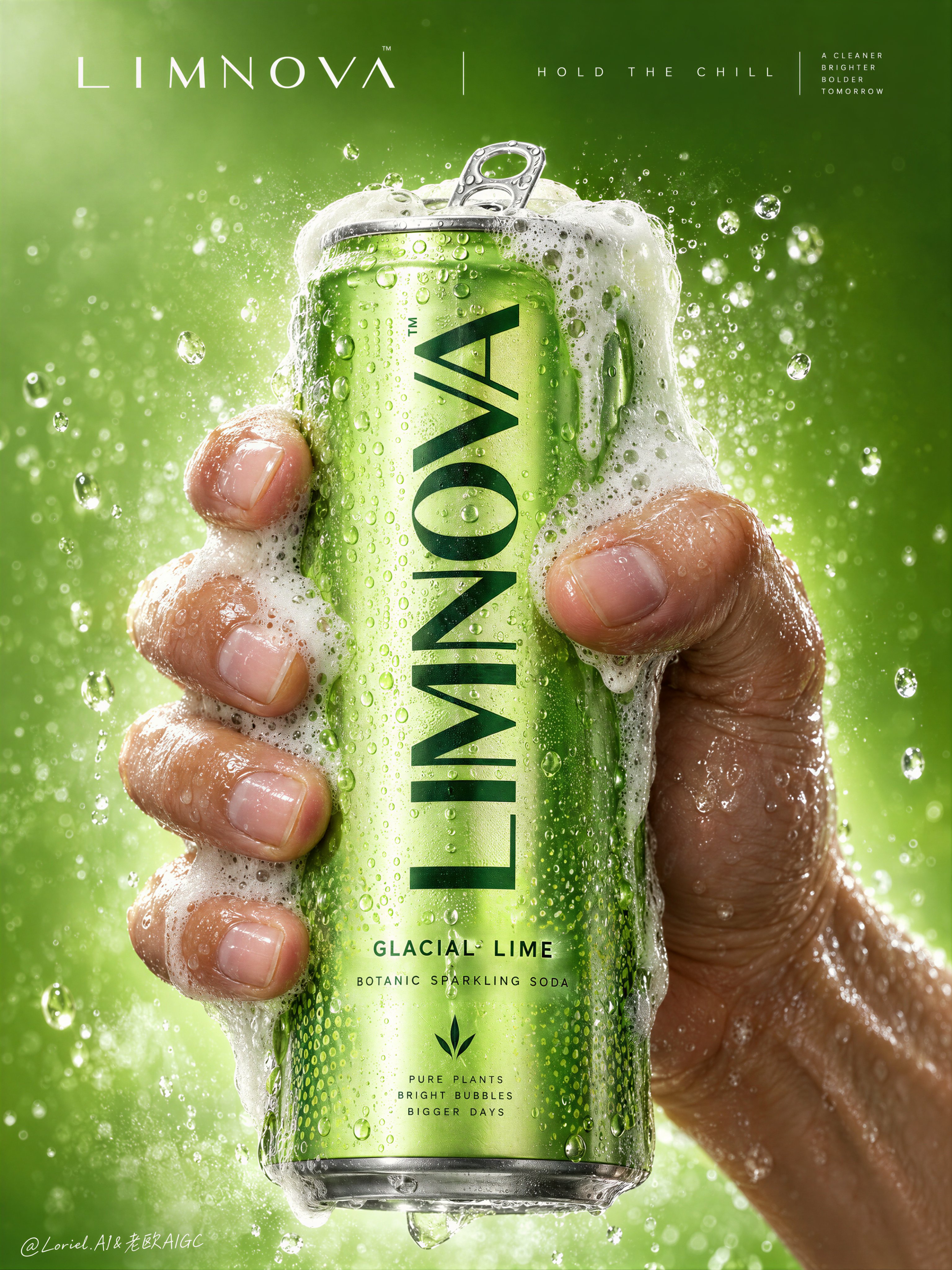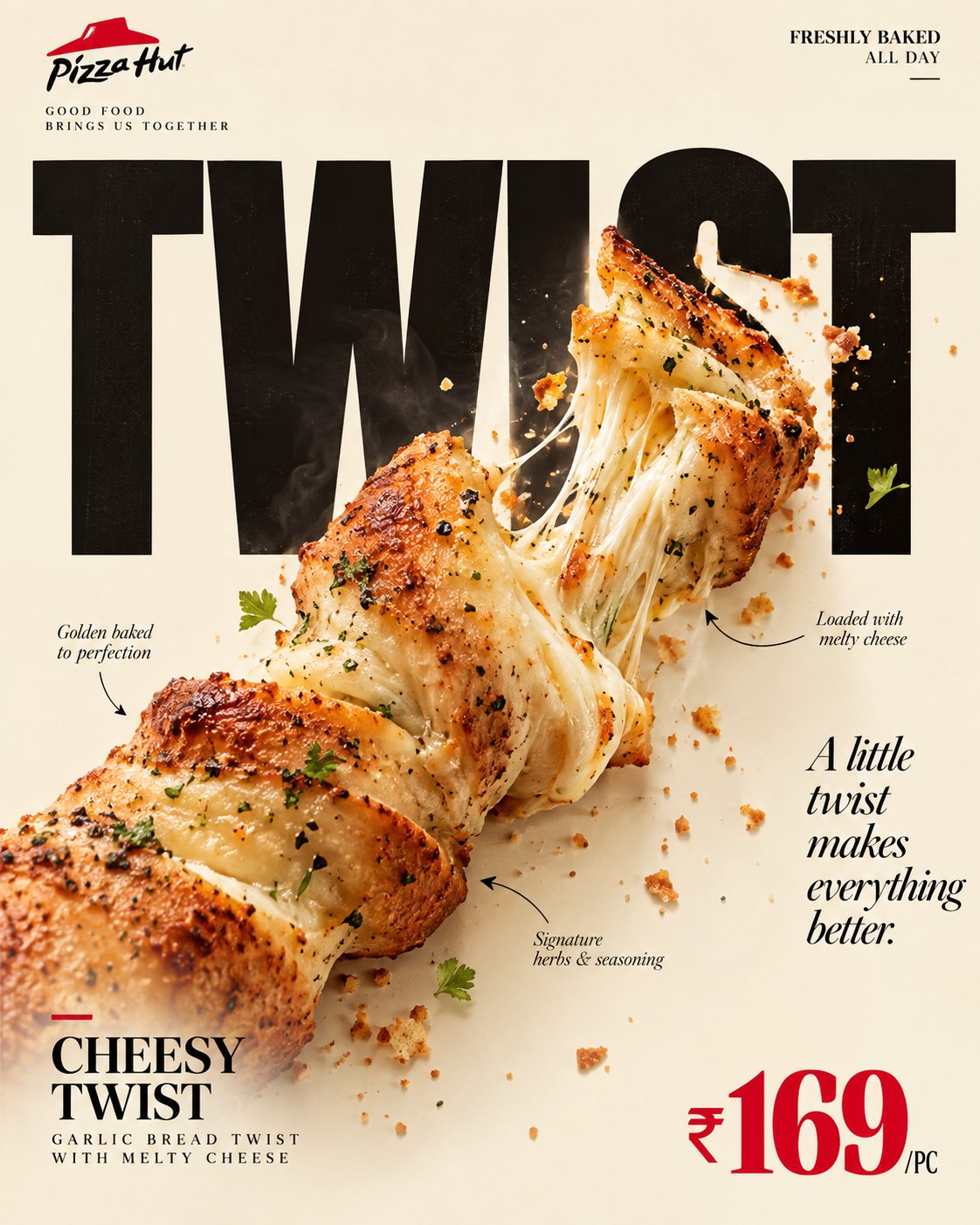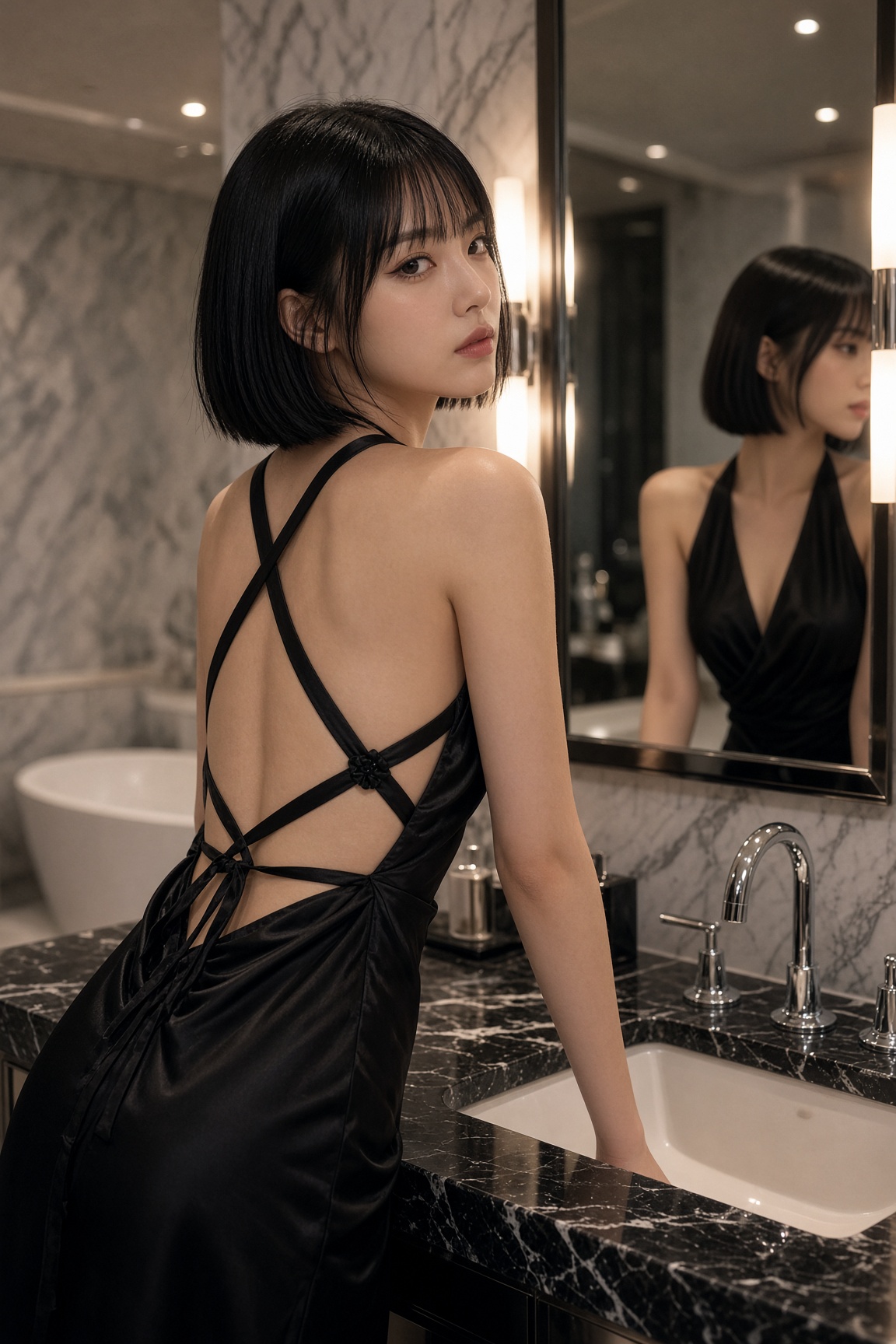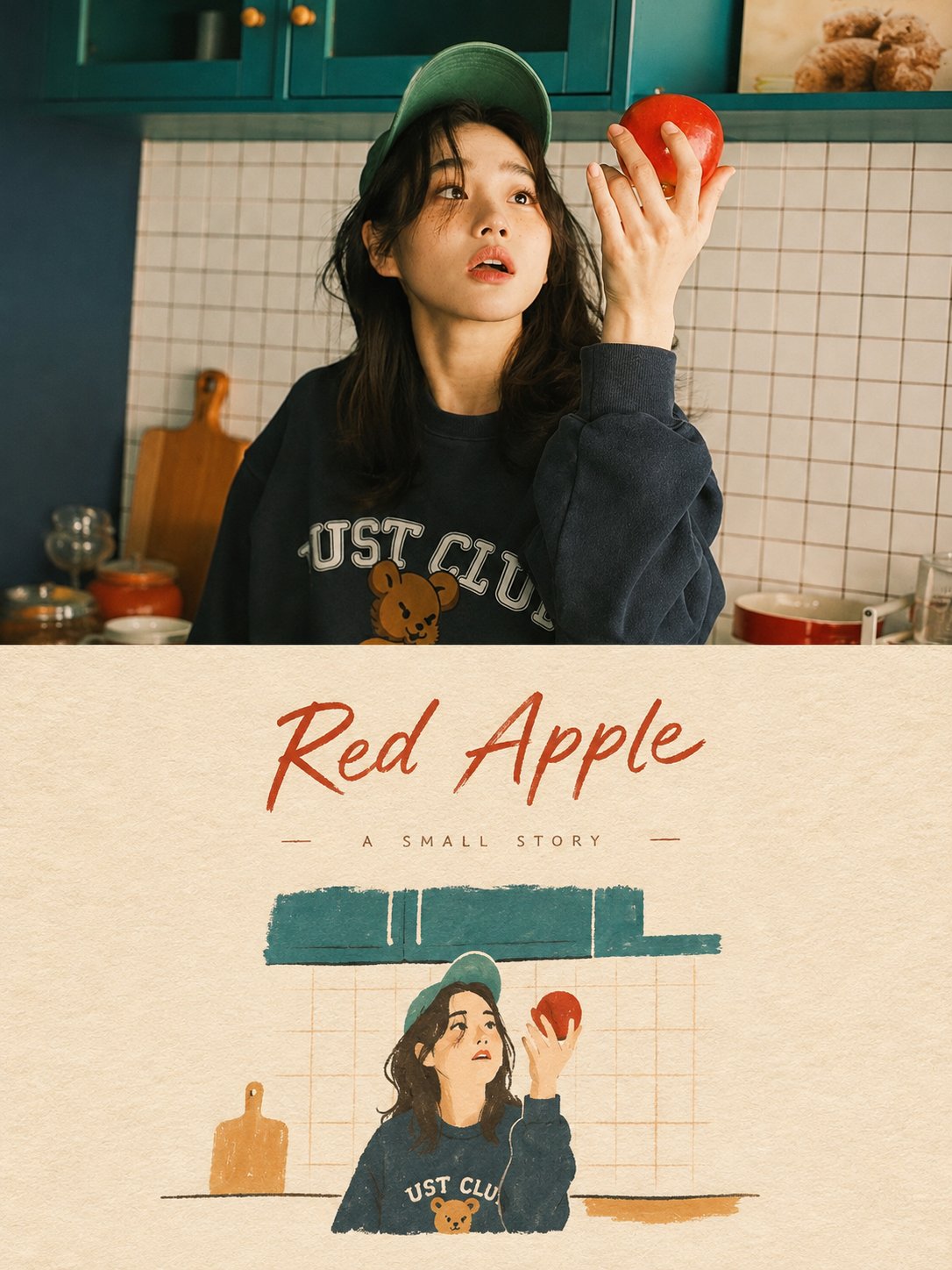
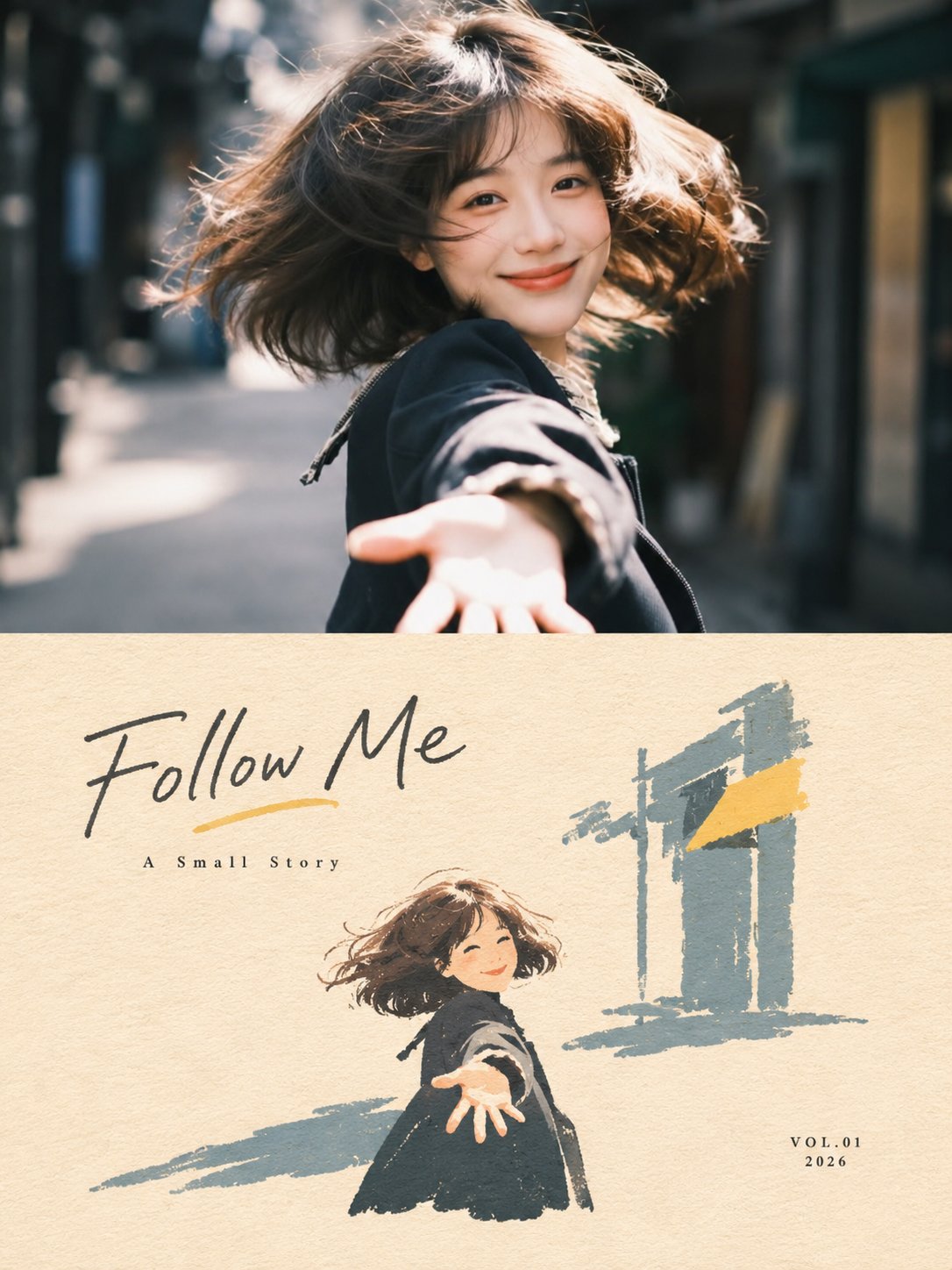
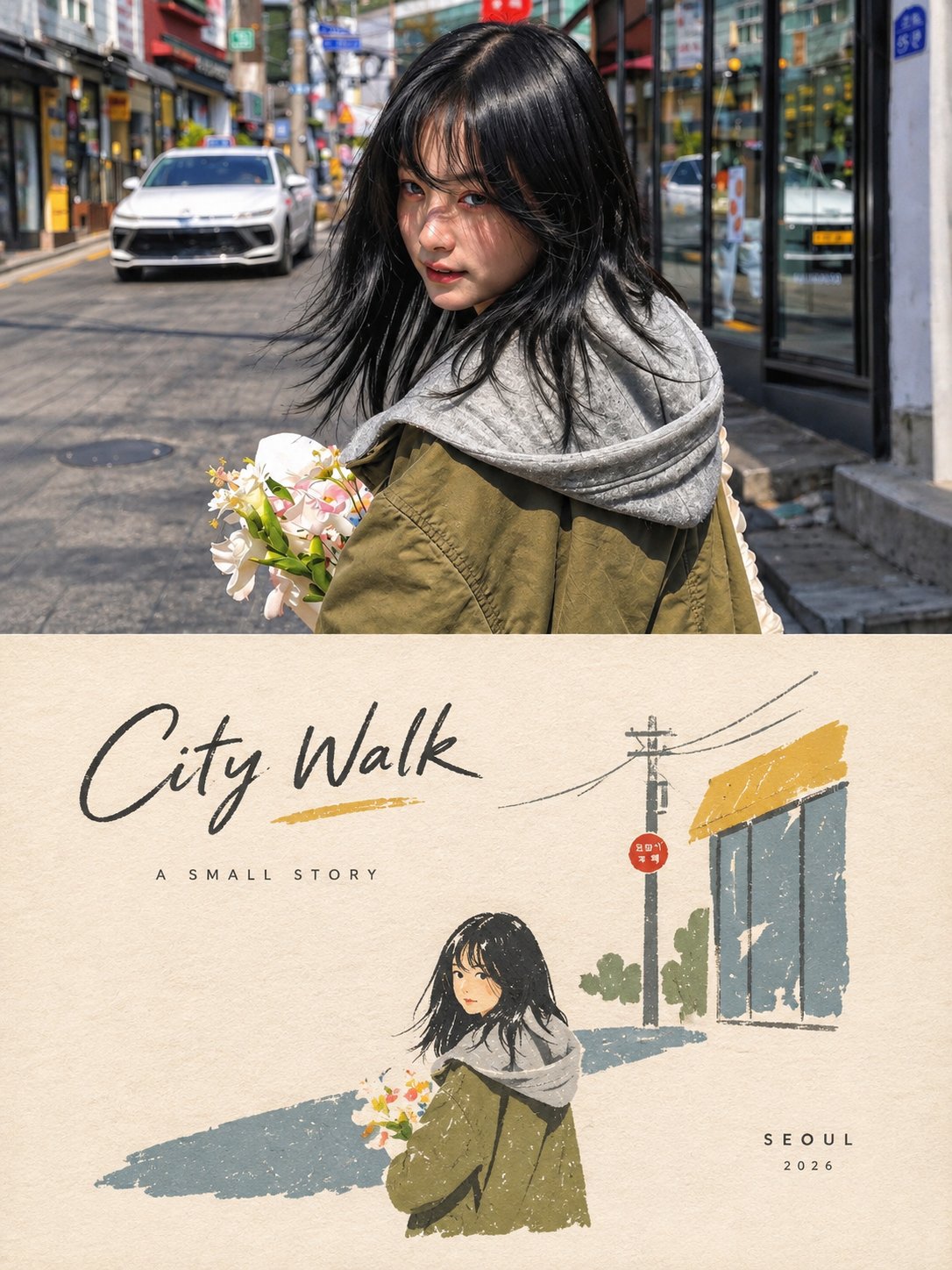
Editorial Split Poster With Hand-Drawn Illustration
 GPT Image 2.5OpenAIimage
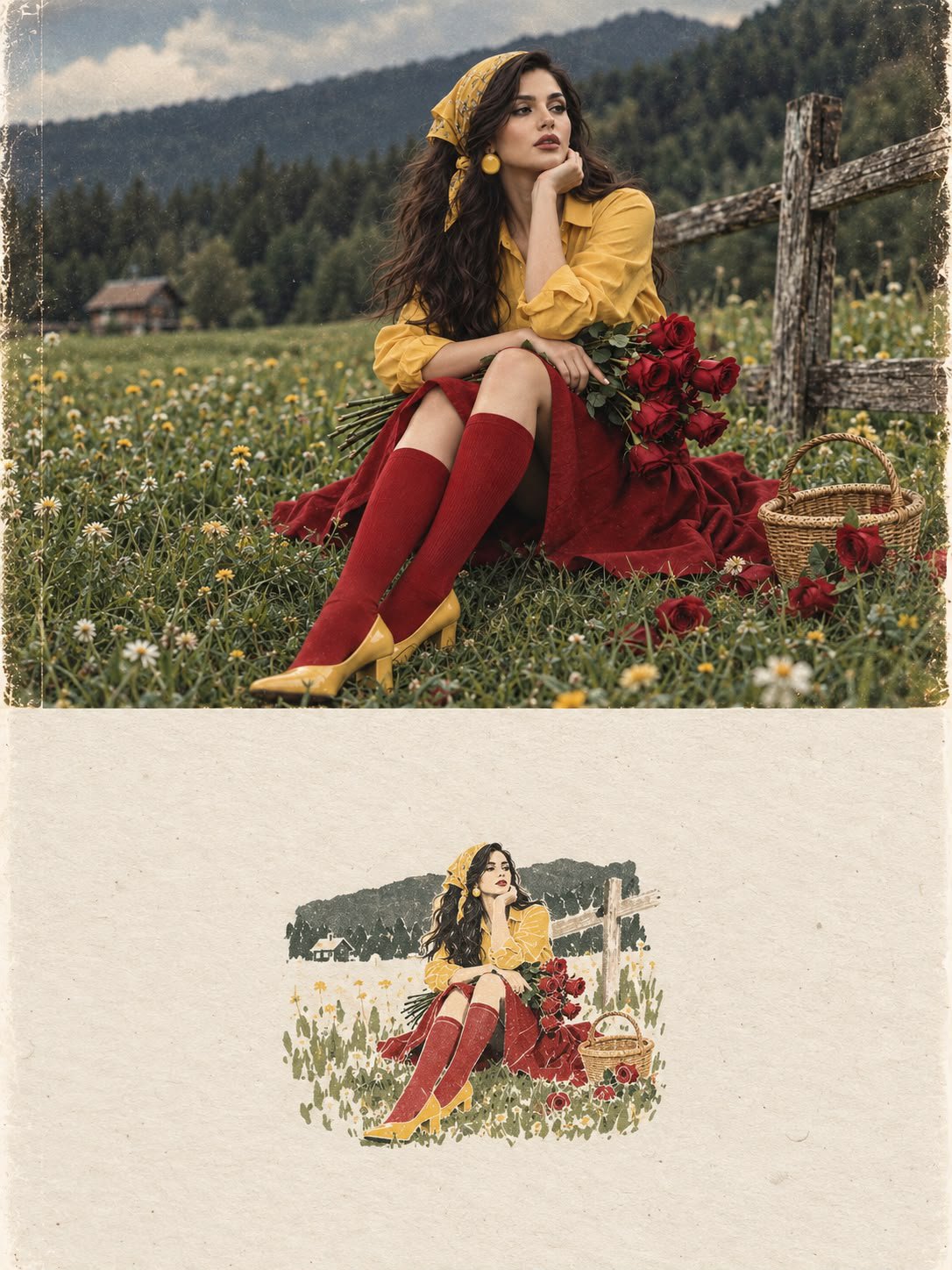
Transform the uploaded photos into an individual, high-end design poster. Do not combine multiple images; output each photo as a separate, standalone piece. Use a vertical {argument name="aspect ratio" default="3:4"} format, with the upper and lower sections divided strictly 1:1, each occupying 50% of the total composition. The upper section should retain the original photograph—preserving its core structure, authentic texture, natural lighting, and original color atmosphere—while applying subtle, high-end photographic color grading to evoke the aesthetic of magazine photography or art publications. To fit the frame, you may naturally extend the sky, ground, or environmental background, provided that the main subject remains undistorted and unaltered. The lower section should distill the most recognizable elements of the subject—its silhouette, posture, and narrative context—into a minimalist, hand-drawn, paper-textured cover illustration. Strip away complex details, retaining only the most essential visual features. Use delicate, slightly unsteady hand-drawn lines combined with a few distinct, flat-applied acrylic color blocks to represent the subject, ensuring it remains instantly identifiable. The subject should be small and concentrated—occupying approximately {argument name="subject proportion" default="10%–20%"} of the lower section—surrounded by ample negative space. The background should resemble rough or light-colored paper, with only minimal lines or color planes to suggest the environment. The color palette should be derived from the original photo and condensed into no more than four primary colors. These color blocks should be bold, solid, and restrained, incorporating textures like paper grain, visible brushstrokes, and slightly irregular edges. Lines should define the structure, while color blocks should establish the subject. Avoid styles such as colored pencil, crayon, watercolor washes, pure line art, complex realism, heavy oil-painting textures, slick digital illustrations, or 3D-rendered effects. You may incorporate a small amount of concise text—such as titles, keywords, subject names, locations, years, serial numbers, or short phrases—tailored to the content of each photo (not limited to urban themes). The typography should be sparse and restrained, blending naturally with the negative space and illustration to evoke the aesthetic of an art book cover, an independent publication, or a children’s picture book. The overall visual aesthetic features small subjects, ample negative space, a high degree of distillation, and strong recognizability. It conveys a sense of tranquility, childlike charm, and ease—evoking a poetic, sophisticated quality while steering clear of the look typical of commercial cartoons, e-commerce imagery, or generic templates.
Details
- Type
- AI Image Prompts
- Aspect Ratio
- 3:4
- Updated
- Nov 17, 2026
Category
How to use this prompt
- 1Copy the full prompt with the copy button above.
- 2Open GPT Image 2.5 by OpenAI, or any image generator with a similar style range.
- 3Paste the prompt, then swap the subject and style keywords to match your idea.
- 4Match the example's settings (3:4 · Poster · Cinematic · Minimalist), then iterate — small wording changes shift the output a lot.
Frequently asked questions
Which AI model generated this image?
This image was generated with GPT Image 2.5 by OpenAI. The prompt on this page is the exact text used to create it.
What settings does this prompt use?
The example was generated with GPT Image 2.5 using: 3:4 · Poster · Cinematic · Minimalist. Reusing these settings gives the closest match.
How do I get similar results?
Copy the prompt as-is first, then replace only the subject while keeping the style, lighting, and composition keywords. Generate a few variations — outputs differ between runs.
Can I modify this prompt?
Yes. Prompts work best as starting points — adjust descriptors, aspect ratio, or style tags to make the output your own.