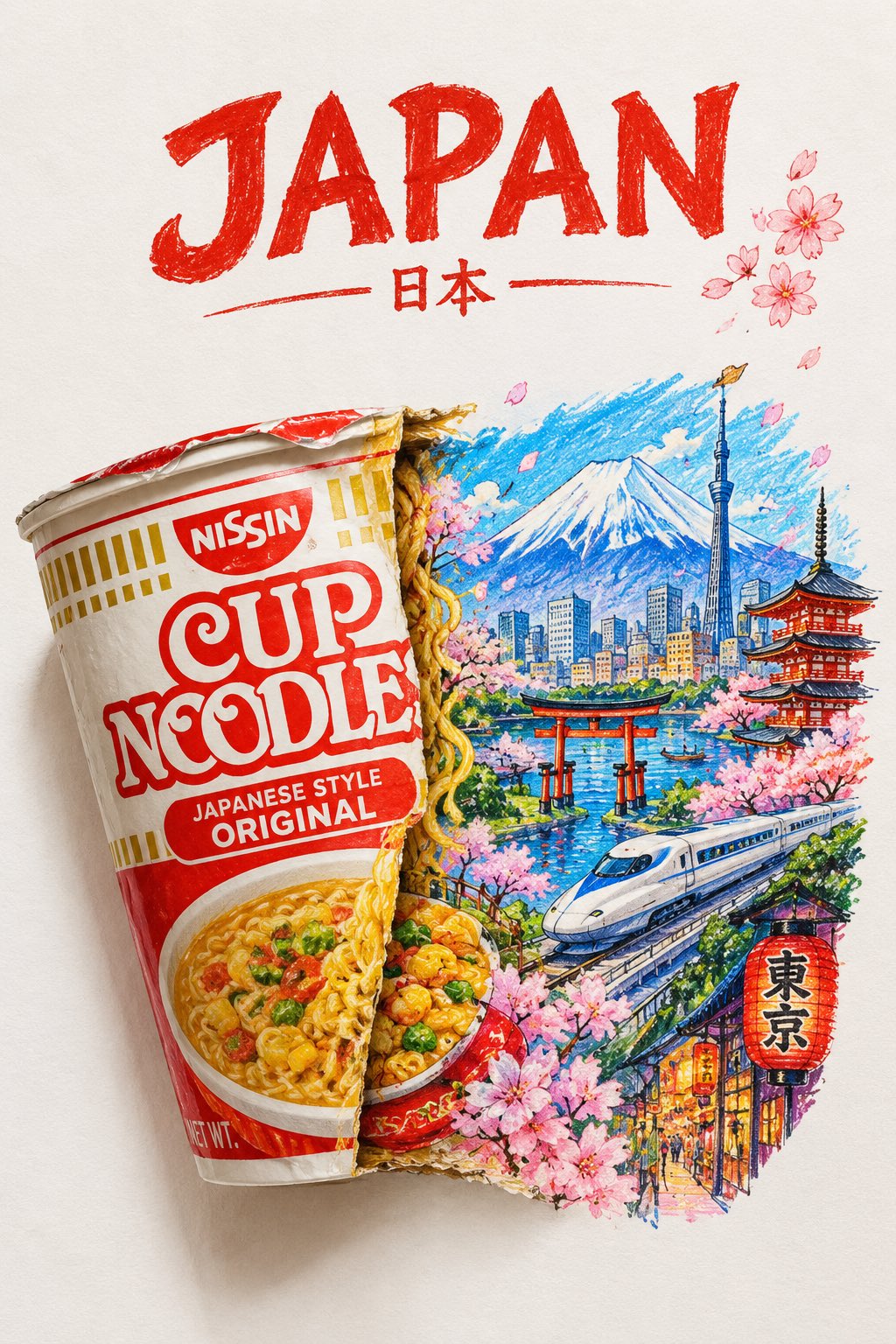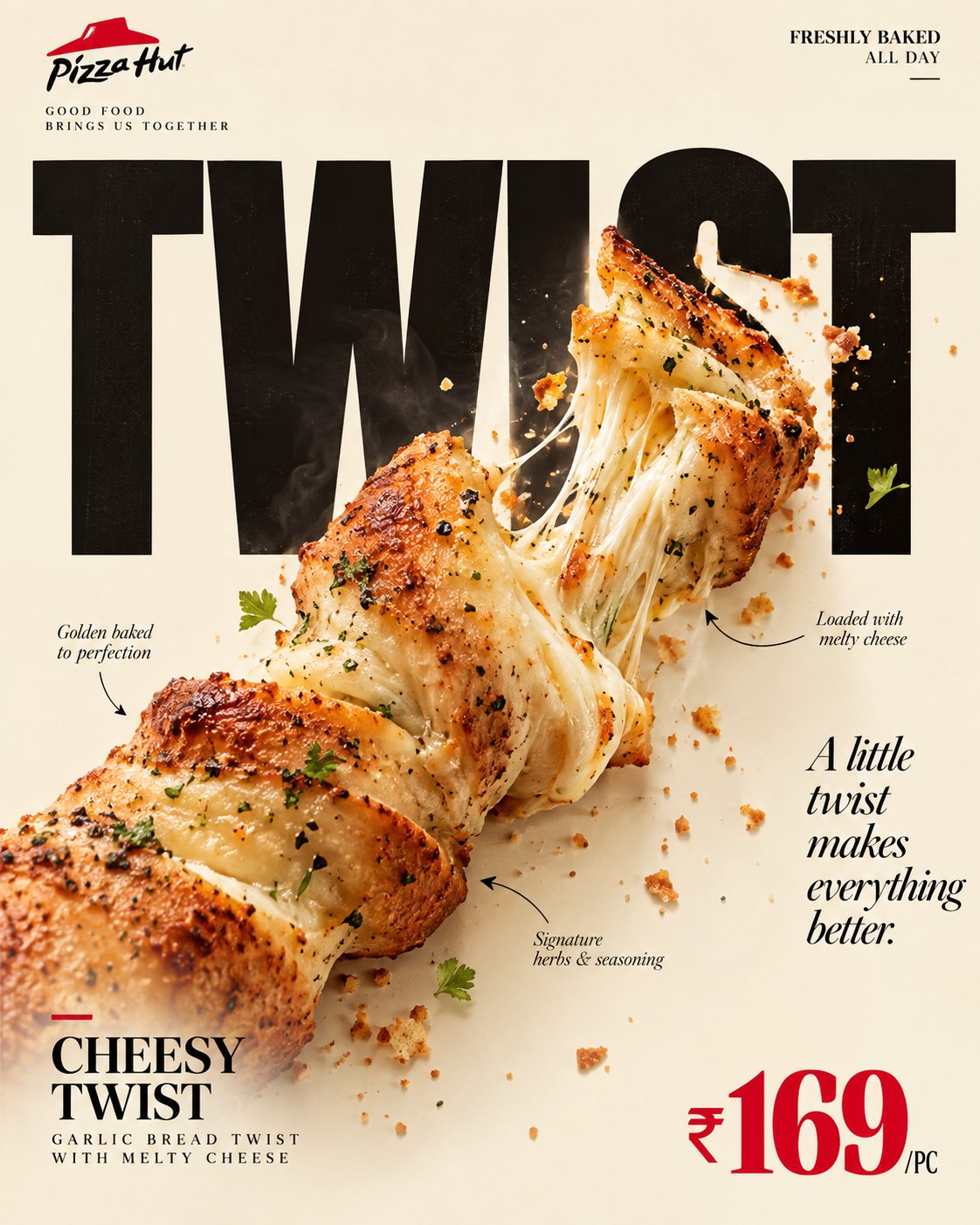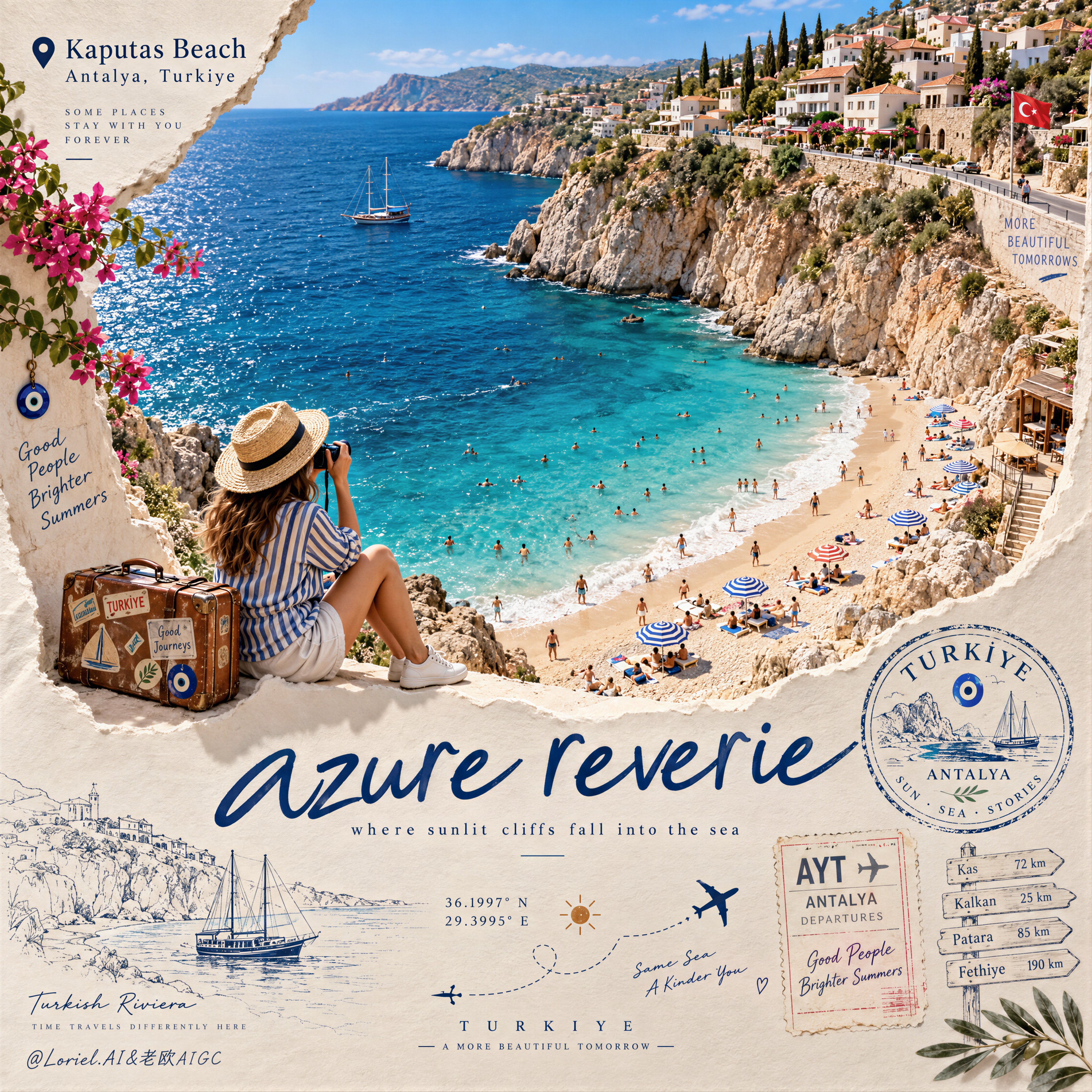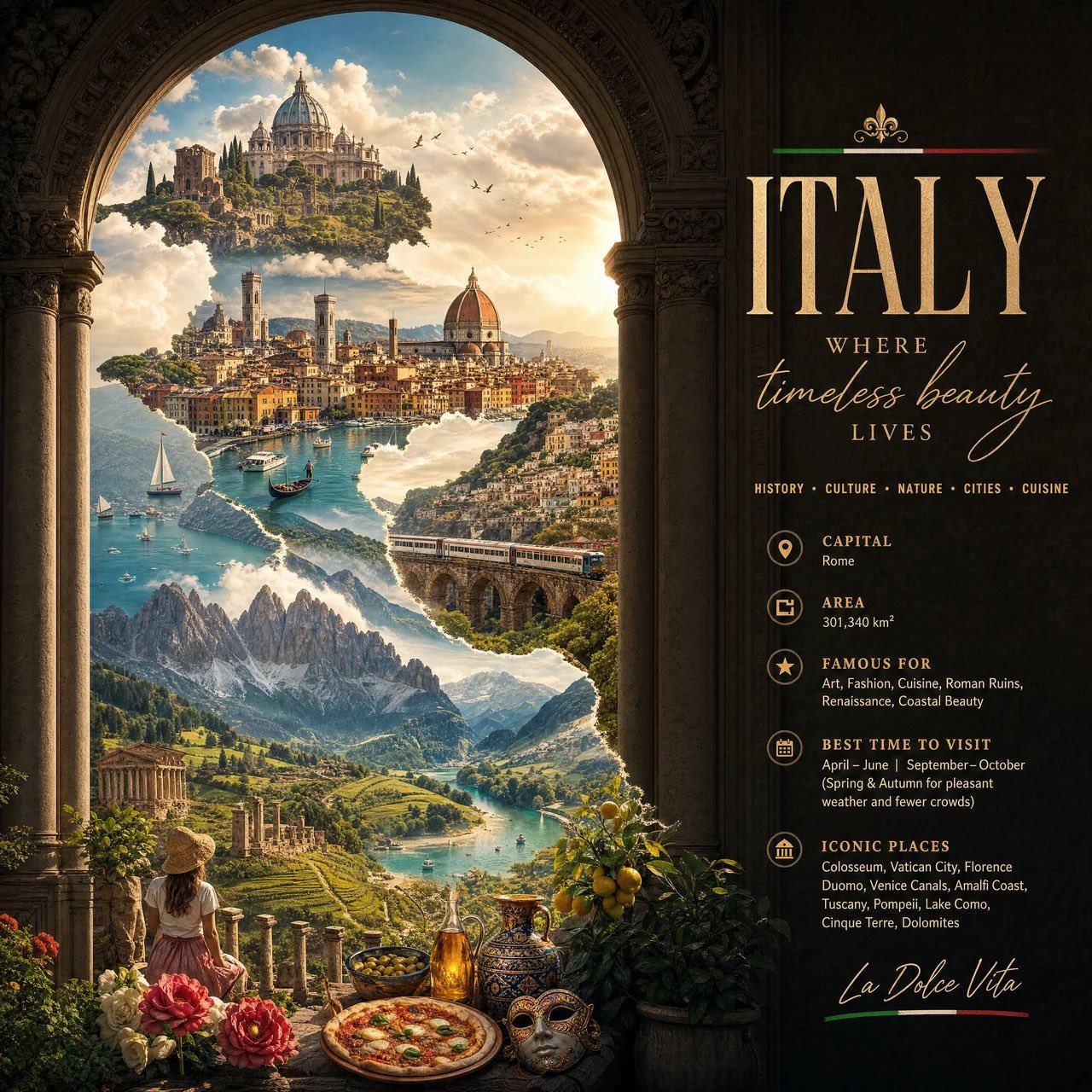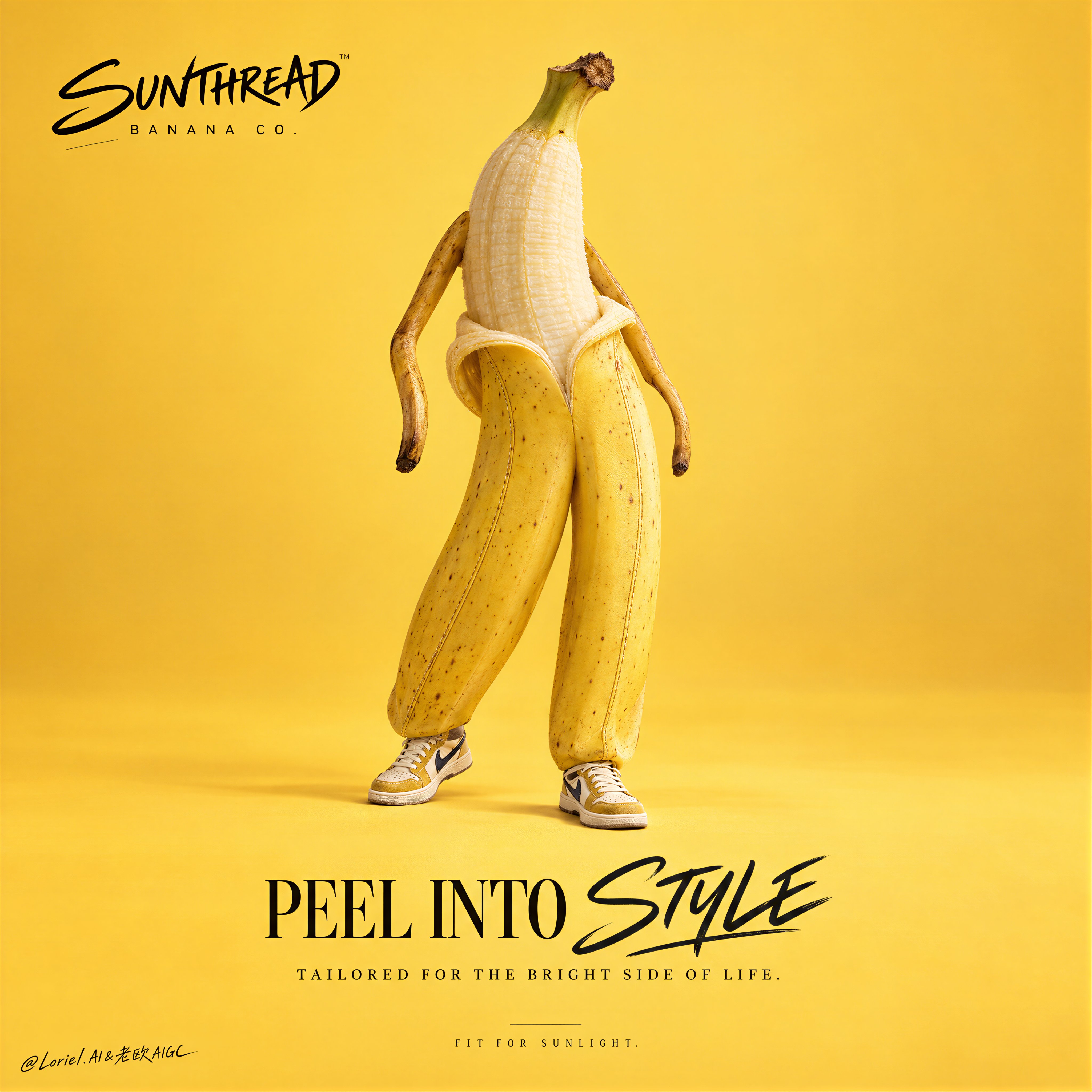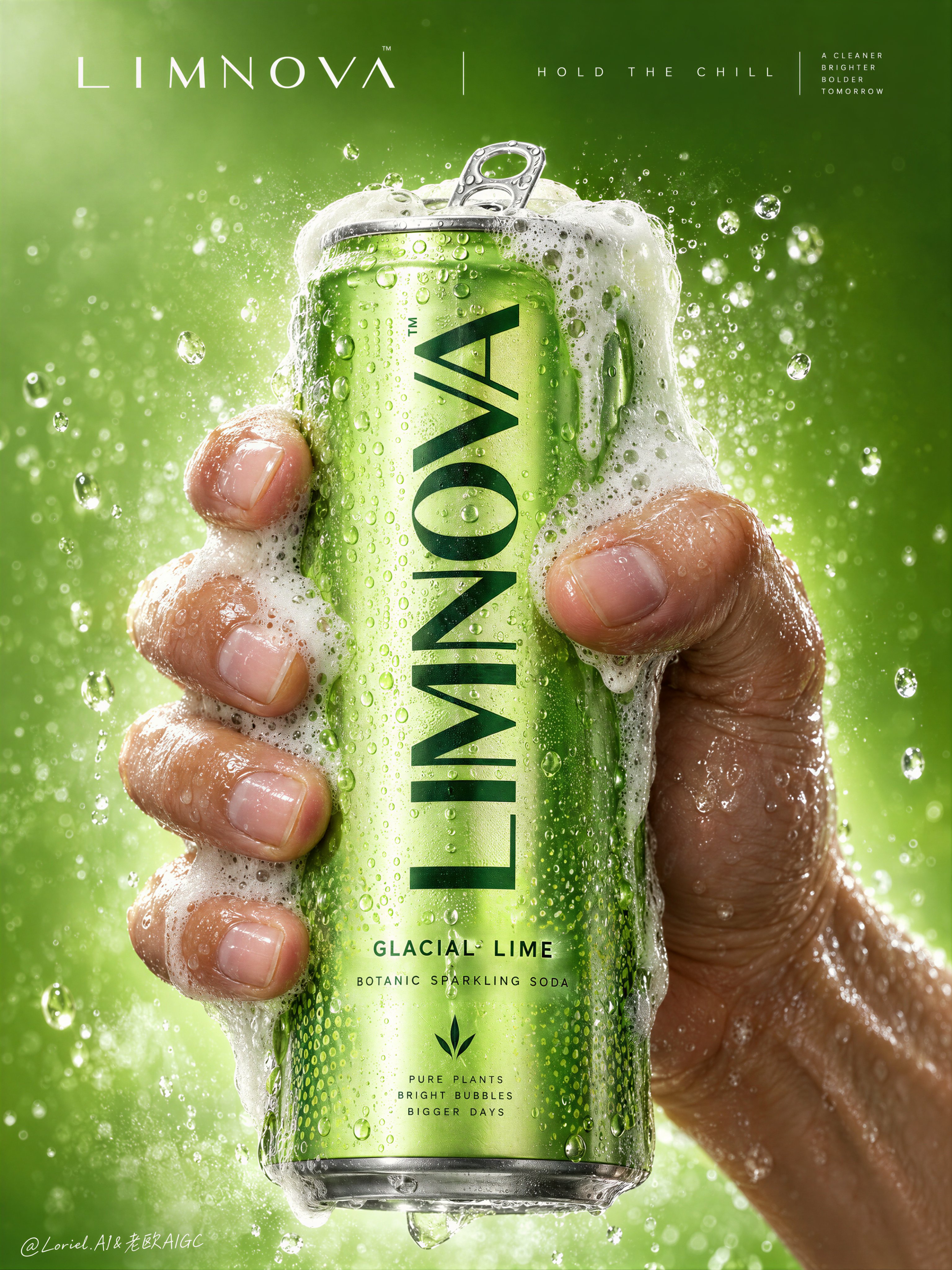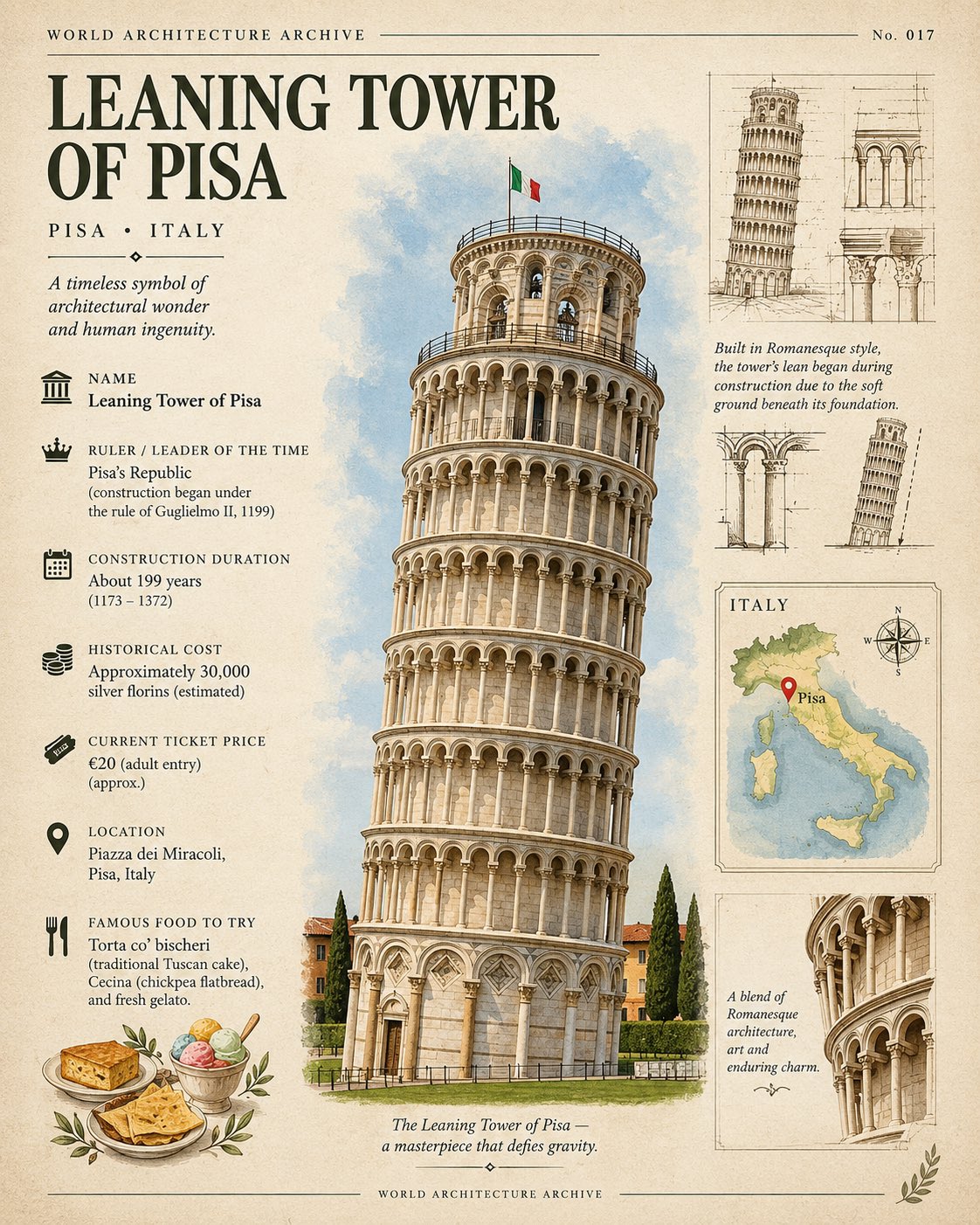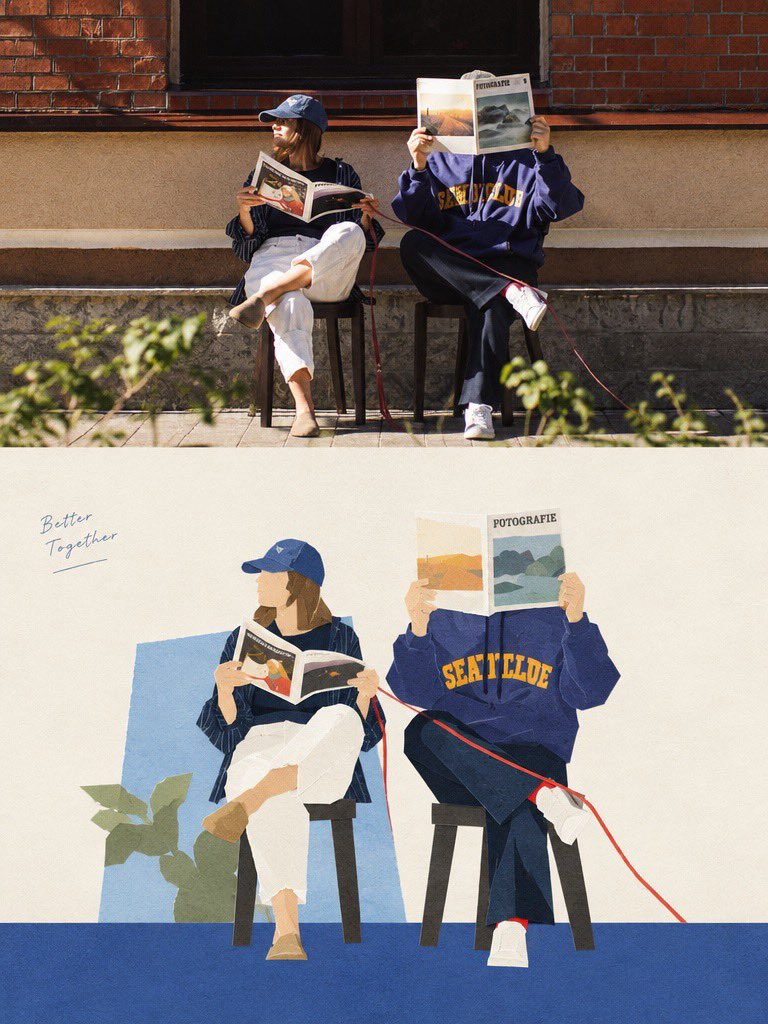
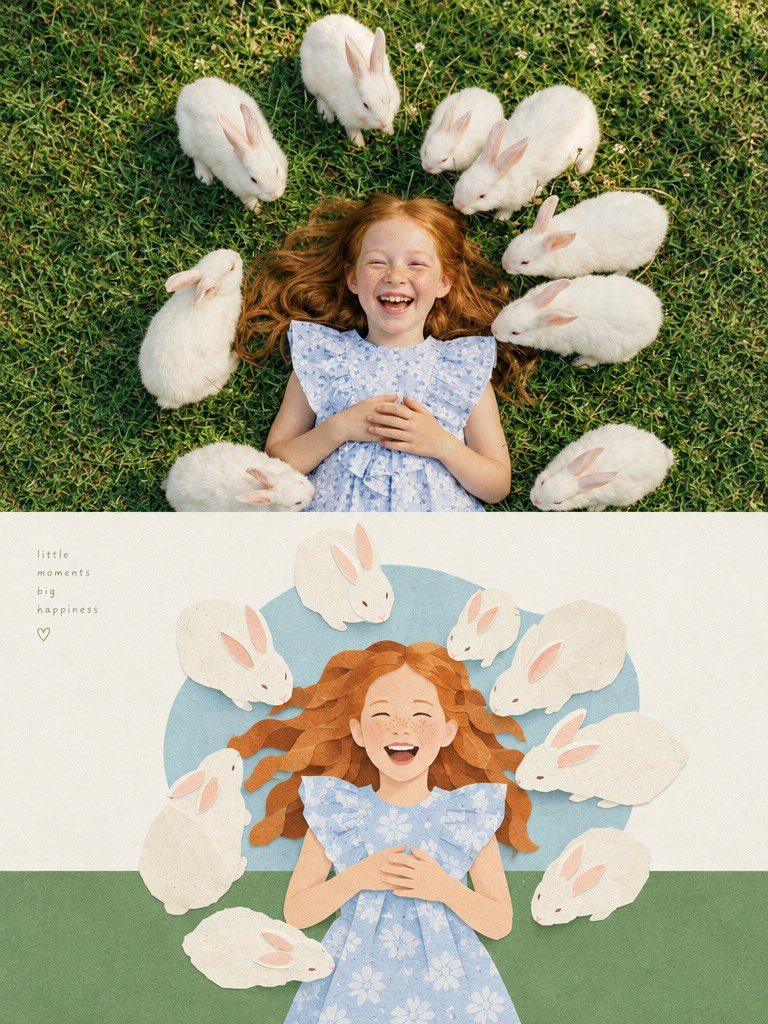
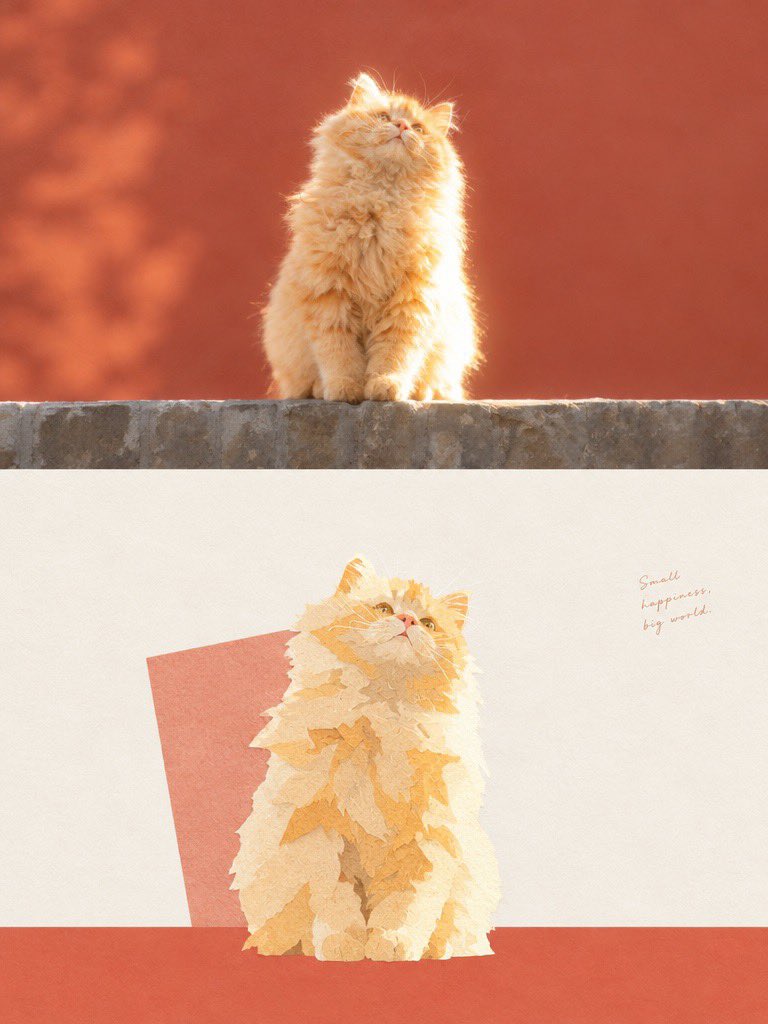
Editorial Split Poster Paper Collage
 GPT Image 2.5OpenAIimage
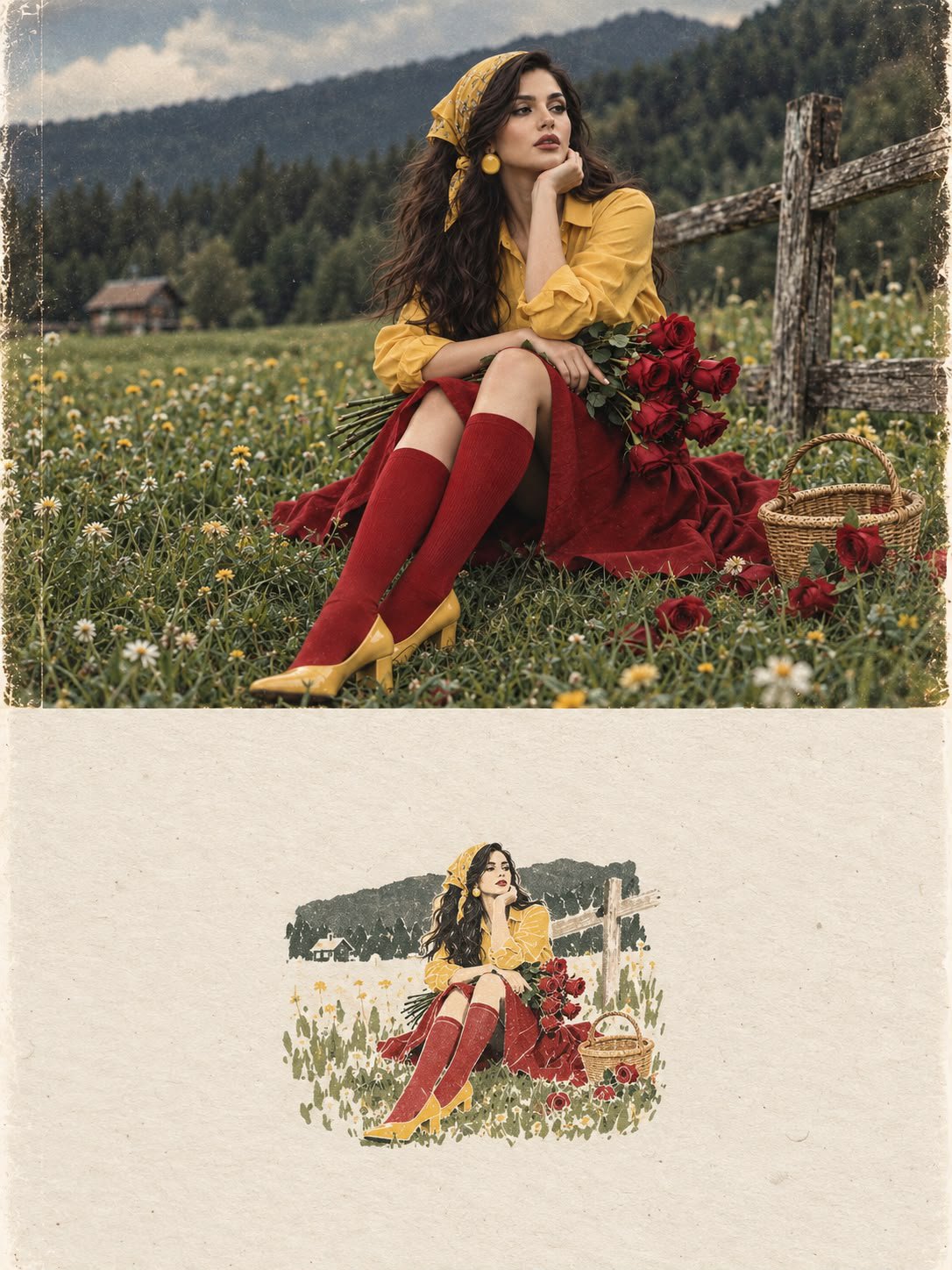
Create one premium editorial poster for each uploaded photo, outputting each separately without combining images or reusing other photos’ designs. FORMAT: Strict vertical 3:4 composition, divided into two equal horizontal halves. The upper 50% preserves the original photograph’s subject, identity, pose, colors, textures, and natural lighting, with only subtle editorial color grading. Never distort the subject. LOWER HALF: Transform the main subject into a minimalist cut-paper collage using simplified silhouettes, geometric shapes, layered paper, and subtle grain. Remove unnecessary background details while preserving the subject’s recognizable identity and story. COMPOSITION: Use a split color-field layout with generous near-white negative space above and a solid-color base spanning the entire bottom width. Position the subject near the boundary, optionally adding a simple geometric background panel. Maintain clean horizontal edges, asymmetrical balance, and strong visual hierarchy. COLORS & TEXTURES: Extract 2–4 colors from the original photo and refine them into a soft, bright pastel palette. Use subtle paper grain, handcrafted edges, and delicate layering. Create depth through overlapping shapes rather than realistic shadows or perspective. TYPOGRAPHY: Use minimal, elegant editorial text only when appropriate, placed discreetly within the negative space or near the composition’s edges. STYLE: Sophisticated art-magazine aesthetic combining authentic photography, minimalist paper-art collage, clean color blocks, generous negative space, and refined editorial design. AVOID: Clutter, complete scene redraws, gradients, heavy shadows, excessive details, distorted subjects, cartoon styles, 3D effects, and generic template-like layouts. Goal: Create a distinctive, gallery-worthy poster that preserves the original photograph above and artistically reinterprets its essence below.
Details
- Type
- AI Image Prompts
- Aspect Ratio
- 3:4
- Updated
- Oct 17, 2026
Category
How to use this prompt
- 1Copy the full prompt with the copy button above.
- 2Open GPT Image 2.5 by OpenAI, or any image generator with a similar style range.
- 3Paste the prompt, then swap the subject and style keywords to match your idea.
- 4Match the example's settings (3:4 · Poster · Digital Art · Minimalist), then iterate — small wording changes shift the output a lot.
Frequently asked questions
Which AI model generated this image?
This image was generated with GPT Image 2.5 by OpenAI. The prompt on this page is the exact text used to create it.
What settings does this prompt use?
The example was generated with GPT Image 2.5 using: 3:4 · Poster · Digital Art · Minimalist. Reusing these settings gives the closest match.
How do I get similar results?
Copy the prompt as-is first, then replace only the subject while keeping the style, lighting, and composition keywords. Generate a few variations — outputs differ between runs.
Can I modify this prompt?
Yes. Prompts work best as starting points — adjust descriptors, aspect ratio, or style tags to make the output your own.