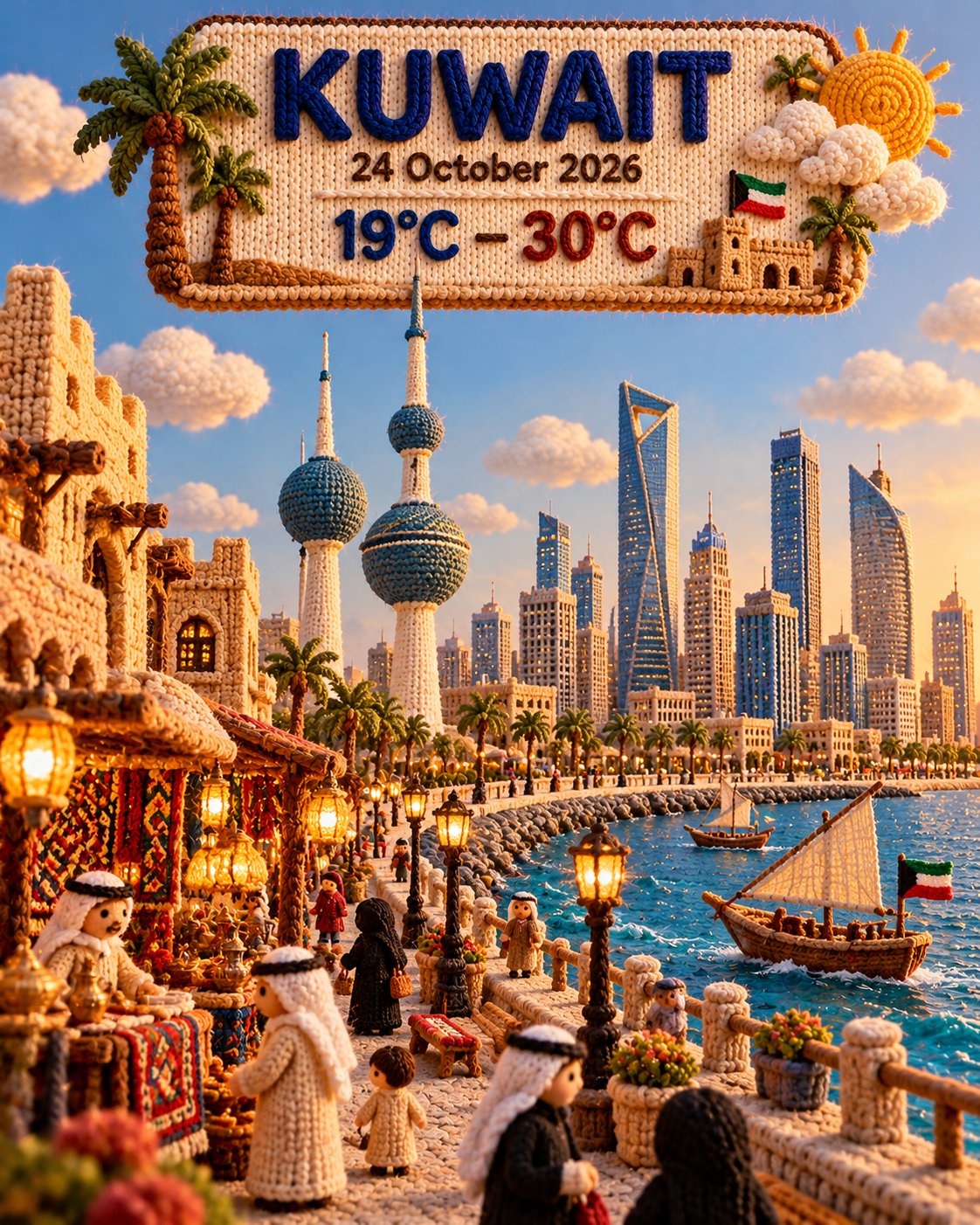
Crochet Miniature Weather Card Diorama
 GPT Image 2.5OpenAIimage
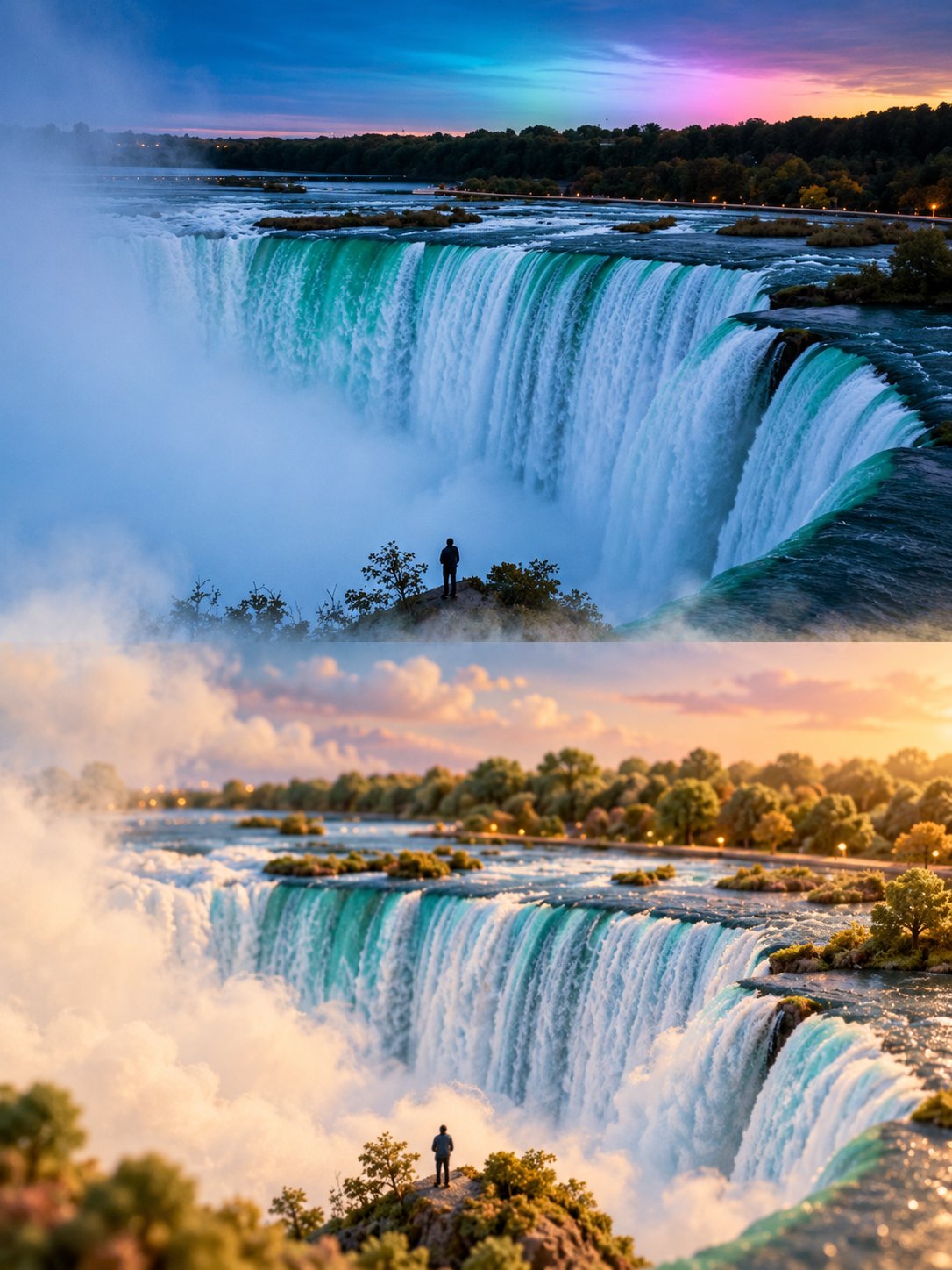
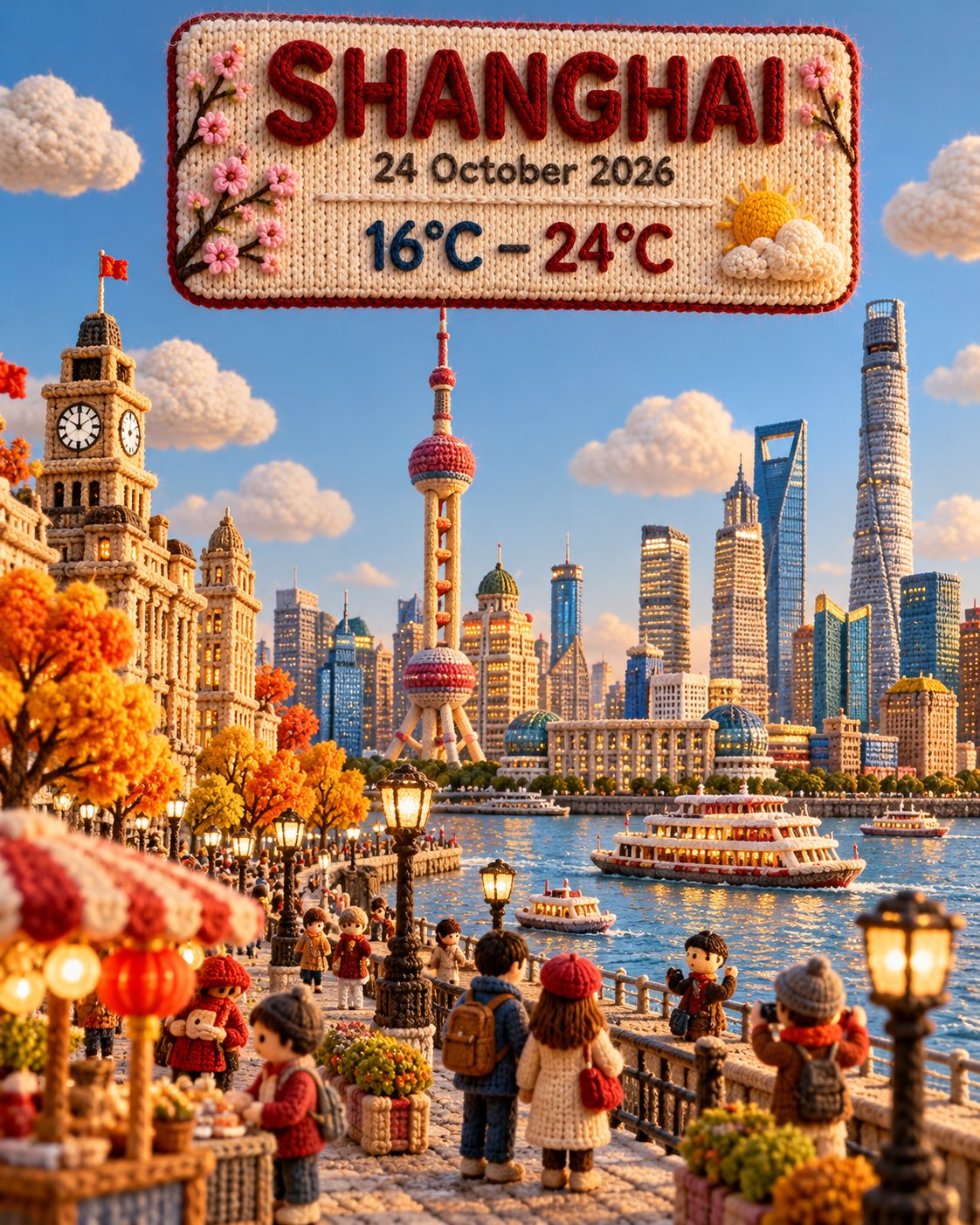
Create a charming, ultra-detailed 3D crochet miniature weather card for [CITY / COUNTRY], featuring the date 24 October 2026 and the local temperature range [MIN–MAX °C]. SCENE: Transform the destination into a whimsical handmade yarn world. Recreate its most recognizable landmarks, traditional architecture, streets, shops, and cultural details as miniature knitted and crocheted structures. Include tiny yarn-crafted people in locally appropriate clothing, market stalls, trees, vehicles, and everyday activities. CROCHET AESTHETIC: Everything should appear handcrafted from soft wool, chunky yarn, and delicate crochet stitches. Use rounded shapes, visible yarn loops, plush figures, embroidered details, and intricate miniature craftsmanship. WEATHER: Represent the actual local weather with crocheted elements such as a golden yarn sun, fluffy wool clouds, raindrops, or snowflakes, matching the conditions for 24 October 2026. Display the date and temperature range clearly at the top. COLOR & LIGHTING: Use a palette inspired by the destination, warm natural lighting, soft shadows, gentle depth of field, and a cozy storybook atmosphere. COMPOSITION: Vertical 4:5 format, immersive miniature diorama, recognizable landmarks, lively foreground details, and balanced architectural layering. Automatically adapt the scenery, cultural details, clothing, and weather symbols to the chosen destination. Avoid plastic-looking materials, generic architecture, clutter, incorrect text, watermarks, and logos. STYLE: Premium handcrafted crochet art, cozy miniature world, collectible 3D weather card.
Details
- Type
- AI Image Prompts
- Aspect Ratio
- 561:701
- Updated
- Oct 24, 2026
How to use this prompt
- 1Copy the full prompt with the copy button above.
- 2Open GPT Image 2.5 by OpenAI, or any image generator with a similar style range.
- 3Paste the prompt, then swap the subject and style keywords to match your idea.
- 4Match the example's settings (561:701 · Cartoon · Whimsical · 3D Render), then iterate — small wording changes shift the output a lot.
Frequently asked questions
Which AI model generated this image?
This image was generated with GPT Image 2.5 by OpenAI. The prompt on this page is the exact text used to create it.
What settings does this prompt use?
The example was generated with GPT Image 2.5 using: 561:701 · Cartoon · Whimsical · 3D Render. Reusing these settings gives the closest match.
How do I get similar results?
Copy the prompt as-is first, then replace only the subject while keeping the style, lighting, and composition keywords. Generate a few variations — outputs differ between runs.
Can I modify this prompt?
Yes. Prompts work best as starting points — adjust descriptors, aspect ratio, or style tags to make the output your own.