LogoAhaPrompt
  • Prompts
  • Featured
  • Models
  • Submit
  • Blog
AhaPromptAhaPrompt

AI Prompts for Images, Video & Audio — Every Model, One Library

Built withLogoNEXTY.DEV
Explore
  • All Prompts
  • Featured Prompts
  • Image Prompts
  • Video Prompts
  • Audio Prompts
  • AI Models
  • Submit a Prompt
  • Blog
Languages
  • English
  • 中文
  • 日本語
  • 한국어

Copyright © 2026 AhaPrompt All rights reserved.

Privacy PolicyTerms of Service
HomeAI Prompt LibraryAI Image PromptsBadly Drawn Funny Doodle Illustration
Badly Drawn Funny Doodle Illustration — AI image prompt — GPT Image 2.5 — Cartoon, Comic, Sketch - 1
Badly Drawn Funny Doodle Illustration — AI image prompt — GPT Image 2.5 — Cartoon, Comic, Sketch - 2

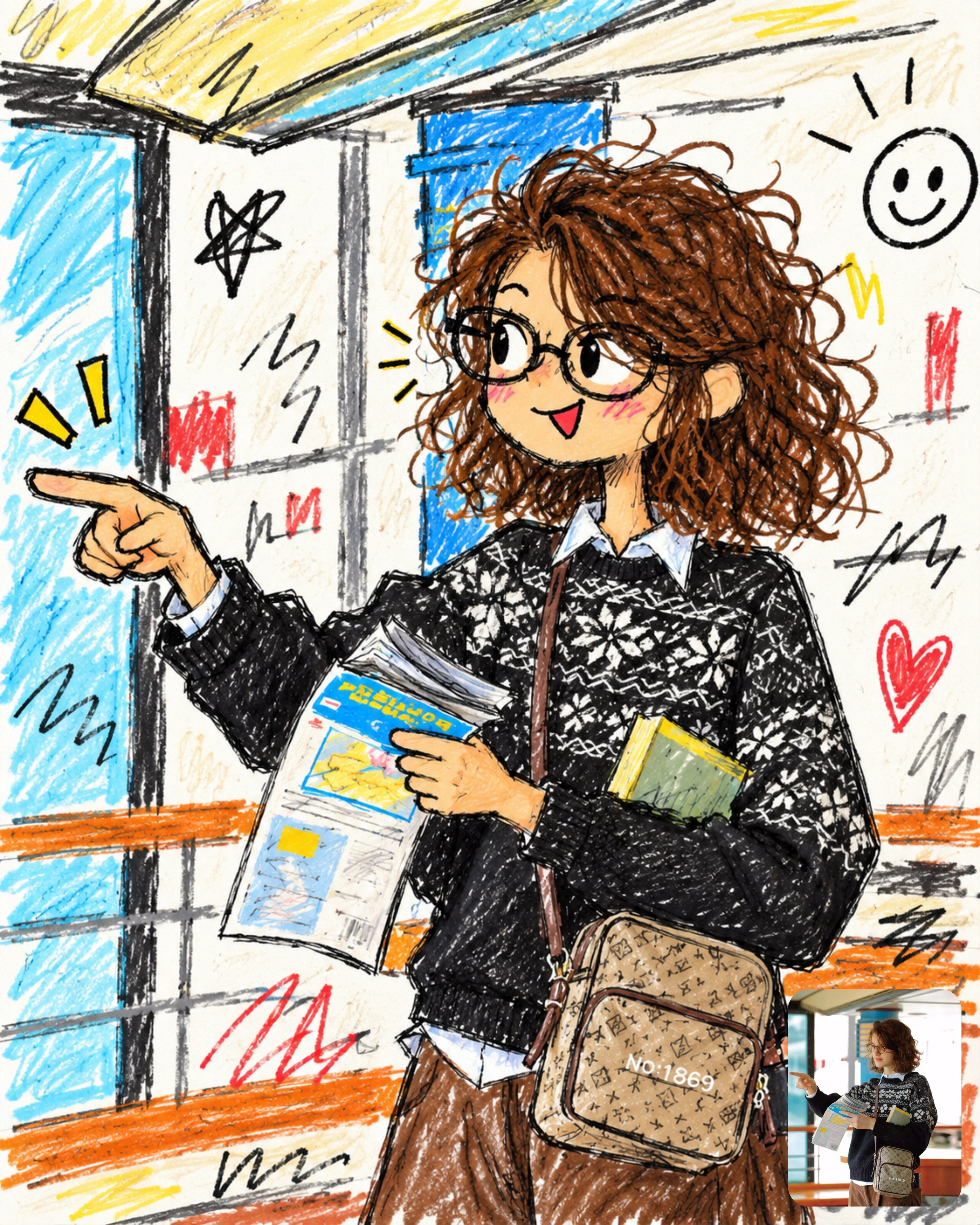
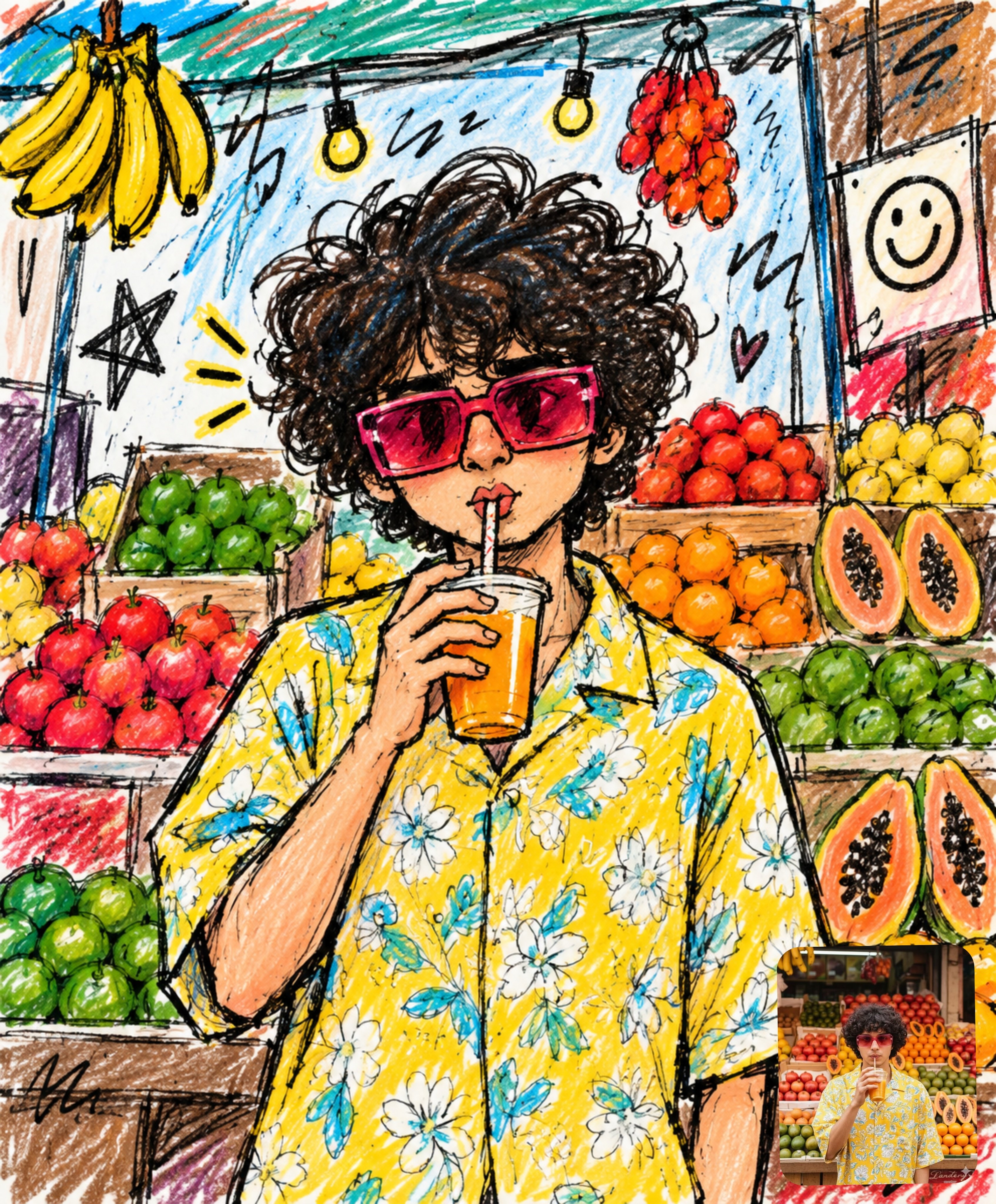
Badly Drawn Funny Doodle Illustration

OpenAIGPT Image 2.5OpenAIimage

Transform this photo into a badly drawn, funny doodle-style illustration. Features: - A messy sketch that looks hastily drawn with cheap markers or crayons. - Chaotic, rough, childish drawing style. - Broken perspective and unnatural proportions. - Slightly exaggerated, comical facial features. Additional elements: - A simple comic-style background inspired by the attached photo. - Meaningless scribble lines and small, messy details. - Clearly visible uneven coloring, color spilling outside the lines, and drawing strokes. Style: - Sloppiness that suggests it was drawn without much effort. - Do not make it too polished. - Silly, laughable meme style. - A casual internet vibe. Do not: - Make it realistic. - Render it too beautifully or intricately. - Give it a professionally polished finish. IMPORTANT: Do NOT generate the image yet. This prompt needs my photo. First reply only by asking me to upload this image.

Details
Type
AI Image Prompts
Aspect Ratio
1639:2048
Updated
Oct 23, 2026
Category
CartoonComicSketch
Source

How to use this prompt

  1. 1Copy the full prompt with the copy button above.
  2. 2Open GPT Image 2.5 by OpenAI, or any image generator with a similar style range.
  3. 3Paste the prompt, then swap the subject and style keywords to match your idea.
  4. 4Match the example's settings (1639:2048 · Cartoon · Comic · Sketch), then iterate — small wording changes shift the output a lot.

Frequently asked questions

Which AI model generated this image?

This image was generated with GPT Image 2.5 by OpenAI. The prompt on this page is the exact text used to create it.

What settings does this prompt use?

The example was generated with GPT Image 2.5 using: 1639:2048 · Cartoon · Comic · Sketch. Reusing these settings gives the closest match.

How do I get similar results?

Copy the prompt as-is first, then replace only the subject while keeping the style, lighting, and composition keywords. Generate a few variations — outputs differ between runs.

Can I modify this prompt?

Yes. Prompts work best as starting points — adjust descriptors, aspect ratio, or style tags to make the output your own.
More GPT Image 2.5 prompts

Transform every visible person in the uploaded image into a realistic LEGO-style minifigure while pr — AI image prompt — GPT Image 2.5
OpenAIGPT Image 2.5
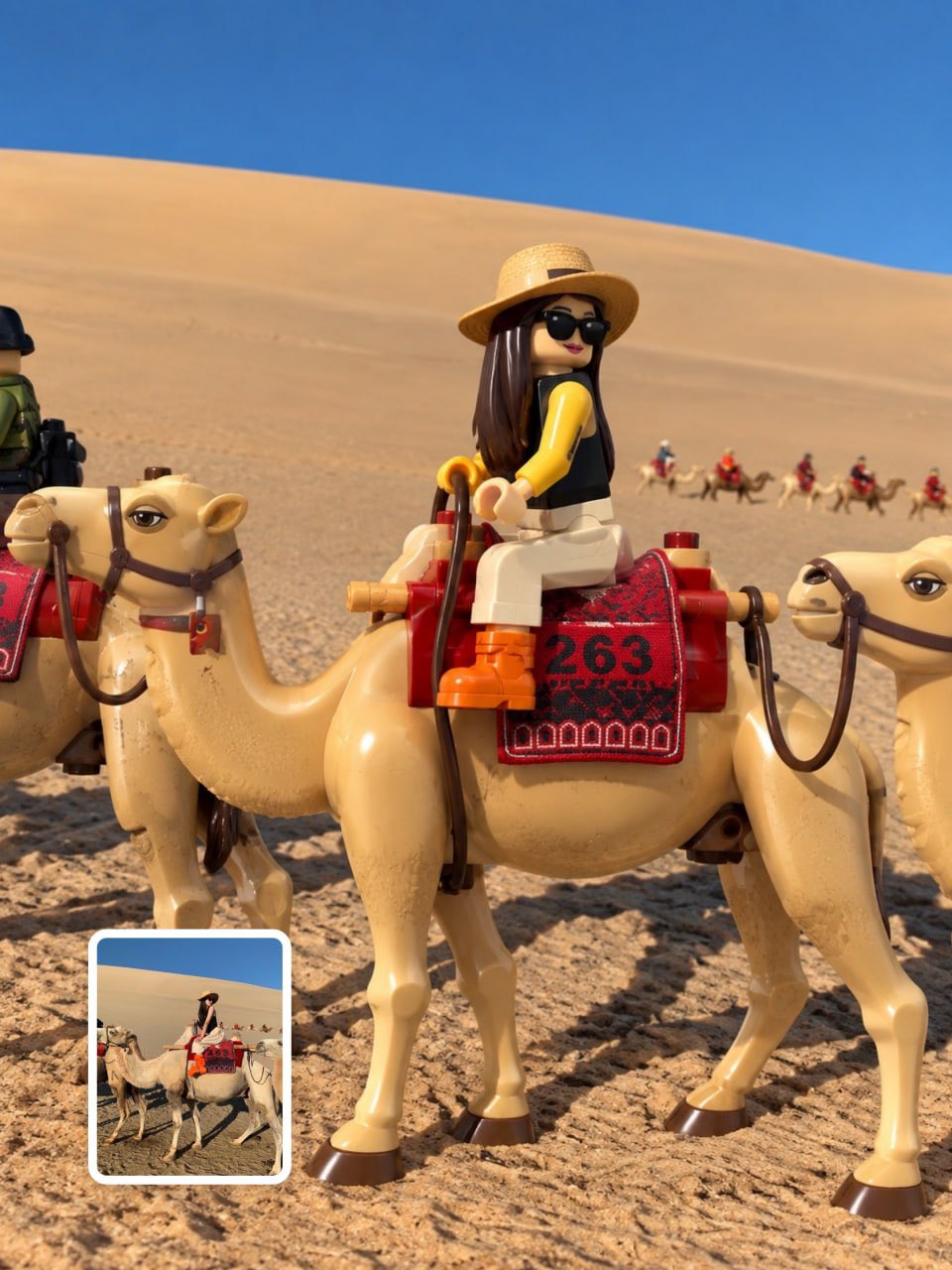
Transform every visible person in the uploaded image into a realistic LEGO-style minifigure while preserving the original environment, background, composition, lighting, and relationships. Create exactly one separate minifigure for every visible person. Preserve each person’s recognizable identity, expression, hairstyle, hair color, skin tone, proportions, pose, position, clothing, accessories, and held objects. FORMAT LOCK Vertical 3:4 composition. Show every minifigure fully from head to toe without cropping. Preserve the original group arrangement and perspective. Extend the environment naturally only when needed for the 3:4 frame. STYLE TRANSFER Convert only the people into authentic LEGO-style minifigures. Use realistic molded plastic, cylindrical heads, block-shaped torsos, standard arms and hands, short legs, printed facial features, detailed printed clothing, and molded plastic hairpieces matching each person’s hairstyle. Keep the figures seamlessly integrated into the original photograph. DETAIL & COLOR Accurately reproduce each person’s original clothing colors, patterns, layers, sleeves, collars, pants, skirts, shoes, jewelry, glasses, hats, bags and other visible accessories as LEGO prints or molded elements. Preserve original skin tones and facial expressions. Realistic plastic reflections, subtle seams, fine printed details and natural contact shadows. COMPOSITION LOCK Keep the original location, architecture, scenery, furniture, objects, colors, textures, perspective, depth, weather, atmosphere and time of day unchanged. Do not redesign or simplify the background. Preserve all existing objects in their original positions. Objects held or worn by people may be converted into LEGO-style accessories while maintaining their original appearance and color. STYLE Photorealistic LEGO-style minifigure transformation, premium 3D toy photography, realistic molded plastic, subtle glossy finish, physically accurate reflections, natural lighting, cinematic detail, seamless integration with the original scene. NEGATIVE PROMPT No changed background, studio backdrop, LEGO environment, added bricks, removed objects, extra people, missing people, duplicates, merged figures, generic characters, altered outfits, invented accessories, identity loss, wrong hairstyles, cropped bodies, missing limbs, oversized heads, realistic human bodies, real hair, real fabric, anime, cartoon exaggeration, CGI-looking environment, floating figures, excessive reflections, harsh shadows, blur, low resolution, text, logos, watermark.
Details
Create one vertically stacked before-and-after comparison using the supplied image as the only sourc — AI image prompt — GPT Image 2.5
OpenAIGPT Image 2.5
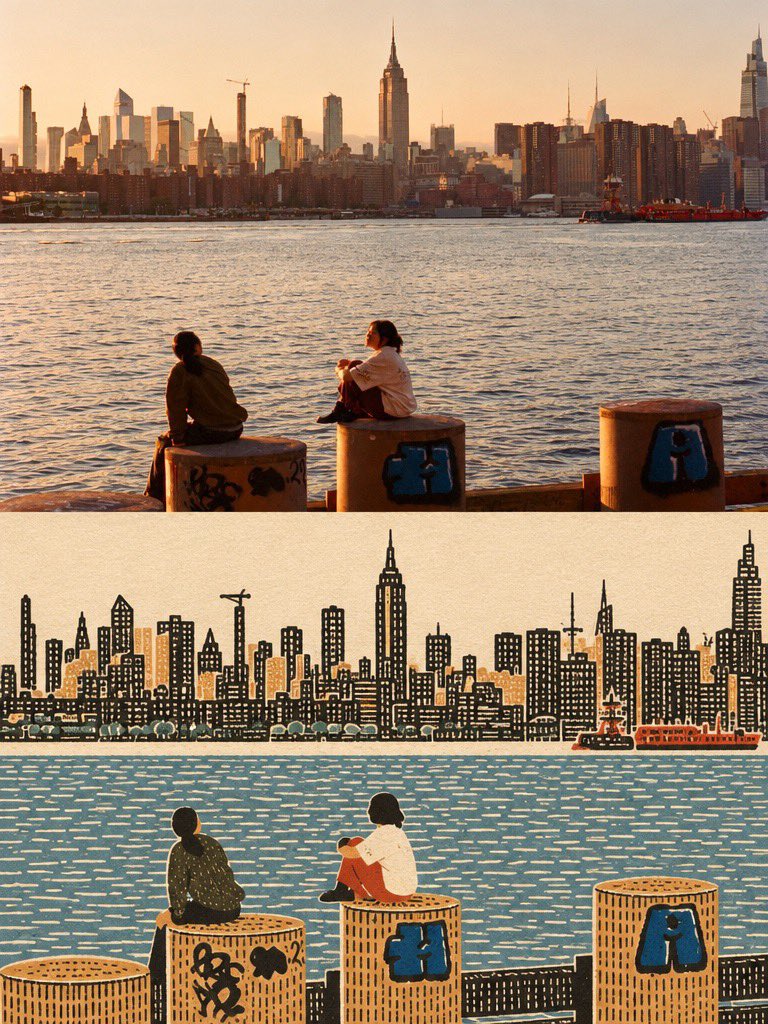
Create one vertically stacked before-and-after comparison using the supplied image as the only source. LAYOUT:Exactly two equal-height panels: original image on top, transformed image on bottom. Both panels have the source image's aspect ratio and identical width. The complete canvas is twice the source image's height. Join the panels directly at a clean horizontal seam. No thick divider, extra panel, decorative frame, labels, or added text. TOP PANEL — ORIGINAL:Place the supplied image unchanged in the upper half. Preserve its full composition, original colors, lighting, details, existing text, and crop. Do not redraw, retouch, stylize, or apply texture to this panel. BOTTOM PANEL — OUTSIDER ART:Redraw the same scene as a flat, densely textured naïve folk-art print. Preserve the main subject, recognizable silhouettes, relative positions, important objects, and overall composition. Do not invent additional subjects or props. Flatten the ground into map-like color zones, with people, trees, buildings, and objects shown in simple frontal or side elevation. Remove converging perspective, photographic depth, directional lighting, and cast shadows.Use warm paper white, warm ink black, and two to four subdued colors derived from the source. Choose one existing object or connected detail as the only saturated accent. Give each large zone one consistent handmade texture: stitch marks, irregular window grids, or dense foliage marks. Keep the texture dense, rhythmic, and slightly imperfect. Where people appear, use small, solid, faceless figures with filled clothing and limbs of visible width. Render every surface as opaque printed ink on matte paper, with no photographic remnants.Keep all illustration, paper texture, and color changes strictly inside the lower panel. No gradients, glossy vector finish, watercolor, stick figures, cute cartoon proportions, invented lettering, or watermark.
Details
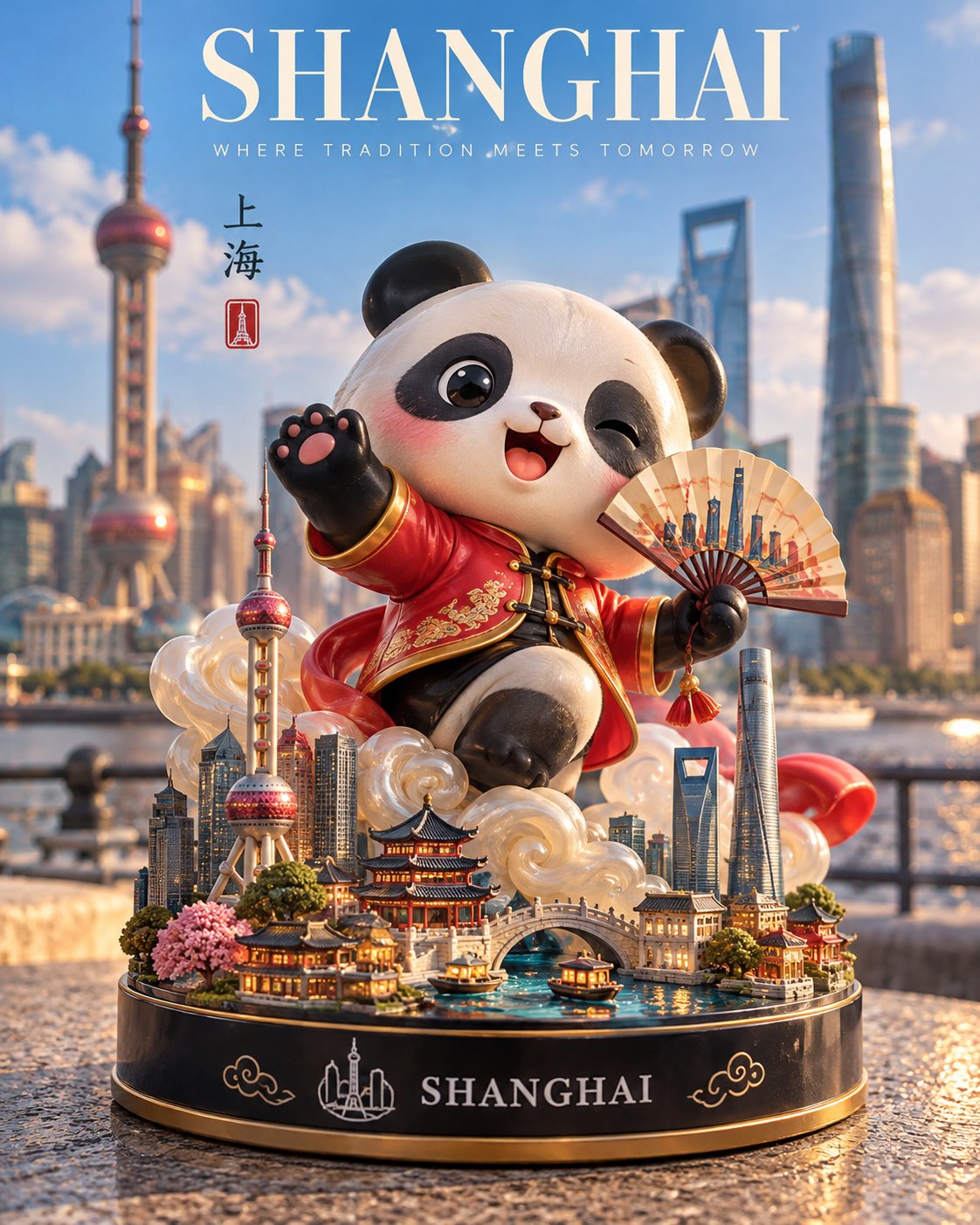
Create a premium 4:5 vertical 3D designer-toy collectible inspired by [COUNTRY / CITY / DESTINATION] — AI image prompt — GPT Image 2.5
OpenAIGPT Image 2.5
Create a premium 4:5 vertical 3D designer-toy collectible inspired by [COUNTRY / CITY / DESTINATION]. CHARACTER: Transform the destination’s most iconic symbol, mascot, or landmark into a cute, stylized vinyl figurine. Give it distinctive local features, a playful pose, an expressive face, and a smooth glossy finish. Add a signature sculptural effect inspired by the location, such as flowing water, swirling clouds, sparkling energy, or another culturally relevant element. DISPLAY BASE: Place the figurine on a polished circular base featuring miniature versions of the destination’s most recognizable landmarks, tiny trees, and carefully sculpted local details. Add “[DESTINATION]” in clean white lettering on the front, accompanied by a simple emblem inspired by the location. SETTING: Photograph the collectible outdoors in an authentic, recognizable location, with the real landmark or cityscape softly blurred in the background. Include a tasteful promotional banner reading “[DESTINATION SLOGAN]” and place the toy on a natural surface that complements the setting. LIGHTING & MATERIALS: Bright natural daylight, soft realistic shadows, detailed reflections, polished vinyl, tactile sculpted surfaces, and crisp miniature craftsmanship. STYLE: High-end designer-toy photography meets premium travel-souvenir advertising. Vibrant, joyful, imaginative, and professionally art-directed. Automatically select a fitting character design, signature effect, miniature landmarks, emblem, and background based on the destination. Avoid generic characters, inaccurate landmarks, clutter, people in focus, excessive text, watermarks, and logos. FORMAT: Strict 4:5 vertical composition.
Details
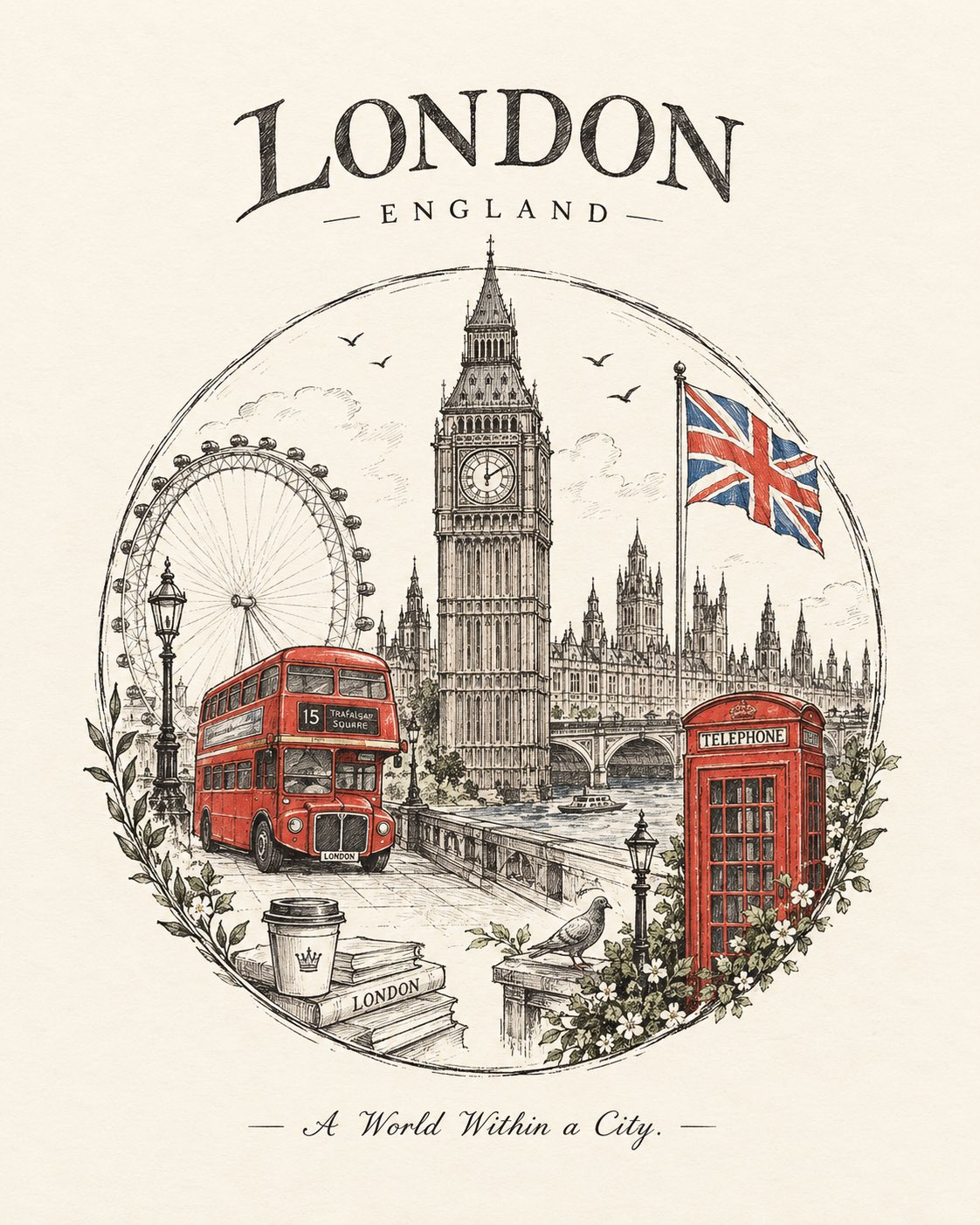
Create a beautiful, vintage-inspired hand-drawn illustration titled “[CITY / COUNTRY / LANDMARK]”, d — AI image prompt — GPT Image 2.5
OpenAIGPT Image 2.5
Create a beautiful, vintage-inspired hand-drawn illustration titled “[CITY / COUNTRY / LANDMARK]”, designed as a circular travel emblem on a clean, warm-white background. Composition: Draw one large, slightly imperfect circle using loose black ink strokes. Inside the circle, create an artistic miniature world representing [CITY / COUNTRY / LANDMARK], combining its most iconic architecture, cultural symbols, local transportation, and recognizable everyday details into one harmonious composition. Include 3–5 recognizable elements, arranged naturally with overlapping architectural sketches, delicate perspective lines, tiny flying birds, and subtle decorative foliage. Art style: Handmade pen-and-ink illustration, vintage travel journal, rough architectural sketching, fine cross-hatching, imperfect outlines, and an authentic artist-drawn appearance. Color palette: Keep most of the illustration in black, white, and soft graphite grey. Selectively fill only a few signature elements with the destination's most recognizable colors, creating beautiful pops of color against the monochrome sketches. Typography: Place the destination's name above the circle in beautiful, distinctive lettering that complements its cultural identity. Add a small, elegant tagline beneath the illustration. Keep the composition minimal, balanced, and sophisticated, with generous empty space around the artwork. Every object should feel intentionally placed, like a collectible piece of handmade travel art. Important: No photorealism, no 3D, no gradients, no busy backgrounds, no excessive colors, and no unnecessary text. Preserve the charm of imperfect hand-drawn lines. Aspect ratio: 4:5, portrait format, high-quality editorial illustration.
Details
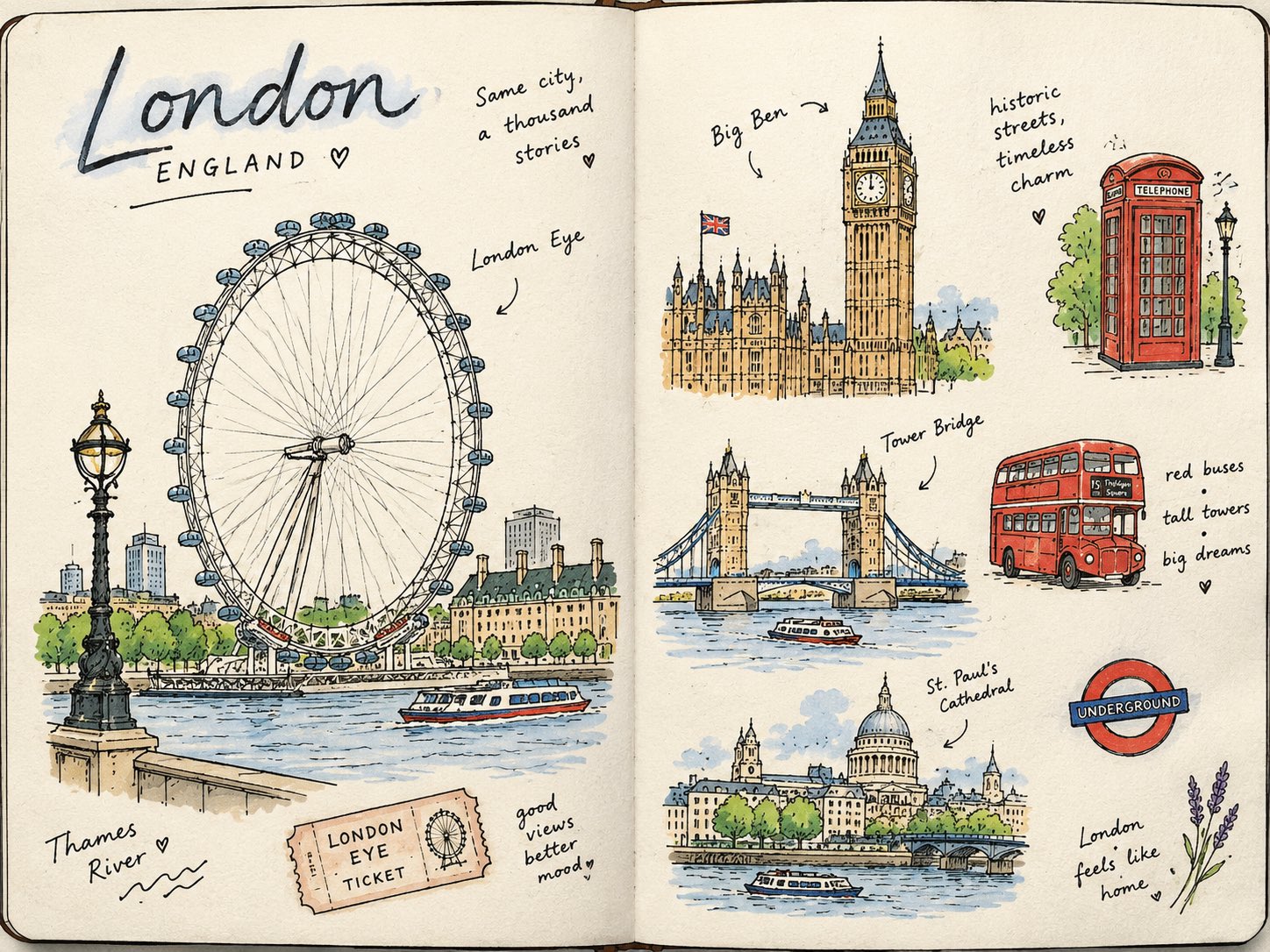
Create a beautiful, hand-drawn travel journal illustration titled “[CITY, COUNTRY]”, featuring the i — AI image prompt — GPT Image 2.5
OpenAIGPT Image 2.5
Create a beautiful, hand-drawn travel journal illustration titled “[CITY, COUNTRY]”, featuring the iconic landmarks, architecture, and everyday charm of [CITY / COUNTRY / LANDMARK]. Art Style: A spontaneous travel sketchbook illustration drawn with fine black ink outlines, loose imperfect pen strokes, and soft watercolor or colored-pencil accents. The artwork should feel like a real artist’s personal travel diary—playful, imperfect, artistic, and full of character. Use a clean, warm-white sketchbook paper background with subtle paper texture. Composition: Create an open sketchbook spread featuring one large, detailed drawing of the most recognizable landmark on the left page, accompanied by several smaller illustrated scenes on the right page. Include additional local attractions, historic buildings, city squares, waterfronts, charming streets, bridges, gardens, or famous monuments associated with the location. Landmark Accuracy: Keep the main landmark recognizable and architecturally accurate, preserving its authentic shape, proportions, structure, and distinctive details. Surround it with smaller sketches that capture the personality and atmosphere of the destination. Artistic Details: Add tiny handwritten labels naming the landmarks, short location notes, little arrows, dotted lines, ticket-stub illustrations, miniature transportation, local trees, and charming everyday details. Let the handwriting look natural and slightly imperfect, as if an artist made these notes while exploring the city. Color Palette: Use a restrained combination of sky blue, muted green, warm yellow, soft terracotta, and subtle grey, with black ink defining the drawings. Leave generous areas of untouched white paper. Mood: Nostalgic, curious, peaceful, creative, and travel-inspired. The illustration should evoke the feeling of discovering a beautiful city and collecting memories in a personal sketchbook. Typography: Add the destination’s name in beautiful, artistic handwritten lettering, along with a small subtitle such as “A JOURNEY THROUGH [CITY]” or “[COUNTRY] TRAVEL NOTES.” Keep the typography integrated naturally into the sketchbook. Final Result: A charming, editorial-quality illustrated travel journal spread with a large hero landmark and multiple smaller location sketches. Authentic hand-drawn imperfections, expressive ink lines, delicate watercolor accents, an organic layout, and a timeless travel-sketch aesthetic. No photorealism, no 3D rendering, no glossy digital effects, and no overly polished vector graphics. Destination: [CITY, COUNTRY] Main Landmark: [FAMOUS LANDMARK] Additional Landmarks: [2–4 OTHER LOCAL ATTRACTIONS]
Details
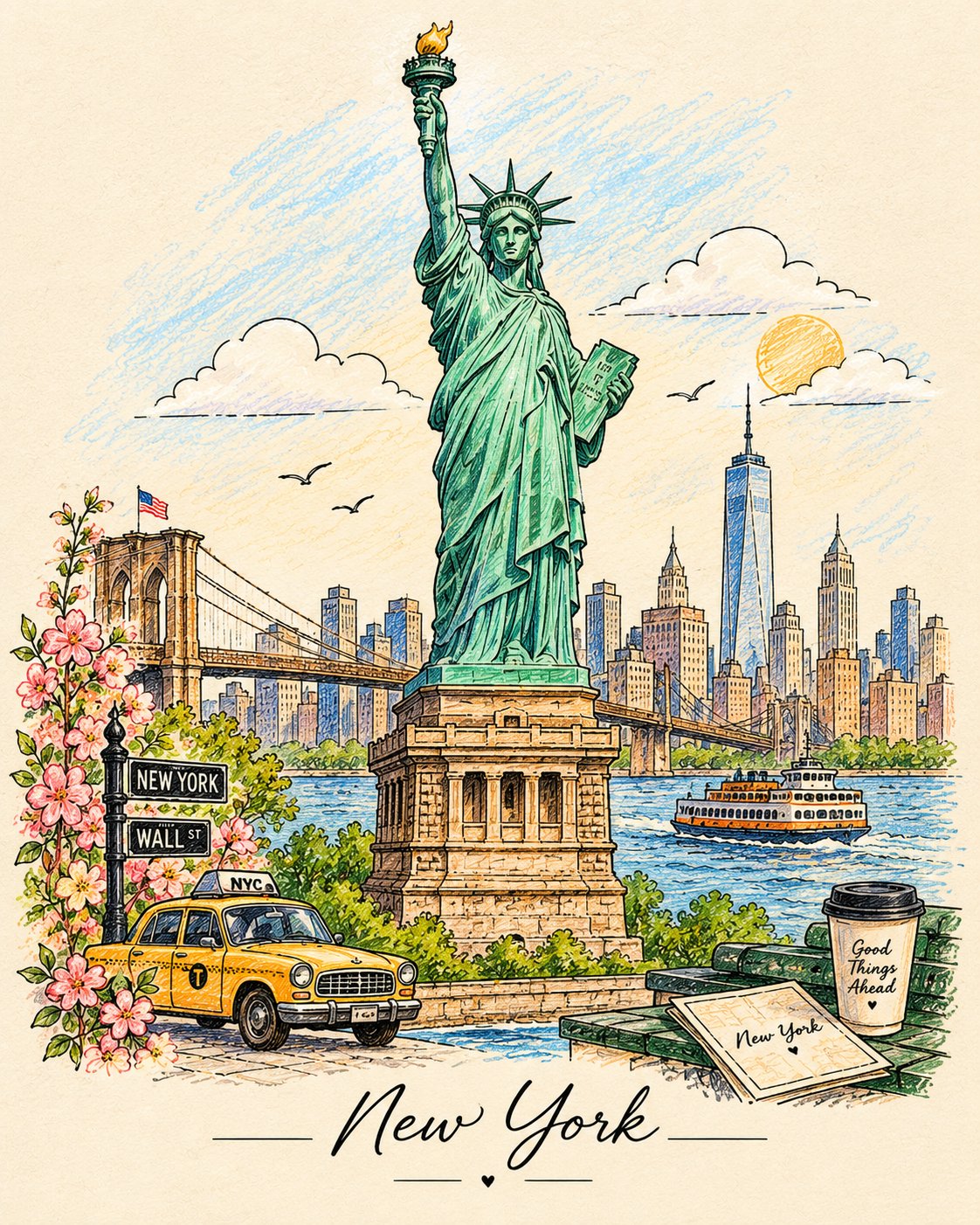
Create a beautiful, vintage-inspired hand-drawn illustration of [COUNTRY / CITY / LANDMARK], designe — AI image prompt — GPT Image 2.5
OpenAIGPT Image 2.5
Create a beautiful, vintage-inspired hand-drawn illustration of [COUNTRY / CITY / LANDMARK], designed as an elegant travel coloring-book artwork on a warm ivory background. Transform the destination into a charming miniature world using delicate black ink outlines, intricate architectural details, and a sophisticated minimalist composition. Include its most iconic landmarks, majestic mountains, traditional buildings, local transportation, cultural objects, and recognizable elements of everyday life, all blending naturally into one harmonious scene. ✨ Artistic details: Landmarks: Feature the most recognizable architecture of the destination as the centerpiece. Nature: Add mountains, flowing rivers, rolling hills, clouds, tiny trees, and delicate leaves inspired by the local landscape. Cultural elements: Include traditional objects, local boats, pottery, lanterns, teapots, or other meaningful cultural details. Line art: Use clean, delicate black outlines with varied line thickness, intricate patterns, and beautiful hand-drawn imperfections. Color accents: Keep most of the illustration in elegant black-and-white line art, but fill selected elements with gorgeous colors—soft teal water, sage-green trees, warm terracotta rooftops, golden sunlight, and subtle pastel accents. Composition: Arrange the elements in layered horizontal sections, creating depth without making the artwork look crowded. Background: Use a clean, warm ivory paper texture with plenty of negative space. Atmosphere: Peaceful, nostalgic, artistic, and full of cultural charm, like a page from a premium vintage travel sketchbook. Typography: Write the destination's name in elegant, hand-lettered typography at the bottom, with a tiny decorative flourish. Style: Vintage travel illustration, architectural line drawing, minimalist coloring-book aesthetic, selective watercolor fills, fine black ink, handmade sketchbook texture, sophisticated editorial design. Aspect ratio: 4:5 vertical composition. Ultra-detailed, crisp outlines, balanced layout, beautiful and instantly recognizable destination.
Details
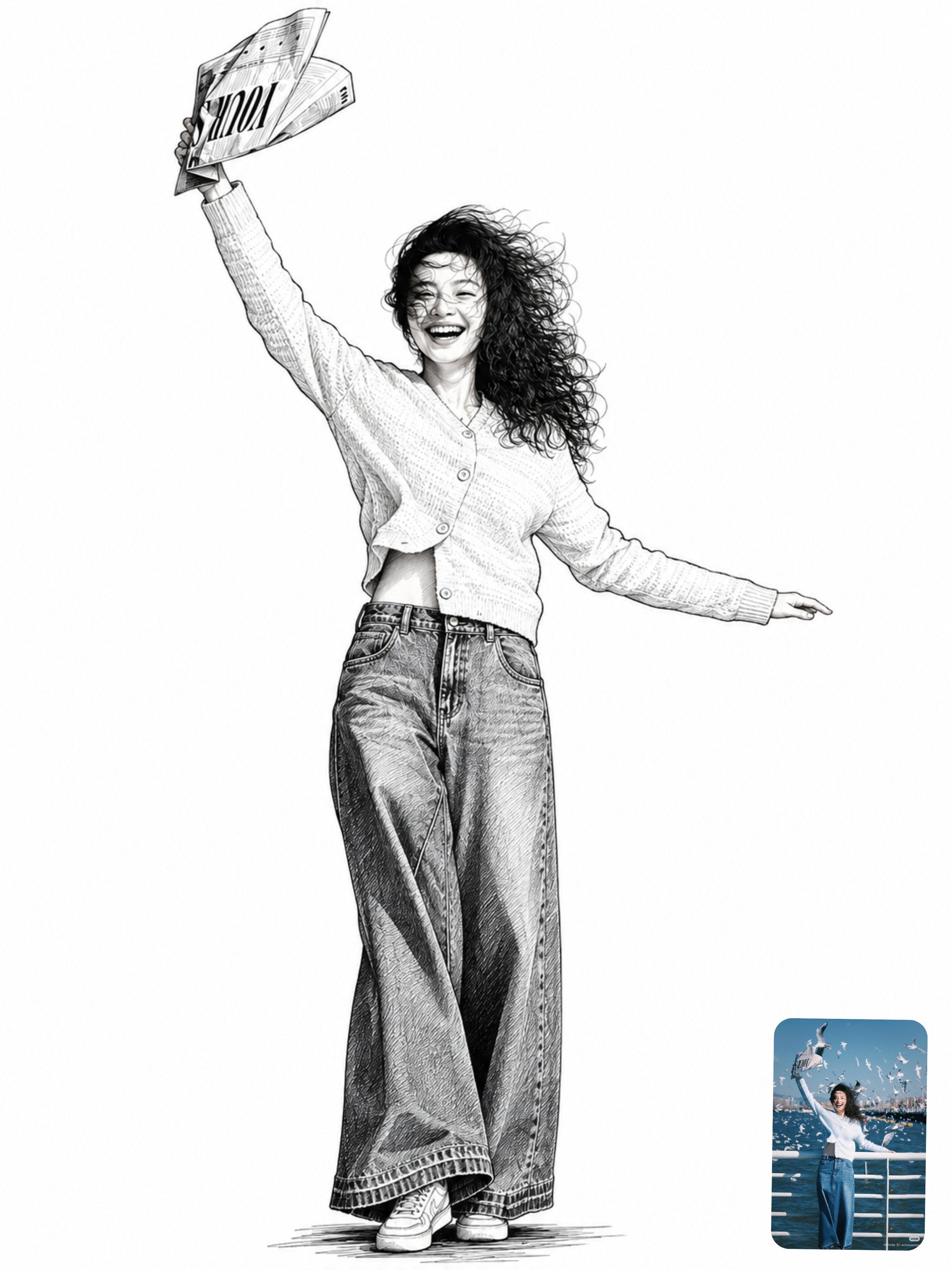
Convert this photo into a detailed black-and-white ink illustration of the subject on a plain white  — AI image prompt — GPT Image 2.5
OpenAIGPT Image 2.5
Convert this photo into a detailed black-and-white ink illustration of the subject on a plain white background, 3:4 vertical. Redraw the person or people as a hand-inked line drawing — clean confident pen lines, varying line weight, no color anywhere. Keep them full-body and centered, at the same pose, body angle and expression as the photo, with generous white space around them. Keep the likeness. Faces must stay clearly recognizable as the same individuals: same face shape, eyes, nose, mouth, eyebrows, facial hair, hairstyle and glasses. Draw faces with lighter, finer, more restrained linework than the rest of the drawing — just enough line to describe the features, no heavy shading on the skin, no harsh outlines across the face. Describe form with line, not gray tone. Use clean contour lines for edges, and fine parallel hatching only where a fold, shadow or texture needs it. Render dark clothing and dark objects as bold solid black fills, and light clothing as white with only its seams, folds, pleats and stitching drawn in. The contrast between solid black garments and open white ones is what gives the drawing its punch. Keep every detail of the outfit and anything held or carried: patterns and prints on fabric, batik or lace texture, stripes, bag straps, watches, jewelry, earphone cables, shoes with their laces and soles. If the clothing has a printed graphic or logo, redraw that artwork as line illustration inside the garment rather than leaving it blank. If the subject is seated on or using an object — a chair, a bicycle, a pedicab — draw that object in full detail too, including spokes, frames and mechanical parts. Delete the entire background. Pure white, empty, with nothing drawn behind the subject. The only grounding is a loose scribble of short horizontal pen strokes forming a soft shadow directly beneath the feet or wheels, fading out at the edges. The finish should look like a skilled artist's ink portrait — crisp, graphic and confident, with clean edges and no smudging. Avoid: color, gray airbrushed shading, soft gradients, pencil smudging, a photographic or partly photographic subject, a changed face or identity, a generic or idealized face, a cartoon or anime style, chibi proportions, heavy outlines across facial features, a background of any kind, scenery, buildings, a frame or border, cropped limbs, altered pose, altered clothing, missing printed graphics, text, signature, watermark.
Details
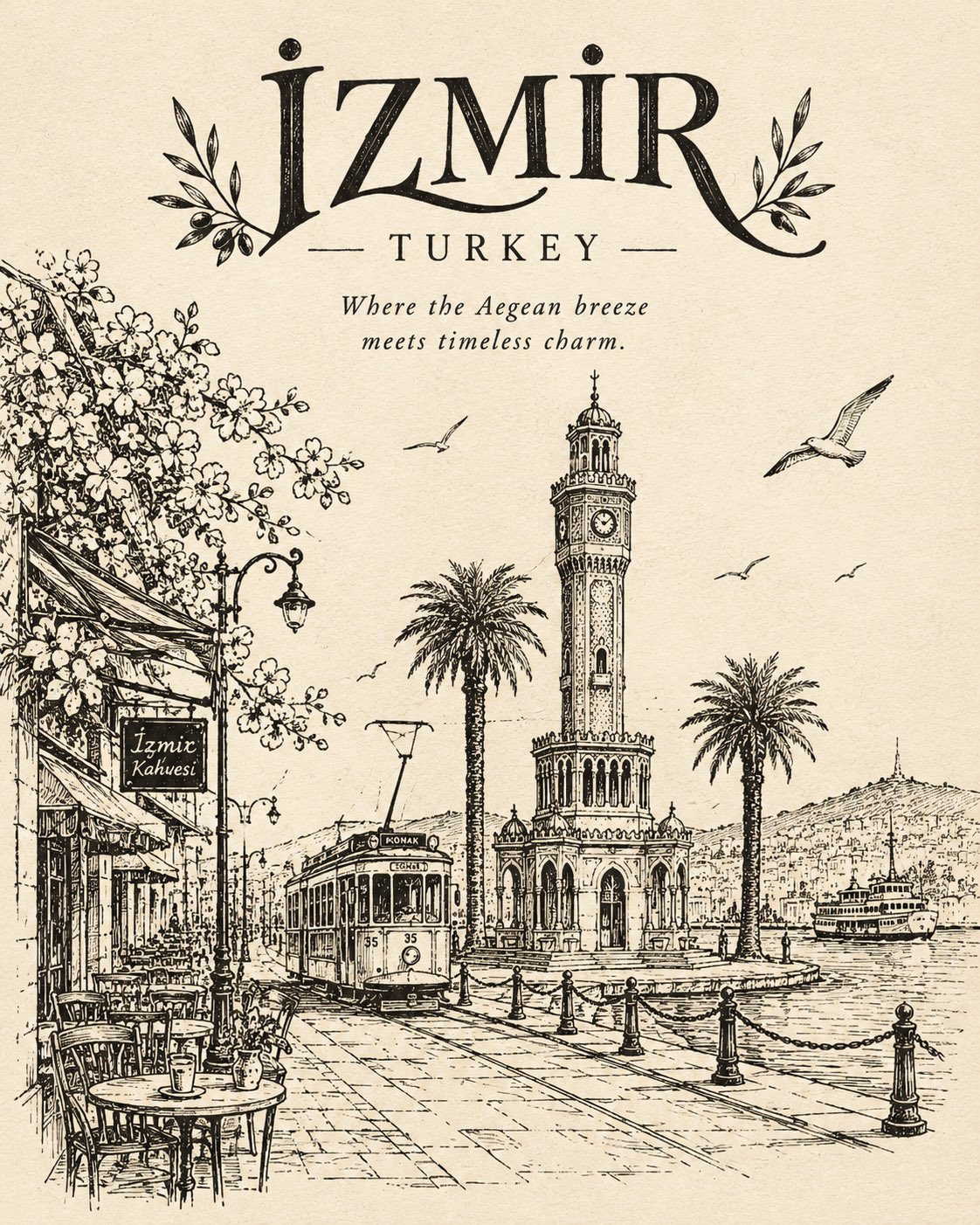
Create a beautiful, vintage-inspired hand-drawn architectural illustration of [LANDMARK], [CITY], [C — AI image prompt — GPT Image 2.5
OpenAIGPT Image 2.5
Create a beautiful, vintage-inspired hand-drawn architectural illustration of [LANDMARK], [CITY], [COUNTRY], inspired by the charm of old travel sketchbooks and traditional pen-and-ink drawings. Composition: Feature the most iconic landmark of [CITY] as the main subject, surrounded by authentic local architecture, historic buildings, charming streets, traditional transportation, vintage street signs, overhead wires, and small cultural details that make the place instantly recognizable. Include a tram, bicycle, old car, or other local transportation where appropriate. Art Style: Use delicate black ink linework, expressive hand-drawn strokes, intricate architectural details, fine cross-hatching, imperfect outlines, and an unfinished sketchbook aesthetic. Keep the illustration predominantly monochrome on a clean, warm ivory-white background. Preserve the landmark’s authentic architecture, proportions, and recognizable features. Typography & Title Design: Make the name of the place the visual highlight of the composition. Add [CITY, COUNTRY] in a beautiful, eye-catching vintage editorial font, such as elegant retro serif lettering, artistic hand-lettered calligraphy, or bold old-world typography. Give the lettering a distinctive personality, with graceful curves, carefully spaced characters, and a timeless travel-poster aesthetic. Position the title harmoniously at the top or bottom of the illustration, ensuring it is clearly readable and beautifully integrated into the artwork. Make the city name prominent and the country name slightly smaller beneath it. Add subtle decorative flourishes, delicate ink ornaments, or thin vintage borders around the typography. The lettering should feel like a carefully designed title on a collectible travel poster, not ordinary computer text. Historical Tagline: Beneath the place name, include a short, poetic line that reflects the destination’s history and character, such as: “Every street remembers. Every stone tells a story.” Generate a suitable, location-specific tagline for each destination. Overall Atmosphere: Nostalgic, artistic, authentic, culturally rich, elegant, and timeless. The result should resemble an original illustration from a vintage travel journal, beautifully transformed into a collectible art print. Color Palette: Primarily black ink on warm ivory paper, with subtle natural paper texture. Keep the composition minimal, airy, and sophisticated. Avoid: Photorealism, 3D rendering, glossy digital effects, excessive colors, generic architecture, cluttered composition, and plain or poorly rendered typography. Format: 4:5 portrait composition, high-resolution illustration, balanced negative space, professional editorial layout. Replace these details for every new artwork: Landmark: [LANDMARK] City: [CITY] Country: [COUNTRY] The final result should feel like a beautiful vintage illustration with a memorable title—an artwork people would want to save, frame, and collect.
Details
Browse all GPT Image 2.5 promptsExplore AI Image Prompts