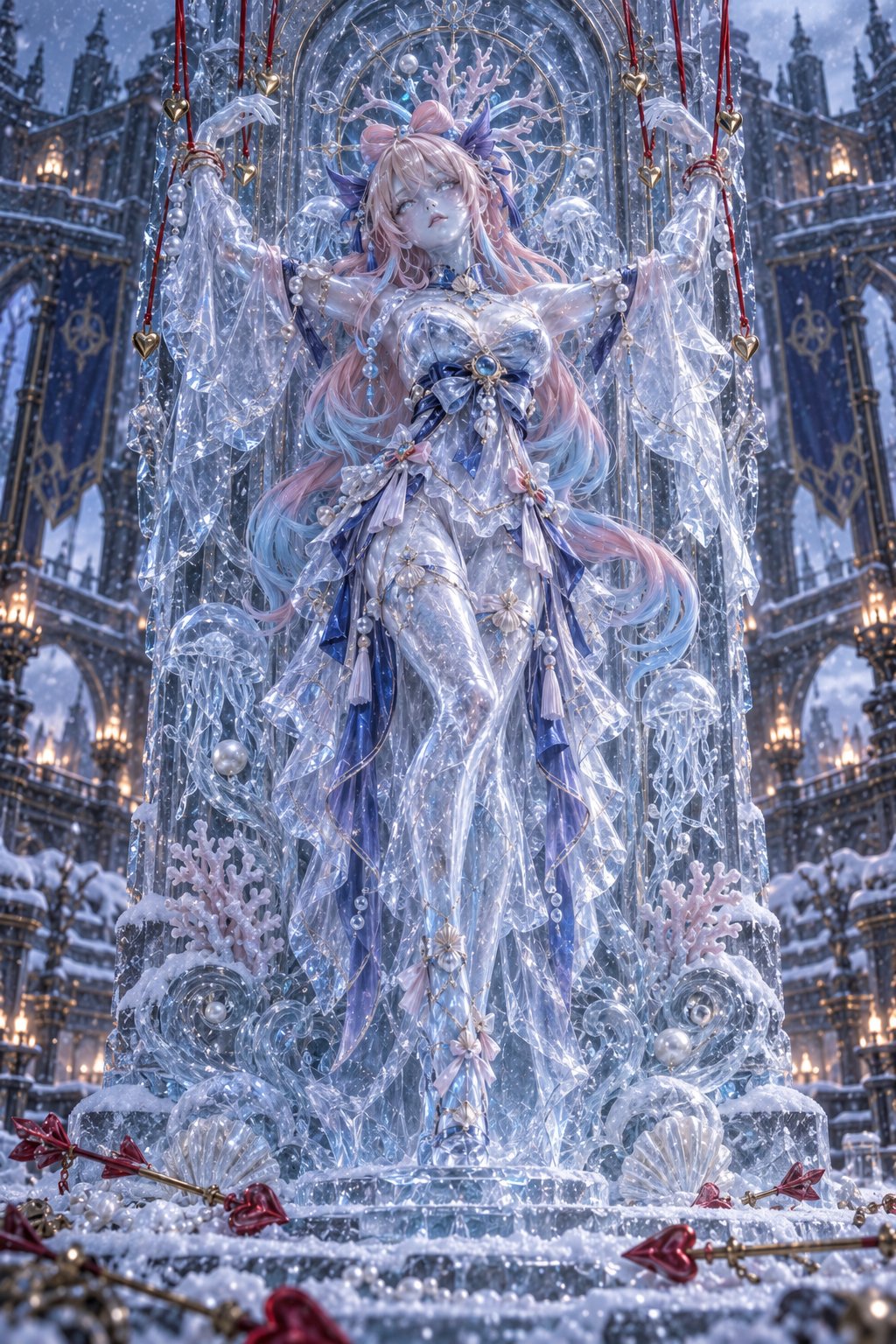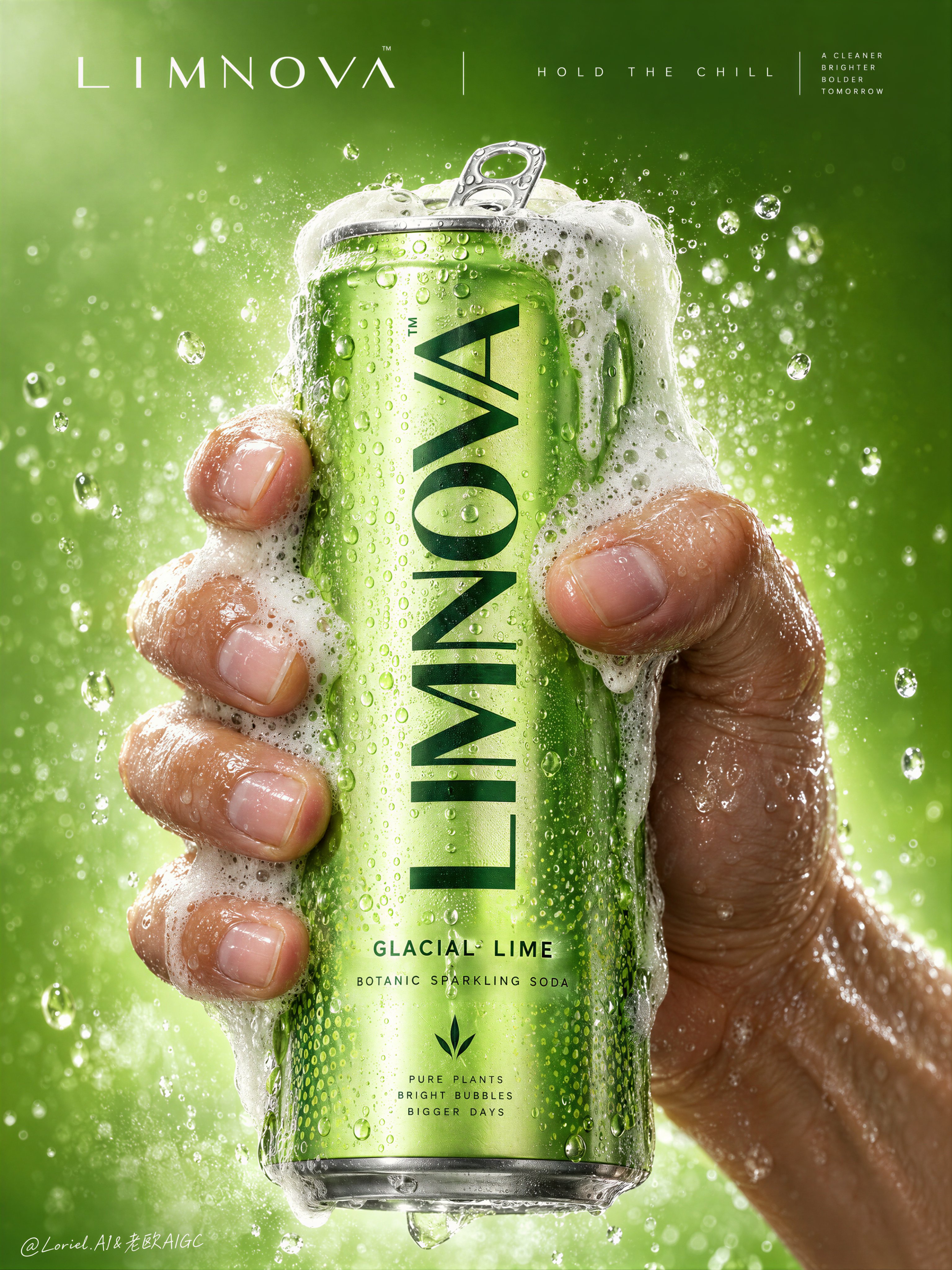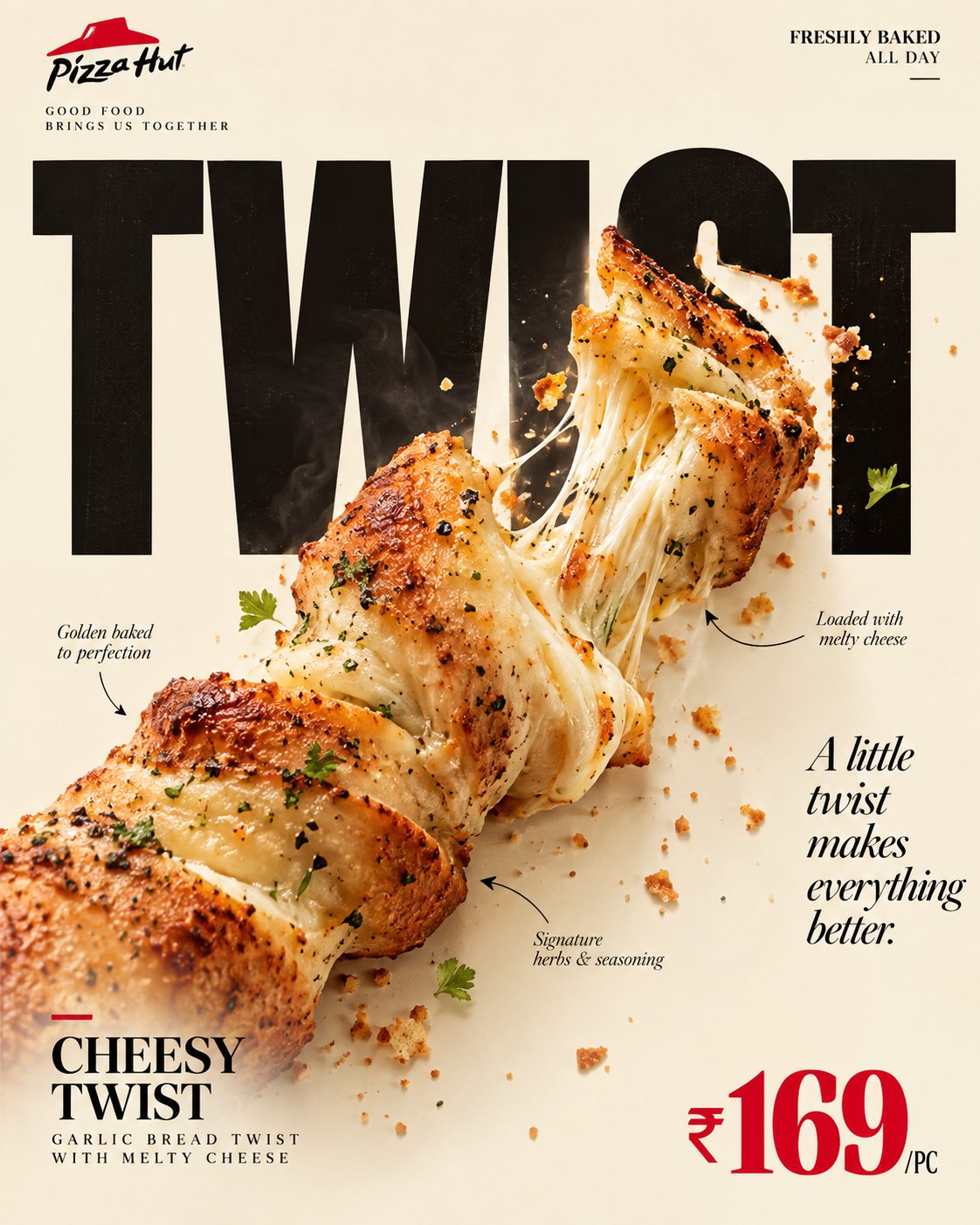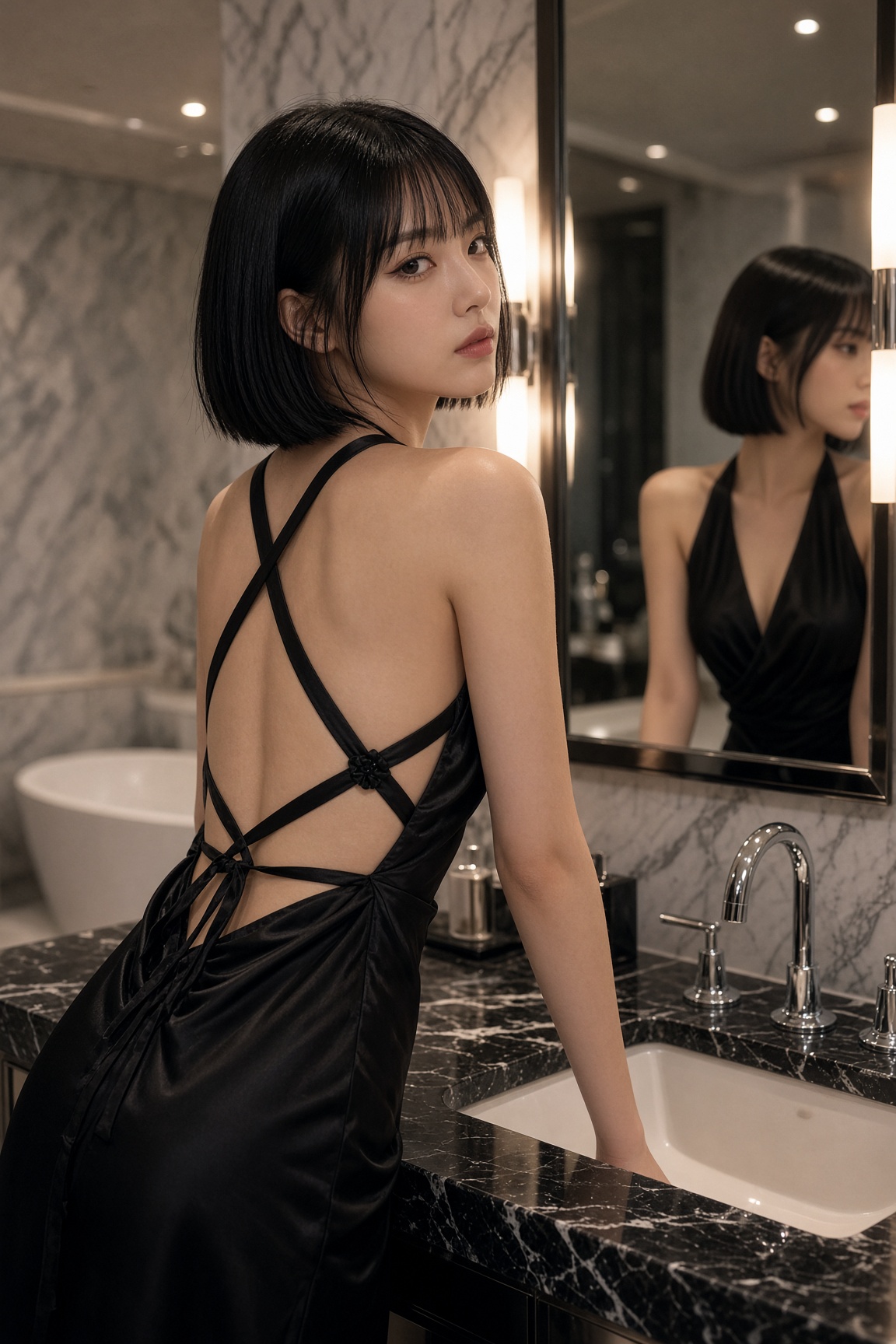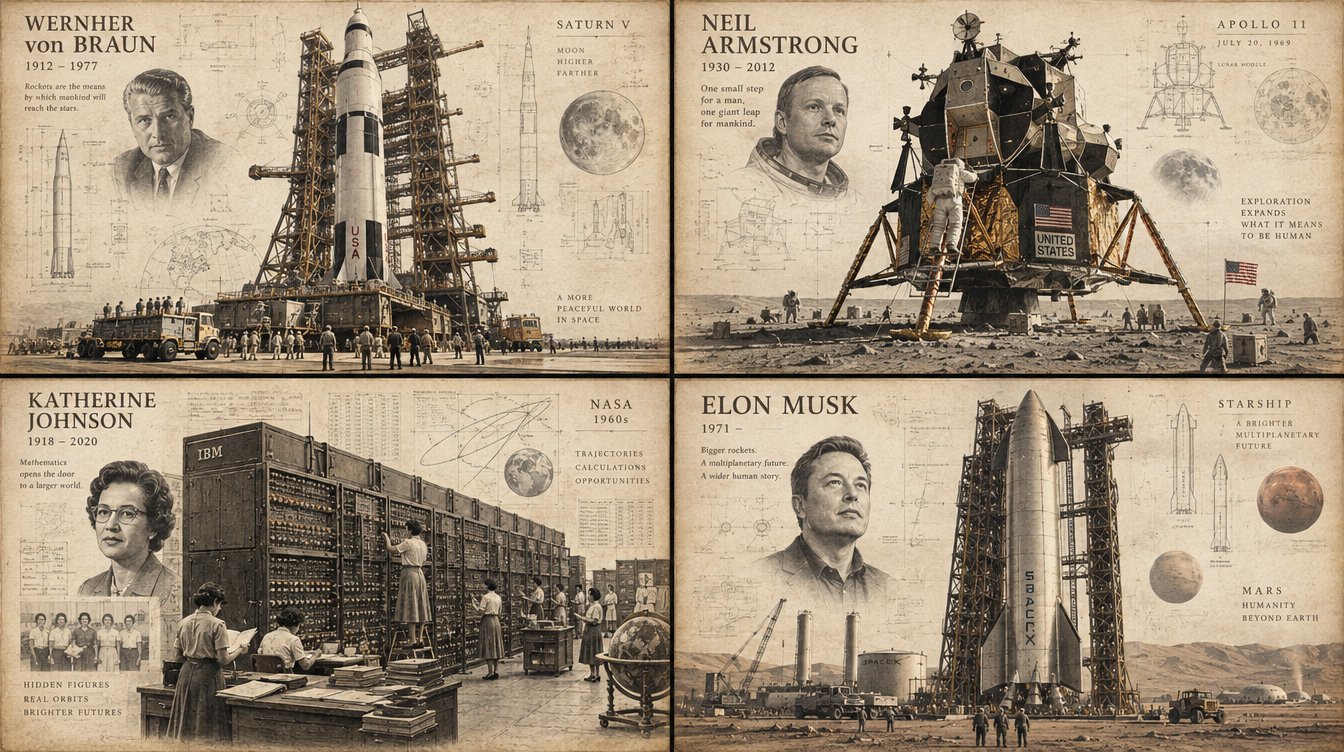
Archival Aerospace Engineers Documentary Poster
 GPT Image 2.5OpenAIimage
do this for 4 famous aerospace engineers: INPUT: $ SUBJECT Create a cinematic historical-documentary poster about $ SUBJECT. The central idea: take ONE physical object, structure, ruin, machine, artifact, vehicle, landscape feature, or architectural fragment that can embody the subject, then monumentalize it as the dominant centerpiece. AI must first analyze $ SUBJECT and infer: EVENT_OR_THEME DATE_OR_PERIOD CORE_RELIC LOCATION PEOPLE_INVOLVED SECONDARY_OBJECTS ARCHITECTURE SYMBOLS CONTEXTUAL_DETAILS OPTIONAL_SHORT_QUOTE DIAGRAM_ELEMENTS CORE_RELIC must be the strongest physical metaphor for $ SUBJECT. Examples: revolution → fortress / barricade / broken gate space exploration → helmet / lander / spacecraft political division → wall / checkpoint industrial disaster → damaged machine / structure scientific discovery → apparatus / specimen war → fortification / vehicle / ruined structure social movement → sign / monument / public structure ──────────────────────────────── COMPOSITION Build the image like an archival museum reconstruction. TITLE DATE tiny technical annotations PEOPLE ↗ ↑ ↖ ┌─────────────────┐ │ │ │ MONUMENTAL │ │ CORE RELIC │ │ │ └─────────────────┘ crowds / machines / terrain faint contextual drawings The central object should occupy approximately 55–75% of the visual mass. Tiny human figures should interact with it: climb inspect build destroy repair excavate celebrate observe document transport assemble Scale contrast is essential. The relic feels enormous; people feel historically small. ──────────────────────────────── VISUAL LANGUAGE hybrid of: 19th-century documentary engraving + museum reconstruction photography + architectural blueprint + archaeological survey + historical atlas + editorial history poster The central object itself may appear highly realistic and tactile. Surrounding information is rendered more delicately: thin drafting lines measurement marks crosshairs circles grids faint maps ghost elevations technical silhouettes diagram arrows tiny captions Do NOT make this look like a modern infographic. It should feel like a recovered archival plate. ──────────────────────────────── MATERIAL Use historically appropriate physical texture: stone rust concrete steel dust wood earth fabric paper ash paint metal corrosion Show age honestly: scratches weathering fractures chips erosion oxidation dust stains ──────────────────────────────── COLOR Mostly restrained: warm ivory aged paper charcoal sepia stone gray rust brown faded black Allow ONE historically meaningful accent color when useful: flag color paint graffiti uniform symbolic marker Keep saturation low. ──────────────────────────────── BACKGROUND Warm archival drafting-paper field. Very faint: coordinate grids engineering circles topographic lines maps elevations date marks annotation blocks These elements should nearly disappear into the paper. ──────────────────────────────── TYPOGRAPHY Top-left or upper corner: THE / $ TITLE or $ TITLE Below: DATE / ERA Optional micro-copy: 2–5 short lines summarizing the historical meaning. Typography: elegant archival serif small caps museum-catalog restraint generous tracking Never use oversized contemporary display typography. ──────────────────────────────── ADAPTIVE RULE If $ SUBJECT has no obvious ruin or physical object, AI must invent the most historically credible physical metaphor rather than creating an abstract diagram. Examples: DEMOCRACY → assembly hall / ballot box / public square INTERNET → monumental server rack / cable junction RENAISSANCE → workshop / printing press / architectural fragment AI REVOLUTION → monumental computation apparatus ──────────────────────────────── FINAL FEEL historical solemn tactile museum-quality documentary monumental research-driven One dominant physical relic, many tiny human narratives, almost invisible technical drafting information, and a sense that history has been physically excavated. No cartoon styling. No glossy CGI. No generic infographic boxes. No excessive text.
Details
- Type
- AI Image Prompts
- Aspect Ratio
- 84:47
- Updated
- Oct 26, 2026
Category
How to use this prompt
- 1Copy the full prompt with the copy button above.
- 2Open GPT Image 2.5 by OpenAI, or any image generator with a similar style range.
- 3Paste the prompt, then swap the subject and style keywords to match your idea.
- 4Match the example's settings (84:47 · Historical · Poster · Cinematic), then iterate — small wording changes shift the output a lot.
Frequently asked questions
Which AI model generated this image?
This image was generated with GPT Image 2.5 by OpenAI. The prompt on this page is the exact text used to create it.
What settings does this prompt use?
The example was generated with GPT Image 2.5 using: 84:47 · Historical · Poster · Cinematic. Reusing these settings gives the closest match.
How do I get similar results?
Copy the prompt as-is first, then replace only the subject while keeping the style, lighting, and composition keywords. Generate a few variations — outputs differ between runs.
Can I modify this prompt?
Yes. Prompts work best as starting points — adjust descriptors, aspect ratio, or style tags to make the output your own.