Vintage Swiss Editorial Split Poster
 GPT Image 2.6OpenAIimage
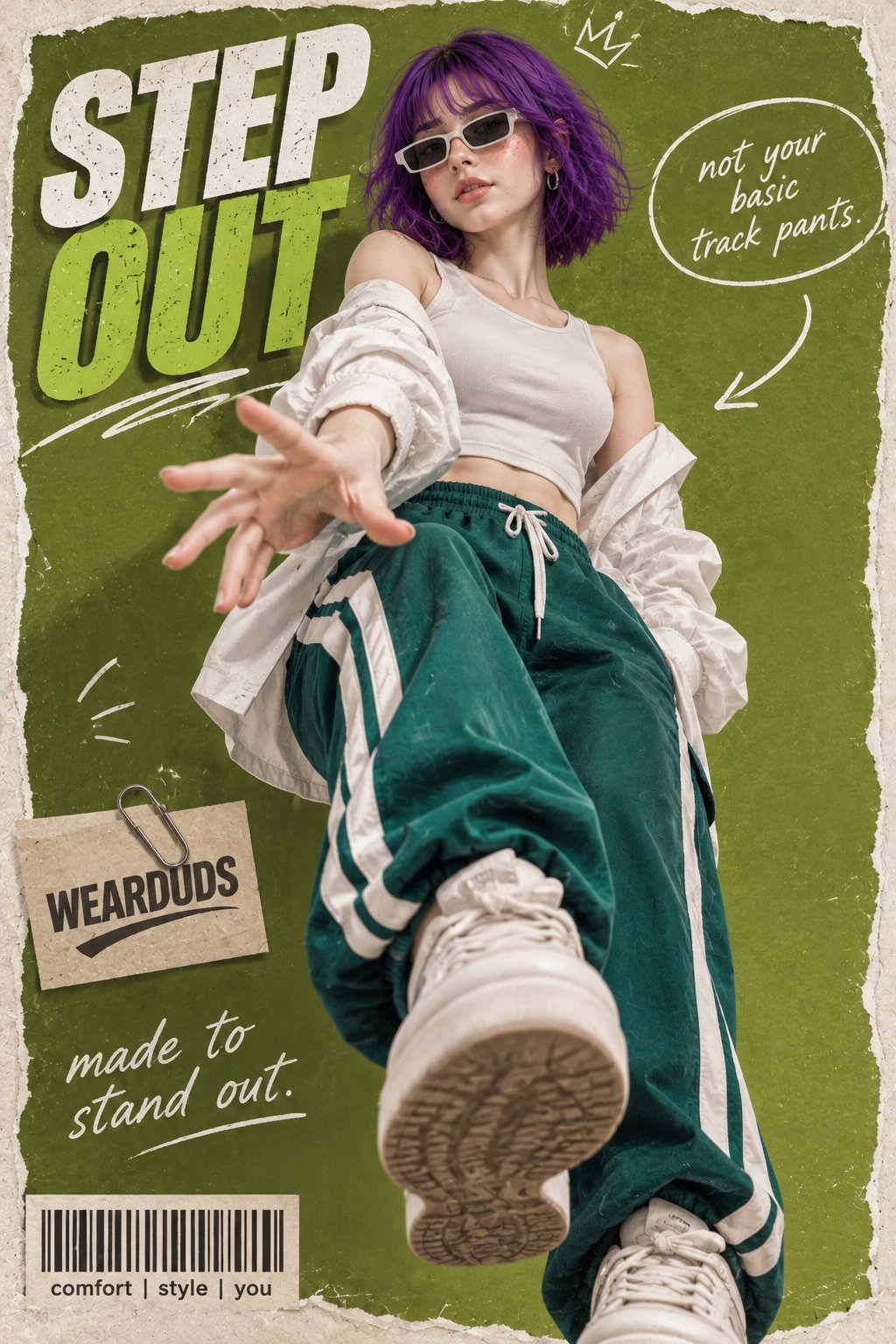
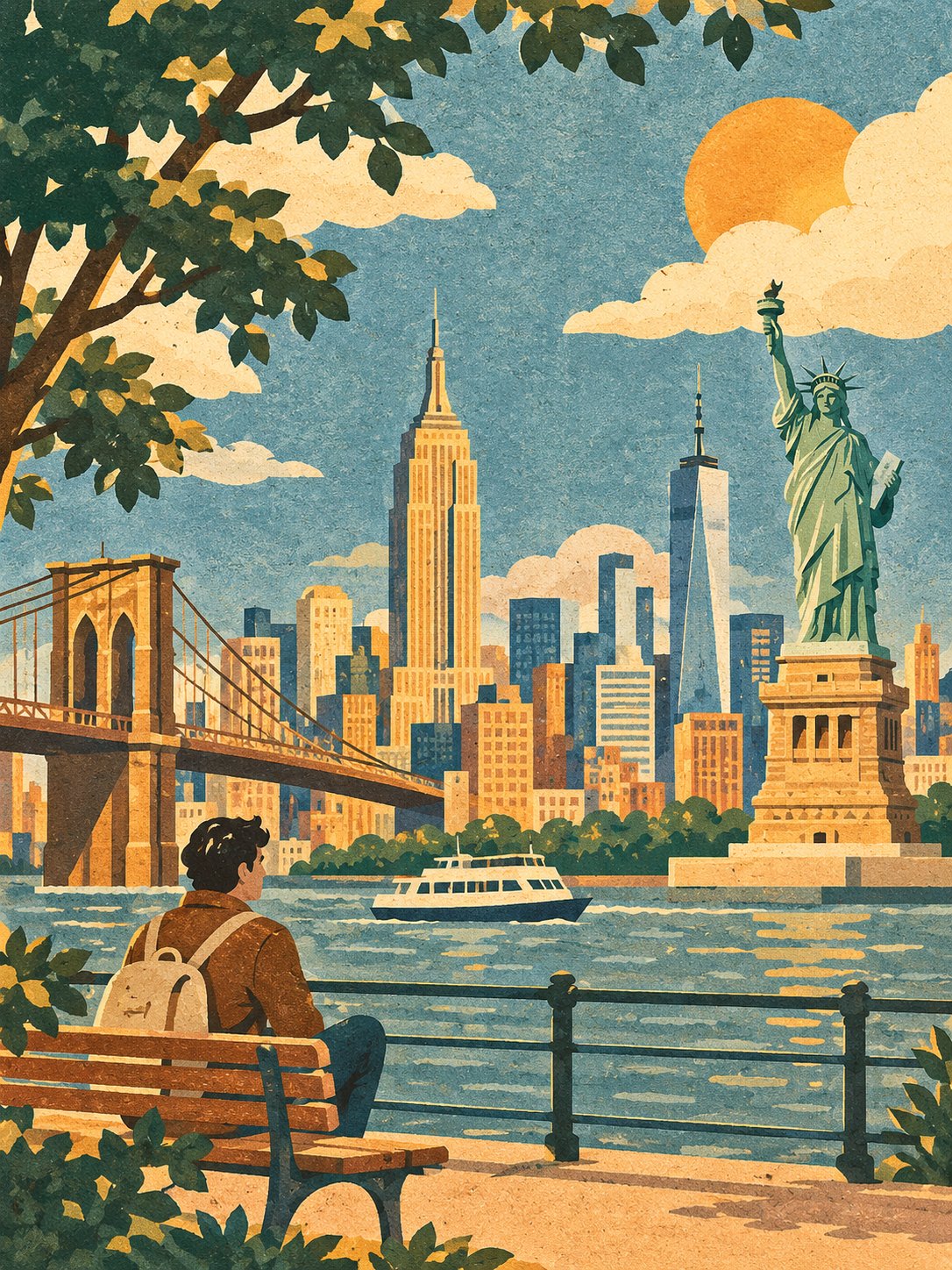
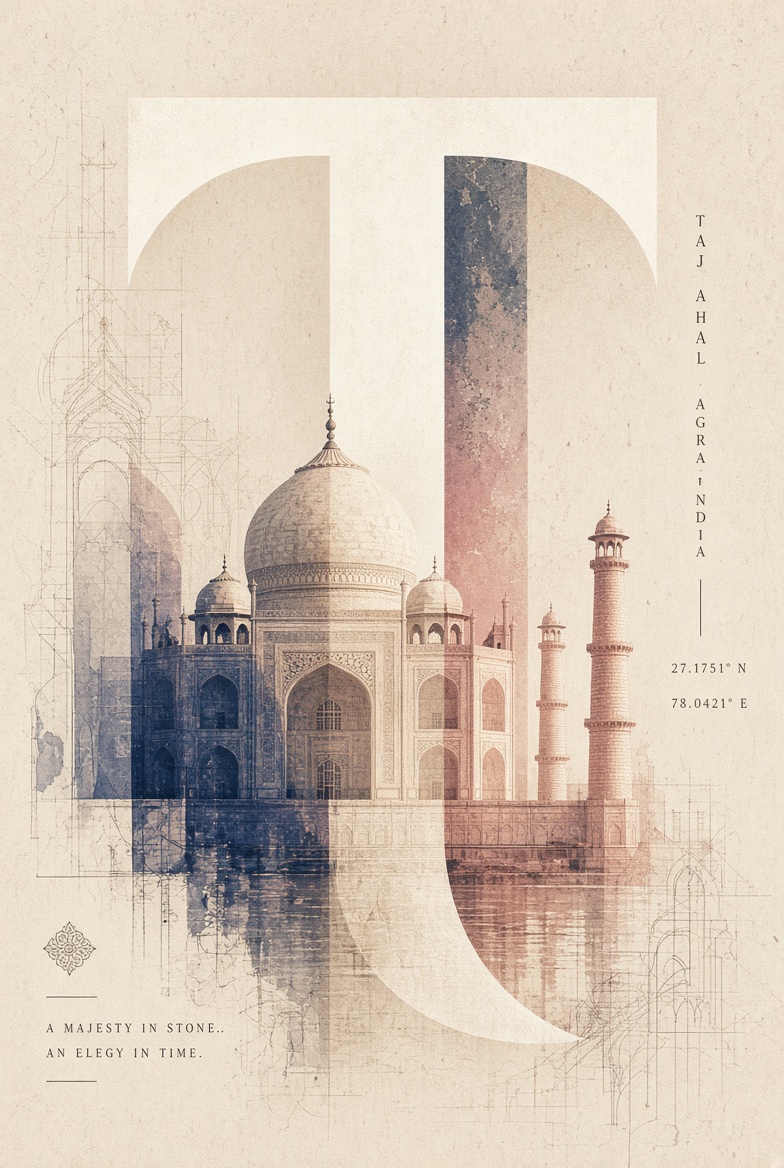
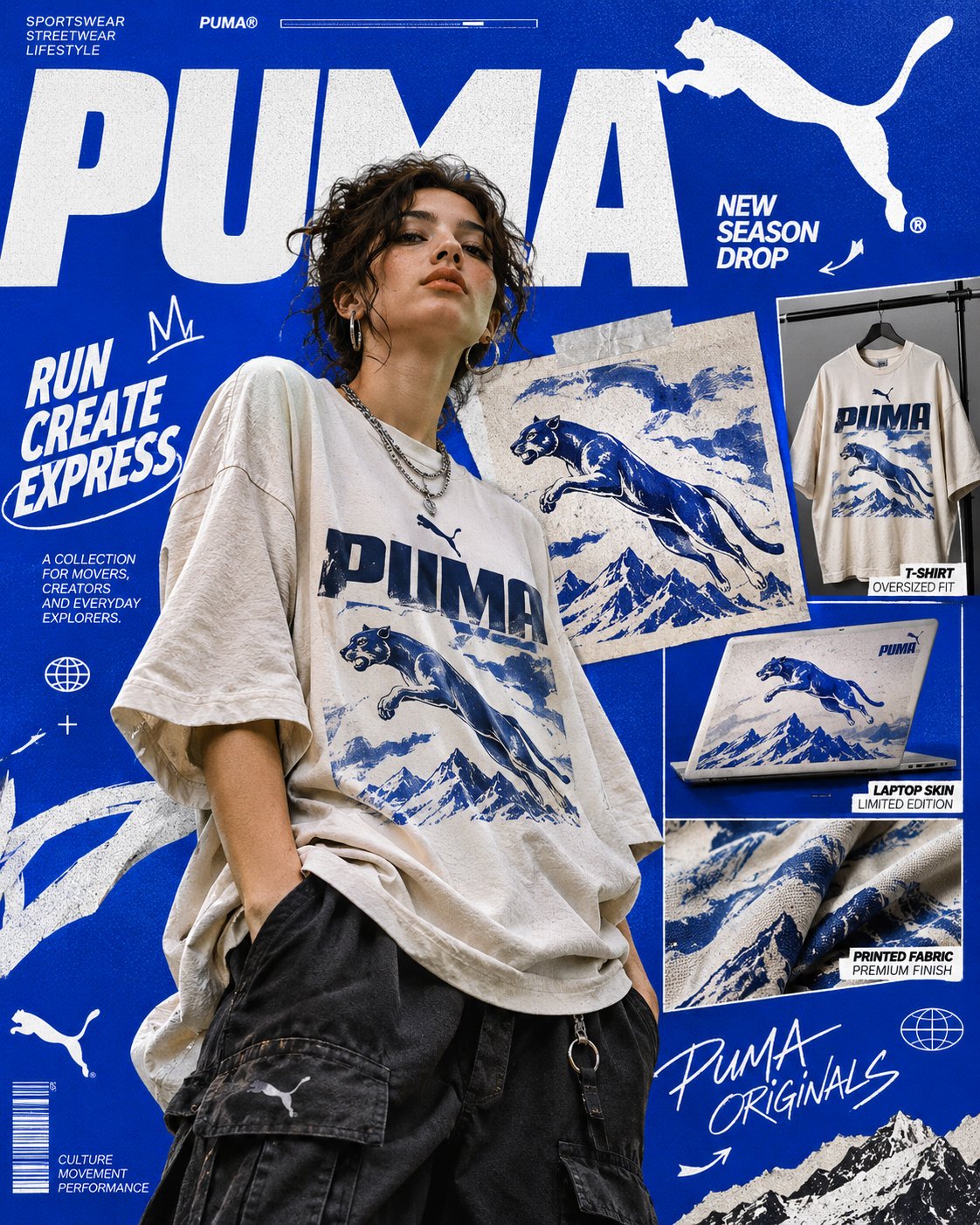
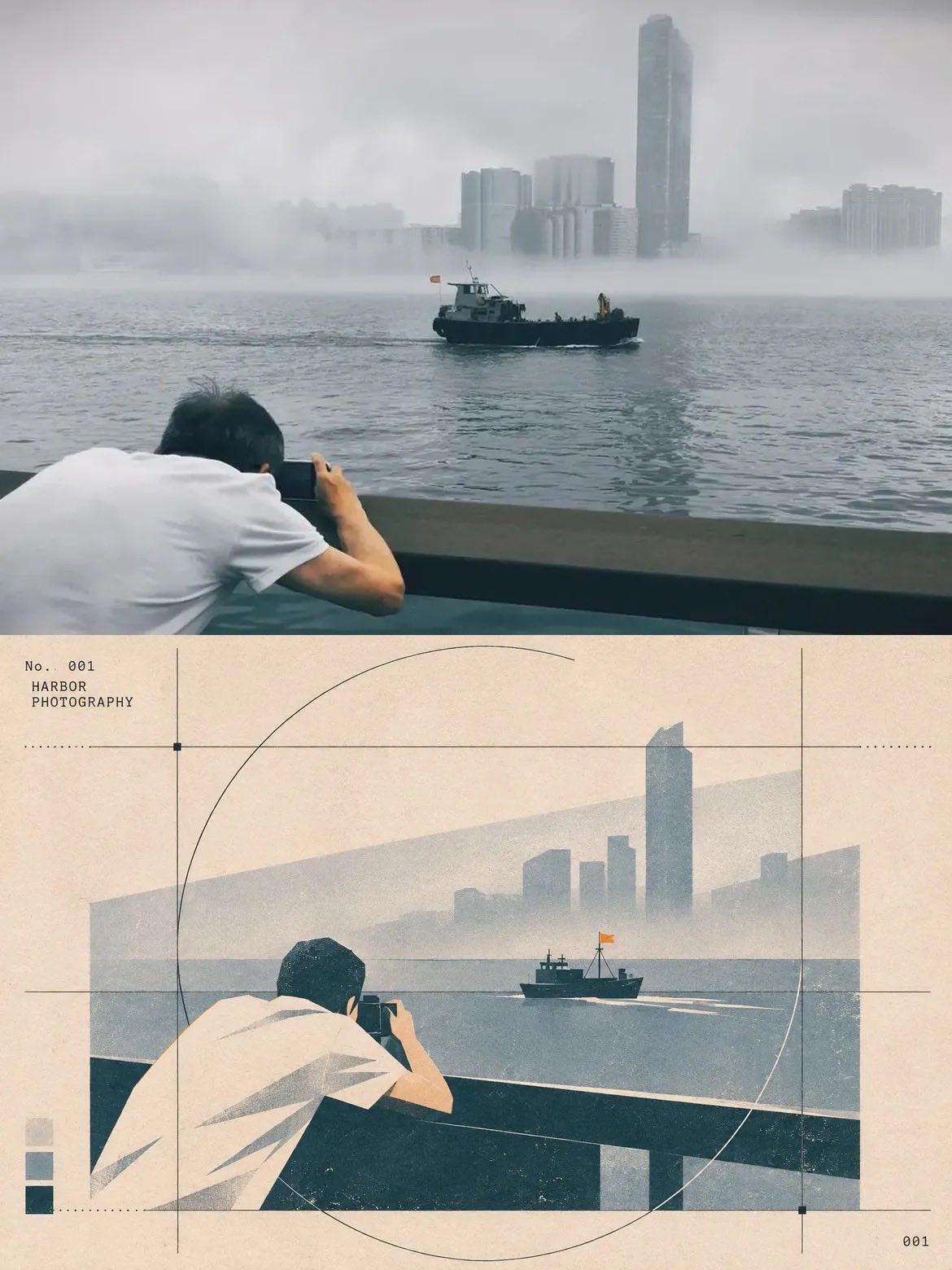
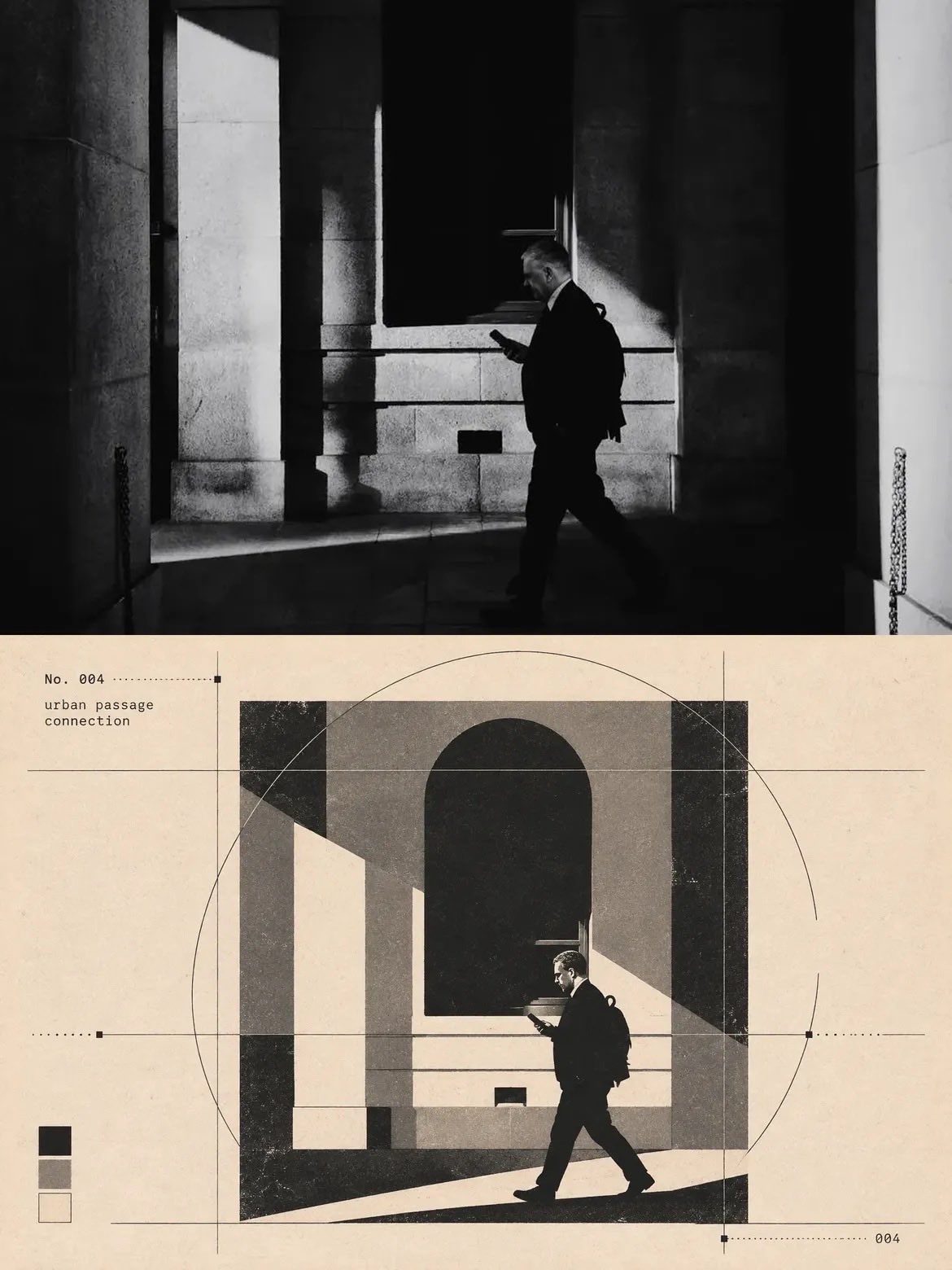
Transform the uploaded reference photograph into a sophisticated vintage editorial photography poster, following the exact visual aesthetic of the provided examples. Create a vertical 2:3 split-layout composition. Place the original photograph in the upper half, preserving its original colors, subject, camera angle, perspective, framing, and details. In the lower half, recreate the exact same scene as a minimalist, geometric, vintage-inspired 2D illustration. Use a refined Swiss graphic design and Bauhaus-inspired editorial aesthetic. Apply a muted, earthy color palette featuring warm beige, cream, charcoal black, dusty grey, muted blue-grey, and subtle brown tones. Simplify the subjects and surroundings into clean geometric shapes, bold silhouettes, angular forms, and flat color blocks while maintaining the original scene's composition and recognizable details. Add a subtle aged paper texture, fine grain, distressed vintage print effects, and slightly faded ink. Incorporate delicate graphic design elements such as thin circular arcs, vertical and horizontal alignment guides, intersecting lines, dotted lines, small square markers, and minimal geometric grids around the illustrated scene. Include small editorial typography in a typewriter-style font, with a numbered photographic series label in the upper-left corner of the illustrated section. Add a small sequence number in the bottom-right corner and a minimal three-color palette swatch along the lower-left edge. Maintain generous negative space, precise alignment, balanced proportions, and an elegant museum-quality art direction. IMPORTANT: Preserve the original photograph in the upper section without changing the scene. The lower illustration must represent the exact same photograph, including the same subjects, positions, perspective, architecture, objects, and background. Do not introduce new elements or change the original composition. Overall aesthetic: vintage photography journal, Swiss editorial graphic design, minimalist architectural illustration, retro art direction, sophisticated print design, and timeless visual storytelling. High resolution, crisp details, vertical poster format.
Details
- Type
- AI Image Prompts
- Aspect Ratio
- 3:4
- Updated
- Nov 17, 2026
Category
How to use this prompt
- 1Copy the full prompt with the copy button above.
- 2Open GPT Image 2.6 by OpenAI, or any image generator with a similar style range.
- 3Paste the prompt, then swap the subject and style keywords to match your idea.
- 4Match the example's settings (3:4 · Poster · Vintage · Minimalist), then iterate — small wording changes shift the output a lot.
Frequently asked questions
Which AI model generated this image?
This image was generated with GPT Image 2.6 by OpenAI. The prompt on this page is the exact text used to create it.
What settings does this prompt use?
The example was generated with GPT Image 2.6 using: 3:4 · Poster · Vintage · Minimalist. Reusing these settings gives the closest match.
How do I get similar results?
Copy the prompt as-is first, then replace only the subject while keeping the style, lighting, and composition keywords. Generate a few variations — outputs differ between runs.
Can I modify this prompt?
Yes. Prompts work best as starting points — adjust descriptors, aspect ratio, or style tags to make the output your own.