LogoAhaPrompt
  • Prompts
  • Featured
  • Models
  • Submit
  • Blog
AhaPromptAhaPrompt

AI Prompts for Images, Video & Audio — Every Model, One Library

Built withLogoNEXTY.DEV
Explore
  • All Prompts
  • Featured Prompts
  • Image Prompts
  • Video Prompts
  • Audio Prompts
  • AI Models
  • Submit a Prompt
  • Blog
Languages
  • English
  • 中文
  • 日本語
  • 한국어

Copyright © 2026 AhaPrompt All rights reserved.

Privacy PolicyTerms of Service
HomeAI Prompt LibraryAI Image PromptsDreamlike Floating Travel Postcard Portrait
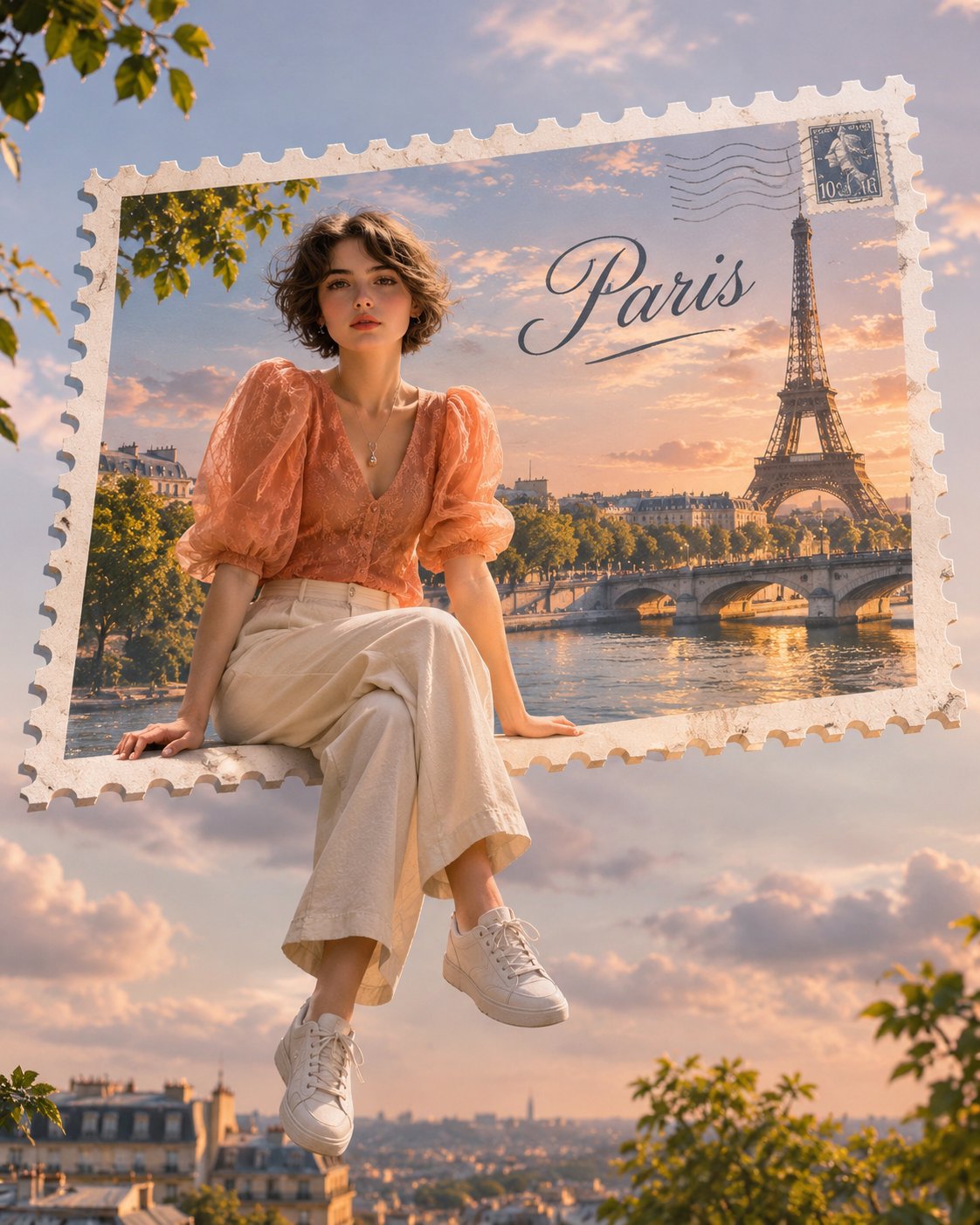
Dreamlike Floating Travel Postcard Portrait — AI image prompt — GPT Image 2.6 — Surreal, Cinematic, Vintage

Dreamlike Floating Travel Postcard Portrait
OpenAIGPT Image 2.6OpenAIimage

DREAMLIKE FLOATING TRAVEL POSTCARD | SURREAL PHOTOGRAPHY CONCEPT Transform [UPLOAD YOUR PHOTO / PERSON] into a breathtaking, dreamy travel photograph set in [DESTINATION / CITY NAME]. Create a surreal yet photorealistic composition where the person appears naturally sitting or floating in mid-air, emerging from a beautiful vintage postage-stamp-shaped travel postcard. The postcard should feature a miniature scenic photograph of the destination, framed with authentic perforated white stamp edges and the destination name elegantly written inside. BACKGROUND: Use a breathtaking, location-specific landscape featuring recognizable scenery, mountains, lakes, forests, rooftops, misty valleys, coastal views, or iconic landmarks. Add atmospheric depth, soft morning mist, beautiful golden-hour lighting, and cinematic colors. SUBJECT INTEGRATION: Preserve the person's original facial identity, hairstyle, clothing, and recognizable features. Position them sitting casually on the edge of the floating postcard, with their legs naturally dangling outside the frame. Create a convincing 3D floating illusion with realistic proportions, natural shadows, and seamless compositing. ART DIRECTION: Dreamy travel editorial photography, nostalgic European postcard aesthetics, whimsical surrealism, miniature-world illusion, soft cinematic color grading, atmospheric depth, delicate details, and professional travel magazine photography. IMPORTANT: The postcard must look like a real physical postage stamp floating in the scene. The person must appear to interact naturally with it, not simply pasted onto the background. Keep the destination name clearly readable. Avoid extra text, watermarks, distorted anatomy, or artificial-looking edges. OUTPUT: Ultra-realistic, visually captivating travel artwork, vertical 4:5 composition, high resolution, professional photographic quality.

Details
Type
AI Image Prompts
Aspect Ratio
561:701
Updated
Nov 17, 2026
Category
SurrealCinematicVintage
Source

How to use this prompt

  1. 1Copy the full prompt with the copy button above.
  2. 2Open GPT Image 2.6 by OpenAI, or any image generator with a similar style range.
  3. 3Paste the prompt, then swap the subject and style keywords to match your idea.
  4. 4Match the example's settings (561:701 · Surreal · Cinematic · Vintage), then iterate — small wording changes shift the output a lot.

Frequently asked questions

Which AI model generated this image?

This image was generated with GPT Image 2.6 by OpenAI. The prompt on this page is the exact text used to create it.

What settings does this prompt use?

The example was generated with GPT Image 2.6 using: 561:701 · Surreal · Cinematic · Vintage. Reusing these settings gives the closest match.

How do I get similar results?

Copy the prompt as-is first, then replace only the subject while keeping the style, lighting, and composition keywords. Generate a few variations — outputs differ between runs.

Can I modify this prompt?

Yes. Prompts work best as starting points — adjust descriptors, aspect ratio, or style tags to make the output your own.
More GPT Image 2.6 prompts

COLLECTIBLE THREE-COLOR REDUCTION LINOCUT | CITY TRAVEL POSTER

Create a striking, collectible three — AI image prompt — GPT Image 2.6
OpenAIGPT Image 2.6
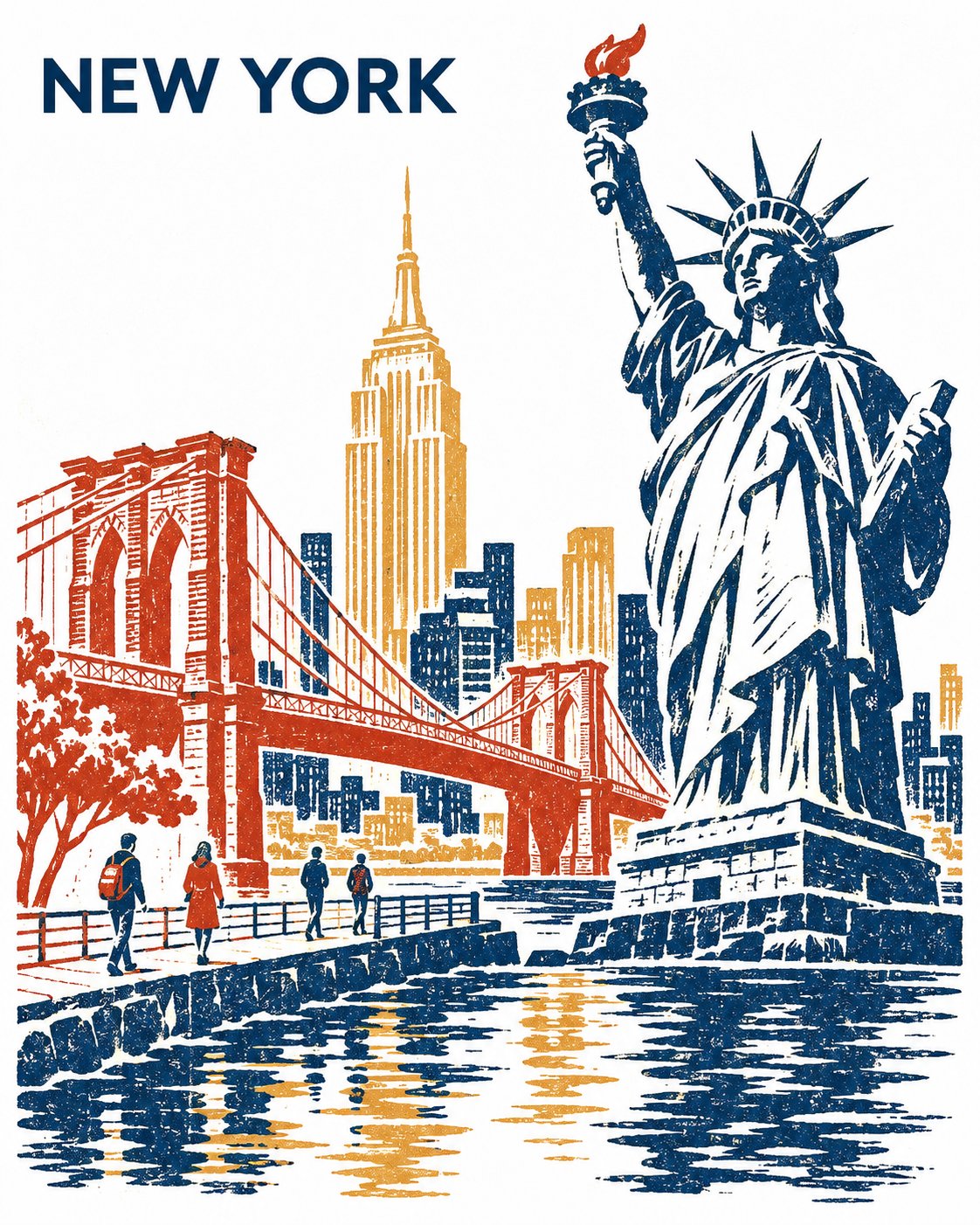
COLLECTIBLE THREE-COLOR REDUCTION LINOCUT | CITY TRAVEL POSTER Create a striking, collectible three-color reduction linocut travel poster featuring [CITY NAME], printed vertically in a 4:5 aspect ratio on pristine, pure-white paper. COMPOSITION & ARCHITECTURE Make [PRIMARY LANDMARK] the dominant focal point. Select two additional instantly recognizable landmarks from [CITY NAME], ensuring their architectural forms create a compelling visual contrast. Bring all three landmarks together along one continuous waterfront, artistically reimagining their geographical positions while preserving their authentic silhouettes, architectural proportions and defining details. Use an asymmetric, low three-quarter perspective. Ground every structure in a believable waterfront environment with convincing foundations, bridges and architectural connections. Establish a unified horizontal visual flow through varied building heights, intentional spacing and subtle overlaps. Maintain a balanced, organic composition. Avoid conventional skyline arrangements, stacked architectural tiers or disconnected floating structures. Include exactly four tiny contemporary pedestrians along the waterfront to introduce scale, atmosphere and subtle human presence. PRINTMAKING & COLOUR PALETTE Use exactly three destination-inspired ink colours, carefully selected to reflect the city's character, architecture and atmosphere. Embrace authentic reduction linocut aesthetics: - Bold, sculptural carved shapes and confident silhouettes. - Rhythmic white negative-space cuts revealing the texture of the paper. - Organic, slightly irregular hand-carved edges. - Subtle variations in ink density and uneven pressure, suggesting traditional block printing. - Strong contrasts between deep architectural shadows and luminous unprinted areas. - Waterfront reflections simplified into expressive, broken horizontal marks. The finished artwork should feel like an authentic, artisan-produced limited-edition print rather than a digitally generated illustration. TYPOGRAPHY & LAYOUT Position the text "[CITY NAME]" discreetly in the upper-left corner. Use a clean, SUIT-style uppercase sans-serif typeface in Regular or Medium weight, with restrained letter spacing and generous surrounding white space. Keep the typography minimal, sophisticated and secondary to the artwork. FINAL ART DIRECTION A refined collectible destination poster combining traditional Japanese-inspired reduction printmaking, contemporary graphic design and distinctive architectural illustration. Prioritize strong composition, architectural authenticity, elegant negative space, carefully controlled colour separation and timeless visual appeal. STRICT RESTRICTIONS: No additional text, captions, inscriptions, decorative lettering, logos, borders, signatures or watermarks. Exactly three ink colours, four pedestrians and one continuous waterfront composition.
Details
Create a square surreal macro photograph of [EVERYDAY OBJECT] smoothly transforming into [MINIATURE  — AI image prompt — GPT Image 2.6
OpenAIGPT Image 2.6
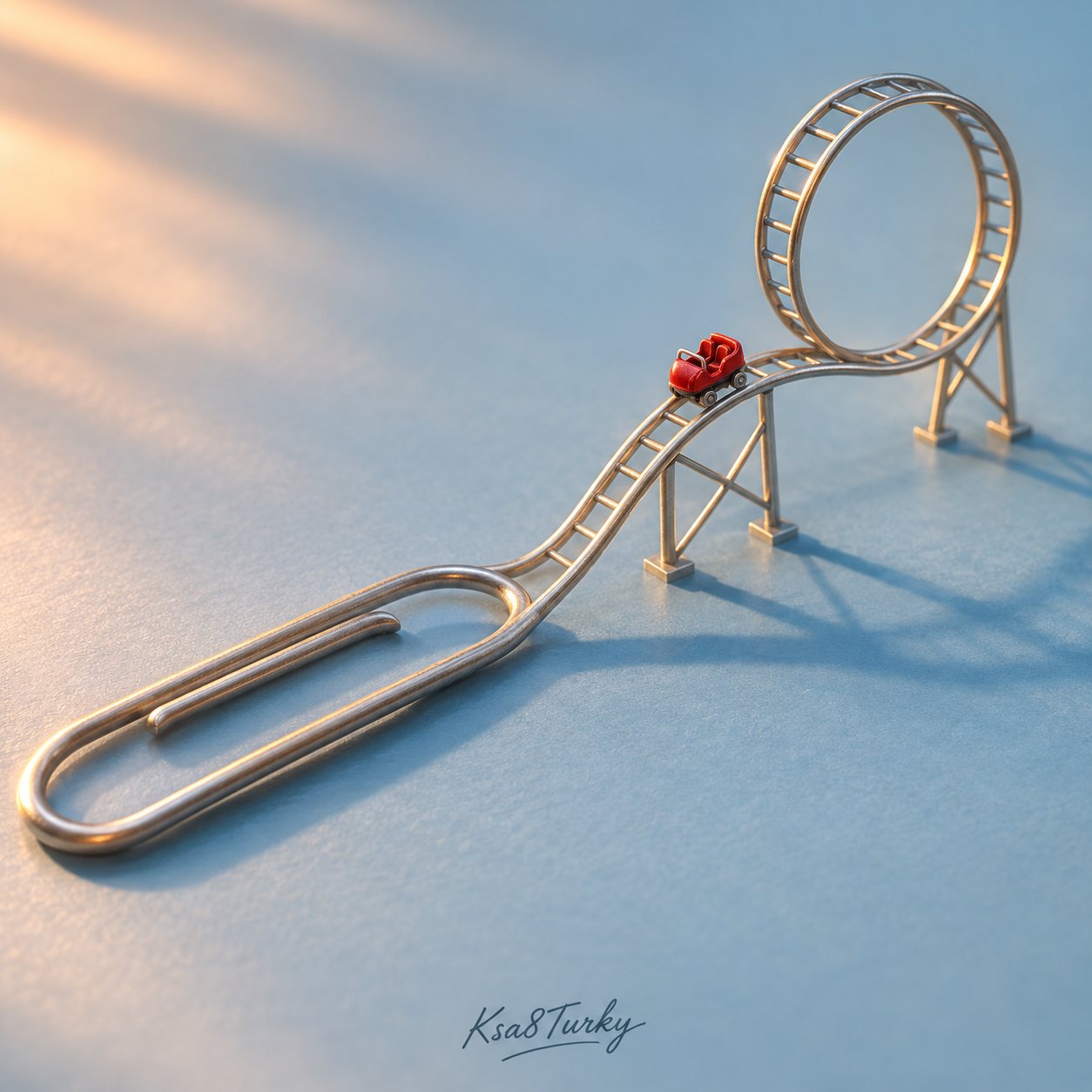
Create a square surreal macro photograph of [EVERYDAY OBJECT] smoothly transforming into [MINIATURE WORLD], while its original silhouette remains recognizable. Example: a silver paperclip extends into one coherent tiny roller-coaster track with one empty red car. Pale blue desktop, brushed metal, warm side sunlight, soft shadows, cinematic macro detail and negative space. Deliberate impossible miniature art. No people, brands or headline. Small handwritten Ksa8Turky at bottom center.
Details
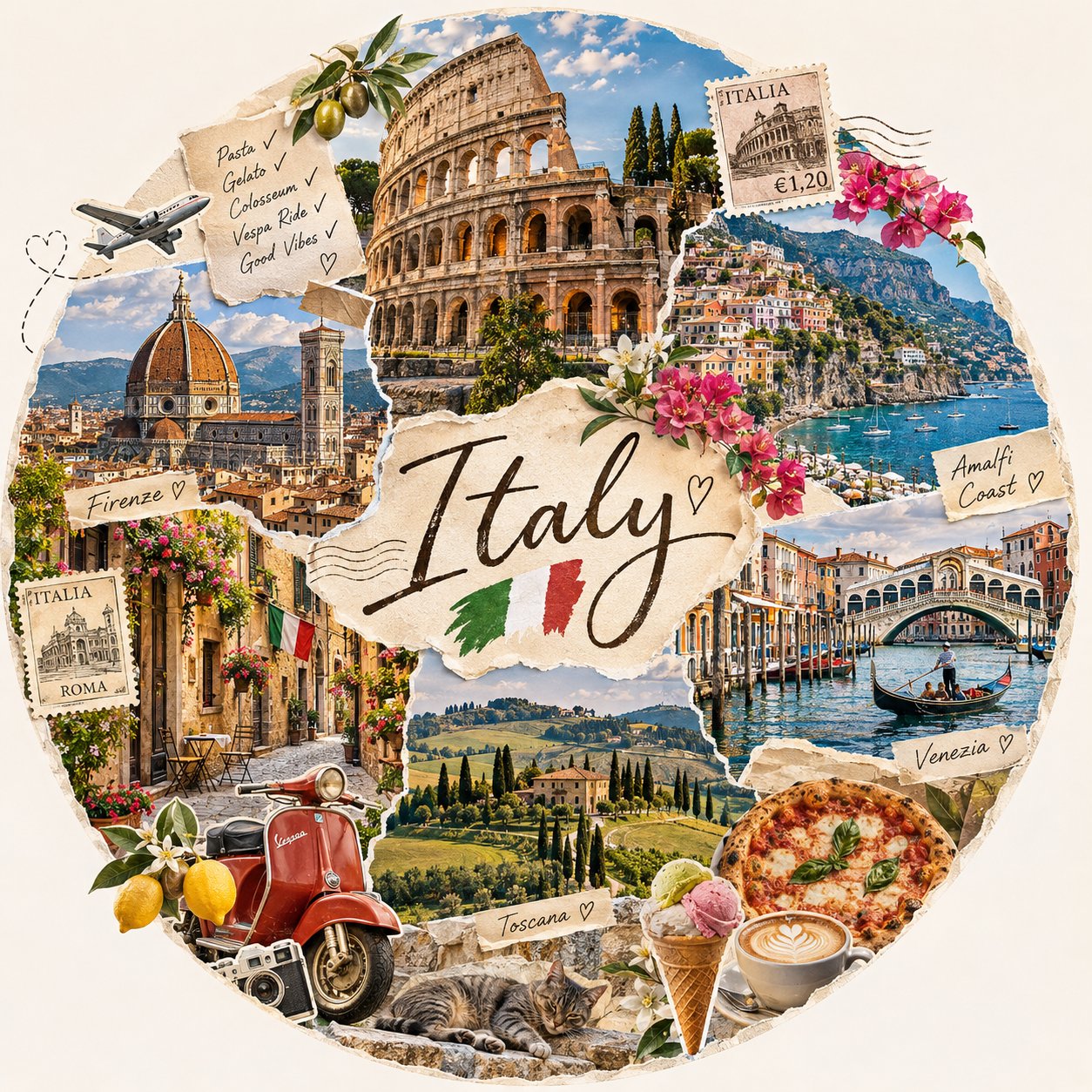
Create a beautiful, highly detailed travel-inspired scrapbook collage featuring [YOUR DESTINATION /  — AI image prompt — GPT Image 2.6
OpenAIGPT Image 2.6
Create a beautiful, highly detailed travel-inspired scrapbook collage featuring [YOUR DESTINATION / COUNTRY / CITY / THEME], designed as an elegant circular composition on a clean, warm ivory background. COMPOSITION & VISUAL STYLE Build a large, perfectly balanced circular collage filled with multiple overlapping, realistic photographs showcasing the destination's most iconic landmarks, beautiful landscapes, architecture, local culture, street scenes, and signature food. Arrange the photographs like carefully layered vintage travel magazine cutouts, with subtle torn-paper edges and natural transitions. DESIGN DETAILS Place the destination name prominently in the centre using elegant handwritten cursive typography. Incorporate small decorative elements such as the country's flag, vintage postage stamps, miniature airplane illustrations with dotted flight paths, tiny hearts, handwritten travel notes, botanical leaves, flowers, and playful travel doodles. COLOUR & AESTHETIC Use a soft, sophisticated palette of warm cream, muted pastels, natural greens, gentle blues, and sunlit photographic tones. Add subtle paper textures, delicate shadows, and fine hand-drawn outlines to create a charming, handcrafted editorial appearance. FINAL PRESENTATION Keep the entire circular artwork clearly visible, centred, and surrounded by generous ivory negative space. Maintain a polished, cohesive composition with realistic photography and artistic scrapbook layering. Every destination should have its own unique visual identity while retaining the same elegant aesthetic. Aspect ratio: 1:1. Quality: Ultra-detailed, high-resolution, premium editorial design.
Details
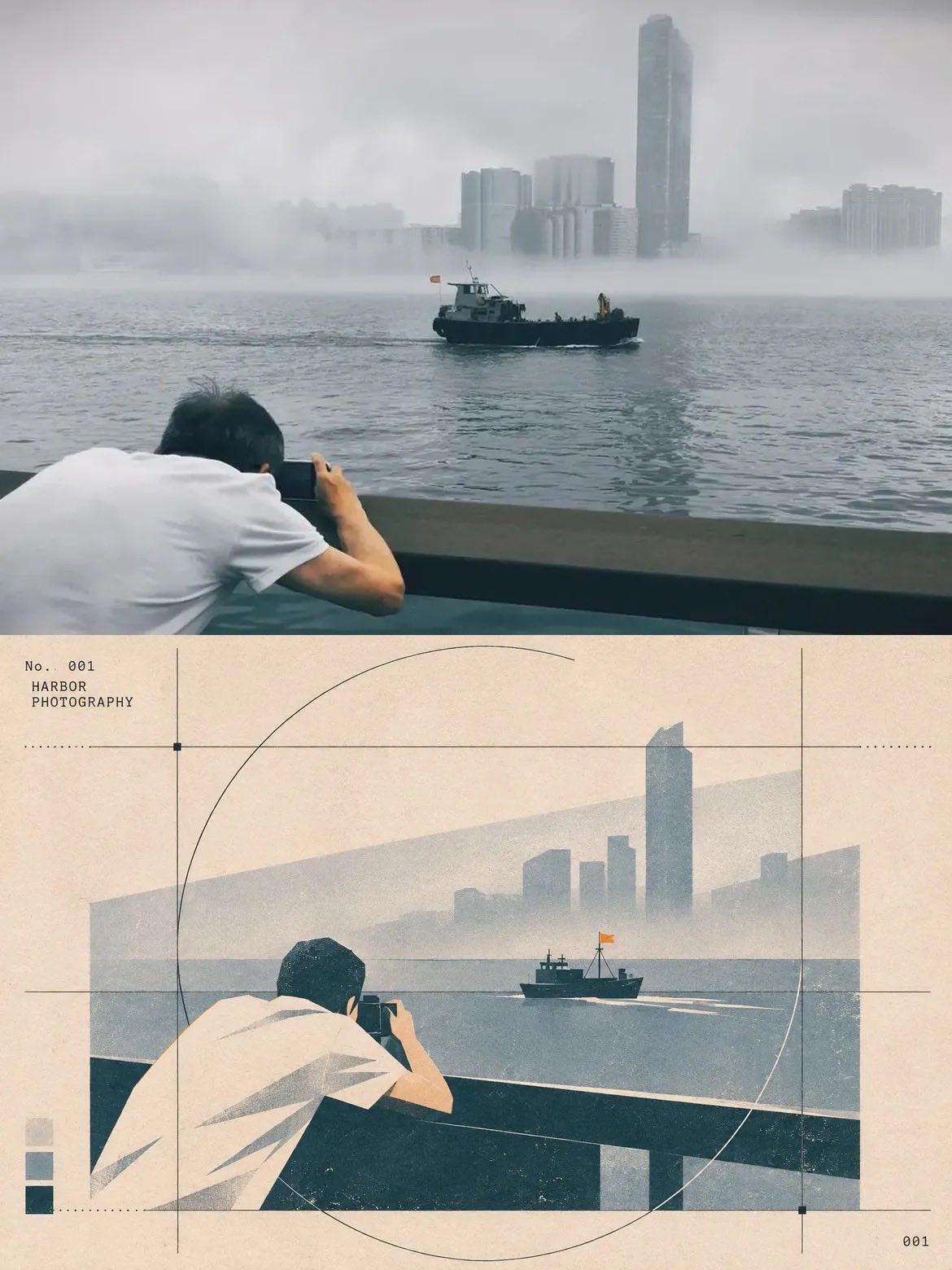
Transform the uploaded reference photograph into a sophisticated vintage editorial photography poste — AI image prompt — GPT Image 2.6
OpenAIGPT Image 2.6
Transform the uploaded reference photograph into a sophisticated vintage editorial photography poster, following the exact visual aesthetic of the provided examples. Create a vertical 2:3 split-layout composition. Place the original photograph in the upper half, preserving its original colors, subject, camera angle, perspective, framing, and details. In the lower half, recreate the exact same scene as a minimalist, geometric, vintage-inspired 2D illustration. Use a refined Swiss graphic design and Bauhaus-inspired editorial aesthetic. Apply a muted, earthy color palette featuring warm beige, cream, charcoal black, dusty grey, muted blue-grey, and subtle brown tones. Simplify the subjects and surroundings into clean geometric shapes, bold silhouettes, angular forms, and flat color blocks while maintaining the original scene's composition and recognizable details. Add a subtle aged paper texture, fine grain, distressed vintage print effects, and slightly faded ink. Incorporate delicate graphic design elements such as thin circular arcs, vertical and horizontal alignment guides, intersecting lines, dotted lines, small square markers, and minimal geometric grids around the illustrated scene. Include small editorial typography in a typewriter-style font, with a numbered photographic series label in the upper-left corner of the illustrated section. Add a small sequence number in the bottom-right corner and a minimal three-color palette swatch along the lower-left edge. Maintain generous negative space, precise alignment, balanced proportions, and an elegant museum-quality art direction. IMPORTANT: Preserve the original photograph in the upper section without changing the scene. The lower illustration must represent the exact same photograph, including the same subjects, positions, perspective, architecture, objects, and background. Do not introduce new elements or change the original composition. Overall aesthetic: vintage photography journal, Swiss editorial graphic design, minimalist architectural illustration, retro art direction, sophisticated print design, and timeless visual storytelling. High resolution, crisp details, vertical poster format.
Details
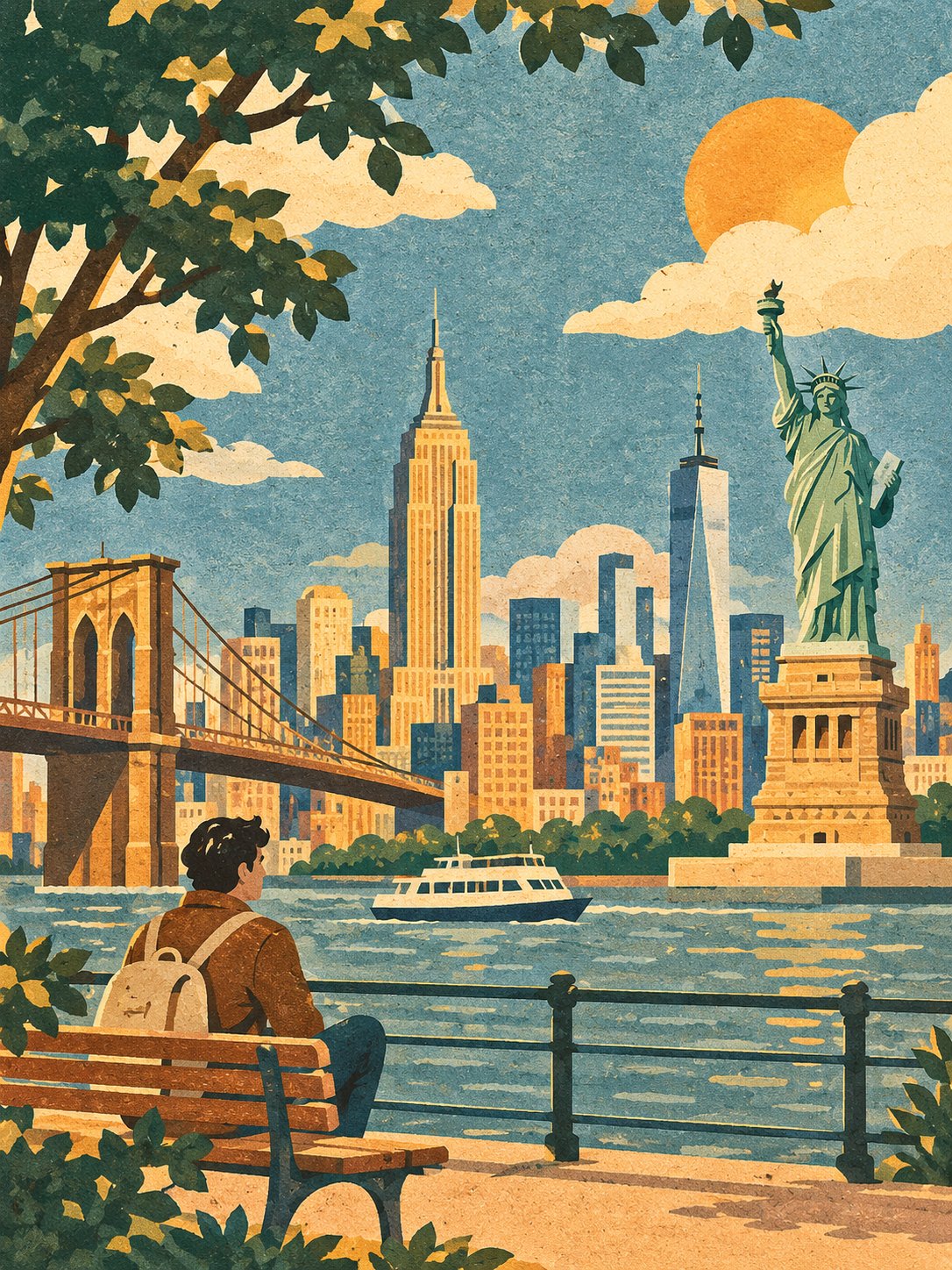
WARM VINTAGE FLAT ILLUSTRATION | TEXTURED PAPER ART

Create a beautiful, sophisticated flat illustra — AI image prompt — GPT Image 2.6
OpenAIGPT Image 2.6
WARM VINTAGE FLAT ILLUSTRATION | TEXTURED PAPER ART Create a beautiful, sophisticated flat illustration of [SUBJECT / SCENE / LOCATION] in a warm vintage storybook aesthetic. Interpret the entered subject creatively while maintaining its recognizable identity, essential features, natural proportions, and defining details. Build an appealing composition with thoughtfully arranged elements and a clear visual hierarchy. ILLUSTRATION STYLE Use large, bold, simplified color shapes resembling layered cut-paper artwork. Apply matte, opaque colors inspired by gouache painting and vintage screen printing. Add subtle, fine-grain texture throughout, creating the appearance of artwork printed on textured paper. Avoid heavy outlines. Define shapes through contrasting color areas, with slightly irregular, organic edges and a handcrafted appearance. COLOR PALETTE Use a harmonious, slightly muted vintage palette featuring dusty blue, peach beige, deep forest green, warm ivory, earthy brown, and occasional mustard-yellow accents. Use solid, clearly defined color shapes for shadows. Maintain subtle depth without gradients, realistic reflections, or glossy finishes. COMPOSITION AND DETAILS Arrange the subject and surrounding elements naturally, creating a balanced, visually engaging composition. Simplify architecture, objects, vegetation, furniture, and other details into clean geometric and organic shapes. If people are present, illustrate them using simple silhouettes, minimal facial features, and flat colors. Preserve recognizable characteristics without unnecessary realism. Every element should feel cohesive and belong to the same illustrated world. FINAL AESTHETIC The finished artwork should resemble a sophisticated European travel poster combined with a beautifully illustrated children's storybook. Make it elegant, nostalgic, warm, minimal, and visually distinctive. OUTPUT REQUIREMENTS - Aspect ratio: 3:4 portrait. - Consistent paper grain and matte printed texture. - Strong composition and recognizable subject. - No photorealism, 3D rendering, anime, watercolor bleeding, or thick black outlines. - No unnecessary text, borders, UI elements, or decorative clutter. Overall style: Warm vintage flat illustration, screen-printed color blocks, organic cut-paper shapes, and subtle tactile paper texture.
Details
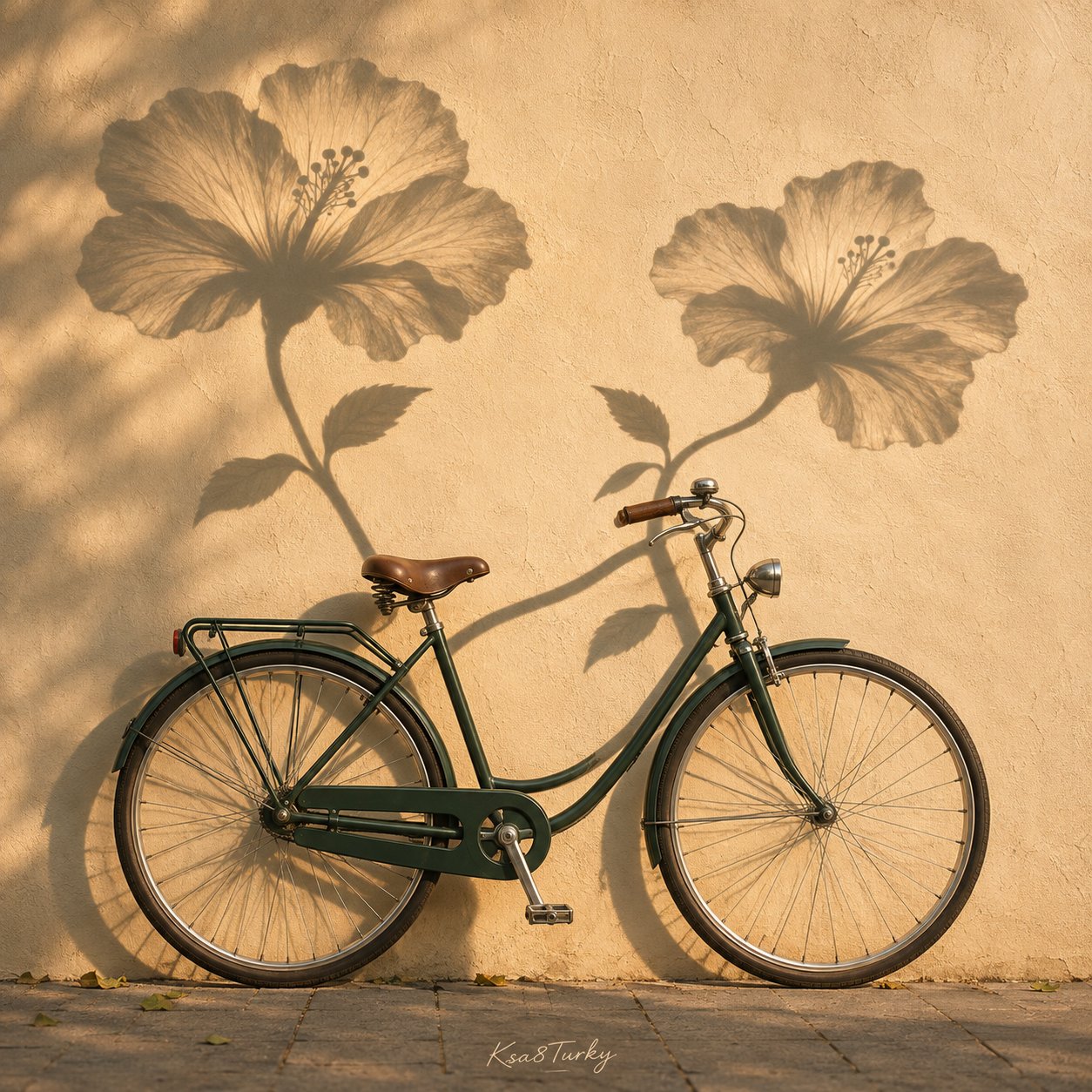
Create a square cinematic conceptual photograph of [FAMILIAR OBJECT] with a deliberately impossible  — AI image prompt — GPT Image 2.6
OpenAIGPT Image 2.6
Create a square cinematic conceptual photograph of [FAMILIAR OBJECT] with a deliberately impossible shadow that becomes [UNEXPECTED SYMBOL OR STORY]. Keep the real object ordinary and clearly recognizable. Example: an unbranded dark-green bicycle against a cream plaster wall casts botanical flower-and-stem shadows. Warm afternoon side light, tactile surfaces, restrained sage/cream palette and clear negative space. Surreal AI art, not a physically accurate lighting demonstration. No people, faces, brands or headline. Small handwritten Ksa8Turky at bottom center.
Details
SURREAL 3D POP-OUT PHOTOGRAPHY | FRAMED NATURE ART

Create a stunning, photorealistic 3D pop-out art — AI image prompt — GPT Image 2.6
OpenAIGPT Image 2.6
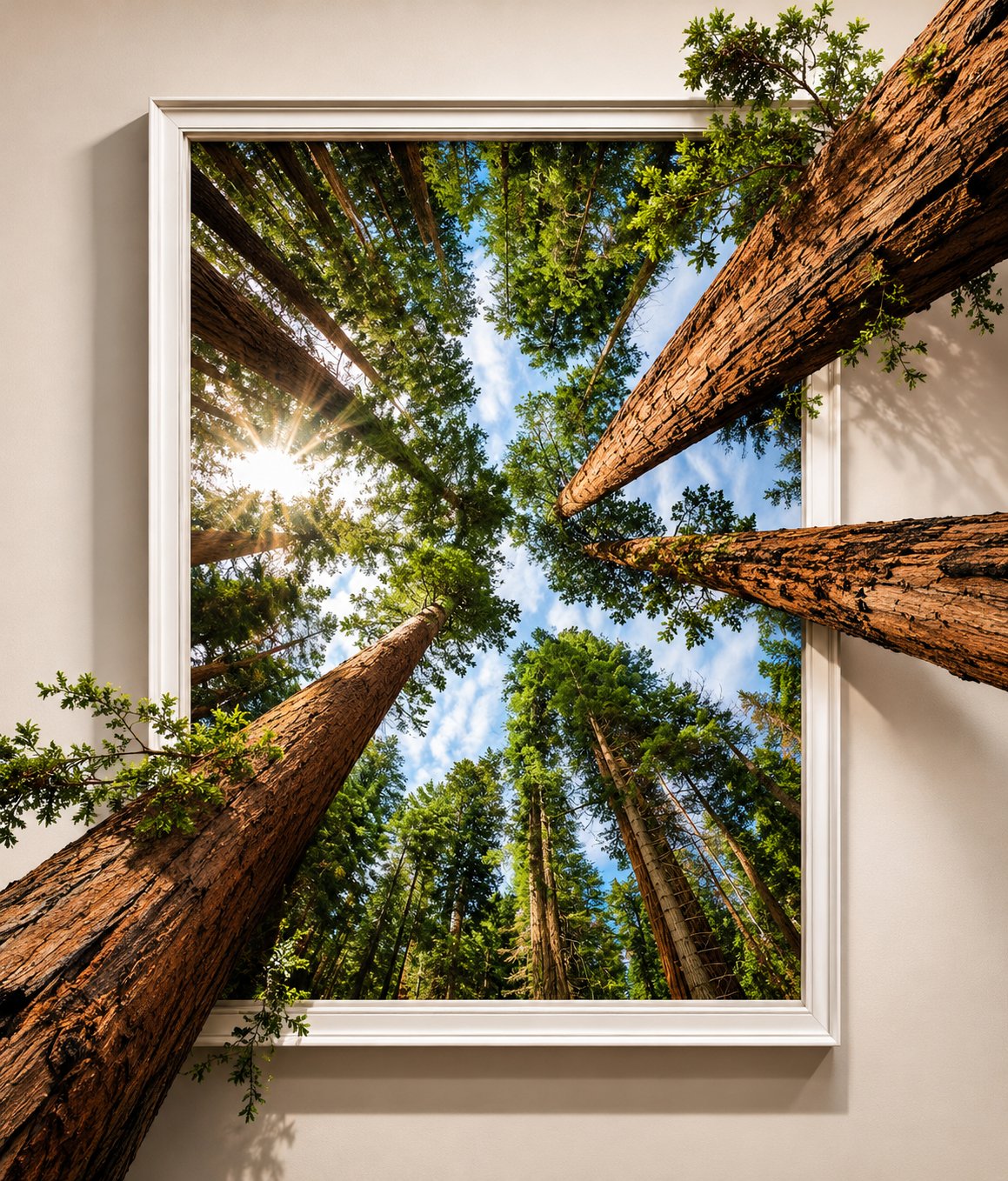
SURREAL 3D POP-OUT PHOTOGRAPHY | FRAMED NATURE ART Create a stunning, photorealistic 3D pop-out artwork featuring [YOUR SUBJECT / OBJECT / LANDSCAPE / SCENE], transforming an ordinary framed photograph into an extraordinary three-dimensional illusion. COMPOSITION & ART DIRECTION Show a beautifully framed photograph mounted on a minimal, warm ivory or off-white wall. The central subject should dramatically break through the boundaries of the picture frame, extending outward into the real world with an impressive 3D trompe-l'œil effect. Create a seamless transition between the flat photograph and the three-dimensional elements. For example, tree trunks, branches, roots, flowers, roads, or other natural elements should visibly emerge beyond the frame, creating realistic depth and dimension. VISUAL STYLE & DETAILS Use ultra-realistic textures, intricate surface details, natural colours, cinematic lighting, and believable perspective. Add subtle cast shadows behind and beneath the protruding elements to enhance the physical depth illusion. Keep the inner photograph visually rich, while the extended 3D subject appears sculptural and tangible. PRESENTATION & QUALITY Minimalist gallery-style composition, elegant white framing, clean neutral background, sophisticated fine-art photography aesthetic, realistic depth of field, professional art direction, ultra-detailed 3D rendering, photorealistic quality, and a visually striking forced-perspective illusion. IMPORTANT: The artwork must look like a real photograph physically escaping its frame, not a simple 3D object placed in front of a picture. Maintain a clean composition with the pop-out effect as the main attraction.
Details
A 1920x1080, 60 fps "fan concept" of a game's real boot and loading screens, made to look like what  — AI image prompt — GPT Image 2.6
OpenAIGPT Image 2.6
A 1920x1080, 60 fps "fan concept" of a game's real boot and loading screens, made to look like what you would actually see on a console before the game starts: a fake boot sequence, the logo build, then a slow cycle of full-screen illustrated loading-screen art over menu music. It is calm, polished and hypnotic: no voice, no captions, no fast cuts. The art: one consistent illustrated look across every screen, in the style the franchise's own loading screens use (for a crime-sandbox world: painterly cel-shaded comic illustration, heavy outlines, flat colour blocks with soft gradients, a pastel sunset palette of pink #F2A6C8, violet #8E6CC9, peach #FFC9A3 and teal #4FB3B0, low-angle hero poses, big sky, signage and palm silhouettes). Each screen is one character or a duo in a strong pose in a specific location of that world, with props that tell a story (a duffel bag of cash, a map on a table, a getaway car). On every art screen: the game's logo small in the bottom-left corner (about 9% of the width, 40 px in from the edges), a small spinning loader in the bottom-right (a 28 px arc, one turn every 1.2 s), and a faint "FAN CONCEPT" label in the top-left at 12% opacity. Banned: AI art that looks like AI (plastic skin, melted hands, gibberish signage, six fingers), photo-real renders, text inside the art that is not legible, real people's faces, the publisher's own art or logo used as if official, any shot that is perfectly still, hard cuts between art screens, and anything that says or implies it is official. Length: 1:40-2:30, cut to the music, with the art holds landing on its phrases. The opener (0-26 s) is the moment people remember. Build it shot by shot: 0-0.8 s: black with faint analog static and a dim purple vignette. 0.8-4.2 s, the tape: the static melts into a slow-flowing liquid-marble texture (like a CRT showing water caustics) that drifts from deep blue to violet to pink and back, with 2 px scanlines, rolling chroma noise and a slight barrel warp. At the top-left (x 2.5%, y 4%), a tiny pink mono cursor blinks twice, then types "> LOAD "VI"" (your title's short name) one character every 0.22-0.32 s, slightly uneven like a person typing, with the cursor blinking after the last character. 4.2-5.6 s, the glitch: the screen flashes cyan, the marble tears into blocky datamosh smears, the title mark flashes in for 3-4 frames as a ghost double-exposed over a polaroid-style postcard of the world's most famous place, then dust, film scratches and a green-yellow speckle burst, a red-orange light-leak whip pan across the frame, and a hard cut to pure black on a sound hit. 5.6-6.5 s: black, silence or just room tone. 6.5-15 s, the studio card: your own studio-style logo (a rounded square with a letter mark, about 4% of the frame wide, dead centre) fades in grey over 0.8 s, a warm orange-to-pink neon rim sweeps once round its edge with a soft bloom on a music hit around 10-11 s, it settles white with a thin pink outline, holds, and fades out by 15 s. Optional: two screens of tiny legal-style text, 3 s each, that you write yourself. 15-19 s: black; over the last 2 s the black lifts to a near-black slate #1D2029. 19-26 s, the title build: the title mark draws itself in from its outline (a neon stroke in pink #FF7AD9 and orange #FFB066 traced along the shape top to bottom over 1.5 s with a glow), the inside fills dark plum #2A1640, then a vertical gradient rises through it from violet #6B3FD8 to hot pink #FF5FB7 to sunset orange #FFB35C over 2 s with a chrome sheen sweeping across once, and finally the words of the full title stamp in on top in white with a dark outline, one word every 0.25 s, with a tiny settle bounce. Hold 1 s, then dip to black into the first art screen. 26 s to the end, the loading cycle: 10-16 art screens of 6-9 s each, every one on a slow move (a push-in of 3-6% or a lateral drift of 2-3% of the width over the hold) and joined by a 0.6-1 s dip through black; every 4th screen is a duo or a group shot for variety, and one in the middle is a wide landscape of the world with no characters. The corner logo and loader stay on throughout. Last 6 s: the art fades to black, the loader keeps spinning alone for 2 s, then the "> LOAD COMPLETE" line types in and cuts to black on the last note.
Details
Browse all GPT Image 2.6 promptsExplore AI Image Prompts