Vintage Storybook Landmark Illustration
 GPT Image 2.5OpenAIimage
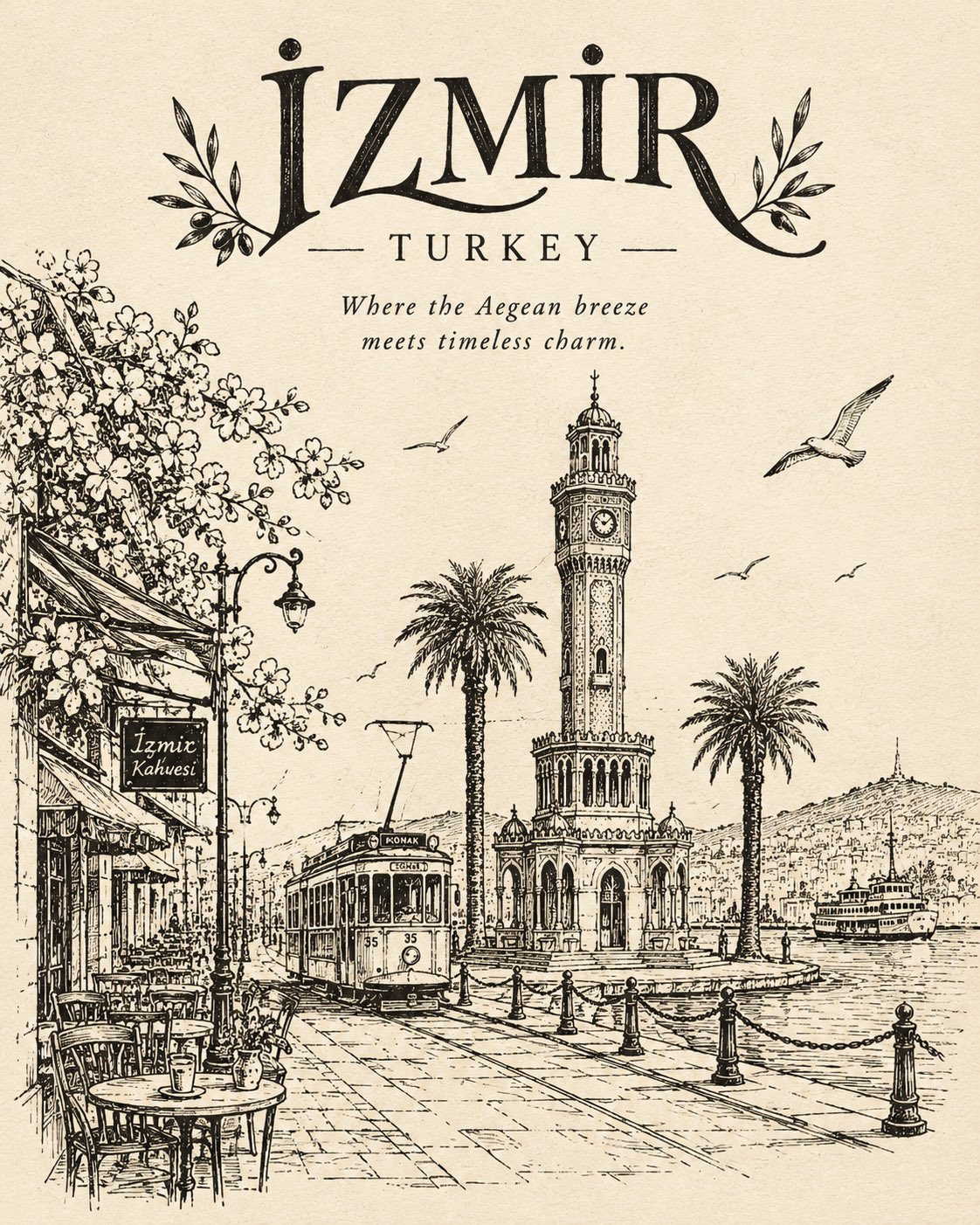
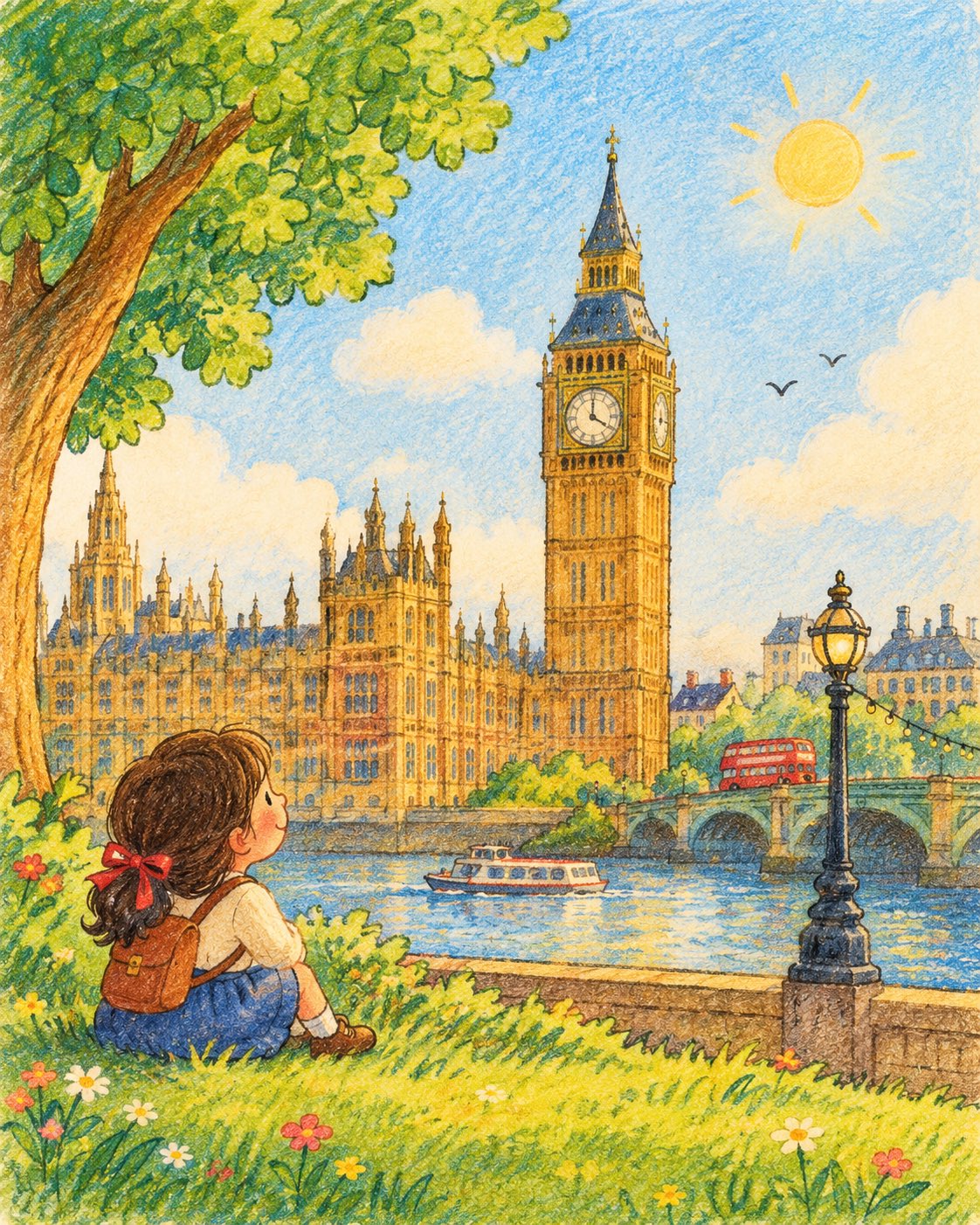
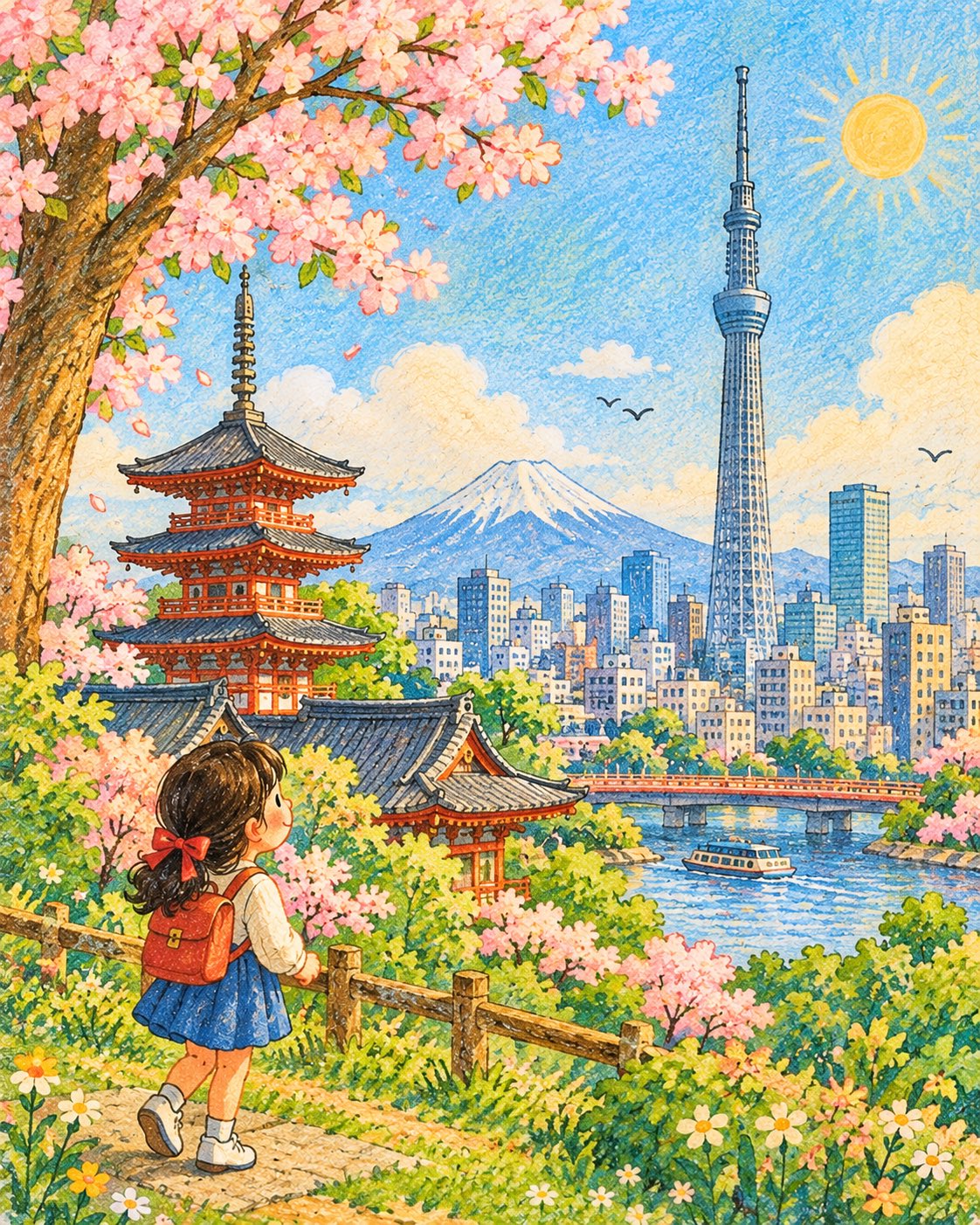
Create a charming children’s storybook-style illustration of [LANDMARK], inspired by vintage activity-book artwork. Place the landmark in a bright, dreamy countryside or natural setting with soft hand-drawn black outlines, rounded illustrated elements, gentle watercolor textures, and cheerful pastel colors. The landmark itself must be highly accurate and realistically depicted, closely matching its real-world architecture, proportions, shape, colors, windows, towers, rooftops, and distinctive details. Do not cartoonize, distort, simplify, or redesign the landmark. It should look like a faithful miniature representation of the actual landmark, while the surrounding environment remains whimsical and illustrated. Add a cute little child exploring or looking toward the landmark. Include green rolling grass, a large leafy tree, tiny wildflowers, soft clouds, warm sunlight, and a simple blue sky. No sheep, lambs, or other oversized animals. Keep the contrast intentional: realistic, instantly recognizable landmark + charming hand-drawn children’s-book surroundings. The child should have expressive innocent features and slightly exaggerated storybook proportions. Visual style: vintage preschool activity book, soft hand-drawn outlines, watercolor + subtle crayon textures, slightly imperfect printed texture, nostalgic children’s illustration, cheerful and wholesome, detailed environmental elements, realistic landmark architecture, natural lighting, no photorealistic background. Composition: portrait 4:5, full-page storybook illustration, landmark as the central visual element, child in the foreground, lots of colorful negative space, clean composition, no modern text, no sheep or lambs, no distorted architecture.
Details
- Type
- AI Image Prompts
- Aspect Ratio
- 561:701
- Updated
- Oct 9, 2026
Category
How to use this prompt
- 1Copy the full prompt with the copy button above.
- 2Open GPT Image 2.5 by OpenAI, or any image generator with a similar style range.
- 3Paste the prompt, then swap the subject and style keywords to match your idea.
- 4Match the example's settings (561:701 · Whimsical · Architecture · Watercolor), then iterate — small wording changes shift the output a lot.
Frequently asked questions
Which AI model generated this image?
This image was generated with GPT Image 2.5 by OpenAI. The prompt on this page is the exact text used to create it.
What settings does this prompt use?
The example was generated with GPT Image 2.5 using: 561:701 · Whimsical · Architecture · Watercolor. Reusing these settings gives the closest match.
How do I get similar results?
Copy the prompt as-is first, then replace only the subject while keeping the style, lighting, and composition keywords. Generate a few variations — outputs differ between runs.
Can I modify this prompt?
Yes. Prompts work best as starting points — adjust descriptors, aspect ratio, or style tags to make the output your own.