Ultra-Realistic Premium Fashion Portrait
 Nano BananaGoogleimage
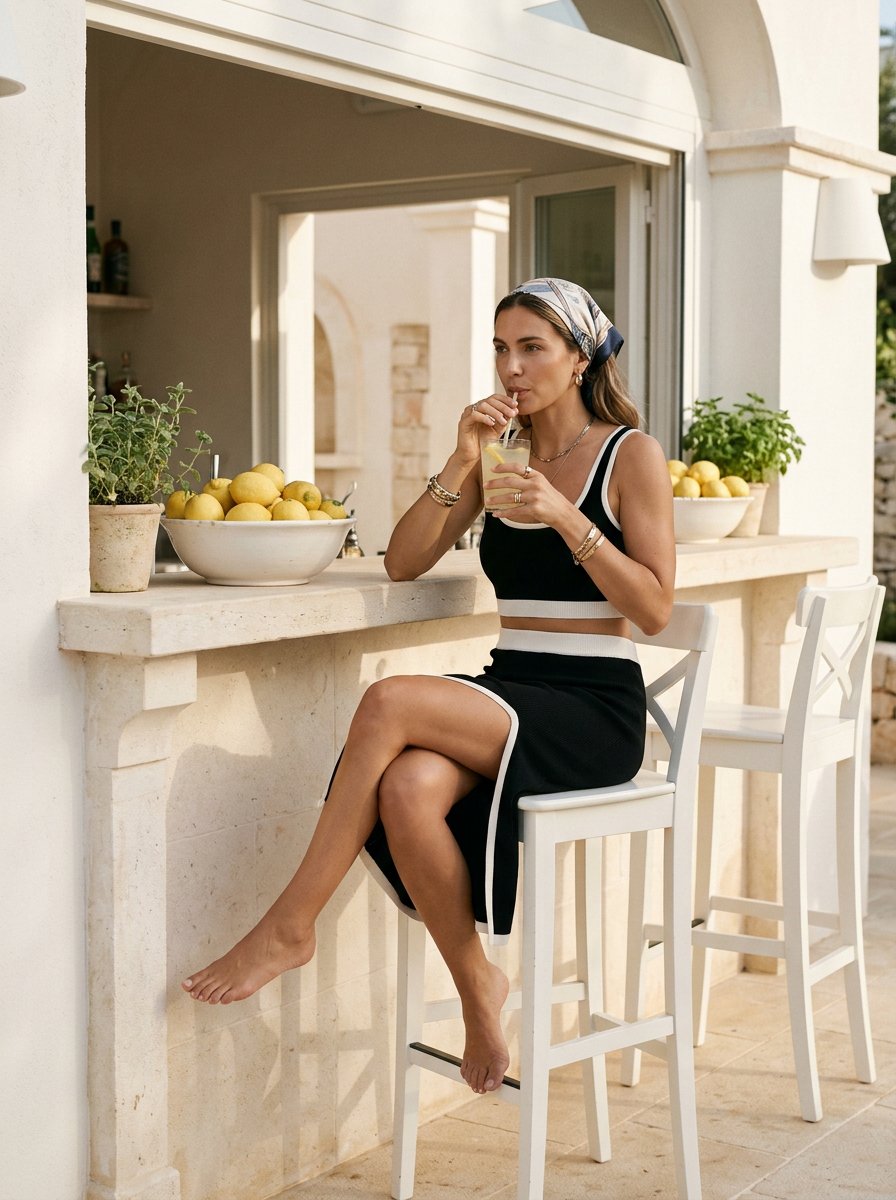
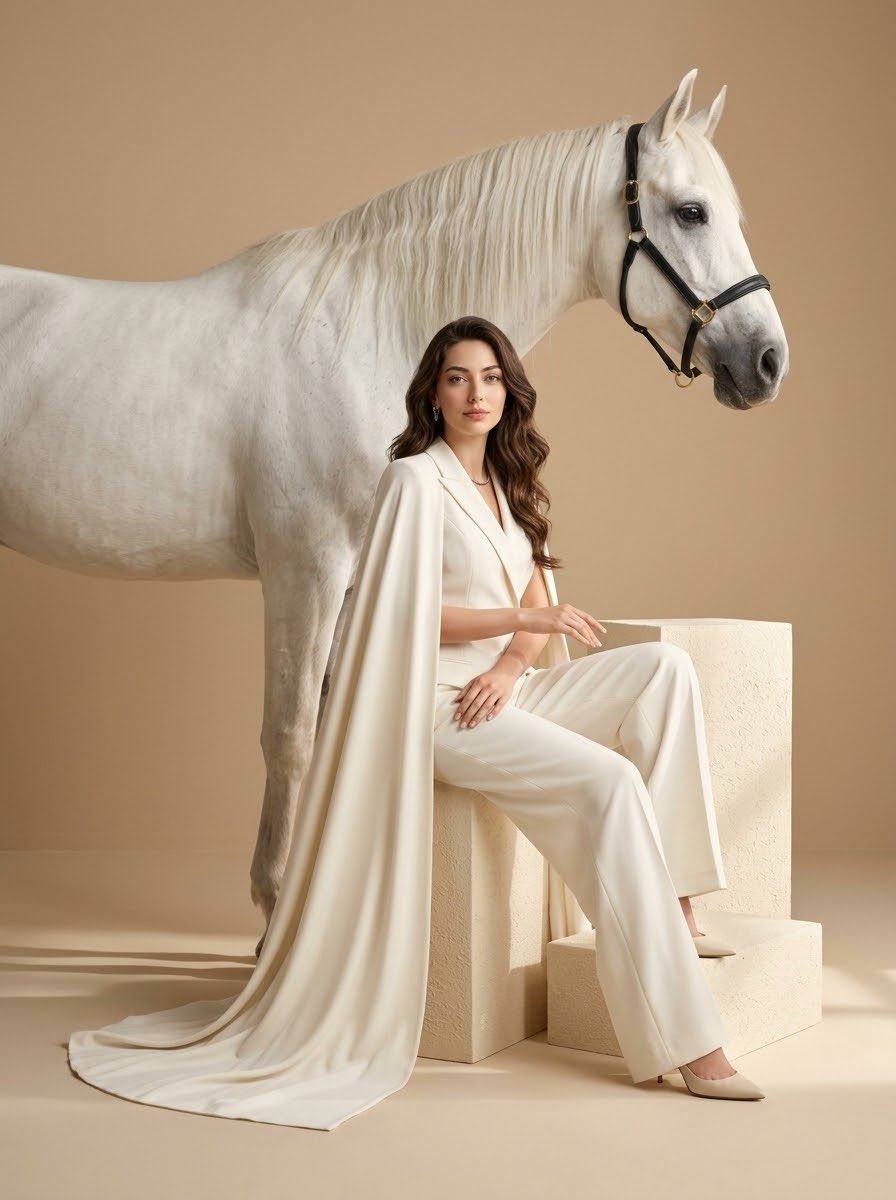
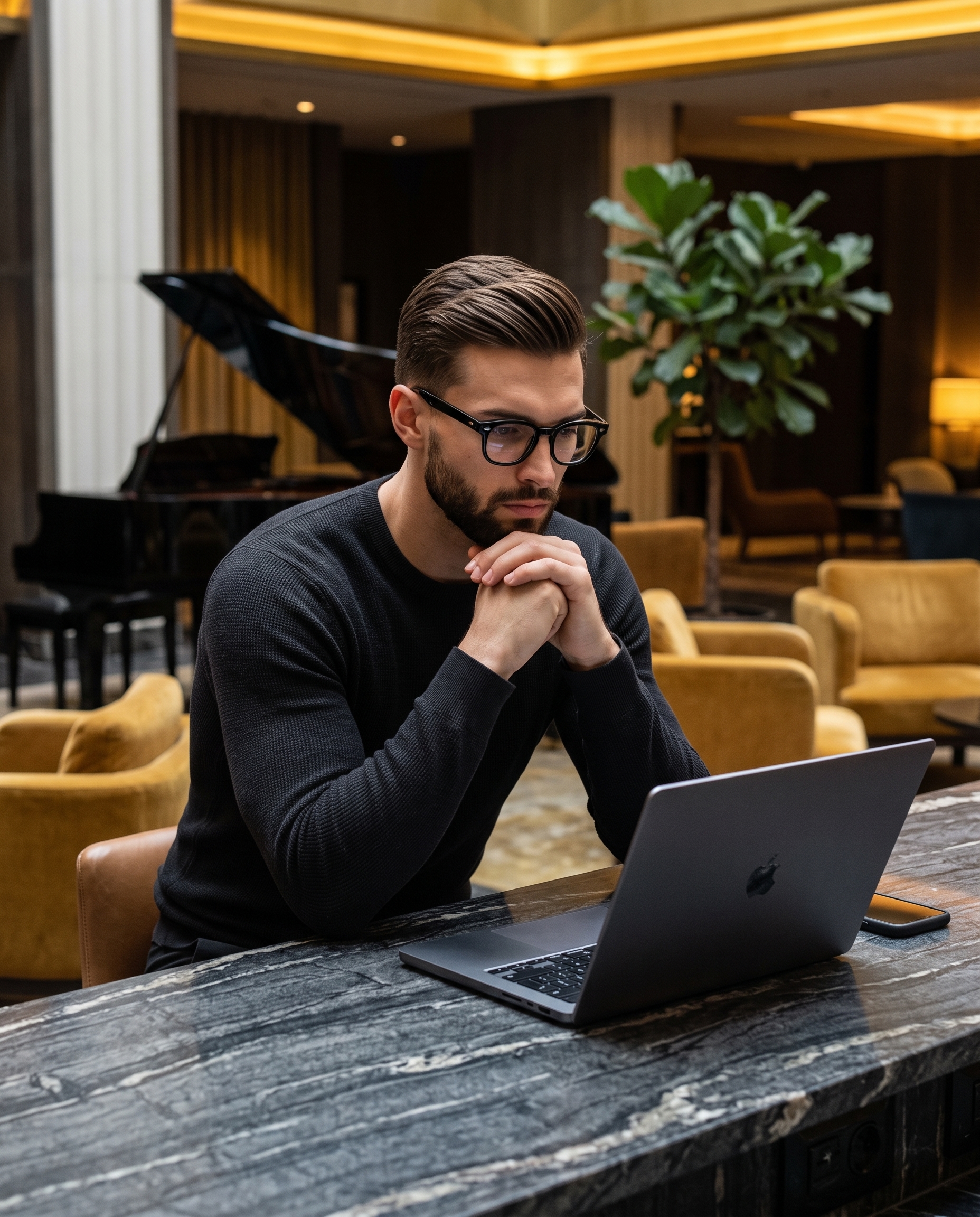
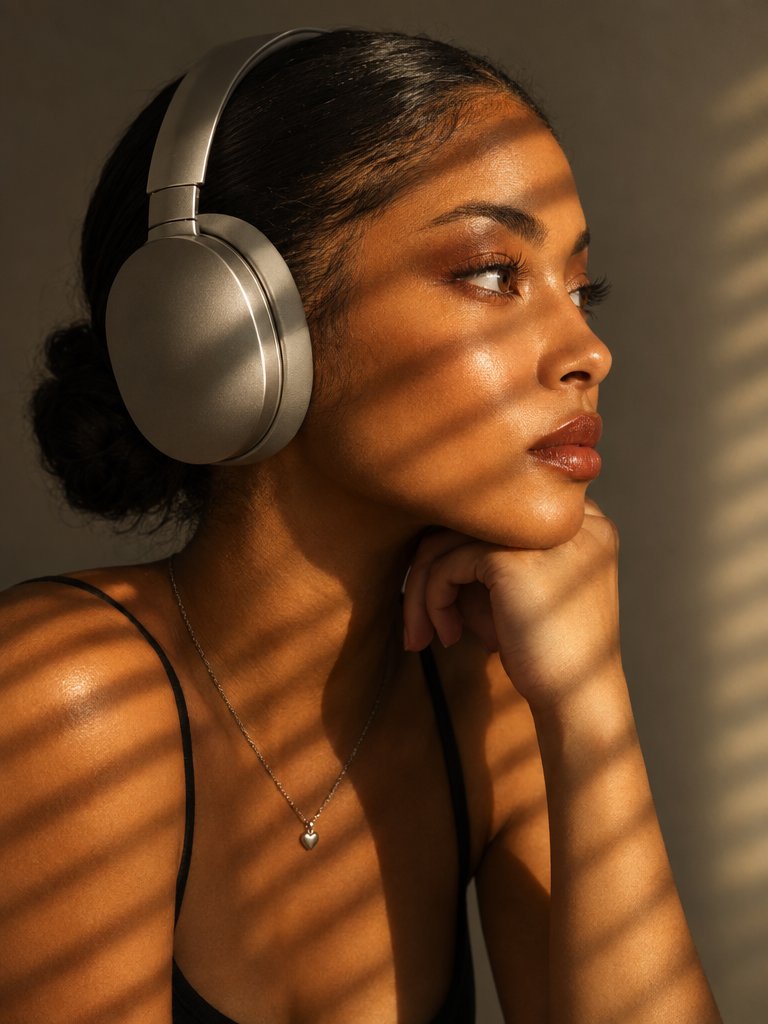
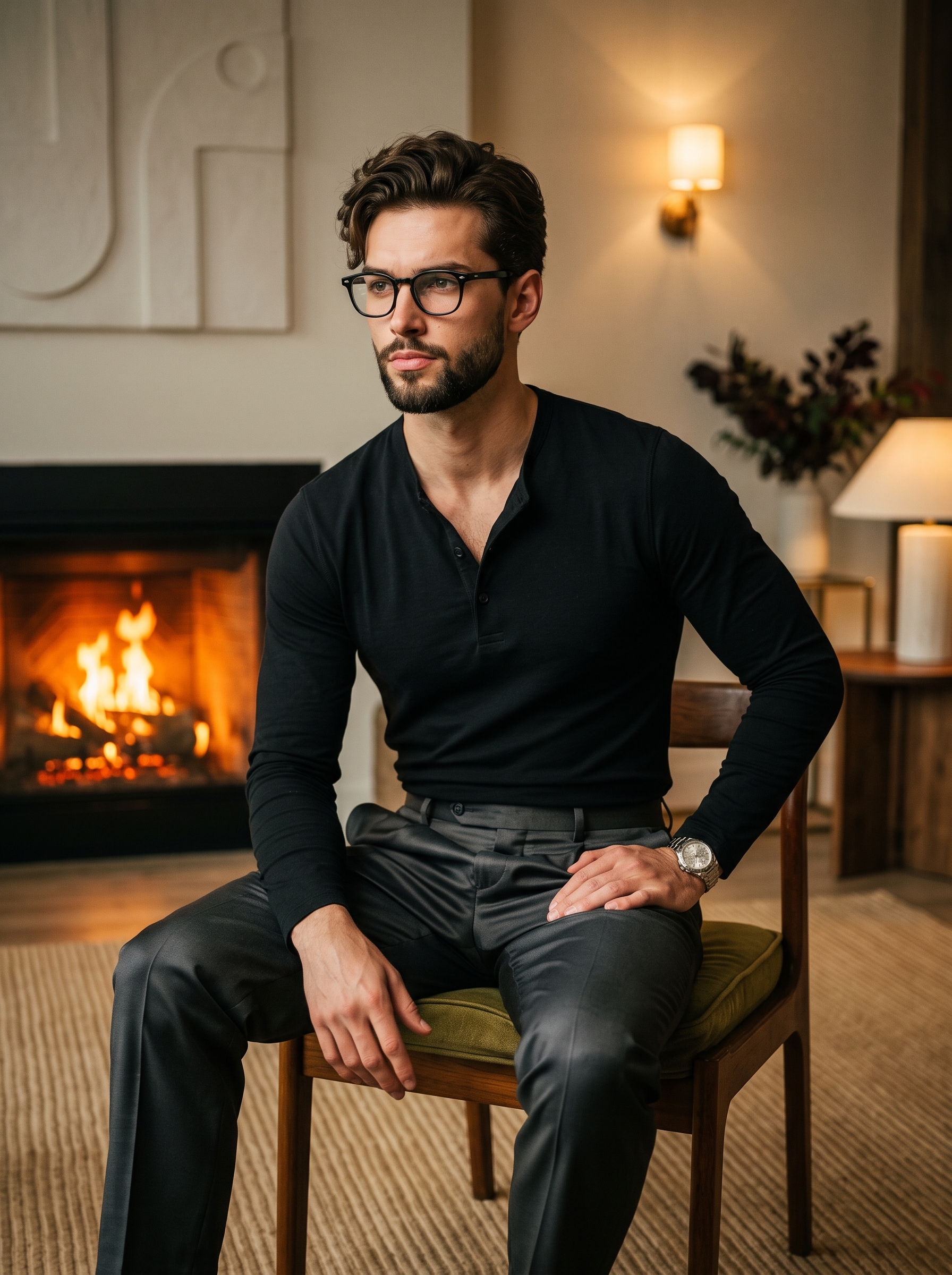
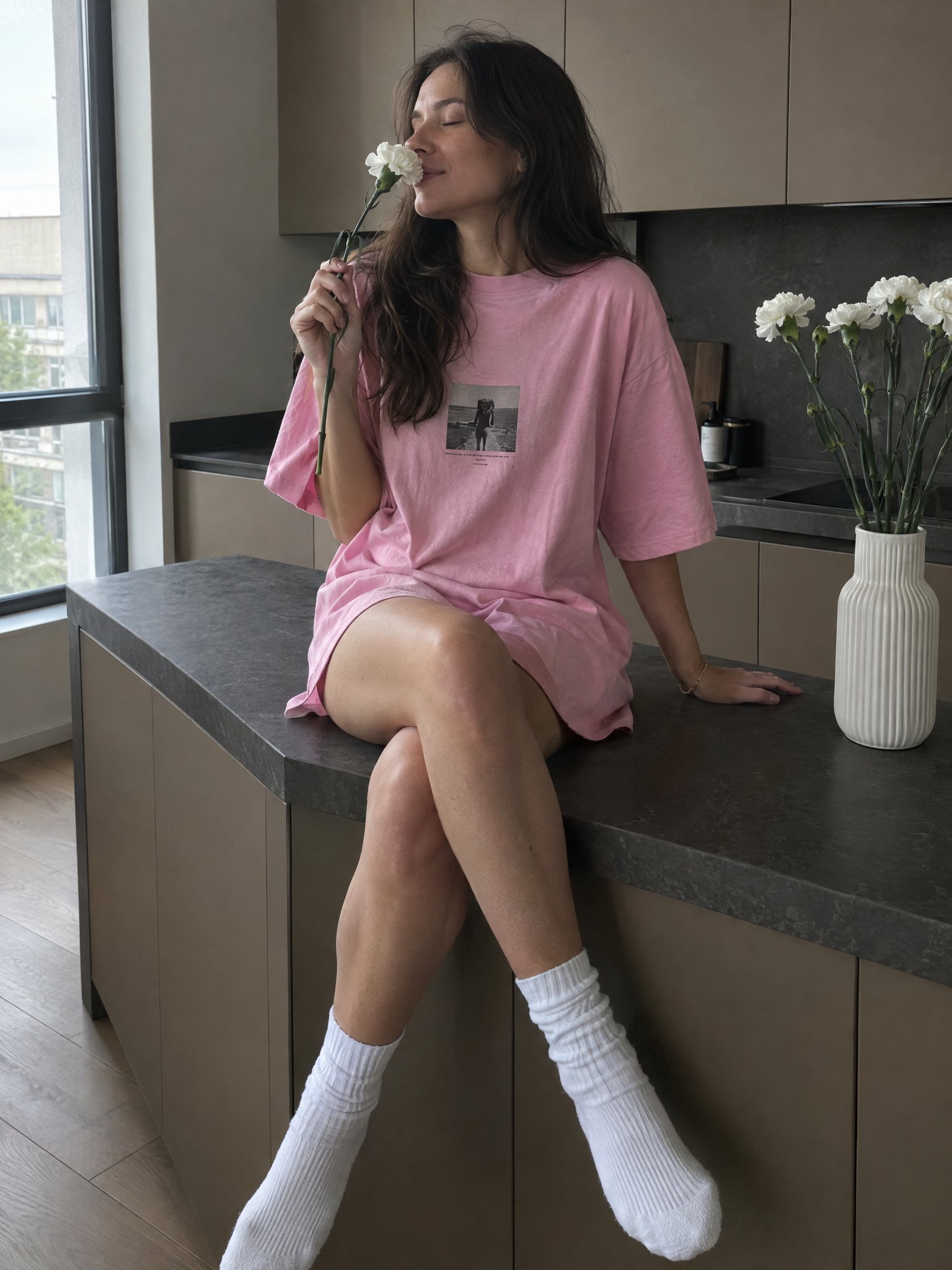
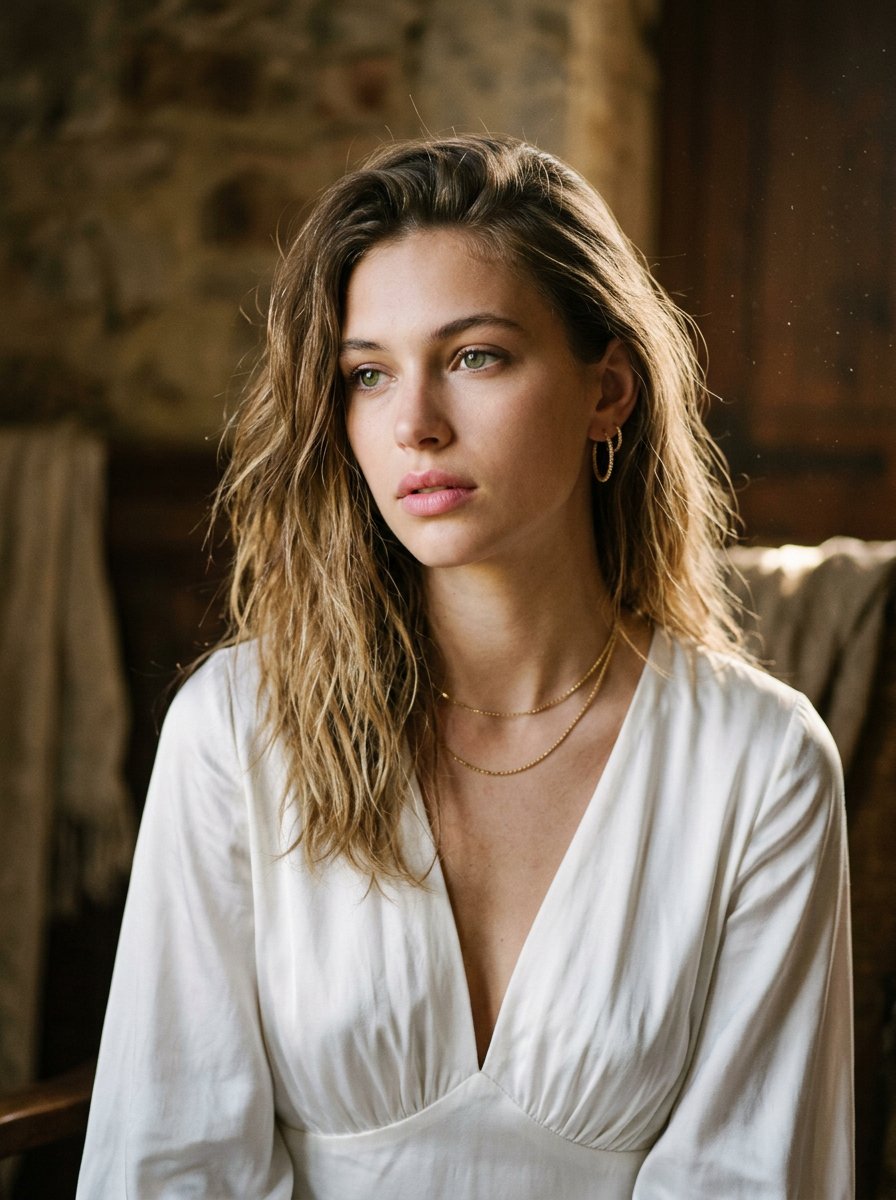
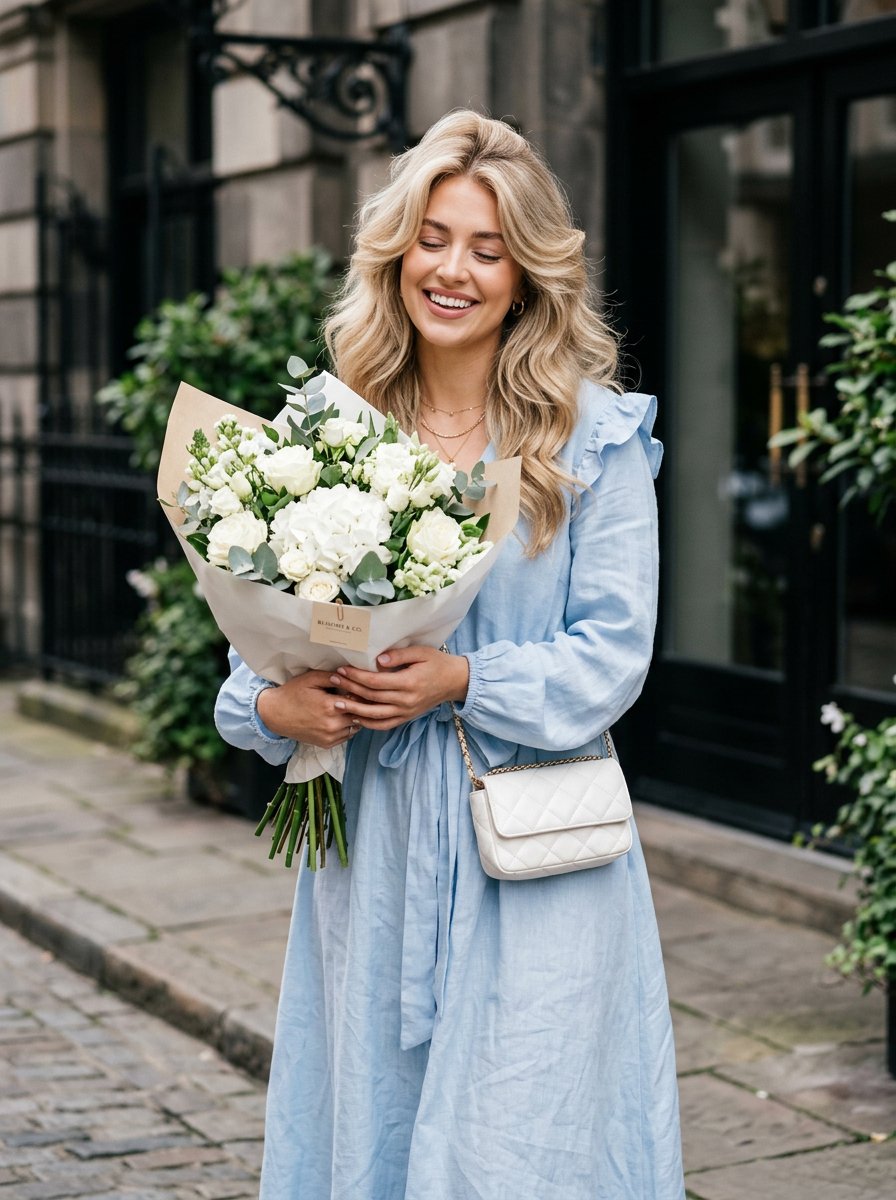
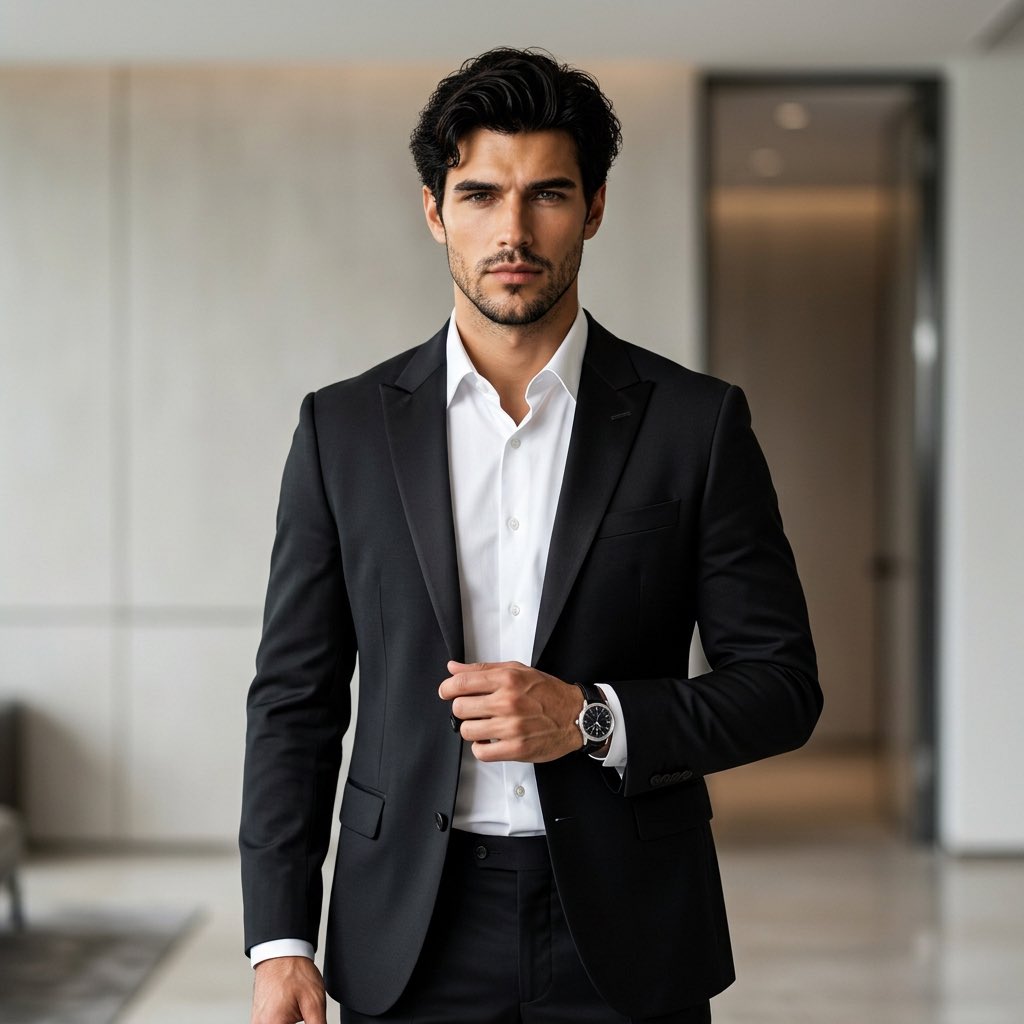
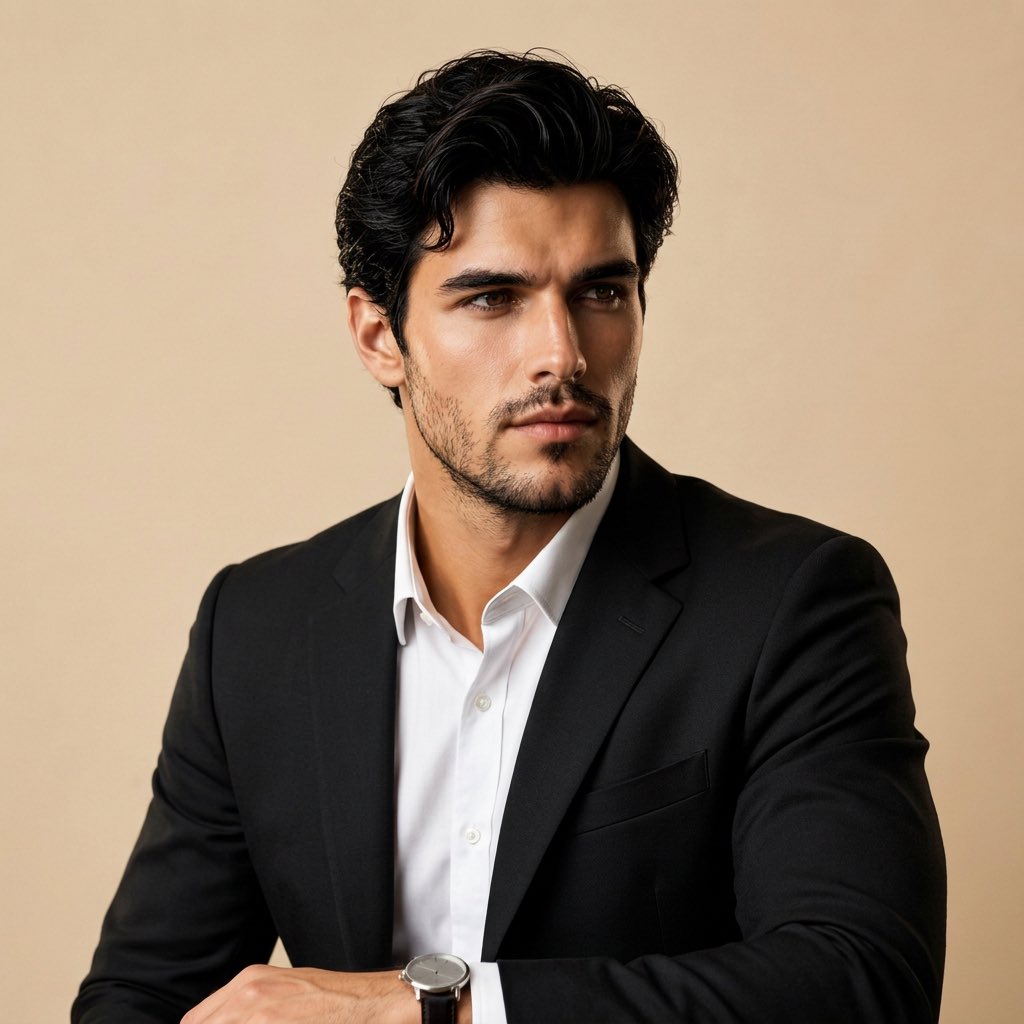
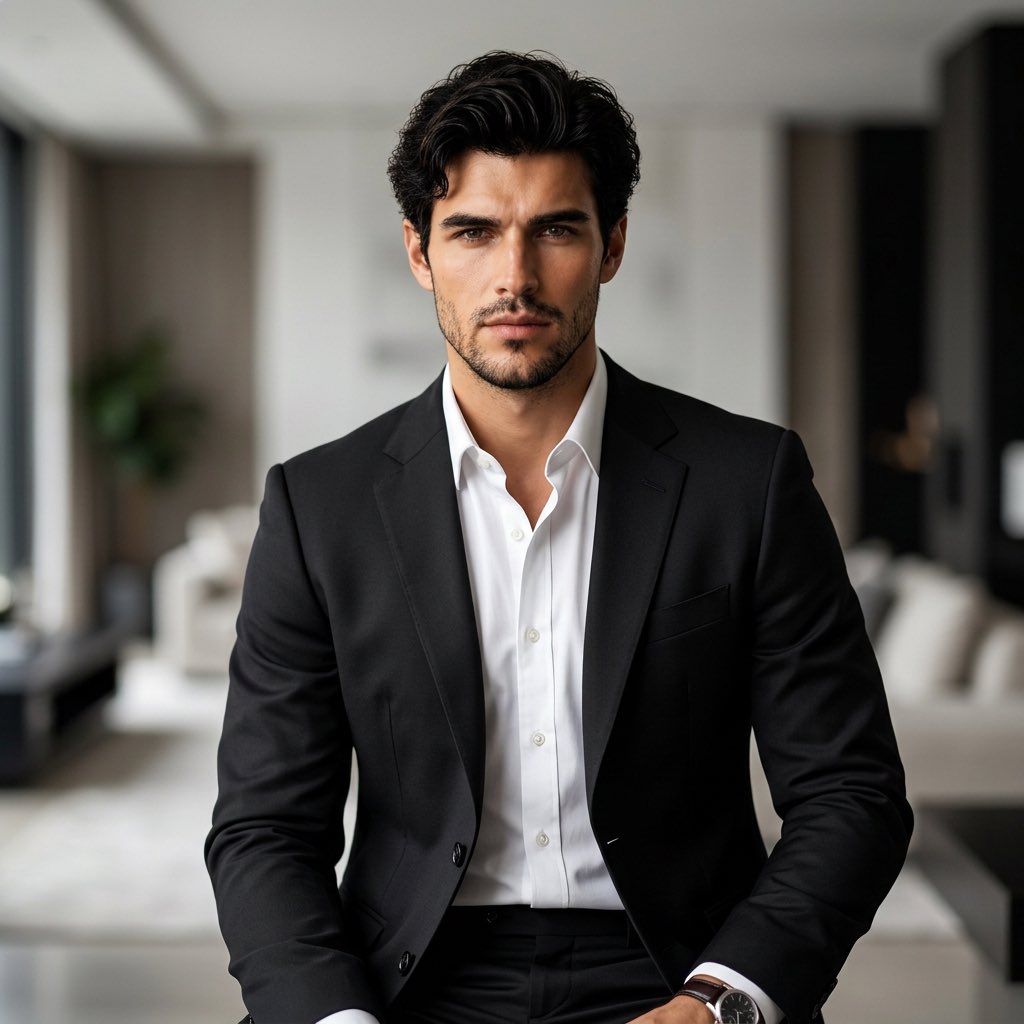
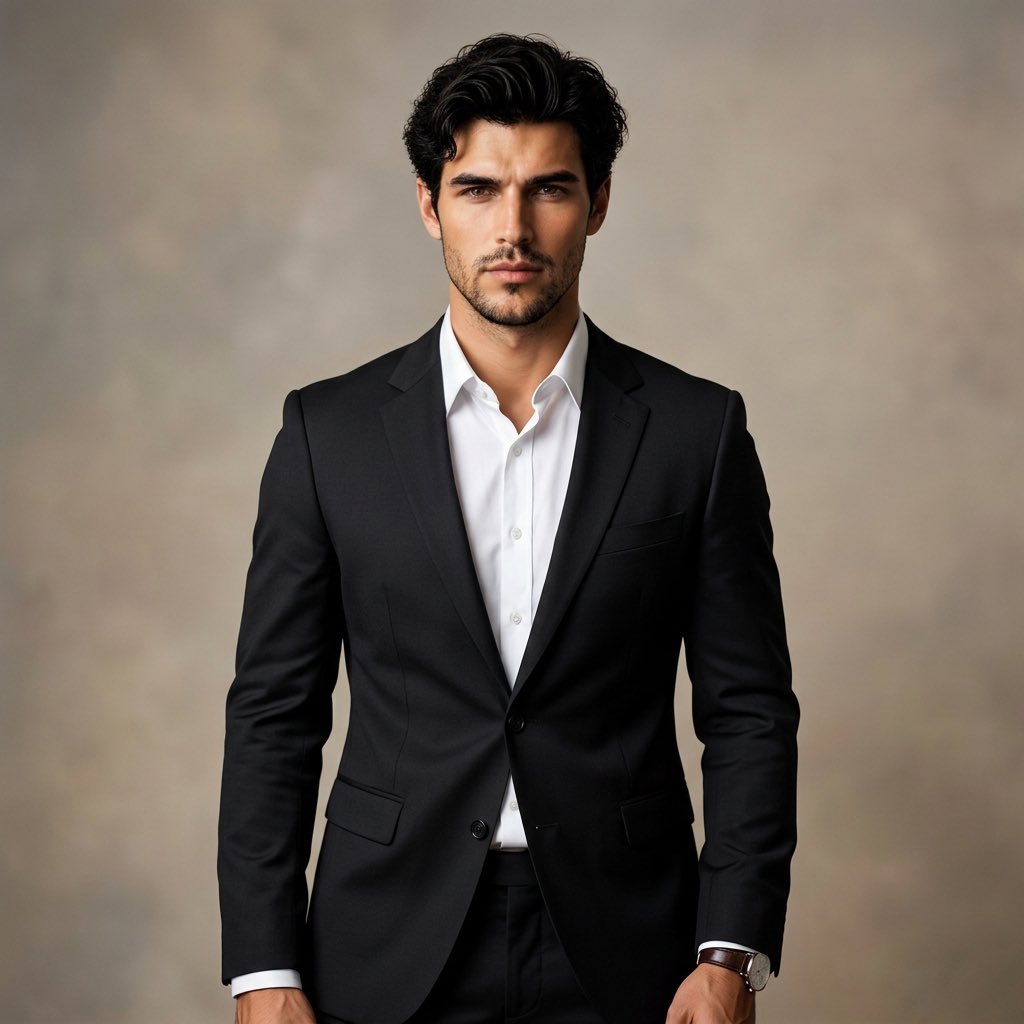
Use my uploaded face photo as the ONLY identity reference for the main subject. Create an ultra-realistic, premium fashion portrait of me wearing an elegant formal outfit. Preserve my exact facial identity without alteration — facial structure, skin tone, eyes, eyebrows, nose, lips, cheekbones, jawline, facial proportions, hairline, and natural skin texture. Keep me instantly recognizable. Outfit: sophisticated luxury formal wear, perfectly tailored black blazer with a crisp white shirt, elegant trousers, polished formal shoes, minimal premium accessories, refined and timeless styling. The clothing should look realistic, perfectly fitted, high-quality, and appropriate for a formal professional occasion. Pose: standing confidently with natural posture, relaxed shoulders, one hand subtly positioned near the blazer, the other naturally at the side, looking directly into the camera with a calm, confident expression. Setting: luxurious modern interior with an elegant minimalist background, subtle architectural details, soft depth of field. Lighting: professional studio-quality lighting, soft directional light on the face, realistic shadows, natural skin texture, subtle cinematic highlights. Photography: high-end fashion editorial photography, realistic DSLR/mirrorless camera look, 85mm portrait lens, shallow depth of field, sharp eyes, realistic fabric texture, natural skin pores, detailed hair strands, physically accurate lighting. Style: sophisticated, classy, elegant, modern, premium, timeless, photorealistic. Aspect ratio: 4:5 vertical. Do not alter my face, facial proportions, age, skin tone, or identity. Identity accuracy is the highest priority.
Details
- Type
- AI Image Prompts
- Aspect Ratio
- 1:1
- Updated
- Sep 11, 2026
How to use this prompt
- 1Copy the full prompt with the copy button above.
- 2Open Nano Banana by Google, or any image generator with a similar style range.
- 3Paste the prompt, then swap the subject and style keywords to match your idea.
- 4Match the example's settings (1:1 · Fashion · Realistic · Portrait), then iterate — small wording changes shift the output a lot.
Frequently asked questions
Which AI model generated this image?
This image was generated with Nano Banana by Google. The prompt on this page is the exact text used to create it.
What settings does this prompt use?
The example was generated with Nano Banana using: 1:1 · Fashion · Realistic · Portrait. Reusing these settings gives the closest match.
How do I get similar results?
Copy the prompt as-is first, then replace only the subject while keeping the style, lighting, and composition keywords. Generate a few variations — outputs differ between runs.
Can I modify this prompt?
Yes. Prompts work best as starting points — adjust descriptors, aspect ratio, or style tags to make the output your own.