LogoAhaPrompt
  • Prompts
  • Featured
  • Models
  • Submit
  • Blog
AhaPromptAhaPrompt

AI Prompts for Images, Video & Audio — Every Model, One Library

Built withLogoNEXTY.DEV
Explore
  • All Prompts
  • Featured Prompts
  • Image Prompts
  • Video Prompts
  • Audio Prompts
  • AI Models
  • Submit a Prompt
  • Blog
Languages
  • English
  • 中文
  • 日本語
  • 한국어

Copyright © 2026 AhaPrompt All rights reserved.

Privacy PolicyTerms of Service
HomeAI Prompt LibraryAI Image PromptsSQL-style totem timeline t-shirt mockup
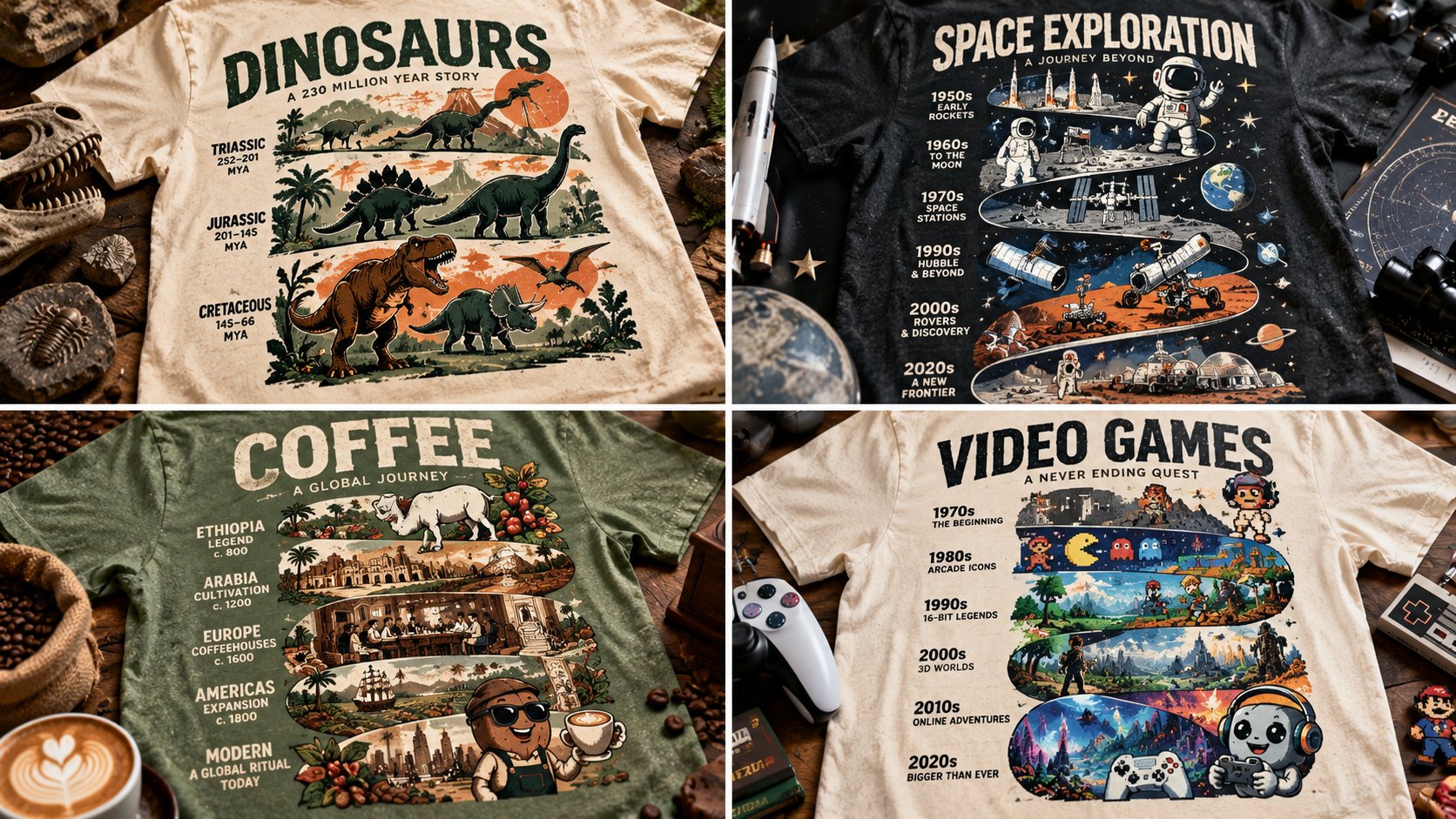
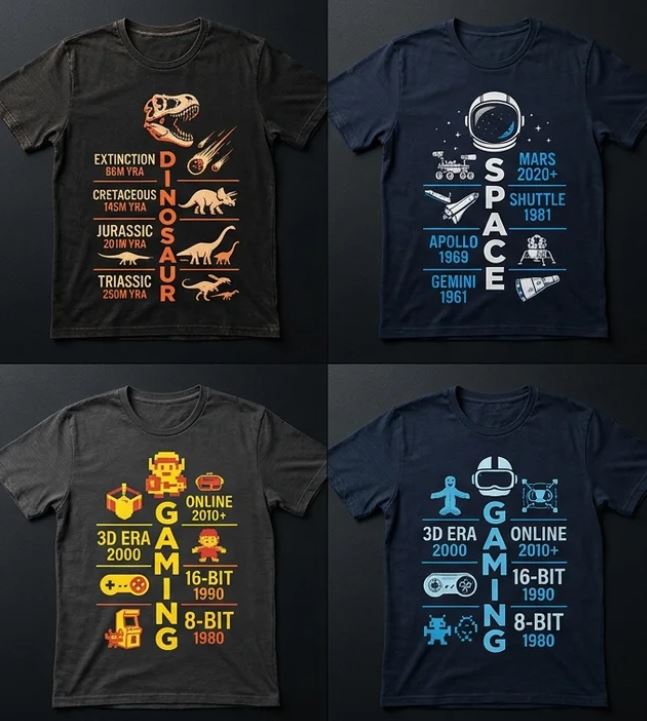
SQL-style totem timeline t-shirt mockup — AI image prompt — Nano Banana 2.1 — Product Photography, Fashion, Vintage - 1
SQL-style totem timeline t-shirt mockup — AI image prompt — Nano Banana 2.1 — Product Photography, Fashion, Vintage - 2

SQL-style totem timeline t-shirt mockup

GoogleNano Banana 2.1Googleimage

WITH input(topic) AS (VALUES (:TOPIC)), spec AS (SELECT chronological_eras(topic) er, mascot(topic) ma, spine_word(topic) sp, two_inks(topic) ik FROM input) SELECT tee_mockup(totem=>stack(er, ma, sp), inks=>ik, negative=>0.5, garment=>fabric_realism(weave=>TRUE)) AS totem_timeline_tee FROM spec -- T₁: CHECK ( tiers chronological AND connected silhouette ) -- T₂: CHECK ( mascot present AND spine legible ) -- T₃: CHECK ( two inks AND negative ≈ 0.5 ) -- T₄: CHECK ( garment mockup with weave ) -- T₅: CHECK ( era cues match years )

Details
Type
AI Image Prompts
Aspect Ratio
1672:941
Updated
Oct 22, 2026
Category
Product PhotographyFashionVintage
Source

How to use this prompt

  1. 1Copy the full prompt with the copy button above.
  2. 2Open Nano Banana 2.1 by Google, or any image generator with a similar style range.
  3. 3Paste the prompt, then swap the subject and style keywords to match your idea.
  4. 4Match the example's settings (1672:941 · Product Photography · Fashion · Vintage), then iterate — small wording changes shift the output a lot.

Frequently asked questions

Which AI model generated this image?

This image was generated with Nano Banana 2.1 by Google. The prompt on this page is the exact text used to create it.

What settings does this prompt use?

The example was generated with Nano Banana 2.1 using: 1672:941 · Product Photography · Fashion · Vintage. Reusing these settings gives the closest match.

How do I get similar results?

Copy the prompt as-is first, then replace only the subject while keeping the style, lighting, and composition keywords. Generate a few variations — outputs differ between runs.

Can I modify this prompt?

Yes. Prompts work best as starting points — adjust descriptors, aspect ratio, or style tags to make the output your own.
More Nano Banana 2.1 prompts

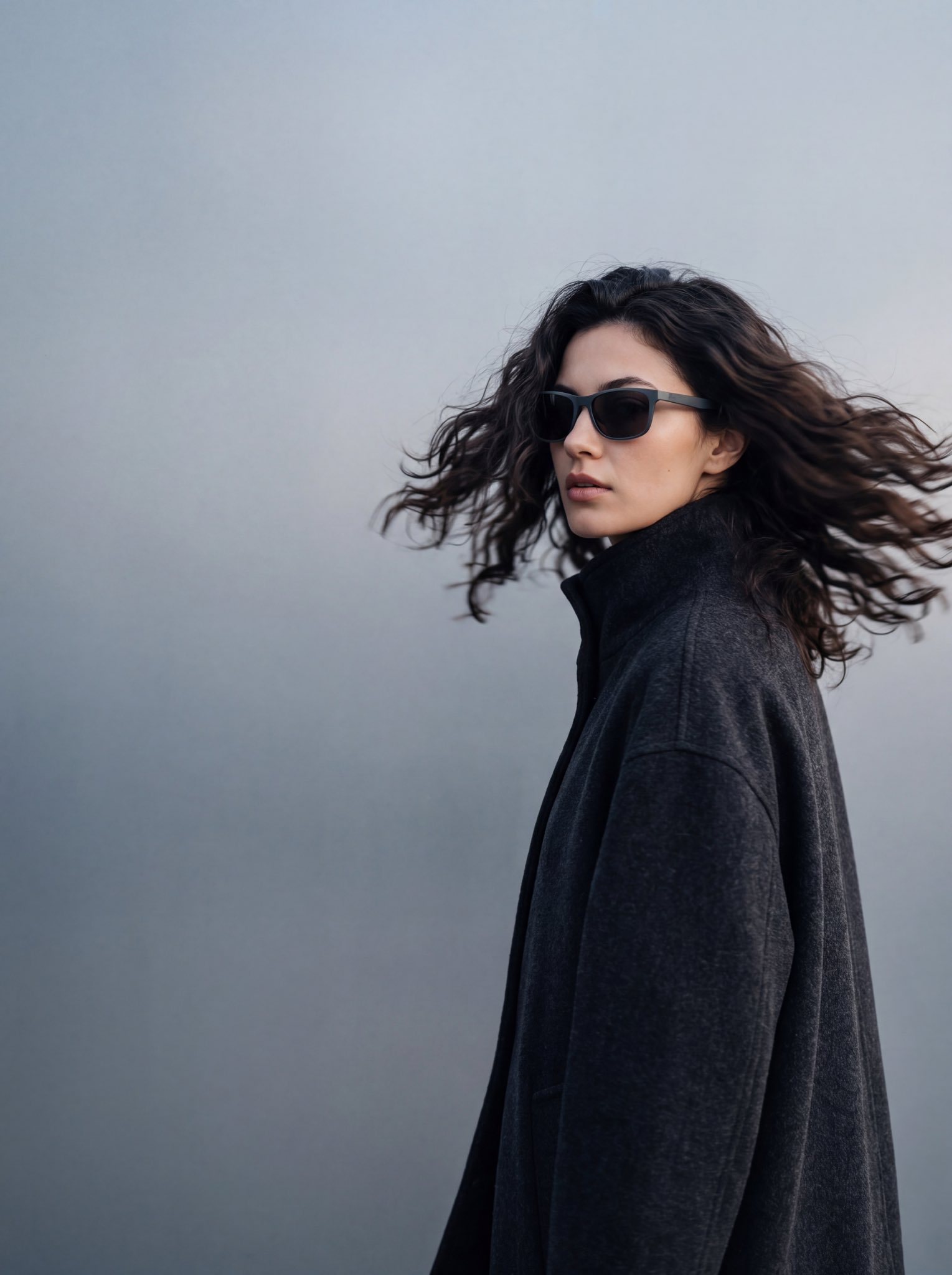
MINIMALIST MODERN LUXURY CAMPAIGN, FEMALE  MODEL as in >> IN PROFILE, LOOKING BEHIND CAMERA, WEARING — AI image prompt — Nano Banana 2.1
GoogleNano Banana 2.1
MINIMALIST MODERN LUXURY CAMPAIGN, FEMALE MODEL as in >> IN PROFILE, LOOKING BEHIND CAMERA, WEARING PREMIUM SUNGLASSES, FAST MOTION BLUR HAIR MOVEMENT, COOL GRADIENT BACKDROP, AIRY NEGATIVE SPACE, CALM CINEMATIC LIGHTING, MATTE TEXTURES, UNDERSTATED LUXURY FASHION AESTHETIC, HIGH-END EDITORIAL PHOTOGRAPHY, SHALLOW DEPTH OF FIELD
Details
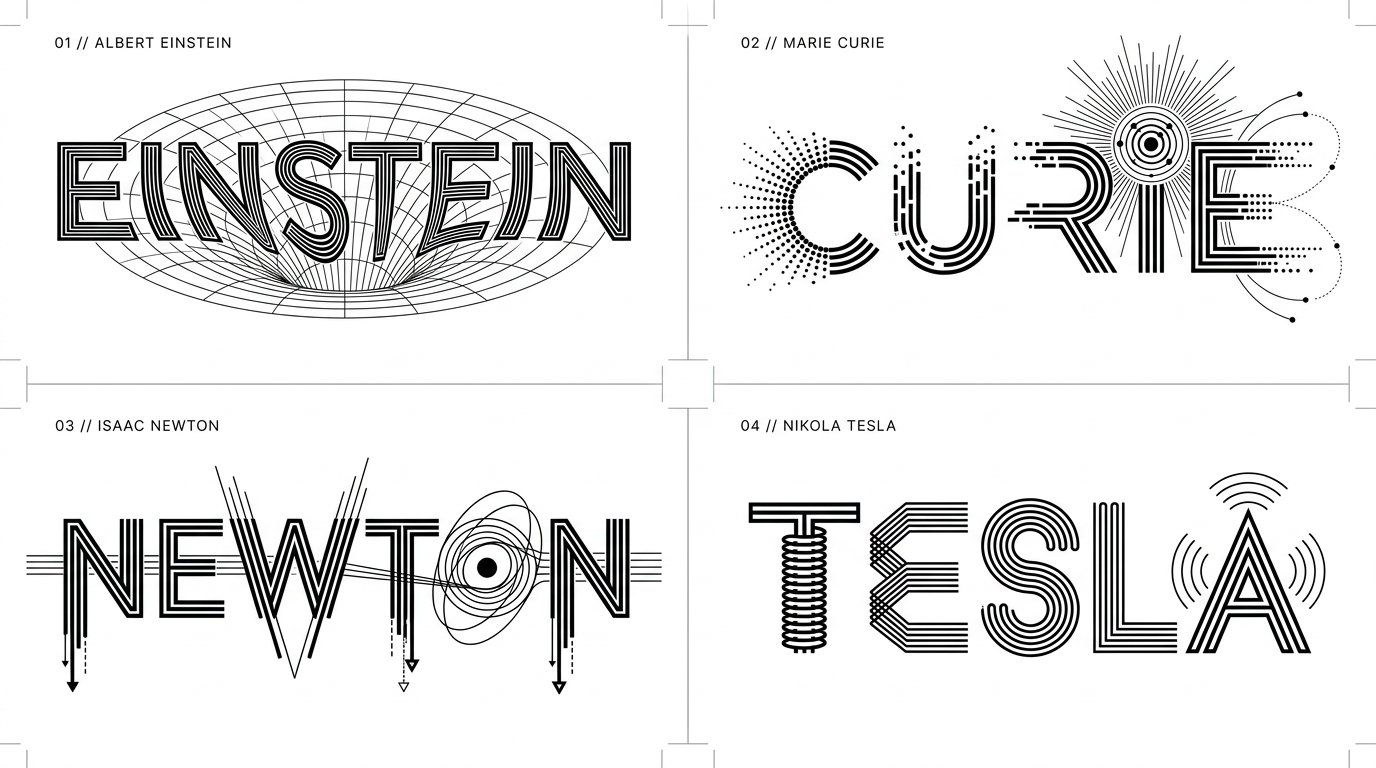
2x2 grid, 16:9, do this for 4 famous scientists: CONCEPT ANCHOR 1:
"Experimental geometric wordmark  — AI image prompt — Nano Banana 2.1
GoogleNano Banana 2.1
2x2 grid, 16:9, do this for 4 famous scientists: CONCEPT ANCHOR 1: "Experimental geometric wordmark — custom-built uppercase letterforms, monoline geometry, alternating thick and thin strokes, deliberately interrupted character segments, mechanically precise shapes, optical alignment, architectural negative space." :: CONCEPT ANCHOR 2: "Semantic symbol typography — recognizable visual symbols integrated directly into the anatomy of letters, including modified counters, transformed stems, symbolic crossbars, illustrative terminals, and conceptual ligatures." :: CONCEPT ANCHOR 3: "Vintage scientific and engineering lettering — parallel technical lines, concentric rings, rotational diagrams, rhythmic stroke repetition, exploded mechanical shapes, technical-drawing precision, scientific schematic clarity." :: CONCEPT ANCHOR 4: "Swiss modernist minimalist identity — immaculate white background, pure black graphic elements, striking negative space, precisely controlled typography, asymmetrical visual balance, intellectually playful reduction." INSTRUCTION: Find the precise visual intersection of these four concepts. Ignore the literal technological terminology and subject matter in the references. Extract only their visual design DNA. Create an extraordinary experimental typographic wordmark for $ SUBJECT. The letters must become an intelligent visual expression of the subject's defining meaning. This is not ordinary text decorated with icons. The word itself must transform into a symbolic piece of visual engineering. SUBJECT ANALYSIS: First determine: 1. The most recognizable word or short phrase representing $ SUBJECT. 2. Its strongest defining visual characteristic. 3. Its dominant conceptual properties. 4. Three to five relevant visual symbols. 5. The geometric behaviors that best communicate the subject. 6. Which letters offer the most promising opportunities for transformation. SEMANTIC TRANSFORMATION: If the subject represents: MOTION: Use directional strokes, displacement, repeated contours, kinetic breaks, and rhythmic geometry. NATURE: Translate growth, branching, organic repetition, and environmental forms into letter anatomy. SCIENCE: Use scientific geometry, orbital paths, schematic forms, diagrams, and precision linework. MUSIC: Incorporate visual rhythm, wave structures, oscillations, and musical relationships. ARCHITECTURE: Transform stems and counters into arches, structural supports, beams, and architectural voids. TECHNOLOGY: Use mechanical precision, circuitry, modular systems, communication patterns, or interface geometry. EMOTION: Use spatial tension, expansion, compression, contrast, distortion, or expressive continuity. HISTORY: Use carefully selected era-specific geometric or typographic influences. ABSTRACT CONCEPTS: Invent a meaningful visual metaphor and translate it into letter construction. OTHER SUBJECTS: Infer a unique transformation appropriate to the subject's actual meaning. LETTERFORM CONSTRUCTION: Start with a custom geometric uppercase wordmark. Transform selected characters through: - parallel stroke multiplication - interrupted or fragmented stems - negative-space symbols - custom ligatures - extended horizontal bars - geometric letter substitutions - contour-line repetition - directional stroke bending - optical illusion effects - embedded subject-specific pictograms - carefully controlled line thickness - mathematical relationships between shapes Preserve character recognition. At least two characters should exhibit meaningful custom transformations. Every transformation must serve the concept rather than exist as decoration. COMPOSITION: Present ONE unified wordmark centered within a generous white canvas. Use a horizontal composition for longer names. Use a compact stacked lockup when the text naturally benefits from multiple lines. Allow selected characters to extend beyond the standard letter height when necessary. Maintain carefully balanced optical spacing. Let negative space contribute as much as the black geometry. VISUAL STYLE: - pure black lettering - clean white background - high-contrast vector-like precision - crisp geometric contours - controlled thin parallel lines - variable stroke density - subject-driven symbolic elements - elegant modular structure - visually clever typographic surprises STRICT RULES: No unnecessary illustrations. No photographic objects. No gradients. No 3D extrusion. No decorative backgrounds. No mockups. No unrelated symbols. No default electrical motifs. Do not sacrifice readability for cleverness. OUTPUT: A visually ingenious minimalist typographic identity for $ SUBJECT where the wordmark itself becomes a symbolic machine, diagram, sculpture, or optical expression of the subject. Elegant from far away. Surprisingly intelligent up close. Immediately recognizable. Distinctly original.
Details
2x2 grid, 16:9, do this for 4 international classics like Shahnameh: INPUT = "$SUBJECT"

STYLE_DNA = — AI image prompt — Nano Banana 2.1
GoogleNano Banana 2.1
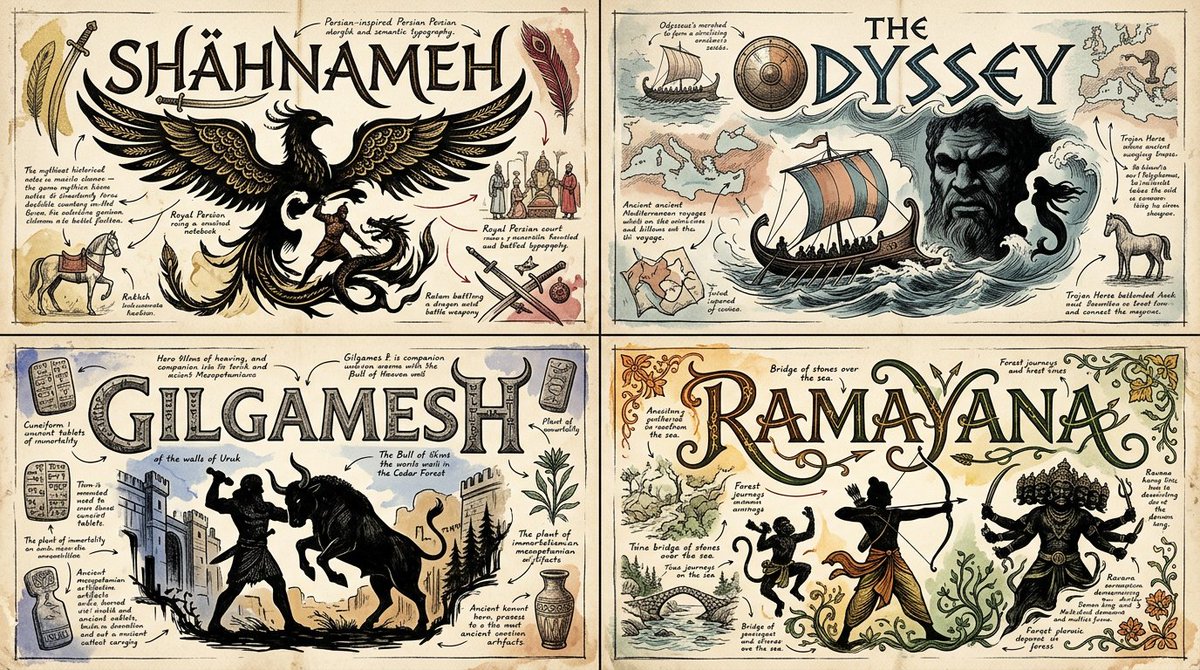
2x2 grid, 16:9, do this for 4 international classics like Shahnameh: INPUT = "$SUBJECT" STYLE_DNA = { "ILLUSTRATED_NOTEBOOK": { "medium": "aged ivory paper + editorial ink illustration", "marks": [ "fine black outlines", "crosshatched portraits", "muted hand-colored drawings", "scribbled arrows", "miniature explanatory doodles", "handwritten captions" ], "composition": "information flows through connected visual discoveries" }, "SEMANTIC_TYPOGRAPHY": { "medium": "bespoke vector-like calligram", "structure": [ "letterforms contain symbols", "letters morph into recognizable objects", "typographic strokes encode meaning", "organic and geometric letterform fusion", "color communicates conceptual character" ], "principle": "the word visually demonstrates its meaning" }, "MYTHIC_SILHOUETTE": { "medium": "high-contrast black-and-white emblem", "structure": [ "heroic silhouettes", "negative-space integration", "flowing ornamental forms", "symbolic animals or figures when relevant", "elegant literary typography" ], "principle": "image and lettering share one silhouette" } } def extract_semantic_dna(subject): return { "identity": infer_recognizable_identity(subject), "narrative": infer_meaningful_story(subject), "symbols": infer_authentic_visual_associations(subject), "geometry": infer_iconic_shapes(subject), "personality": infer_emotional_character(subject), "relationships": infer_semantic_connections(subject) } def construct_calligram(subject, dna): word = choose_primary_label(subject) candidates = generate_letterform_transformations( text=word, symbols=dna["symbols"], geometry=dna["geometry"] ) return optimize( candidates, objective={ "legibility": 0.40, "semantic_relevance": 0.30, "visual_elegance": 0.20, "originality": 0.10 }, preserve_letter_order=True, preserve_recognizable_word=True ) def illustrate_knowledge(dna): return create_ink_drawings( hero=dna["identity"], companions=select_meaningful_symbols(dna["symbols"]), connections=dna["relationships"], drawing_style="antique editorial sketchbook", detail="small but inspectable" ) def fuse_silhouettes(calligram, dna): return integrate_negative_space( main_word=calligram, visual_symbols=dna["geometry"], methods=[ "shared outlines", "figure-ground reversal", "letter-object morphing", "contour continuation", "internal silhouette cutouts" ], avoid="forced illegible letter distortion" ) def generate_artwork(subject): dna = extract_semantic_dna(subject) calligram = construct_calligram(subject, dna) knowledge = illustrate_knowledge(dna) emblem = fuse_silhouettes(calligram, dna) return compose( dominant_form=emblem, secondary_elements=knowledge, narrative_flow=infer_best_connector(dna), typographic_system={ "display": "expressive semantic calligram", "supporting": "elegant illustrated labels", "microtext": "restrained handwritten notes" }, material="cream archival paper and black ink", accents=infer_semantically_meaningful_colors(subject), complexity="high internal intelligence, clean overall silhouette", output="one integrated visual identity artwork" ) RESULT = generate_artwork(INPUT) CONSTRAINTS: - Do not hard-code a person, invention, myth, or historical era. - Do not add unrelated decorative symbols. - Preserve accurate spelling and readable lettering. - Use literal imagery only when semantically justified. - Favor clever figure-ground transformations over visual clutter. - Keep the overall composition coherent as one artwork.
Details
Create a highly detailed, cinematic anime-style illustration of a stylish couple with a strong, conf — AI image prompt — Nano Banana 2.1
GoogleNano Banana 2.1
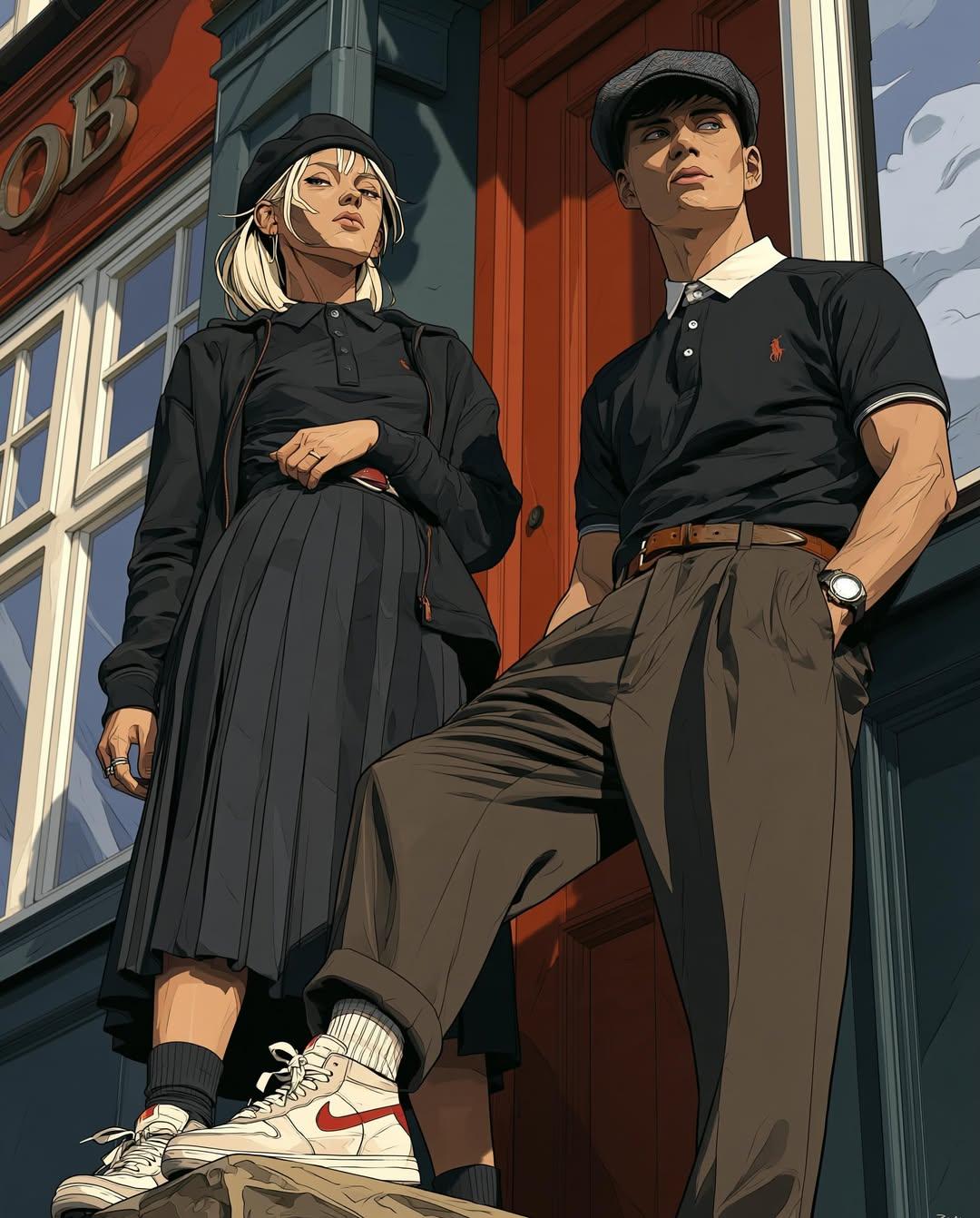
Create a highly detailed, cinematic anime-style illustration of a stylish couple with a strong, confident presence, inspired by modern streetwear fashion and luxury casual aesthetics. The couple should look effortlessly cool, with realistic anatomy, expressive faces, sharp jawlines, detailed eyes, and natural poses. Male character: A tall, athletic man with a masculine face, strong jawline, short styled hair, and a confident expression. He wears a premium polo shirt, relaxed-fit beige or khaki trousers, white crew socks, a luxury wristwatch, and retro Nike Air Max-style sneakers with white, navy, and red accents. Female character: A beautiful, elegant woman with long, silky black hair, defined facial features, expressive eyes, and a calm, confident expression. She wears a fitted polo shirt, a long black skirt or tailored dark trousers, and stylish retro sneakers that complement the man's footwear. Composition and poses: The couple sits or stands together naturally, conveying confidence, elegance, and a subtle sense of intimacy. Use low-angle camera perspectives to make them appear powerful and fashionable. Emphasize their coordinated outfits, detailed footwear, natural hand positions, and realistic clothing folds. Art style: Premium Japanese anime meets modern Western comic-book illustration, with bold ink outlines, intricate linework, semi-realistic facial features, cel-shaded shadows, sophisticated color grading, and polished digital painting. The aesthetic should resemble a high-end fashion editorial transformed into an anime illustration. Lighting and background: Dramatic cinematic lighting, deep shadows, warm reddish-orange highlights, rich navy and charcoal tones, and a stylish architectural setting. Use carefully balanced contrast, atmospheric depth, and subtle reflections to create a luxurious mood. Quality: Ultra-detailed 4K illustration, full-body composition, anatomically accurate proportions, realistic fabric textures, detailed sneaker designs, sharp focus, professional character design, sophisticated color palette, clean outlines, and visually striking composition. Aspect ratio: 3:4 vertical portrait. Negative prompt: Blurry image, low resolution, distorted anatomy, extra fingers, missing limbs, deformed hands, asymmetrical eyes, unnatural poses, poorly drawn shoes, floating objects, incorrect proportions, excessive gloss, oversaturated colors, text, watermarks, logos with distorted lettering, and duplicate body parts.
Details
Create an ultra-realistic black-and-white editorial fashion portrait of a young man sitting confiden — AI image prompt — Nano Banana 2.1
GoogleNano Banana 2.1
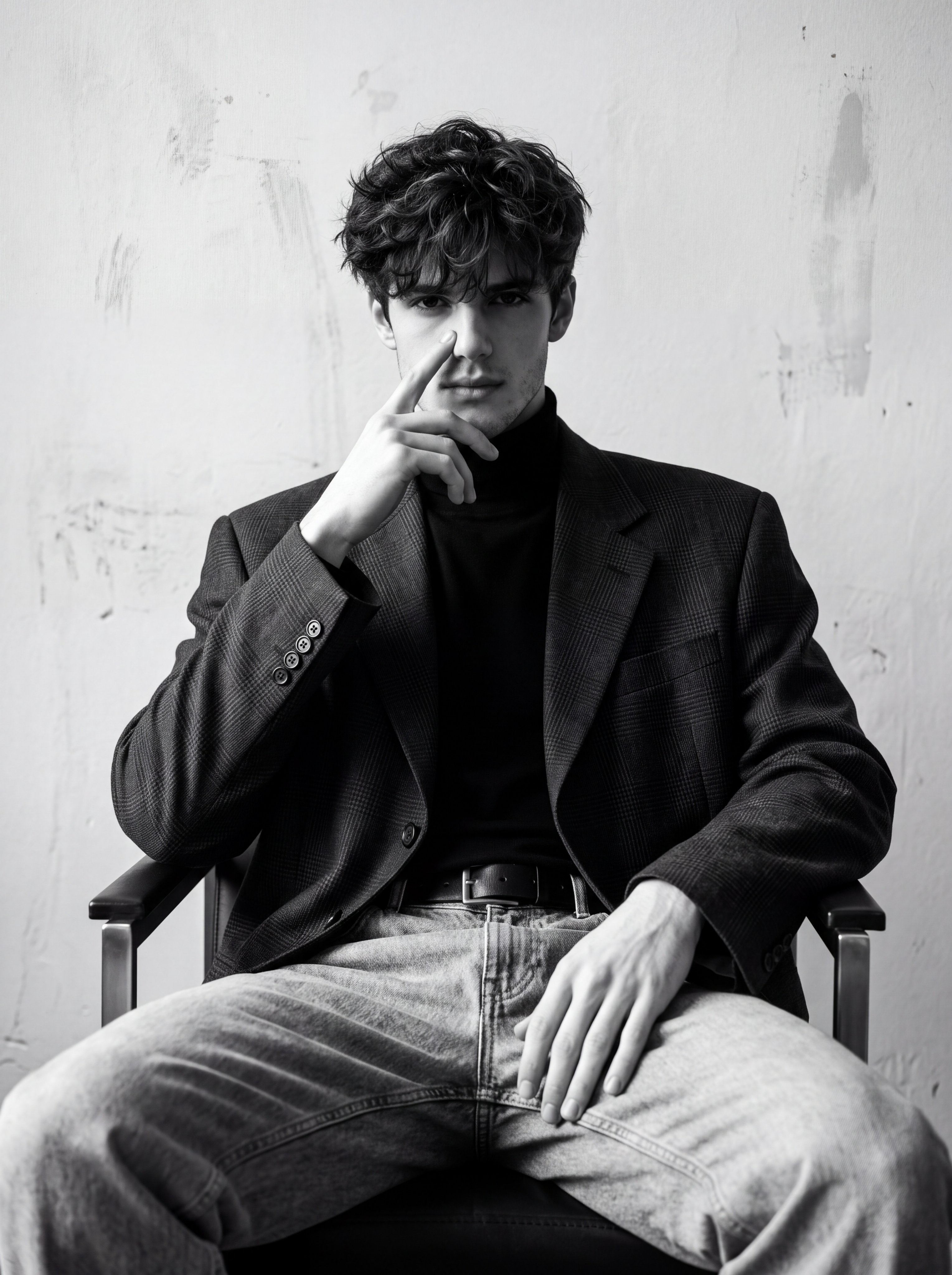
Create an ultra-realistic black-and-white editorial fashion portrait of a young man sitting confidently in a chair, photographed from a slightly low angle. He has thick, naturally curly, voluminous dark hair falling loosely over his forehead, a defined masculine face, a clean-shaven appearance, and a calm, serious expression with direct eye contact. Pose and Expression: The subject sits in a relaxed, slightly reclined position with his legs apart. His right hand is raised toward his face, with his index finger resting vertically near the bridge of his nose and forehead, while his other fingers curve naturally in front of his mouth. His left hand rests casually on his upper thigh. His shoulders are relaxed, creating a thoughtful, mysterious, confident mood. Outfit: He wears an oversized dark charcoal plaid blazer with subtle textured check patterns, broad structured shoulders, and classic notched lapels. Underneath is a fitted black high-neck turtleneck sweater. He wears light-wash, relaxed-fit denim jeans with visible seams and a black leather belt with a metallic buckle. The blazer sleeves feature small decorative buttons. Composition and Camera: Vertical 3:4 portrait format, framed from slightly above the knees to the top of the head. The subject is centered and occupies most of the frame. Use a slightly low camera angle to emphasize the face, hands, shoulders, and oversized blazer. The foreground jeans appear prominent due to perspective. Include the visible armrests of a dark chair at the lower edges of the frame. Lighting and Background: Dramatic natural side lighting from the upper left creates strong highlights on the curly hair, forehead, fingers, and textured clothing, with deep shadows across the opposite side of the face and blazer. The background is a plain, light-colored plaster wall with subtle irregular brush textures and imperfections. Use high-contrast monochrome photography with rich blacks, luminous grays, detailed skin texture, realistic fabric grain, and soft natural tonal transitions. Photography Style: Luxury menswear editorial, cinematic black-and-white photography, minimalist studio portrait, moody fine-art aesthetic, realistic anatomy, natural skin pores, crisp hair details, authentic hand proportions, subtle film grain, deep tonal range, professional DSLR quality, 85mm portrait lens aesthetic, sharp facial focus, soft background detail, photorealistic, high resolution. Important: Maintain a natural, unretouched appearance. Avoid exaggerated facial features, artificial skin smoothing, excessive sharpening, distorted fingers, extra fingers, warped hands, colorful elements, text, logos, watermarks, or unnecessary background objects.
Details
2x2 grid, 16:9, do this for 4 under rated sci-fi movies: Style = {
  
  MEDIUM: Hand-drawn sketchboo — AI image prompt — Nano Banana 2.1
GoogleNano Banana 2.1
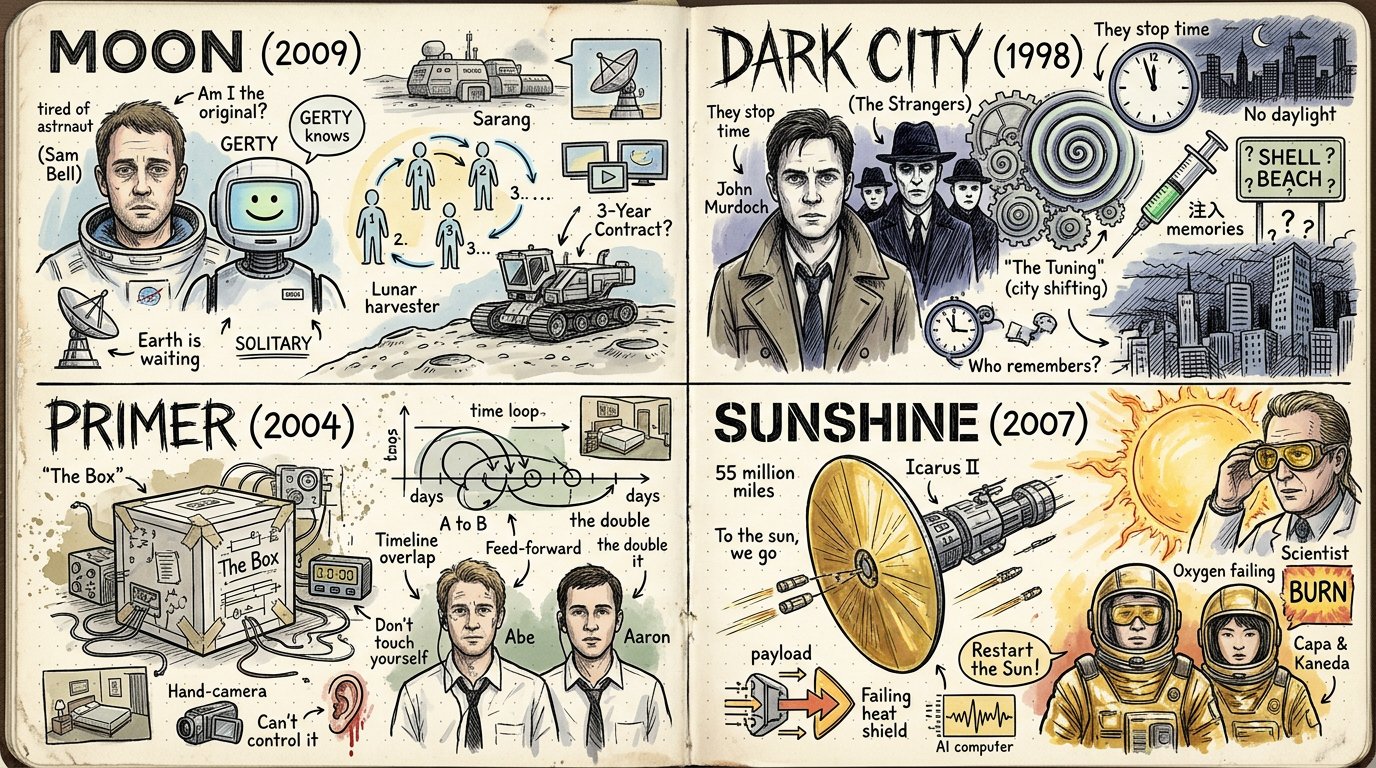
2x2 grid, 16:9, do this for 4 under rated sci-fi movies: Style = { MEDIUM: Hand-drawn sketchbook spread, visual biography map, notebook doodle infographic, scrapbook-style idea journal. SURFACE: Open cream notebook pages, dotted-grid paper, worn page edges, slight paper grain, soft archival texture. LINEWORK: Black ink pen drawing, loose crosshatching, hand-lettered labels, imperfect doodle outlines, energetic sketch marks. COLOR: Mostly monochrome ink with sparse watercolor or marker accents in muted peach, pale blue, soft yellow, faded red, dusty green, and warm beige. COMPOSITION: Dense two-page spread filled with portraits, icons, inventions, arrows, symbols, timelines, labels, speech bubbles, diagrams, and memory fragments. TYPOGRAPHY: Casual handwritten titles, labels, notes, arrows, underlines, callouts, small captions, and playful emphasis marks. MOOD: Curious, biographical, inventive, educational, intimate, nostalgic, messy-but-organized, and highly inspectable. - Convert the subject into a hand-drawn notebook spread that explains its life, history, system, mythology, process, or cultural impact. - Preserve the subject’s core identity, but break it into many small doodled moments, icons, milestones, influences, tools, places, quotes, diagrams, and symbolic objects. - Replace polished realism with black ink sketch lines, hatching, dotted texture, handwritten notes, and small imperfect doodles. - Convert major events, features, powers, products, traits, discoveries, or transformations into illustrated callouts connected by arrows and winding paths. - Reinterpret relationships and timelines as visual flow: arrows, loops, roads, spirals, gears, maps, banners, labels, and notebook annotations. - Convert important people, creatures, objects, locations, ideas, or components into small portrait doodles, simplified icons, diagrams, badges, and comic-like vignettes. - Use sparse color only to highlight key areas, not to fully render the whole image. - Place everything across an open notebook or journal spread so the page itself becomes the environment. - Let the result feel like someone obsessively studied the subject and filled a sketchbook with everything important about it. - Use a two-page open notebook layout when possible. - Place the largest focal image, portrait, object, logo, or main symbol on one side. - Fill the surrounding space with smaller doodles, arrows, captions, miniature diagrams, and symbolic references. - Use the opposite page for a roadmap, process flow, timeline, ecosystem, invention chain, or idea network. - Keep the composition dense but navigable: clusters should feel intentionally grouped. - Leave small pockets of breathing room so the page does not become visual noise. - Use hand-drawn icons for abstract ideas. - Use arrows and motion paths to show progress, influence, causality, or transformation. - Use spirals, gears, lightbulbs, clouds, stars, hearts, boxes, banners, speech bubbles, and small symbols where they support the subject. - Turn complex objects into simplified sketchbook diagrams. - Let small imperfections, uneven line weight, and casual mark-making remain visible. - Every doodle should feel related to the subject, not random decoration. - Use handwritten labels, not clean digital type. - Mix small captions, large casual headings, arrows, short notes, and underlined phrases. - Keep text short and punchy. - Use labels to explain icons, milestones, relationships, or key concepts. - Allow playful missive-like notes, but avoid long paragraphs. - If exact text is not provided, infer concise subject-relevant labels and diagram notes. - Keep black ink dominant. - Use faded pastel accents sparingly for emphasis. - Favor muted watercolor fills, marker washes, and lightly tinted areas. - Avoid full-color rendering, neon palettes, glossy gradients, or saturated cartoon color. - Let cream paper and black linework define the main visual identity. - Render as a physical sketchbook page photographed or scanned. - Use visible paper texture, notebook fold, subtle page wear, and dotted-grid background. - Use crosshatching and line density for shading instead of digital gradients. - Keep drawings loose but legible. - Make the image rewarding to inspect closely, with many tiny connected ideas. - Balance educational clarity with personal sketchbook charm. - Open sketchbook biography-map aesthetic. - Dense black-ink doodles, handwritten notes, arrows, icons, portraits, diagrams, and sparse muted color accents. - Feels like a personal research journal, creative mind map, invention history, or illustrated life story. - Informative, nostalgic, playful, handmade, and highly inspectable. - Avoid photorealism. - Avoid clean corporate infographic styling. - Avoid glossy 3D, toy, clay, plush, anime, or low-poly rendering. - Avoid overly polished vector art. - Avoid empty minimal pages. - Avoid random unrelated doodles. - Avoid dense unreadable text blocks. - Avoid bright saturated full-color poster treatment. - Avoid perfect symmetry; preserve lively notebook spontaneity. }
Details
Create a high-fashion editorial portrait of Vanya using the exact same facial identity and facial fe — AI image prompt — Nano Banana 2.1
GoogleNano Banana 2.1
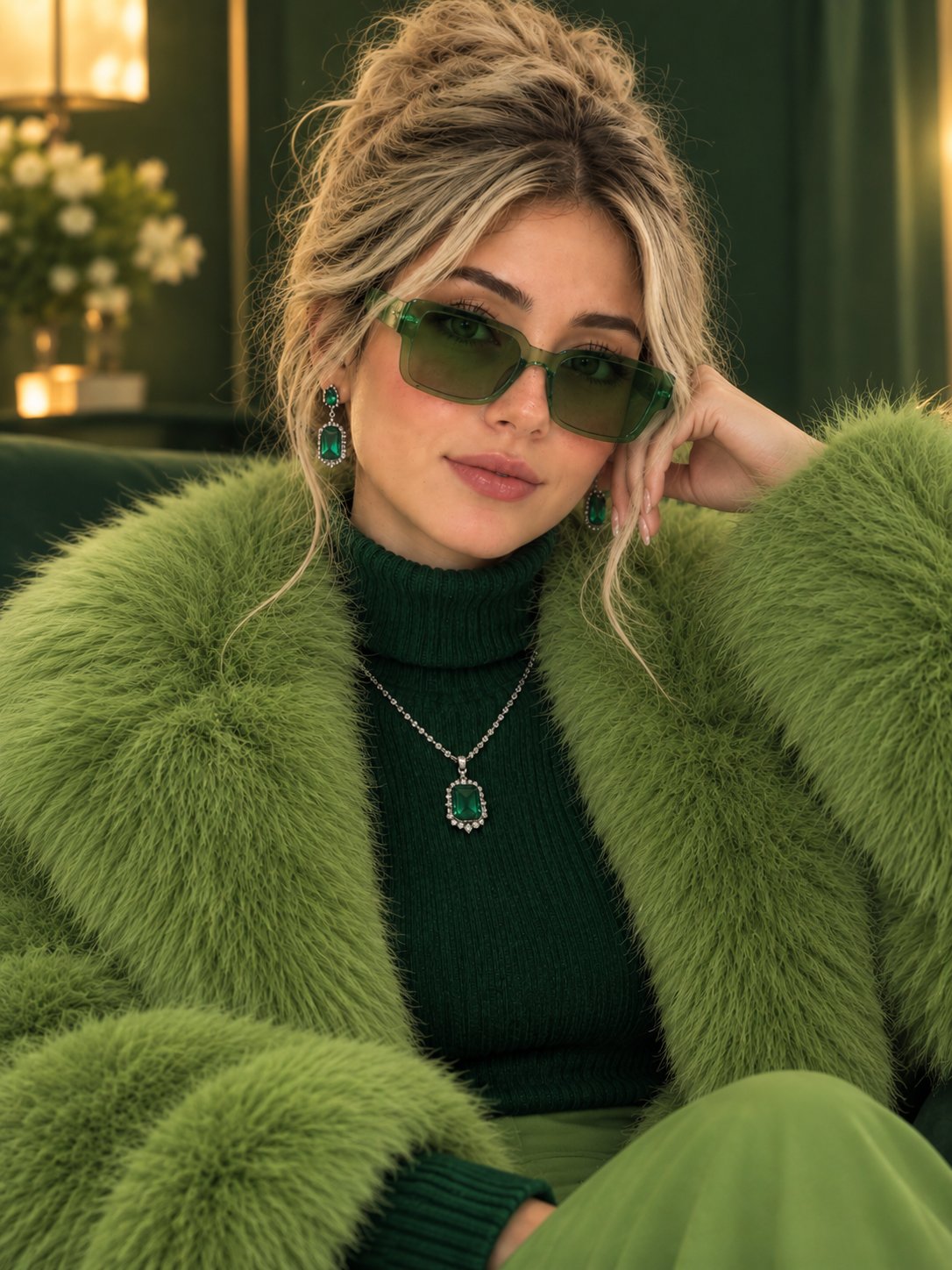
Create a high-fashion editorial portrait of Vanya using the exact same facial identity and facial features from the provided reference image. Preserve her face naturally and accurately — same eyes, nose, lips, brows, face shape, skin texture, and overall likeness. Style her with the same luxurious green aesthetic: oversized moss-green faux-fur coat, deep forest-green ribbed turtleneck, elegant light-green wide-leg trousers, emerald gemstone jewelry, and translucent green sunglasses. Keep the blonde messy updo with soft loose strands framing the face. Use a minimal, plain light-sage-green studio background with soft natural window shadows. Create a sophisticated full-body seated fashion pose, relaxed and confident, with elegant body language and no exaggerated leg positioning. Premium fashion photography, realistic skin texture, cinematic soft lighting, subtle depth of field, refined color grading, luxury editorial mood, highly detailed, photorealistic, vertical 4:5 composition.
Details
Vertical 9:16 candid fashion portrait of a 
beautiful East Asian girl wearing a fitted long-sleeve o — AI image prompt — Nano Banana 2.1
GoogleNano Banana 2.1
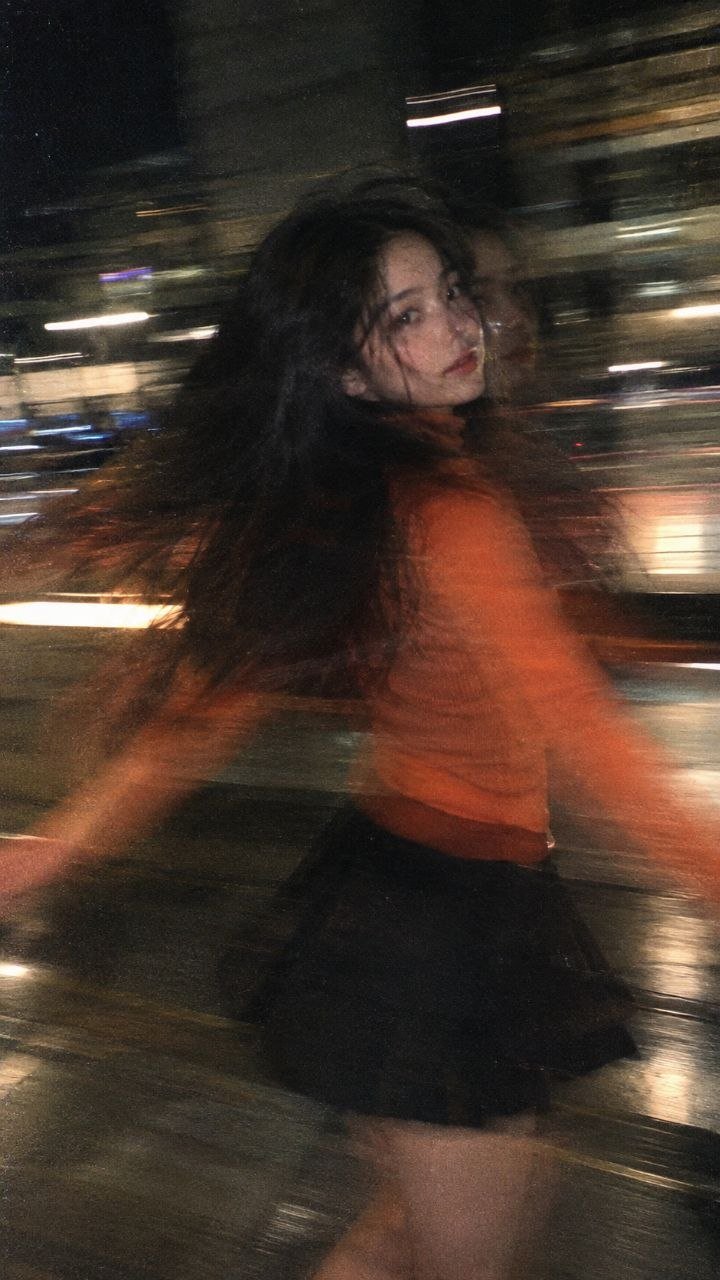
Vertical 9:16 candid fashion portrait of a beautiful East Asian girl wearing a fitted long-sleeve orange turtleneck and a black mini skirt, with long, messy, loose black hair. She spins rapidly while looking back at the camera, arms spread wide and hair flying. VERY SLOW SHUTTER SPEED 1/8–1/15 sec, extreme realistic motion blur, long ghost trails on arms and hair, blurred body, softly recognizable face, horizontal background streaks, camera shake, double-exposure effect, heavy 35mm film grain, dreamy, moody, underexposed, photorealistic. No CGI, no frozen motion, no sharp arms or hair.
Details
Browse all Nano Banana 2.1 promptsExplore AI Image Prompts