LogoAhaPrompt
  • Prompts
  • Featured
  • Models
  • Submit
  • Blog
AhaPromptAhaPrompt

AI Prompts for Images, Video & Audio — Every Model, One Library

Built withLogoNEXTY.DEV
Explore
  • All Prompts
  • Featured Prompts
  • Image Prompts
  • Video Prompts
  • Audio Prompts
  • AI Models
  • Submit a Prompt
  • Blog
Languages
  • English
  • 中文
  • 日本語
  • 한국어

Copyright © 2026 AhaPrompt All rights reserved.

Privacy PolicyTerms of Service
HomeAI Prompt LibraryAI Image PromptsMinimalist Paper-Textured Art Cover
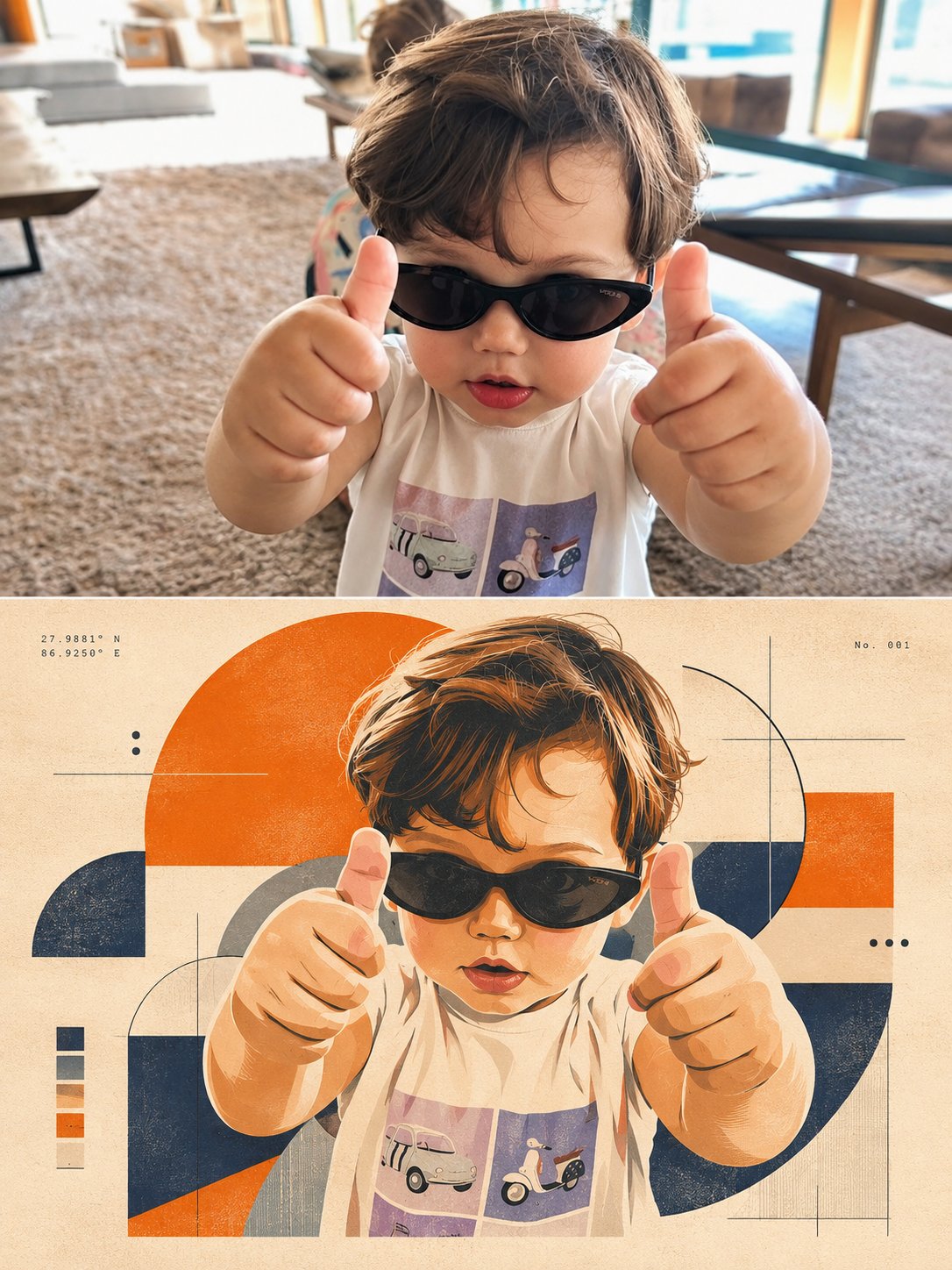
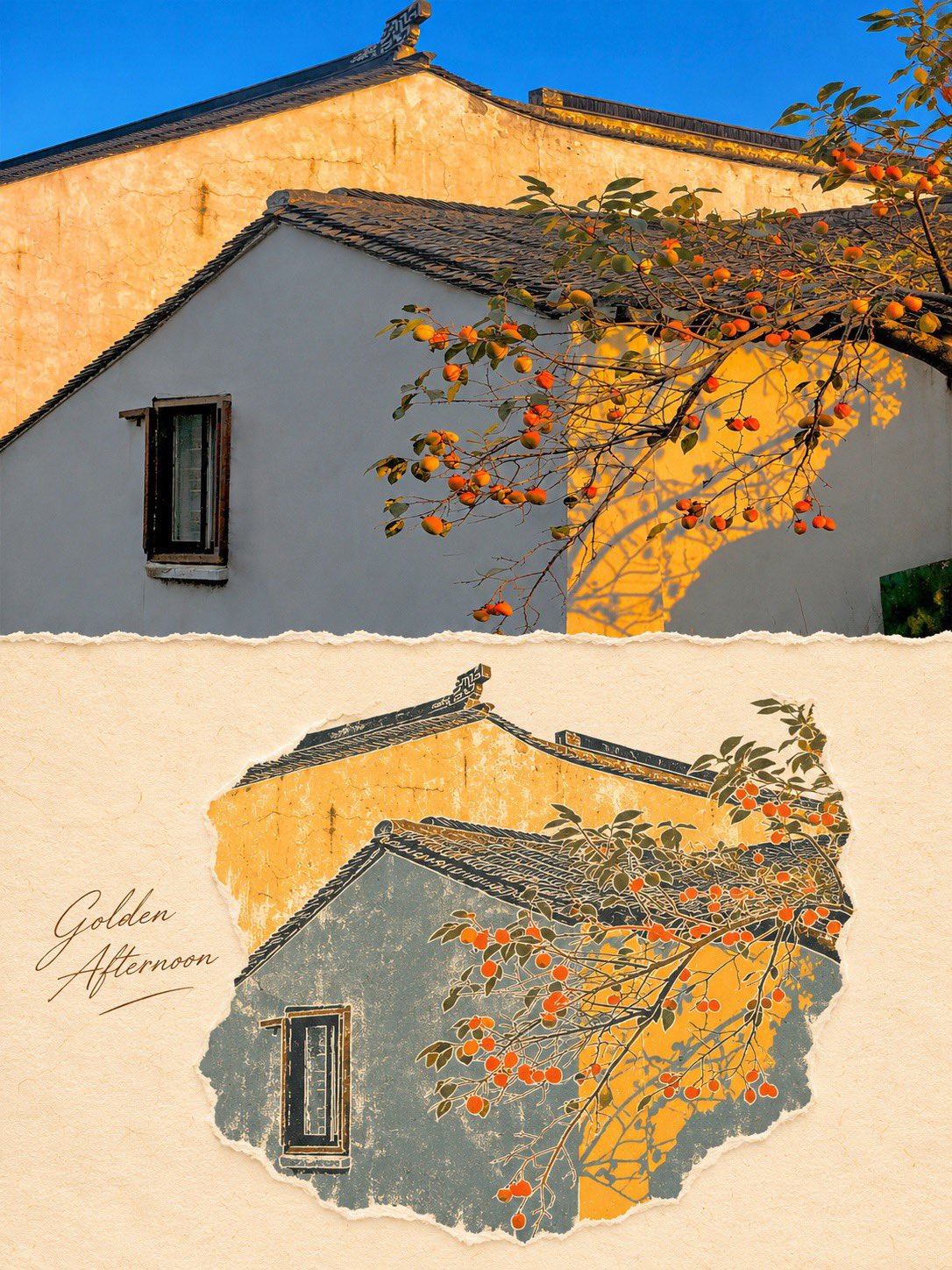
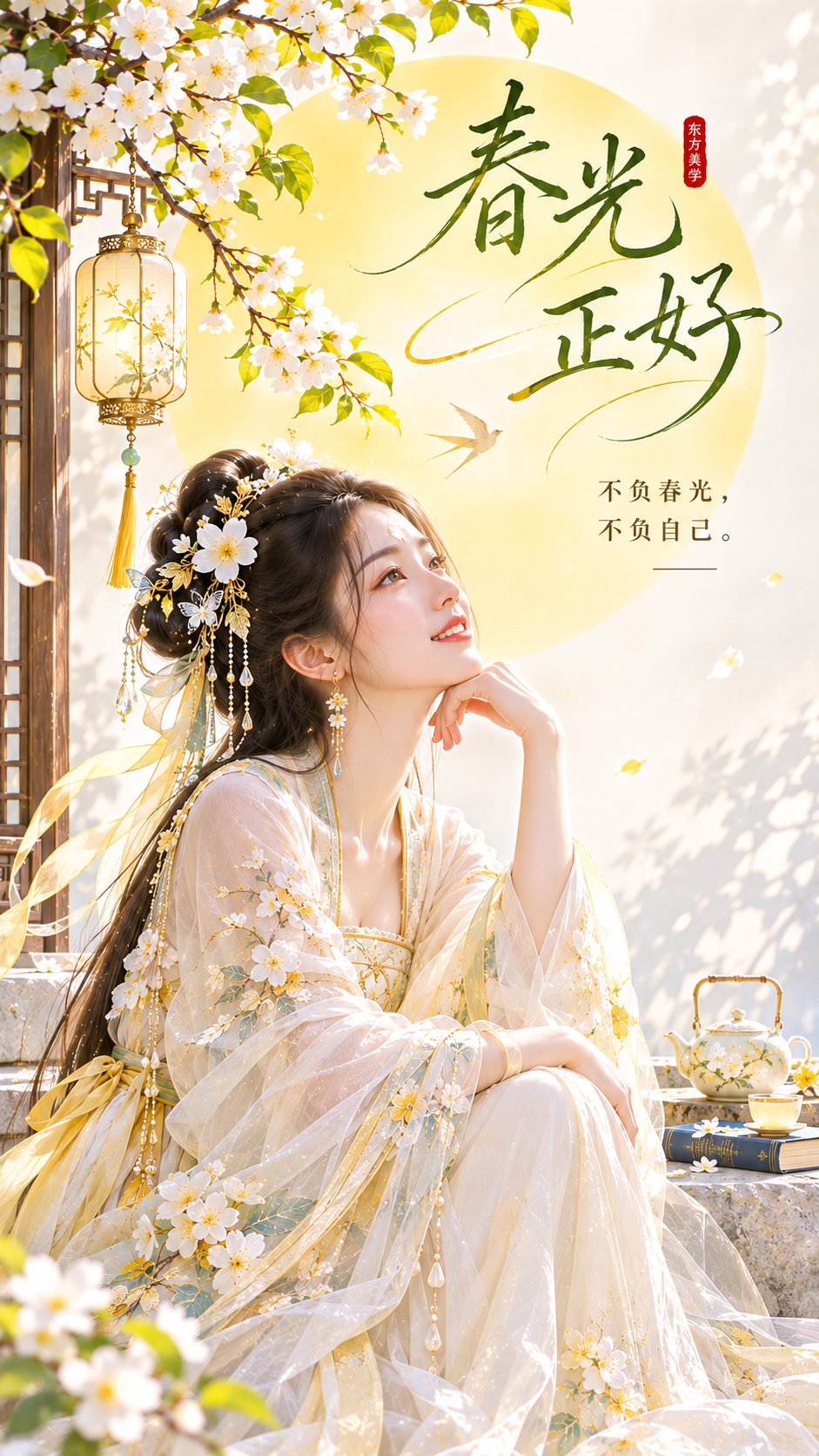
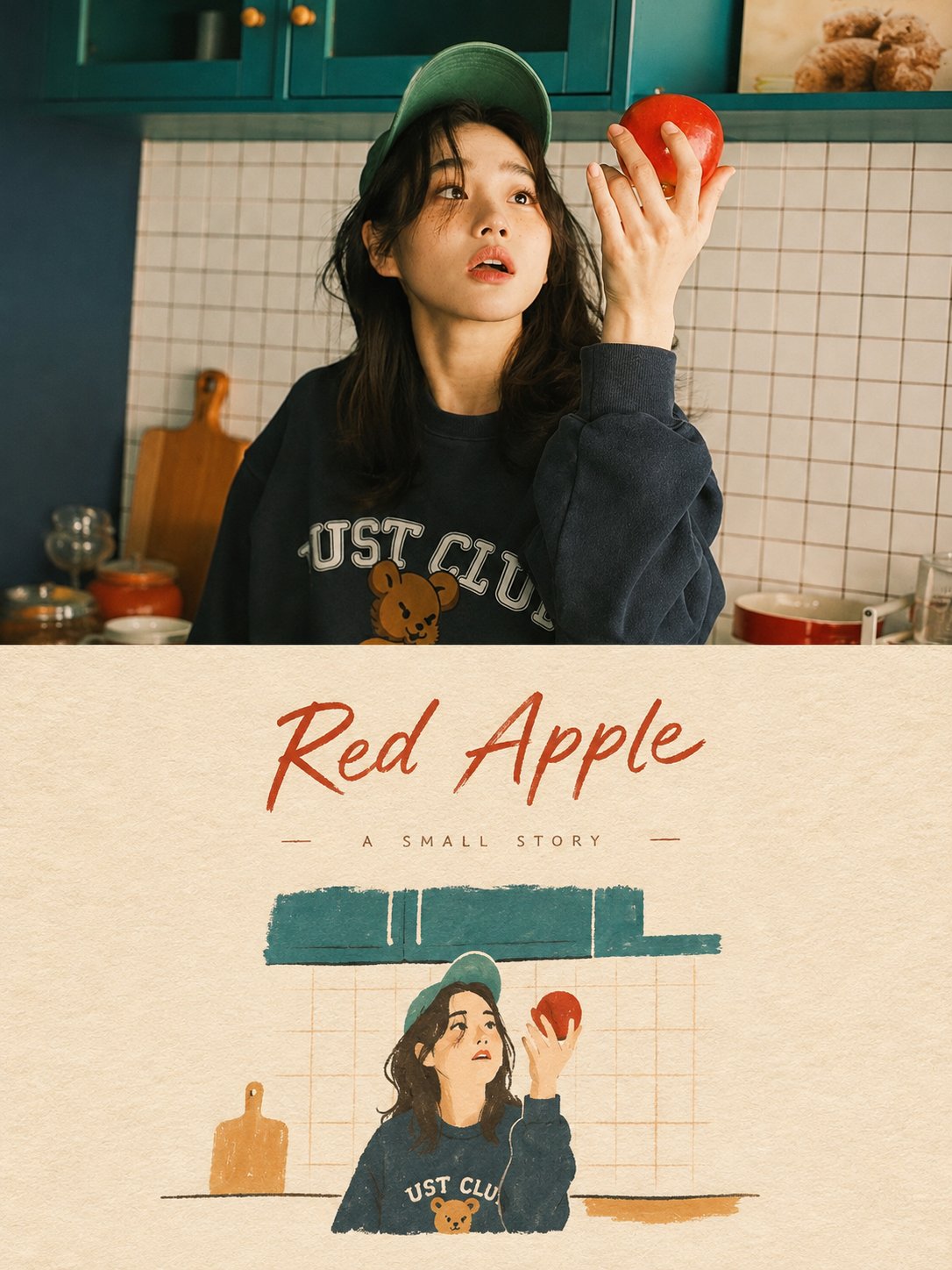
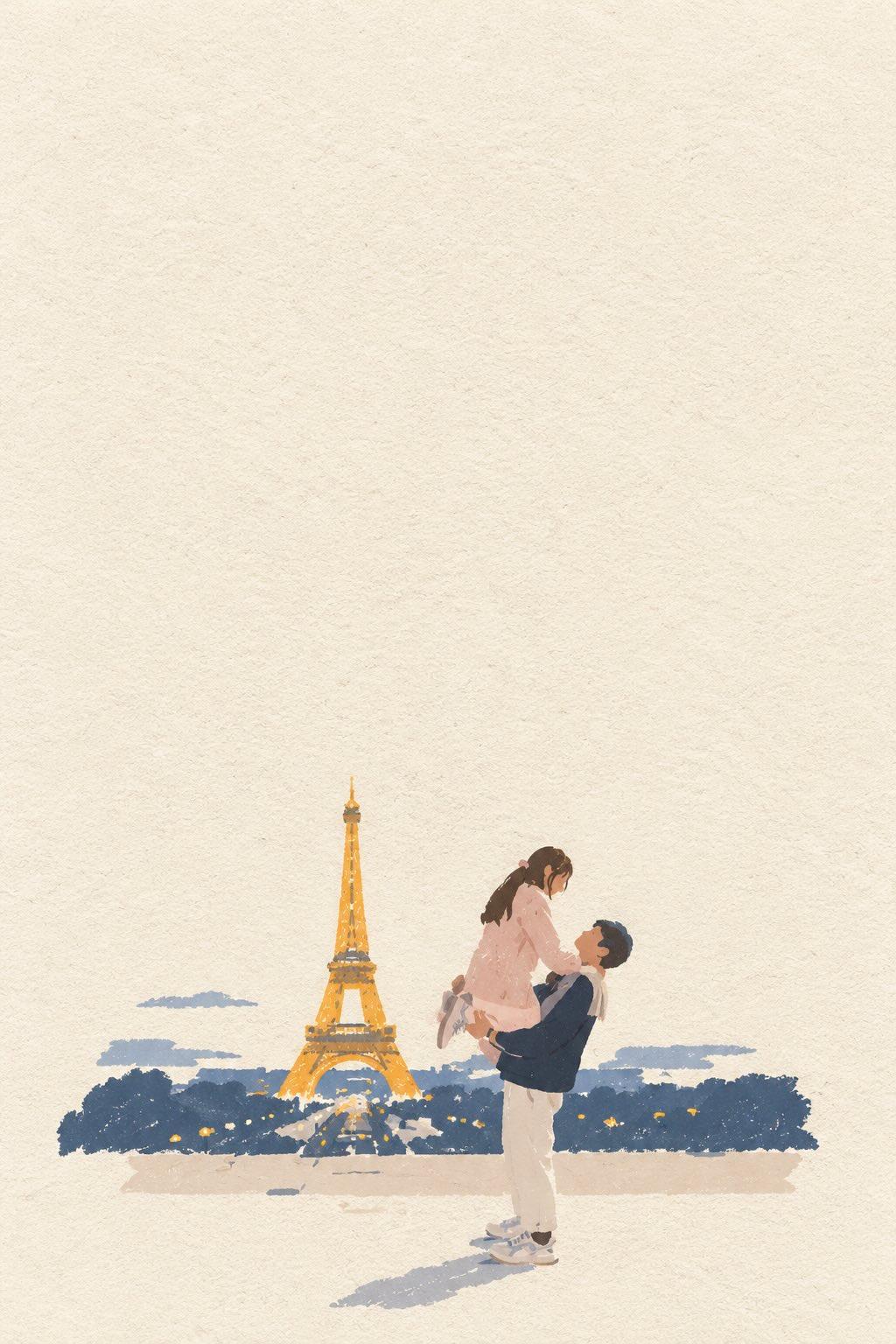
Minimalist Paper-Textured Art Cover — AI image prompt — GPT Image 2.5 — Watercolor, Minimalist, Sketch - 1

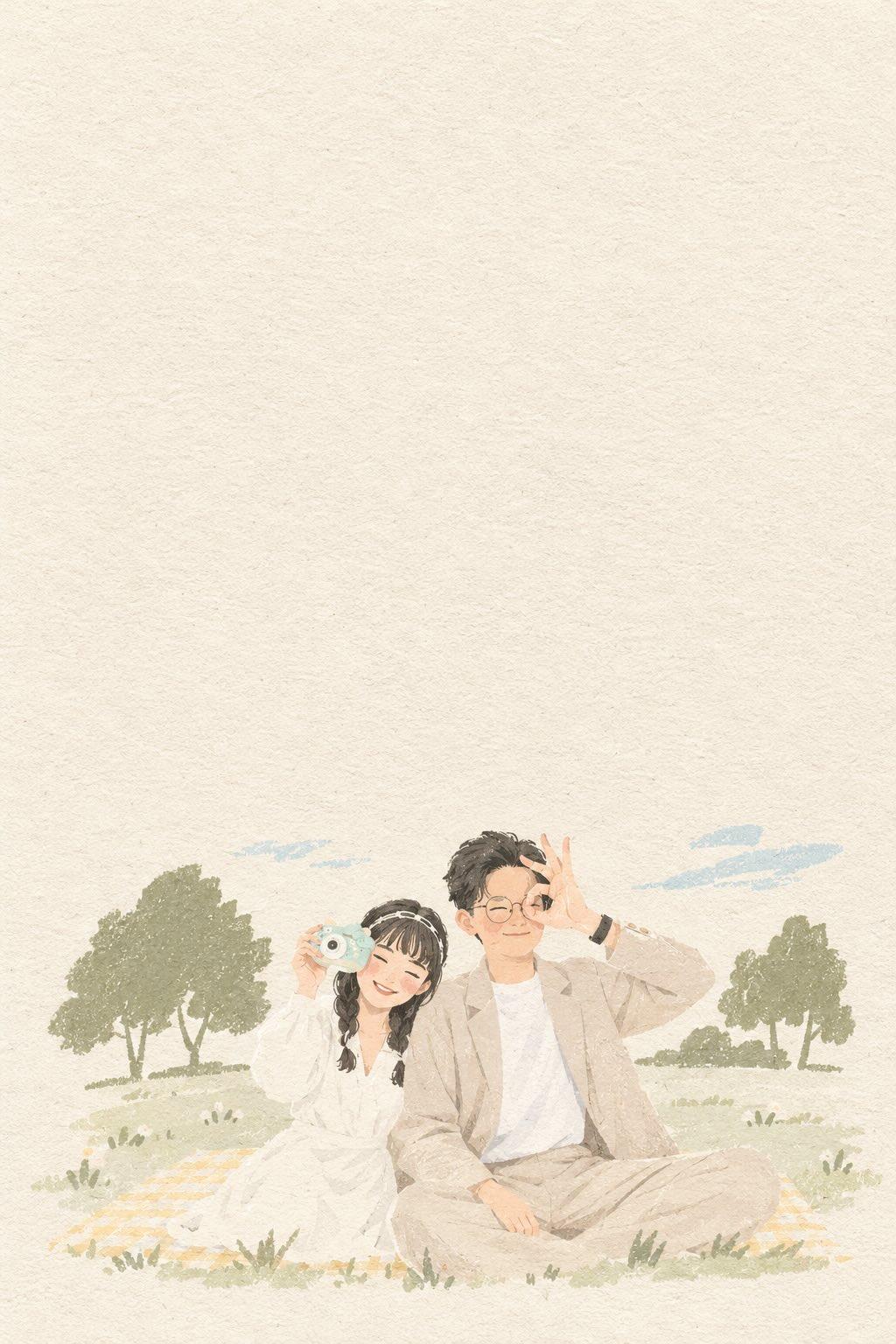
Minimalist Paper-Textured Art Cover — AI image prompt — GPT Image 2.5 — Watercolor, Minimalist, Sketch - 2
Minimalist Paper-Textured Art Cover — AI image prompt — GPT Image 2.5 — Watercolor, Minimalist, Sketch - 3
Minimalist Paper-Textured Art Cover — AI image prompt — GPT Image 2.5 — Watercolor, Minimalist, Sketch - 4

Minimalist Paper-Textured Art Cover

OpenAIGPT Image 2.5OpenAIimage

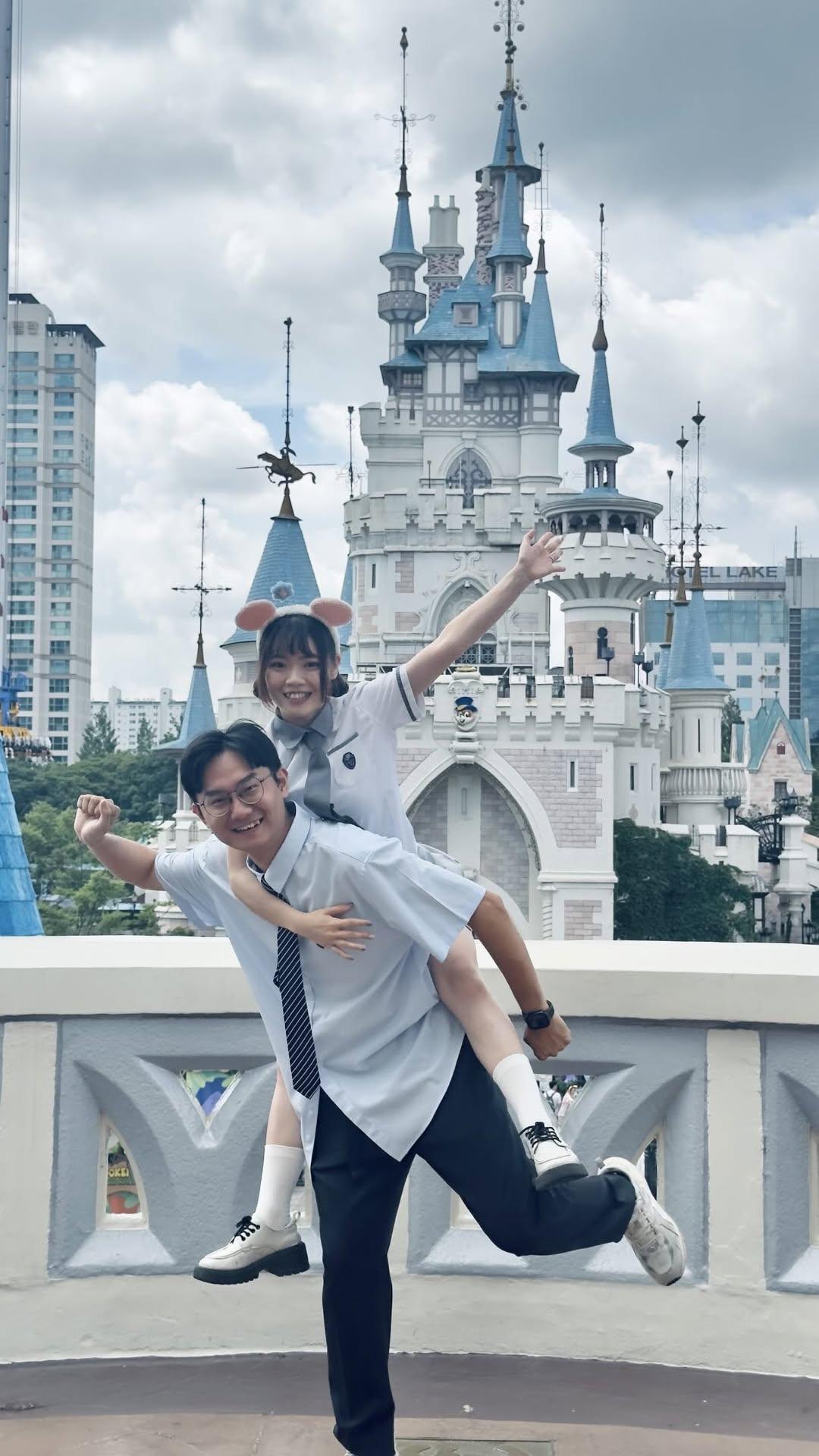
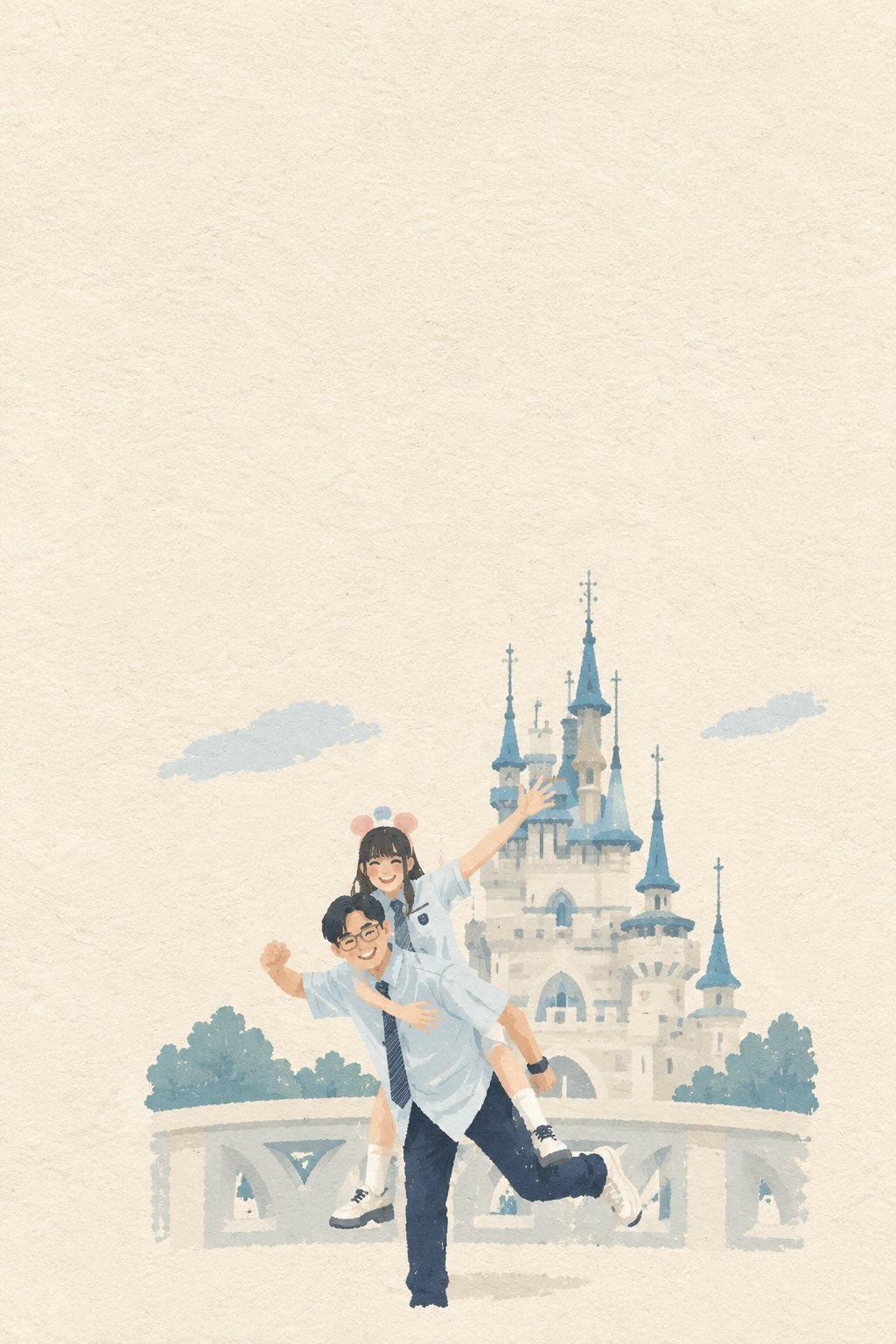
Transform the uploaded photo into a minimalist, hand-drawn, paper-textured artistic cover. Composition - The main subject should occupy only 10–20% of the frame. - Position the subject near the bottom center of the composition. - Leave generous negative space throughout the image. - Suggest the environment using only a few lines or small blocks of color. Preserve - The most recognizable features of the original subject. - The essential silhouette and proportions. - The original pose or primary action. - Important objects and defining details. - The core story, relationships, and emotional atmosphere. Color Palette - Extract the dominant colors from the original photograph. - Limit the palette to no more than four main colors. - Use bold yet restrained, flat color blocks. - Maintain a harmonious, muted color combination. - Add subtle paper grain and handmade brush textures. Simplification Remove unnecessary details and visual clutter. Retain only the essential visual information needed to make the subject instantly recognizable. Typography - Optionally incorporate a small amount of simple text. - Keep typography short, subtle, and aesthetically refined. - Integrate the text naturally into the composition. - Aim for the visual language of an art-book cover, independent publishing, modern editorial design, or a contemplative picture book. - Do not force typography into the image if it doesn't improve the composition. Style and Materials - Delicate, slightly imperfect hand-drawn lines. - A few clearly defined acrylic-like flat color blocks. - Rough, tactile paper texture. - Visible handmade brushstrokes. - Organic, irregular, natural contours. - Subtle imperfections that make the artwork feel genuinely handmade. Overall Mood Quiet, poetic, sophisticated, minimalist, innocent, relaxed, artistic, thoughtful, distinctive, and premium. Avoid - Colored-pencil rendering. - Dry-brush effects. - Watercolor washes or bleeding. - Pure line-art illustration. - Overly detailed or realistic illustrations. - Heavy impasto or thick oil-paint textures. - Smooth, polished digital illustration. - 3D rendering, glossy surfaces, or artificial lighting effects. - Generic commercial cartoon styles. - E-commerce advertising aesthetics. - Generic poster templates. - Excessive decorative elements. - Overly complex compositions. - Too much text. Final Result: A refined, minimalist, hand-crafted paper illustration with generous negative space, restrained colors, subtle tactile textures, and the sophistication of an independent art-book cover.

Details
Type
AI Image Prompts
Aspect Ratio
9:16
Updated
Oct 25, 2026
Category
WatercolorMinimalistSketch
Source

How to use this prompt

  1. 1Copy the full prompt with the copy button above.
  2. 2Open GPT Image 2.5 by OpenAI, or any image generator with a similar style range.
  3. 3Paste the prompt, then swap the subject and style keywords to match your idea.
  4. 4Match the example's settings (9:16 · Watercolor · Minimalist · Sketch), then iterate — small wording changes shift the output a lot.

Frequently asked questions

Which AI model generated this image?

This image was generated with GPT Image 2.5 by OpenAI. The prompt on this page is the exact text used to create it.

What settings does this prompt use?

The example was generated with GPT Image 2.5 using: 9:16 · Watercolor · Minimalist · Sketch. Reusing these settings gives the closest match.

How do I get similar results?

Copy the prompt as-is first, then replace only the subject while keeping the style, lighting, and composition keywords. Generate a few variations — outputs differ between runs.

Can I modify this prompt?

Yes. Prompts work best as starting points — adjust descriptors, aspect ratio, or style tags to make the output your own.
More GPT Image 2.5 prompts

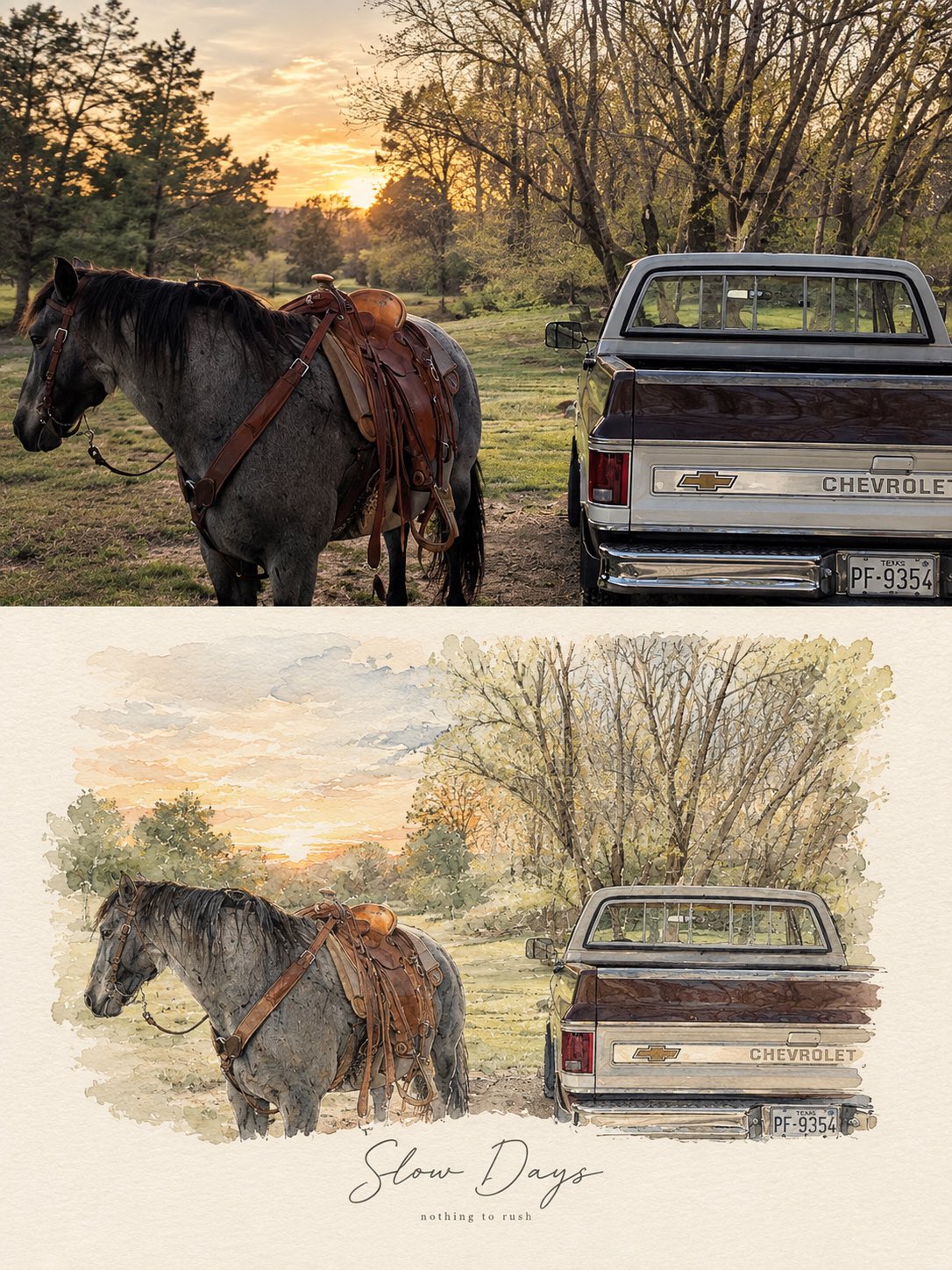
Create a refined, high-end PHOTO + MINIMAL WATERCOLOR VIGNETTE artwork based entirely on the uploade — AI image prompt — GPT Image 2.5
OpenAIGPT Image 2.5
Create a refined, high-end PHOTO + MINIMAL WATERCOLOR VIGNETTE artwork based entirely on the uploaded photograph. Use the photograph as the only visual reference and preserve the exact subject, composition, environment, clothing, objects, lighting, colors, and mood. FORMAT: Vertical 3:4 editorial composition. TOP SECTION — ORIGINAL PHOTOGRAPH: Place the original photograph in the upper 55–60% of the canvas. Keep it photorealistic and naturally detailed. Do not alter the identity, pose, proportions, objects, architecture, scenery, or important visual details. Give it a subtle premium editorial photography finish with natural cinematic light and gentle tonal balance. BOTTOM SECTION — HAND-PAINTED INTERPRETATION: Transform the same exact scene into a delicate minimal watercolor and fine-ink illustration. Recreate the main subject, pose, perspective, key objects, and recognizable background elements from the photograph. Use loose watercolor washes, subtle pencil/ink outlines, imperfect hand-painted edges, soft paper texture, and restrained pastel tones. Keep the illustration airy, elegant, and slightly imperfect rather than digitally polished. The illustration should feel like a fashion/lifestyle magazine sketchbook page, with plenty of clean negative space and a warm off-white textured paper background. Do not introduce new subjects or details. TYPOGRAPHY: Add a short elegant handwritten brush-script phrase underneath or integrated naturally into the illustrated section, similar to a premium lifestyle editorial poster. Underneath it, add a tiny minimalist lowercase serif/sans-serif subtitle. Typography should be subtle, sophisticated, thin, and balanced with the artwork. AESTHETIC: Scandinavian editorial design, quiet luxury, nostalgic travel journal, soft watercolor, delicate ink drawing, handmade paper texture, muted natural palette, sophisticated minimalism, emotional storytelling, premium art-book layout. IMPORTANT: The photograph and illustration must clearly represent the same exact moment and scene. No collage of unrelated images, no dramatic redesign, no excessive watercolor, no cartoon appearance, no heavy outlines, no saturated colors, no clutter. Output: photorealistic upper section + matching delicate watercolor illustration below, seamless premium editorial composition, vertical 3:4, high detail. For different photos, just change the text phrase Examples: •Good Days — a kinder me •Better Together — same window, same silence •Little Moments — worth remembering •Slow Days — nothing to rush •Somewhere Quiet — just for a while •Golden Hours — softly remembered
Details
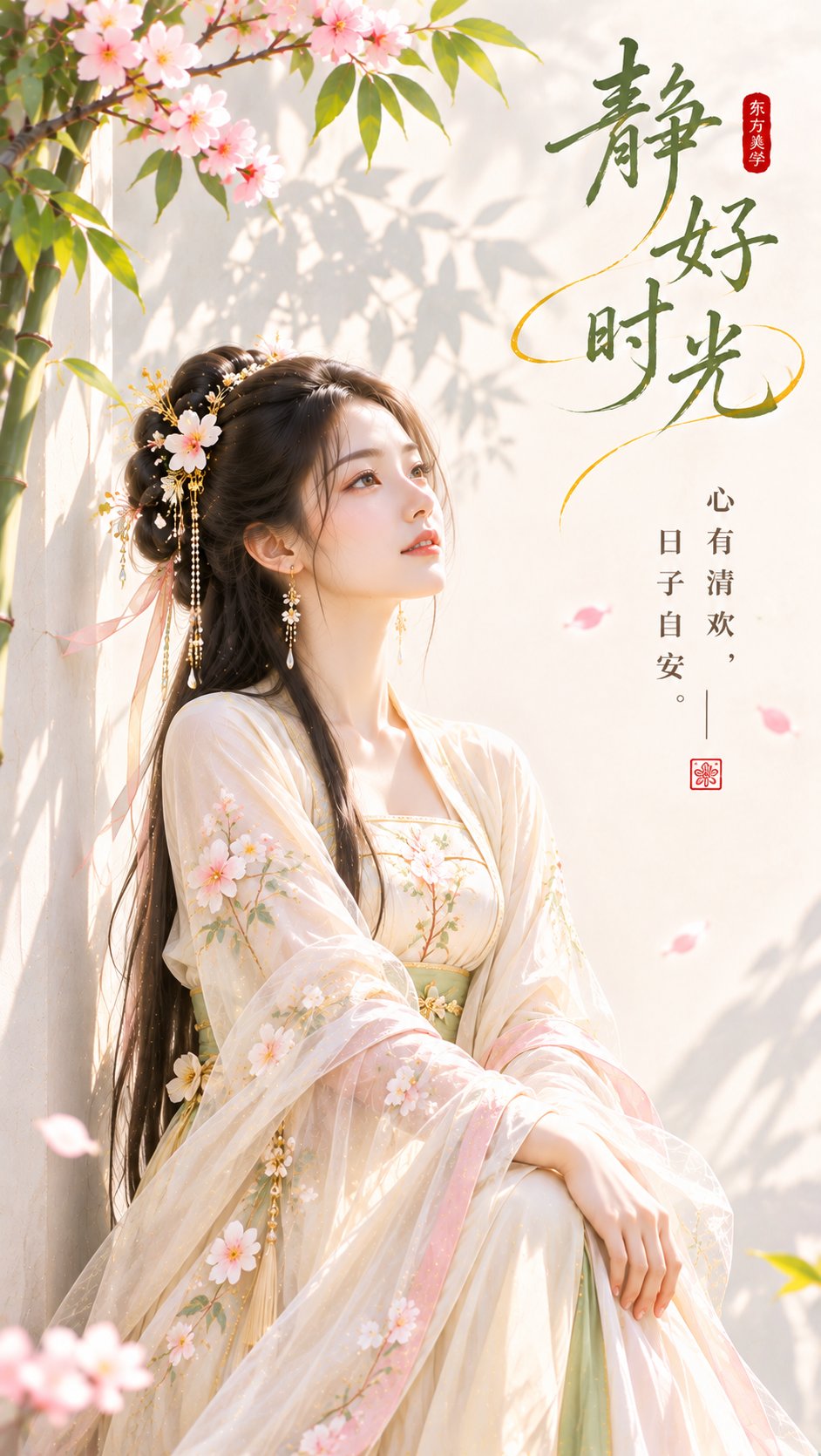
9:16 vertical, Eastern Zen minimalist female cover poster, modern new Chinese aesthetic, bright, tra — AI image prompt — GPT Image 2.5
OpenAIGPT Image 2.5
9:16 vertical, Eastern Zen minimalist female cover poster, modern new Chinese aesthetic, bright, transparent, soft, refined, high-beauty female-oriented cover. A 24–27 year old adult Eastern woman, refined soft oval face, clear almond eyes, light makeup, fair natural skin. Dark brown-black long hair half-up, decorated with a few white flowers and light gold hairpins. The figure sits by a warm white wall, body slightly turned to the side, legs naturally drawn together, one hand resting naturally on the knee, the other hand gently placed in front, head slightly raised looking toward the upper right, expression quiet, relaxed, gentle. Shoulders, neck, arms, wrists, and fingers are naturally coordinated in structure. The figure wears a pearl white and light apricot ancient-style ruqun, with a thin sheer wide-sleeved gauze outer robe, partially embroidered with a few peach-pink flower branches and light green leaves, clothing light and refined but not overly ornate. Background is a large area of warm white wall, with a few bamboo branches and bamboo shadows on the left side, a few peach-pink petals drifting down. The figure is positioned in the lower-middle slightly to the left, occupying about 60% of the image height, with a large continuous blank space reserved in the upper right for the title. Color control: warm white as the primary base, blue-green bamboo green used only for bamboo leaves and a few clothing details, peach pink used only for petals as accents, light gold used only for hair ornaments; each color stays in its place, no overall pink-green tinting, graying, or yellowing of the image. Bright natural side lighting, clear bamboo shadows, softly bright face, slight rim light on hair strands and sheer gauze, overall clean, transparent, with a sense of breathing. Add an Eastern artistic title in the blank space: "Quiet Good Times" Sub-copy: "A heart with quiet joy, days naturally at peace." Paired with a small vermilion seal. Negative constraints: no abnormal body proportions, no reversed shoulders and arms, no extra hands or fingers, no deformed fingers, no influencer face, no gray mist, no dirty yellow, no complex background, no flowers covering the entire screen.
Details
create a 3:4 vertical high-end art poster from the uploaded photo, with 50% of the image on each sid — AI image prompt — GPT Image 2.5
OpenAIGPT Image 2.5
create a 3:4 vertical high-end art poster from the uploaded photo, with 50% of the image on each side strictly in the same position, presenting a dual-layer design of 'real photography × abstract geometric art'. Top half|Real photography The original image is preserved in its entirety, including the person, posture, composition, natural light, and color atmosphere, with only the color tone being refined, presenting a high-end art photography and independent publication quality. The background can be naturally extended, but the facial features, body shape, or original details of the person cannot be changed. Bottom half|Abstract visual The image is extracted from the photo to transform the person's posture, interaction, scene outline, and representative elements into minimalist geometric illustrations and abstract visual symbols. Color blocks, curves, lines, grids, and negative space are re-structured to maintain the original image's recognizability, but not directly copy the photo. Design style Combining Bauhaus, deconstructive Swiss flat design, Post-digital Graphic Design, and Japanese art publication aesthetics. The composition is restrained, the proportions are precise, and a large amount of blank space is left, combining rational order with artistic warmth. Color and Material Extract the main color from the original image, combined with warm white, low-saturation color tones, and a small amount of contrast color. Add Risograph embossed printing particles, vintage paper texture, subtle offset printing inaccuracies, and scanning noise to create a refined physical print quality. Layout Details Only use a very small number of tiny numbers, coordinates, fine line markings, and color tickets as design elements, without using large headlines. All elements must be coordinated with the main visual, avoiding excessive information. Final Result A collector's-level poster for high-end design studios, art institutions, or independent publications. The top half is realistic and natural, while the bottom half is abstract yet instantly recognizable as the original image concept. The overall design is refined, minimalist, and stylish, avoiding cheap commercial illustrations and excessive decoration
Details
Create a premium artistic travel poster inspired by the uploaded photograph. Use a sophisticated 3:4 — AI image prompt — GPT Image 2.5
OpenAIGPT Image 2.5
Create a premium artistic travel poster inspired by the uploaded photograph. Use a sophisticated 3:4 vertical composition divided into two sections. TOP HALF (50%): Preserve the original photograph as a breathtaking, photorealistic landscape. Maintain natural lighting, realistic textures, atmospheric depth, and the original scene's composition. BOTTOM HALF (50%): Transform the main subject or location into a beautiful hand-drawn editorial illustration. Use Japanese vintage poster aesthetics, delicate ink outlines, watercolor textures, geometric shapes, abstract patterns, botanical elements, and flowing organic lines. DESIGN STYLE: Minimalist Japanese-inspired graphic design, Scandinavian aesthetics, muted navy blue, warm terracotta, dusty beige, soft grey, and off-white palette. Add subtle paper grain, imperfect hand-painted textures, collage elements, and carefully balanced negative space. LAYOUT: Keep the illustration centered and visually connected to the photograph above. Add small decorative details, geometric frames, dotted patterns, and elegant botanical sketches. Include a tiny Japanese-inspired typography element at the bottom. Overall aesthetic: Premium art gallery poster, vintage travel magazine, contemporary Japanese illustration, sophisticated editorial composition, handcrafted artistic finish. High detail, clean composition, beautiful visual balance, professional graphic design, 3:4 portrait ratio.
Details
The spring light is just right.

Theme direction: Eastern Zen minimalist cover poster
Style branch:  — AI image prompt — GPT Image 2.5
OpenAIGPT Image 2.5
The spring light is just right. Theme direction: Eastern Zen minimalist cover poster Style branch: Bright feminine aesthetic Main subject: A woman in ancient-style attire sitting on a low stool slightly to one side in the lower part of the frame, tilting her head slightly to gaze into the distance Emotional motif: Relaxed, bright, lightly healing Scene and imagery: Ivory white background, lemon-yellow circular sunlight, the woman, a small amount of light gray ground shadow Composition and space: 9:16 vertical composition, the circular sunlight positioned slightly above center to form a visual island, the figure placed lower and off to one side, with title space reserved around and above the sunlight Color control: Ivory white as the overall high-brightness base, lemon yellow used only for the circular sunlight and a small amount of warm reflected light; the figure's clothing suggested in light beige or pale cream yellow; avoid an overall yellow cast Lighting and texture: Bright soft light, clean background, clear edges, clean flat poster feel Aspect ratio: 9:16 Additional requirements: The title can be arranged around the circular sunlight, overall resembling a viral Xiaohongshu cover — bright but not harsh
Details
Transform the uploaded photos into an individual, high-end design poster. Do not combine multiple im — AI image prompt — GPT Image 2.5
OpenAIGPT Image 2.5
Transform the uploaded photos into an individual, high-end design poster. Do not combine multiple images; output each photo as a separate, standalone piece. Use a vertical {argument name="aspect ratio" default="3:4"} format, with the upper and lower sections divided strictly 1:1, each occupying 50% of the total composition. The upper section should retain the original photograph—preserving its core structure, authentic texture, natural lighting, and original color atmosphere—while applying subtle, high-end photographic color grading to evoke the aesthetic of magazine photography or art publications. To fit the frame, you may naturally extend the sky, ground, or environmental background, provided that the main subject remains undistorted and unaltered. The lower section should distill the most recognizable elements of the subject—its silhouette, posture, and narrative context—into a minimalist, hand-drawn, paper-textured cover illustration. Strip away complex details, retaining only the most essential visual features. Use delicate, slightly unsteady hand-drawn lines combined with a few distinct, flat-applied acrylic color blocks to represent the subject, ensuring it remains instantly identifiable. The subject should be small and concentrated—occupying approximately {argument name="subject proportion" default="10%–20%"} of the lower section—surrounded by ample negative space. The background should resemble rough or light-colored paper, with only minimal lines or color planes to suggest the environment. The color palette should be derived from the original photo and condensed into no more than four primary colors. These color blocks should be bold, solid, and restrained, incorporating textures like paper grain, visible brushstrokes, and slightly irregular edges. Lines should define the structure, while color blocks should establish the subject. Avoid styles such as colored pencil, crayon, watercolor washes, pure line art, complex realism, heavy oil-painting textures, slick digital illustrations, or 3D-rendered effects. You may incorporate a small amount of concise text—such as titles, keywords, subject names, locations, years, serial numbers, or short phrases—tailored to the content of each photo (not limited to urban themes). The typography should be sparse and restrained, blending naturally with the negative space and illustration to evoke the aesthetic of an art book cover, an independent publication, or a children’s picture book. The overall visual aesthetic features small subjects, ample negative space, a high degree of distillation, and strong recognizability. It conveys a sense of tranquility, childlike charm, and ease—evoking a poetic, sophisticated quality while steering clear of the look typical of commercial cartoons, e-commerce imagery, or generic templates.
Details
Create an elegant, minimalist architectural travel poster featuring [LANDMARK NAME], [CITY], [COUNTR — AI image prompt — GPT Image 2.5
OpenAIGPT Image 2.5
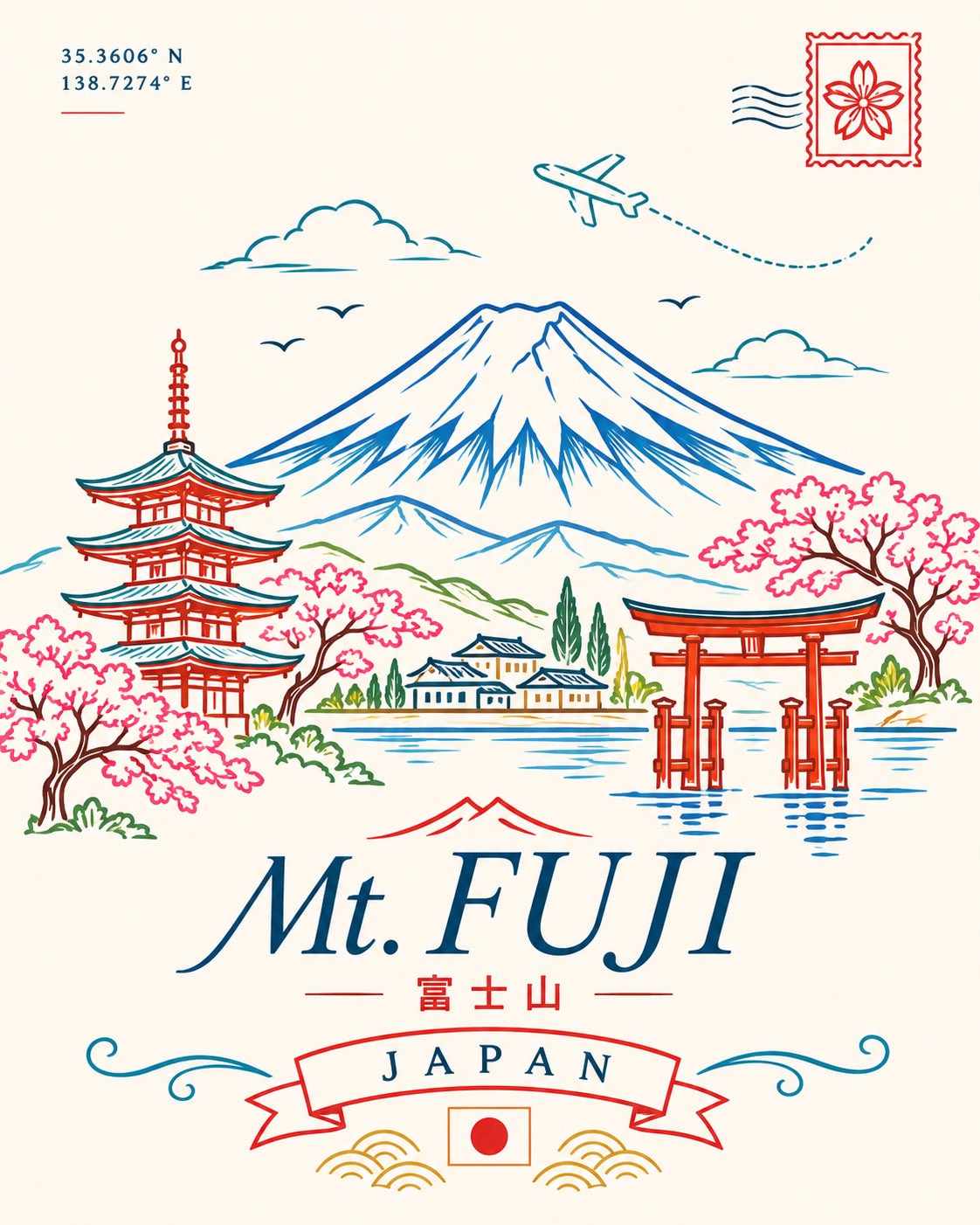
Create an elegant, minimalist architectural travel poster featuring [LANDMARK NAME], [CITY], [COUNTRY]. 1. MAIN ARCHITECTURAL ILLUSTRATION Feature the selected landmark as the central subject, illustrated entirely with delicate, continuous-looking hand-drawn outline strokes. Preserve the landmark’s distinctive architectural silhouette and recognisable proportions. Use clean, thin, slightly imperfect hand-drawn lines. Avoid solid fills, heavy shading and excessive details. Make the architecture look like a beautiful architectural sketch. 2. COLOUR PALETTE Use a sophisticated combination of 3–4 soft pastel colours for the outlines. Choose colours that complement the destination’s identity, architecture and cultural character. Examples: Paris: Dusty rose, lavender, soft blue and muted coral. London: Navy, muted red, sage and pale gold. Tokyo: Vermilion, jade, blush pink and warm grey. Italy: Terracotta, olive, dusty blue and ochre. Greece: Aegean blue, turquoise, muted coral and lavender. Every destination must have its own unique colour combination. 3. FLOATING TRAVEL DETAILS Add a few delicate decorative elements around the landmark: A small flying aeroplane with a dotted curved flight trail. Tiny birds, clouds or stars. Minimal geographical coordinates. A small travel stamp or destination symbol. Subtle architectural decorative details. Keep everything light, delicate and uncluttered. 4. TYPOGRAPHIC ELEMENTS Add the landmark’s name in elegant, refined typography. Include: [LANDMARK NAME] [CITY, COUNTRY] Place the destination name in a beautiful decorative ribbon banner near the bottom, leaving sufficient space for the illustration. Use sophisticated serif or handwritten typography. 5. BACKGROUND & COMPOSITION Use a beautiful warm ivory or soft cream background with subtle handmade-paper texture. Maintain generous negative space around the central illustration. Create a balanced composition with the landmark as the visual focus and small decorative elements positioned naturally around it. 6. ARTISTIC DIRECTION Minimalist architectural line art, Scandinavian poster design, delicate pastel illustrations, elegant travel stationery, vintage sketchbook aesthetics and contemporary gallery-style graphic design. 7. FINAL FINISH A timeless, sophisticated collectible travel poster that feels delicate, artistic and beautifully handcrafted. Vertical 4:5 composition, crisp fine-line artwork, premium print quality, clean spacing and refined visual hierarchy. Avoid photorealism, 3D effects, heavy colours, thick outlines, crowded compositions and unnecessary decorative elements.
Details
TIMELESS POSTCARD | VINTAGE WATERCOLOR CITY TRAVEL ART

Create a breathtaking, individually designed — AI image prompt — GPT Image 2.5
OpenAIGPT Image 2.5
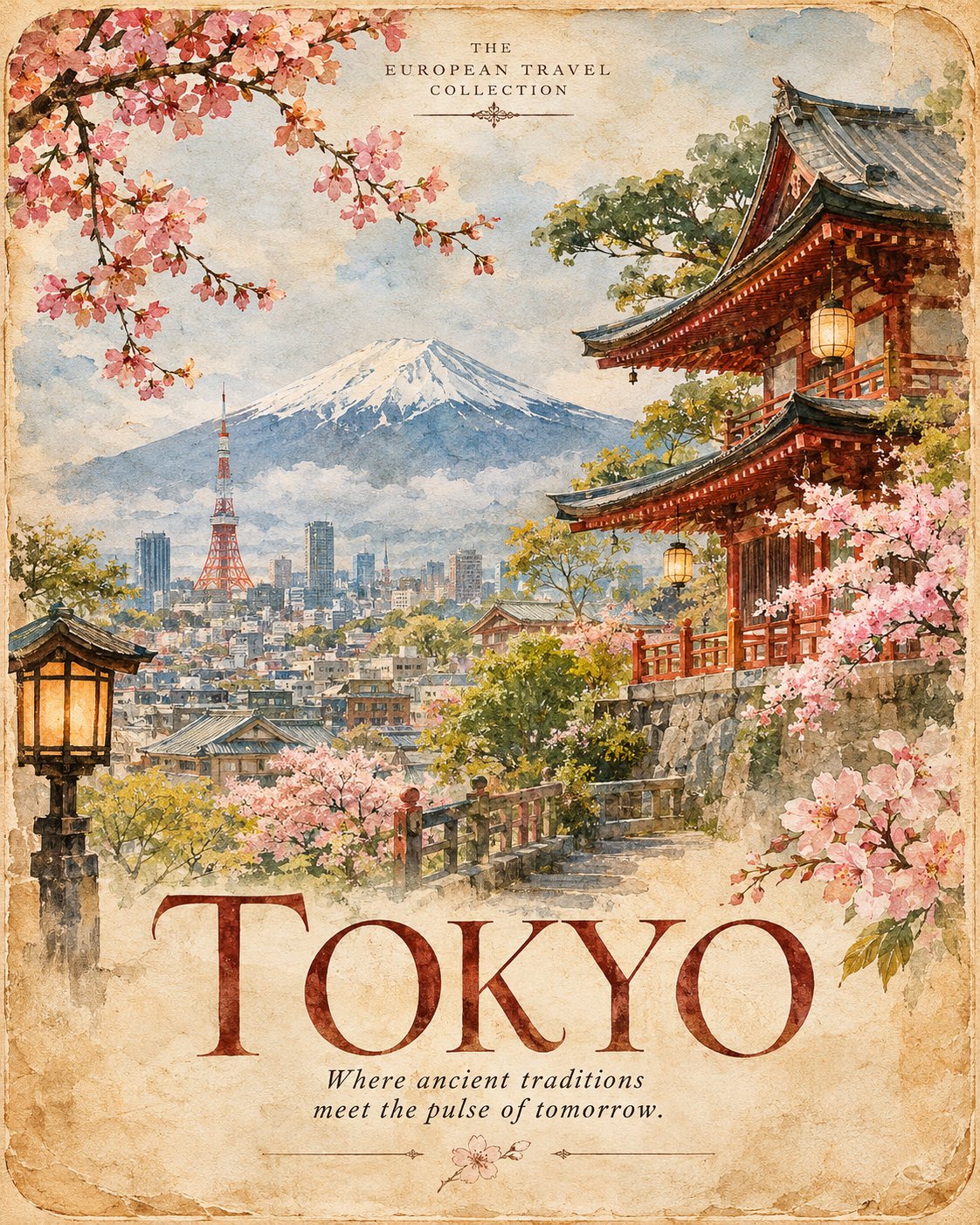
TIMELESS POSTCARD | VINTAGE WATERCOLOR CITY TRAVEL ART Create a breathtaking, individually designed vintage European travel poster featuring [CITY NAME], capturing its distinctive architecture, historic streets, iconic landmarks, and timeless atmosphere. Transform the city into an exquisite traditional watercolor illustration, reminiscent of an antique European travel postcard discovered in an old bookstore. ARTISTIC DIRECTION: Depict a beautiful, recognizable scene from the selected city, incorporating its most characteristic architectural landmarks, charming streets, rooftops, bridges, canals, gardens, or surrounding landscape, depending on the location. Use delicate watercolor washes, softly blended pigments, subtle aged-paper textures, warm ivory and parchment tones, muted sage greens, dusty florals, faded terracotta, and gentle golden highlights. Introduce subtle botanical details such as delicate flowering branches, autumn leaves, or small flowers around the edges, complementing the architecture without distracting from the main scene. Create an atmospheric composition with soft morning light, delicate mist, painterly depth, and intricate architectural details. TYPOGRAPHY & LAYOUT: - Large, elegant classical serif typography displaying [CITY NAME] near the bottom. - A short, original poetic tagline beneath the destination name, inspired by the city's character. - A small, understated vintage collection label near the upper section. - Fine decorative separators and delicate ornamental details. - Beautifully balanced negative space and sophisticated editorial typography. COMPOSITION: Vertical 4:5 aspect ratio, rounded poster corners, carefully balanced foreground and background, premium fine-art print aesthetic. OVERALL AESTHETIC: Romantic European travel illustration, vintage botanical watercolor, antique postcards, timeless architectural storytelling, understated luxury, nostalgic atmosphere, and sophisticated travel editorial design. IMPORTANT REQUIREMENTS: Generate only ONE city poster per image. The city name, architectural landmarks, scenery, tagline, and decorative details must automatically adapt to whichever city is specified. Preserve the city's recognizable identity rather than using generic European architecture. Every generation should feel like a unique, independently art-directed vintage travel poster. Avoid repeating the same composition across different cities. No collages, no multiple destinations, no mockups, no watermarks, no logos, and no modern graphic-design aesthetics.
Details
Browse all GPT Image 2.5 promptsExplore AI Image Prompts