Miniature 3D Travel Poster Illustration
 GPT Image 2.5OpenAIimage
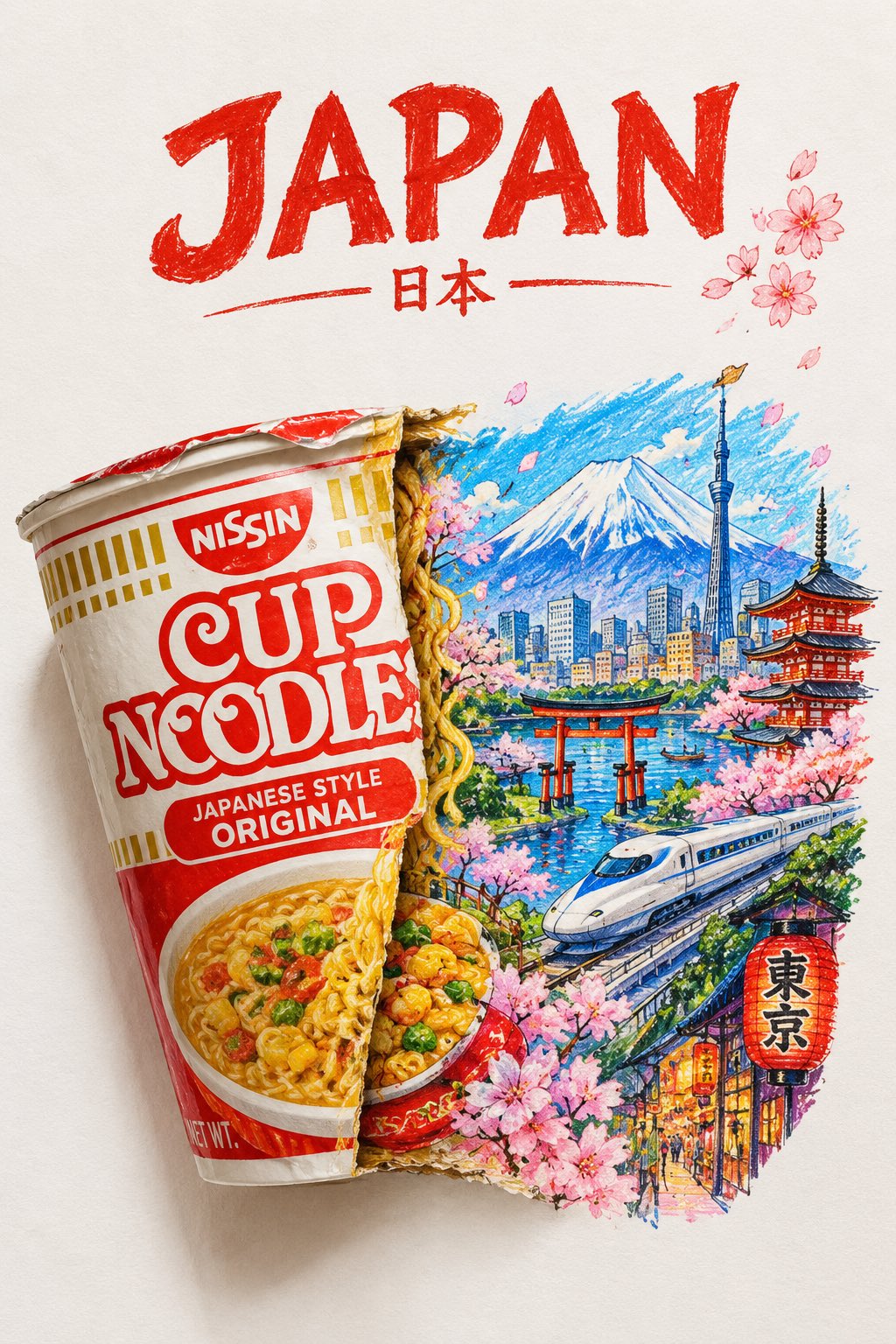
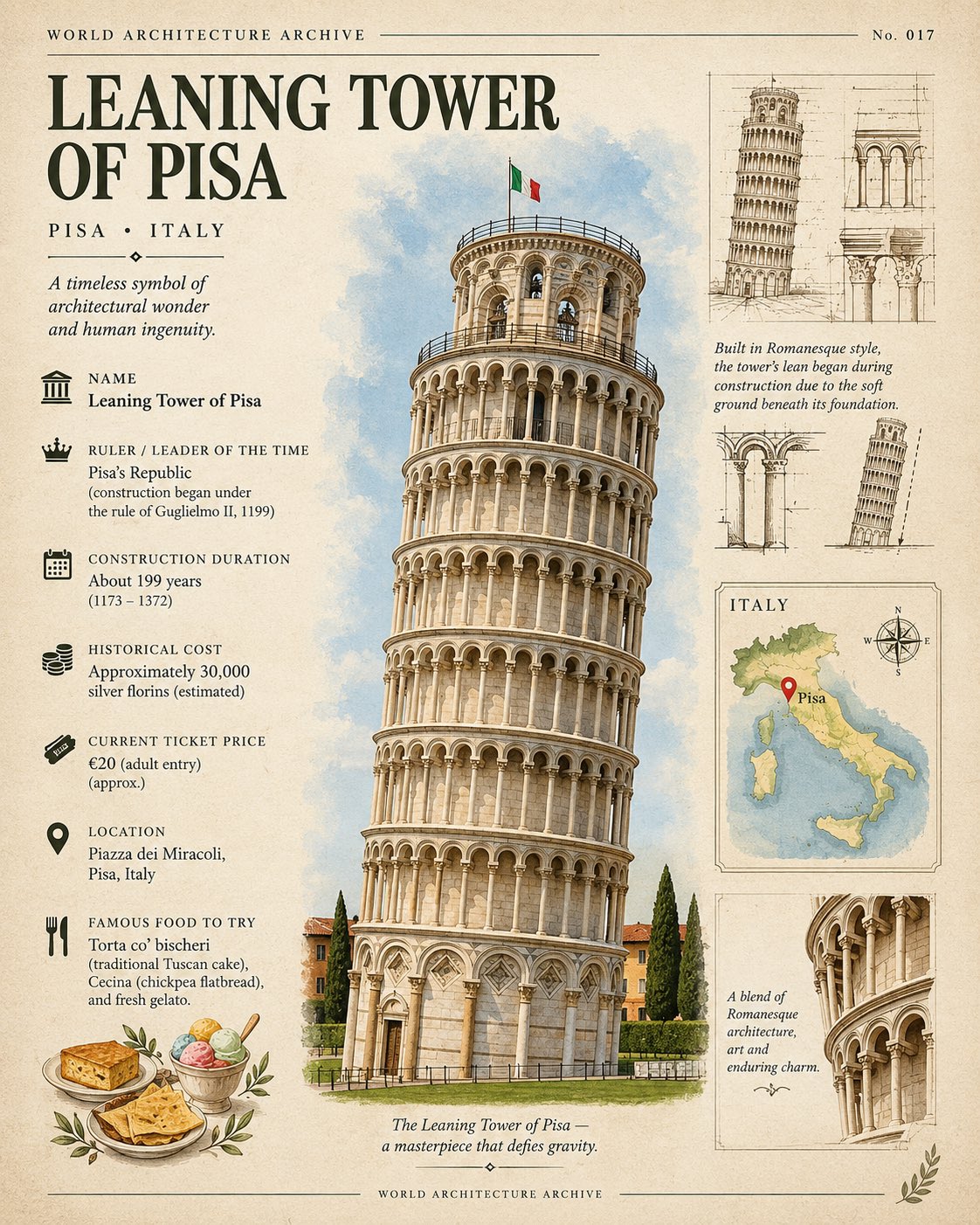
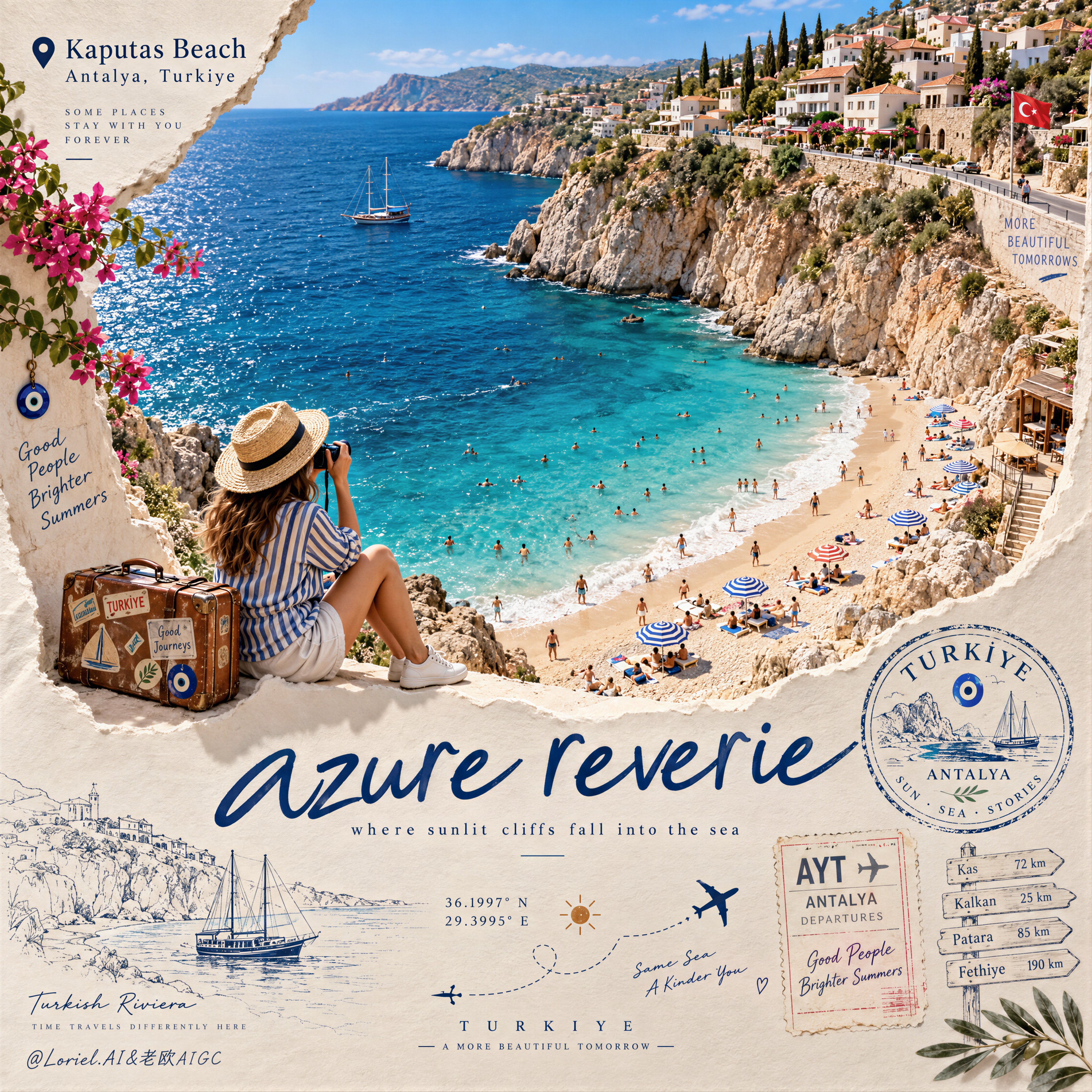
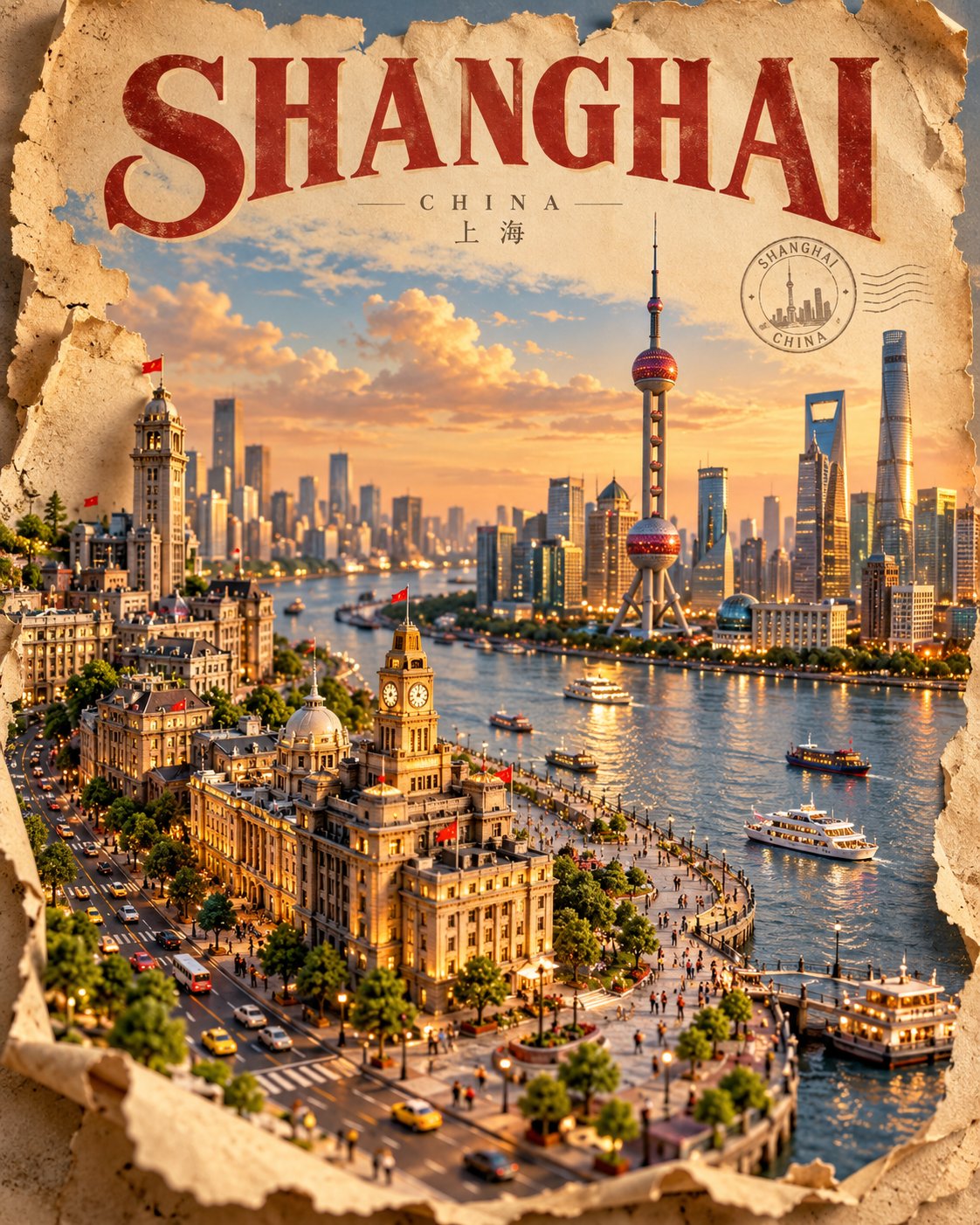
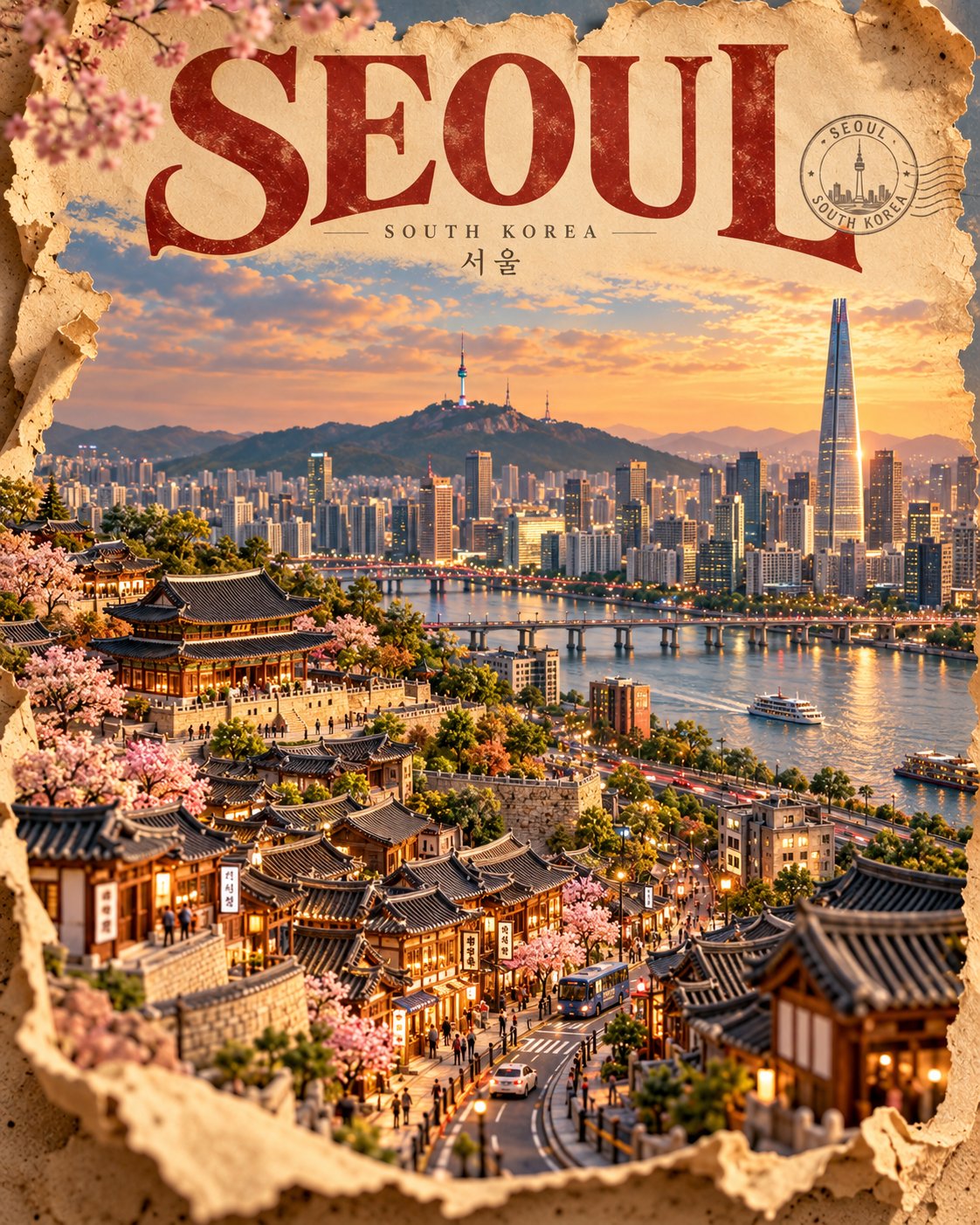
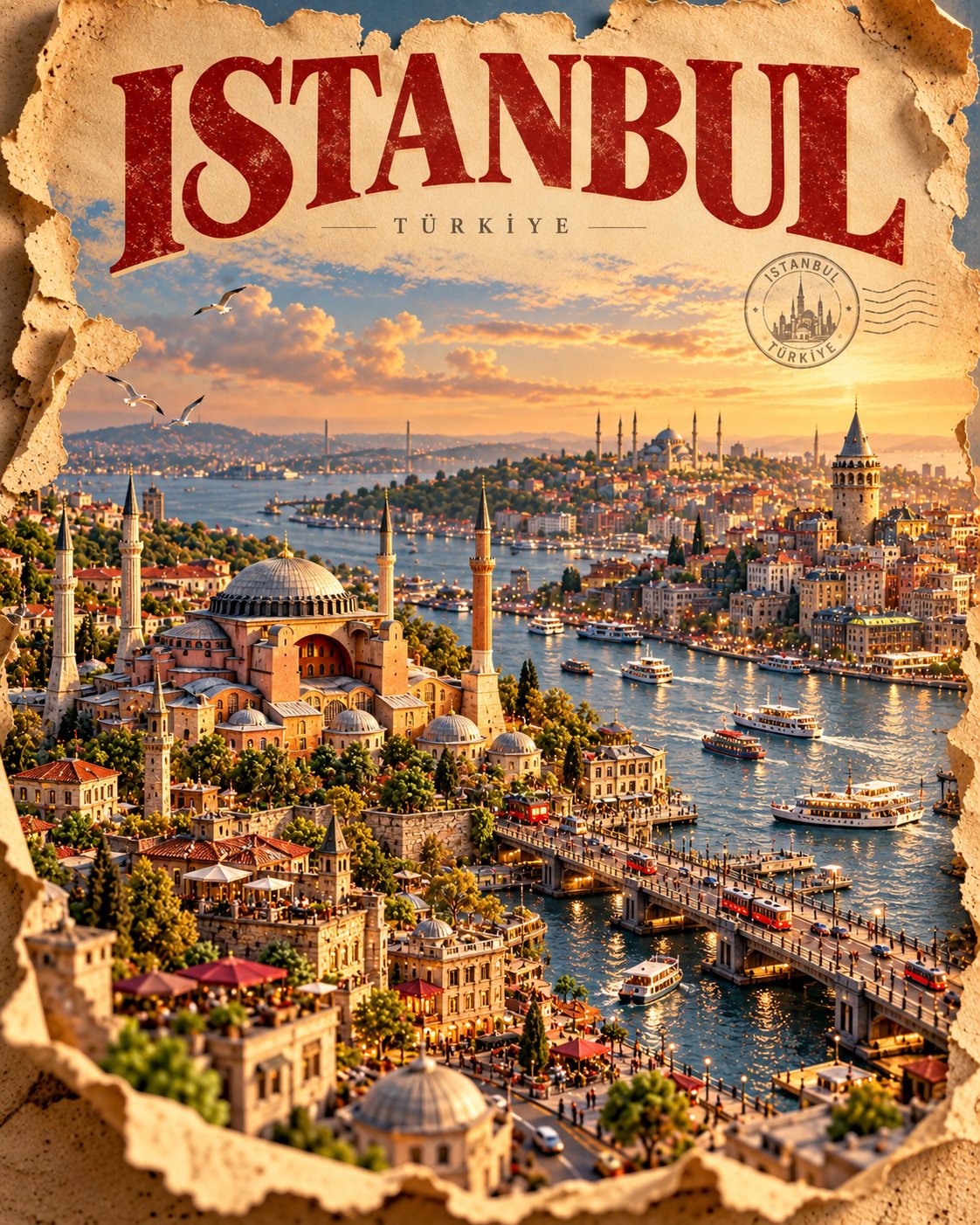
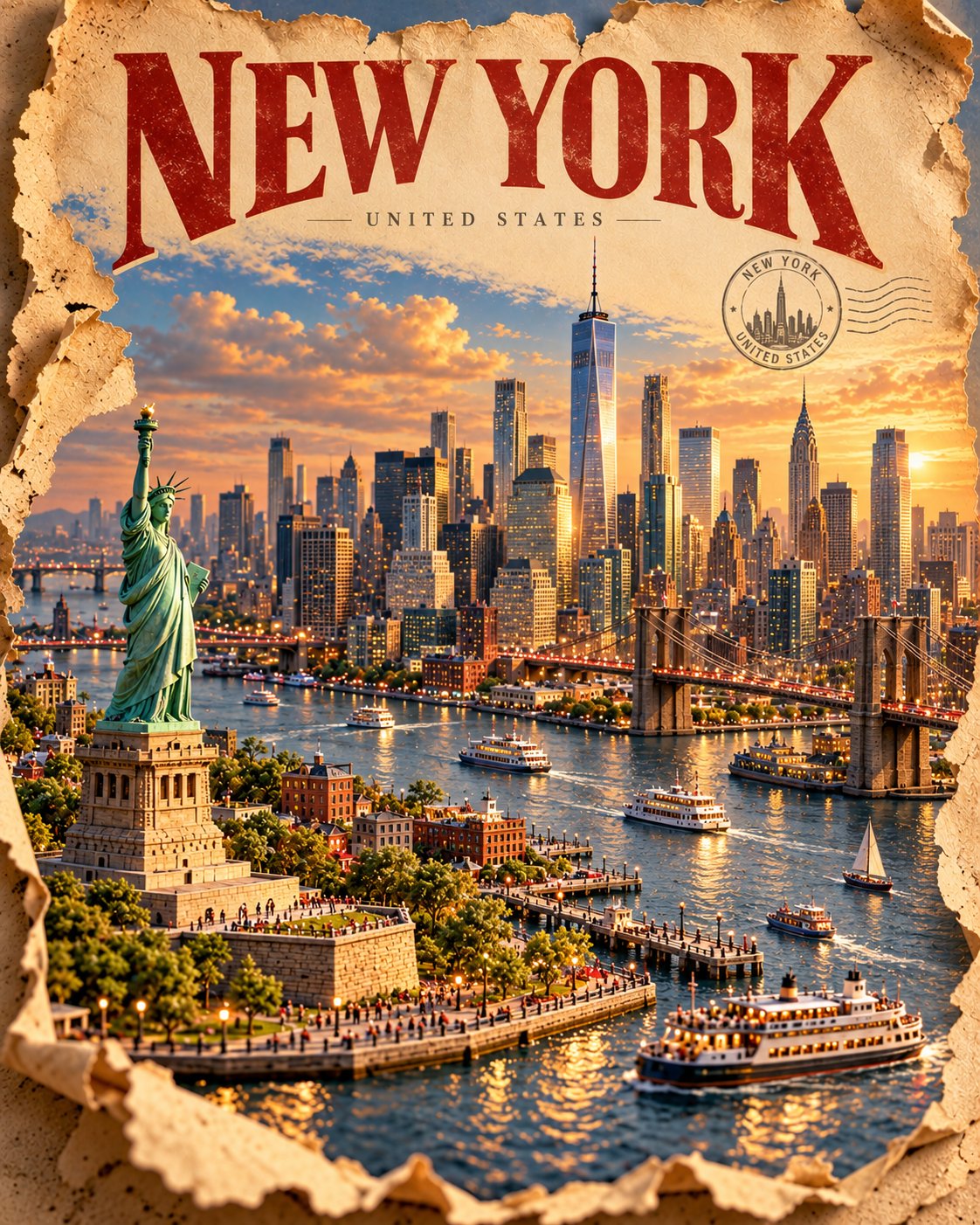
Create a premium FULL-FRAME 4:5 vertical miniature 3D travel-poster illustration for [COUNTRY / CITY / LOCATION]. TEXT-TO-IMAGE ONLY — generate the entire artwork from the destination name alone. No reference image required. CORE CONCEPT: A vintage travel poster transformed into a breathtaking miniature world emerging from an aged, torn-paper sheet. The upper portion features a large destination title and a warm, cinematic skyline; the lower portion becomes a highly detailed 3D miniature landscape with iconic landmarks, local architecture, streets, and authentic transportation. COMPOSITION: Create one coherent miniature scene featuring the destination’s most recognizable landmarks, realistic architectural proportions, tiny vehicles, street details, and subtle local-life elements. The paper edges curl and tear organically, revealing the miniature world beneath. Use dramatic depth, a slightly elevated perspective, and warm afternoon sunlight. STYLE: Photorealistic miniature diorama, handcrafted architectural models, intricate textures, vintage travel advertising, aged cream paper, softly weathered edges, cinematic shadows, and premium collectible-poster design. TYPOGRAPHY: Place the destination name prominently at the top in bold vintage editorial lettering. Add a small geographic subtitle and a subtle circular travel-stamp emblem. Keep all text destination-specific, correctly spelled, and minimal. COLOR PALETTE: Warm parchment, muted terracotta, sandstone, olive green, dusty blue, and natural architectural colors inspired by the location. AVOID: Flat illustrations, unrelated landmarks, oversized buildings, distorted vehicles, excessive text, logos, watermarks, and mockup framing. FORMAT: Full-bleed 4:5 vertical composition. Fill the entire canvas with the finished artwork, no external borders or empty margins.
Details
- Type
- AI Image Prompts
- Aspect Ratio
- 561:701
- Updated
- Oct 12, 2026
How to use this prompt
- 1Copy the full prompt with the copy button above.
- 2Open GPT Image 2.5 by OpenAI, or any image generator with a similar style range.
- 3Paste the prompt, then swap the subject and style keywords to match your idea.
- 4Match the example's settings (561:701 · Poster · 3D Render · Vintage), then iterate — small wording changes shift the output a lot.
Frequently asked questions
Which AI model generated this image?
This image was generated with GPT Image 2.5 by OpenAI. The prompt on this page is the exact text used to create it.
What settings does this prompt use?
The example was generated with GPT Image 2.5 using: 561:701 · Poster · 3D Render · Vintage. Reusing these settings gives the closest match.
How do I get similar results?
Copy the prompt as-is first, then replace only the subject while keeping the style, lighting, and composition keywords. Generate a few variations — outputs differ between runs.
Can I modify this prompt?
Yes. Prompts work best as starting points — adjust descriptors, aspect ratio, or style tags to make the output your own.