Autumn Park Lifestyle Portrait
 GPT Image 2.5OpenAIimage
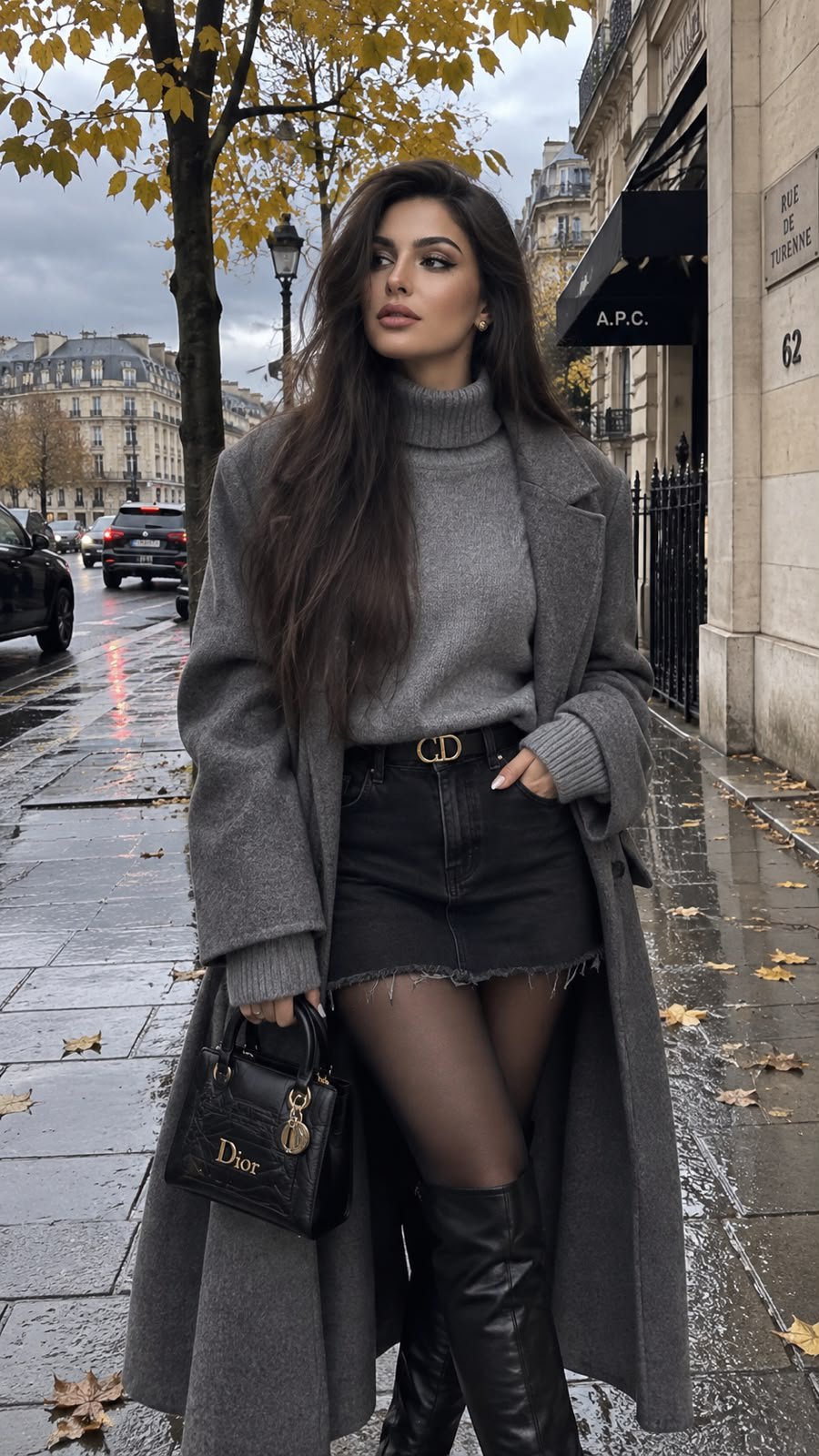
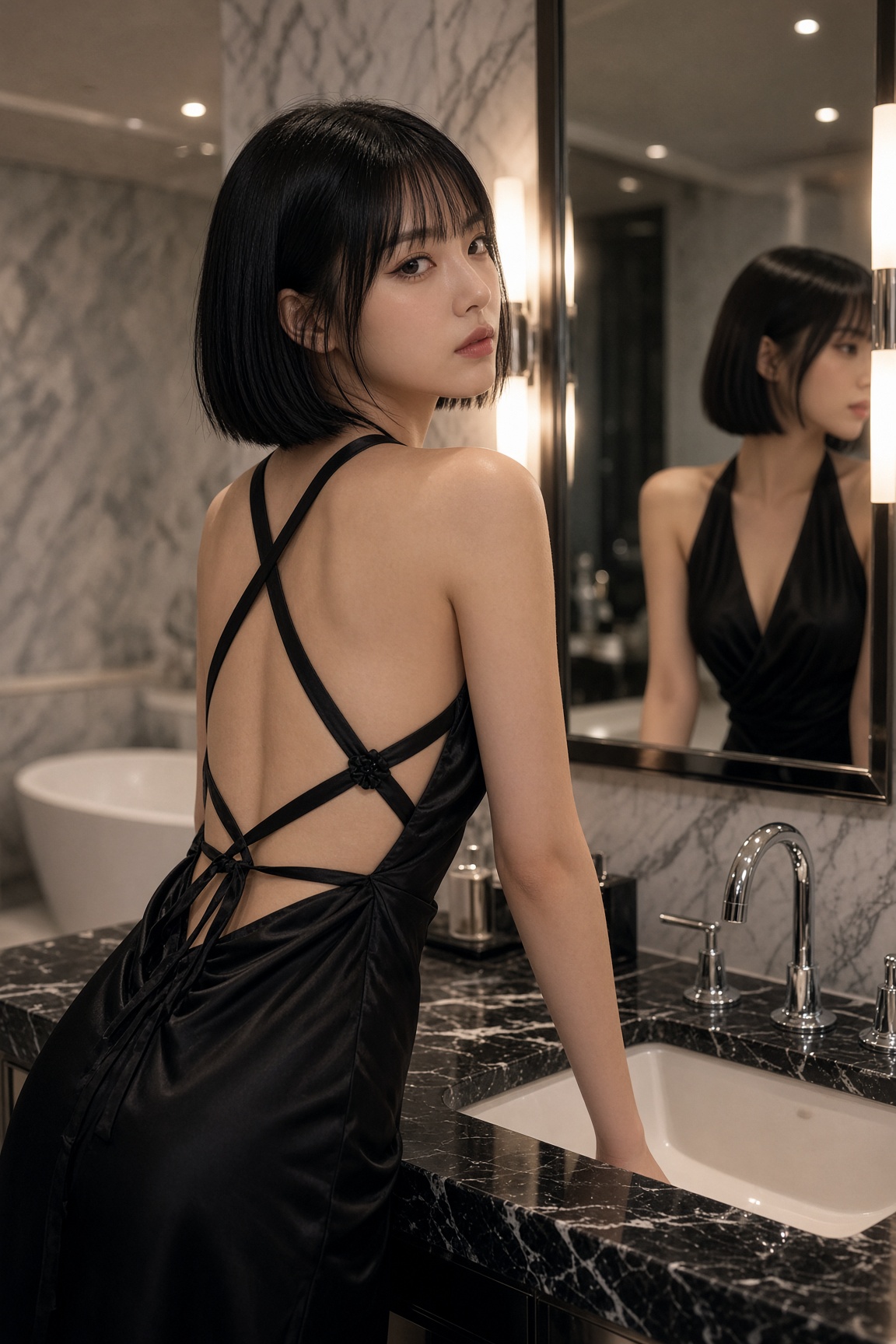
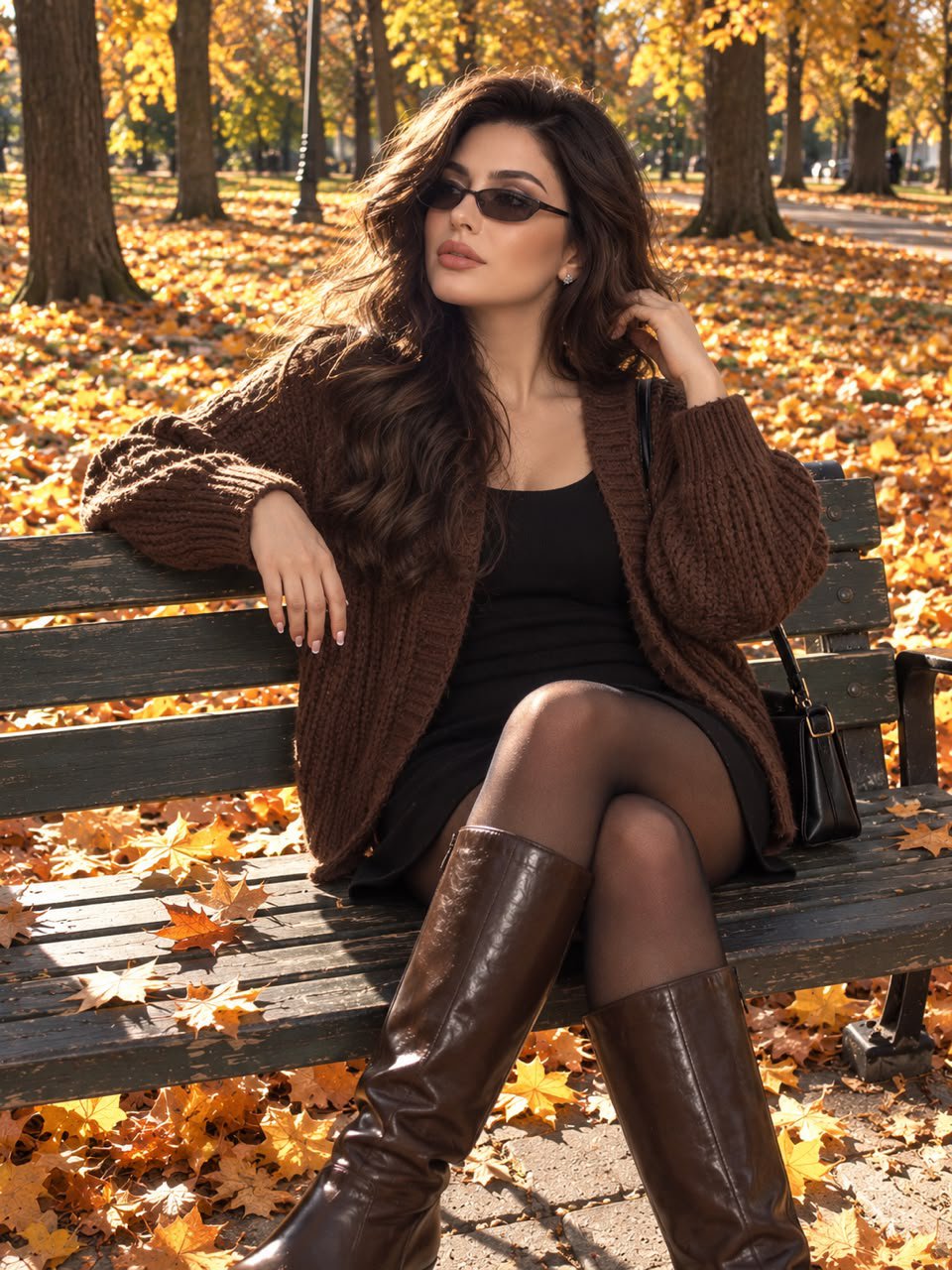
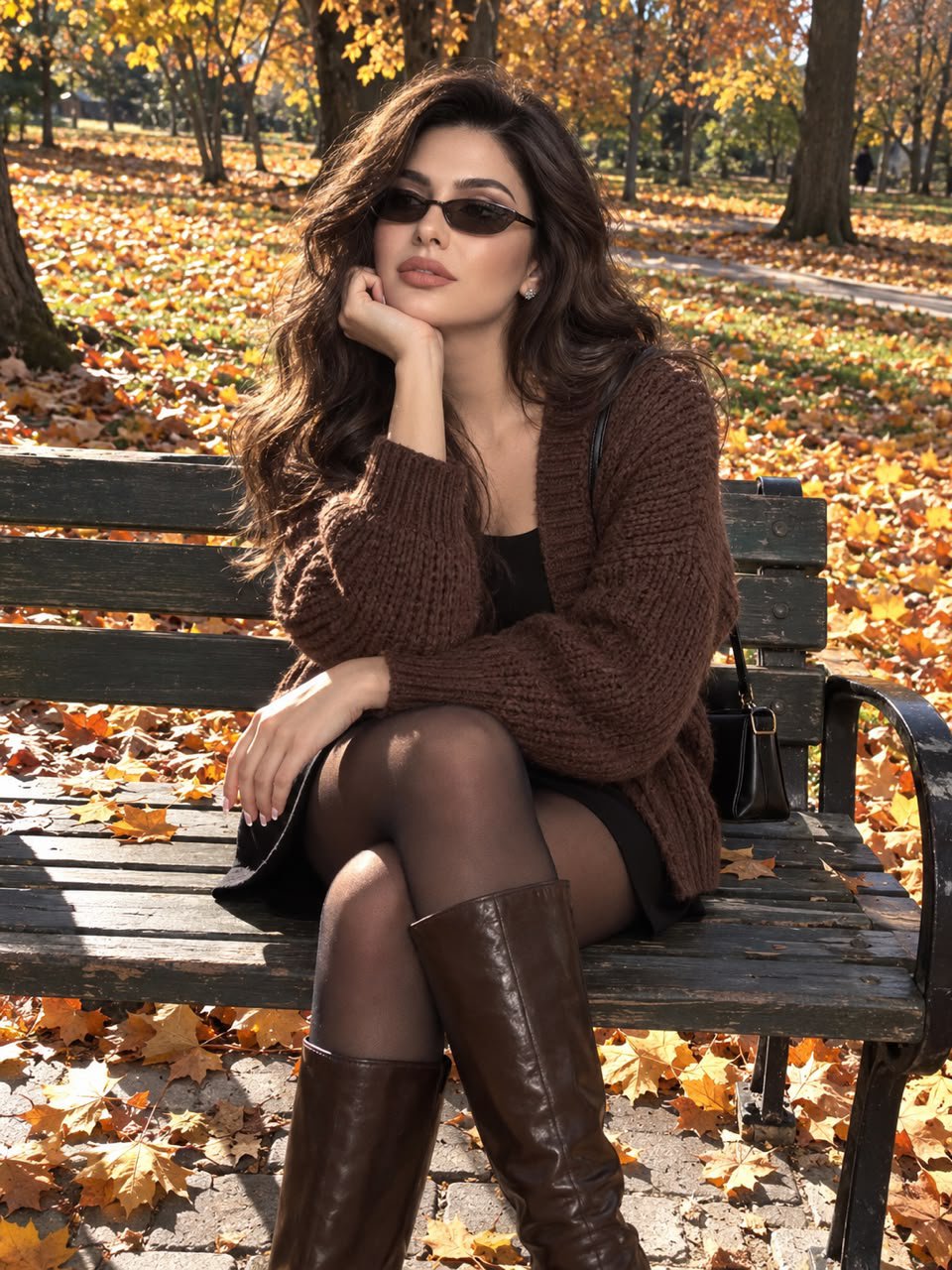
Create a highly realistic lifestyle photograph of the girl from the reference image. Her identity must remain completely unchanged — preserve her exact facial structure, proportions, distinctive features, hairstyle, and natural appearance. Do not modify or reinterpret her face in any way. She is seated comfortably on a park bench surrounded by a warm autumn setting. The camera is positioned directly in front of her, framing her centrally. She wears a short chocolate-brown chunky-knit cardigan over a short black dress, paired with black tights and tall brown leather boots. Keep her hairstyle exactly as shown in the reference. She wears slim, narrow sunglasses and rests her right hand gently beneath her chin. Her gaze is directed slightly to the side rather than toward the camera, accompanied by a subtle, natural smile with no visible teeth. Her makeup is polished and flawless, with dusty-rose lipstick and square-shaped French manicure nails. The park around her is covered with scattered autumn foliage in rich yellow and orange tones, spread naturally across the grass and pavement. Capture the scene with a bright, fashion-forward lifestyle-blog aesthetic: strong highlights across the skin, deep contrasting shadows, direct raw-flash photography, and a glossy early-2000s digital-camera feel. Maintain realistic skin texture, subtle photographic grain, crisp details, and high contrast without making the image look overly processed or AI-generated. Identity preservation is the highest priority. Do not alter the face, facial proportions, or recognizable features from the reference.
Details
- Type
- AI Image Prompts
- Aspect Ratio
- 3:4
- Updated
- Oct 7, 2026
How to use this prompt
- 1Copy the full prompt with the copy button above.
- 2Open GPT Image 2.5 by OpenAI, or any image generator with a similar style range.
- 3Paste the prompt, then swap the subject and style keywords to match your idea.
- 4Match the example's settings (3:4 · Fashion · Realistic · Portrait), then iterate — small wording changes shift the output a lot.
Frequently asked questions
Which AI model generated this image?
This image was generated with GPT Image 2.5 by OpenAI. The prompt on this page is the exact text used to create it.
What settings does this prompt use?
The example was generated with GPT Image 2.5 using: 3:4 · Fashion · Realistic · Portrait. Reusing these settings gives the closest match.
How do I get similar results?
Copy the prompt as-is first, then replace only the subject while keeping the style, lighting, and composition keywords. Generate a few variations — outputs differ between runs.
Can I modify this prompt?
Yes. Prompts work best as starting points — adjust descriptors, aspect ratio, or style tags to make the output your own.