Vintage Hong Kong Cinematic Portrait
 Nano BananaGoogleimage
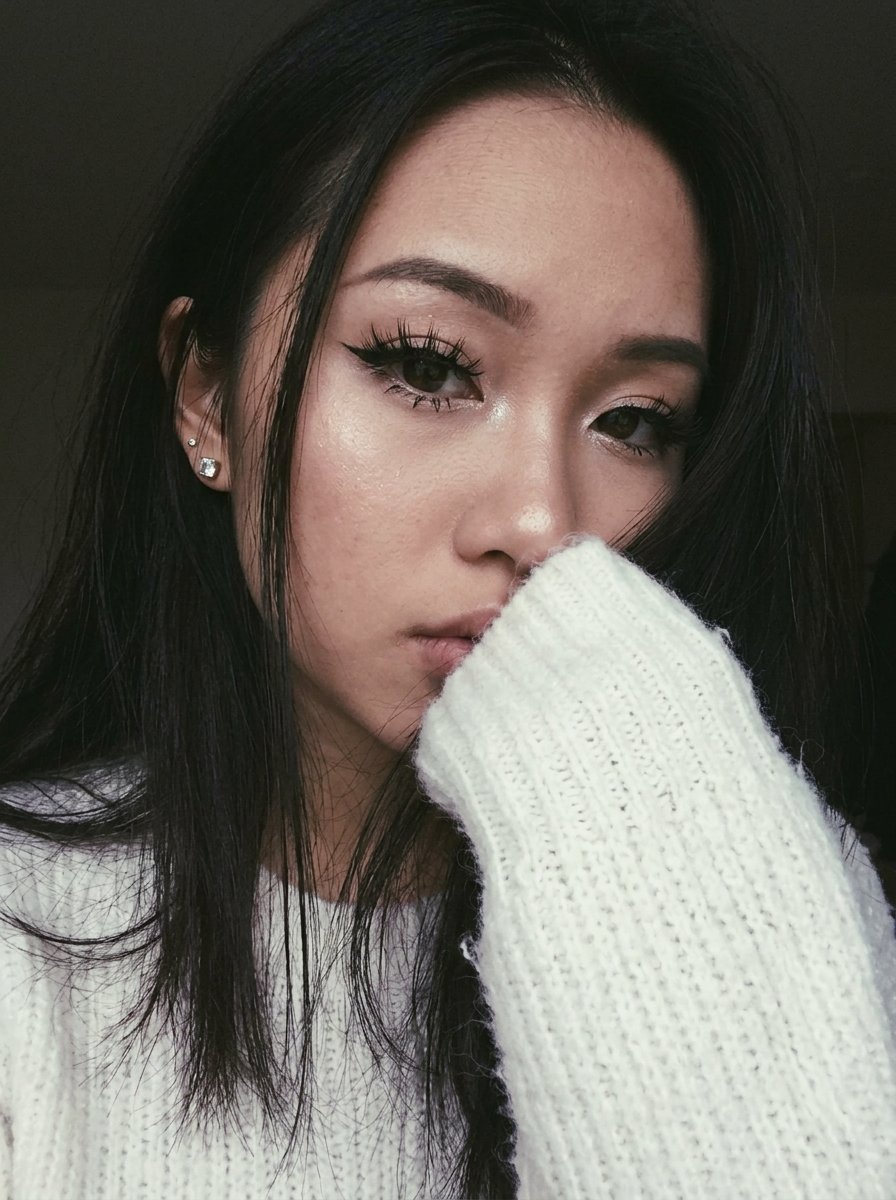
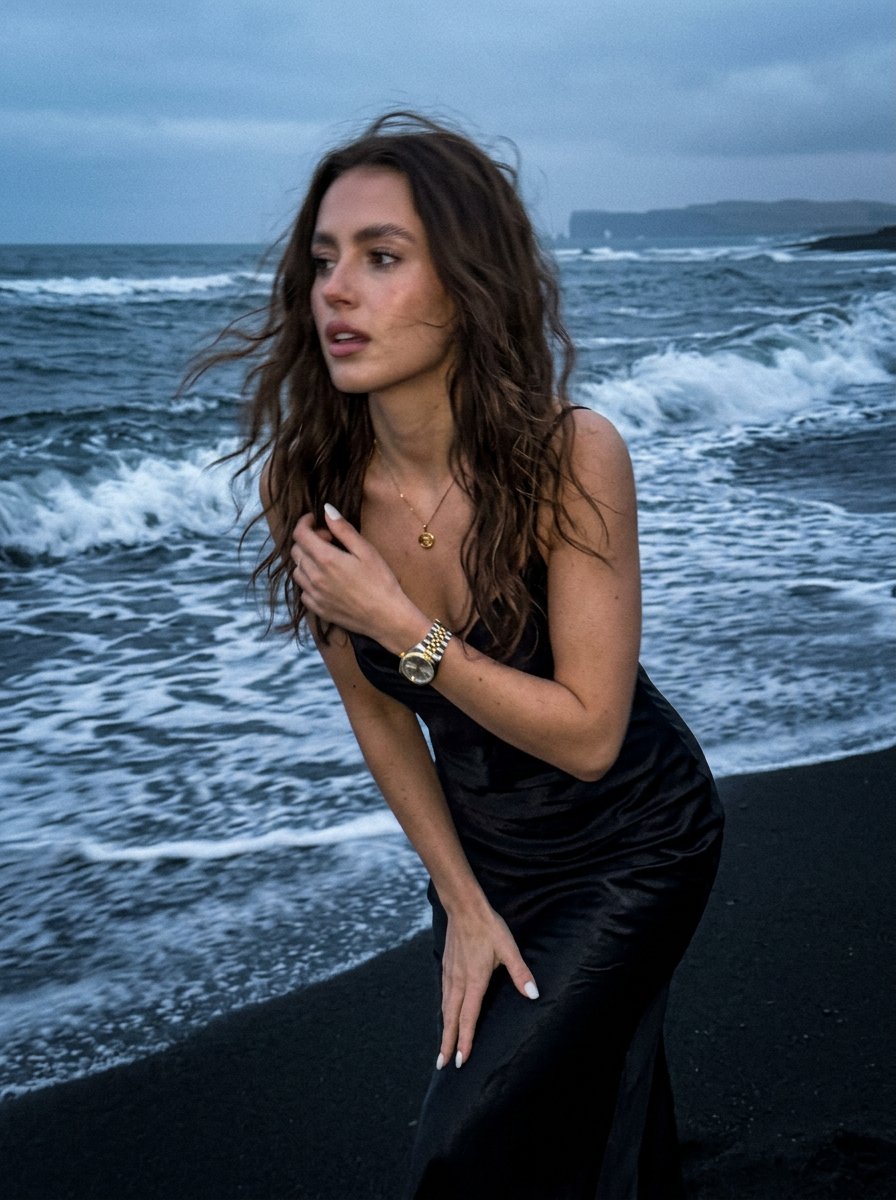
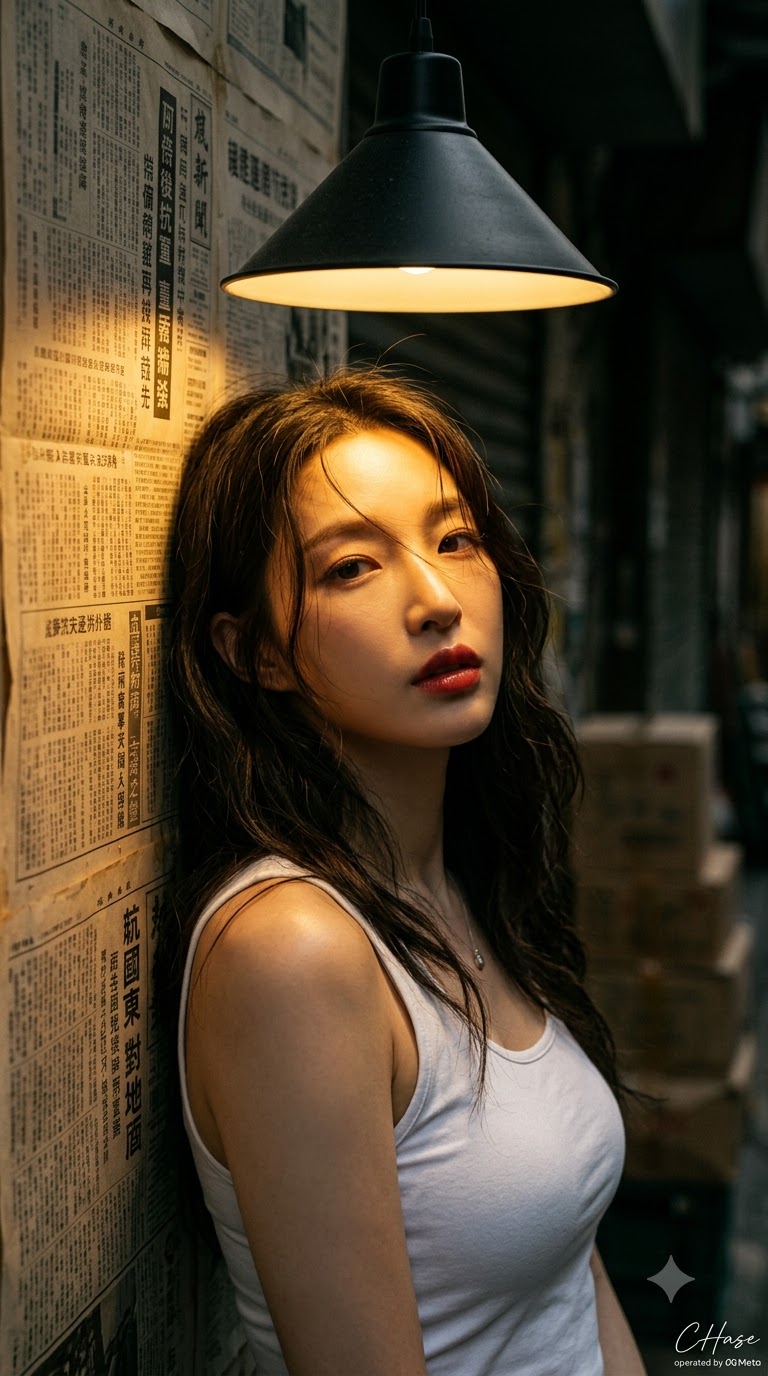
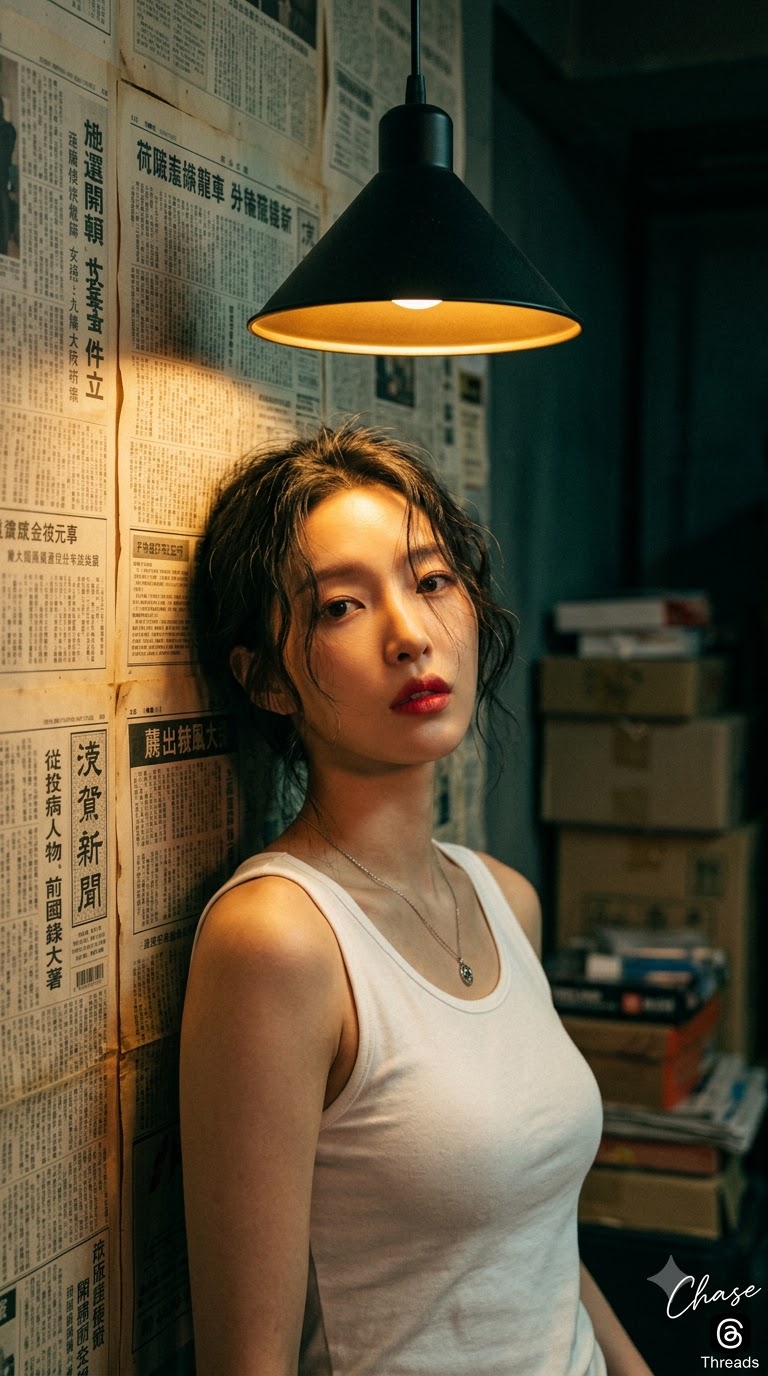
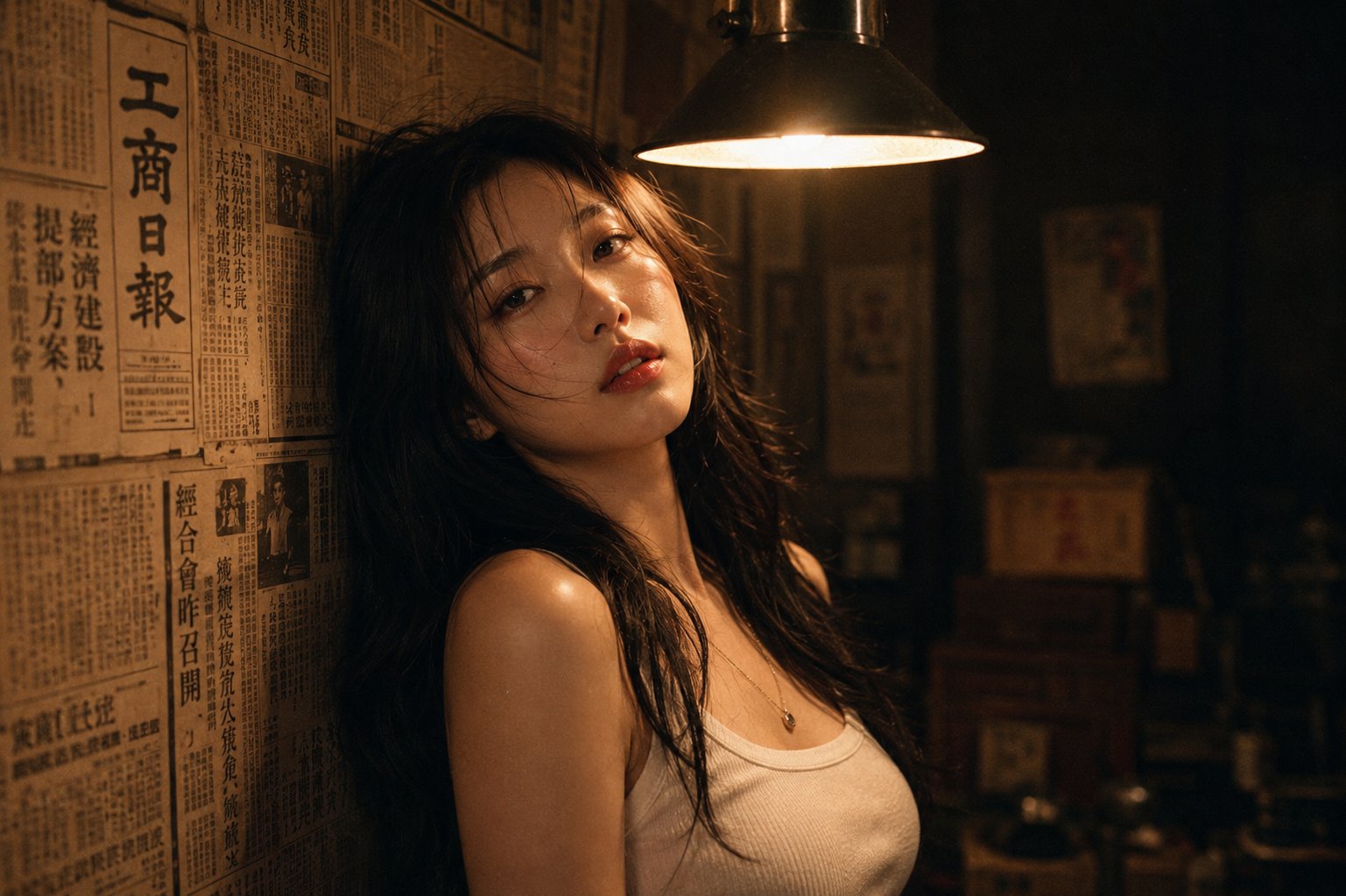
[Person] Image 1 [Signature] In the bottom right corner, the Threads logo operated by Meta is placed small, and above it, "CHAse" is written small in white cursive like a signature. [Person's Pose and Expression] Pose and Composition: A front-facing centered medium bust shot composition that captures the aura of a person standing with their head and upper body leaning against a wall densely covered in newspapers. Posture: Slightly leaning shoulders and head against the vintage newspaper wall on the left side of the frame, tilting the head at an angle and gazing deeply into the camera lens. Expression: A dreamy expression featuring wistful, nostalgic eyes and slightly parted red lips. It evokes a melancholic aura reminiscent of a scene from a classic film. [Person's Outfit and Props] Outfit: Wearing a simple pure white/ivory-toned sleeveless tank top that naturally exposes the delicate shoulder line. Props: Pendant Light: A black matte vintage cone-shaped shade light hanging above the head serves as a striking retro cinematic object. Newspaper Wall: Old newspapers printed with Chinese characters covering the entire left wall add an unmatched retro analog sensibility. Necklace: A thin silver pendant necklace slightly visible below the collarbone adds a refined detail. [Person's Hairstyle and Makeup Details] Hair: A long natural wave hairstyle in deep brown/jet black tones, tousled and naturally flowing. Thin loose strands softly falling over the forehead and cheeks maximize the dreamy still-cut aesthetic. Makeup: A smooth skin base glowing gently under the warm-toned overhead light, paired with shaded eye makeup that accentuates defined eyes. The lips feature a moist glossy deep red/coral lip color that draws attention, creating a deep and captivating point. [Lighting and Light Direction] Light Source: An intense golden yellow/amber spotlight (top-down key light) pouring downward from the shade light positioned directly above the subject. Effect: Creates luminous, calm highlights on the newspaper wall directly beneath the light, the subject's forehead, cheeks, lips, and shoulder line, while the right side of the frame and deep background sink into darkness, producing dramatic low-key chiaroscuro lighting. [Texture and Color Mood (Key Texture Details)] Color Palette: A '90s Hong Kong cinematic color mood formed by the warm golden amber and red of the overhead light and lips, the faded beige of the newspapers, and the deep teal/black of the background shadows. Texture Details (Special Analysis): Newspaper Texture: The rough, fibrous paper texture of old newspapers yellowed by light exposure, along with the subtle raised feel of the ink-printed characters. Metal Lamp Shade Texture: The matte, thick steel/metal surface of the black overhead lamp shade and the intense glowing texture inside the bulb. Skin and Film Noise Texture: Smooth skin with a hint of moisture catching the warm light, along with the coarse grain noise texture characteristic of 35mm cinematic film grain. [Film and Camera Lens Depth, Angle] Composition and Angle: A horizontal portrait composition at the subject's eye level, capturing the heavy sculptural beauty created by the lighting and newspaper wall. Characteristics: Cinematic large-aperture lens with shallow depth of field (Shallow DoF) applied, keeping the subject's facial features, flowing hair strands, and newspaper text near the head in sharp focus, while the dark space on the right rear is dreamily out of focus. [Background and Studio Layout Elements] Space: A classic indoor set space reminiscent of a 1990s film alleyway. Details: The left side of the frame is filled with a classic wall papered in Chinese-character newspapers, while silhouettes of stacked boxes and objects sink into the bottom right background, providing a deep narrative sense of space.
Details
- Type
- AI Image Prompts
- Aspect Ratio
- 24:43
- Updated
- Aug 25, 2026
How to use this prompt
- 1Copy the full prompt with the copy button above.
- 2Open Nano Banana by Google, or any image generator with a similar style range.
- 3Paste the prompt, then swap the subject and style keywords to match your idea.
- 4Match the example's settings (24:43 · Cinematic · Portrait), then iterate — small wording changes shift the output a lot.
Frequently asked questions
Which AI model generated this image?
This image was generated with Nano Banana by Google. The prompt on this page is the exact text used to create it.
What settings does this prompt use?
The example was generated with Nano Banana using: 24:43 · Cinematic · Portrait. Reusing these settings gives the closest match.
How do I get similar results?
Copy the prompt as-is first, then replace only the subject while keeping the style, lighting, and composition keywords. Generate a few variations — outputs differ between runs.
Can I modify this prompt?
Yes. Prompts work best as starting points — adjust descriptors, aspect ratio, or style tags to make the output your own.