Shadow Puppet Split Poster
 GPT Image 2.5OpenAIimage
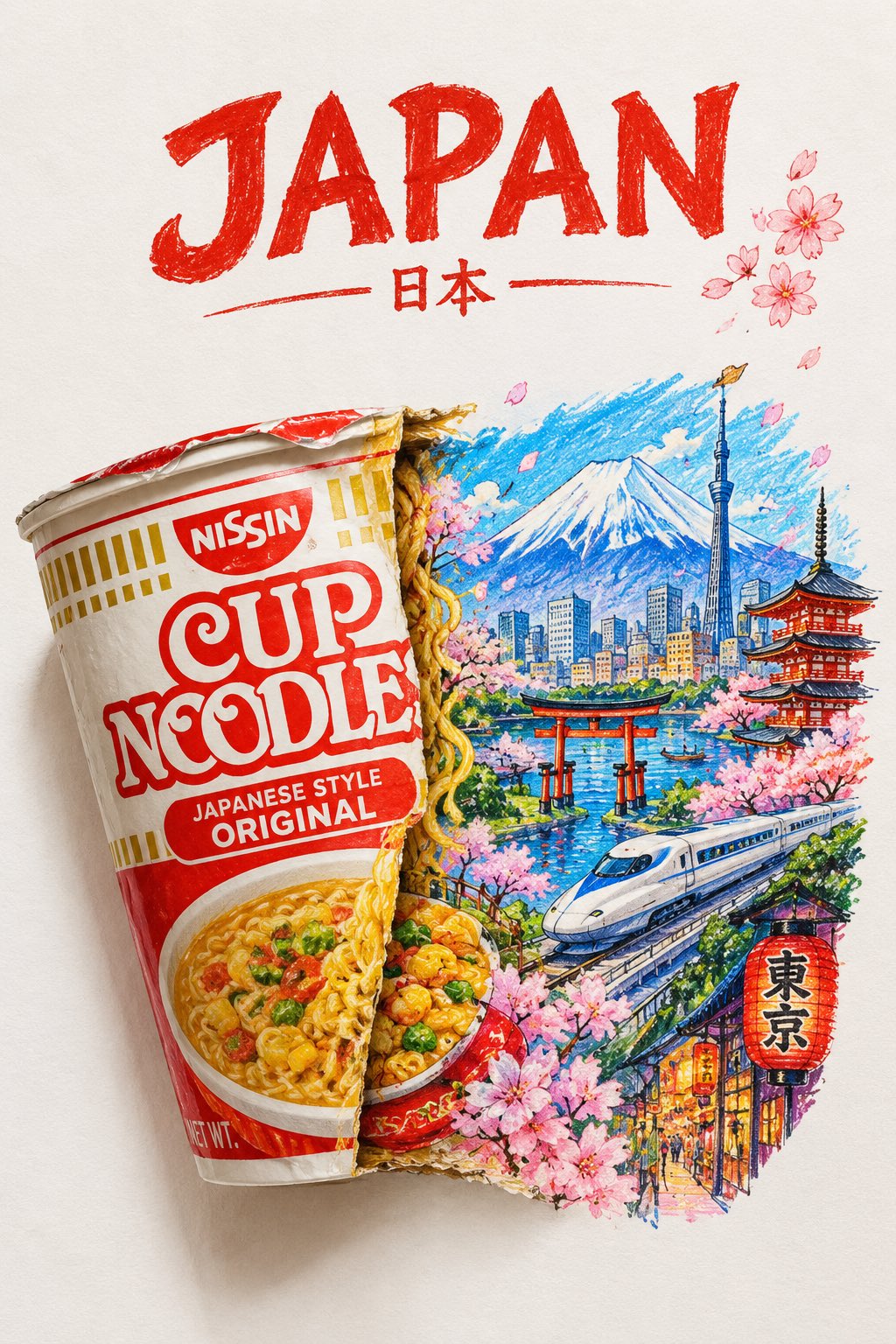
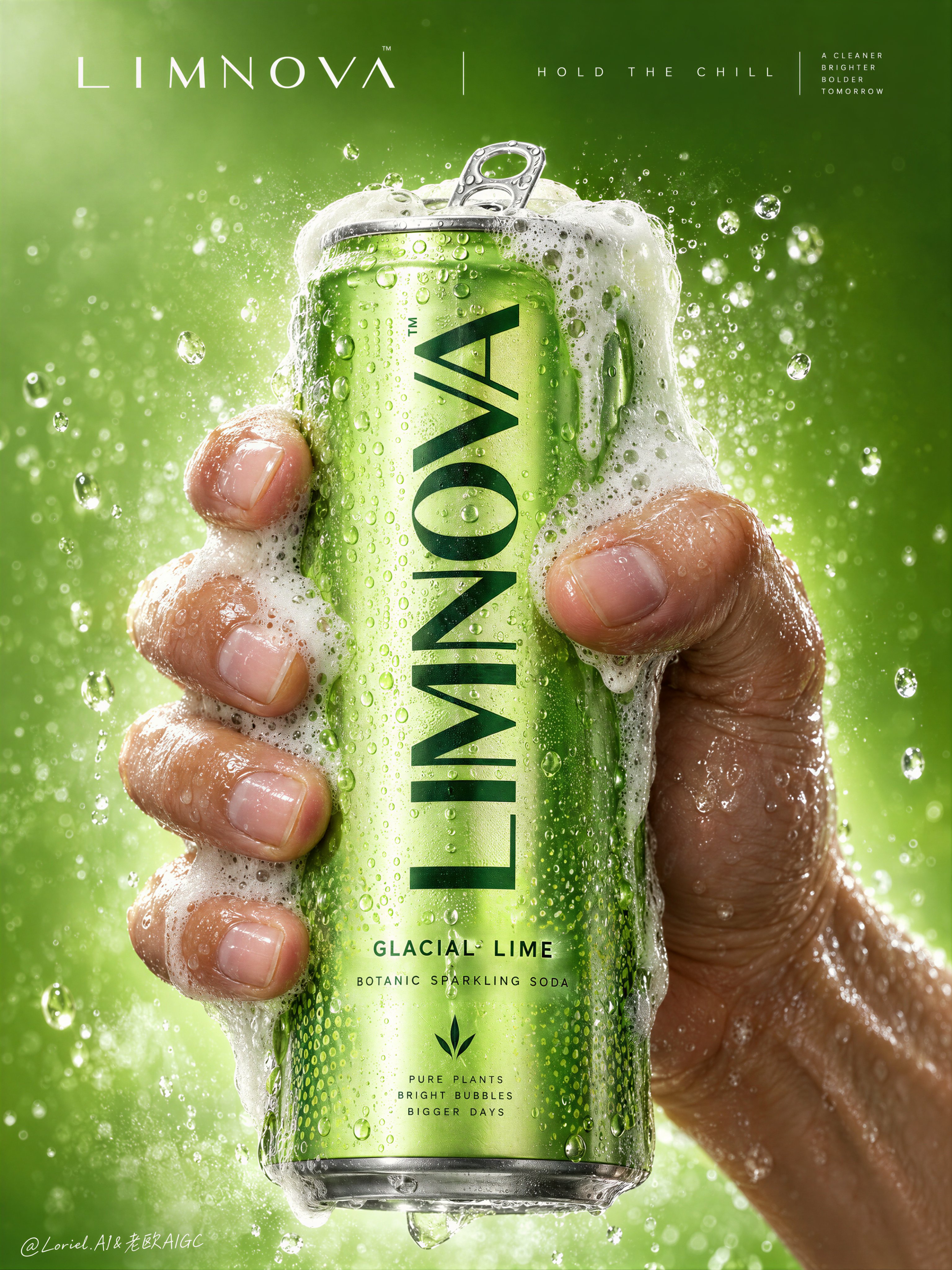
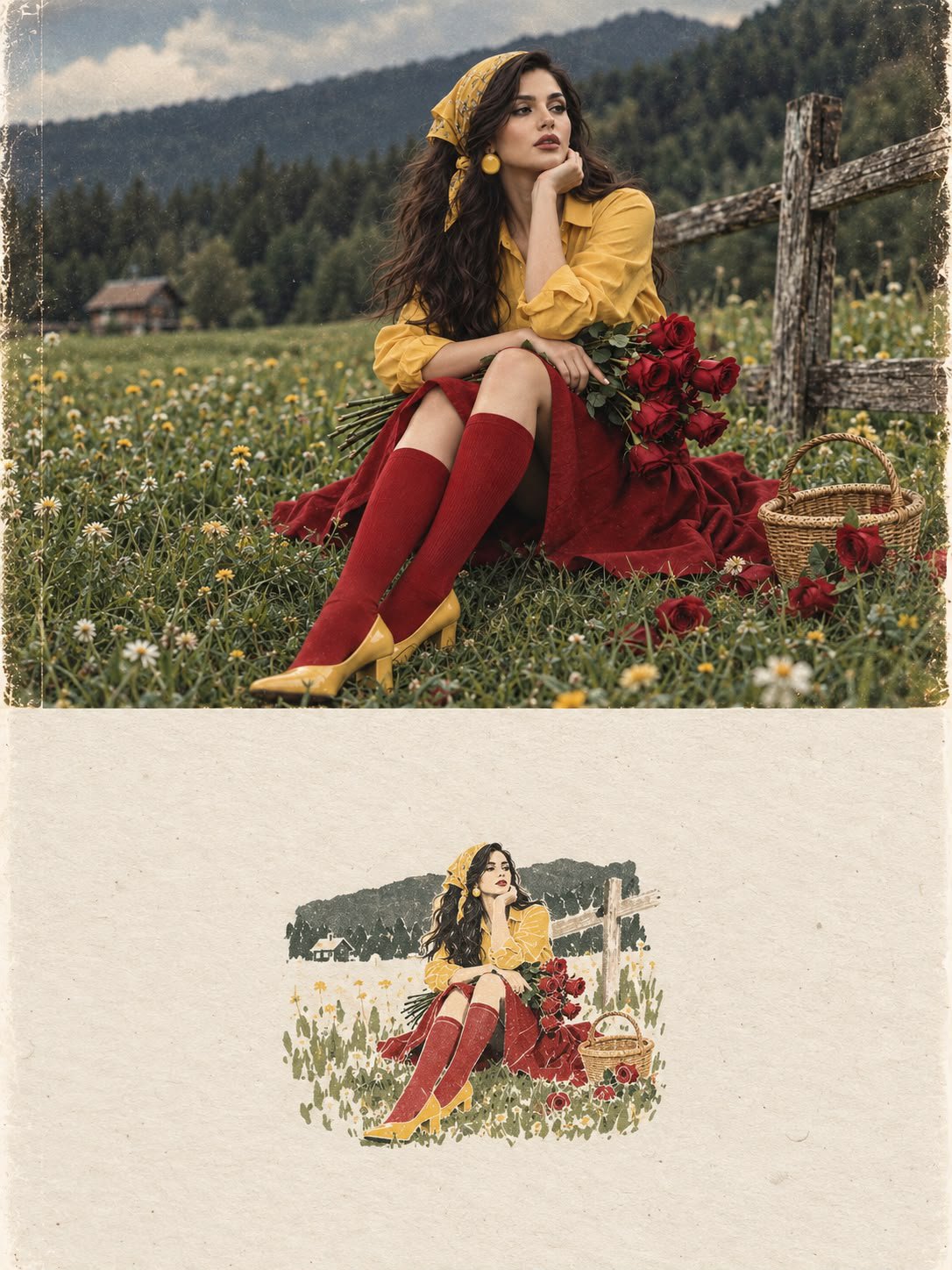
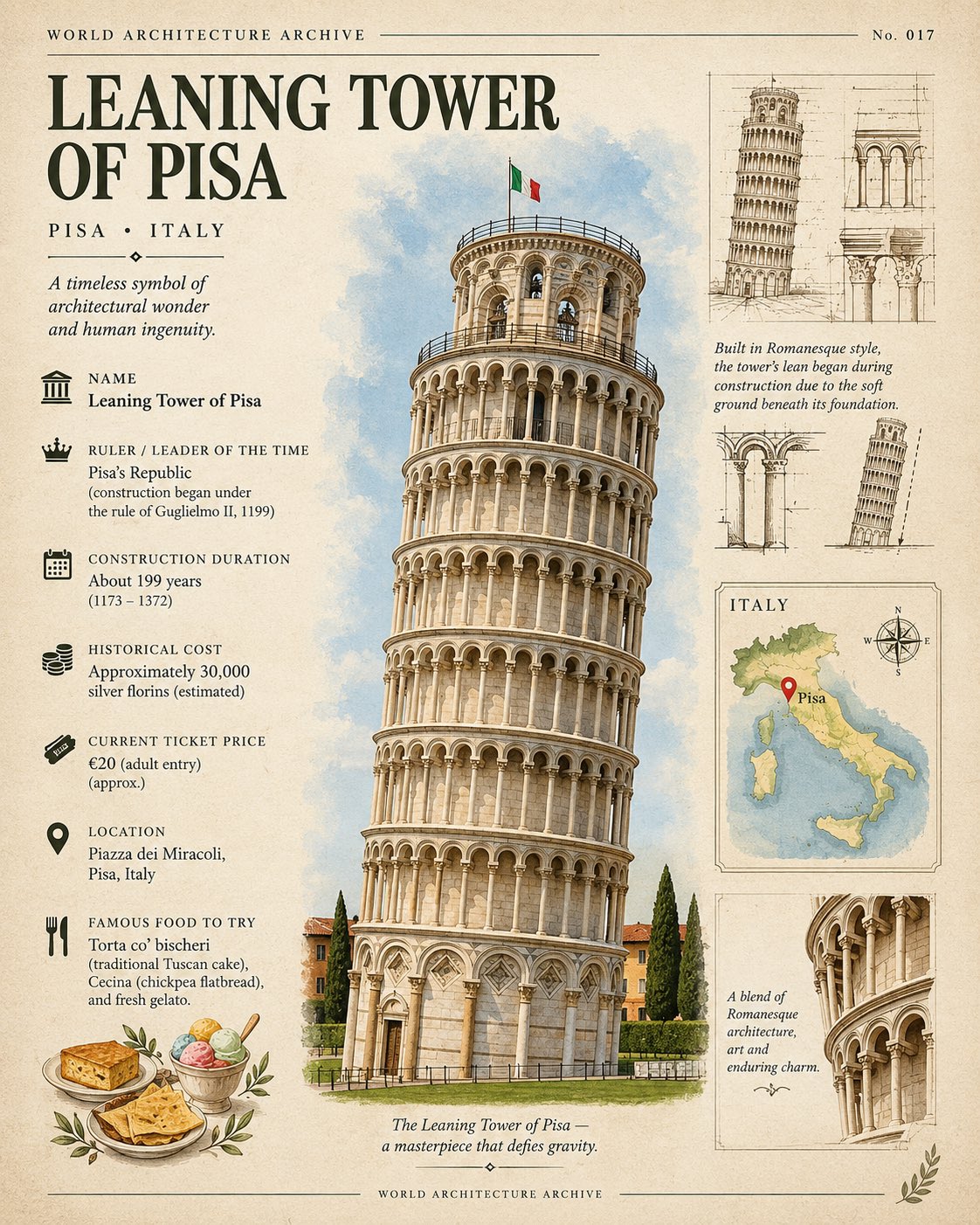
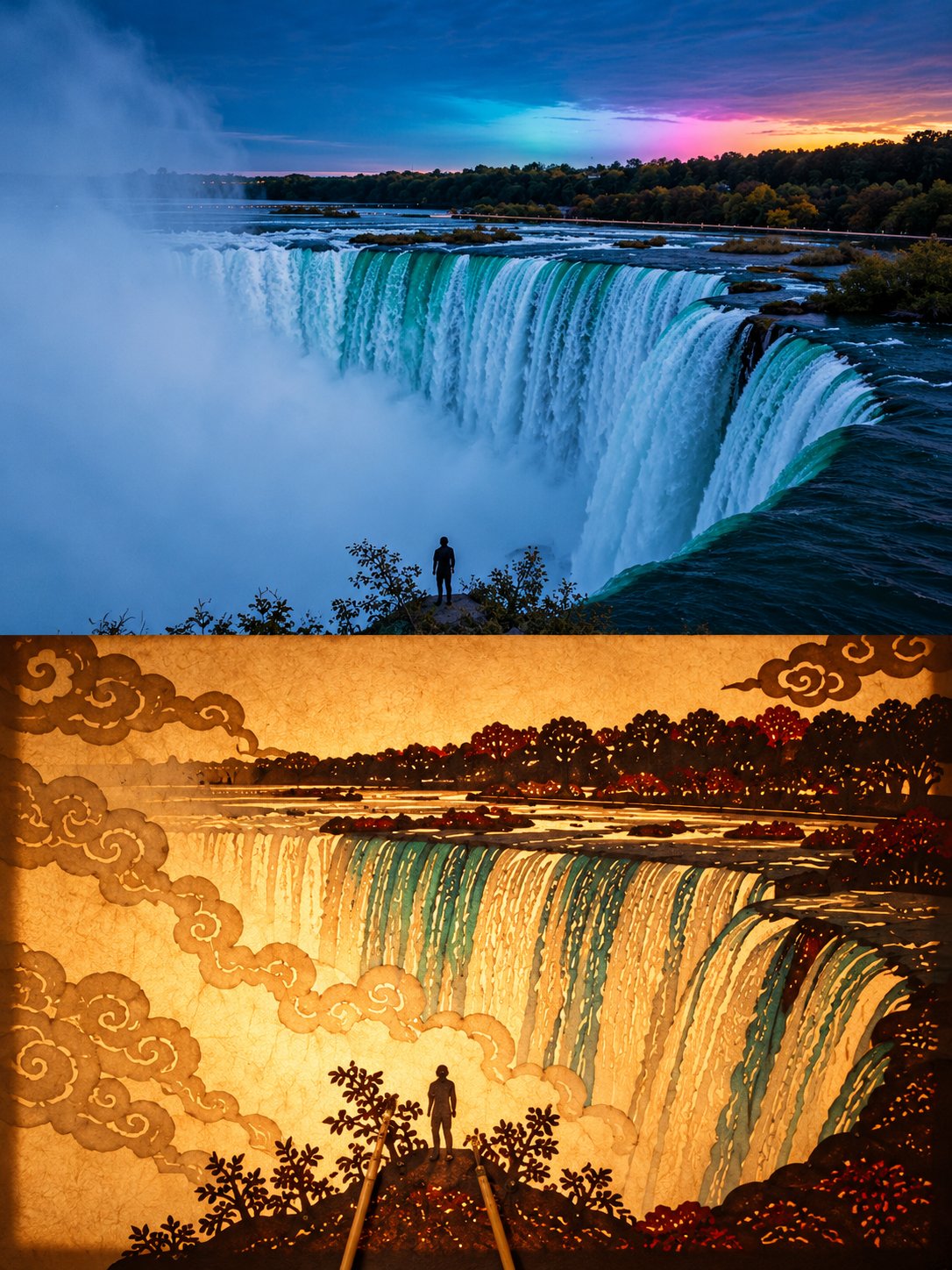
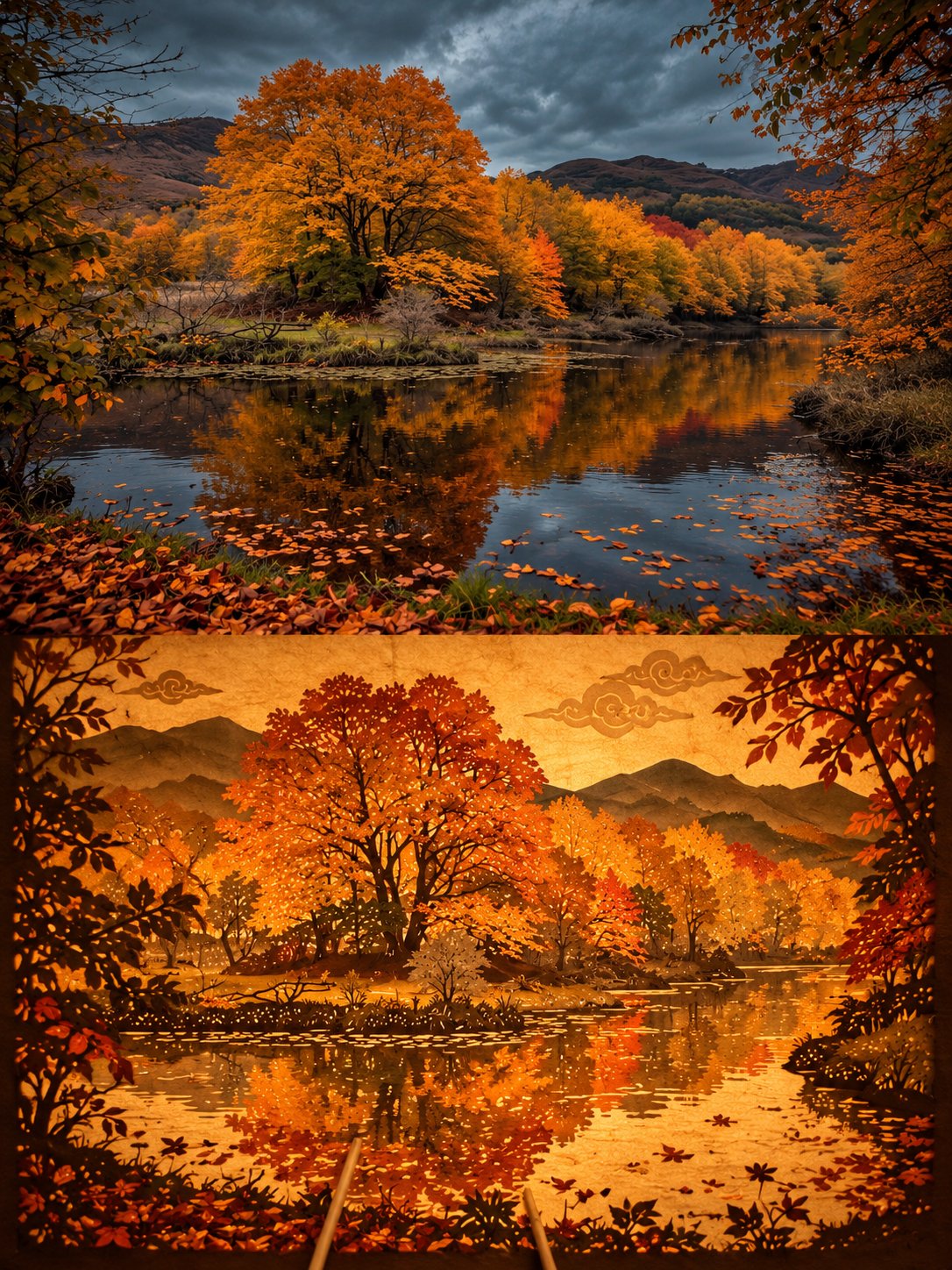
Create a premium 3:4 vertical shadow-puppet art poster from the uploaded photograph. COMPOSITION: Divide the canvas into two equal horizontal halves. TOP HALF: Preserve the original photograph’s subject, identity, pose, proportions, composition, textures, and natural lighting. Apply only subtle, refined color grading for an elegant fine-art exhibition aesthetic. Extend the background if necessary, without distorting the subject. BOTTOM HALF: Reinterpret the same subject as an authentic traditional Chinese shadow puppet, performing against warmly illuminated, translucent rice paper. Translate its defining silhouette, posture, and character into a flat, handcrafted leather-cutout figure with articulated joints, tiny connecting rivets, decorative perforations, intricate cloud motifs, and delicate geometric carvings. Use restrained translucent pigments inspired by traditional shadow-puppet craftsmanship. Add one or two slender bamboo control rods entering naturally from the bottom edge. Create realistic paper translucency, warm backlighting, subtle shadows, and exquisite handcrafted details. CREATIVE DIRECTION: The puppet must remain instantly recognizable as the original subject, whether it is a person, animal, building, plant, object, or landscape. Adapt the traditional shadow-puppet construction intelligently to the subject rather than forcing every image into a human-shaped figure. Make the transition between photography and traditional folk art visually meaningful, refined, and museum-worthy. Avoid photorealistic puppets, cartoon styling, excessive ornamentation, unrelated elements, distorted features, text, logos, and watermarks. FORMAT: 3:4 vertical, exact 50/50 horizontal split.
Details
- Type
- AI Image Prompts
- Aspect Ratio
- 3:4
- Updated
- Oct 24, 2026
How to use this prompt
- 1Copy the full prompt with the copy button above.
- 2Open GPT Image 2.5 by OpenAI, or any image generator with a similar style range.
- 3Paste the prompt, then swap the subject and style keywords to match your idea.
- 4Match the example's settings (3:4 · Poster · Dramatic · Vintage), then iterate — small wording changes shift the output a lot.
Frequently asked questions
Which AI model generated this image?
This image was generated with GPT Image 2.5 by OpenAI. The prompt on this page is the exact text used to create it.
What settings does this prompt use?
The example was generated with GPT Image 2.5 using: 3:4 · Poster · Dramatic · Vintage. Reusing these settings gives the closest match.
How do I get similar results?
Copy the prompt as-is first, then replace only the subject while keeping the style, lighting, and composition keywords. Generate a few variations — outputs differ between runs.
Can I modify this prompt?
Yes. Prompts work best as starting points — adjust descriptors, aspect ratio, or style tags to make the output your own.