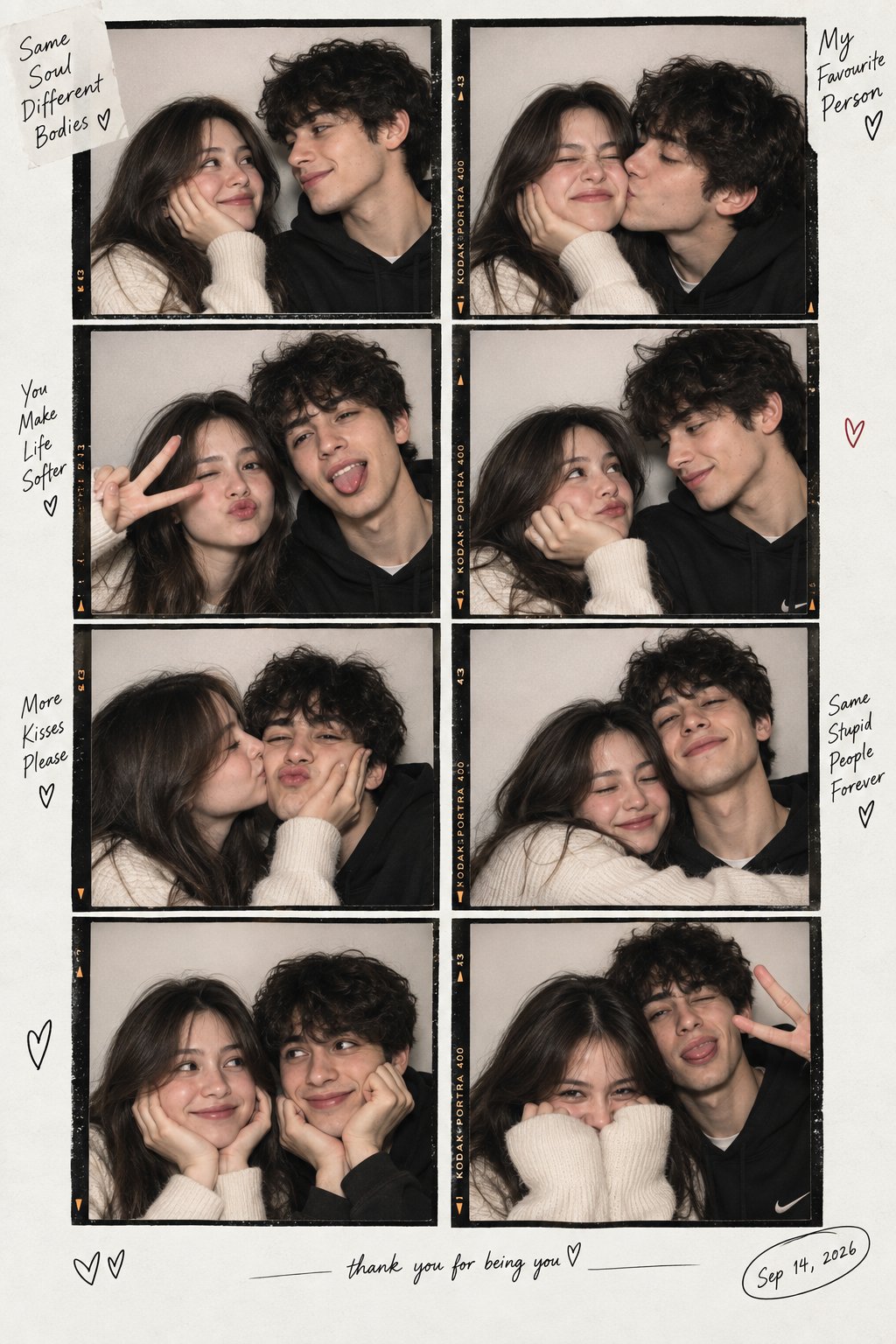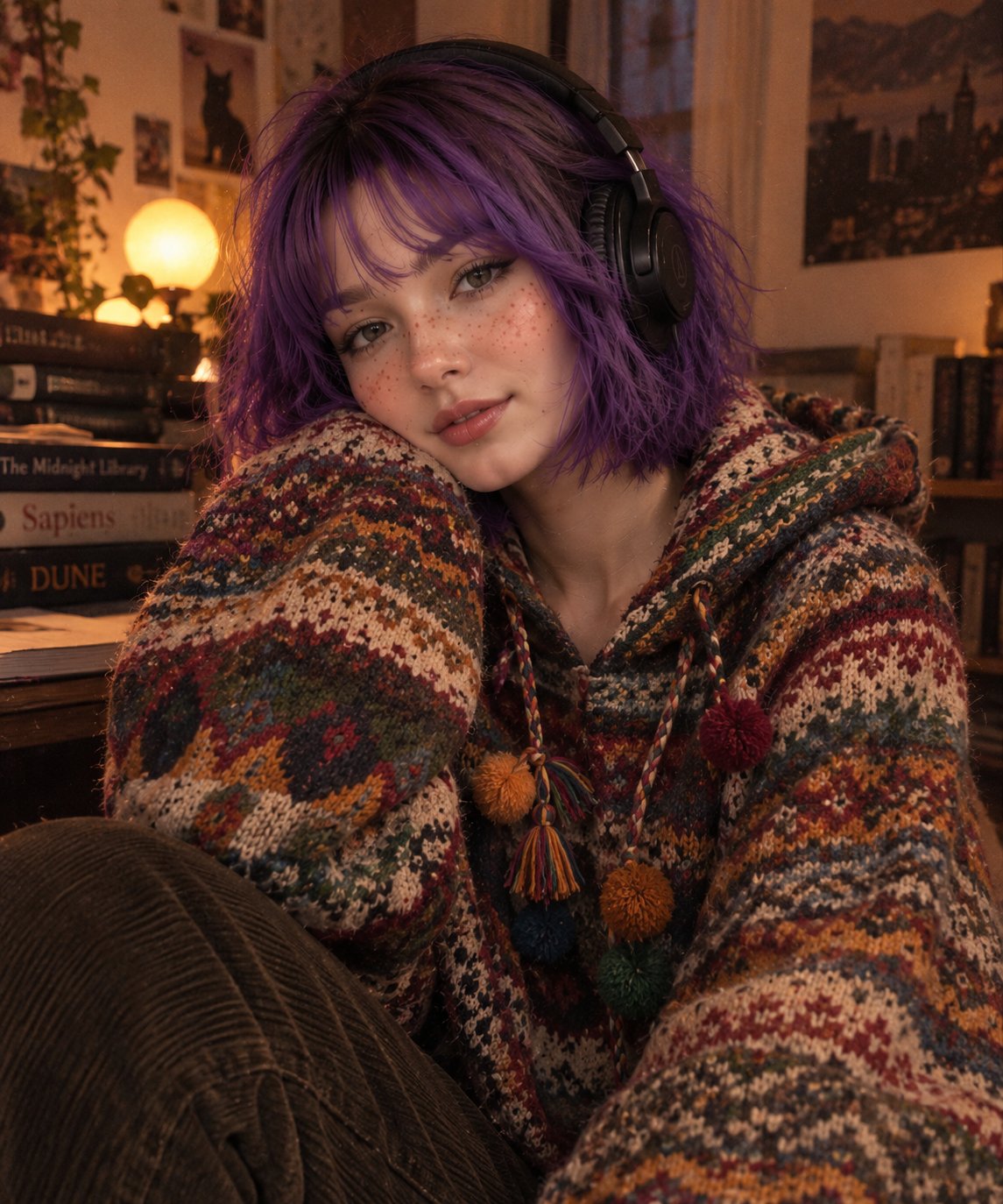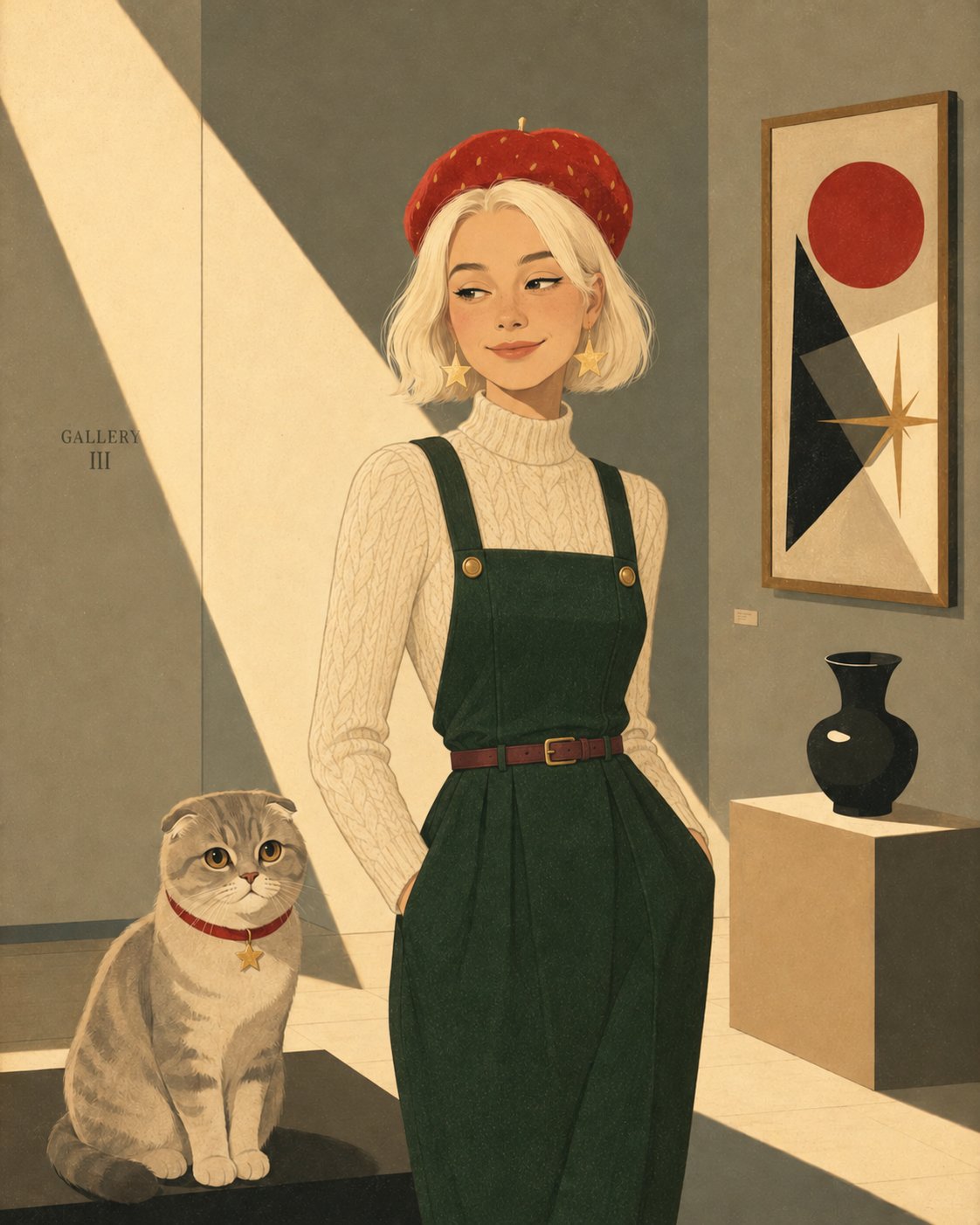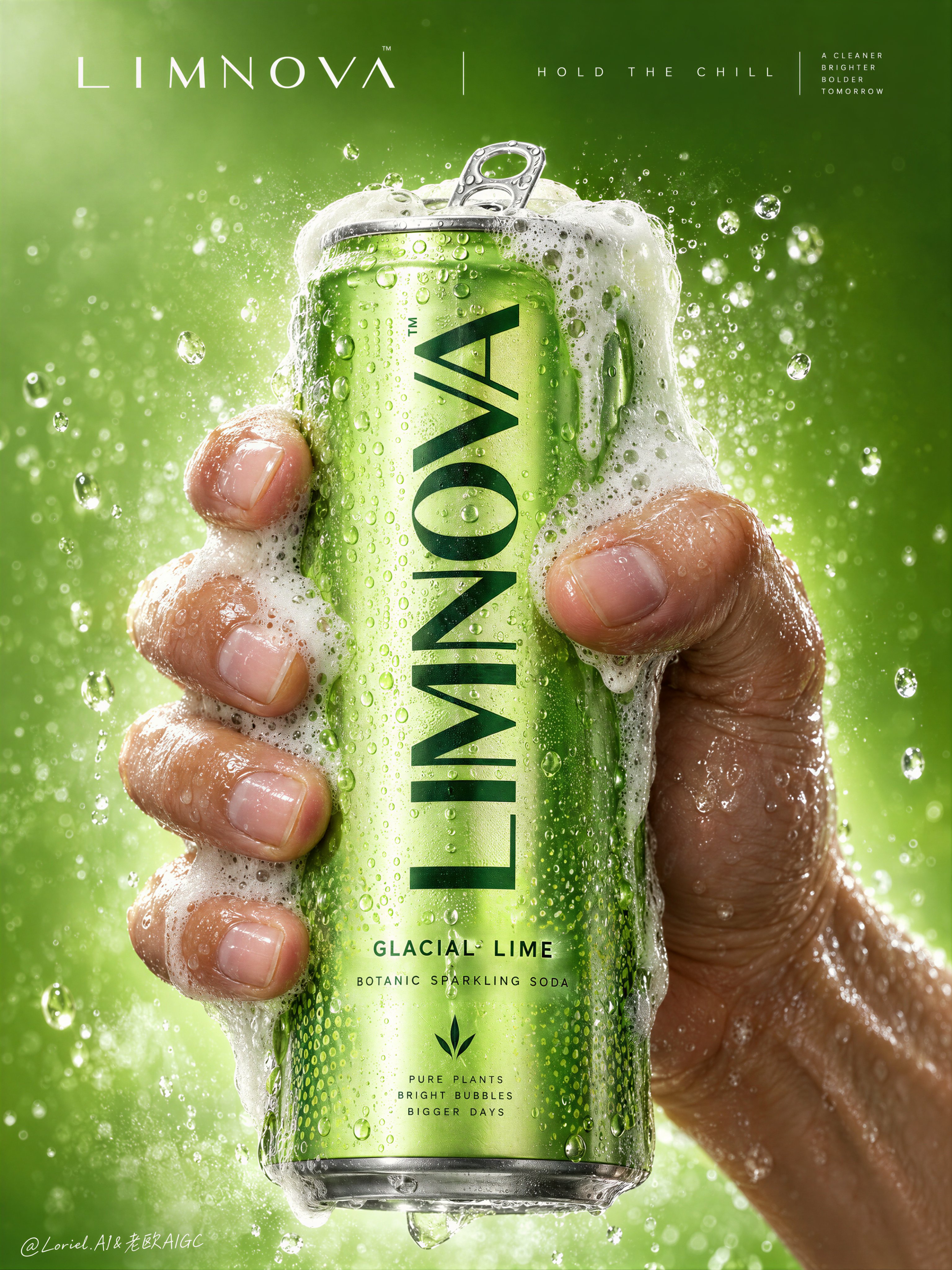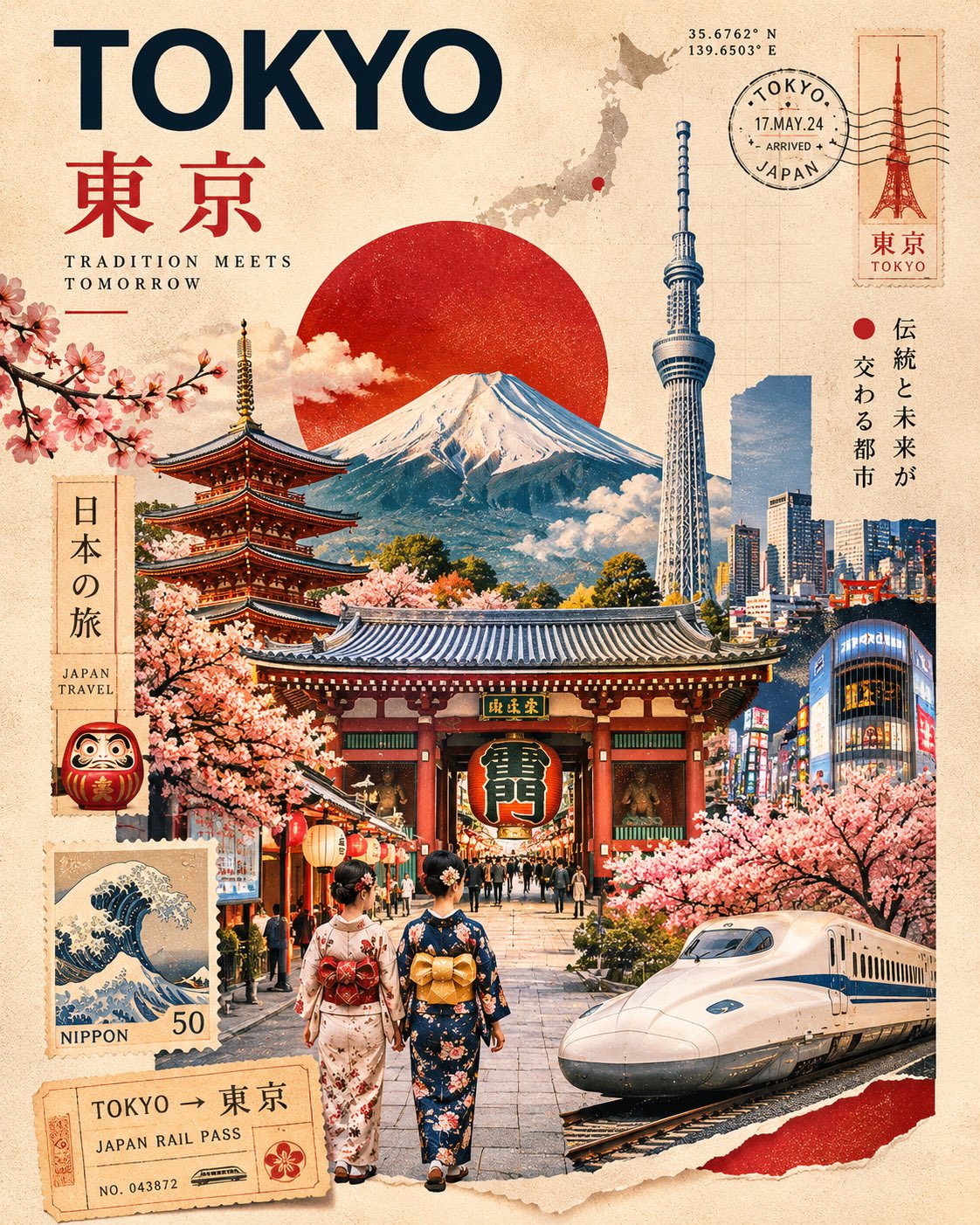
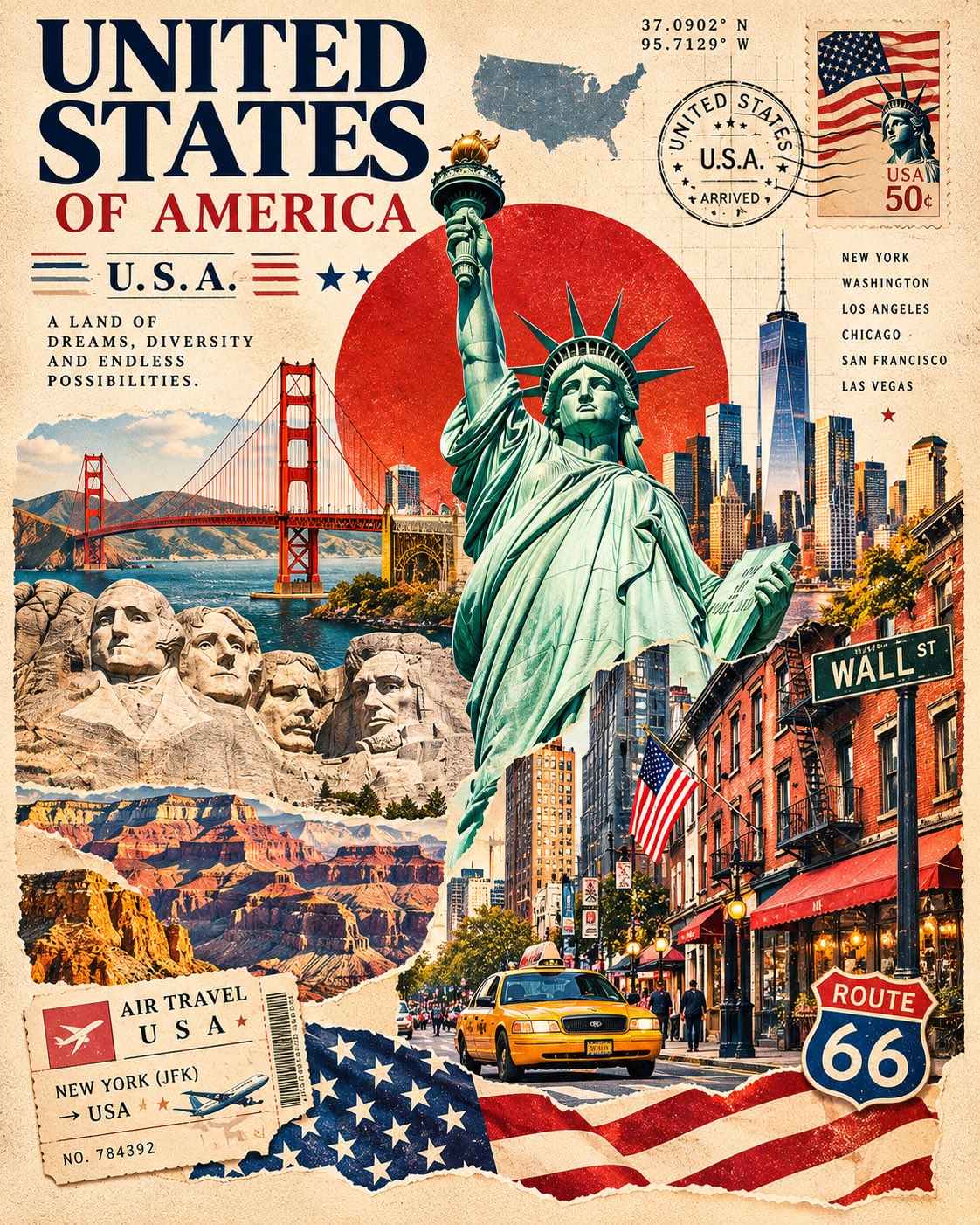
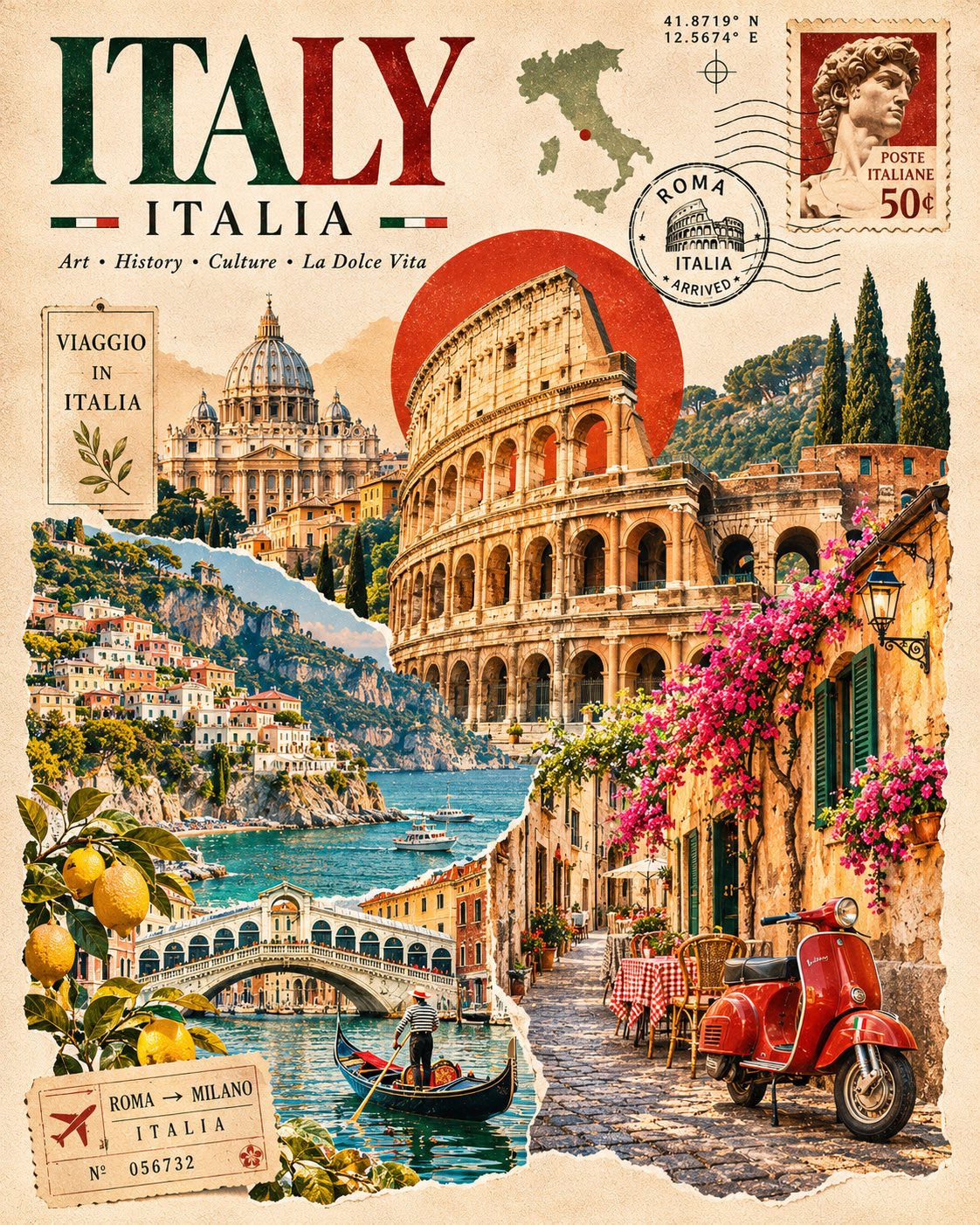
Editorial Travel Poster Collage Template
 GPT Image 2.5OpenAIimage
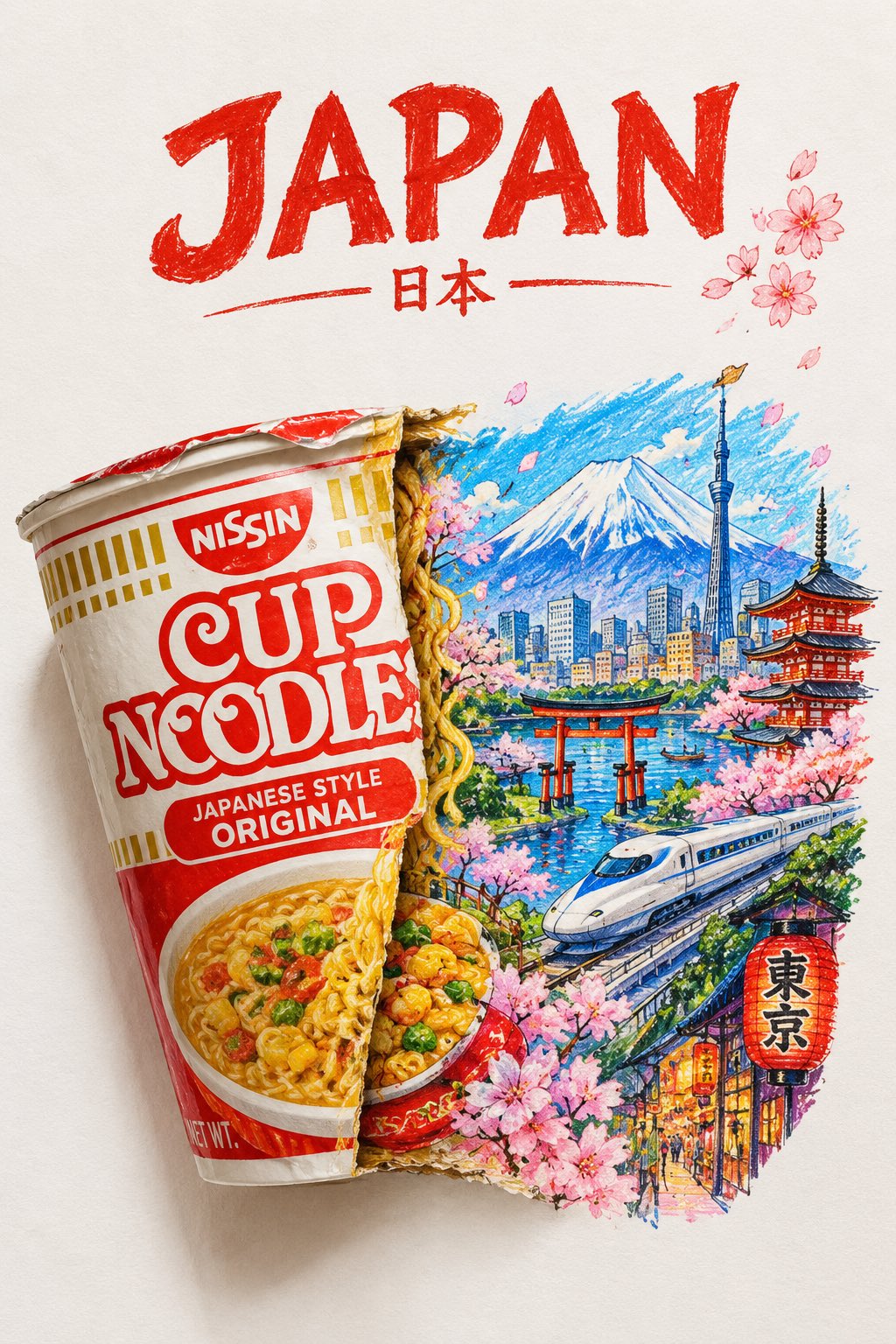
Create an exceptionally beautiful, premium editorial-style travel poster for [CITY, COUNTRY], inspired by contemporary minimalist travel magazines, vintage cultural posters, cinematic photography and sophisticated scrapbook collage design. 1. TYPOGRAPHY & HEADER Feature the destination name in enormous, bold, clean uppercase typography across the upper portion. Add the destination name in its native language or traditional script underneath. Include a small cultural tagline that captures the identity of the destination. Add subtle geographical coordinates, postal markings and a vintage arrival stamp. 2. CENTRAL VISUAL COMPOSITION Create an artistic photographic collage showcasing the destination’s most iconic landmarks and cultural identity. Include: One dominant architectural landmark as the main visual attraction. Two or three smaller architectural or historical landmarks. Beautiful natural scenery, local streets, gardens, mountains or waterfronts. Authentic cultural elements, traditional architecture, local lifestyle and people in culturally appropriate clothing. Local transportation, such as trains, boats, bicycles or traditional vehicles, where relevant. Blend these elements into an elegant, layered photographic composition with natural transitions, overlapping imagery and artistic cropping. 3. BACKGROUND & GRAPHIC ELEMENTS Warm textured handmade paper background with subtle grain. A large geometric sun, circle or abstract shape behind the main architecture. A subtle silhouette map of the country or region. Delicate grid lines, geographical coordinates and tiny decorative graphic elements. Small travel tickets, postage stamps and destination labels. Elegant torn-paper edges and subtle collage layering. 4. UNIQUE COUNTRY COLOUR IDENTITY IMPORTANT: Create a completely new and distinctive colour palette for every destination. Automatically select a sophisticated palette inspired by the country’s cultural heritage, national identity, architecture, landscapes and natural surroundings. Examples: Japan: Vermilion red, deep forest green, warm ivory and charcoal. Italy: Terracotta, olive green, warm cream and Mediterranean blue. France: Burgundy, dusty blue, champagne beige and muted gold. India: Saffron, peacock blue, deep maroon and warm ivory. Switzerland: Alpine blue, glacier white, forest green and muted red. Morocco: Burnt orange, cobalt blue, sand beige and deep emerald. Greece: Aegean blue, chalk white, Mediterranean turquoise and soft ochre. Egypt: Desert gold, sandstone, lapis blue and deep brown. Do not reuse the same colour combination for different destinations. Adapt all background shapes, typography, graphic accents and collage elements to the selected destination’s palette. 5. ART DIRECTION A sophisticated fusion of premium travel editorial design, vintage tourism posters, cinematic architectural photography, minimalist graphic design and cultural scrapbook aesthetics. The result should feel like a limited-edition collectible travel magazine cover, not a conventional tourist advertisement. 6. FINAL FINISH Exceptional visual hierarchy, realistic architectural details, beautiful photographic integration, sophisticated negative space, balanced typography, subtle paper texture, premium print quality and visually rich storytelling. Vertical 4:5 aspect ratio. High-resolution professional graphic design. No generic layouts, no repeated colour schemes, no cluttered composition.
Details
- Type
- AI Image Prompts
- Aspect Ratio
- 561:701
- Updated
- Nov 9, 2026
How to use this prompt
- 1Copy the full prompt with the copy button above.
- 2Open GPT Image 2.5 by OpenAI, or any image generator with a similar style range.
- 3Paste the prompt, then swap the subject and style keywords to match your idea.
- 4Match the example's settings (561:701 · Poster · Cinematic · Vintage), then iterate — small wording changes shift the output a lot.
Frequently asked questions
Which AI model generated this image?
This image was generated with GPT Image 2.5 by OpenAI. The prompt on this page is the exact text used to create it.
What settings does this prompt use?
The example was generated with GPT Image 2.5 using: 561:701 · Poster · Cinematic · Vintage. Reusing these settings gives the closest match.
How do I get similar results?
Copy the prompt as-is first, then replace only the subject while keeping the style, lighting, and composition keywords. Generate a few variations — outputs differ between runs.
Can I modify this prompt?
Yes. Prompts work best as starting points — adjust descriptors, aspect ratio, or style tags to make the output your own.