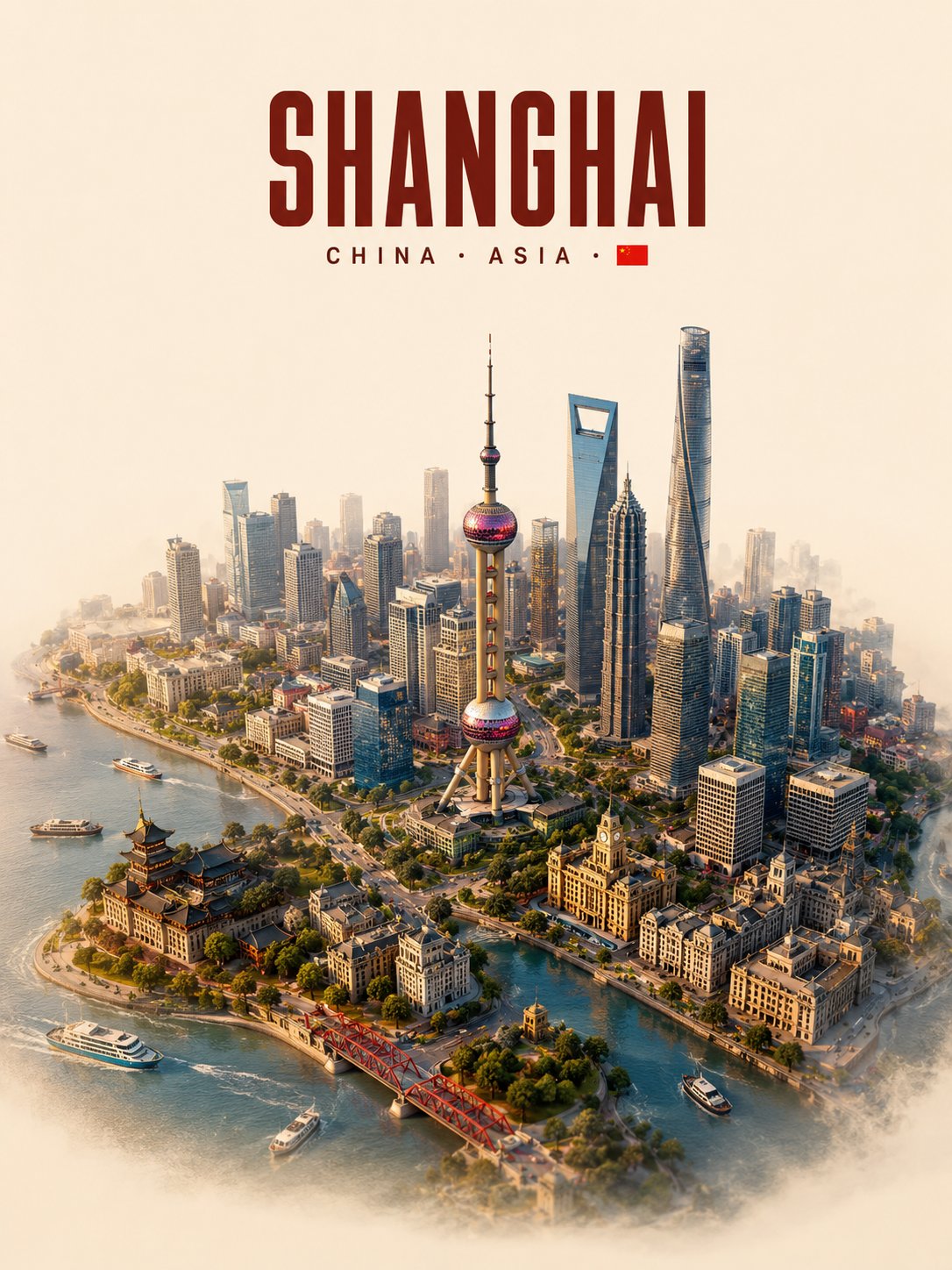
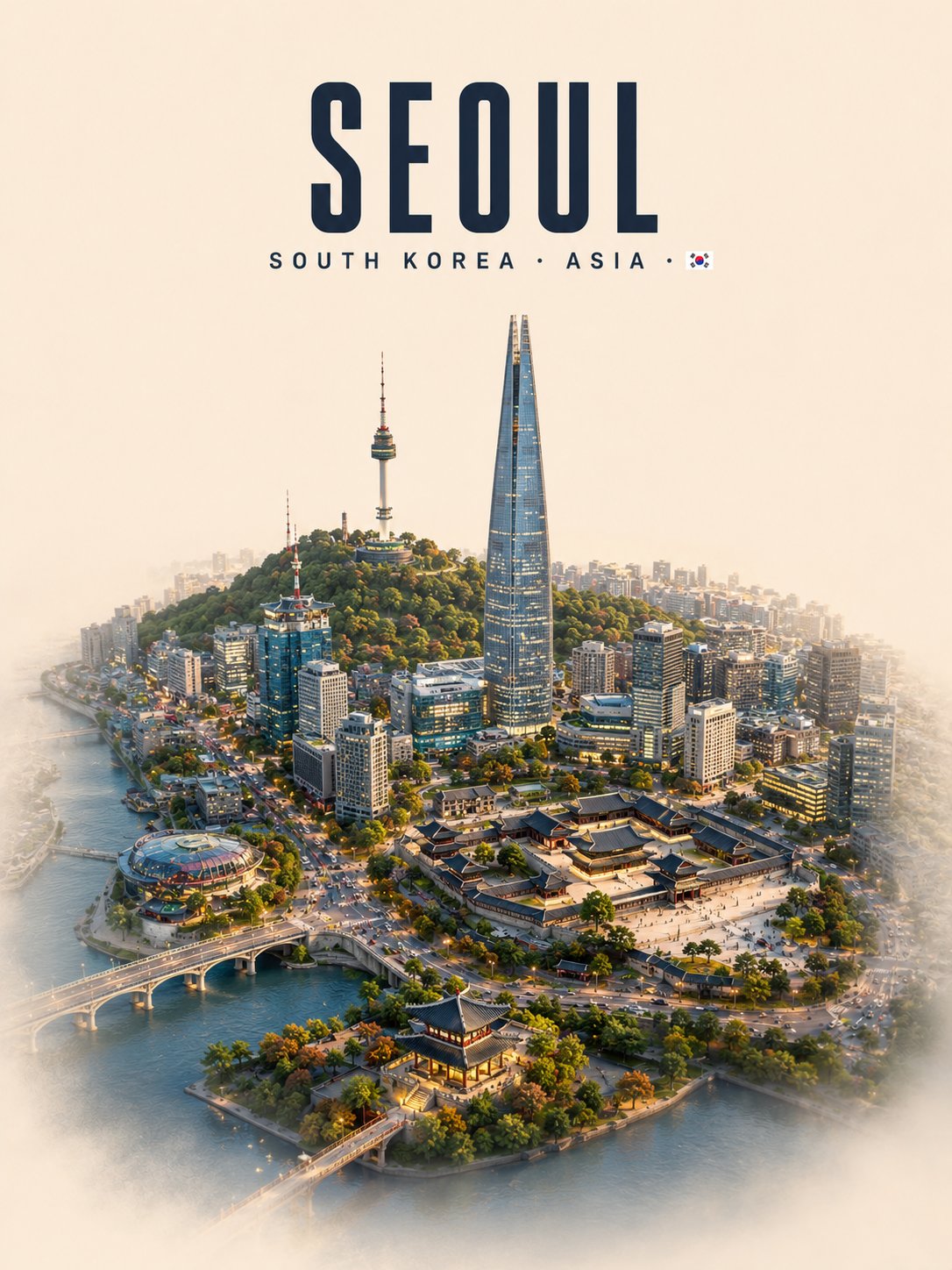
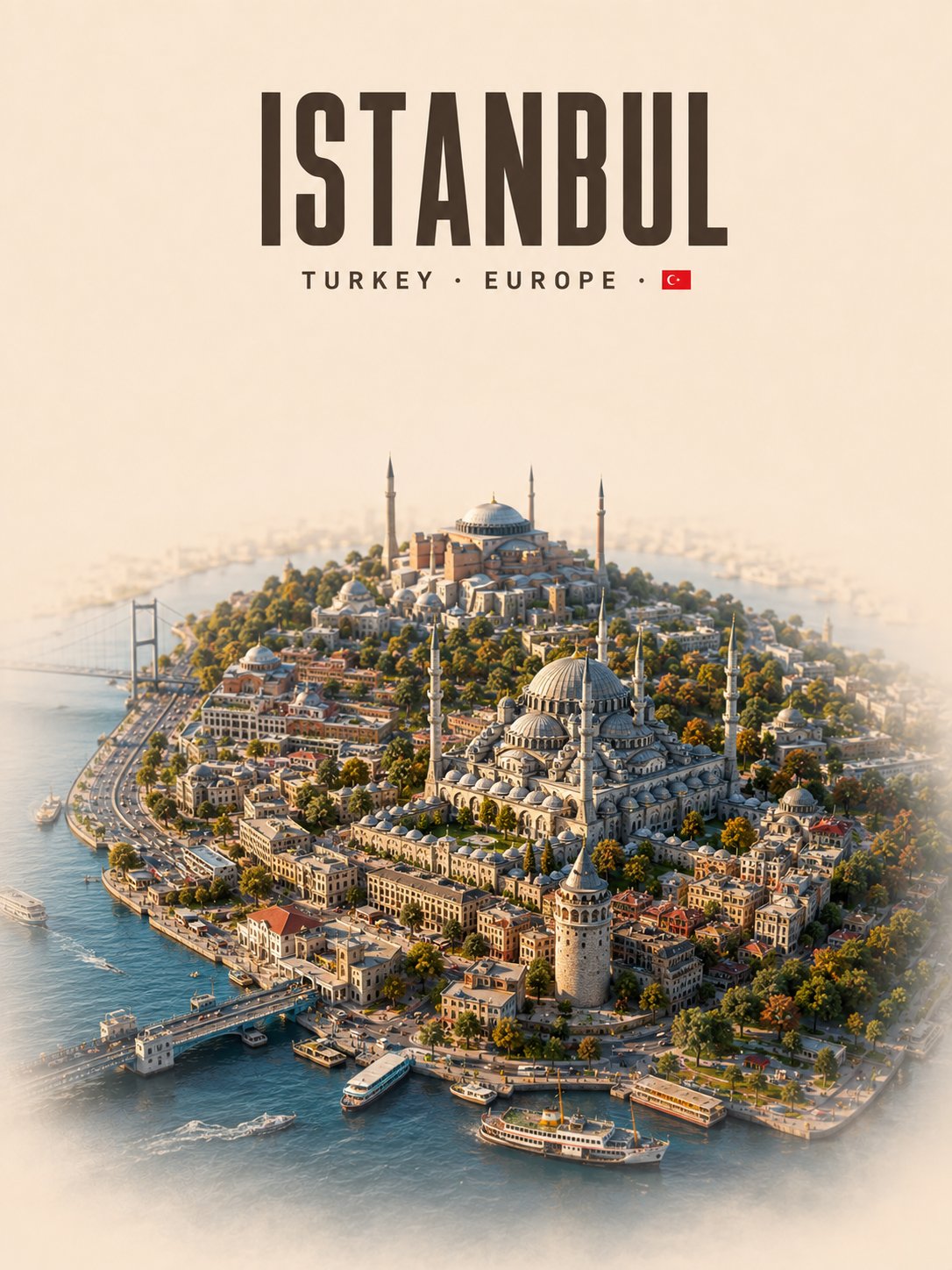
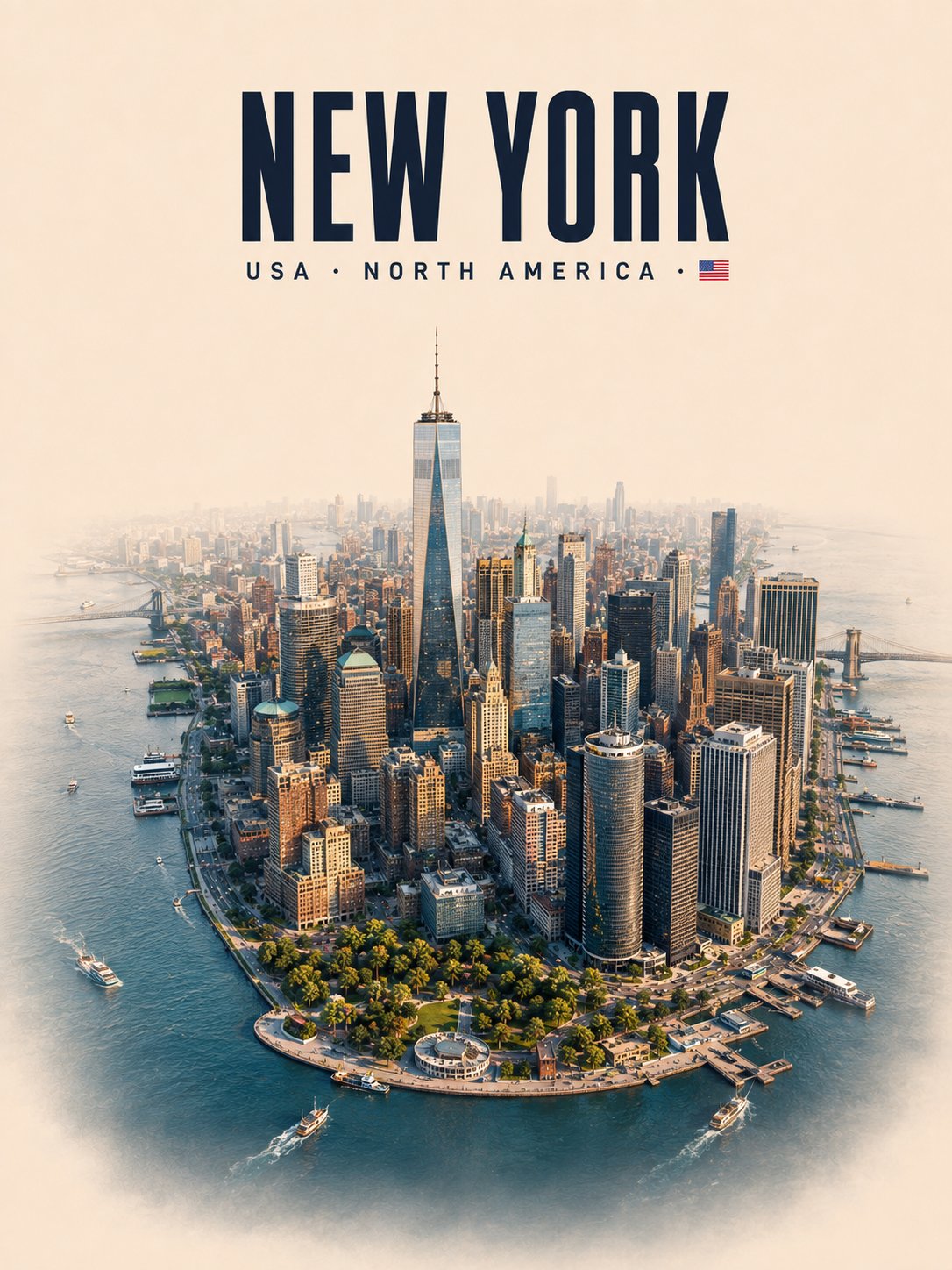
3D Isometric Destination Diorama
 GPT Image 2OpenAIimage
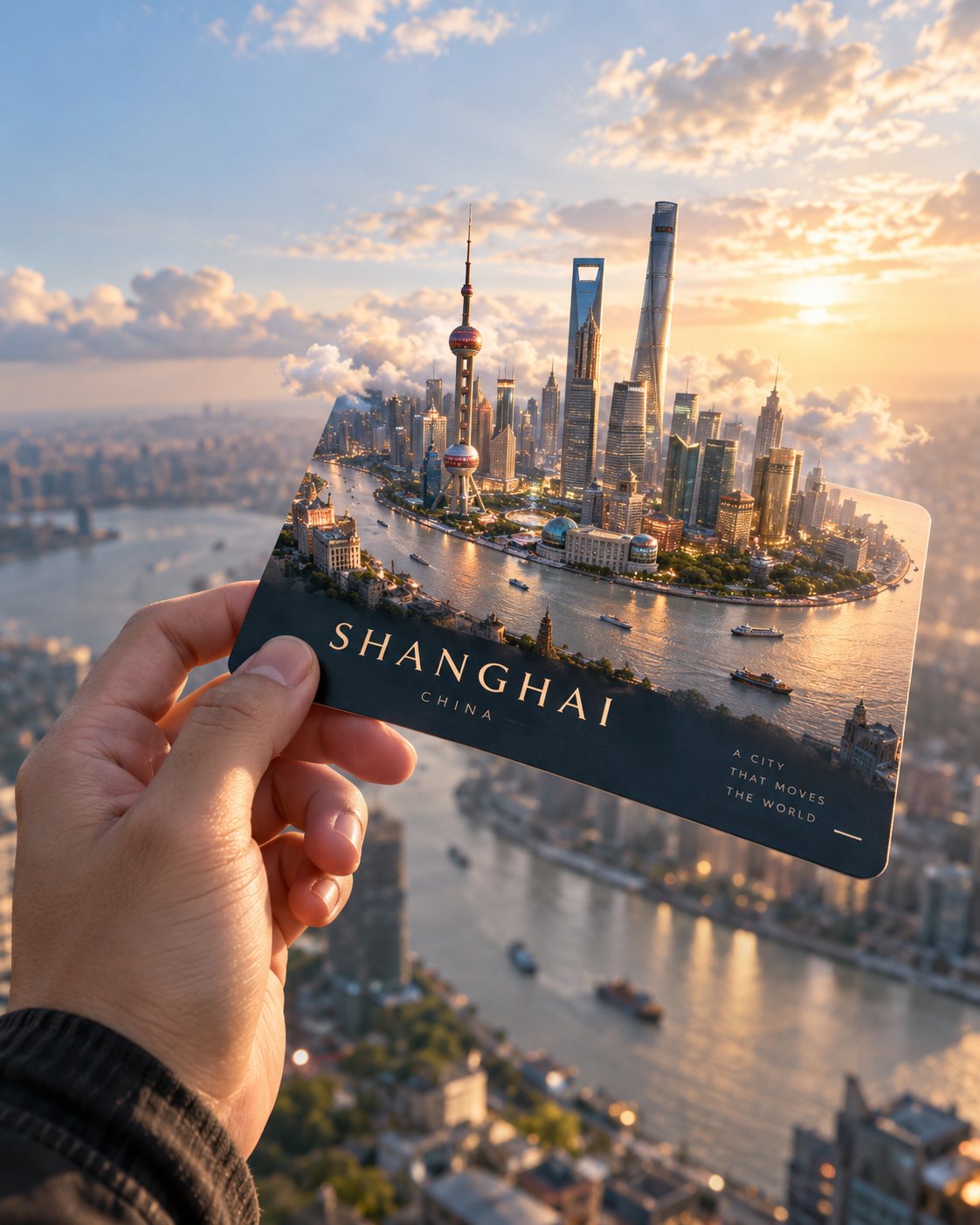
Create a premium vertical 3:4, high-detail 3D isometric miniature diorama of [DESTINATION], designed as a cinematic master frame for future image-to-video animation. Focus on the smallest recognizable geographic and cultural core of the destination. Keep the complete terrain footprint visible and uncropped, with plausible geography and natural spatial relationships. Include 5–8 authentic iconic elements, with 1–2 dominant hero landmarks and appropriate natural features. Preserve recognizable silhouettes, proportions, materials, and locations. No duplicates or invented landmarks. Create strong foreground, midground, and background depth for aerial glide, push-in, and parallax. Connect landmarks with authentic streets, architecture, terrain, vegetation, water, and environmental details so everything feels like one continuous miniature world. Use a realistic premium architectural-model aesthetic with refined materials, realistic textures, soft shadows, ambient occlusion, cinematic lighting, and subtle atmospheric depth. Avoid cartoon, low-poly, toy-like, or souvenir styling. I2V EDGE CONTROL: softly blend and optically dissolve the left, right, and bottom terrain edges using subtle haze, depth-of-field, shadow, or environmental blending. Avoid hard cutout edges, thick sidewalls, pedestals, or sticker-like outlines. Place the diorama in the lower 70%, leaving generous warm off-white negative space above. Header at top center, exactly: [DESTINATION] [COUNTRY · CONTINENT · FLAG] Use bold condensed uppercase typography. No additional text, logos, borders, or watermarks. FINAL: recognizable destination + authentic landmarks + plausible geography + cinematic depth + realistic miniature craftsmanship + I2V-ready softened edges.
Details
- Type
- AI Image Prompts
- Aspect Ratio
- 3:4
- Updated
- Aug 28, 2026
How to use this prompt
- 1Copy the full prompt with the copy button above.
- 2Open GPT Image 2 by OpenAI, or any image generator with a similar style range.
- 3Paste the prompt, then swap the subject and style keywords to match your idea.
- 4Match the example's settings (3:4 · Cinematic · 3D Render), then iterate — small wording changes shift the output a lot.
Frequently asked questions
Which AI model generated this image?
This image was generated with GPT Image 2 by OpenAI. The prompt on this page is the exact text used to create it.
What settings does this prompt use?
The example was generated with GPT Image 2 using: 3:4 · Cinematic · 3D Render. Reusing these settings gives the closest match.
How do I get similar results?
Copy the prompt as-is first, then replace only the subject while keeping the style, lighting, and composition keywords. Generate a few variations — outputs differ between runs.
Can I modify this prompt?
Yes. Prompts work best as starting points — adjust descriptors, aspect ratio, or style tags to make the output your own.
![Create a charming miniature 3D paper-craft travel illustration of [DESTINATION], designed as a delic — AI image prompt — GPT Image 2](https://cdn.ahaprompt.app/harvest-media/import-1787456914406-re0vi8.jpg)