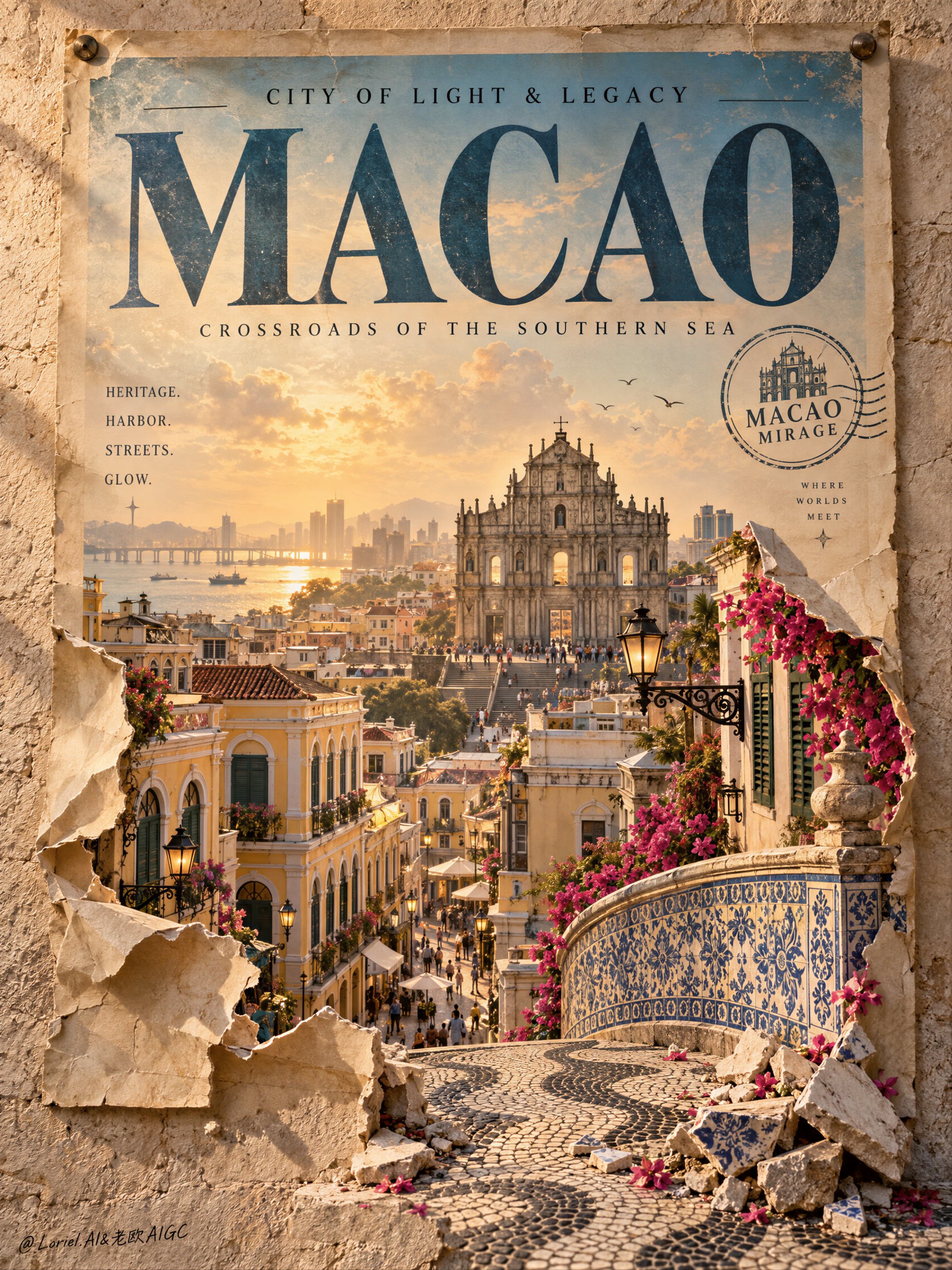
Torn Macao Travel Poster City Reveal
 GPT Image 2.5OpenAIimage
Create a Cannes-level premium travel poster ad for fictional destination campaign brand MACAO MIRAGE, unifying vintage paper-poster aesthetics, architectural depth, and sculptural physical illusion into one collectible hero image. The core concept is a city breaking through memory: a refined travel poster pinned to an aged plaster wall tears open along its lower portion, and Macao emerges physically from the paper as if history is pushing outward into the real world. The poster object must remain the absolute visual leader. Use a vertical full-bleed composition with a front-facing wall-mounted view, subtle natural perspective, and disciplined rule-of-thirds balance. Preserve the exact structure: one large vintage travel poster dominates the frame, pinned to a textured plaster wall with aged metal tacks, its upper half mostly graphic and typographic while the lower section tears, curls, fractures, and becomes three-dimensional. The poster sits centered and monumental against the wall, with clean negative space around it. The bottom edge is broken open and partially collapsed outward, creating a believable transition from printed artifact to spatial city reveal. The composition should feel iconic, collectible, and instantly legible. Inside the torn lower portion, build a highly realistic miniature Macao cityscape emerging from the paper surface. The Ruins of Saint Paul’s act as the distant architectural anchor, framed by layered heritage rooftops, colonial facades, and compressed urban terraces. In the immediate foreground, integrate Senado Square-inspired Portuguese mosaic pavement and a curved azulejo-like tiled parapet physically protruding from the torn poster edge. Scatter a few broken plaster chunks, ceramic fragments, and dust at the base where wall, paper, and city illusion split apart. The effect must feel tactile, elegant, and structurally believable, never chaotic or fantasy-heavy. The surrounding wall is warm stone-beige plaster with subtle age, stucco grain, minor cracks, and soft sun-cast shadow from the pinned poster. Within the poster portal, the Macao scene glows in late-afternoon golden light with layered architectural density and atmospheric depth. Foreground details include tiled surfaces, limited magenta bougainvillea-like blossoms along one edge, and a few tiny pedestrians deep below to establish scale. Midground includes Macanese facades, stair-like street layering, and terrace edges. Background holds the Ruins of Saint Paul’s and a luminous skyline haze. Depth must transition smoothly from printed surface to real spatial volume. Lighting and color merge into one precise palette: 60% warm limestone beige, parchment ivory, dusted cream, and sun-faded paper; 30% terracotta, muted teal-blue tile, amber city glow, and warm stone shadow; 10% magenta floral accents, weathered bronze, and slightly deepened dusk-blue atmospheric notes. Use warm golden-hour light from the upper left to create gentle relief on curled paper edges, realistic wall shadow, and luminous separation inside the city aperture. Preserve softness and richness without muddy browns, dead shadow pits, or oversaturated postcard color. The mood is historic, luminous, poetic, tactile, and premium. Materials must feel extremely real: poster paper with subtle creases, curled corners, faint print wear, fiber grain, slight age staining, and layered thickness at torn edges; wall plaster with fine stucco texture and believable wear; tiled parapet and pavement with glazed ceramic reflectance, tiny chips, hand-laid irregularity, and artisanal craft; and architecture that feels sun-worn, dense, and tactile. The whole image should feel like a museum-worthy travel poster brought physically to life, with print-ready clarity and restrained luxury polish. All in-image text must be English only, styled as a refined vintage travel-poster system. At the top, place a small header line reading “CITY OF LIGHT & LEGACY”. The main title is “MACAO” in large elegant serif capitals dominating the upper third. Beneath it, place a smaller line reading “CROSSROADS OF THE SOUTHERN SEA”. Along the left side, add a short vertical stack such as “HERITAGE. HARBOR. STREETS. GLOW.” On the right, integrate a circular stamped emblem reading “MACAO MIRAGE” with a small icon inspired by the Ruins of Saint Paul’s facade. Typography must feel printed into the poster, slightly aged, perfectly aligned, and harmonized with the dimensional architecture below. No Chinese text and no copied wording from existing tourism posters. Output: a premium travel-poster ad with the poster object as hero, full-bleed composition, no white border, no extra frames, no modern billboard styling, no random contemporary clutter, no floating fantasy buildings, no unreadable text, no warped architecture, no broken perspective, no muddy colours, no dead black areas, no low-quality AI texture, no excessive debris, no postcard-cliche overload, and no style drift. The final image must feel like a world-class collectible Macao destination poster where memory, material, and city become one object.
Details
- Type
- AI Image Prompts
- Aspect Ratio
- 1965:2621
- Updated
- Oct 6, 2026
Category
How to use this prompt
- 1Copy the full prompt with the copy button above.
- 2Open GPT Image 2.5 by OpenAI, or any image generator with a similar style range.
- 3Paste the prompt, then swap the subject and style keywords to match your idea.
- 4Match the example's settings (1965:2621 · Poster · Architecture · Vintage), then iterate — small wording changes shift the output a lot.
Frequently asked questions
Which AI model generated this image?
This image was generated with GPT Image 2.5 by OpenAI. The prompt on this page is the exact text used to create it.
What settings does this prompt use?
The example was generated with GPT Image 2.5 using: 1965:2621 · Poster · Architecture · Vintage. Reusing these settings gives the closest match.
How do I get similar results?
Copy the prompt as-is first, then replace only the subject while keeping the style, lighting, and composition keywords. Generate a few variations — outputs differ between runs.
Can I modify this prompt?
Yes. Prompts work best as starting points — adjust descriptors, aspect ratio, or style tags to make the output your own.
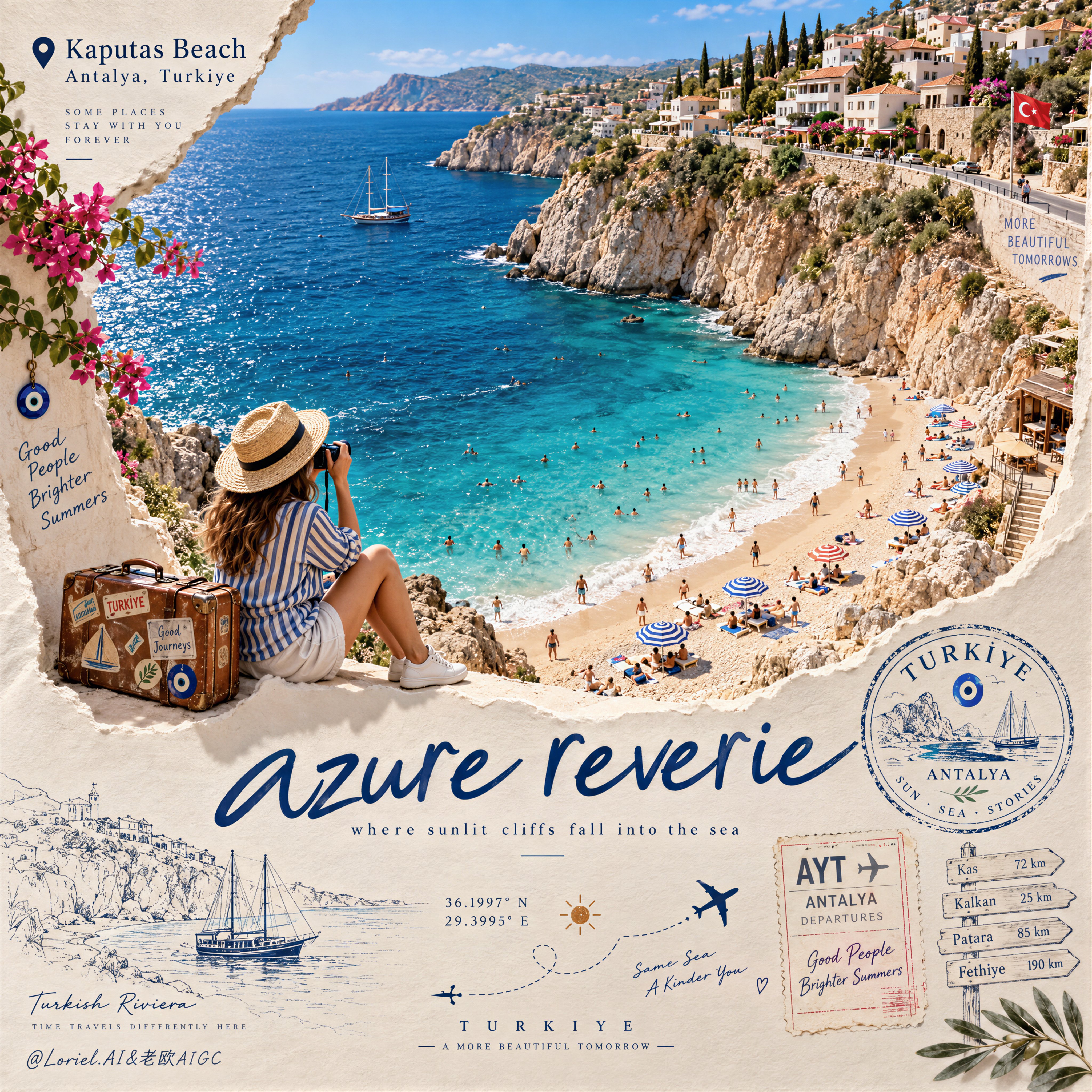
![Create a premium vertical 4:5 editorial travel poster for [COUNTRY], where the outline of the countr — AI image prompt — GPT Image 2.5](https://cdn.ahaprompt.app/harvest-media/import-1789369064970-j9jipe.jpg)
![Create a sophisticated, dreamy editorial magazine cover titled “[COUNTRY NAME] — A COUNTRY IN ONE DR — AI image prompt — GPT Image 2.5](https://cdn.ahaprompt.app/harvest-media/import-1789368946131-xefjx1.jpg)
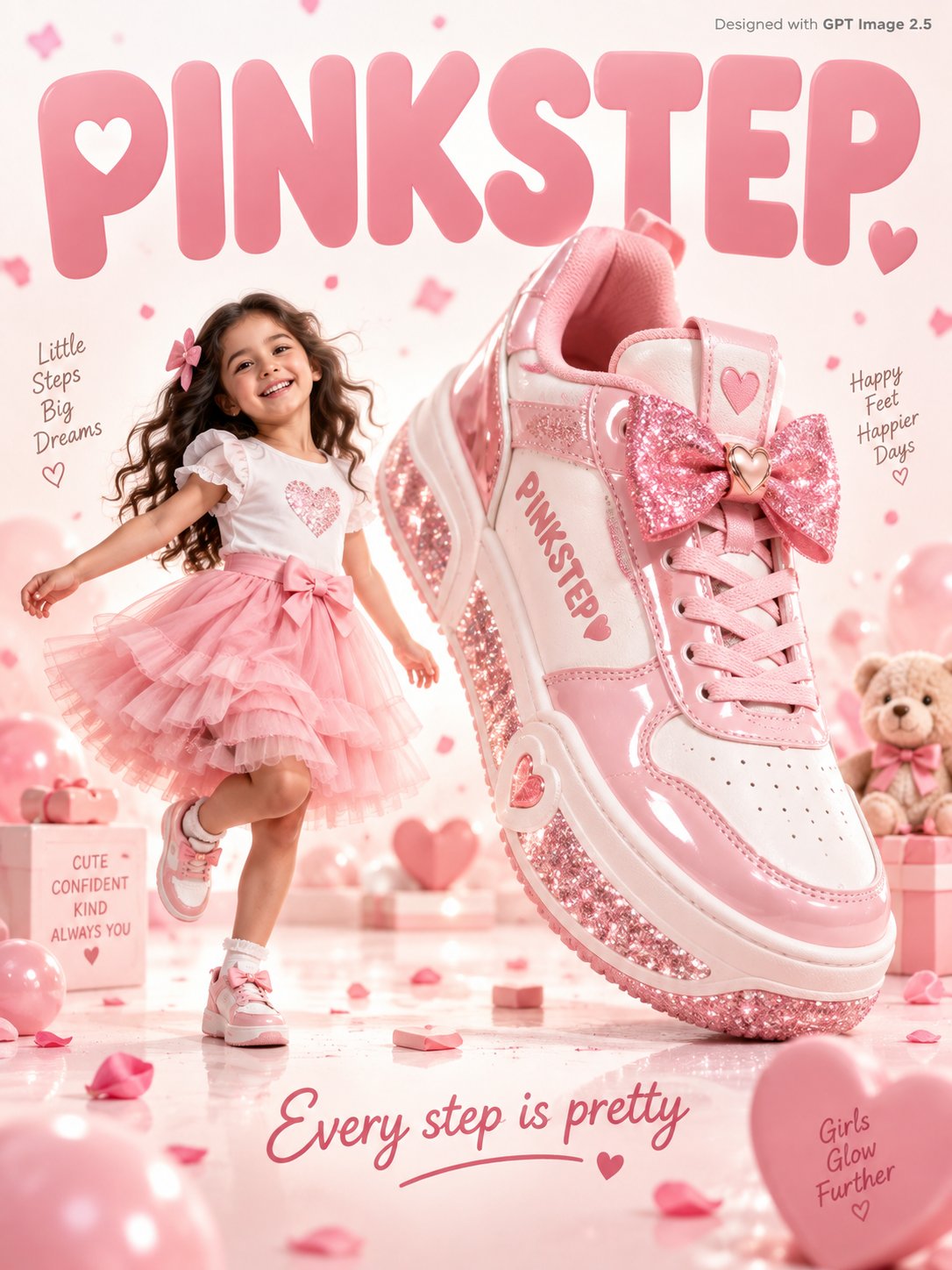
![Create a premium educational travel poster featuring [STRUCTURE NAME], one of the world’s most famou — AI image prompt — GPT Image 2.5](https://cdn.ahaprompt.app/harvest-media/import-1789369131185-x1iuzs.jpg)
![Create a premium cinematic luxury tourism poster for [COUNTRY / DESTINATION] in a STRICT 4:5 vertica — AI image prompt — GPT Image 2.5](https://cdn.ahaprompt.app/harvest-media/import-1789369001673-dctuvc.jpg)
![Create a premium contemporary editorial art poster for [LOCATION] in a playful Japanese design-ZINE — AI image prompt — GPT Image 2.5](https://cdn.ahaprompt.app/harvest-media/import-1789139846025-v6z310.jpg)
![2x2 grid, 9:16, 4 goat chess players who passed away [SUBJECT] :: single standalone vertical tribute — AI image prompt — GPT Image 2.5](https://cdn.ahaprompt.app/harvest-media/import-1789139801507-ah2jvt.jpg)