Tiny Worlds Travel Poster Template
 GPT Image 2.5OpenAIimage
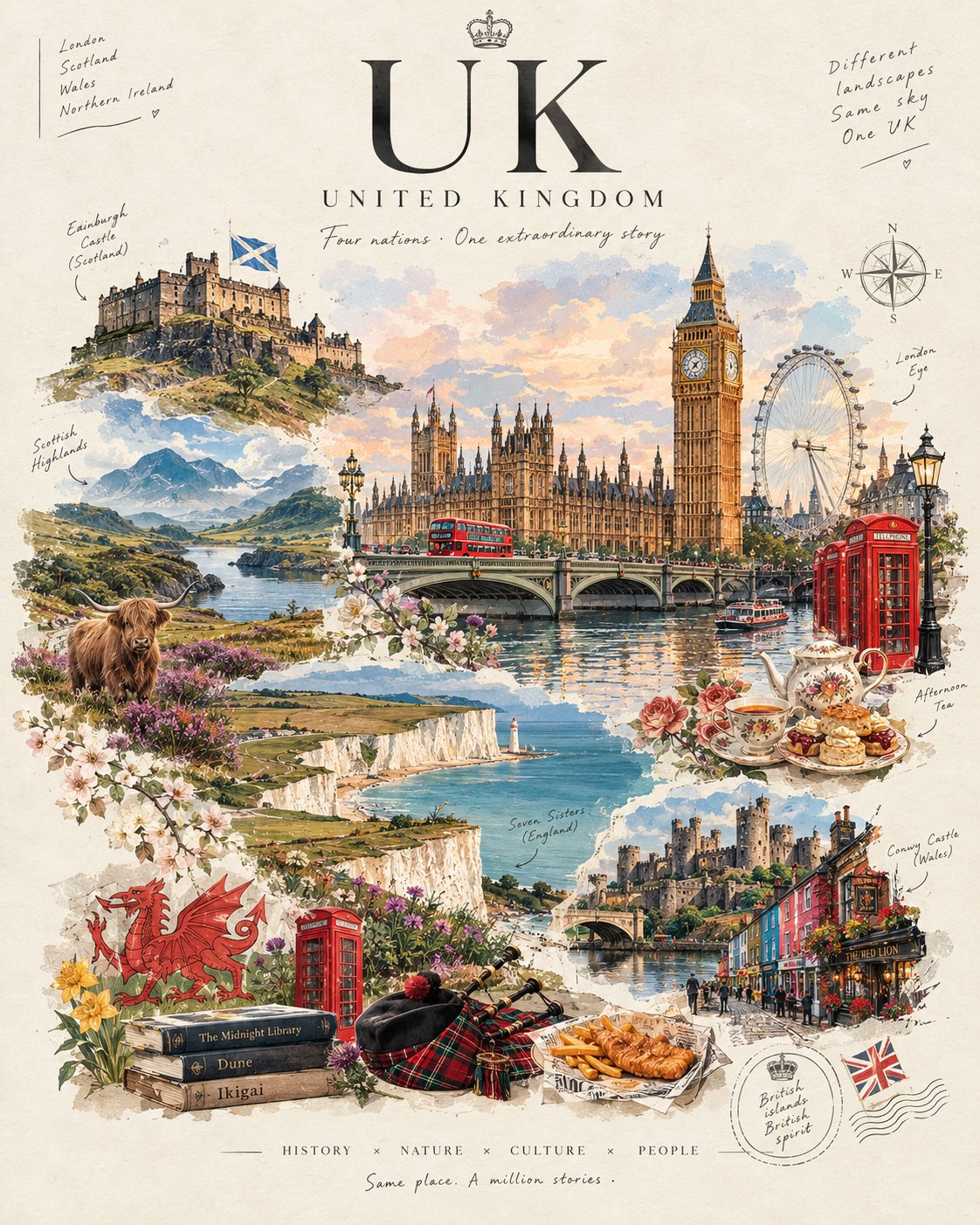
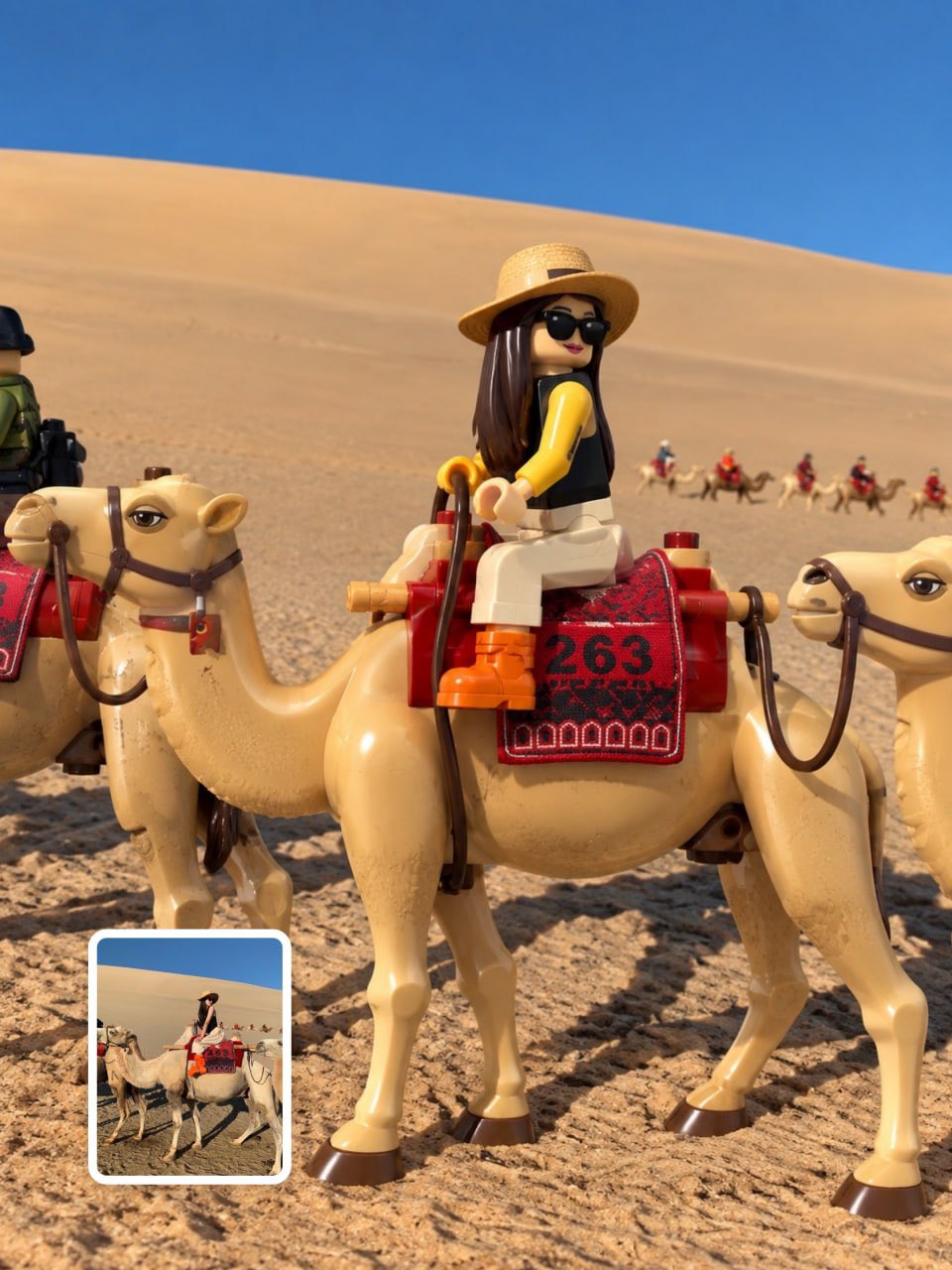
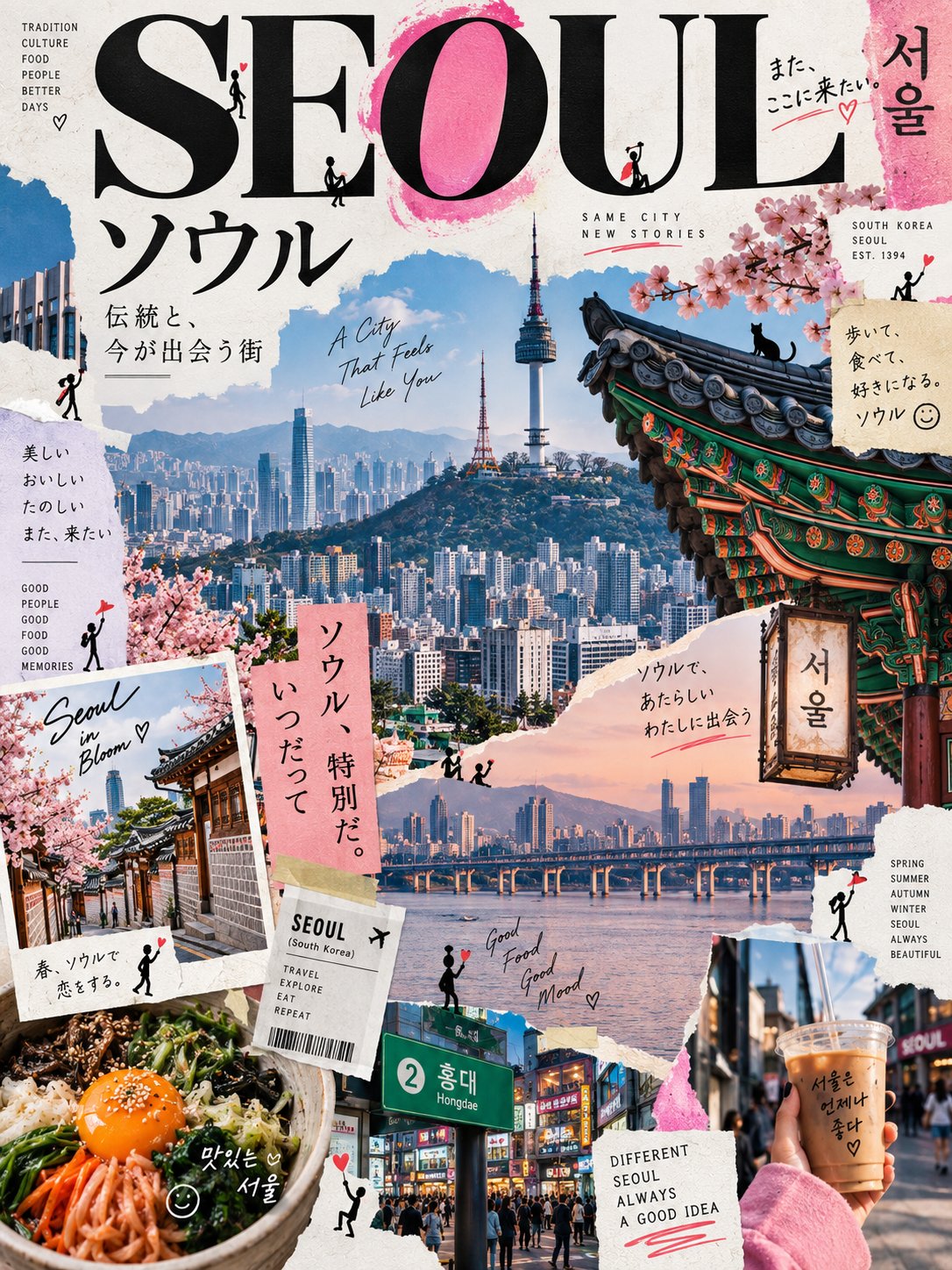
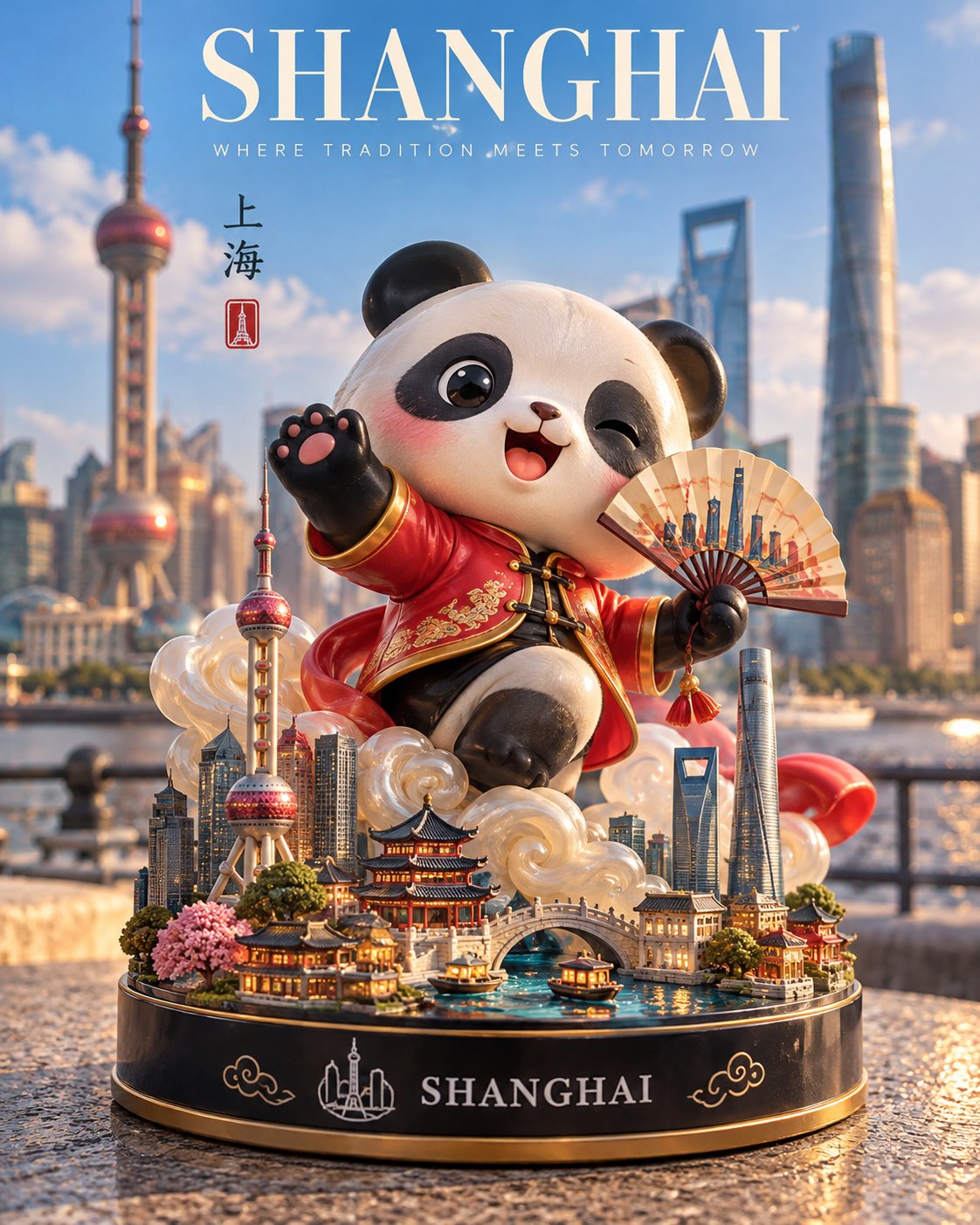
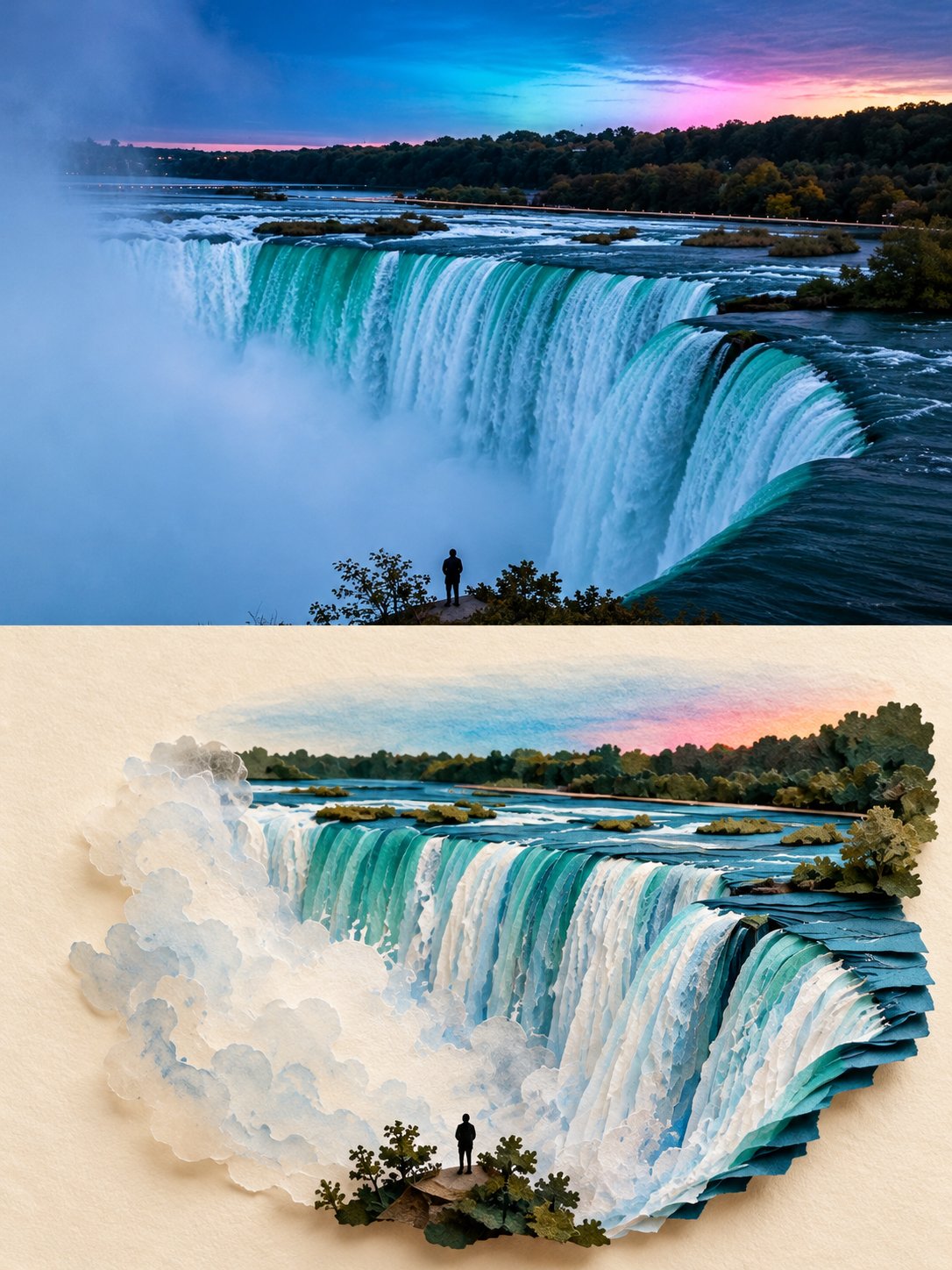
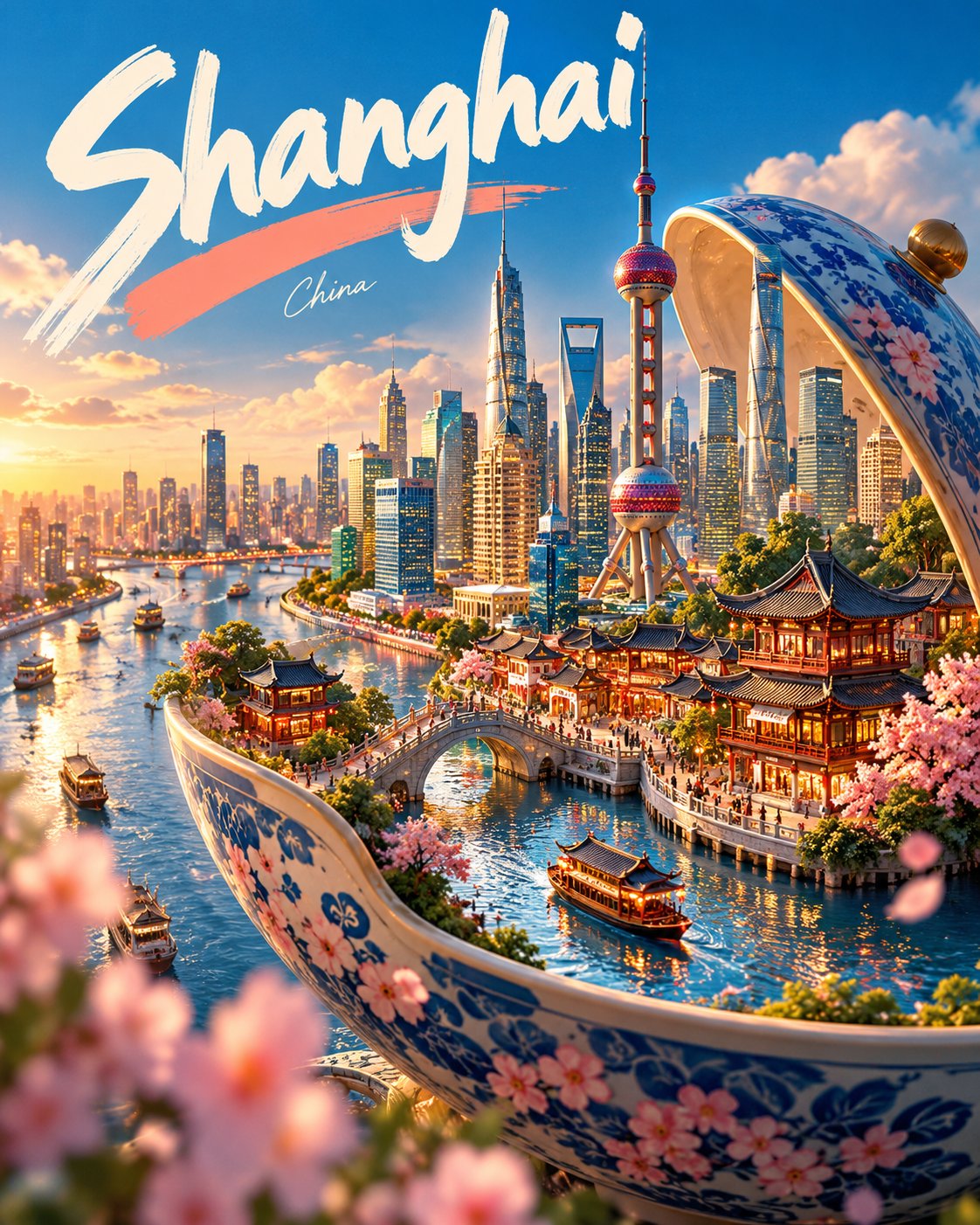
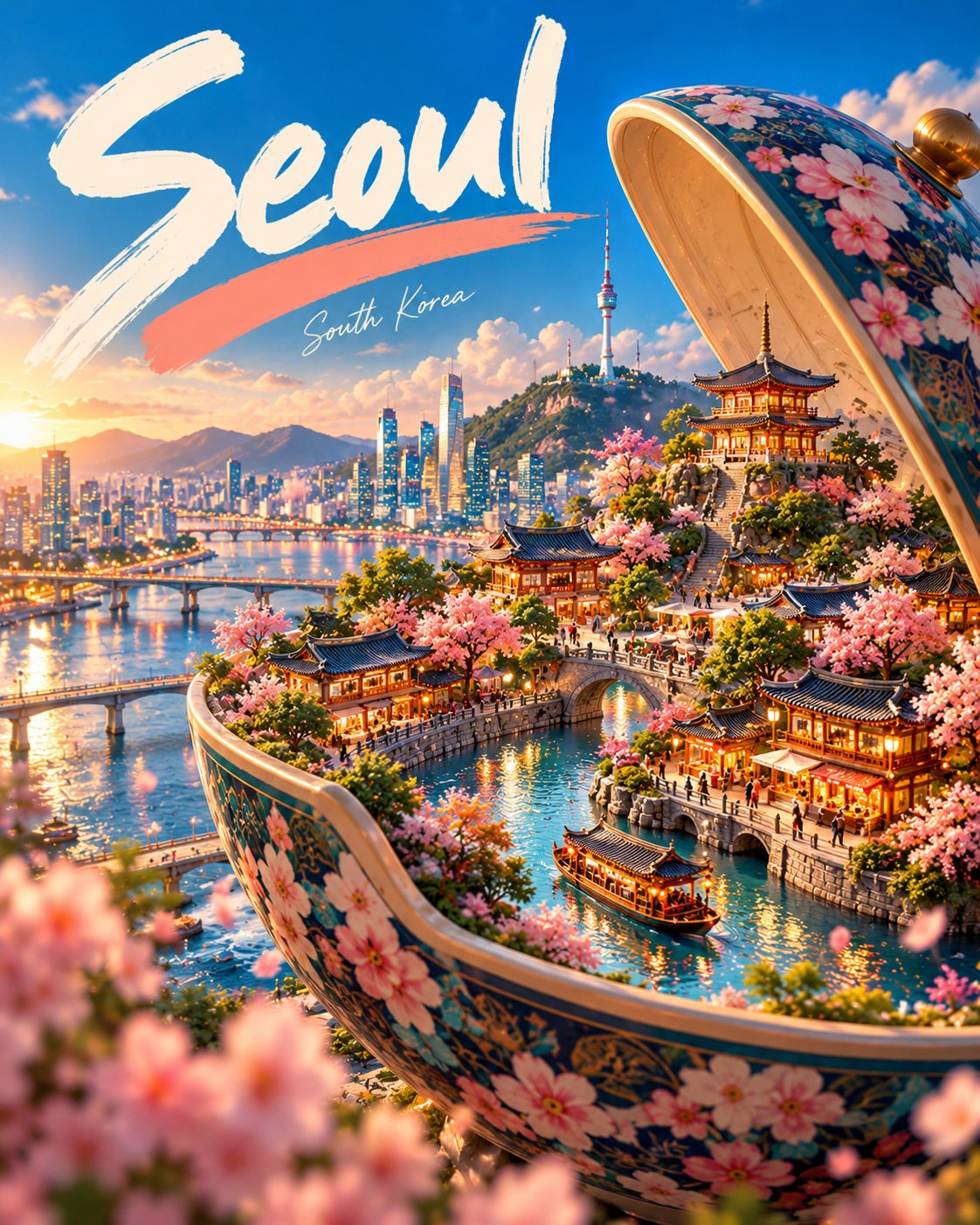
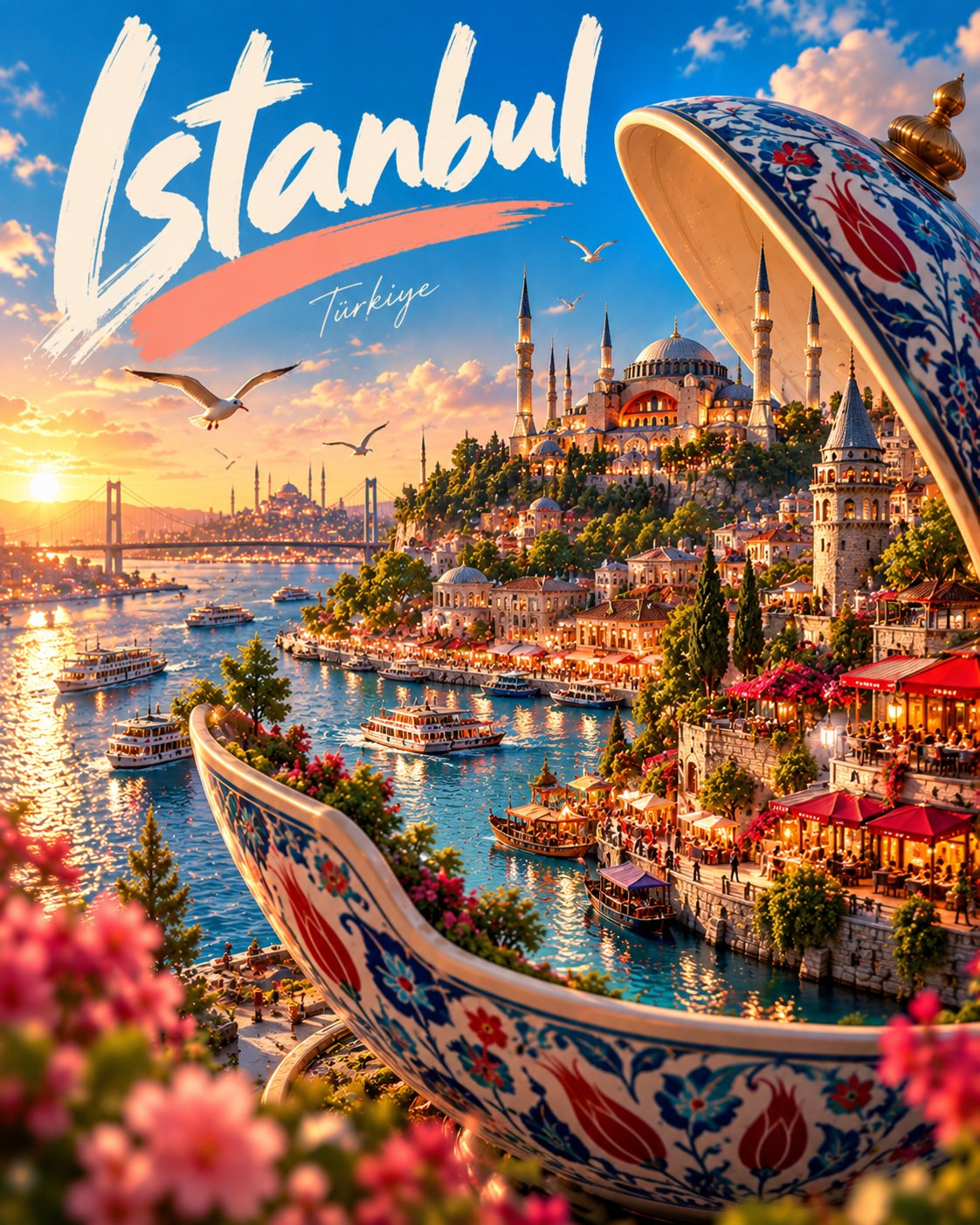
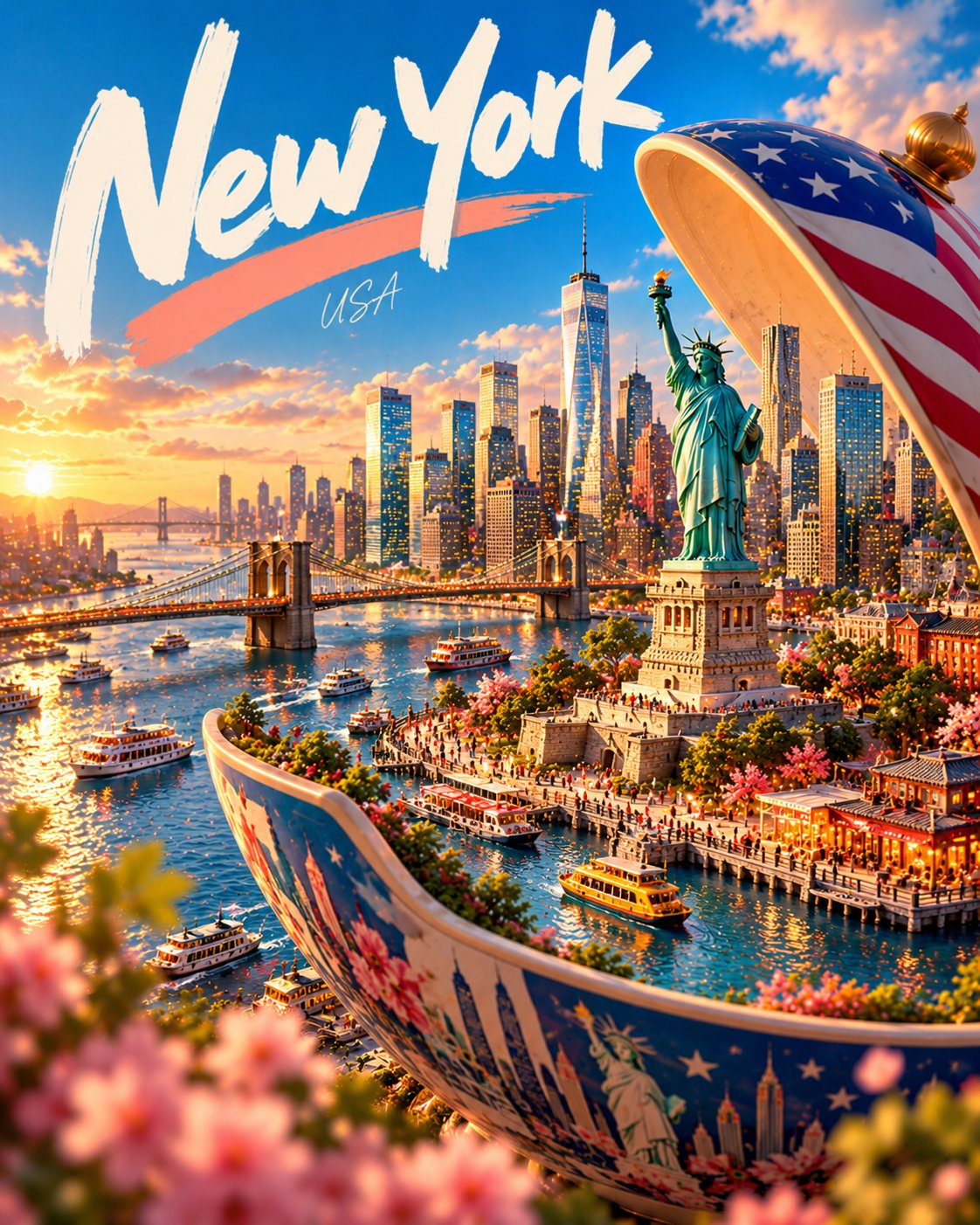
Create a premium FULL-FRAME 4:5 vertical “Tiny Worlds” travel poster for [DESTINATION], featuring [ICONIC OBJECT ASSOCIATED WITH DESTINATION]. TEXT-TO-IMAGE ONLY — generate the entire artwork from the written inputs alone. No reference image required. CORE CONCEPT: Transform the iconic object into a whimsical 3D miniature world, seamlessly incorporating authentic local architecture, landscape, vegetation, and cultural details. Make the object the single dominant focal point, with imaginative sculptural storytelling rather than a generic landmark collage. COMPOSITION: Use a strong foreground, middle ground, and background, with diagonal visual flow, atmospheric depth, soft foreground bokeh, and generous space for the headline. SIGNATURE STYLE: Highly detailed handcrafted miniature diorama, rounded sculptural forms, tactile materials, glossy water, realistic ambient occlusion, cinematic sunlight, and polished commercial illustration. BRAND IDENTITY: Cobalt blue and turquoise foundation, warm cream highlights, and a distinctive coral-pink accent. Place oversized white hand-painted destination lettering in the upper-left, with a recurring coral brushstroke and a small handwritten subtitle. CREATIVE RULE: Adapt the miniature world, cultural details, and accent colors to the destination. Maintain consistent lighting, typography, rendering quality, and layout across the collection while ensuring every concept feels original. AVOID: Generic landmark collages, clutter, flat vector art, photorealistic-only scenes, excessive text, logos, watermarks, and external framing. FORMAT: Full-bleed 4:5 vertical composition. Entire artwork fills the canvas.
Details
- Type
- AI Image Prompts
- Aspect Ratio
- 561:701
- Updated
- Oct 13, 2026
Category
How to use this prompt
- 1Copy the full prompt with the copy button above.
- 2Open GPT Image 2.5 by OpenAI, or any image generator with a similar style range.
- 3Paste the prompt, then swap the subject and style keywords to match your idea.
- 4Match the example's settings (561:701 · Surreal · Digital Art · 3D Render), then iterate — small wording changes shift the output a lot.
Frequently asked questions
Which AI model generated this image?
This image was generated with GPT Image 2.5 by OpenAI. The prompt on this page is the exact text used to create it.
What settings does this prompt use?
The example was generated with GPT Image 2.5 using: 561:701 · Surreal · Digital Art · 3D Render. Reusing these settings gives the closest match.
How do I get similar results?
Copy the prompt as-is first, then replace only the subject while keeping the style, lighting, and composition keywords. Generate a few variations — outputs differ between runs.
Can I modify this prompt?
Yes. Prompts work best as starting points — adjust descriptors, aspect ratio, or style tags to make the output your own.