Surreal Avant-Garde Couture Fashion Editorial
 GPT Image 2.5OpenAIimage
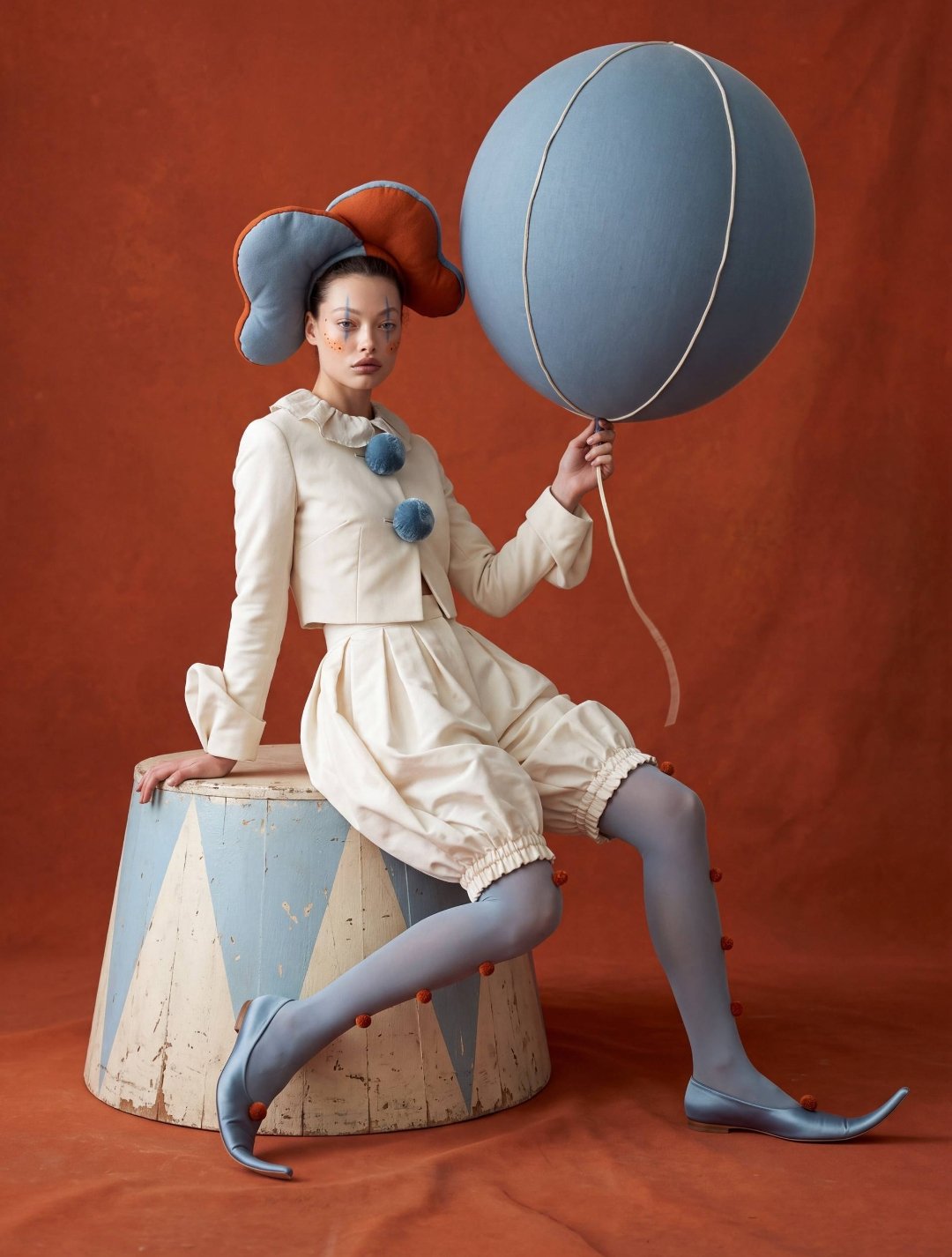
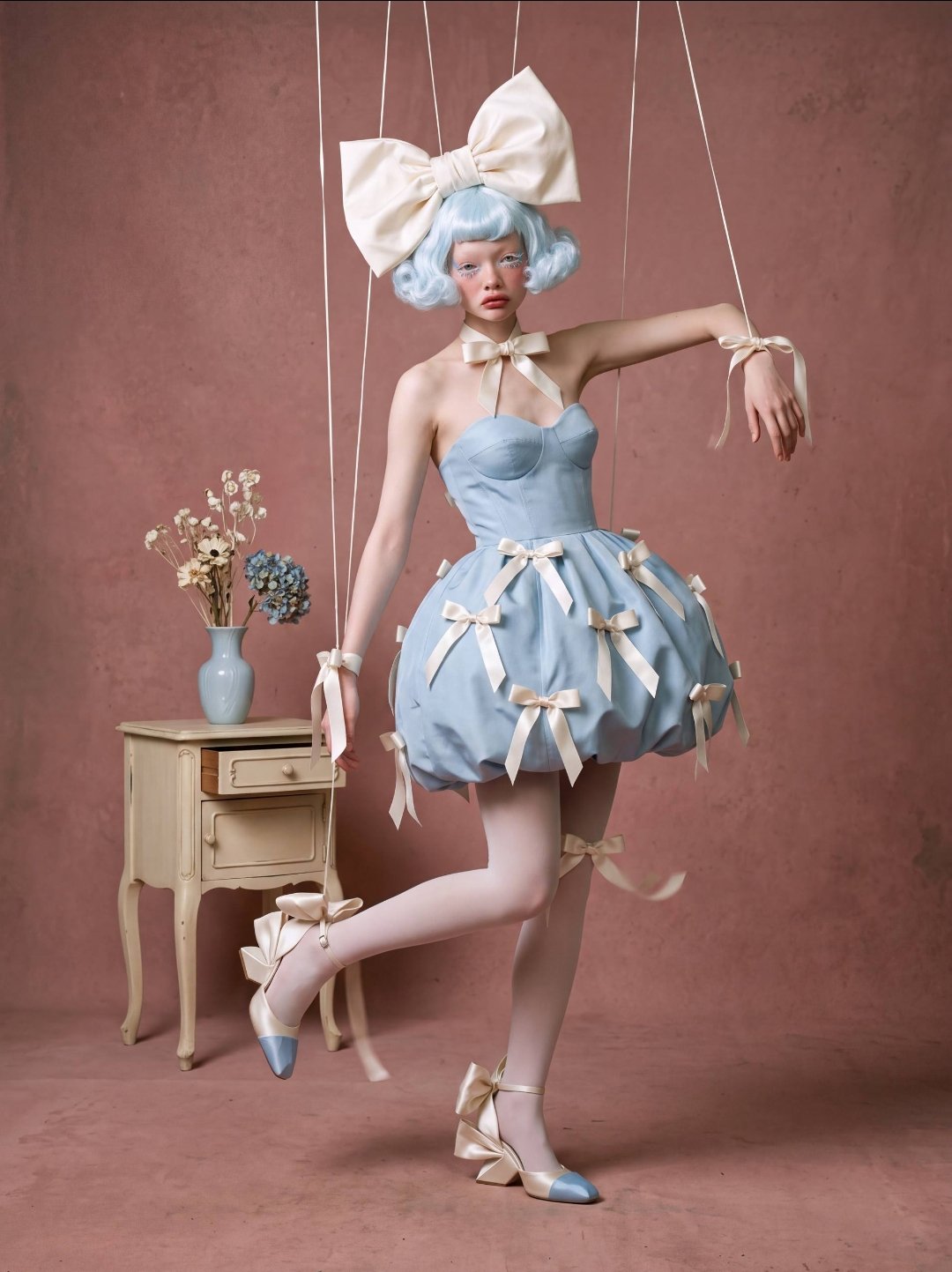
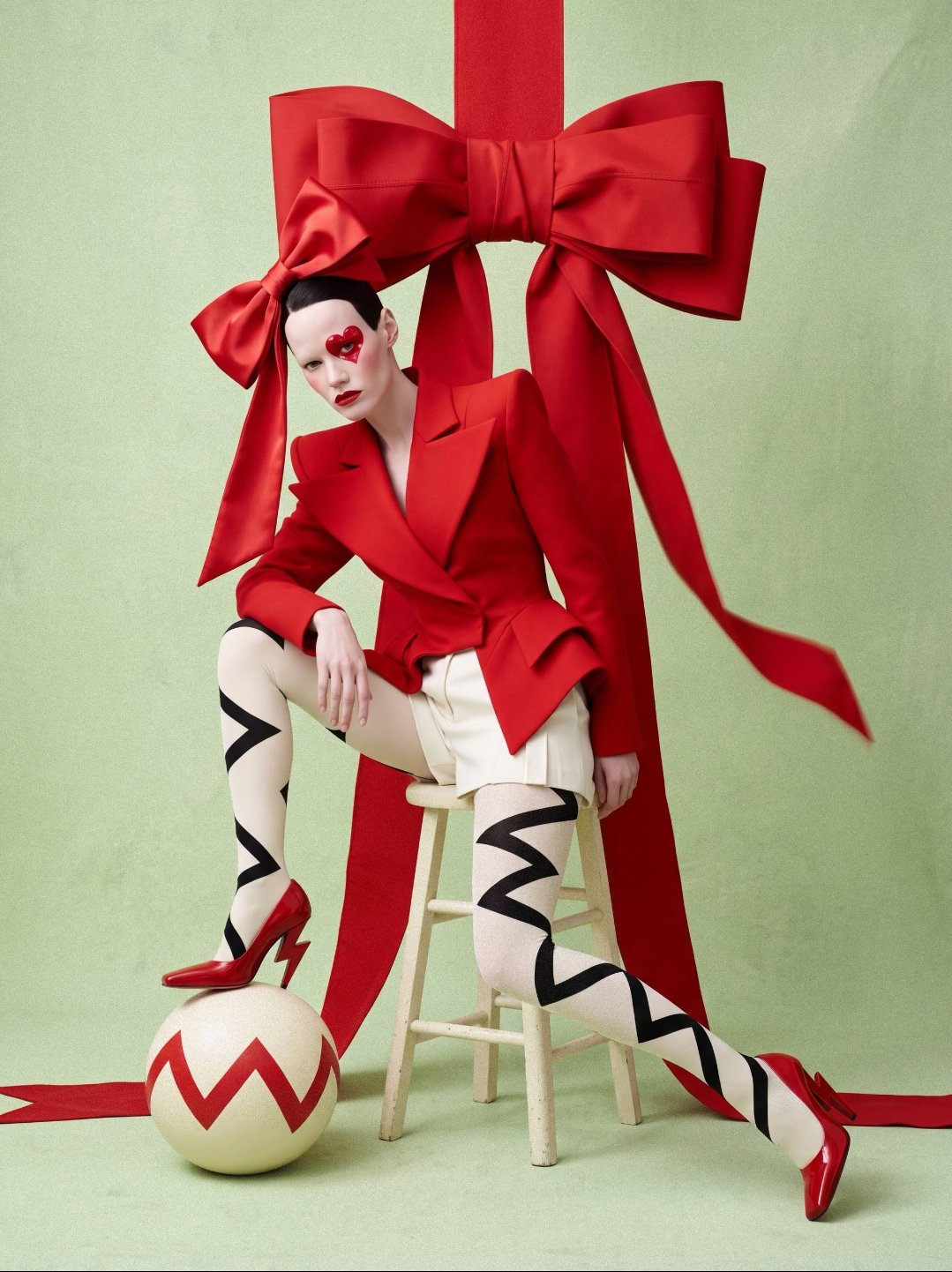
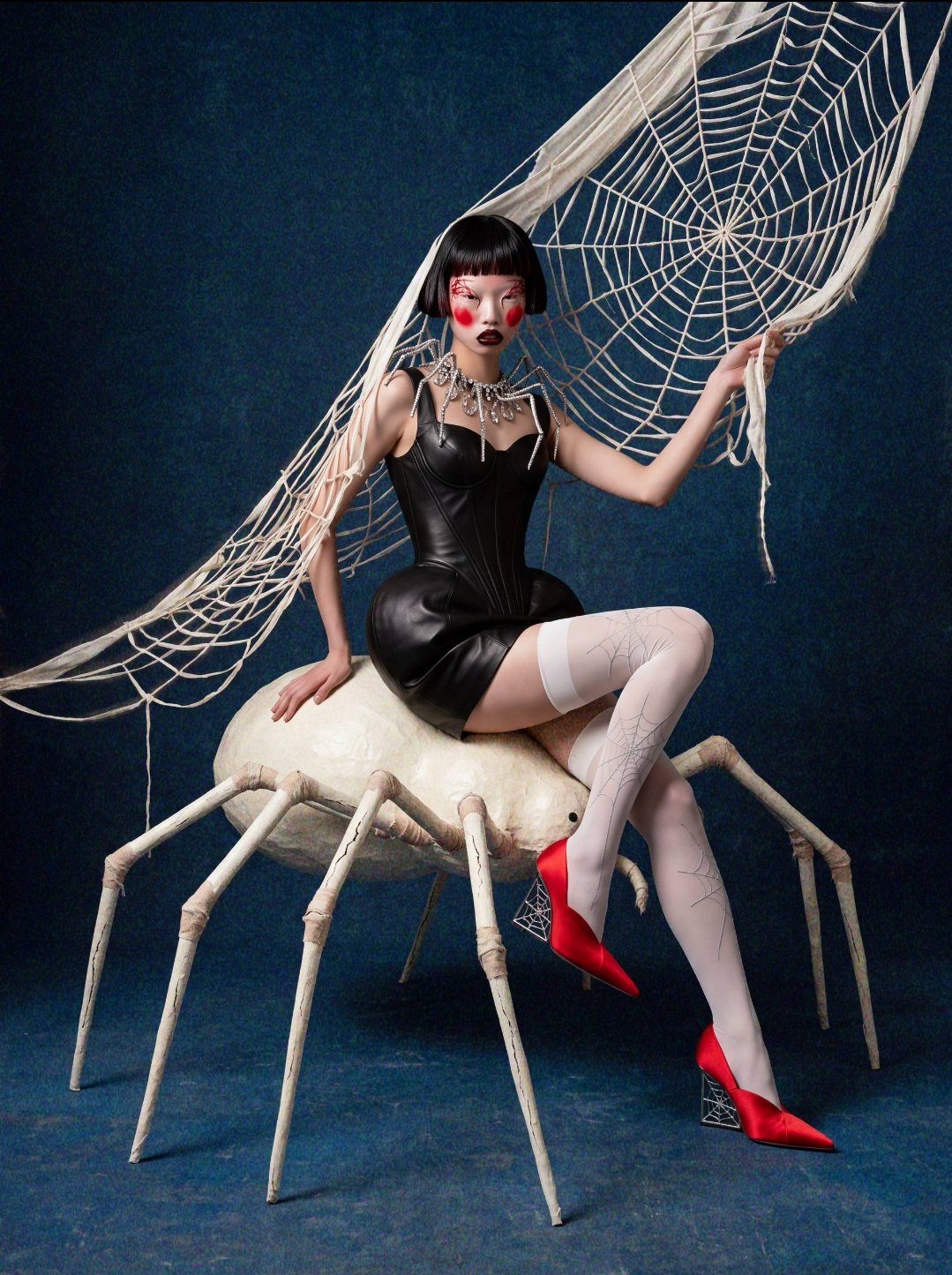
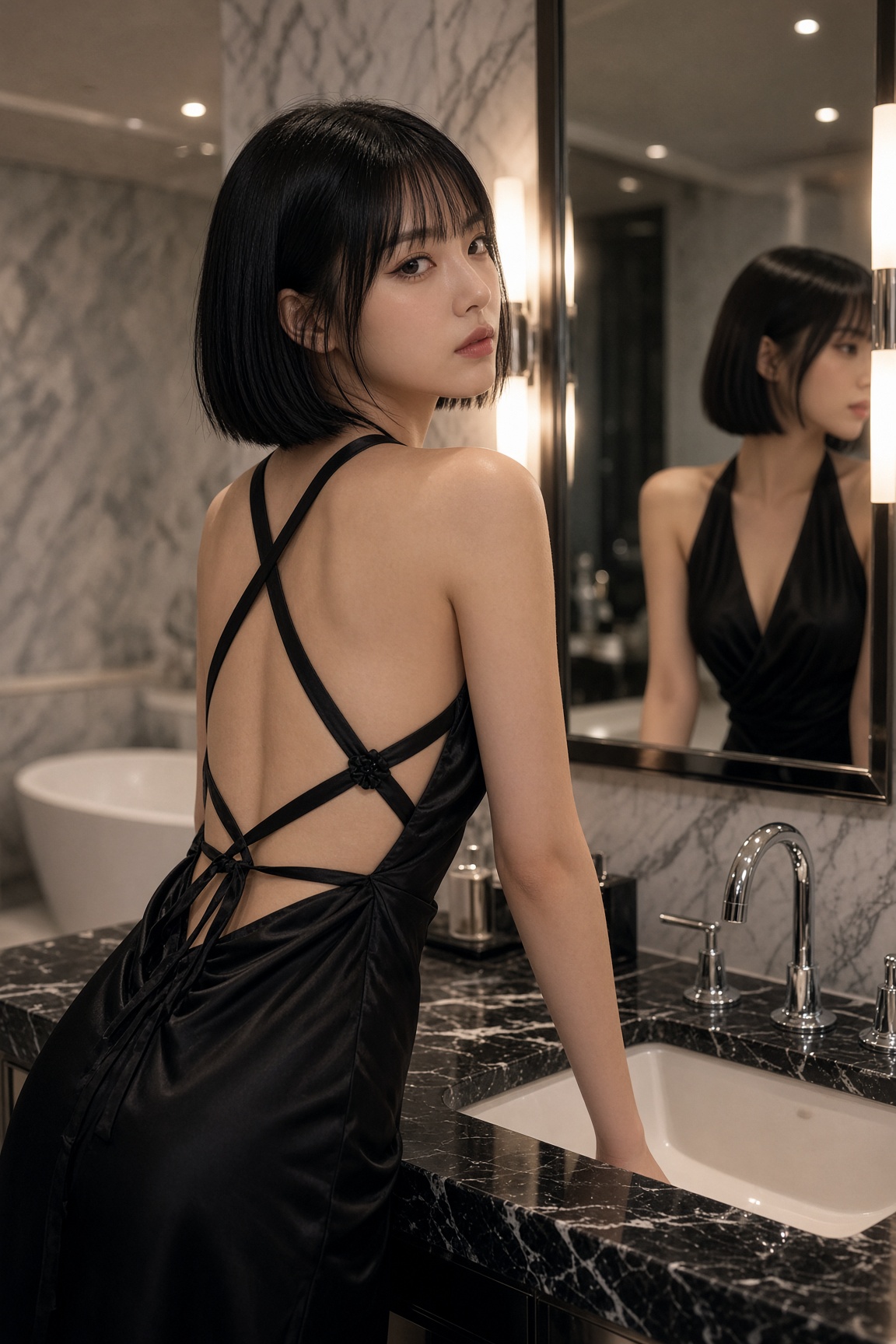
Create ONE extraordinary ultra-photorealistic avant-garde fashion editorial photograph inspired by surreal theatrical couture and handcrafted fantasy studio photography. SUBJECT: A striking adult female fashion model photographed as a real human being. Elegant elongated proportions, sophisticated editorial presence, unusual but believable beauty, natural facial anatomy, realistic skin texture, visible pores, subtle imperfections, individual hair strands and authentic human detail. Her expression is calm, slightly strange, mysterious and fashion-forward rather than smiling. CONCEPT: Build the entire photograph around [THEME]. Transform the theme into a complete couture universe rather than simply placing decorative objects around the model. The clothing, hairstyle, makeup, footwear, pose, oversized prop, furniture and studio environment should all share the same visual language. Create one unforgettable oversized practical centerpiece related to [THEME], approximately comparable in scale to the model. It must appear physically constructed for a real fashion shoot — fabric, painted wood, papier-mâché, rope, satin, leather, plaster or other believable handcrafted materials — with seams, stitching, folds, slight wear and tactile surface detail. FASHION: Design an original couture outfit with exaggerated sculptural proportions and immaculate tailoring. Use architectural shoulders, unusual silhouettes, corsetry, puffed or balloon forms, oversized bows, gathered fabric, dramatic hosiery and custom sculptural footwear where appropriate. The garment must feel like a one-off creation made by an experimental couture atelier, not cosplay, Halloween clothing or a generic fantasy costume. The styling should be eccentric and surreal but still sophisticated enough for a major high-fashion editorial. HAIR & MAKEUP: Create highly art-directed editorial hair that complements the concept: geometric shapes, sculptural forms, short graphic cuts, exaggerated bows or controlled theatrical styling. Use conceptual runway makeup with carefully placed graphic details around the eyes and cheeks while retaining realistic skin. Makeup should feel professionally applied to a real model, never painted CGI skin. COMPOSITION: Full-body vertical fashion portrait. The entire outfit and footwear are visible. Model positioned in an unusual editorial pose — seated, leaning, balancing, extending one leg, interacting naturally with the oversized prop or suspended installation. Use intentional negative space and strong graphic geometry. The giant prop should create a bold silhouette around or behind the model without hiding her face. SET DESIGN: Photograph everything inside a real constructed studio set. Use a seamless or lightly textured hand-painted backdrop in a sophisticated muted color palette. Add only a few carefully selected practical objects that reinforce the theme. The environment should feel like an expensive physical fashion set built by set designers, not a digitally generated fantasy world. Allow subtle imperfections: slightly worn painted wood, fabric wrinkles, visible stitching, handmade edges, aged surfaces and realistic contact shadows. COLOR: Use an art-directed limited palette of approximately 3–4 colors. Combine muted vintage tones with one stronger accent color. Avoid random rainbow colors, oversaturation and modern neon aesthetics. LIGHTING: Large diffused studio key light from approximately 45 degrees, soft directional fill, subtle falloff toward the background and delicate separation around the model. Realistic shadows underneath shoes, furniture and props. No excessive rim lighting. No glowing fantasy illumination. The lighting should resemble an expensive medium-format editorial photographed inside a physical studio. CAMERA: Full-frame / medium-format fashion photography aesthetic, approximately 50–85mm perspective, camera around waist-to-chest height, minimal perspective distortion, sharp focus on model and principal prop, fine textile and skin detail, subtle optical softness, natural depth, high dynamic range. IMAGE CHARACTER: Surreal. Whimsical. Slightly uncanny. Theatrical. Retro-European fashion editorial. Handcrafted. Playful but sophisticated. Museum-worthy couture photography. The viewer should initially wonder whether this was an elaborate real-world fashion set rather than an AI-generated image. REALISM PRIORITY: 100% photographic appearance. Real adult human anatomy. Real skin. Natural hands and fingers. Correct limbs. Physically plausible interaction between body, clothing, furniture and props. Authentic fabric tension and gravity. Realistic stitching and material thickness. Real contact shadows. Believable weight and scale. Preserve tiny imperfections that make physical photography convincing. Avoid glossy CGI rendering, plastic skin, doll-like facial texture, generic AI beauty, excessive facial symmetry, fake depth of field, floating objects, malformed hands, extra fingers, duplicated limbs, impossible joints, melted fabrics, random accessories, meaningless decorations, cheap costume appearance, excessive background clutter, text, logos or watermark. FINAL RESULT: An original surreal couture campaign image that feels photographed for an experimental international fashion magazine — strange enough to stop scrolling immediately, yet polished, tactile and believable enough to look like an expensive real-world editorial production.
Details
- Type
- AI Image Prompts
- Aspect Ratio
- 540:713
- Updated
- Oct 5, 2026
How to use this prompt
- 1Copy the full prompt with the copy button above.
- 2Open GPT Image 2.5 by OpenAI, or any image generator with a similar style range.
- 3Paste the prompt, then swap the subject and style keywords to match your idea.
- 4Match the example's settings (540:713 · Surreal · Cinematic · Fashion), then iterate — small wording changes shift the output a lot.
Frequently asked questions
Which AI model generated this image?
This image was generated with GPT Image 2.5 by OpenAI. The prompt on this page is the exact text used to create it.
What settings does this prompt use?
The example was generated with GPT Image 2.5 using: 540:713 · Surreal · Cinematic · Fashion. Reusing these settings gives the closest match.
How do I get similar results?
Copy the prompt as-is first, then replace only the subject while keeping the style, lighting, and composition keywords. Generate a few variations — outputs differ between runs.
Can I modify this prompt?
Yes. Prompts work best as starting points — adjust descriptors, aspect ratio, or style tags to make the output your own.
![Create a premium cinematic luxury tourism poster for [COUNTRY / DESTINATION] in a STRICT 4:5 vertica — AI image prompt — GPT Image 2.5](https://cdn.ahaprompt.app/harvest-media/import-1789369001673-dctuvc.jpg)
![Create a premium vertical 4:5 editorial travel poster for [COUNTRY], where the outline of the countr — AI image prompt — GPT Image 2.5](https://cdn.ahaprompt.app/harvest-media/import-1789369064970-j9jipe.jpg)
![Create a sophisticated, dreamy editorial magazine cover titled “[COUNTRY NAME] — A COUNTRY IN ONE DR — AI image prompt — GPT Image 2.5](https://cdn.ahaprompt.app/harvest-media/import-1789368946131-xefjx1.jpg)