LogoAhaPrompt
  • Prompts
  • Featured
  • Models
  • Submit
  • Blog
AhaPromptAhaPrompt

AI Prompts for Images, Video & Audio — Every Model, One Library

Built withLogoNEXTY.DEV
Explore
  • All Prompts
  • Featured Prompts
  • Image Prompts
  • Video Prompts
  • Audio Prompts
  • AI Models
  • Submit a Prompt
  • Blog
Languages
  • English
  • 中文
  • 日本語
  • 한국어

Copyright © 2026 AhaPrompt All rights reserved.

Privacy PolicyTerms of Service
HomeAI Prompt LibraryAI Image PromptsPersonalized Room Filled With Memories
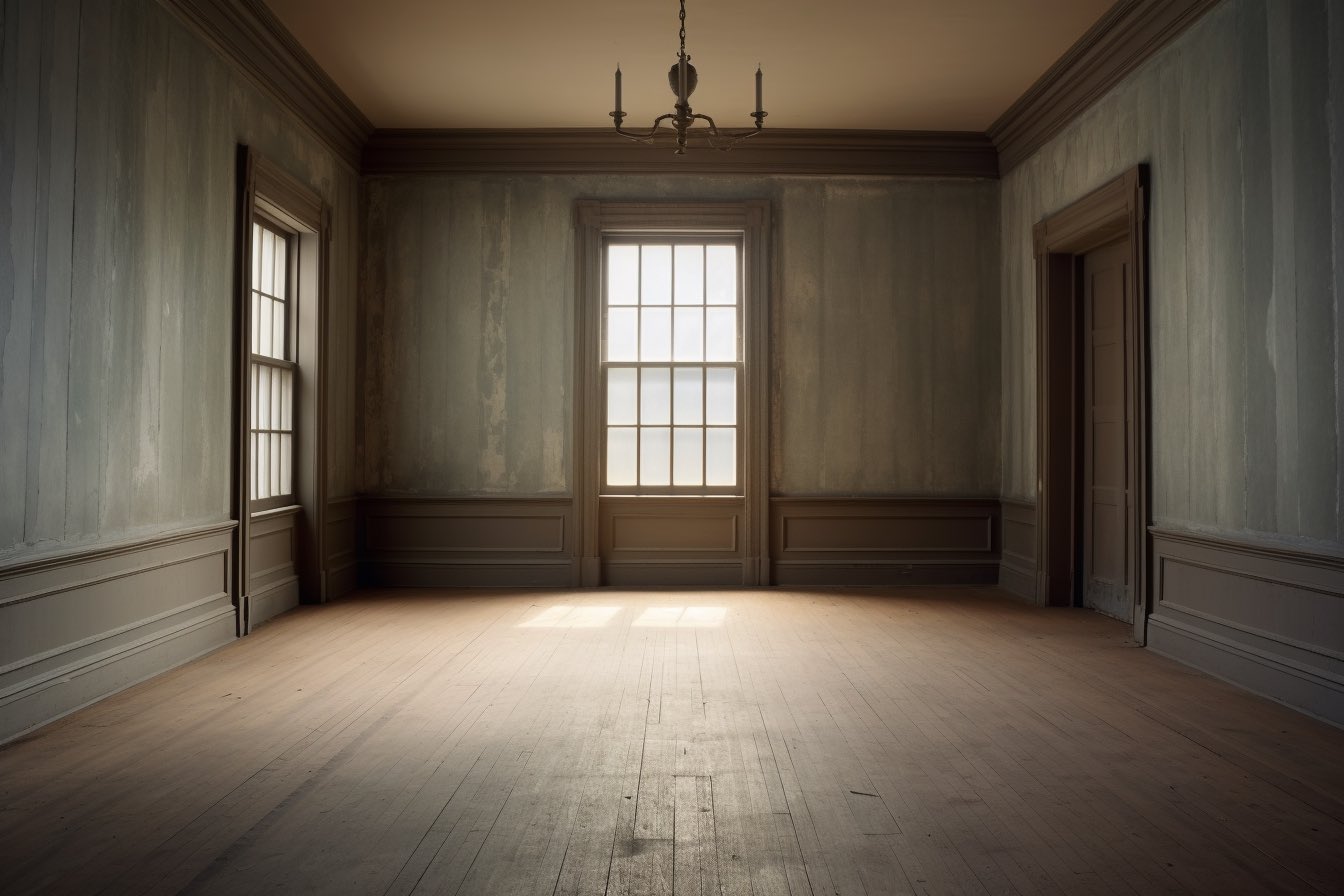
Personalized Room Filled With Memories — AI image prompt — GPT Image 2.5 — Surreal, Abstract, Mysterious - 1
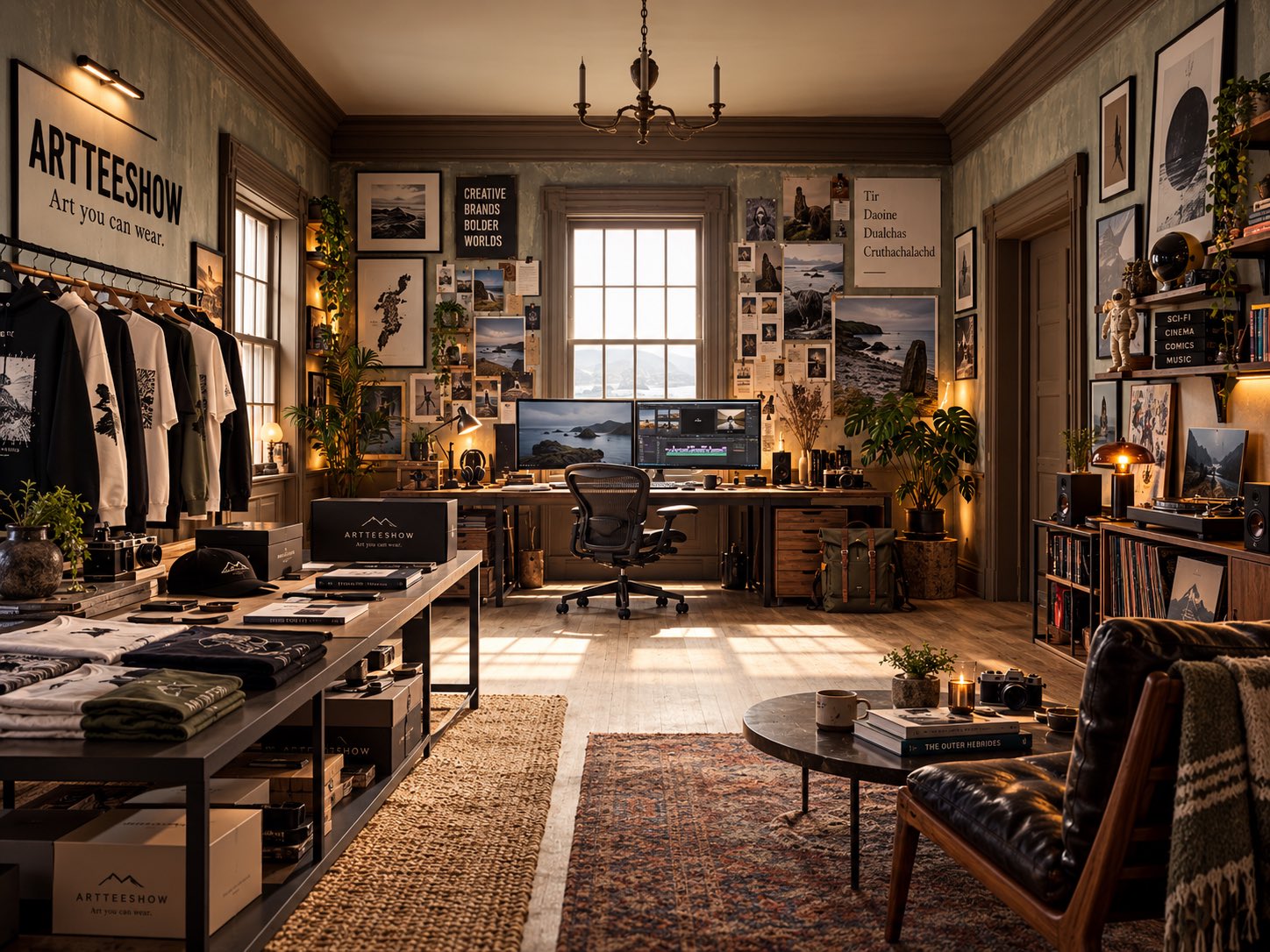
Personalized Room Filled With Memories — AI image prompt — GPT Image 2.5 — Surreal, Abstract, Mysterious - 2

Personalized Room Filled With Memories
OpenAIGPT Image 2.5OpenAIimage

Knowing everything you know about me fill this room. Except deeply personal info

Details
Type
AI Image Prompts
Aspect Ratio
3:2
Updated
Sep 29, 2026
Category
SurrealAbstractMysterious
Source

How to use this prompt

  1. 1Copy the full prompt with the copy button above.
  2. 2Open GPT Image 2.5 by OpenAI, or any image generator with a similar style range.
  3. 3Paste the prompt, then swap the subject and style keywords to match your idea.
  4. 4Match the example's settings (3:2 · Surreal · Abstract · Mysterious), then iterate — small wording changes shift the output a lot.

Frequently asked questions

Which AI model generated this image?

This image was generated with GPT Image 2.5 by OpenAI. The prompt on this page is the exact text used to create it.

What settings does this prompt use?

The example was generated with GPT Image 2.5 using: 3:2 · Surreal · Abstract · Mysterious. Reusing these settings gives the closest match.

How do I get similar results?

Copy the prompt as-is first, then replace only the subject while keeping the style, lighting, and composition keywords. Generate a few variations — outputs differ between runs.

Can I modify this prompt?

Yes. Prompts work best as starting points — adjust descriptors, aspect ratio, or style tags to make the output your own.
More GPT Image 2.5 prompts

Create a sophisticated, dreamy editorial magazine cover titled “[COUNTRY NAME] — A COUNTRY IN ONE DR — AI image prompt — GPT Image 2.5
OpenAIGPT Image 2.5
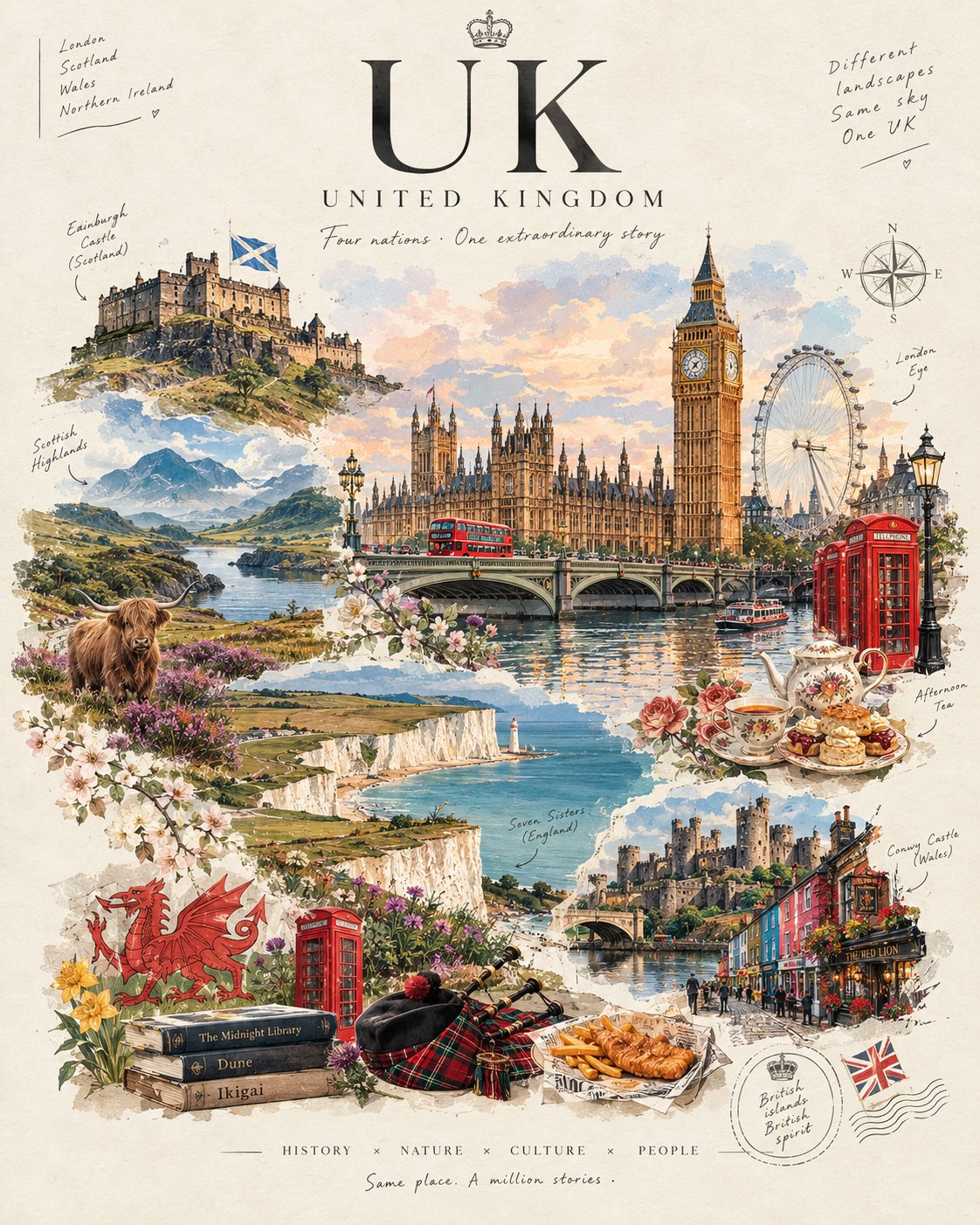
Create a sophisticated, dreamy editorial magazine cover titled “[COUNTRY NAME] — A COUNTRY IN ONE DREAM”. The entire composition should feel like a poetic visual journey rather than a conventional travel poster. Use a warm ivory paper background with subtle handmade paper texture, elegant high-fashion serif typography, and delicate architectural linework. Build the country’s identity through layered miniature scenes that seamlessly merge into one surreal landscape: dramatic mountains fading into mist, an ancient architectural landmark emerging from clouds, a winding river transforming into a silk ribbon, traditional houses nestled among trees, tiny local people walking along stone paths, native wildlife, iconic food, flowers, traditional crafts, and subtle cultural symbols. Instead of placing everything separately, make each element flow organically into the next, almost like an illustrated dream. Add translucent watercolor washes, fine ink outlines, soft faded edges, atmospheric fog, reflections in still water, tiny handwritten-style annotations, ornamental borders, and subtle geometric design elements. Color palette: muted sage, dusty blue, warm beige, pale peach, soft gray, touches of faded terracotta. Style: luxury travel magazine × Japanese watercolor × vintage cartography × contemporary editorial design × dreamscape illustration. Mood: peaceful, intelligent, nostalgic, cinematic, elegant, mysterious and deeply connected to the culture. At the bottom, add a small elegant line: “Places become memories. Cultures become stories.” Vertical 4:5 composition, highly detailed, refined negative space, premium print quality, delicate textures, sophisticated visual hierarchy, no photorealism, no clutter.
Details
A moonlit night scene with a cobblestone path winding through tall grass illuminated by glowing orbs — AI image prompt — GPT Image 2.5
OpenAIGPT Image 2.5
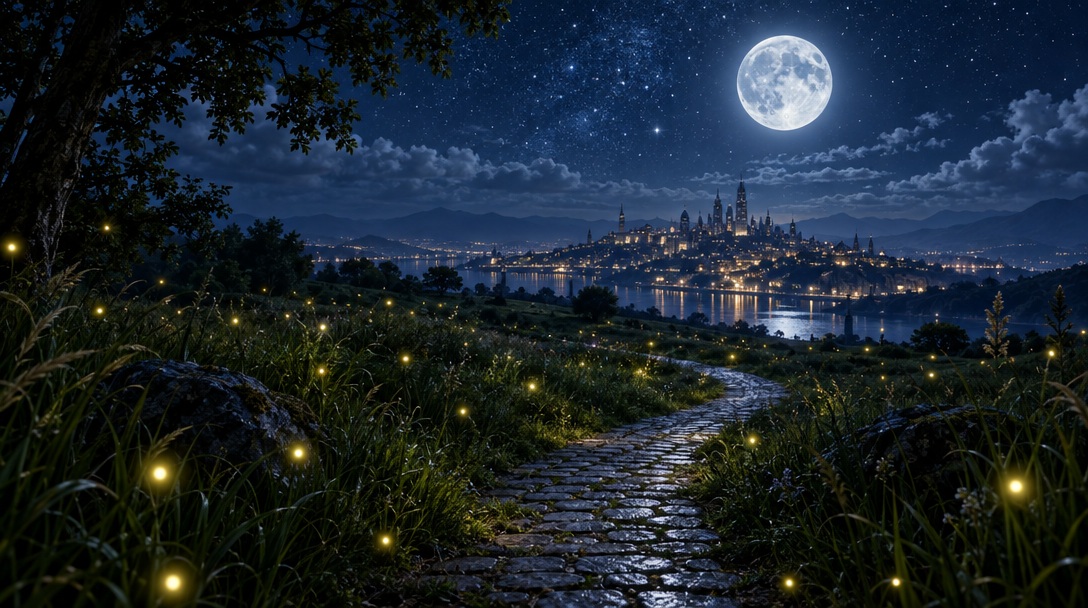
A moonlit night scene with a cobblestone path winding through tall grass illuminated by glowing orbs, possibly fireflies, leading toward a distant city skyline under a star-filled sky. The composition is balanced with the moon as a focal point, and the style combines realism with a touch of fantasy, evoking a calm and enchanting mood.
Details
Using the uploaded reference photograph of the person as the primary facial identity reference, crea — AI image prompt — GPT Image 2.5
OpenAIGPT Image 2.5
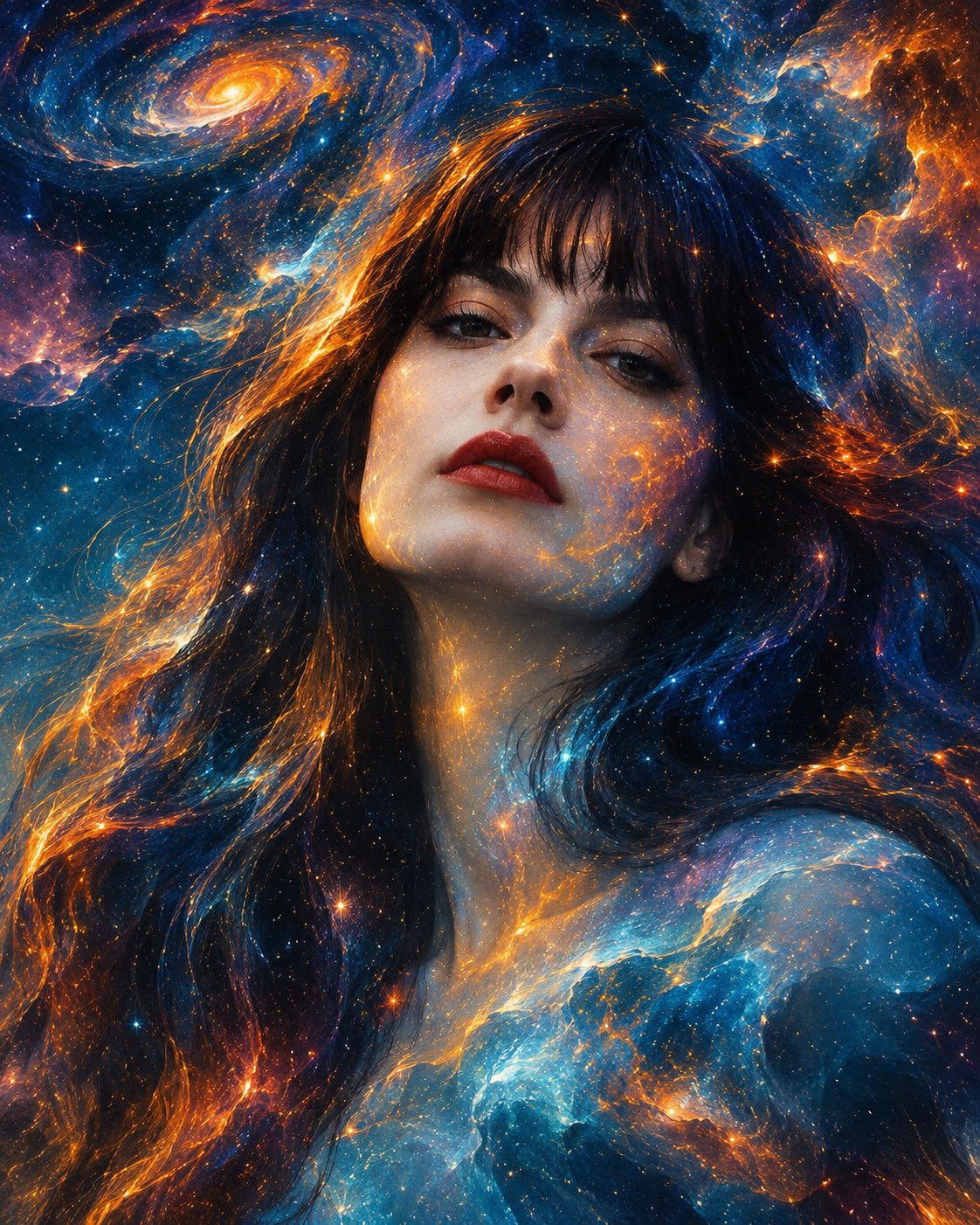
Using the uploaded reference photograph of the person as the primary facial identity reference, create an extraordinary surreal cosmic fine-art portrait that transforms the person’s face into a living universe. 1. Facial identity and composition * Preserve the person’s exact facial identity, recognizable facial structure, eyes, nose, lips, skin tone and natural features. * Create an intimate, dramatic close-up portrait, with the face occupying most of the composition. * Maintain the person’s original identity rather than creating a different or idealized face. * Give the portrait a thoughtful, mysterious and emotionally expressive atmosphere. 2. The cosmic transformation * Transform the surrounding face and skin into an extraordinary celestial landscape. * Blend deep midnight blue, electric turquoise, sapphire, violet, fiery orange and luminous golden yellow. * Allow swirling nebulae, distant galaxies, tiny stars and glowing cosmic particles to flow organically across the face. * Create the illusion that an entire universe exists within the person’s skin. * Let portions of the portrait dissolve into interstellar clouds and abstract celestial textures. 3. Artistic details * Add intricate hand-painted textures, delicate luminous brushstrokes and subtle watercolor-like blending. * Scatter tiny golden stars and glowing cosmic dust across the composition. * Introduce miniature celestial explosions and flowing galaxy formations. * Keep the eyes exceptionally detailed, expressive and realistic, acting as the emotional centre of the artwork. * Blend photorealistic facial details with expressive surrealist painting. 4. Lighting and atmosphere Use dramatic golden illumination against deep cosmic blues. Create luminous contrasts, mysterious shadows and an almost dreamlike atmosphere. 5. Artistic direction Inspired by visionary surrealism, cosmic expressionism, mixed-media fine art, intricate watercolor textures and celestial oil painting. Final output: A breathtaking vertical 4:5 fine-art portrait, highly detailed, rich in texture, visually immersive and gallery-worthy. The final artwork should look like a masterpiece in which a human being and the universe have become one. Avoid cartoon aesthetics, generic AI faces, plastic skin, excessive facial distortion and flat digital effects.
Details
Create a vertical 3:4 artwork split into two equal horizontal halves.

Upper half: Preserve the orig — AI image prompt — GPT Image 2.5
OpenAIGPT Image 2.5
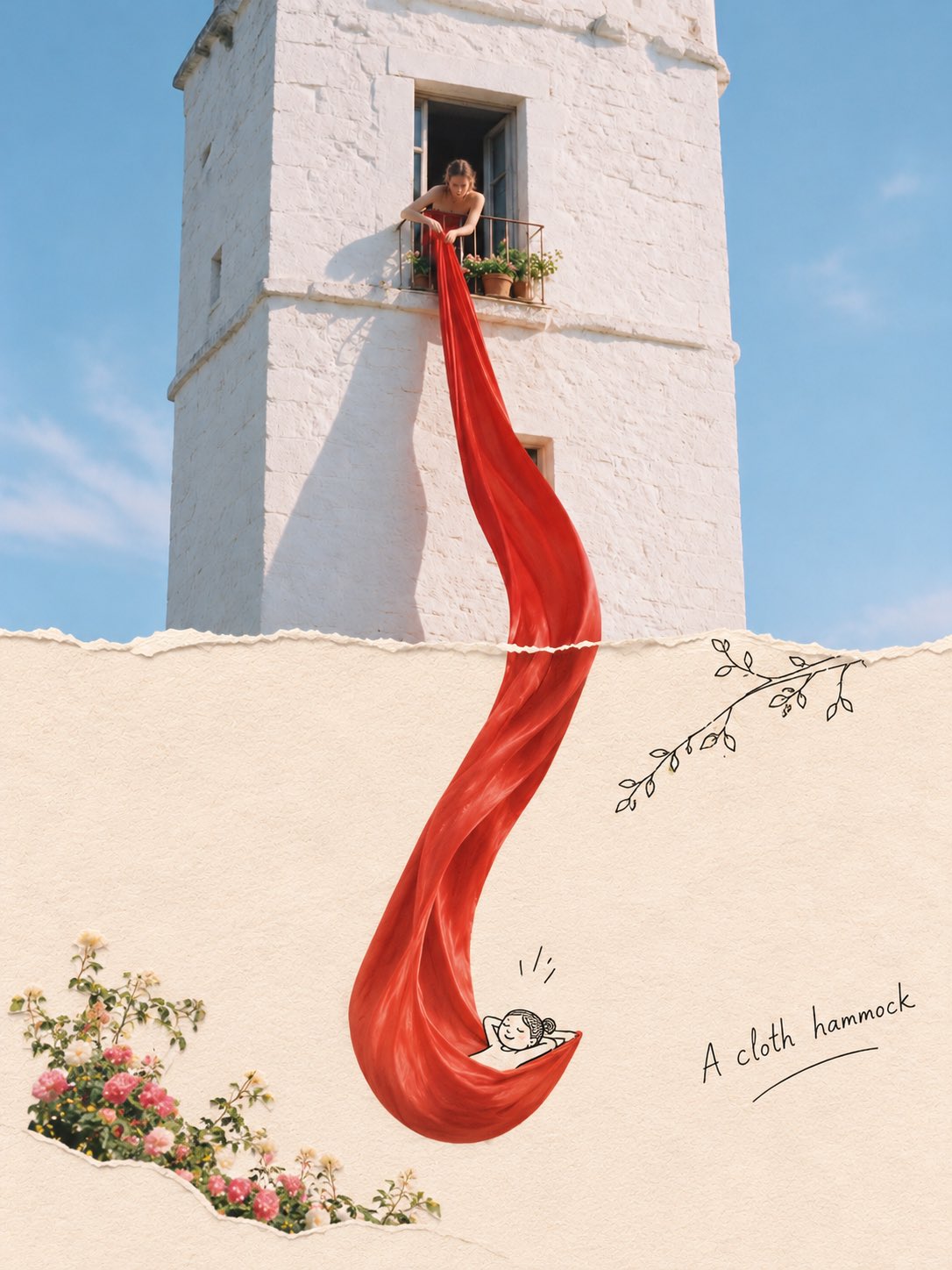
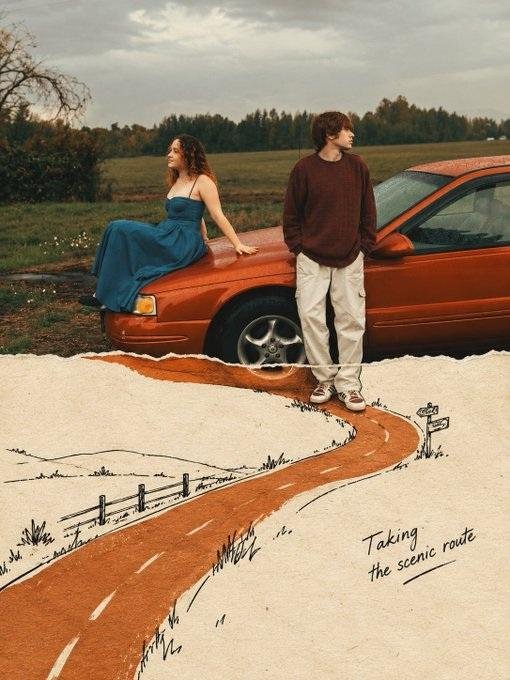
Create a vertical 3:4 artwork split into two equal horizontal halves. Upper half: Preserve the original photograph exactly. Keep its subject, composition, colors, lighting, and details unchanged. Lower half: Transform the scene into a warm ivory paper collage with subtle texture and minimal hand-drawn illustrations. Choose one natural element from the photograph and extend it seamlessly across the center boundary into the lower world. Reimagine it creatively as part of a tiny surreal scene. Add minimal details and one short handwritten caption (2–5 words). Keep the composition airy, elegant, playful, and visually connected. Avoid generic illustrations, unnecessary decorations, extra characters, and changes to the original photograph.
Details
REALITY IN YOUR HANDS | CREATIVE FORCED-PERSPECTIVE PHOTOGRAPHY

Create an ultra-photorealistic, vis — AI image prompt — GPT Image 2.5
OpenAIGPT Image 2.5
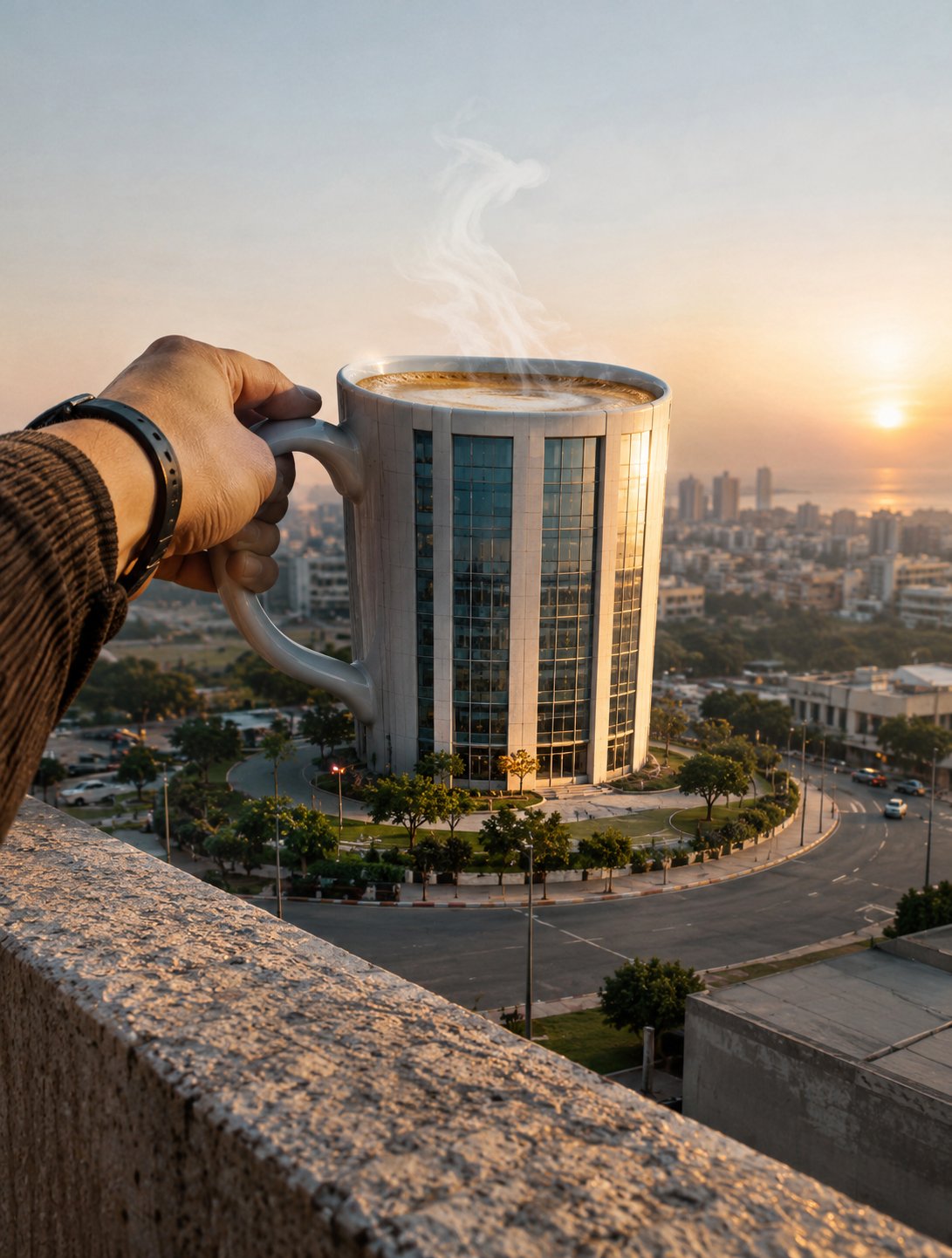
REALITY IN YOUR HANDS | CREATIVE FORCED-PERSPECTIVE PHOTOGRAPHY Create an ultra-photorealistic, visually clever forced-perspective photograph that transforms an ordinary real-world scene into an extraordinary optical illusion. CORE CONCEPT: A human hand interacts with an existing architectural structure, landmark, everyday object, or distant element in a way that creates an unbelievable visual illusion. Through precise positioning, scale manipulation, and camera perspective, make it appear as though the person is physically holding, pinching, lifting, controlling, supporting, or interacting with something much larger. CREATIVE DIRECTION: - Use an unexpected visual connection between the foreground hand and background environment. - Explore imaginative interactions with skyscrapers, bridges, monuments, staircases, sculptures, vehicles, and everyday objects. - Make the illusion immediately understandable but surprising enough to make viewers look twice. - Use clever alignment, natural proportions, and realistic spatial relationships. - Keep the composition simple, spontaneous, and visually intelligent. PHOTOGRAPHY & REALISM: Captured like a real travel photograph by a skilled photographer using a professional DSLR or mirrorless camera. Natural daylight, authentic environmental textures, realistic skin details, accurate shadows, natural reflections, realistic depth, and exceptional optical clarity. COMPOSITION: First-person perspective where appropriate, with the hand positioned prominently in the foreground and the architectural subject clearly visible in the background. Carefully align both elements to create a seamless illusion. IMPORTANT: The result must look like an actual photograph taken in a real location, NOT CGI, NOT 3D rendering, NOT digital compositing, and NOT an illustration. Avoid artificial-looking hands, distorted fingers, impossible shadows, excessive editing, and unrealistic proportions. FINAL RESULT: A genuinely creative, technically convincing optical illusion photograph that makes people stop scrolling, look twice, and wonder how the photograph was captured. Every generation should introduce a completely different, original visual illusion rather than repeating the same concept.
Details
Soft cotton-wool relief artwork photographed flat, wide 16:9 panoramic composition. Every form is sc — AI image prompt — GPT Image 2.5
OpenAIGPT Image 2.5
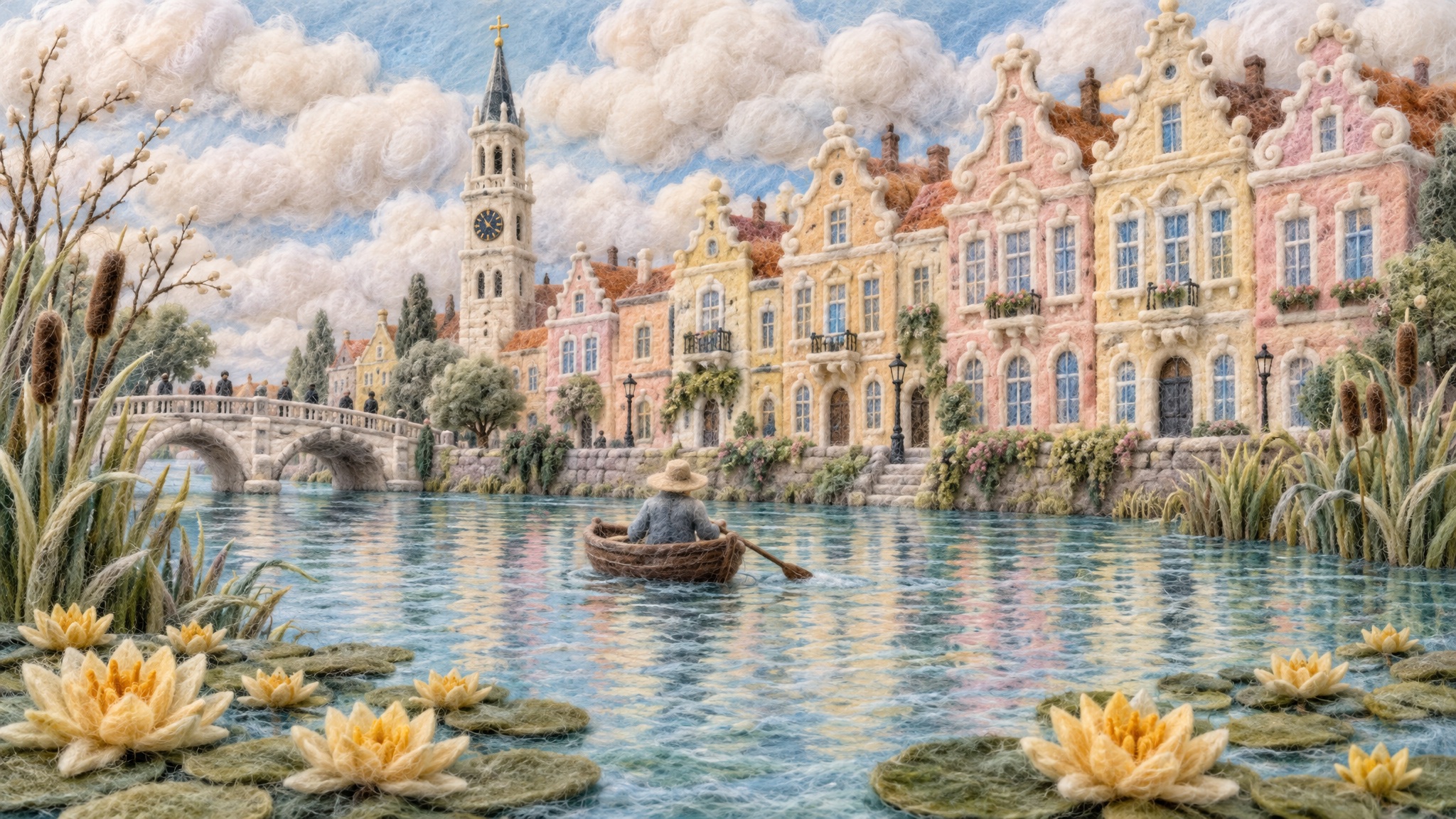
Soft cotton-wool relief artwork photographed flat, wide 16:9 panoramic composition. Every form is sculpted from fluffy white cotton batting, felted wool and airy pulled fibre, so the scene looks puffy and three-dimensional, like clouds pressed into shapes. Surfaces are matte, fuzzy and softly fibrous, with loose wisps of fluff at every edge, no hard outlines, gentle shadows between the puffed shapes to show real volume. SKY: billowing tufts of pulled cotton in ivory and cream, layered into rounded cloud masses across the upper third, pale blue backing showing through the gaps. FACADES: a row of ornate old-European townhouses fills the right half and centre, pressed felted wool in pale blush pink, butter yellow and creamy ochre, with faded apricot patches worked into the surface. Stepped baroque gables crown the roofs, tiny rolled-wool finials along the ridges, rows of tall windows with pale blue wool glass and white sills raised on every facade. Carved pediments and balconies are puffed shapes. TOWER: left of centre a tall slender tower rises highest, its spire a slim needle of rolled slate-blue and white fibre with a small cross, a round clock face and arched openings below. BRIDGE: far left, a pale felt bridge with two low arches crosses the canal, tiny dark wool figures on its parapet. CANAL: the lower half is calm pale turquoise and powder-blue felt water, combed into fine ripples, with long soft vertical reflections of the pastel buildings in pale violet, cream and mint. BOAT: at the centre a brown felt rowboat floats, a single figure with back turned in a blue-grey coat and wide straw hat, one oar reaching to the water. SHORES: dense reeds of pale sage-green fibre blades fringe both banks, with tall cattails and bare twigs at the left edge. WATER LILIES: golden-yellow lotus blooms with layered pointed felt petals across the lower foreground, on green lily pads. PALETTE: blush pink, cream, butter yellow, apricot, sage, powder blue, slate, gold. Matte fluff.
Details
Create a vertical 3:4 canvas divided into two perfectly equal horizontal sections: the top occupies  — AI image prompt — GPT Image 2.5
OpenAIGPT Image 2.5
Create a vertical 3:4 canvas divided into two perfectly equal horizontal sections: the top occupies exactly 50%, and the bottom occupies exactly 50%. The upper and lower sections must feel like one continuous scene, not two separate compositions. TOP HALF — ORIGINAL PHOTOGRAPH Preserve the original photograph exactly as it is. Maintain the original subject, pose, spatial relationships, color atmosphere, composition, and natural lighting. Do not redesign, recolor, replace, rearrange, or reinterpret any part of the original photograph. Keep its original proportions and visual identity. Cropping is allowed when necessary. CONTINUITY — HIGHEST PRIORITY Identify a natural compositional element that converges toward or passes through the central area of the image. This could be a road, coastline, body of water, reflection, branch, beam of light, architectural structure, or physical movement. This element must cross the boundary between the two halves and continue naturally into the lower section. The second world must emerge directly from the original photograph. It should feel as though the same scene continues beyond the dividing line, with only its physical form transforming. The transition must feel intentional, organic, and visually connected. TRANSITION EDGE An irregular torn-paper edge may be used as part of the central design, but it must follow the underlying structure of the composition rather than function as decoration. The original visual element may touch, follow, break through, or extend beyond the edge. Avoid repeating the same torn-paper shape across different images. Let the transition shape emerge naturally from the specific photograph. BOTTOM HALF — THE SECOND WORLD Create an ivory-colored paper surface with subtle natural fiber textures and generous negative space. Continue the selected structural element downward from the exact point where it intersects the dividing line. Reinterpret it using a thoughtful combination of: - Minimal photographic fragments. - Cut-paper shapes and layered paper elements. - Delicate black hand-drawn outlines. - Subtle handmade collage textures. The lower world must remain visibly connected to the upper photograph. Never turn it into an isolated portal, window, stage, or platform unless that structure genuinely originates from the photograph itself. SECOND-WORLD LOGIC — IMAGE-SPECIFIC INTERACTION Ask yourself: If the structure in this photograph became something tangible that could be touched, used, manipulated, or transformed, what would it naturally become? Create an interactive visual interpretation that is specific to the image. Examples: - Water might continue downward as a flowing form that remains physically attached to the original water. - A road might transform into a hand-drawn pathway that continues through the paper. - Light might become a tangible object that someone could hold or interact with. Do not mechanically repeat the same transformation or interaction across different images. The creative interpretation must emerge naturally from the photograph's subject and visual elements. CHARACTERS & INTERACTION Add between 0 and 3 minimal black line-drawn human figures, only when genuinely necessary. Each character must actively participate in the visual narrative and interact with the transformed structure. If the original photograph already contains multiple people interacting, do not introduce additional characters. Never use characters merely as decorative elements. WORLD TITLE / CAPTION Add one short, handwritten English caption consisting of 2–6 words. The caption should naturally describe the action or interaction taking place in the second world. Keep the language conversational, slightly playful, and subtly humorous. Ensure correct spelling and natural phrasing. Avoid motivational statements, generic inspirational quotes, and formulaic expressions such as "Same thing, different world." VISUAL STYLE & ART DIRECTION - Authentic, photorealistic photography. - Warm ivory paper texture. - Extremely minimal black hand-drawn linework. - Subtle handmade cut-paper and collage details. - Independent editorial magazine aesthetic. - Bright, airy, clean composition. - Generous negative space. - Refined visual storytelling. - Natural integration between photography and paper art. The final image should feel as though a second dimension was already hidden inside the original photograph and simply continues beyond its boundaries. The result should be sophisticated, imaginative, understated, and visually cohesive. NEGATIVE PROMPT No disconnected bottom-half illustration. No generic torn-paper templates. No isolated portals, entrances, windows, stages, or platforms. No unrelated visual elements. No broken visual continuity. No overly dense illustrations. No random decorative objects. No unnecessary crowds or additional people. Do not modify the original photograph's colors. Do not redesign or alter the upper photograph. No glossy 3D effects. No messy scrapbook aesthetics. No cluttered collage elements. No distorted or gibberish text. No watermarks. No logos.
Details
UNIVERSAL PROMPT - TEXTURED PALETTE KNIFE IMPASTO OIL PAINTING | 1:1

Transform the main subject in  — AI image prompt — GPT Image 2.5
OpenAIGPT Image 2.5
UNIVERSAL PROMPT - TEXTURED PALETTE KNIFE IMPASTO OIL PAINTING | 1:1 Transform the main subject in the uploaded photograph into a square miniature oil painting using a bold, heavily textured palette knife impasto technique. 1. PAINTING STYLE — EXTREME 3D TEXTURE Apply thick, generously layered oil paint using bold palette knife strokes, creating a raised impasto surface that appears to protrude 3–5 mm from the canvas. - Preserve visible directional knife marks, grooves, ridges, and uneven paint textures. - Assume light comes from the upper left. Add bright highlights to raised paint and deep shadows to recessed and overlapping areas. - Introduce subtle shadows along paint edges to create the illusion of individually layered, dimensional paint. - Preserve the original subject's recognizable silhouette, essential colors, and overall composition, but simplify its form into expressive, thick paint masses rather than realistic photographic details. - Avoid excessive detailing. Use a restrained number of bold, sculptural palette knife strokes while keeping the subject instantly recognizable. 2. BACKGROUND Use a consistent warm ivory or creamy-white watercolor paper background with a subtle, slightly rough texture. Keep the background completely flat and understated to emphasize the dimensionality of the painted subject. 3. TYPOGRAPHY Add a small black handwritten-style title in a lower corner or the area with the most negative space. Automatically identify the subject and generate suitable text: - Food / Drinks: Dish or beverage name (e.g., Pancake, Earl Grey Cake). - Products: Product name or category. - People: Name or a short expressive phrase representing the subject. - Animals: Animal name or species. - Landscapes: Location name or a short descriptive phrase. Use natural, slightly irregular, casually handwritten lettering. Avoid overly polished or standard-looking typography. 4. FORMAT & COMPOSITION - Aspect ratio: Strictly 1:1 square. - Position the main subject centrally. - Maintain generous negative space around the subject. - Show only the original main subject without introducing additional props or decorative objects. - Keep the overall composition minimal, balanced, and visually refined. FINAL RESULT: A premium miniature impasto oil painting with dramatically raised palette knife textures, realistic paint depth, expressive sculptural strokes, and a warm minimalist presentation. Preserve the identity of the original subject while transforming it into a tactile, three-dimensional painted artwork.
Details
Browse all GPT Image 2.5 promptsExplore AI Image Prompts