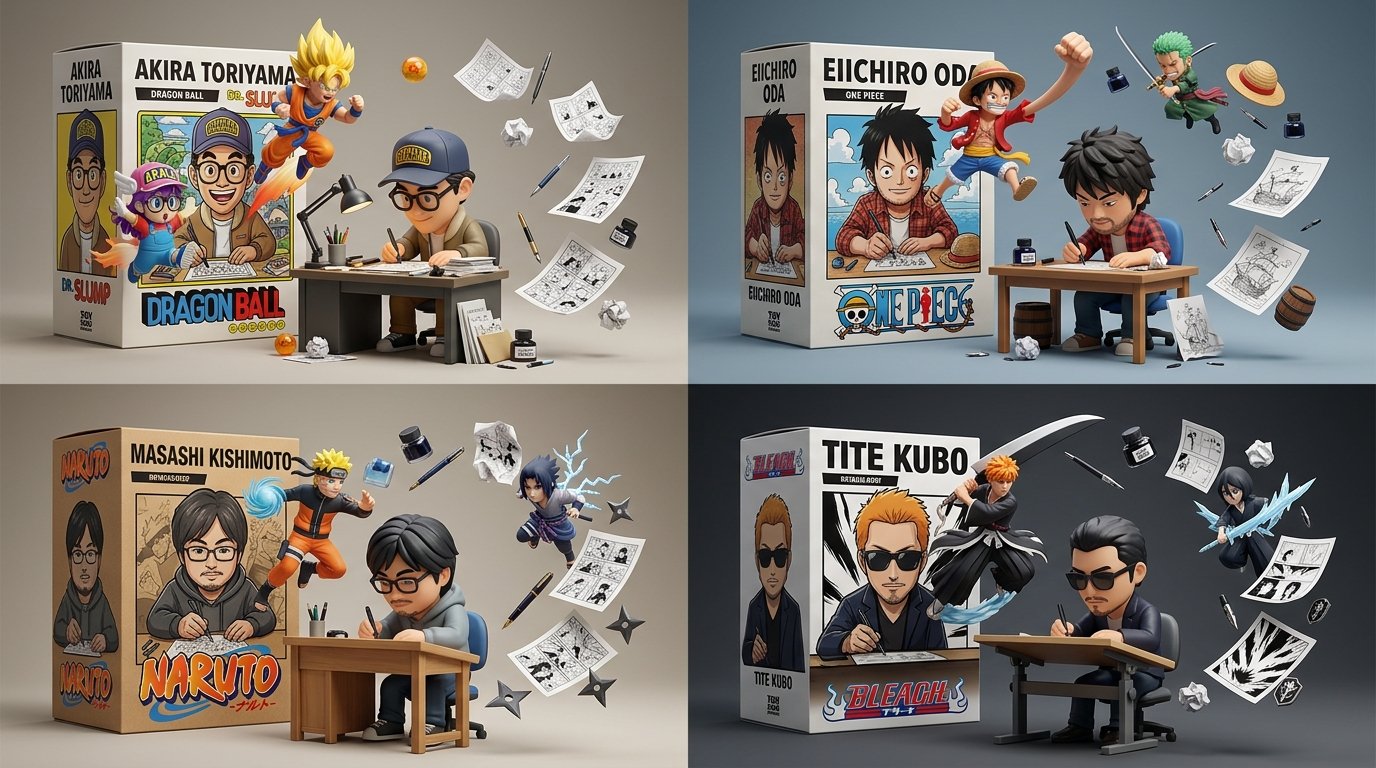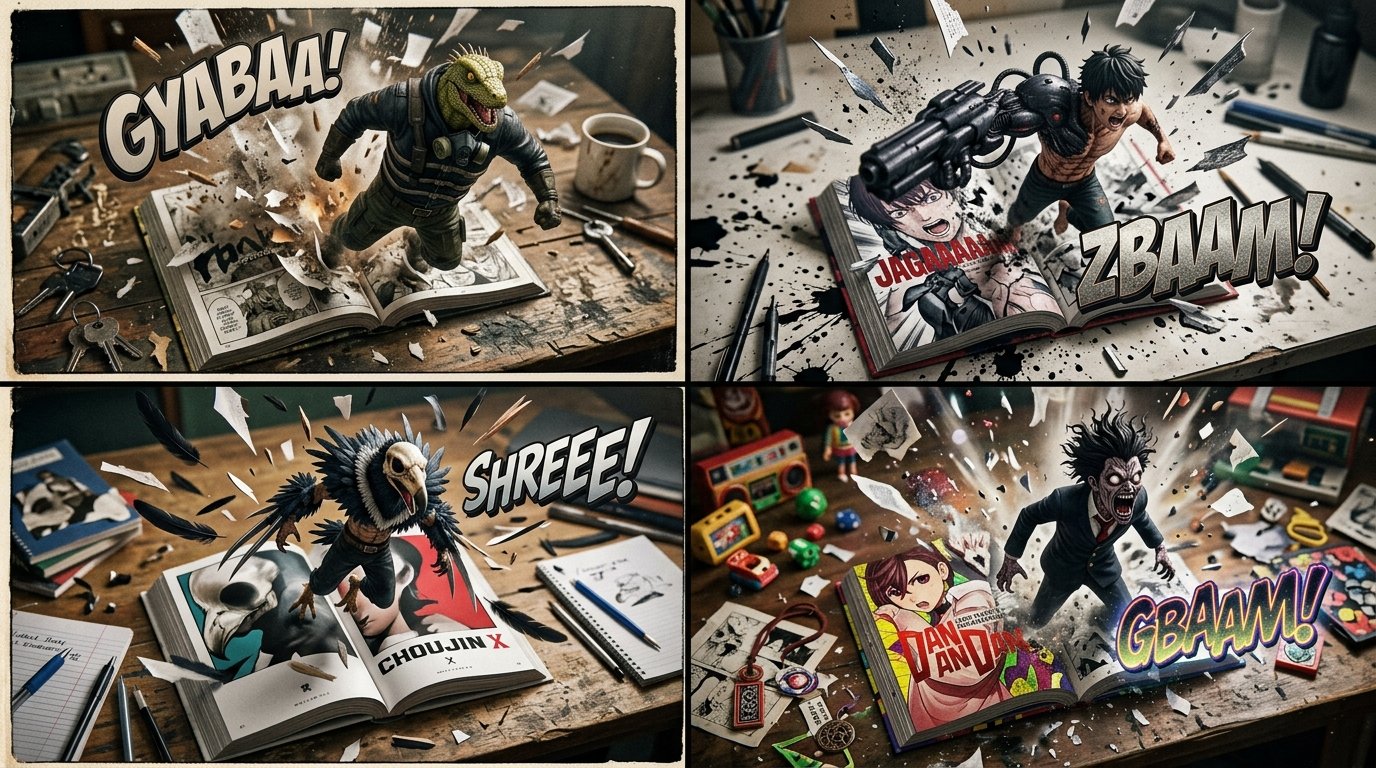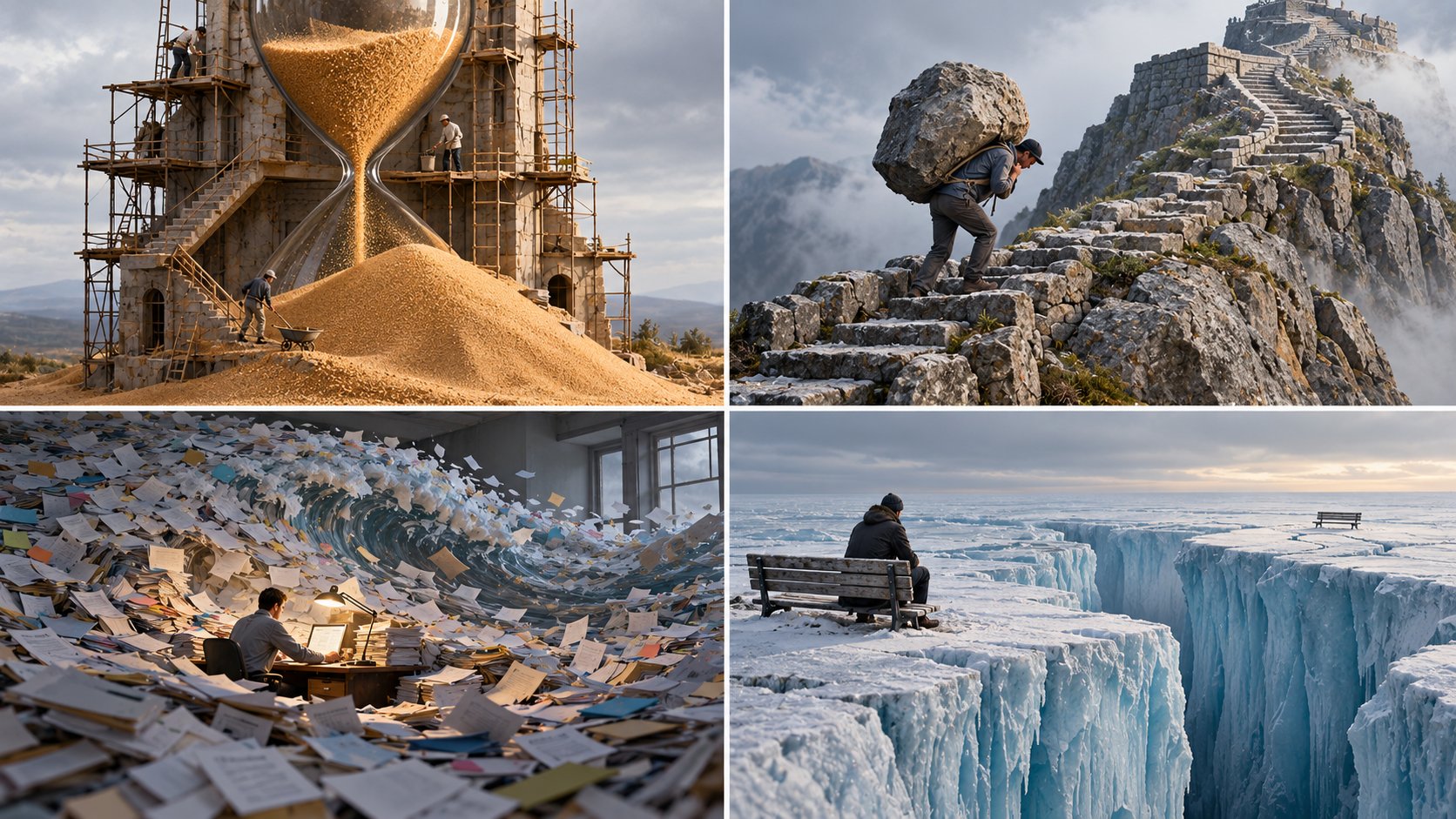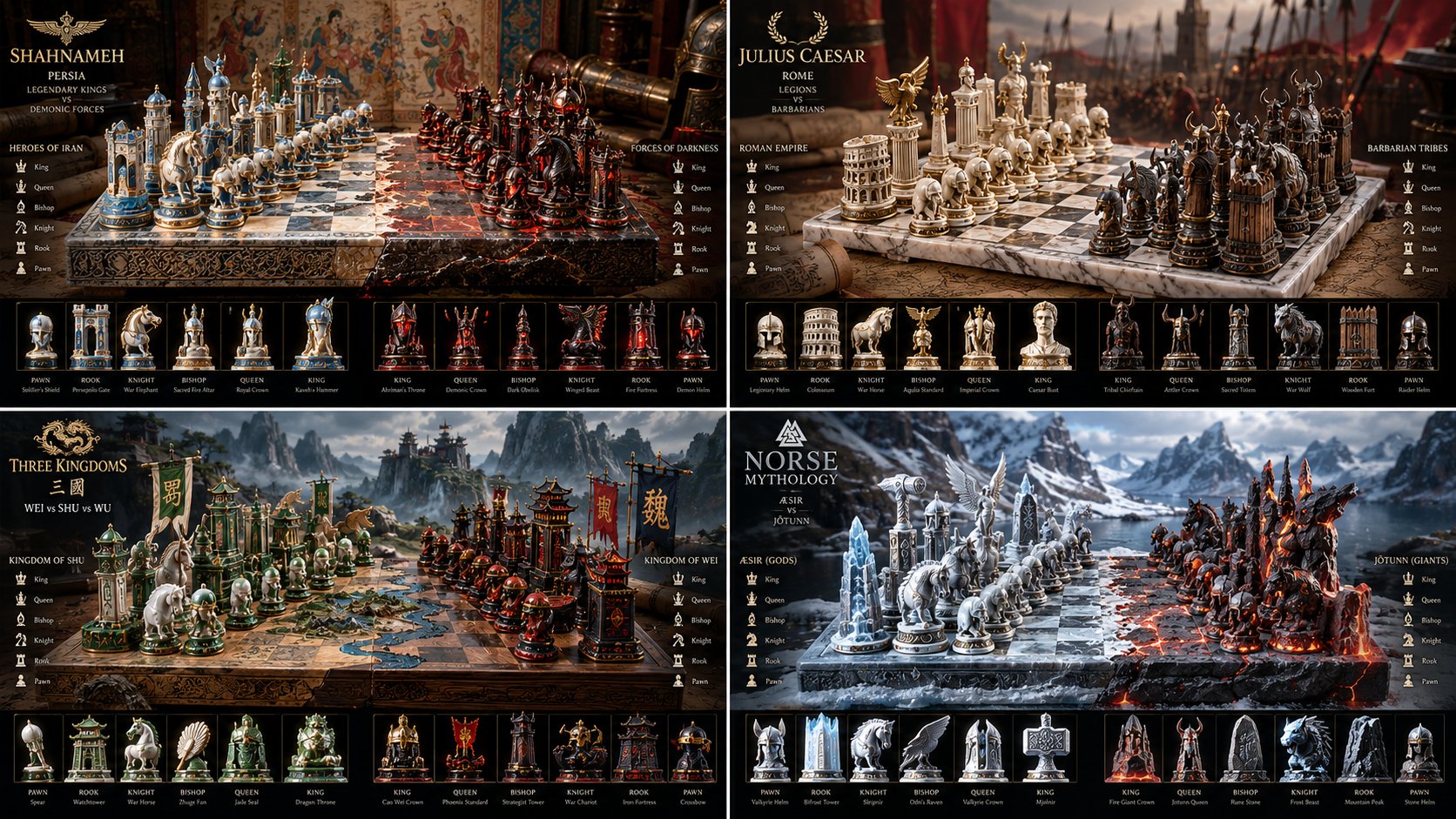
Collector's Edition Chess Set Render

Input Variable: [INSERT FANDOM OR RIVALRY HERE] (e.g., Jedi vs Sith, Marvel vs DC, Horde vs Alliance) System Instruction: Generate a hyper-realistic, isometric 3D render of a "Collector's Edition Chess Set." Use the following logic: 1. Faction Analysis: Faction A (White/Left): Identify the protagonists. Define their "Core Aesthetic" (e.g., Organic, Round, Blue/Green). Faction B (Black/Right): Identify the antagonists. Define their "Core Aesthetic" (e.g., Industrial, Sharp, Red/Purple). The Board: The surface must represent the terrain where they battle (e.g., Grass vs. Charred Earth; Marble vs. Obsidian). 2. The Pieces (The Artifact Rule): DO NOT GENERATE CHARACTERS. Do not make tiny action figures. Abstract Totems: The pieces must be Stylized Artifacts representing the faction. Pawns: Their signature grunt weapon or symbol (e.g., Clone Trooper Helmets vs. Droid Heads; Kunai vs. Shuriken). Rooks/Bishops: Iconic architecture or heavy weaponry (e.g., Towers of Gondor vs. Barad-dûr). Knights: The "Beast" or "Vehicle" of that faction (e.g., X-Wing vs. TIE Fighter; Chocobo vs. Magitek Armor). King/Queen: The symbol of leadership (e.g., The Iron Throne vs. The Crown; A specific hilt of a legendary sword). 3. Visual Syntax: Materials: Render the pieces in "Premium Materials" appropriate to the lore. (e.g., Jedi = Chrome & Plasteel; Sith = Corroded Iron & Red Kyber Crystal). Effect: A magical/energy particle effect flares at the center of the board where the two sides meet. Lighting: Cinematic, dramatic "God Rays" illuminating the center interaction. 4. Technical Specs: Camera: Isometric, Macro. Render: Unreal Engine 5 style, Ray-tracing enabled, "Merchandise Photography" aesthetic. Output: 1:1 Aspect Ratio, 8k Resolution.
Details
- Type
- AI Image Prompts
- Aspect Ratio
- 1672:941
- Updated
- Oct 16, 2026
Category
How to use this prompt
- 1Copy the full prompt with the copy button above.
- 2Open Nano Banana 2.1 by Google, or any image generator with a similar style range.
- 3Paste the prompt, then swap the subject and style keywords to match your idea.
- 4Match the example's settings (1672:941 · Surreal · Game Assets · 3D Render), then iterate — small wording changes shift the output a lot.
Frequently asked questions
Which AI model generated this image?
This image was generated with Nano Banana 2.1 by Google. The prompt on this page is the exact text used to create it.
What settings does this prompt use?
The example was generated with Nano Banana 2.1 using: 1672:941 · Surreal · Game Assets · 3D Render. Reusing these settings gives the closest match.
How do I get similar results?
Copy the prompt as-is first, then replace only the subject while keeping the style, lighting, and composition keywords. Generate a few variations — outputs differ between runs.
Can I modify this prompt?
Yes. Prompts work best as starting points — adjust descriptors, aspect ratio, or style tags to make the output your own.