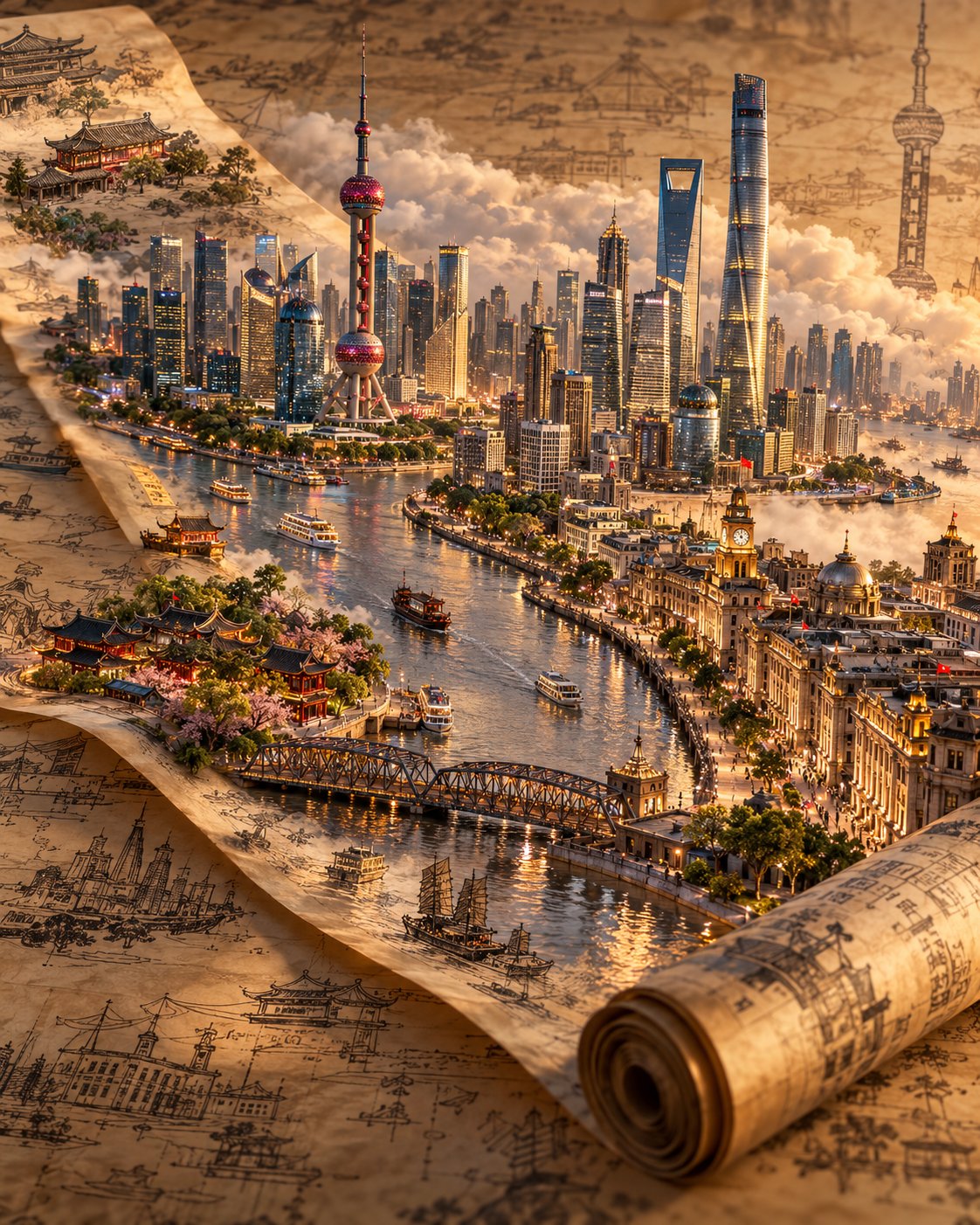
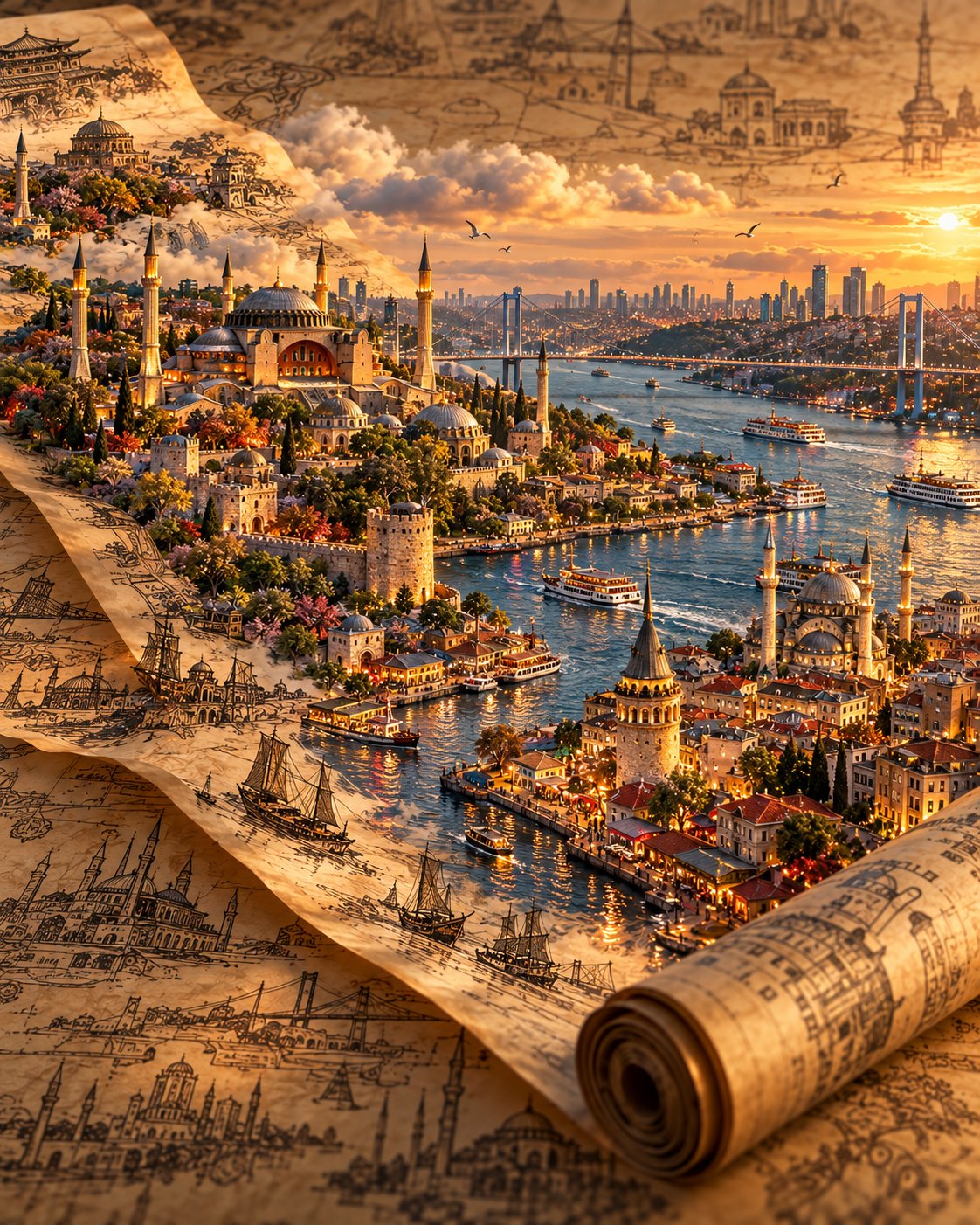
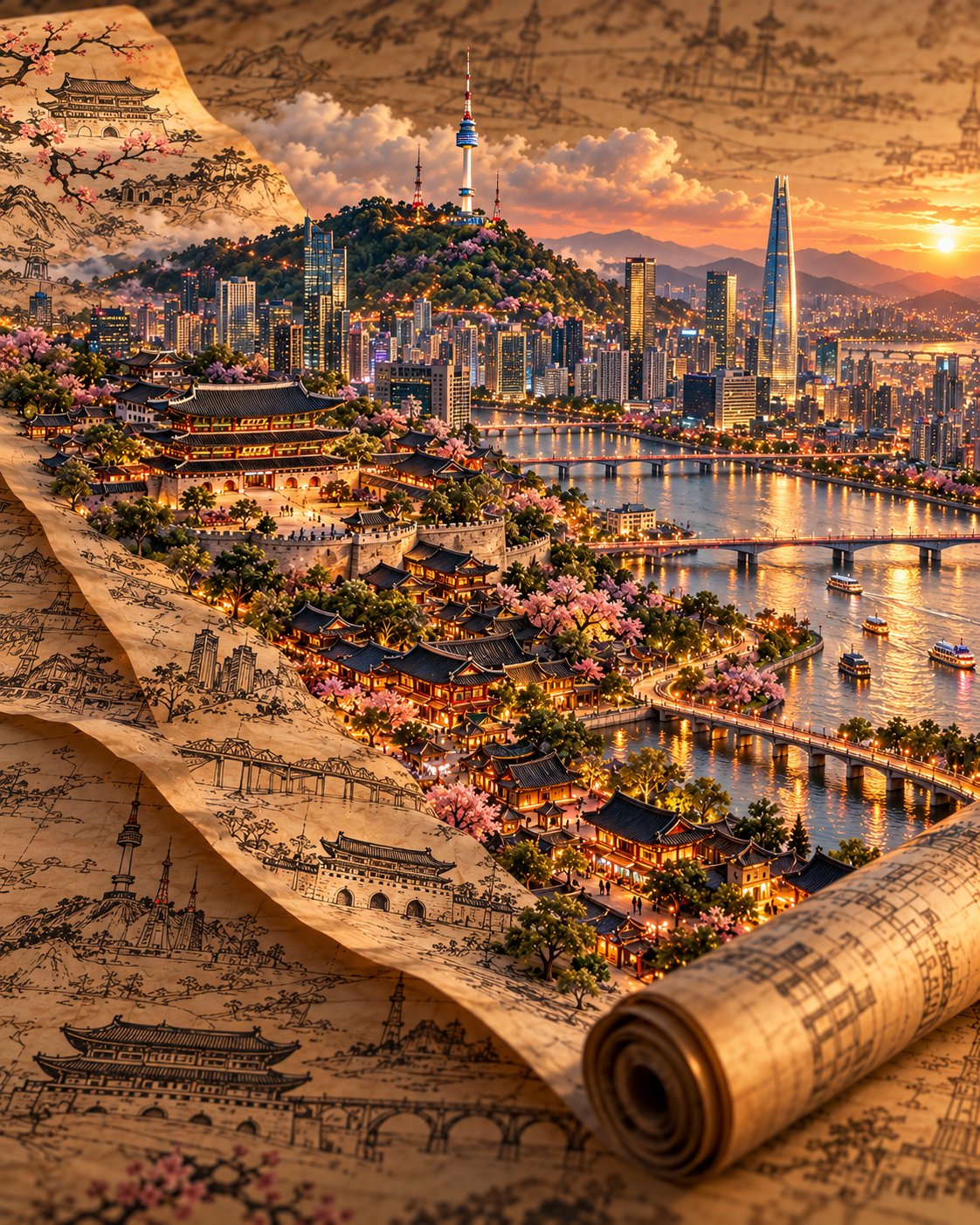
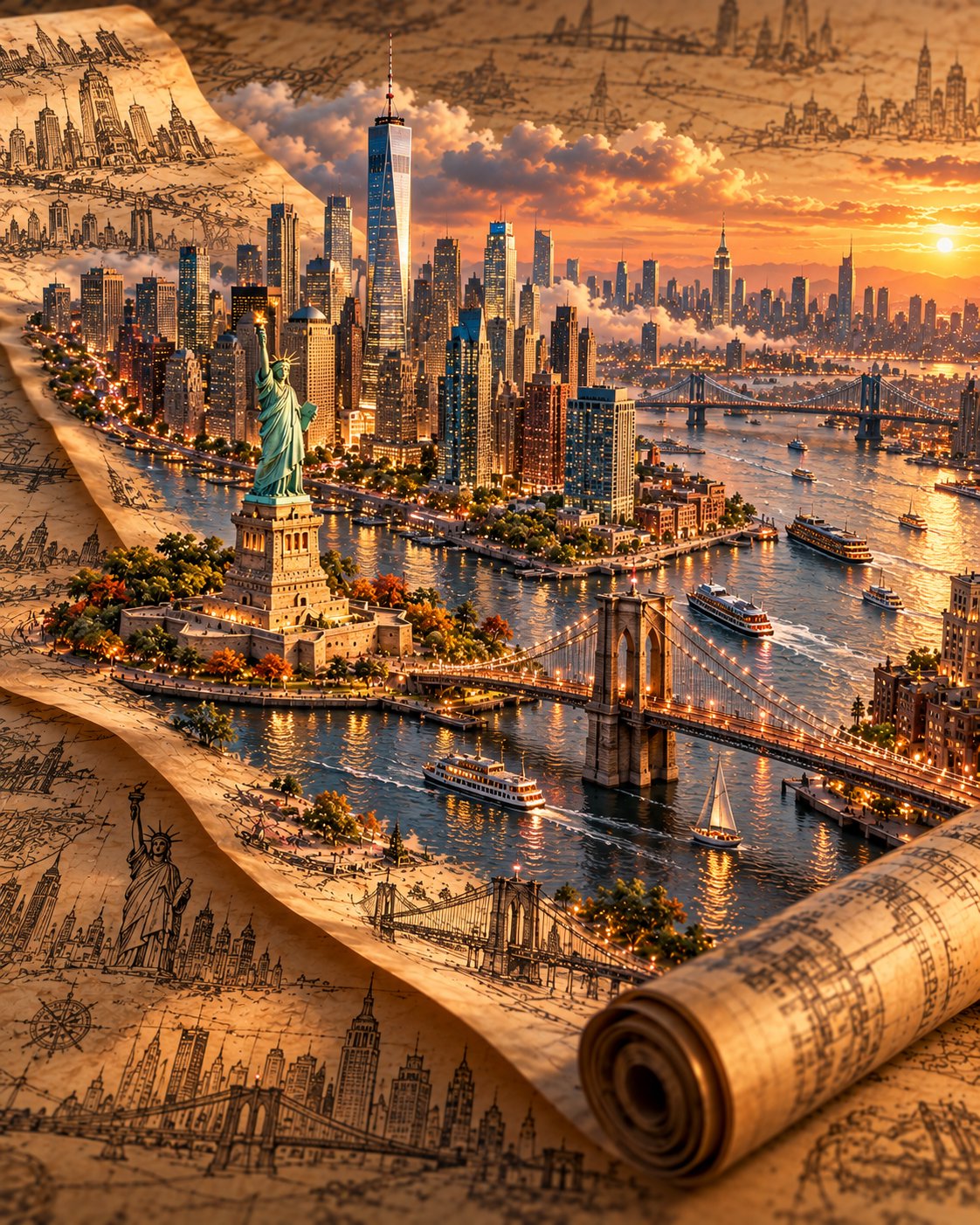
3D Miniature Travel Diorama on Parchment
 GPT Image 2.5OpenAIimage
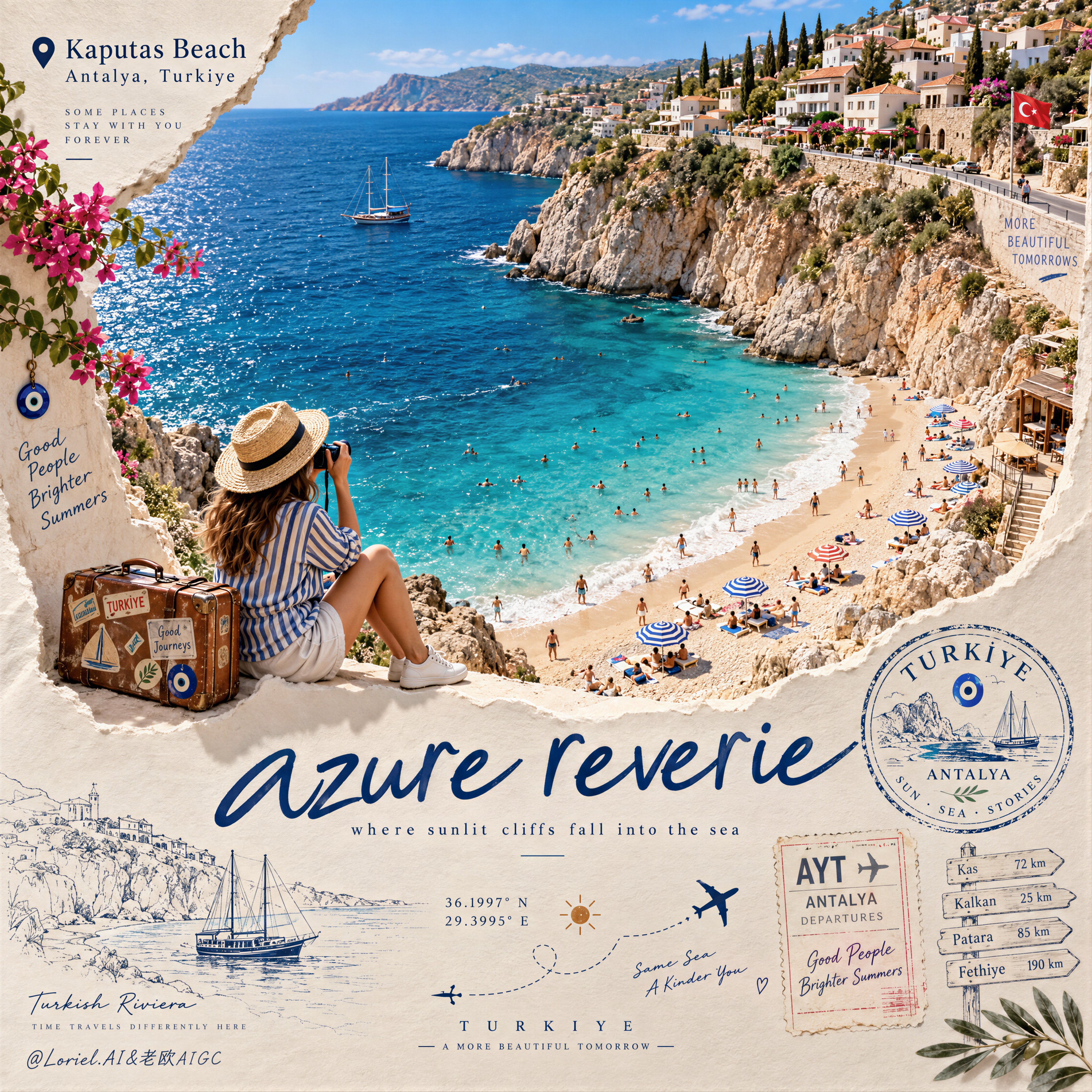
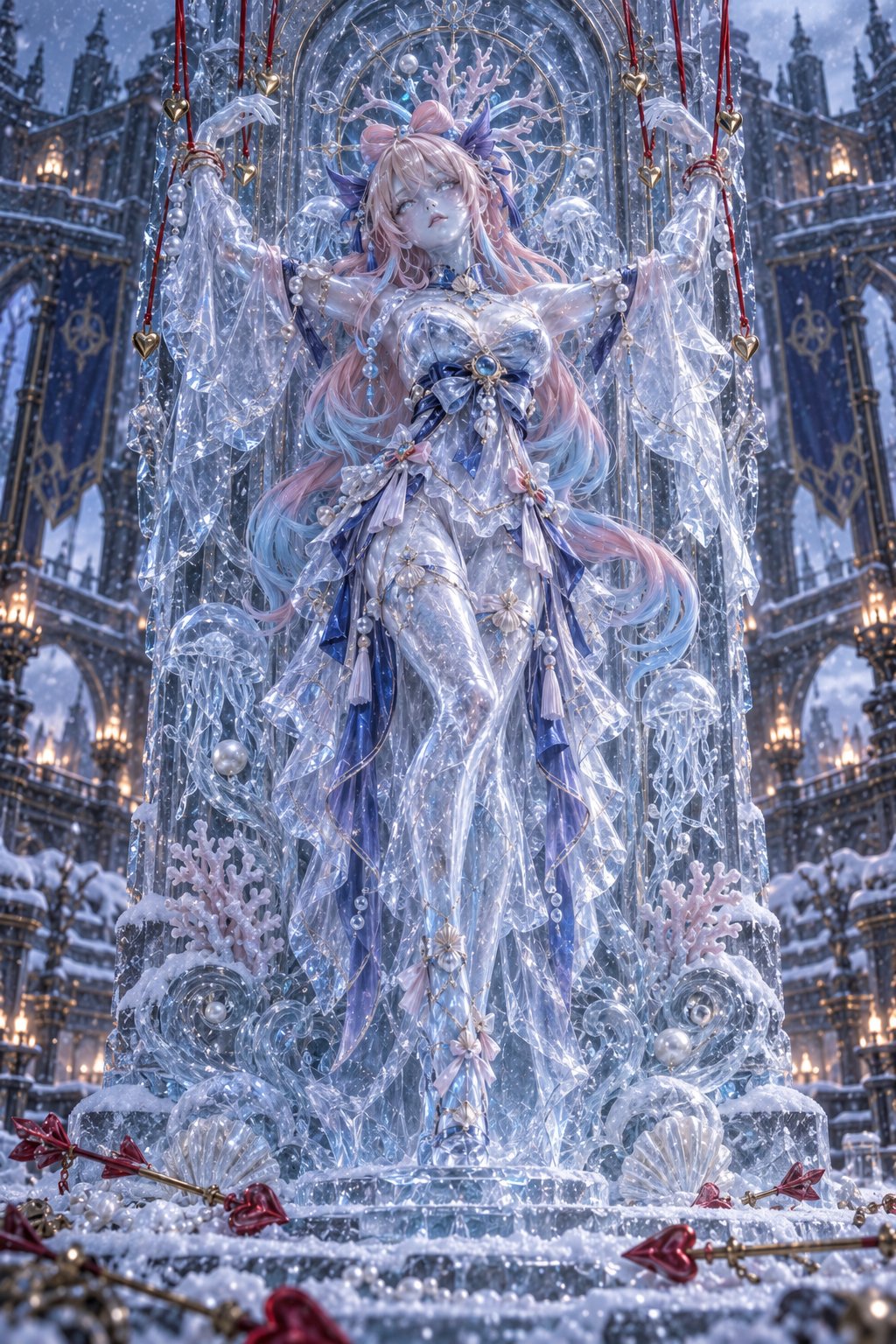
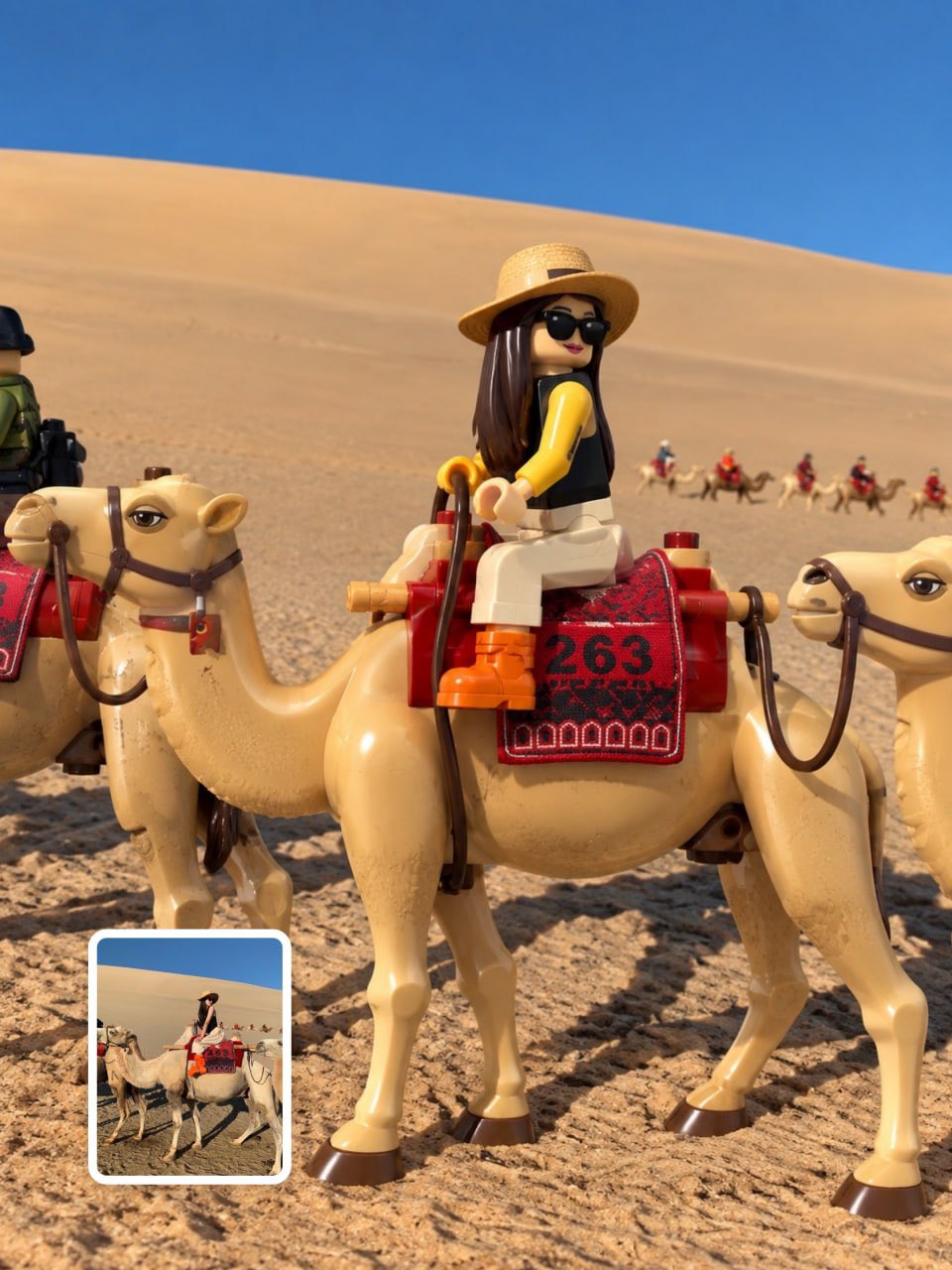
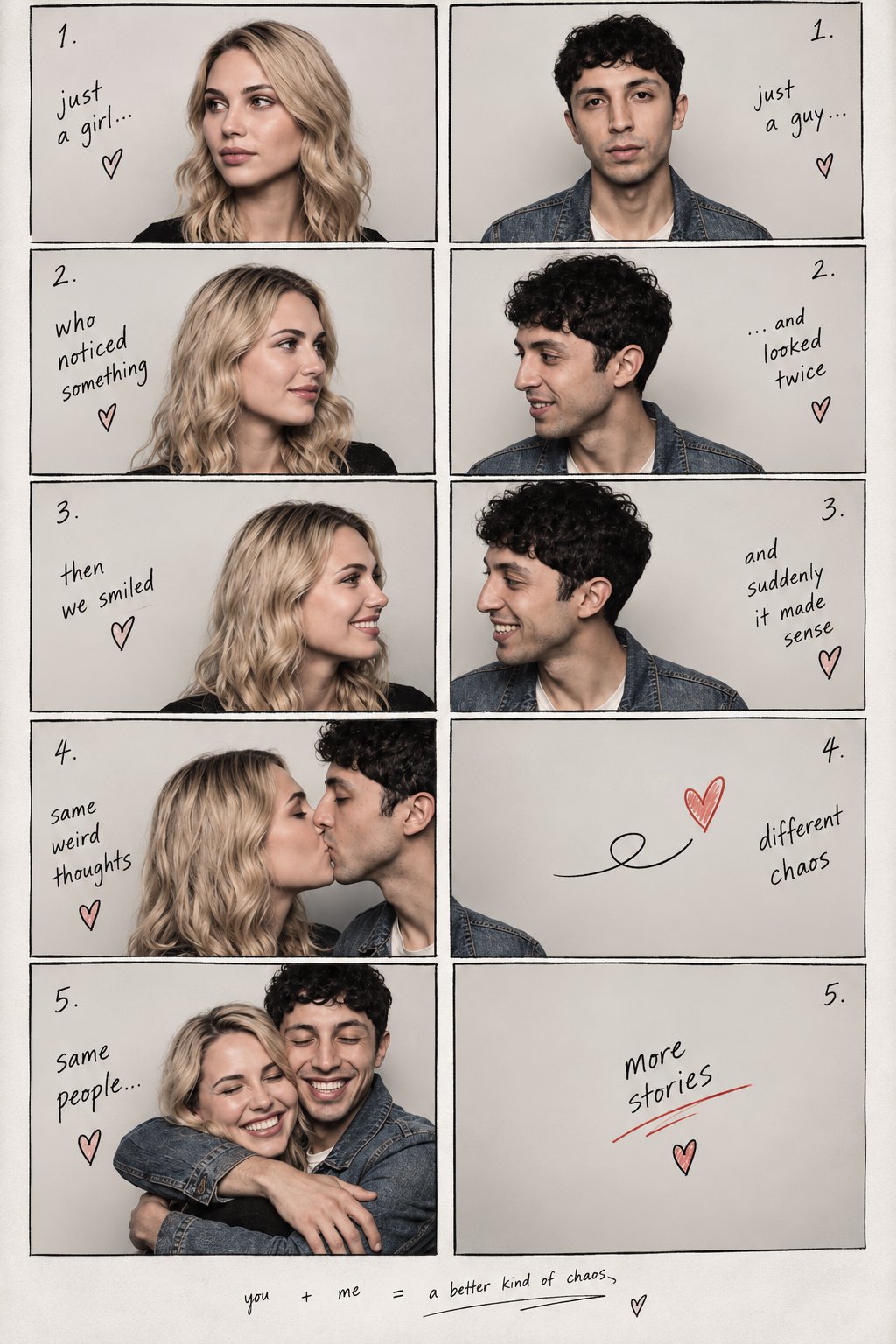
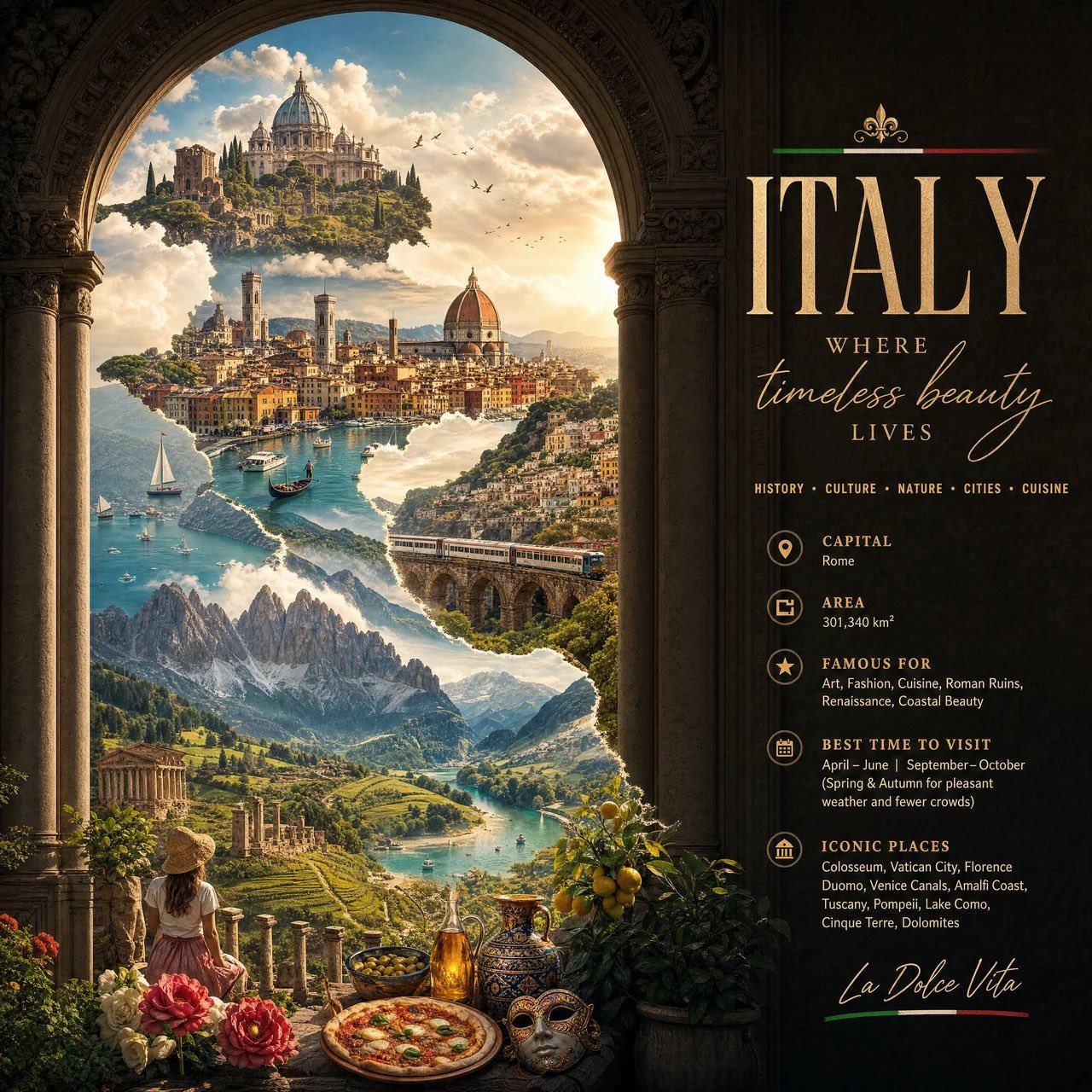
Create a premium FULL-FRAME 4:5 vertical cinematic 3D travel artwork for [COUNTRY / CITY / LOCATION]. TEXT-TO-IMAGE ONLY — generate the entire scene from the location name alone. No reference image required. CORE CONCEPT: A monumental photorealistic 3D miniature world rises from a translucent parchment scroll laid diagonally across a seamless, weathered antique blueprint surface. Feature the location’s most iconic architecture, authentic landmarks, local vegetation, and distinctive natural scenery as one cohesive sculptural diorama. COMPOSITION: The parchment scroll runs diagonally from the upper-left toward the lower-right, ending in a tightly rolled cylinder. Fill the frame with aged paper texture, delicate historical ink drawings, architectural sketches, and cultural motifs associated with the destination. The raised miniature world dominates approximately 80% of the composition, with soft clouds drifting around distant structures. Use a low, location-level cinematic viewpoint, never a bird’s-eye view. STYLE & LIGHTING: Hyper-realistic 3D miniature diorama, intricate architectural detail, translucent parchment, expressive black ink brushwork, warm antique textures, epic golden-hour illumination, cinematic shadows, ambient occlusion, atmospheric depth, and shallow depth of field. FINAL AESTHETIC: A grand historical travel illustration combining ancient cartography, cultural heritage, and monumental miniature architecture. AVOID: Generic landmarks, inaccurate architecture, unrelated cultural symbols, flat illustrations, excessive ornamentation, visible outer paper edges, text overlays, logos, and watermarks. FORMAT: Full-bleed 4:5 vertical composition, 8K-quality detail, Unreal Engine 5 rendering aesthetic.
Details
- Type
- AI Image Prompts
- Aspect Ratio
- 561:701
- Updated
- Oct 14, 2026
How to use this prompt
- 1Copy the full prompt with the copy button above.
- 2Open GPT Image 2.5 by OpenAI, or any image generator with a similar style range.
- 3Paste the prompt, then swap the subject and style keywords to match your idea.
- 4Match the example's settings (561:701 · Cinematic · 3D Render · Vintage), then iterate — small wording changes shift the output a lot.
Frequently asked questions
Which AI model generated this image?
This image was generated with GPT Image 2.5 by OpenAI. The prompt on this page is the exact text used to create it.
What settings does this prompt use?
The example was generated with GPT Image 2.5 using: 561:701 · Cinematic · 3D Render · Vintage. Reusing these settings gives the closest match.
How do I get similar results?
Copy the prompt as-is first, then replace only the subject while keeping the style, lighting, and composition keywords. Generate a few variations — outputs differ between runs.
Can I modify this prompt?
Yes. Prompts work best as starting points — adjust descriptors, aspect ratio, or style tags to make the output your own.