
LogoAhaPrompt
  • 提示词
  • 精选
  • 模型
  • 投稿
  • 博客
AhaPromptAhaPrompt

图片、视频、音频 AI 提示词库

Built withLogoNEXTY.DEV
探索
  • 全部提示词
  • 精选提示词
  • 图片提示词
  • 视频提示词
  • 音频提示词
  • AI 模型
  • 投稿提示词
  • 博客
语言
  • English
  • 中文
  • 日本語
  • 한국어

版权所有 © 2026 AhaPrompt 保留所有权利。

隐私政策条款与条件
首页AI 提示词库AI 图片提示词橡皮章旅行手账海报
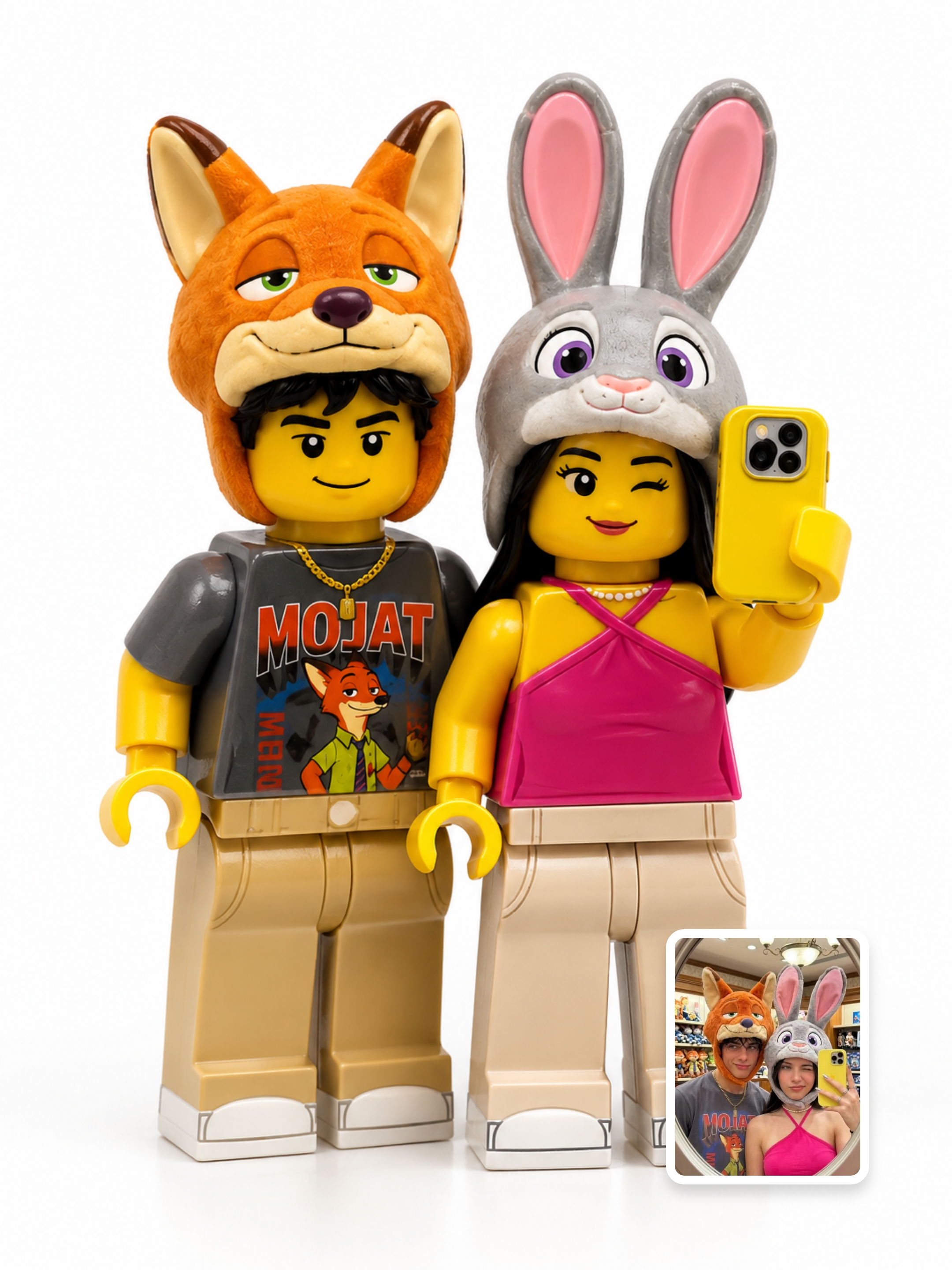
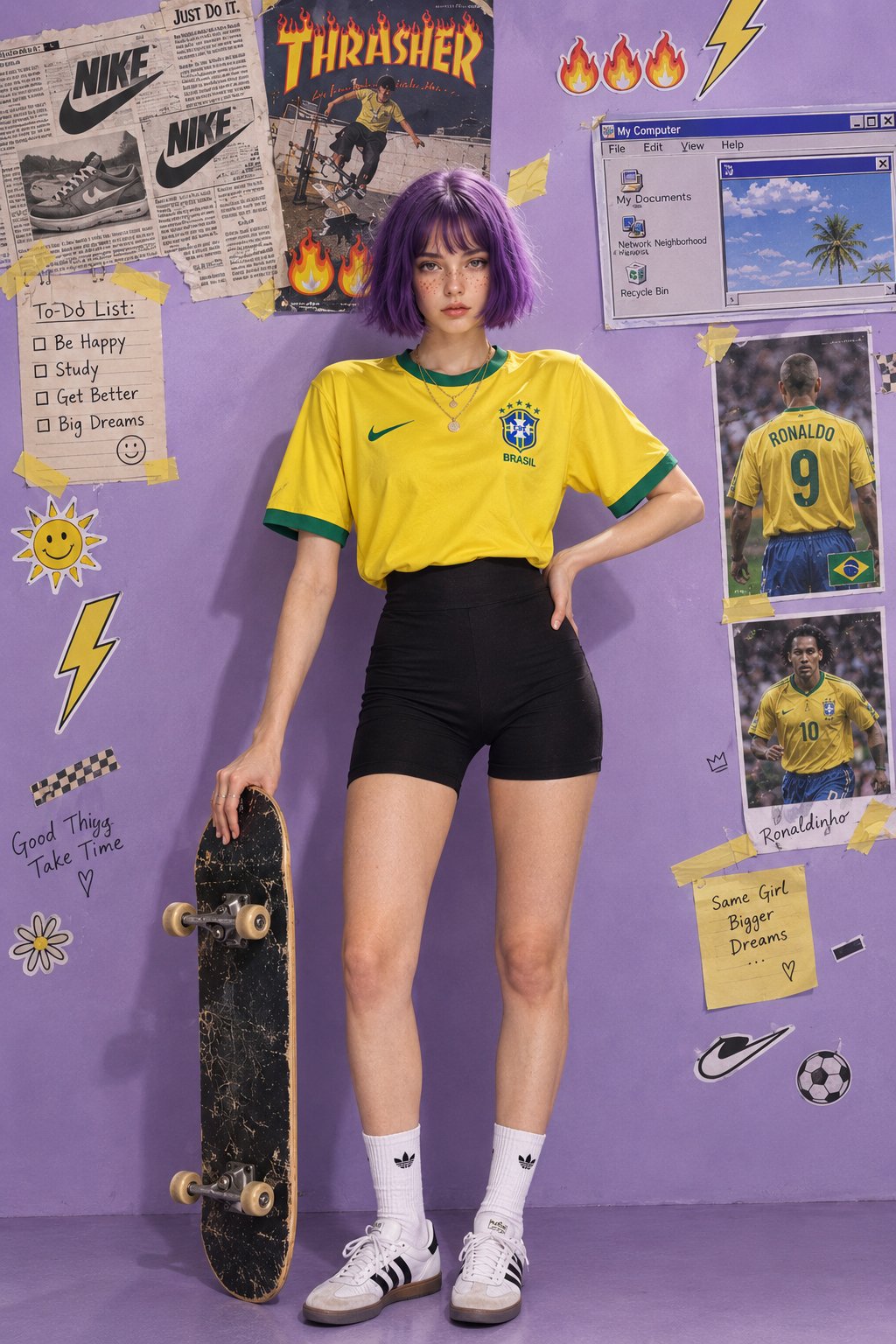
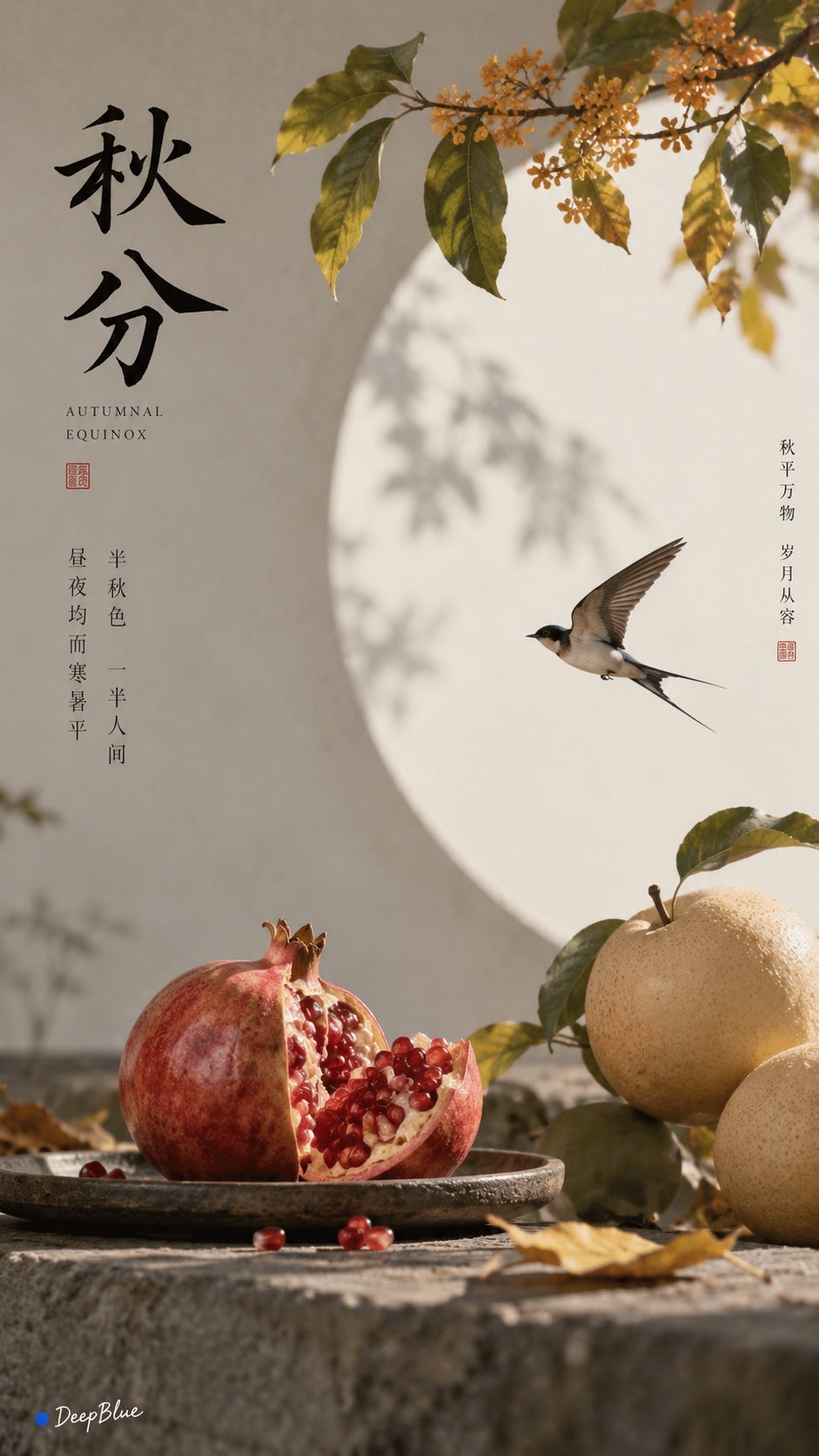
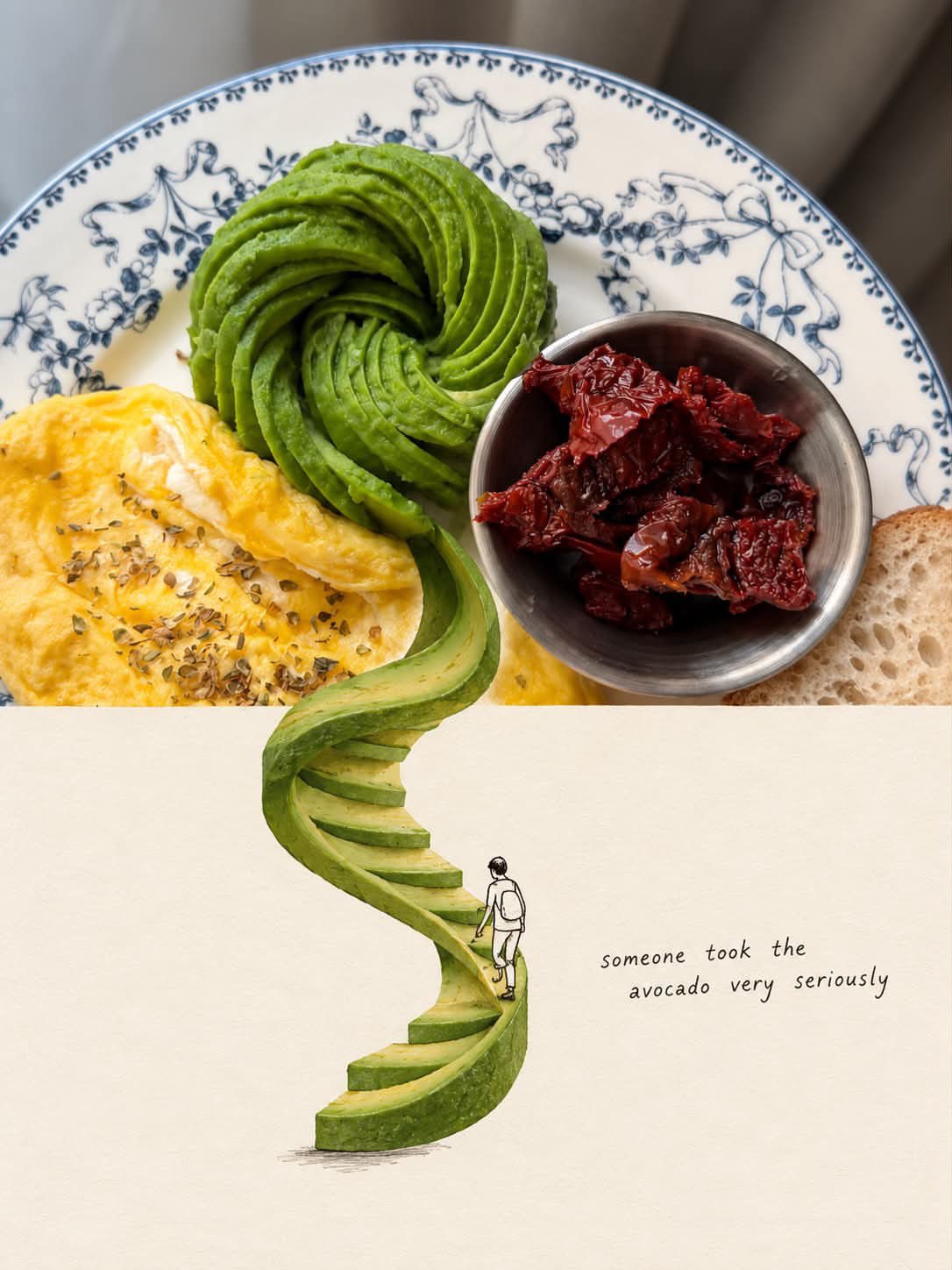
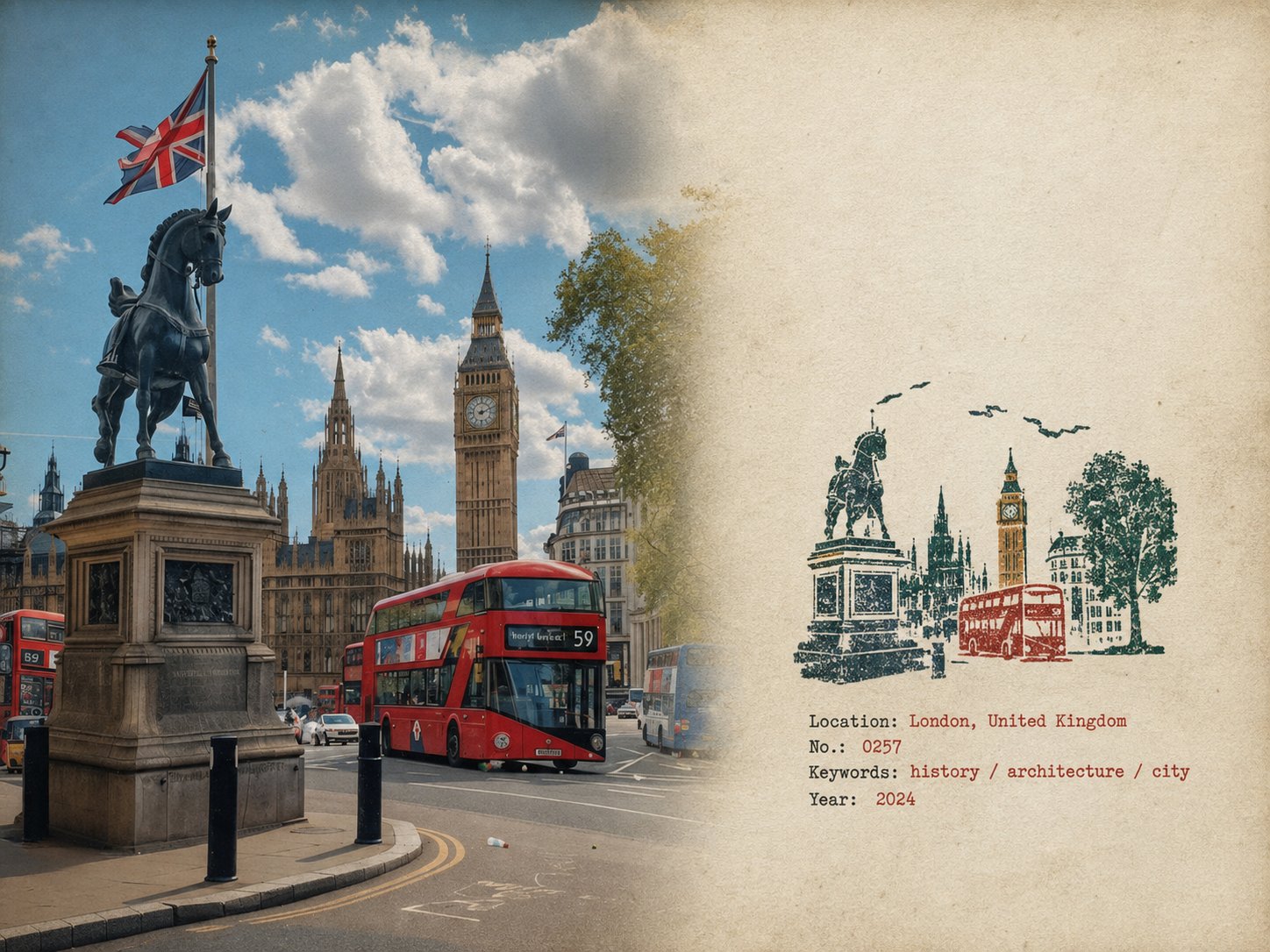
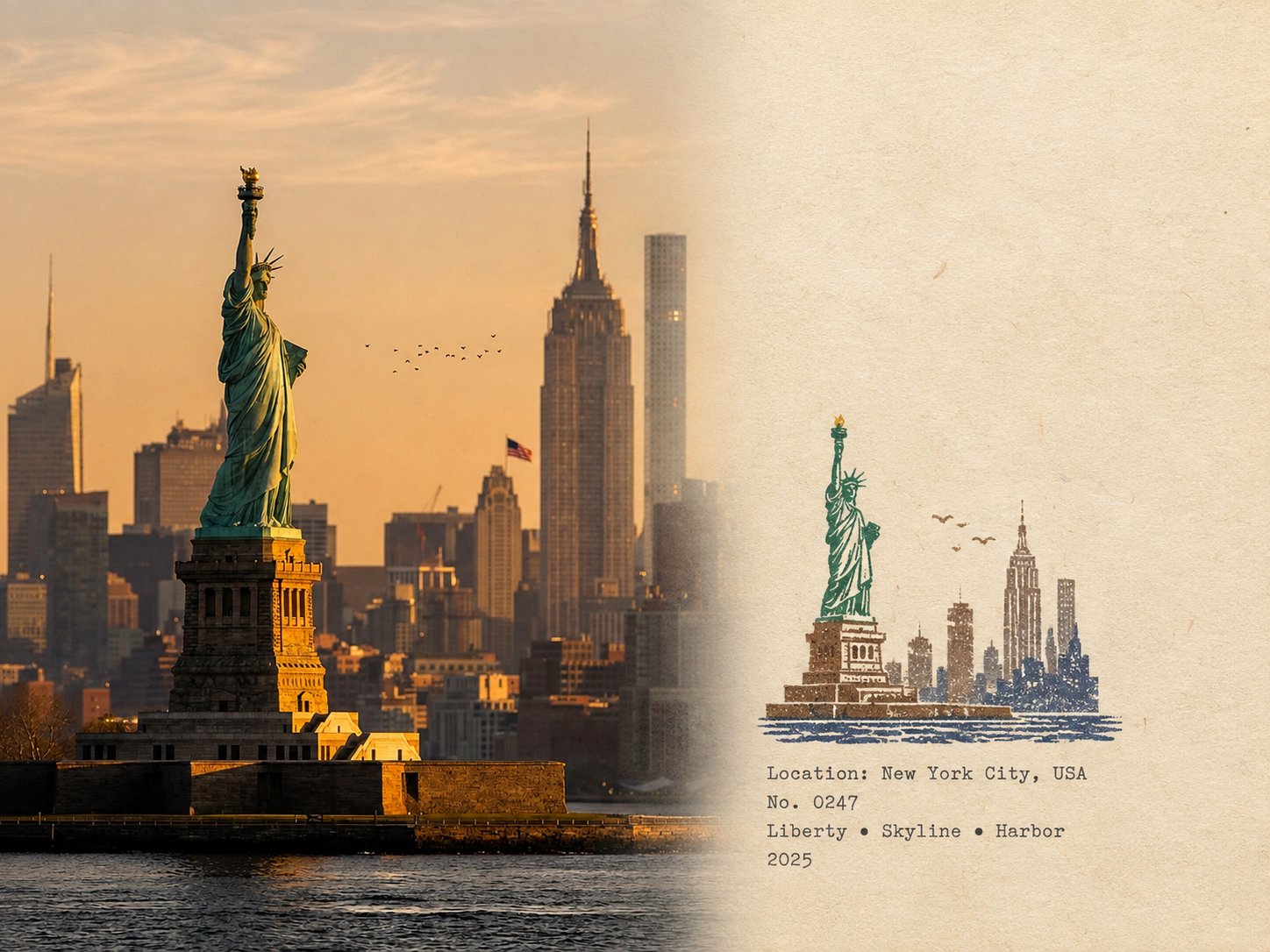
橡皮章旅行手账海报 — AI image prompt — GPT Image 2 — Poster, Realistic, Nature - 1
橡皮章旅行手账海报 — AI image prompt — GPT Image 2 — Poster, Realistic, Nature - 2

橡皮章旅行手账海报

OpenAIGPT Image 2OpenAIimage

Rubber Stamp Travel Field Notes Poster — Natural Realism Version Create a separate “Rubber Stamp Travel Field Notes Poster” for each photo I upload. Output each photo individually. Never create a collage or combine multiple photos. Use a 4:3 landscape composition with a natural visual transition between the original photograph on the left and the aged-paper field-note area on the right. Do not add an obvious dividing line. LEFT — ORIGINAL PHOTOGRAPH The left side should occupy roughly 58% of the frame. Keep the uploaded photograph visually authentic and recognizable. Preserve the original subject, perspective, terrain, architecture, plants, people, spatial relationships, natural light, shadows, textures, and overall atmosphere. Do not redesign or reinterpret the photograph. Only apply a very subtle editorial photo treatment: gentle tonal balancing, restrained color grading, slightly softened highlights, and extremely fine natural film grain. It should still look like a real photograph taken on location rather than an AI-generated image. Natural cropping is allowed if needed to fit the 4:3 layout, but do not stretch, distort, move, replace, or redraw the main subject. Avoid excessive sharpness, HDR effects, artificial clarity, cinematic color grading, or overly perfect details. RIGHT — AGED PAPER FIELD NOTES The right side should occupy roughly 42% of the frame. Use warm off-white, slightly aged paper with a believable physical texture. Include very subtle paper fibers, fine grain, faint handling marks, and a matte surface. Keep large areas completely unprinted. The paper should feel like a real sheet from an architect's travel notebook or field journal, not a designed poster background. Avoid overly strong stains, decorative textures, vintage filters, or artificial grunge. SMALL RUBBER STAMP Study the uploaded photograph and identify only the few visual features that make the location immediately recognizable. Reduce them into a compact, imperfect multi-color rubber stamp impression. Do not reproduce the photograph element by element. Simplify aggressively and retain only the most meaningful visual relationships: - distinctive architecture and silhouette - important roof, tower, dome, arch, or structural shape - mountain or terrain contours - shoreline or road direction - a few recognizable trees or vegetation forms - simplified settlement layers - one or two important foreground shapes when visually relevant Remove crowds, cars, dense windows, repetitive buildings, tiny vegetation, decorative objects, and insignificant background details. The result should look like something a traveler could have actually carved into a small rubber stamp, not a miniature illustration of the entire photograph. Place the stamp in the lower-middle portion of the right paper area, occupying approximately 30–38% of the right section's height. Keep generous blank paper around it. Do not enlarge it into a large illustration. STAMP COLOR & PRINT CHARACTER Extract approximately 2–4 muted spot colors naturally from the original photograph. Possible colors include: - carbon black - deep green - brick or muted red - ochre - slate blue - taupe or earthy brown Do not force these colors if the photograph suggests a different restrained palette. Each color should appear as a separate physical ink layer. Make the print feel genuinely handmade: - slightly uneven pressure - tiny gaps in the ink - dry areas - paper showing through - rough carved edges - irregular line thickness - small contour breaks - granular ink texture - faint ghosting - slight natural color-layer misregistration - subtle edge variation The imperfections should be small and believable, as if the stamp was pressed onto paper by hand. Avoid perfectly aligned digital layers, smooth vector edges, clean gradients, or artificially exaggerated distress. The stamp should look physically printed, not digitally illustrated. FIELD-NOTE TYPOGRAPHY Generate a small amount of text based only on the actual location and imagery in the photograph: Location — English name No. — Number Three short English keywords Gregorian calendar year Place the text below or beside the stamp within the available whitespace. Use a small, understated typewriter or archival field-note style. The typography should have very slight mechanical irregularity, as though typed or printed on an old field notebook. Keep it quiet and secondary to the photograph. Spell the location and all words correctly. Do not add slogans, brands, tourist phrases, decorative quotes, or unnecessary text. OVERALL REALISM The finished image should feel like a real travel photograph mounted beside a small handmade field stamp on an architect's personal notebook page. Prioritize subtle physical realism over visual perfection. The photograph should remain the strongest visual element. The stamp should feel like a small fragment of memory extracted from the photograph rather than a second illustration. Use restrained contrast, natural imperfections, believable paper texture, and slightly imperfect printing. The final result should feel quiet, tactile, documentary, collectible, and genuinely handmade. Avoid Obvious dividing lines, circular seals, postage-stamp borders, perforations, wax seals, sticker layouts, souvenir-card designs, generic travel templates, smooth vector logos, polished digital illustrations, cartoon styling, 3D rendering, plastic textures, glossy gradients, excessive saturation, HDR effects, excessive text, decorative clutter, overly clean geometry, perfectly aligned ink layers, dense miniature architecture, or any alteration/redrawing of the original photograph.

详细信息
类型
AI 图片提示词
画面比例
4:3
更新于
2026年8月25日
分类
PosterRealisticNature
Source

如何使用这条提示词

  1. 1点击上方复制按钮,复制完整提示词。
  2. 2打开 OpenAI 的 GPT Image 2,或任何风格相近的图片生成工具。
  3. 3粘贴提示词,替换主体和风格关键词,改成你想要的画面。
  4. 4按示例参数(4:3 · Poster · Realistic · Nature)生成,再小步迭代——措辞的细微变化会显著影响结果。

常见问题

这张图片是用哪个 AI 模型生成的?

本图由 OpenAI 的 GPT Image 2 生成,页面上的提示词就是生成它的原始文本。

这条提示词用了哪些参数?

示例由 GPT Image 2 生成,参数:4:3 · Poster · Realistic · Nature。沿用这些参数可获得最接近的效果。

怎样才能生成相似的效果?

先原样复制提示词,只替换主体、保留风格/光影/构图关键词,多生成几次——每次输出都会有差异。

可以修改这条提示词吗?

当然可以。提示词最适合作为起点——调整描述词、宽高比或风格标签,做出属于你自己的作品。

更多 GPT Image 2 提示词

Create a premium vertical 4:5 travel poster for [COUNTRY], illustrated as one elegant continuous han — AI image prompt — GPT Image 2
PosterVintage
OpenAIGPT Image 2
Create a premium vertical 4:5 travel poster for [COUNTRY], illustrated as one elegant continuous hand-drawn line-art composition. Instead of placing landmarks separately, make them flow organically into one another, as if the entire country was drawn in a single uninterrupted travel sketch. Combine the country’s most recognizable architecture, landscapes, culture, food, transportation, nature, and tiny everyday details into one beautifully balanced scene. Use bold black ink outlines, delicate cross-hatching, playful imperfect hand-drawn details, subtle vintage-poster typography, and a mostly warm off-white paper background. Add only 2–3 signature accent colors inspired by the country. Include: One dominant iconic landmark A second architectural landmark subtly integrated into the skyline A famous natural landscape in the background Local transportation Traditional clothing or cultural detail A recognizable food or drink Small street-life moments Birds, clouds, plants and tiny decorative elements Handwritten labels pointing to selected elements At the top, use a large playful hand-lettered title: “[COUNTRY]” Below it, add a tiny elegant subtitle: “A little world to discover” Make the composition feel collected, whimsical, editorial, nostalgic and handcrafted, like a beautifully illustrated travel journal rather than a generic tourist poster. Avoid photorealism, gradients, 3D rendering and excessive colors. Clean white space around the illustration, highly detailed ink work, charming imperfections, premium stationery aesthetic, screen-print texture, sophisticated yet playful.
查看详情
Create a premium vertical aspect ratio 4:5 travel poster for [COUNTRY], illustrated as one elegant c — AI image prompt — GPT Image 2
PosterVintage
OpenAIGPT Image 2
Create a premium vertical aspect ratio 4:5 travel poster for [COUNTRY], illustrated as one elegant continuous hand-drawn line-art composition. Instead of placing landmarks separately, make them flow organically into one another, as if the entire country was drawn in a single uninterrupted travel sketch. Combine the country’s most recognizable architecture, landscapes, culture, food, transportation, nature, and tiny everyday details into one beautifully balanced scene. Use bold black ink outlines, delicate cross-hatching, playful imperfect hand-drawn details, subtle vintage-poster typography, and a mostly warm off-white paper background. Add only 2–3 signature accent colors inspired by the country. Include: One dominant iconic landmark A second architectural landmark subtly integrated into the skyline A famous natural landscape in the background Local transportation Traditional clothing or cultural detail A recognizable food or drink Small street-life moments Birds, clouds, plants and tiny decorative elements Handwritten labels pointing to selected elements At the top, use a large playful hand-lettered title: “[COUNTRY]” Below it, add a tiny elegant subtitle: “A little world to discover” Make the composition feel collected, whimsical, editorial, nostalgic and handcrafted, like a beautifully illustrated travel journal rather than a generic tourist poster. Avoid photorealism, gradients, 3D rendering and excessive colors. Clean white space around the illustration, highly detailed ink work, charming imperfections, premium stationery aesthetic, screen-print texture, sophisticated yet playful.
查看详情
Create a vibrant, cinematic,  photorealistic image inspired by the provided reference image. Use the — AI image prompt — GPT Image 2
CinematicNature
OpenAIGPT Image 2
Create a vibrant, cinematic, photorealistic image inspired by the provided reference image. Use the reference only for the overall character, mood, composition, and fashion aesthetic — create a fresh original scene. A beautiful young woman with long, naturally wavy dark-brown hair, warm expressive eyes, glowing natural skin, and a bright genuine smile. She has a relaxed, carefree personality and looks naturally happy. Her hair flows dramatically in the warm ocean breeze. She wears a loose, flowing coral-red/orange oversized dress with large cream botanical and floral patterns, lightweight fabric, wide sleeves, and a relaxed vacation silhouette. The dress moves naturally with the wind, creating elegant flowing shapes. Place her in a stunning tropical coastal environment with turquoise ocean water, soft waves, golden sandy beach, lush green tropical plants, distant mountains, palm trees, and colorful flowers. Use rich, vibrant colors with a warm cinematic golden-hour atmosphere. Photography style: ultra-realistic editorial travel photography, cinematic composition, natural skin texture, realistic facial details, subtle film grain, soft depth of field, beautiful bokeh, volumetric sunlight, warm highlights, rich color grading, high dynamic range, realistic fabric texture, natural hair movement. Composition: full-body portrait, slightly dynamic walking pose, body turned naturally toward the camera, looking directly into the lens with a joyful smile. Capture a candid vacation moment rather than a posed studio portrait. Make the image feel colorful, dreamy, youthful, spontaneous, luxurious, and cinematic while remaining photorealistic. Avoid: distorted anatomy, extra fingers, extra limbs, duplicated body parts, malformed hands, unnatural face, plastic skin, excessive makeup, stiff posing, warped clothing patterns, floating objects, artificial-looking hair, oversaturated skin, blurry face, low detail, text, watermark, logo. Vertical portrait composition, 9:16 aspect ratio, extremely detailed, photorealistic, cinematic, vibrant tropical color palette.
查看详情
超精细写实等距微缩模型立体景,展示[国家],悬浮于纯米白影棚背景之上,下方带有柔和投影。立体景采用该国家真实世界轮廓形状——不是方形瓷砖,而是该国边界与海岸线的精确地理轮廓,向下延伸为厚实的原石岩土板 — AI image prompt — GPT Image 2
SurrealAerialRealistic
OpenAIGPT Image 2
超精细写实等距微缩模型立体景,展示[国家],悬浮于纯米白影棚背景之上,下方带有柔和投影。立体景采用该国家真实世界轮廓形状——不是方形瓷砖,而是该国边界与海岸线的精确地理轮廓,向下延伸为厚实的原石岩土板块,边缘呈粗糙自然的悬崖状,如同真实土地被切割并抬起的一块。板块形状与该国实际地理精确吻合,包括所有岛屿、半岛或海岸线凹陷。 整个顶面忠实再现该国的真实地理与地形:山脉具有正确海拔与积雪覆盖,河流位于真实位置,主要森林与平原、沙漠、海岸线均包含海滩与悬崖。每座主要城市均以密集城市群的形式出现在其正确的地理位置上。该国最具标志性的地标建筑以准确位置和可辨识比例呈现。地形高度完全物理建模——山脉起伏壮观,山谷凹陷,平原平坦,在整个表面形成真实多样的3D地形。 密集微细节:城市群中的独立建筑、连接定居点的微型道路与高速公路、铁路、桥梁、带船只的港口、乡村地区的农田图案、独立树木与森林覆盖。每个地区都具有正确的景观特征——北部地形与南部截然不同。 风格:超写实移轴微距摄影——极其锐利,整个表面全部合焦,无模糊。上方柔和温暖日光,柔和漫射阴影,丰富自然色彩。郁郁葱葱的绿色、积雪覆盖的山峰、金色平原、海岸线深蓝色水域。 布局:异形立体景悬浮于画面下方三分之二的中央位置,四周留出清晰边距,绝不触及画面边缘。上方三分之一为空白米白空间,配极简编辑式排版,居中:最顶部为小号宽字距大写字母,标注大洲或地区名称;其正下方为[国家],使用中炭灰色粗体窄体无衬线字体——大而醒目,是最大的文字元素——国家名称右侧紧邻一面小巧的扁平矩形[国家]国旗,与国家名称垂直居中,色彩与比例准确,干净扁平设计,尺寸约等于国家名称大写字母高度,自然悬浮于名称旁,作为统一整体,不推至远缘,而是紧贴国家名称文字右端。其下方为小号宽字距大写字母,标注首都城市与人口。 极简编辑海报美学,高级印刷品质,4:5宽高比。
查看详情
Ultra-realistic cinematic vertical portrait of a beautiful young woman standing gracefully outdoors  — AI image prompt — GPT Image 2
PortraitRealisticCinematic
OpenAIGPT Image 2
Ultra-realistic cinematic vertical portrait of a beautiful young woman standing gracefully outdoors in warm golden-hour sunlight, holding a large bouquet of fresh deep-red roses close to her chest. She has long, naturally flowing black hair cascading over her shoulders and down her back, with soft windblown strands framing her face. Her features are delicate and elegant, with expressive dark-brown eyes, naturally defined eyebrows, long eyelashes, luminous smooth skin, subtle warm blush, and soft red lips with a gentle confident smile. She is wearing an elegant deep-burgundy long-sleeved dress with a refined, slightly sheer texture and sophisticated silhouette. She wears delicate pearl drop earrings that catch the sunlight beautifully. The bouquet consists of multiple realistic crimson-red roses with lush green leaves and natural stems. A large soft peach-orange helium balloon floats beside her in the upper-right background, attached with thin delicate strings, adding a romantic dreamy atmosphere. Warm sunlight creates a beautiful golden rim light around her hair and shoulders, with subtle glowing highlights and natural lens flare. The background features elegant dark architectural details softly blurred into creamy bokeh. Professional fashion photography, romantic cinematic atmosphere, photorealistic skin texture, natural facial details, realistic hair strands, highly detailed roses and fabric, shallow depth of field, creamy bokeh, HDR, soft cinematic color grading, 85mm portrait lens, f/1.8, natural golden-hour lighting, sharp focus on the face, sophisticated editorial aesthetic, ultra-detailed, 8K quality, vertical composition, 9:16 aspect ratio.
查看详情
Create a premium illustrated travel postcard for {{CITY_NAME}} in a refined Japanese tourism-magazin — AI image prompt — GPT Image 2
Poster
OpenAIGPT Image 2
Create a premium illustrated travel postcard for {{CITY_NAME}} in a refined Japanese tourism-magazine aesthetic. Automatically research and determine the city’s country, local-language name, most iconic landmark, authentic surrounding environment, distinctive local architecture, geography, vegetation, transportation, and secondary visual details. The landmark must be geographically accurate and instantly recognizable. Visual style: elegant Japanese travel editorial illustration, handcrafted layered paper collage combined with delicate gouache and watercolor textures, sophisticated Japanese tourism brochure aesthetic, calm and poetic atmosphere, refined composition, tactile matte paper, subtle handmade edges, soft physical paper shadows, delicate atmospheric depth. Composition: premium postcard. Use a cinematic elevated viewpoint with the iconic landmark as the main focal point. Surround it with accurately styled local buildings, streets, waterfronts, hills, mountains, parks, or other authentic geographic elements appropriate to the city. Keep the upper portion spacious with generous negative space for typography. Color palette: soft powder blue, warm ivory, cream, muted sage, dusty green, pale beige, soft gray, restrained terracotta. Low-to-medium saturation, gentle tonal transitions, no harsh contrast. Architecture: precise and believable local architecture with carefully simplified shapes, accurate proportions, characteristic materials and rooflines. Avoid generic buildings and random skyscrapers. People: include only a few tiny simplified paper-cut travelers and pedestrians naturally interacting with the environment—walking, sightseeing, sitting, or looking toward the landmark. They should provide scale without becoming the focus. Nature: delicate layered foliage, subtle trees, grasses and regional vegetation appropriate to the city. Add water, mountains, coastline, rivers, or other geographic features only when genuinely associated with the location. Typography: place elegant minimalist Japanese editorial typography in the upper-left with generous spacing: - CITY NAME — large uppercase geometric sans-serif - LOCAL CITY NAME · COUNTRY/REGION — small refined sans-serif - PRIMARY LANDMARK — small uppercase text with wide letter spacing Typography should feel integrated into the artwork, not like an overlay. Lighting: soft natural daytime light, slightly hazy atmosphere, gentle matte highlights, subtle layered shadows, peaceful and nostalgic mood. Material: high-quality matte art paper, fine tactile grain, layered paper construction, delicate watercolor pigment variation, slightly imperfect handcrafted cut edges, premium offset-print character. Camera feel: 40–50mm equivalent, natural perspective, minimal distortion, strong foreground/midground/background separation, carefully art-directed travel photography composition translated into an illustration. Overall mood: quiet, elegant, contemplative, authentic, sophisticated Japanese travel magazine, collectible destination postcard, premium tourism campaign quality. Avoid: photorealistic photography, CGI, plastic rendering, flat vector art, anime, cartoon caricature, generic skyline, inaccurate landmark, fictional architecture, geographically impossible scenery, duplicated buildings, excessive people, oversized people, neon colors, oversaturation, harsh black shadows, glossy surfaces, clutter, excessive outlines, random text, misspelled typography, watermark, logo, border, frame, UI elements. Generate the entire scene dynamically from {{CITY_NAME}} while maintaining this exact refined Japanese tourism-magazine visual identity.
查看详情
Ultra-realistic cinematic extreme close-up of the adult woman from the reference, strict identity lo — AI image prompt — GPT Image 2
CinematicPortraitRealistic
OpenAIGPT Image 2
Ultra-realistic cinematic extreme close-up of the adult woman from the reference, strict identity lock with exact facial features and proportions. She lies on a bed hugging a large white plush rabbit against her cheek. 70–80% side profile, face slightly turned toward camera, one eye meeting the lens, calm intimate expression. Loose natural hair with a few strands across her face, minimal makeup, realistic pores and skin texture. Warm sunlight stripe across her face with soft ambient fill. Dense realistic rabbit fur, shallow depth of field, corrected portrait perspective, cinematic lighting, subtle film grain, natural colors, 8K detail. No beautification, identity drift, distorted profile, plastic skin, tangled hair, extra fingers, CGI look, text or watermark.
查看详情
高级简约扁平矢量旅行海报,主题为[城市名],3:4竖版。

打造一张清新、通透、优雅的城市旅行海报,呈现专为[城市名]量身定制的独特设计感,而非套用其他城市的模板。

重要构图规则:
开始绘制前,先提 — AI image prompt — GPT Image 2
CityscapeMinimalistPoster
OpenAIGPT Image 2
高级简约扁平矢量旅行海报,主题为[城市名],3:4竖版。 打造一张清新、通透、优雅的城市旅行海报,呈现专为[城市名]量身定制的独特设计感,而非套用其他城市的模板。 重要构图规则: 开始绘制前,先提炼[城市名]独特的“城市基因”: 1. 一个核心地标或天际线特征, 2. 一种本地交通或出行元素, 3. 一个日常生活方式瞬间, 4. 一种本土植物或当地环境细节, 5. 一种专属于该城市的空间构图方式。 不得在不同城市间重复使用相同的版式公式。 避免默认套路: - 右侧永远是店铺, - 左侧永远是招牌, - 人物永远坐在咖啡馆桌边, - 前景永远是同样的花坛, - 路灯位置永远相同, - 滨水步道构图永远一致。 每座城市必须拥有不同的场景结构,取材于其真实氛围: 港口瞭望、巷弄街道、河滨公园、海滩漫步、山顶观景、市集一角、电车街道、渡轮码头、植物园、老城街巷、海岸栈道、文化广场或天际线远眺。 字体排印: 将“[城市名]”置于左上角,周围留出充足的字体安全负空间。 添加一句简短优雅的英文副标题,契合城市气质。 字体风格保持精致、简约、高级。 场景适配: 自动将场景适配至[城市名]。 以一个标志性核心地标作为主要视觉锚点。 仅添加2–4个真正属于该城市的辅助本地细节。 不得拼贴多个地标。 不得过度填充背景。 人物: 仅使用3–6个小尺寸人物。 每个人物应呈现具有城市特色的日常动作: 散步、写生、骑行、等电车、登渡轮、扛冲浪板、安静拍照、公园阅读、水边慢跑、逛小市集。 避免人群场景。 避免单一主角式英雄人物。 人物应自然融入城市环境中,而非从以往海报中复制粘贴。 本地细节: 仅在与城市契合时使用本地交通、标识、街道设施、植物、食物、建筑及休闲元素。 交通标识不必总是以大型竖式招牌出现。 可以微妙呈现为电车站牌、渡轮路线牌、车站时钟、自行车道标识、海滩巡逻旗、小型地铁图标或地面彩绘标记。 风格: 日式文具美学, 高端贴纸插画, 高级商业扁平矢量旅行海报, 干净细描边, 统一线条粗细, 纯扁平配色, 柔和极简造型, 沉静编辑式构图。 配色: 以淡粉蓝、柔天蓝、雾霾蓝作为氛围基调。 以暖奶油色、柔米色、鼠尾草绿、灰调豆绿用于建筑与自然元素。 以灰粉或淡粉仅作为花朵、招牌、遮阳篷、衣物或细小装饰的点缀色。 整体配色保持精致、低饱和、高级感。 氛围: 清新、极简、优雅、沉静、精致, 高端旅行明信片, 安静生活方式品牌感, 开阔空间、呼吸感、松弛的本地节奏。 负向提示: 无写实。 无水彩。 无绘画笔触。 无照片写实。 无厚重阴影。 无渐变。 无纸张纹理。 无密集背景。 无重复的右侧咖啡馆版式。 无重复的左侧招牌版式。 无通用游客海报拼贴。 无拥挤街道。 无超大人物。 无戏剧化光影。
查看详情
浏览全部 GPT Image 2 提示词探索AI 图片提示词